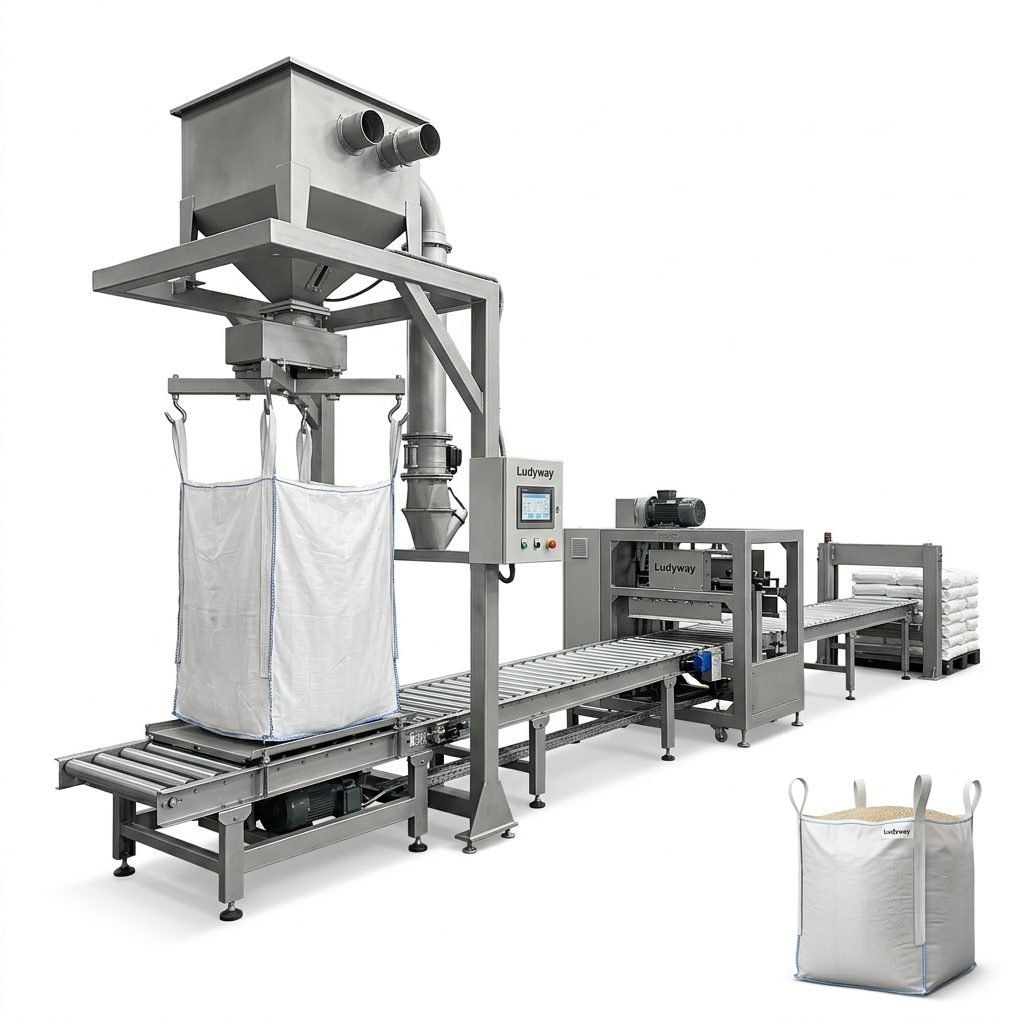
Flow pack packaging machines, also known as horizontal form-fill-seal (HFFS) machines, are essential equipment in modern production lines for creating flexible pouches from roll film. These versatile systems efficiently form, fill, and seal packages in a continuous motion, making them ideal for a wide range of products from snacks and confectionery to pharmaceuticals and hardware items. This comprehensive guide explores the different types of flow pack machines, their working principles, key benefits for manufacturers, and practical tips for selecting the right equipment for your operation.
Understanding Flow Pack Packaging Technology
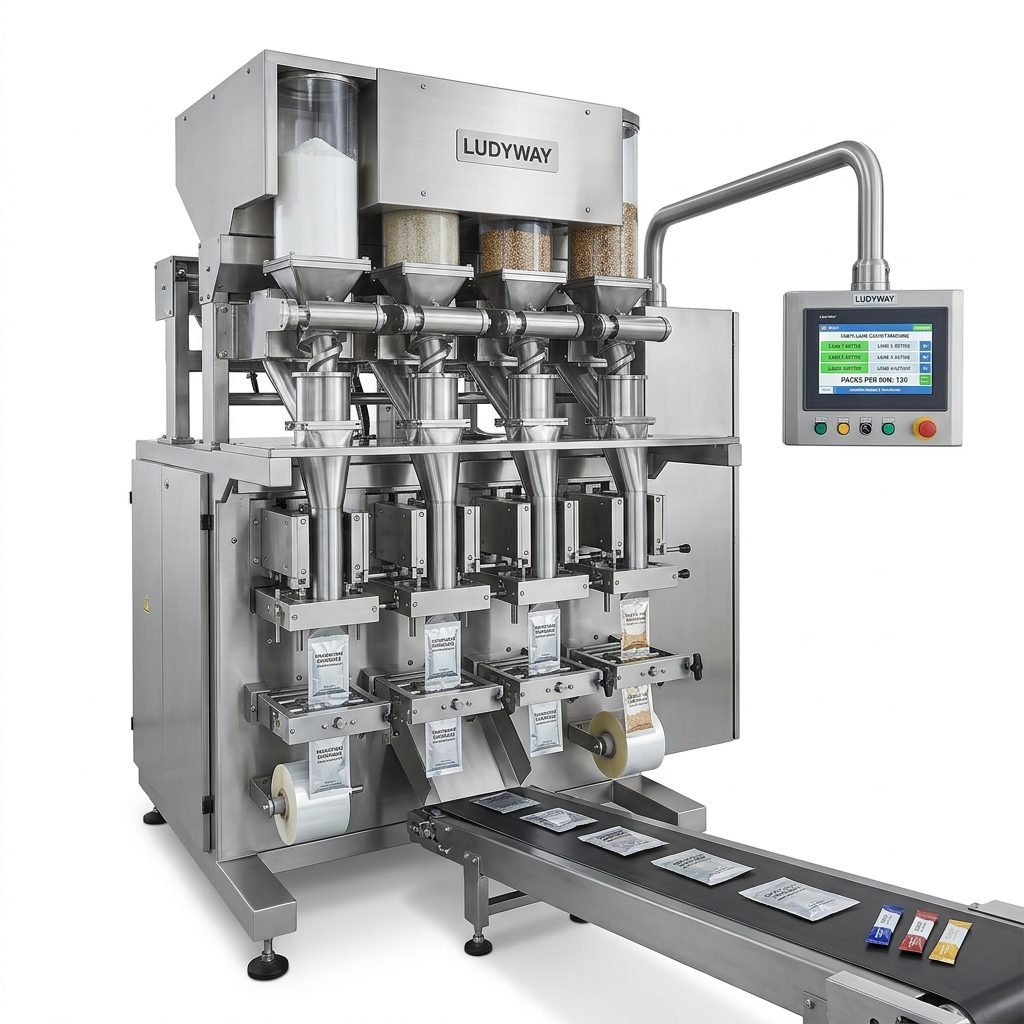
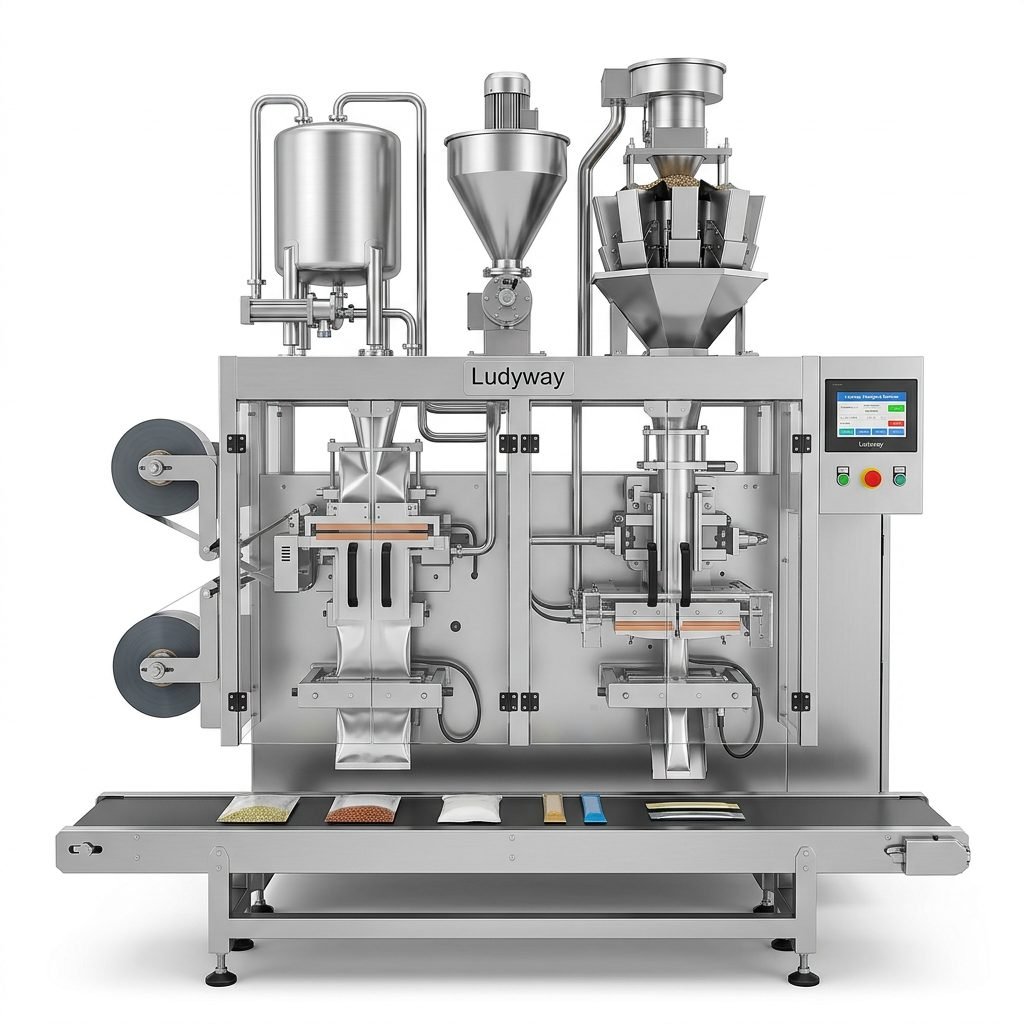
The core function of a flow pack machine is to automate the creation of individual pouches from a continuous roll of packaging material. The process is highly efficient and minimizes material waste. The machine forms a tube from the flat film, fills it with the product, and then creates sealed seams both longitudinally and transversely to produce finished, discrete packages. This technology is renowned for its speed, flexibility, and ability to handle various product shapes and sizes.
Key Takeaway:
Flow pack machines are the backbone of high-speed, flexible packaging for countless industries, offering unparalleled efficiency in pouch creation from roll stock.
Primary Types of Flow Pack Packaging Machines
Flow pack machines are categorized based on their sealing mechanism and the type of film they handle. Choosing the right type is crucial for product compatibility and operational efficiency.
1. Continuous Motion Flow Packers
These machines operate without stopping during the packaging cycle. The film and product move continuously while the cross-sealing jaws rotate in sync, creating a smooth, high-speed operation ideal for lightweight, uniform products like candy bars, biscuits, and single-serve condiments. They offer the highest output rates in the flow pack category.
2. Intermittent Motion Flow Packers
In this design, the film advances and then stops momentarily for the filling and cross-sealing operations. This “stop-and-go” motion provides greater control and is better suited for handling irregularly shaped, fragile, or heavier products that require precise placement within the pouch, such as hardware items, medical devices, or bakery products.
3. Vertical Form-Fill-Seal (VFFS) vs. Horizontal (HFFS)
While both are form-fill-seal technologies, they differ in orientation. HFFS (flow pack) machines create pouches that lie flat horizontally, perfect for stable, stackable products. VFFS machines form bags vertically, which is more common for free-flowing granules and powders like coffee or rice. The choice depends entirely on product characteristics and downstream handling needs.
How a Flow Pack Machine Works: Step-by-Step
The operation of a standard horizontal flow pack machine can be broken down into a seamless, automated sequence:
- Film Unwinding & Guiding: A roll of laminated or coated packaging film is mounted and fed into the machine. Sensors and guides ensure the film runs smoothly and without wrinkles.
- Forming the Tube: The flat film is drawn over a forming collar, which shapes it into a cylindrical tube. The longitudinal seal is made along the overlapping edges, typically using a heated jaw or impulse sealer.
- Product Feeding & Filling: The product is introduced into the formed tube via a timing screw, funnel, or loading conveyor, synchronized perfectly with the film’s movement.
- Cross Sealing & Cutting: Heated cross-sealing jaws close simultaneously to create the leading and trailing seals of the individual pouch, simultaneously cutting it from the tube. This action produces the familiar fin or lap seals on the ends of the package.
- Discharge: The finished, sealed pouch is discharged onto a conveyor or collection belt for secondary packaging or cartoning.
Core Benefits for Modern Manufacturing
Adopting flow pack technology brings significant competitive advantages to production facilities:
- High Efficiency & Speed: Capable of producing hundreds of pouches per minute, dramatically increasing output and reducing labor costs.
- Packaging Material Savings: Using roll film is generally more cost-effective than pre-made bags and generates less waste, optimizing material usage.
- Exceptional Flexibility: Quick changeovers allow one machine to handle multiple product sizes and types. Films can be easily swapped for different graphics or barrier properties.
- Improved Product Freshness & Shelf Appeal: Creates a tight, secure seal that protects against moisture, contaminants, and tampering. The high-quality print on roll film offers excellent shelf presence.
- Space-Efficient Design: Horizontal flow pack machines often have a smaller footprint than alternative systems, saving valuable factory floor space.
Essential Buying Tips for Your Flow Pack Machine
Investing in a flow pack machine is a major decision. Here are critical factors to consider to ensure you choose equipment that meets your long-term needs.
Define Your Product & Production Requirements
Start by thoroughly analyzing your product’s size, shape, weight, and fragility. Determine your required output speed (pouches per minute) and the types of packaging materials you plan to use (e.g., laminated films, metallized substrates). This forms the non-negotiable foundation of your specification.
Evaluate Machine Construction & Key Components
Look for robust, food-grade stainless steel frames, especially for food and pharmaceutical applications. The quality of the sealing jaws, drives, and PLC control system directly impacts reliability, seal integrity, and uptime. A well-built machine from a reputable supplier like Ludyway Machinery minimizes future maintenance headaches.
Prioritize Ease of Use and Changeover
In fast-paced production environments, quick changeover (QCO) is vital. Seek machines with tool-less adjustments, recipe storage in the PLC, and user-friendly HMIs (Human-Machine Interfaces). This reduces downtime when switching between different products or pouch sizes.
Consider Integration and Future-Proofing
Will the machine need to integrate with existing feeders, checkweighers, or cartoners? Ensure compatibility. Consider potential future products and choose a machine with some extra capacity in speed and size range to accommodate business growth without requiring a new capital purchase.
Assess Supplier Support & Service
The supplier’s reputation is paramount. Investigate their experience, availability of spare parts, technical support, and training offerings. A partner with deep industry knowledge, such as one with over 30 years of experience in packaging solutions, can provide invaluable guidance and ensure your line runs smoothly for years to come.
Applications Across Industries
Flow pack machines are ubiquitous due to their adaptability:
- Food & Beverage: Snacks, chocolate bars, frozen foods, cheese slices, pasta, single-serve sauces and condiments.
- Pharmaceutical & Healthcare: Sterile medical device packaging, single-dose powder sachets, wound care products, diagnostic strips.
- Consumer Goods: Hardware (screws, nails), toys, stationery, wet wipes, and single-use personal care items.
Selecting the right flow pack packaging machine is a strategic investment that boosts productivity, enhances product presentation, and improves your bottom line. By carefully evaluating your needs against machine capabilities and partnering with a reliable supplier, you can implement a packaging solution that drives efficiency and quality for the long term. For businesses seeking tailored automation, exploring complete turnkey production line solutions can streamline the entire process from filling to final packaging.
Frequently Asked Questions (FAQs)
What is the main difference between a flow pack and a vacuum packaging machine?
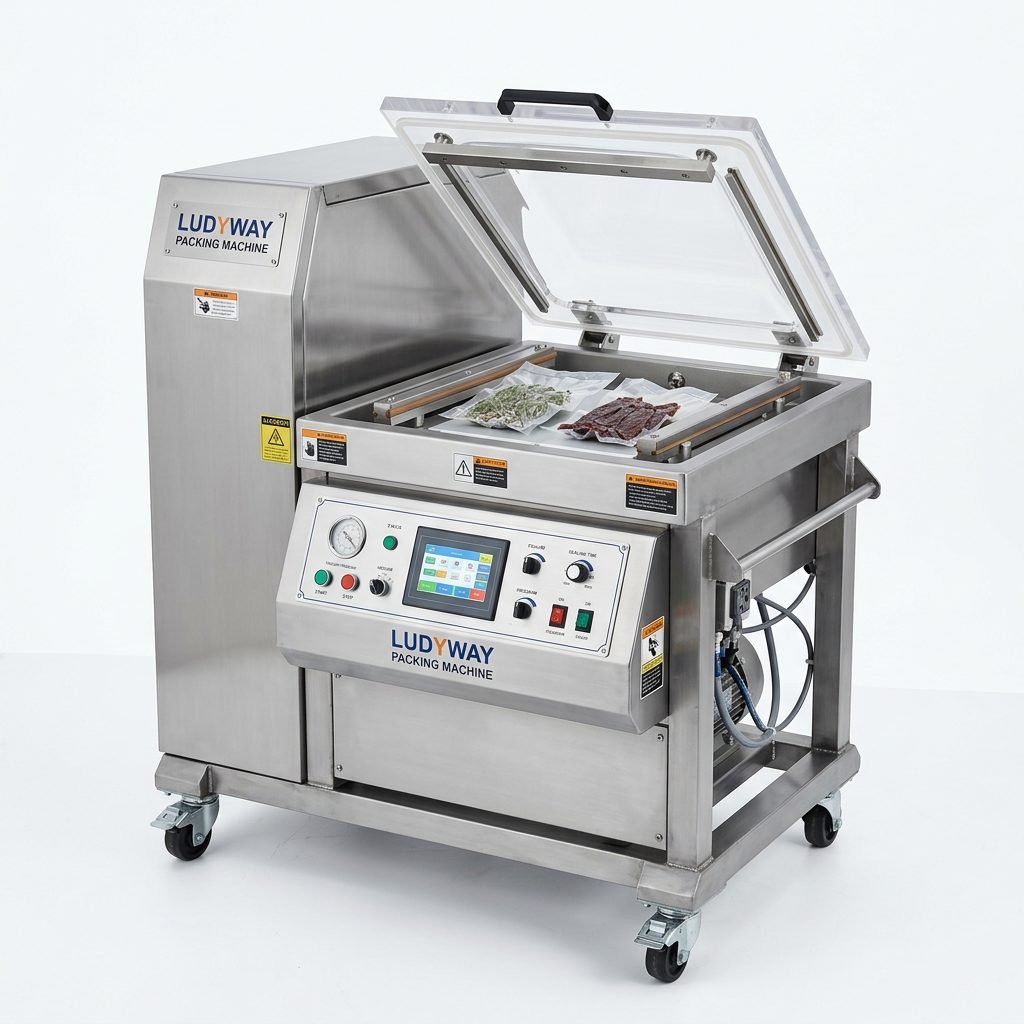
Flow pack machines primarily create pouches from roll film and seal them, often with the product surrounded by air. Vacuum packaging machines remove air from a pre-made or formed pouch before sealing to extend shelf life, commonly used for meats and cheeses. Some advanced flow pack machines can integrate gas flushing (modified atmosphere packaging) for a similar effect.
How difficult is it to change the packaging film on a flow pack machine?
Modern machines are designed for relatively easy film changeovers. The process typically involves loading a new roll, threading the film through the guides and forming collar, and setting the new film parameters in the control system. With proper operator training, a changeover can often be completed in under 15-30 minutes.
Can flow pack machines handle liquid products?
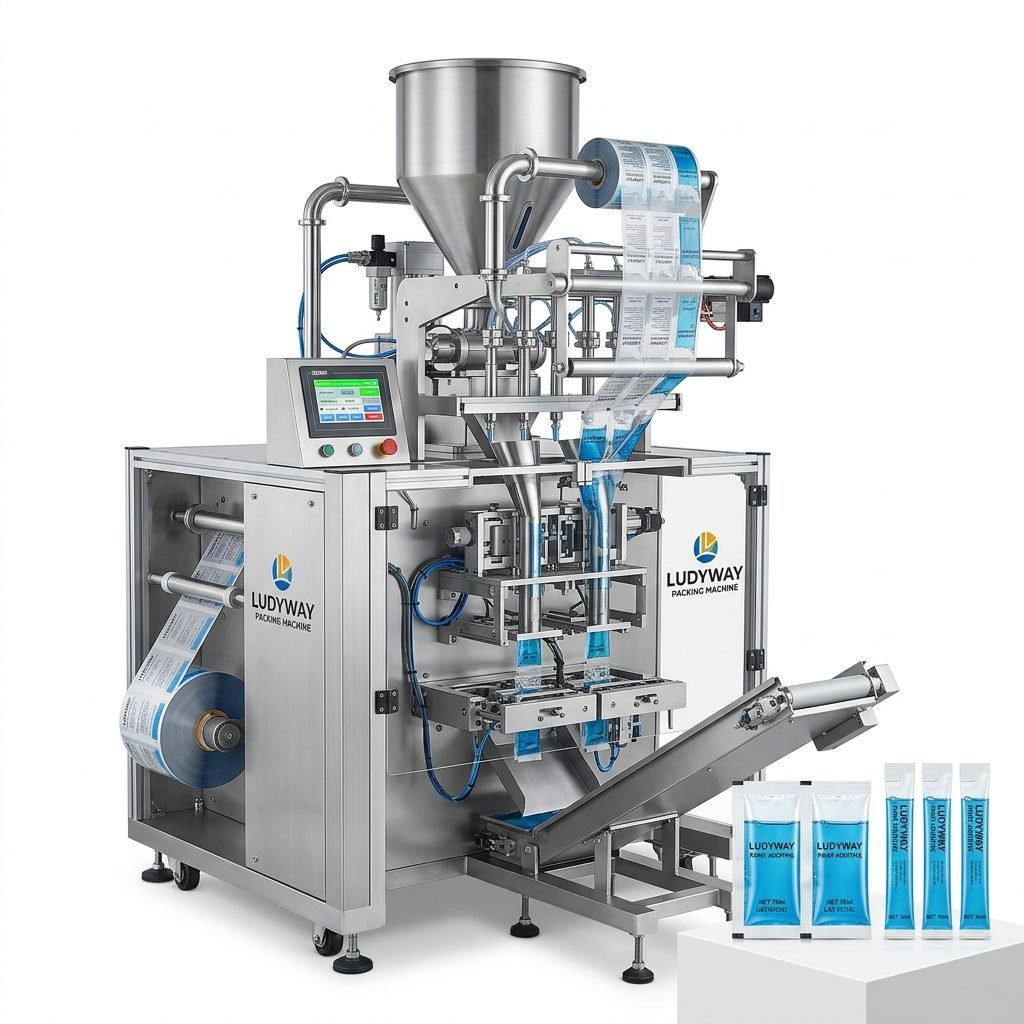
Yes, but they require specific adaptations. Machines for liquids need precise volumetric or gravity filling systems, and often use films with stronger seal layers. The forming tube and sealing jaws must be designed to prevent leakage. It’s crucial to specify a “liquid pouch” machine for such applications.
What maintenance does a flow pack machine require?
Regular maintenance includes daily cleaning of product contact parts, lubrication of moving components as per the manual, and inspection of sealing jaws for wear or residue buildup. Periodic checks of sensors, drives, and electrical connections are essential. Proactive maintenance from your supplier, like the technical support offered by experienced providers, helps prevent unexpected downtime.
Is it possible to get a machine customized for a unique product shape?
Absolutely. Many reputable manufacturers offer customization options. This can include special forming collars for unusual product shapes, customized feeding systems, unique sealing jaw profiles for specific seal patterns, or integration with specialized upstream equipment. Discussing your specific needs with the engineering team is the first step.