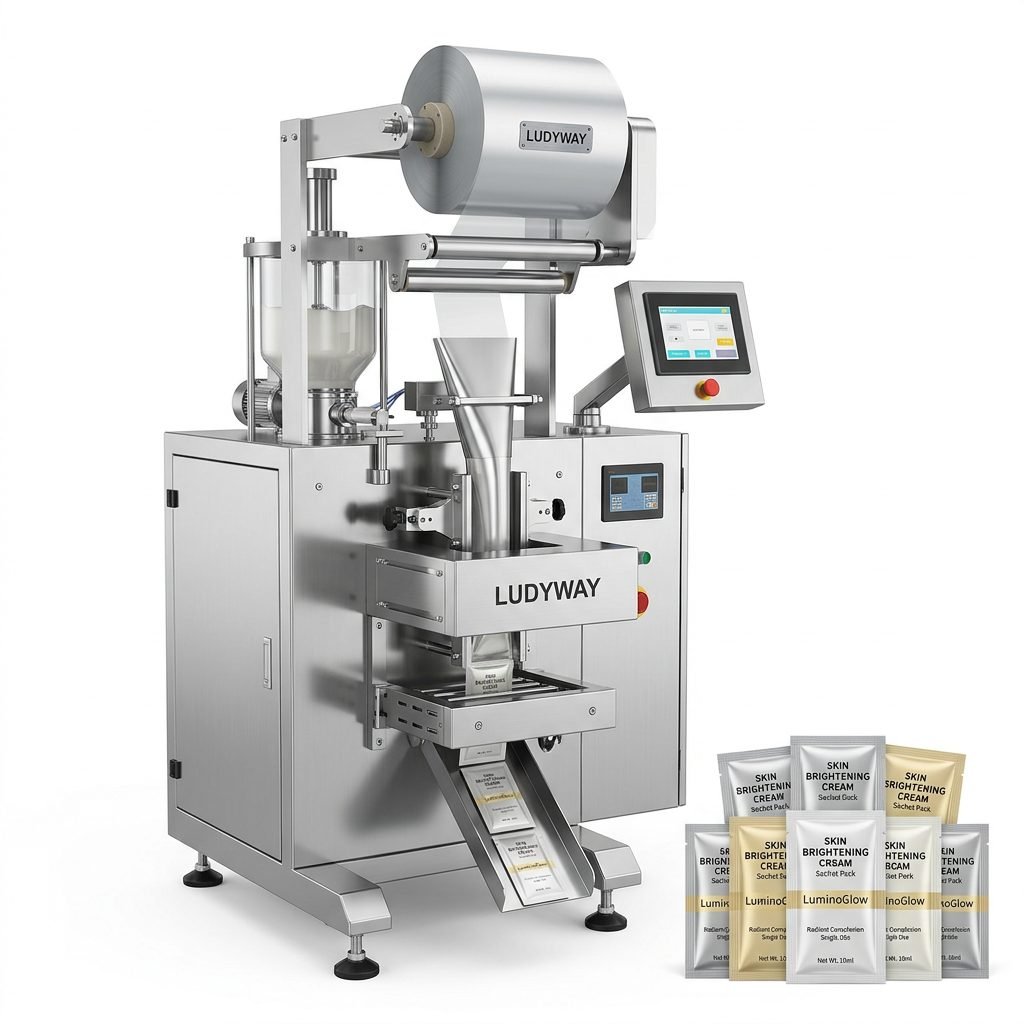
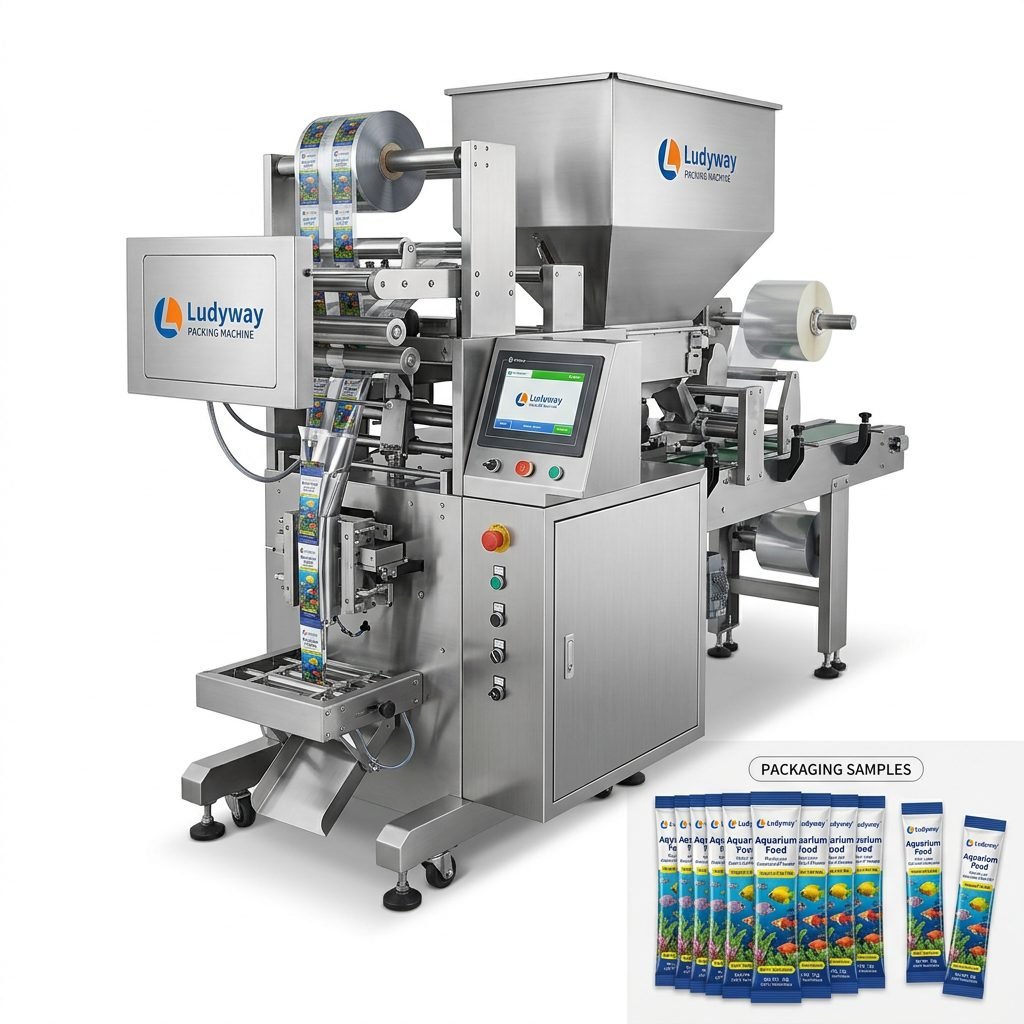
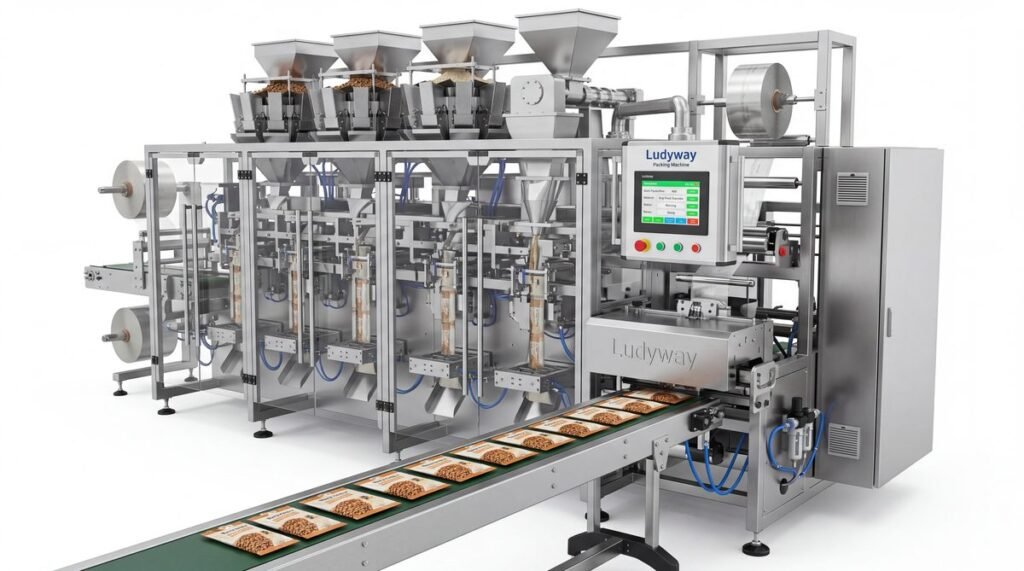
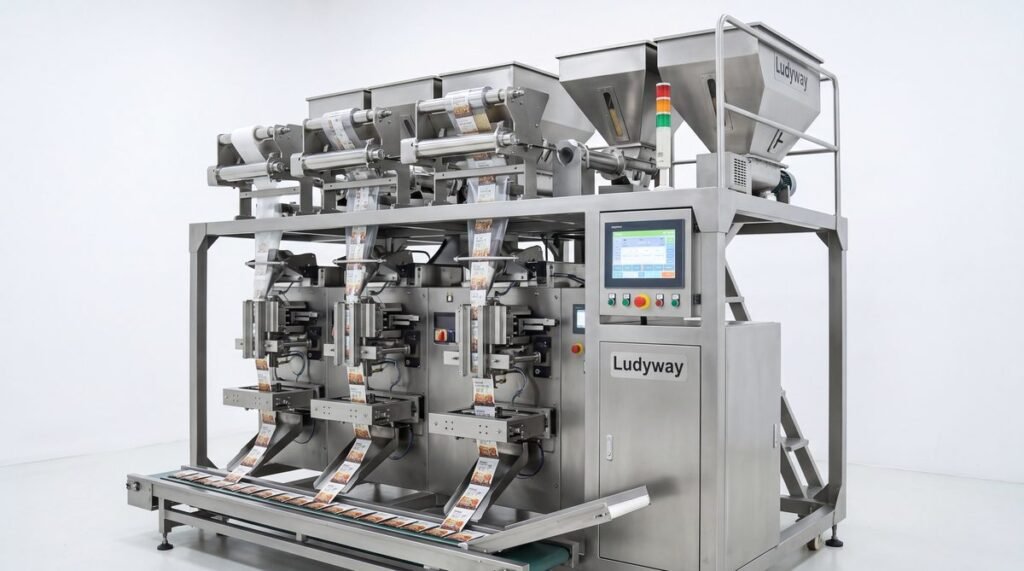
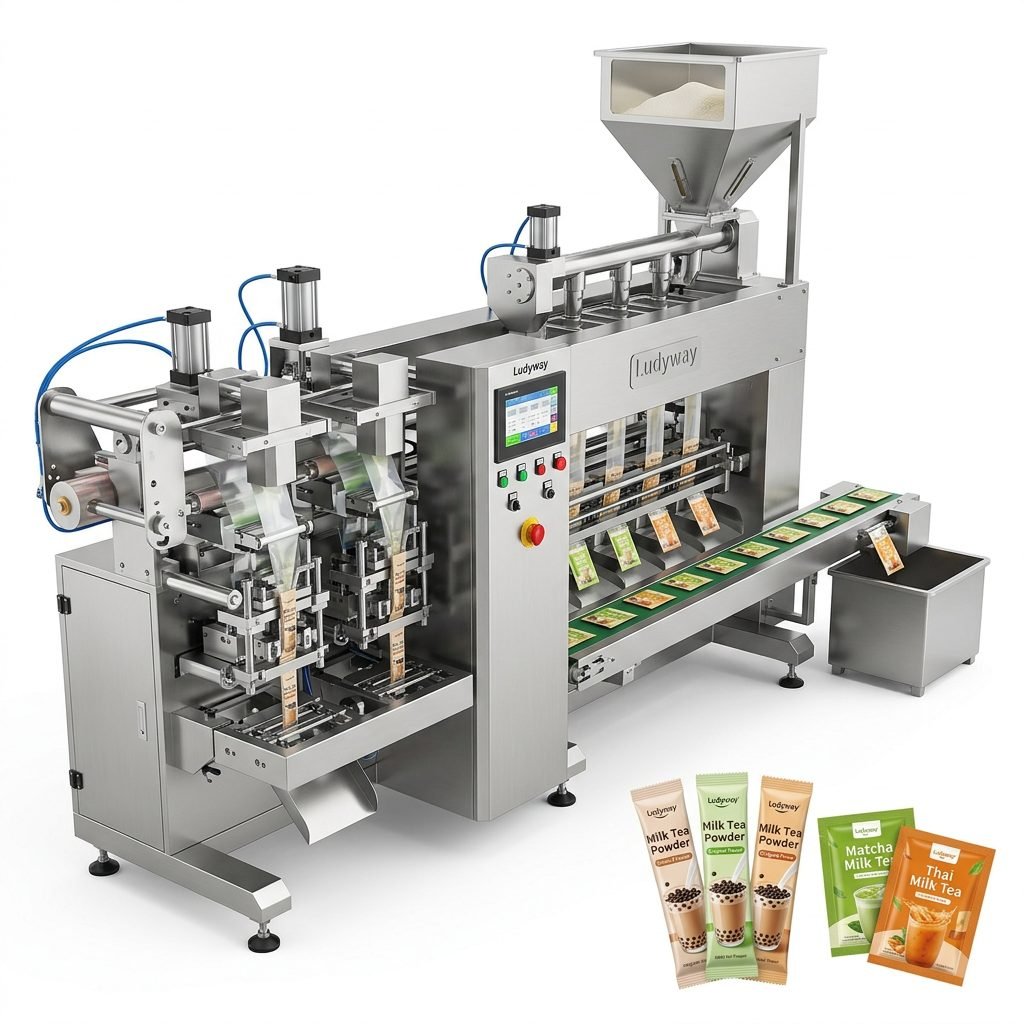
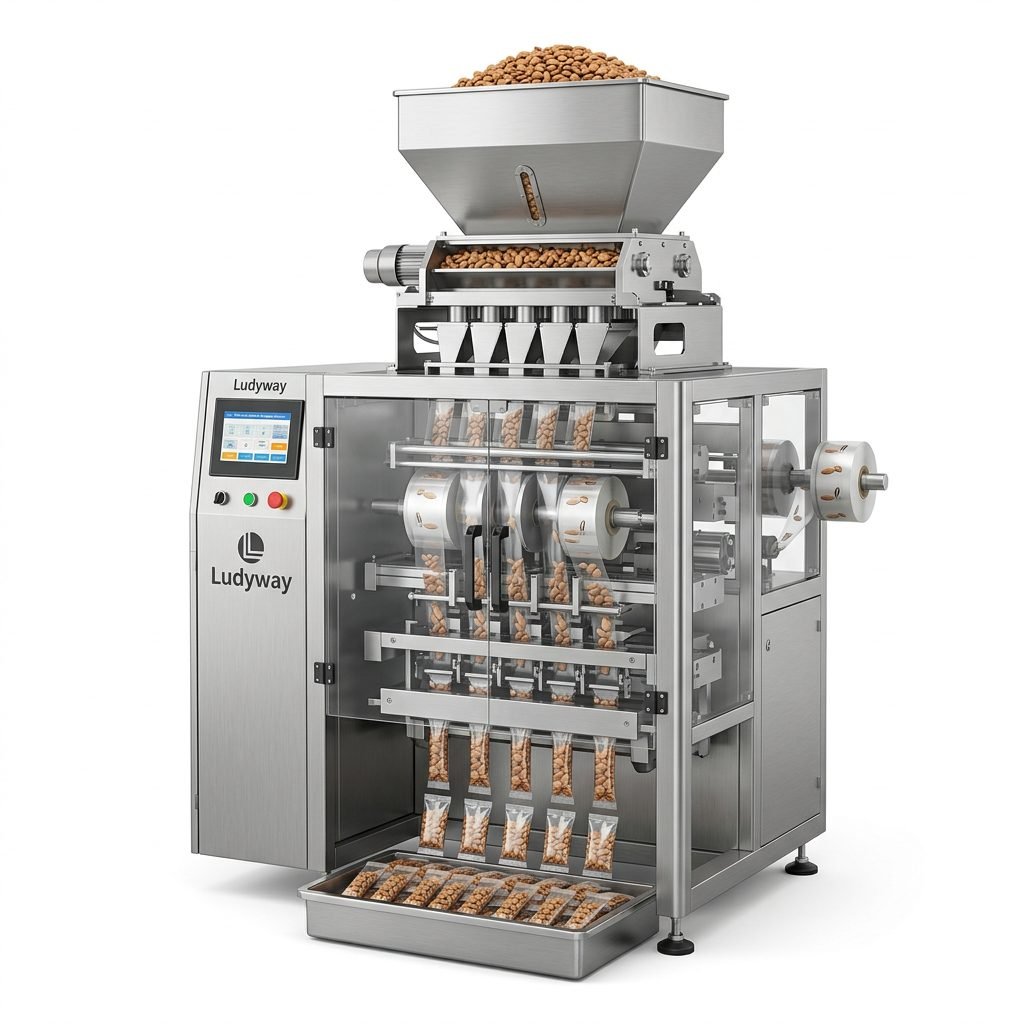
Keeping food fresh longer is a universal kitchen goal, and a vacuum packaging machine is one of the most effective tools to achieve it. By removing air from specially designed bags, these machines create an oxygen-depleted environment that dramatically slows down spoilage caused by bacteria, mold, and oxidation. This process is key for preserving flavor, texture, and nutritional value in a wide range of foods, from raw meats and fish to cheeses, vegetables, and leftovers. For home cooks, meal preppers, hunters, and gardeners, investing in a quality FoodSaver or similar vacuum sealer can lead to less food waste, more organized freezers, and significant long-term savings.
Core Benefits of Vacuum Sealing Your Food
The advantages of vacuum sealing extend far beyond simply making food last longer in the fridge or freezer. Here’s a breakdown of the key benefits that make this kitchen appliance so valuable:
➤ Extended Shelf Life: This is the primary benefit. Removing oxygen can extend the shelf life of refrigerated foods by 3-5 times and frozen foods for years without freezer burn.
➤ Preservation of Quality: Vacuum sealing locks in moisture, flavor, and nutrients. Meats retain their juiciness, fruits and vegetables keep their texture, and herbs stay aromatic.
➤ Prevention of Freezer Burn: Freezer burn occurs when air reaches the food’s surface, causing dehydration and oxidation. A proper vacuum seal creates an impermeable barrier.
➤ Efficient Meal Prep & Storage: Portion and seal meals in advance for quick, convenient cooking. Vacuum-sealed bags also stack neatly, maximizing freezer and pantry space.
➤ Sous Vide Cooking Ready: Many modern vacuum sealers are compatible with sous vide cooking, a technique that requires food to be sealed in a bag and cooked in a precise temperature water bath.
Key Factors to Consider When Choosing Your Machine
Not all vacuum sealers are created equal. Your ideal model depends heavily on your intended use, frequency, and budget. Here are the critical factors to evaluate before making a purchase.
1. Machine Type: External vs. Chamber
The most fundamental choice is between the two main types of vacuum sealers available for home and light commercial use.
External (or Suction) Sealers: These are the most common and affordable type for home kitchens. You place the open end of a special bag in the machine’s sealing bar; the machine sucks air out through the bag’s textured surface and then heat-seals it. They are compact, easy to use, and perfect for dry and semi-moist foods. However, they can struggle with very wet foods or fine powders, as liquid can be drawn into the machine.
Chamber Sealers: These are more professional-grade machines. You place the entire bag inside a sealed chamber. The machine removes air from the entire chamber, then seals the bag. The key advantage is their ability to handle liquids (like soups or marinades) and powders perfectly, as the vacuum is applied evenly around the bag. They are larger, heavier, and significantly more expensive but are the top choice for serious users.
2. Performance & Features
Look beyond the basic function and compare these performance indicators and features:
- Vacuum Strength: Measured in inches of mercury (inHg) or pascals (Pa). A stronger vacuum (e.g., 120+ inHg) removes more air, leading to a better seal and longer preservation.
- Seal Quality & Bars: Most machines have one or two heat seal bars. Dual seals provide a backup for extra security. Look for adjustable seal time for different bag thicknesses.
- Moisture Management: A good external sealer will have a “Moist” or “Liquid” setting that slows the vacuum process to prevent liquid from being pulled into the machine. Some have a drip tray or a dedicated accessory port for sealing containers.
- Bag Compatibility & Roll Storage: Many external sealers have a built-in cutter and storage for bag rolls, allowing you to create custom-sized bags. Ensure the machine’s sealing bar length matches the width of bags you plan to use.
- Additional Functions: Features like a “Pulse” manual vacuum control, a “Marinate” function (which cycles vacuum and release), and the ability to seal canisters or jars are valuable bonuses.
3. Intended Use & Frequency
Be honest about how often you’ll use the machine. An occasional user preserving leftovers or seasonal garden harvests will be well-served by a mid-range external sealer. A frequent user who processes large quantities of meat, does extensive meal prep, or wants to explore sous vide cooking should invest in a heavy-duty external model or consider a chamber sealer. For small businesses like caterers or farmers’ market vendors, a commercial-grade chamber sealer is often a necessary investment for efficiency and reliability.
Pro Tip: Don’t Skimp on Bags and Accessories
The machine is only half the equation. Using high-quality, food-grade bags designed for your specific sealer is crucial for a strong, reliable seal. Reusable bags can be more economical and eco-friendly for certain tasks. Consider useful accessories like container sealers for Mason jars, bag holders, and specialized racks for sealing liquids. A company with deep expertise in packaging solutions, like Ludyway Machinery, understands that the success of any preservation system relies on the harmony between machine performance and consumable quality.
Making the Final Decision: Matching a Model to Your Needs
To put it all together, here are some common user profiles and the type of machine that typically fits best.
For the Occasional Home Cook: A compact, easy-to-store external sealer with a moist setting and automatic bag detection is ideal. Look for a model that offers good value and comes with a starter kit of bags.
For the Avid Meal Prepper & Sous Vide Enthusiast: A powerful external sealer with strong vacuum power, dual seal bars, pulse control, and wide bag compatibility is a must. Durability is key for frequent use.
For the Gardener, Hunter, or Bulk Buyer: Capacity and speed matter. A heavy-duty external sealer with a long seal bar (12+ inches) or a entry-level chamber sealer will handle large volumes of produce, meats, and fish much more efficiently.
For Small-Scale Food Preservation Businesses: A commercial chamber vacuum sealer is the professional standard. It offers unmatched speed, reliability with liquids, and the ability to use less expensive smooth-sided chamber bags, which lowers long-term operational costs.
Ultimately, the “best” FoodSaver vacuum packaging machine is the one that aligns with your specific food preservation goals, kitchen habits, and budget. By carefully considering the type, features, and your usage patterns outlined above, you can confidently choose a model that will deliver fresher food, less waste, and greater culinary convenience for years to come. For those seeking industrial-grade reliability and innovation in packaging technology, exploring solutions from established industry experts can provide valuable insights into durable and efficient food preservation systems.
Frequently Asked Questions (FAQs)
Q1: Can I vacuum seal liquids with any machine?
A: Not safely with a standard external sealer, as liquid can be sucked into the machine, damaging it. You must use the “Moist” setting, freeze the liquid first, or use a specialized container sealer. Chamber sealers are designed to handle liquids with no issue.
Q2: How long does vacuum-sealed food really last?
A: It varies by food. In the refrigerator, most meats last 1-2 weeks (vs. 3-5 days), and hard cheeses can last months. In the freezer, properly sealed food can remain high-quality for 2-3 years, avoiding freezer burn entirely.
Q3: Are the bags reusable and recyclable?
A: Many standard vacuum bags are single-use for food safety reasons. However, there are thicker, washable reusable bags available. Check local recycling guidelines, as many vacuum bags are not curbside recyclable due to their multi-layer construction.
Q4: Do I need to blanch vegetables before vacuum sealing for the freezer?
A: Yes, for best results. Blanching (briefly boiling then ice-water shocking) stops enzyme activity that causes loss of flavor, color, and texture. Vacuum sealing after blanching and drying provides the ultimate frozen vegetable quality.
Q5: What’s the main advantage of a chamber sealer for a serious home user?
A: Beyond handling liquids, chamber sealers use less expensive smooth bags (no texture needed) and create a more perfect vacuum, which can slightly extend preservation times further. They are also generally more durable and faster for batch processing.