Choosing the right vacuum food packaging machine can transform how you store, preserve, and present food, whether in a bustling commercial kitchen or your own home. This ultimate guide will walk you through everything you need to know to make an informed purchase, ensuring you get a machine that meets your specific needs for efficiency, durability, and food safety.
Why Vacuum Food Packaging is Essential
Vacuum packaging removes air from around the food product before sealing it in a plastic bag or pouch. This process significantly extends shelf life by inhibiting the growth of bacteria, yeast, and mold that require oxygen. It also prevents freezer burn, preserves flavors and nutrients, and reduces food waste—a critical consideration for both cost-conscious households and profit-driven businesses.
Key Benefit: By removing oxygen, vacuum sealing slows down oxidation, the process that causes fats and oils to become rancid. This is why vacuum-sealed coffee beans, nuts, and cheeses retain their freshness for so much longer.
Home Use vs. Commercial Use: Understanding the Core Differences
The fundamental requirements for a vacuum sealer differ greatly between a home kitchen and a commercial food operation. Recognizing these differences is the first step in your selection process.
For Home Kitchens
Home machines prioritize ease of use, compact storage, and affordability. They are typically countertop models designed for intermittent use, handling a few bags at a time. Key features to look for include:
- → Simple Controls: One-touch operation or clear dials.
- → Versatility: Ability to seal both dry and moist foods, often with a “Pulse” or “Moist” setting.
- → Bag Compatibility: Use of pre-made bags or rolls you can cut to size.
For Commercial Operations
Commercial-grade machines are built for heavy-duty, continuous use, higher throughput, and enhanced sealing integrity. They are investments in food safety and operational efficiency. Critical aspects include:
- → Durability: Industrial-grade components and stainless-steel construction.
- → Speed & Automation: Faster cycle times and potential for integration into production lines.
- → Advanced Features: Gas flush (Modified Atmosphere Packaging), double seals, and programmable settings.
Critical Features to Evaluate Before You Buy
Beyond the basic home/commercial divide, scrutinize these features to find the perfect machine for your tasks.
1. Type of Vacuum Pump
The pump is the heart of the machine. External (or Chamber) Pumps are more powerful, oil-lubricated, and found in commercial chamber vacuum sealers. They are superior for sealing liquids and powders. Internal (or External Vent) Pumps are common in home and light commercial “suction seal” machines. They are less powerful but more compact and affordable.
2. Sealing Mechanism and Bar Strength
A strong, consistent seal is non-negotiable. Look for a wide sealing bar (indicating a more robust seal) and a dual-heat strip for redundancy. The seal must withstand temperature variations from freezing to boiling water baths (for sous-vide cooking).
Pro Tip: Test for Seal Integrity
After sealing a bag, try to gently but firmly pull the seal apart with your hands. A proper seal should not peel open. For liquid items, lift the sealed bag by the top; the seal should hold the weight without leaking.
3. Versatility and Accessory Support
Can the machine handle more than just standard bags? Consider if you need attachments for:
- Sealing jars and containers with a hose accessory.
- Vacuum-sealing wine bottles.
- Compatibility with canisters and specialized bags for odd-shaped items.
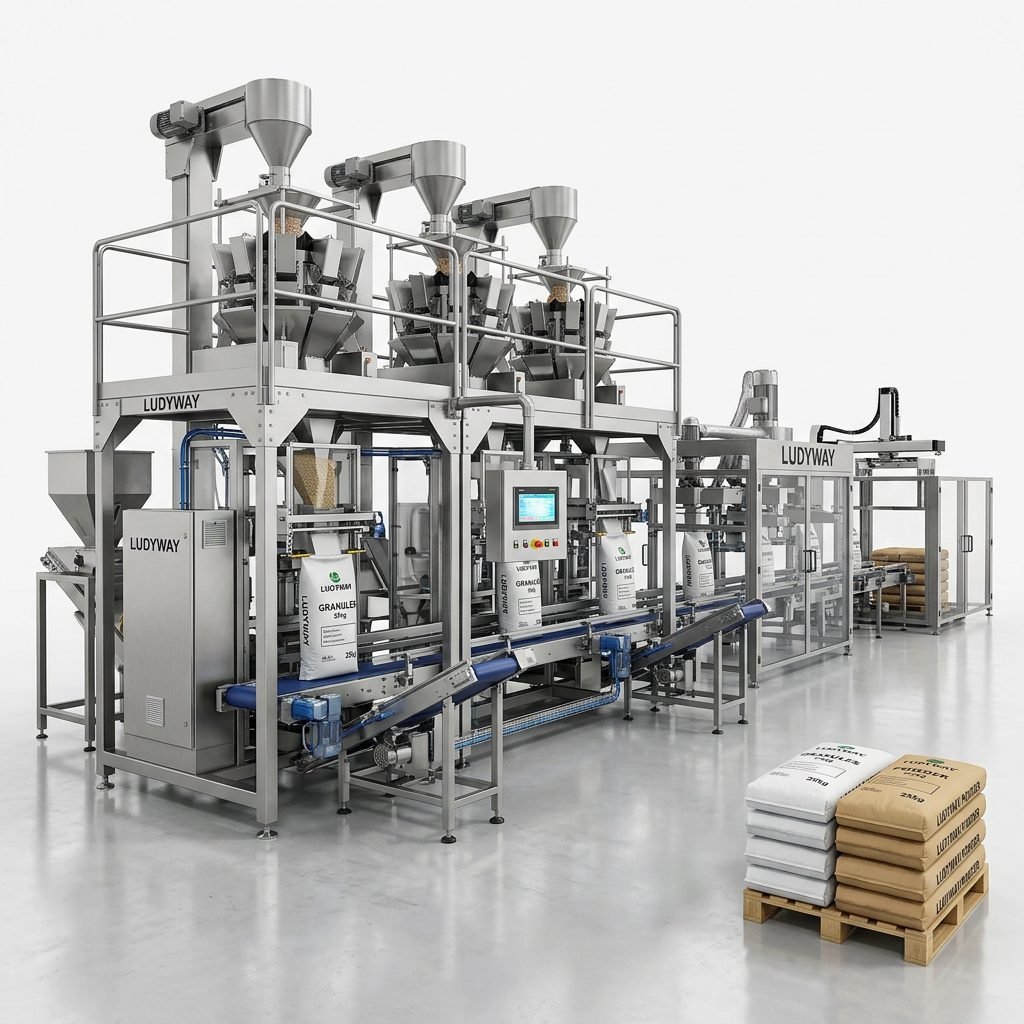
For businesses, versatility might mean easy changeover between bag sizes or product types, minimizing downtime. Companies like Ludyway Packing Machine often design their commercial systems with such flexibility in mind, supporting diverse packaging needs from granules to liquids.
Top Applications in Home and Commercial Settings
Home Chef & Meal Prepper
Portion and preserve bulk purchases from warehouse stores, marinate meats in minutes, and prepare sous-vide meals days in advance. Vacuum sealing is a game-changer for organized households and gardening enthusiasts preserving their harvest.
Commercial Food Service
From restaurants and catering companies to food manufacturers, commercial vacuum sealers are indispensable for:
- Batch Preparation: Seal individual portions of proteins, sauces, or pre-cut vegetables for consistent, quick service.
- Sous-Vide Cooking: This precise cooking method relies entirely on airtight vacuum sealing.
- Extending Shelf Life: Reduce spoilage of expensive ingredients like cheese, fish, and prepared dishes.
- Product Integrity: For manufacturers, it’s about presenting a professional, protected product. Reliable equipment from professional packaging experts ensures brand trust is maintained from production to shelf.
Making Your Final Decision: A Step-by-Step Checklist
- Define Your Primary Use: Is it daily meal prep, occasional bulk storage, or high-volume commercial packaging?
- Set a Realistic Budget: Include the long-term cost of bags, rolls, and maintenance. Commercial machines have a higher upfront cost but lower cost-per-seal over time.
- Assess Volume & Speed Needs: How many bags do you need to seal per hour? A home user might manage with 2-3 cycles per minute, while a deli may need 10+.
- Check for Safety & Certifications: For commercial use, ensure the machine meets local food safety and electrical standards (e.g., NSF, CE, UL).
- Research Brand Reputation & Support: Read reviews, check warranty terms, and confirm the availability of technical support and spare parts. A brand with over 30 years of industry experience often signifies reliable product development and customer service.
Frequently Asked Questions (FAQs)
1. Can I vacuum seal liquids in any machine?
No. Standard external suction sealers will pull liquid into the pump, damaging it. For liquids, soups, or marinades, you must use a chamber vacuum sealer. The entire bag is placed inside a chamber, and the air is removed from the chamber itself, not sucked through the bag, preventing liquid from being drawn out.
2. Are generic vacuum bags safe to use?
It depends. Bag quality is crucial for seal integrity and food safety. While some third-party bags work well, they may not have the same puncture resistance or be the exact thickness required by your machine’s settings. Using manufacturer-recommended bags is often advised, especially for commercial applications where consistency is critical.
3. How do I maintain my vacuum packaging machine?
For home models: Wipe the sealing bar clean after each use to prevent residue buildup. Ensure the gasket around the suction area is clean. For commercial chamber machines: Regular maintenance as per the manual is vital, including checking and changing pump oil, cleaning the chamber, and inspecting the seal strip. Partnering with a supplier that offers strong technical support can maximize your equipment’s lifespan.
4. What’s the difference between a vacuum sealer and a Modified Atmosphere Packaging (MAP) machine?
A vacuum sealer removes almost all air. A MAP machine removes air and replaces it with a specific gas mixture (like nitrogen and carbon dioxide) to further preserve color, texture, and freshness—common for fresh salads, meats, and snacks. Some advanced commercial vacuum sealers have an optional “gas flush” feature to perform basic MAP.
5. Is vacuum-sealed food completely safe from bacteria?
Vacuum sealing inhibits aerobic bacteria (which need oxygen) but does not eliminate all risks. Some dangerous bacteria, like Clostridium botulinum (which causes botulism), thrive in low-oxygen environments. Vacuum-sealed food must still be handled safely: perishables must be refrigerated or frozen, and proper cooking temperatures must be reached before consumption. It is a preservation tool, not a sterilization method.