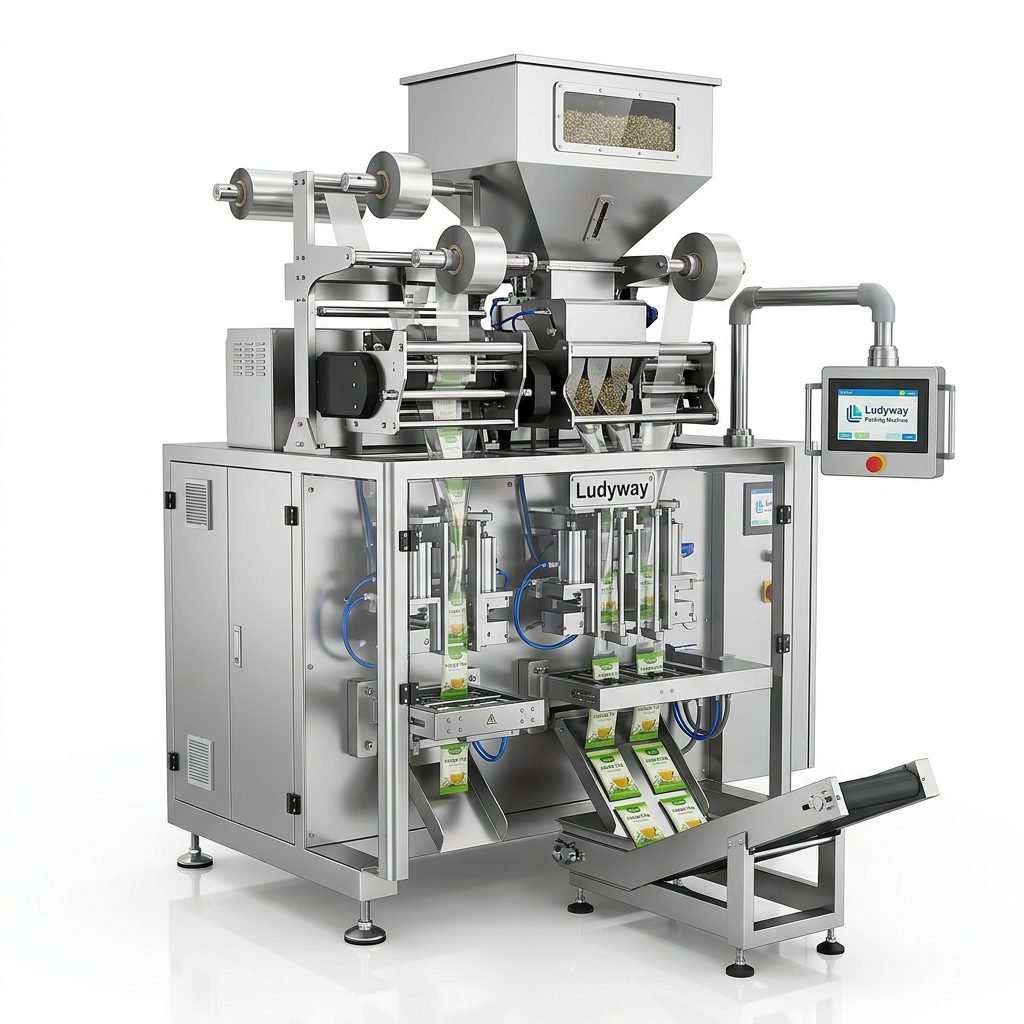
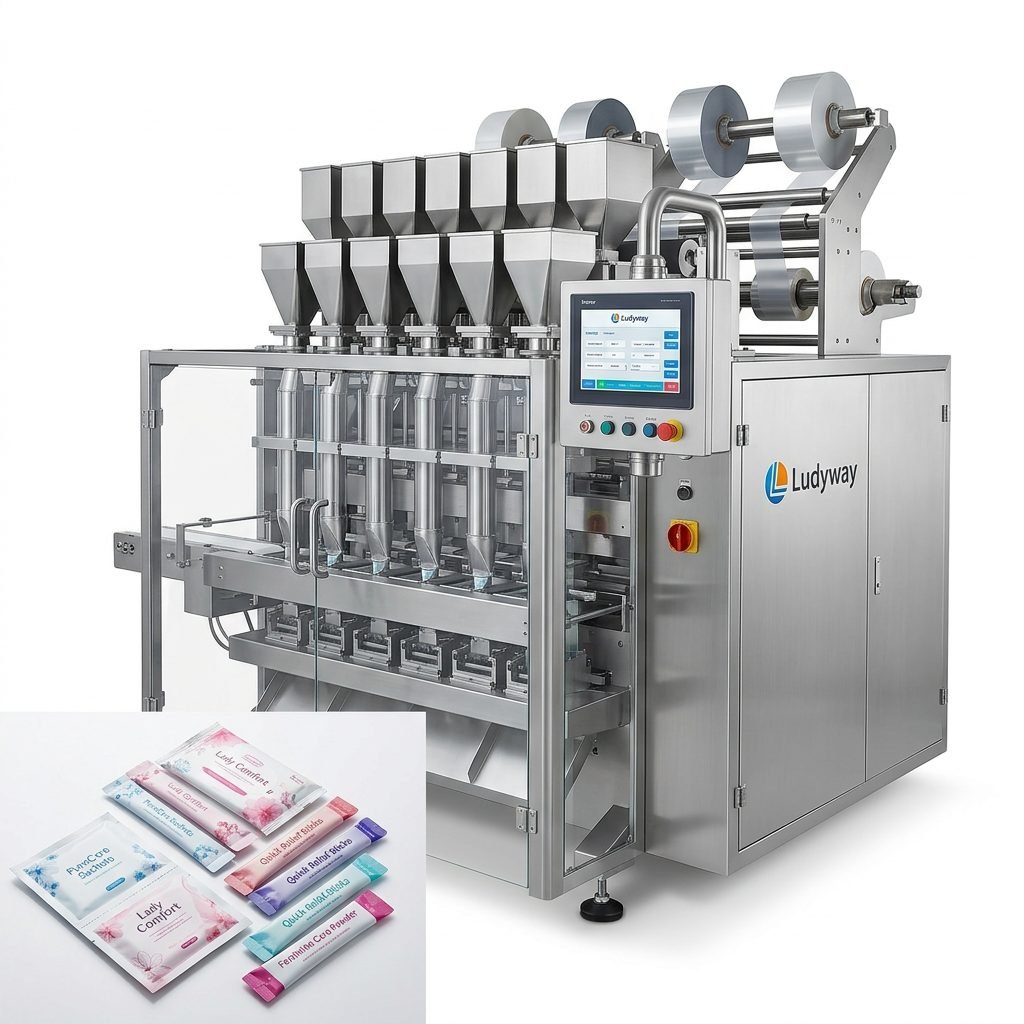
In the fast-paced world of manufacturing, efficiency and precision are paramount. For industries handling liquids—from beverages and sauces to pharmaceuticals and cosmetics—the choice of packaging machinery can significantly impact productivity, product quality, and operational costs. An automatic liquid packaging machine streamlines the process of filling, sealing, and finishing liquid products, ensuring consistency and hygiene while minimizing human intervention. This guide provides a comprehensive overview of these essential machines, exploring their various types, core working principles, and key factors to consider when selecting the right equipment for your specific needs.
Understanding the Core Types of Automatic Liquid Packaging Machines
The market offers a diverse range of automatic liquid packaging machines, each designed for specific container types, production speeds, and product characteristics. Understanding these categories is the first step toward making an informed investment.
Volumetric Filling Machines
These machines dispense a precise, pre-set volume of liquid into each container. They are ideal for free-flowing liquids like water, oils, and juices. Common subtypes include:
Piston Fillers: Use a cylinder and piston mechanism. Highly accurate and suitable for a wide range of viscosities, from thin solvents to thick pastes and creams.
Gravity Fillers: Rely on the natural flow of product from a pressurized tank. Best for thin, non-foaming liquids and are often a cost-effective solution.
Form-Fill-Seal (FFS) Machines
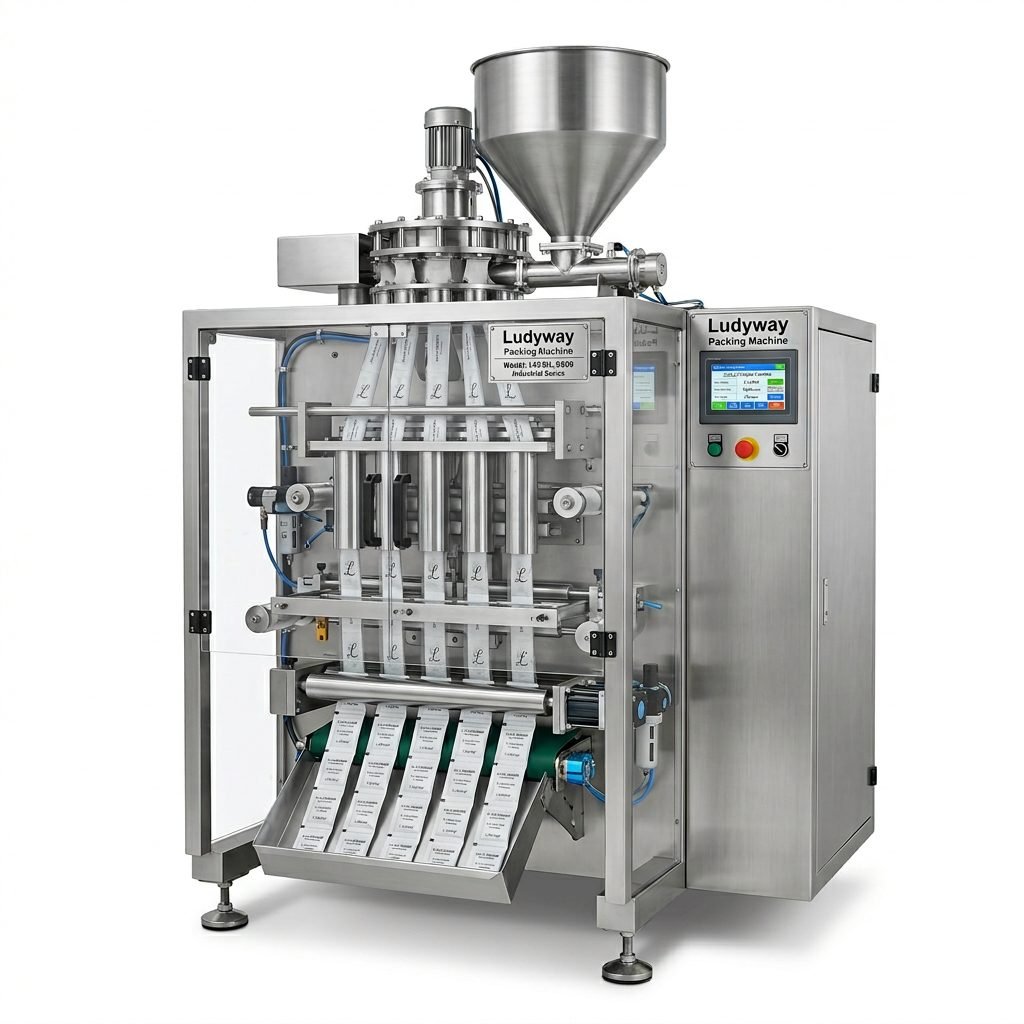
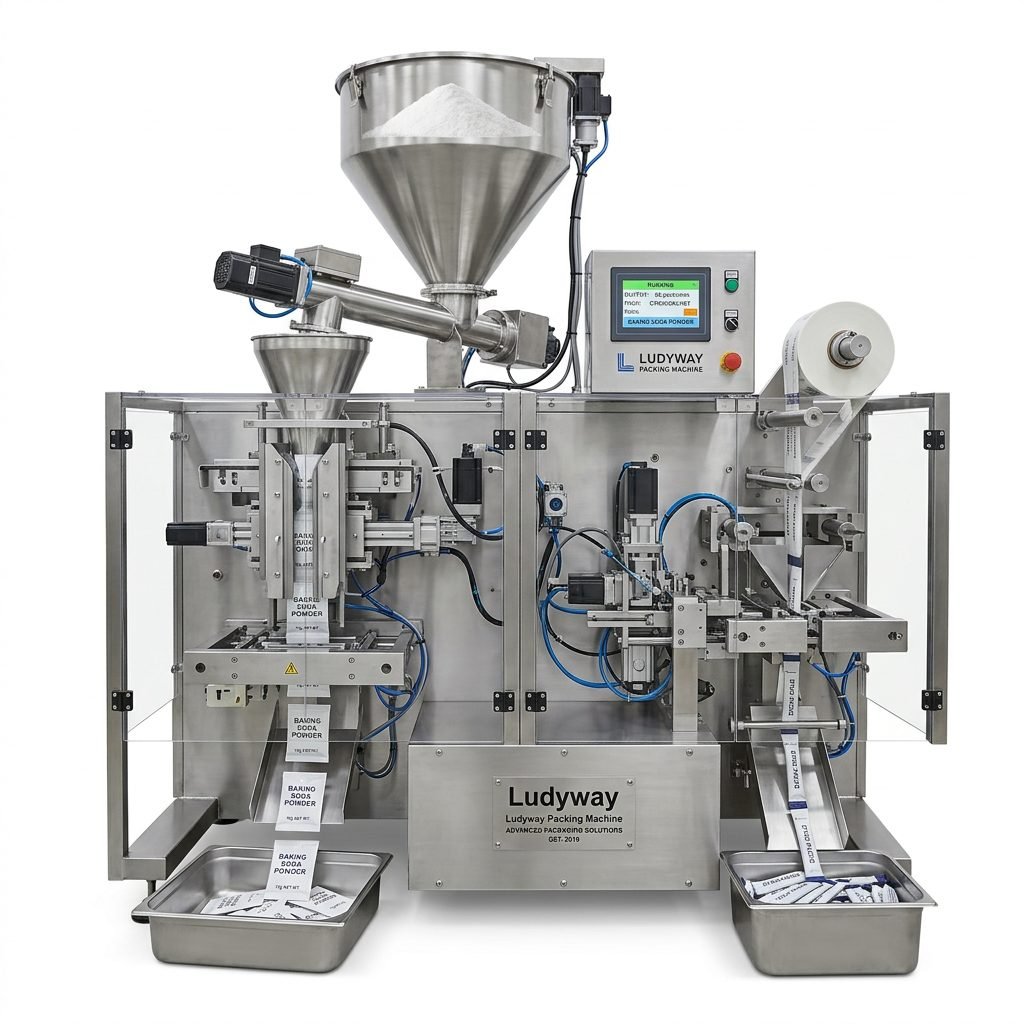
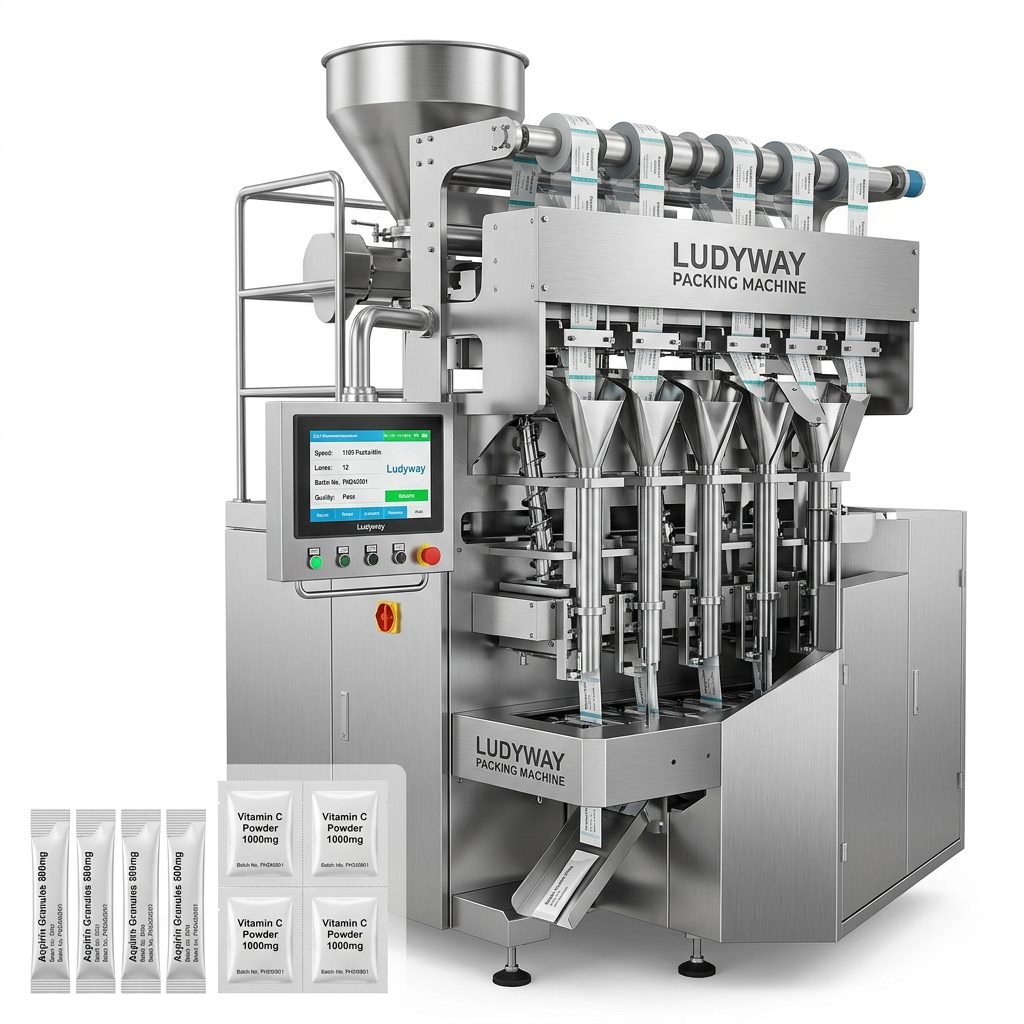
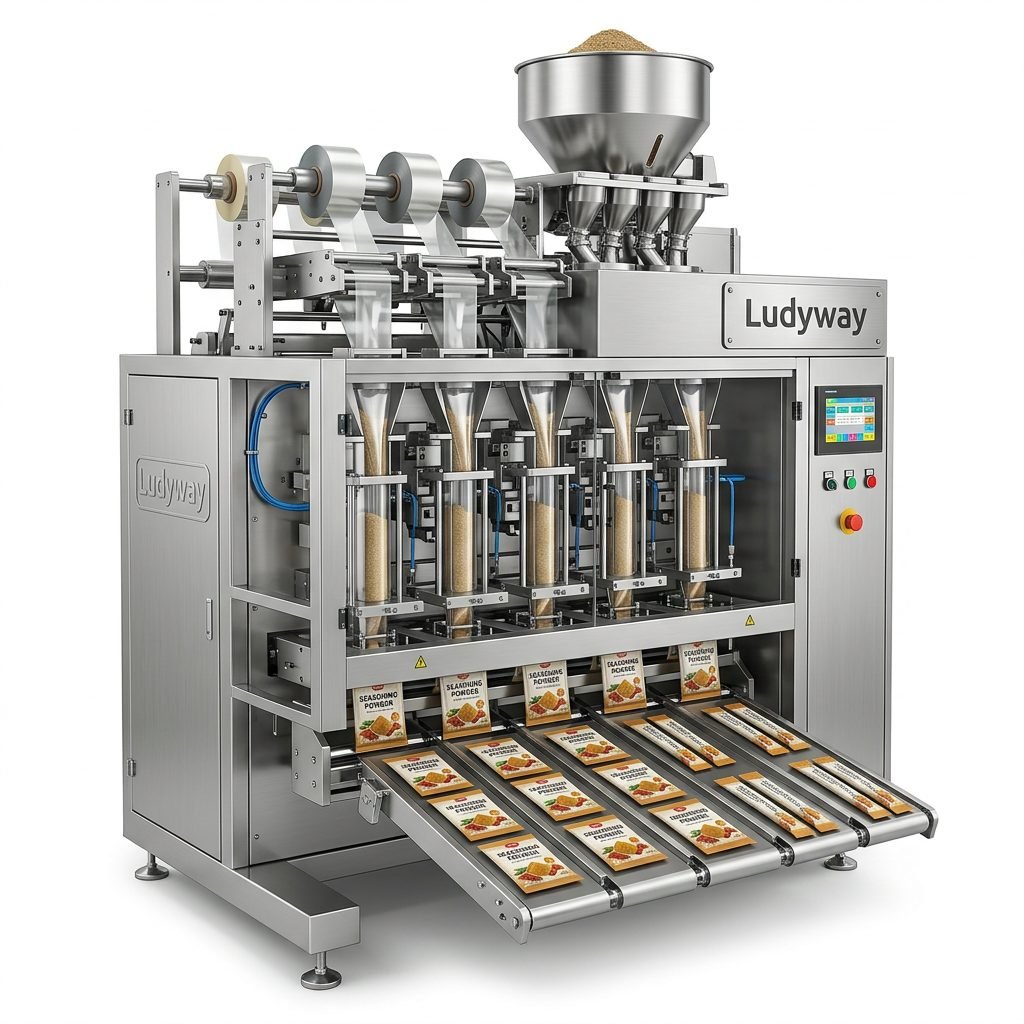
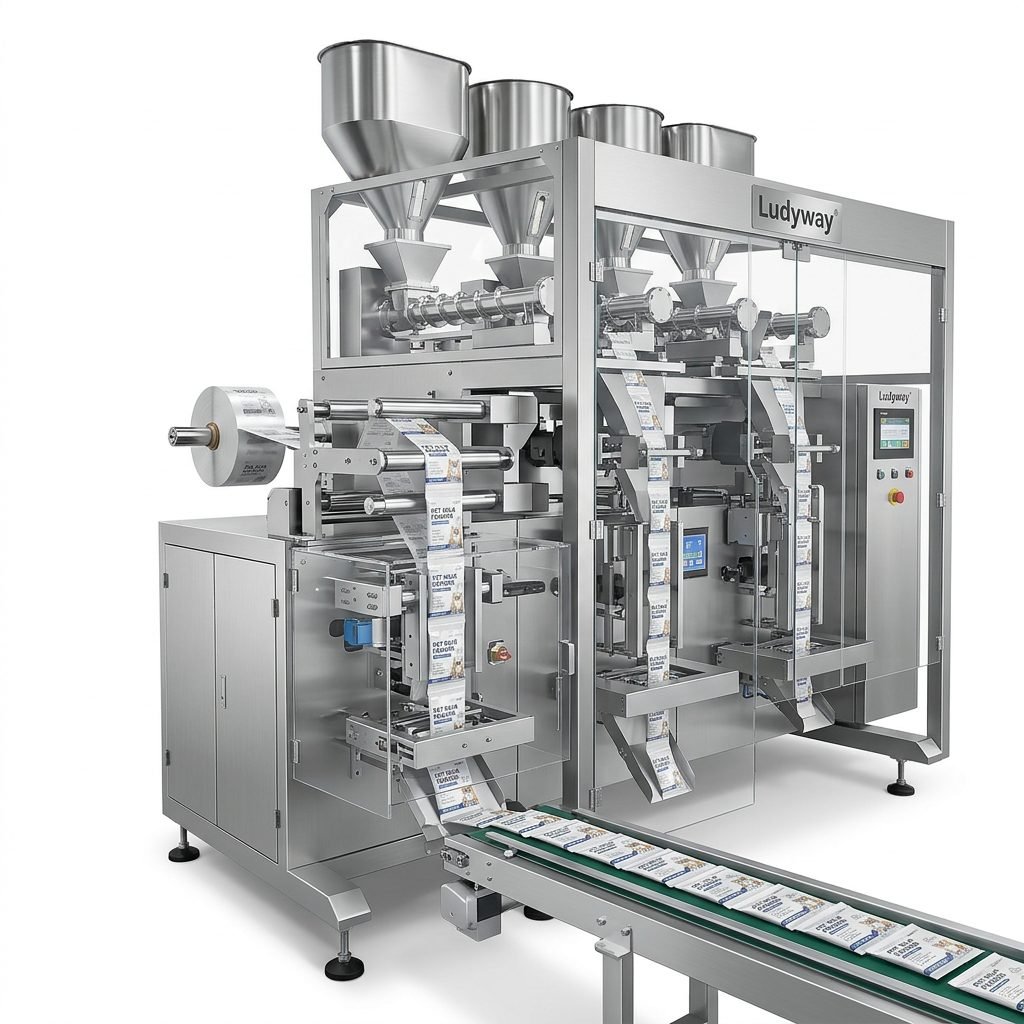
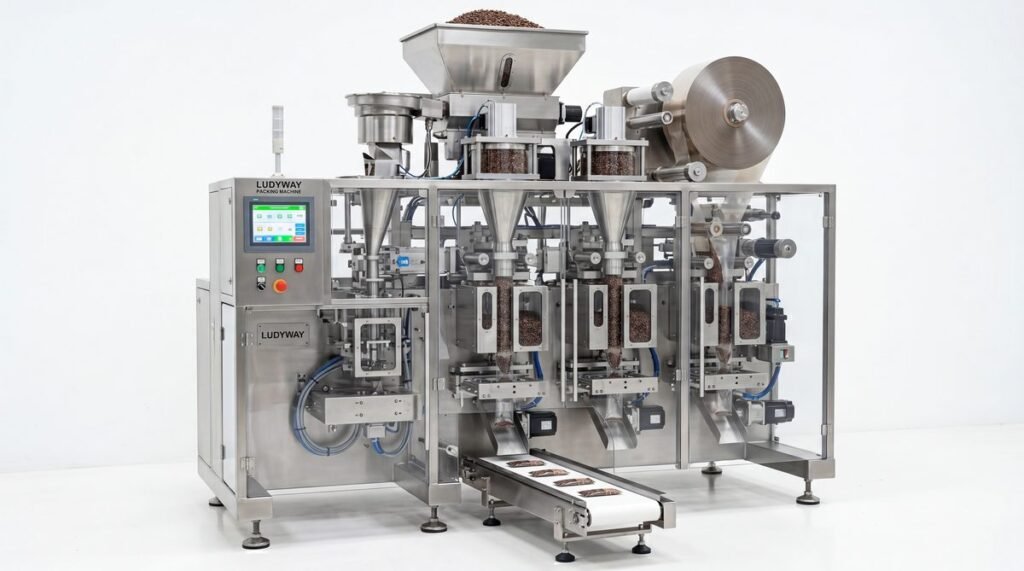
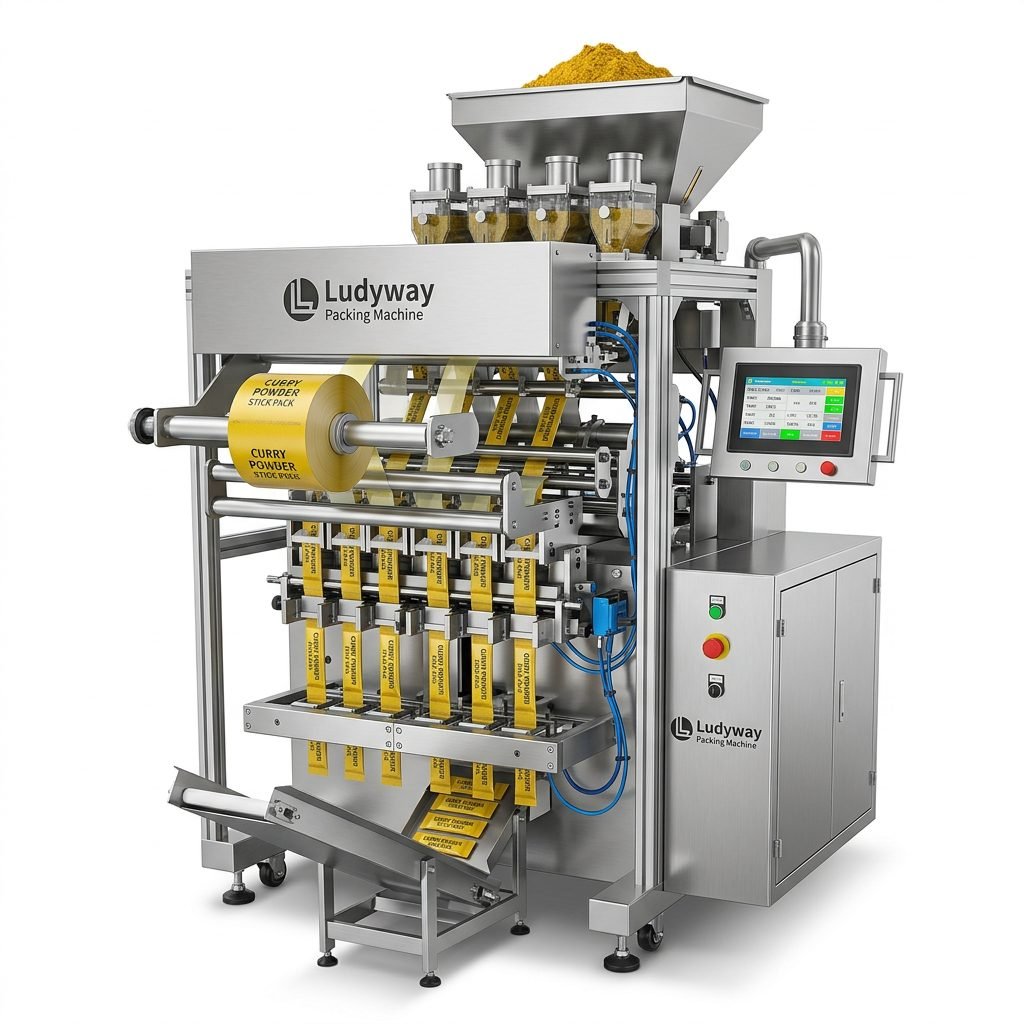
Also known as pouch packaging machines, these are highly versatile systems. They create the package from a roll of film, fill it with liquid, and then seal it—all in one continuous operation. This type is perfect for creating single-serve sachets, stick packs, or larger pouches for products like sauces, dairy, and liquid detergents.
Bottling Lines
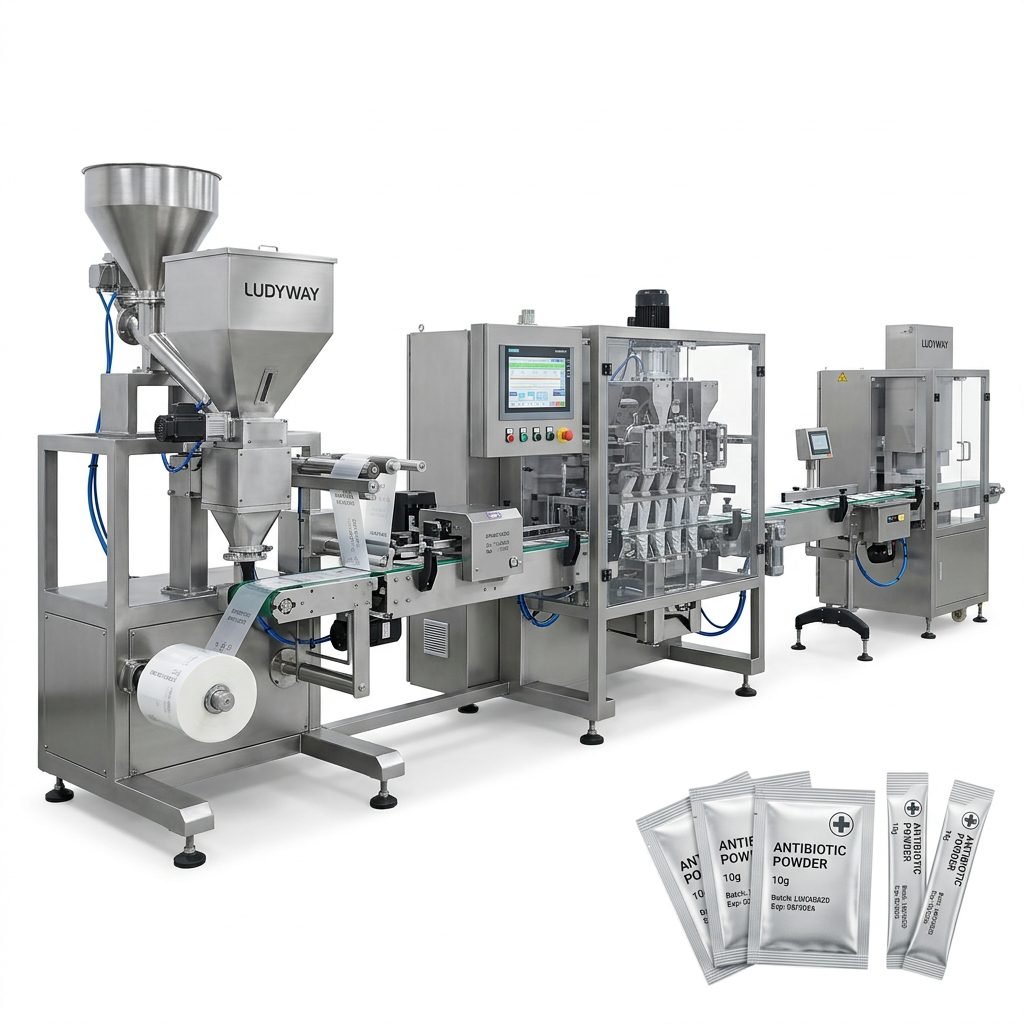
Designed for rigid containers like glass or plastic bottles, these are often integrated systems. A typical bottling line includes a bottle unscrambler, a rinser, the filler, a capper, and a labeler. They are the backbone of the beverage, pharmaceutical, and personal care industries.
Aseptic Packaging Machines
These advanced systems sterilize both the product and the packaging material separately before filling in a sterile environment. This process allows liquid products like milk, juice, and soups to be stored for months without refrigeration, significantly extending shelf life.
How Does an Automatic Liquid Packaging Machine Work? The Core Principle
While designs vary, the fundamental working principle of most automatic liquid packagers follows a consistent sequence: container handling, precise filling, and secure sealing.
Step 1: Container Feeding and Positioning
Empty containers (bottles, pouches) are fed into the machine via a conveyor system. An indexing mechanism, often a rotary table or a linear conveyor, positions each container accurately under the filling nozzles.
Step 2: The Filling Process
This is the heart of the operation. The chosen filling technology (piston, gravity, pressure) is activated. Nozzles descend into the containers, and a metered amount of liquid is dispensed. Modern machines use sensors to detect container presence, preventing spills and waste.
Step 3: Sealing and Closing
Immediately after filling, containers move to the sealing station. For bottles, this involves placing and tightening caps or corks. For pouches, heated jaws seal the film. For aseptic packaging, this step occurs in a sterile chamber.
Step 4: Coding, Labeling, and Discharge
The final stage often includes applying batch codes or expiration dates, labeling, and then discharging the finished, packaged product for cartoning or palletizing.
Key Factors for Choosing the Right Machine for Your Business
Selecting the optimal machine requires a careful analysis of your product, production goals, and operational environment. Here are the critical factors to evaluate.
1. Product Characteristics
The nature of your liquid dictates the machine type. Consider its viscosity (thin, thick, or paste), foaming tendency, and whether it contains particulates. Abrasive or corrosive products may require specific material contact parts like stainless steel 316L.
2. Desired Production Speed and Output
Calculate your required output in containers per minute (CPM) or hour. A small business might need a semi-automatic machine filling 20-30 bottles per minute, while a large beverage plant requires a high-speed rotary filler handling hundreds. Balance your current needs with future growth projections.
3. Container Type and Size
The machine must be compatible with your packaging format—bottles, cans, pouches, or stick packs. It should also handle your range of container sizes and shapes with quick and easy changeover capabilities to minimize downtime.
4. Level of Automation and Integration
Decide if you need a standalone filler or a fully integrated packaging line with capping, labeling, and inspection. Higher automation increases initial cost but reduces labor and improves consistency.
5. Hygiene and Safety Standards
Food, pharmaceutical, and cosmetic applications have strict hygiene regulations (e.g., FDA, EHEDG). Ensure the machine is constructed with appropriate materials (food-grade stainless steel) and designed for easy cleaning (CIP – Clean-in-Place systems).
6. Supplier Reliability and Support
Partner with a reputable manufacturer known for quality and service. Consider their industry experience, availability of spare parts, technical support, and training. A reliable partner like Ludyway Machinery, with decades of expertise in packaging solutions, can provide invaluable guidance and long-term support.
Frequently Asked Questions (FAQs)
What is the main advantage of an automatic over a semi-automatic liquid filler?
The primary advantage is significantly higher throughput with consistent accuracy and reduced labor costs. Automatic systems handle container feeding, filling, and sealing with minimal operator intervention, leading to greater overall efficiency and scalability for medium to high-volume production.
Can one machine handle different types of liquids and container sizes?
Many modern machines are designed with modularity and quick changeover in mind. By switching filling heads, nozzles, and adjusting settings, a single machine can often accommodate a range of similar-viscosity products and different container sizes. However, switching between vastly different formats (e.g., from bottles to pouches) typically requires a different machine type.
How important is machine construction material for food-grade liquids?
It is critical. For food, pharmaceutical, and cosmetic applications, all parts that contact the product must be made from food-grade, non-toxic, and corrosion-resistant materials, such as 304 or 316L stainless steel. This ensures product safety, meets regulatory standards, and allows for proper sanitation.
What maintenance does an automatic liquid packaging machine require?
Regular maintenance is essential for longevity and performance. This includes daily cleaning to prevent product buildup, periodic lubrication of moving parts, inspection and replacement of wear items like seals and O-rings, and calibration of filling volumes. Always follow the manufacturer’s maintenance schedule.
What should I look for in a machinery supplier?
Look for a supplier with proven industry experience, a strong portfolio of successful installations, and a commitment to after-sales service. They should offer comprehensive training, readily available spare parts, and reliable technical support to ensure your packaging line operates smoothly for years to come.