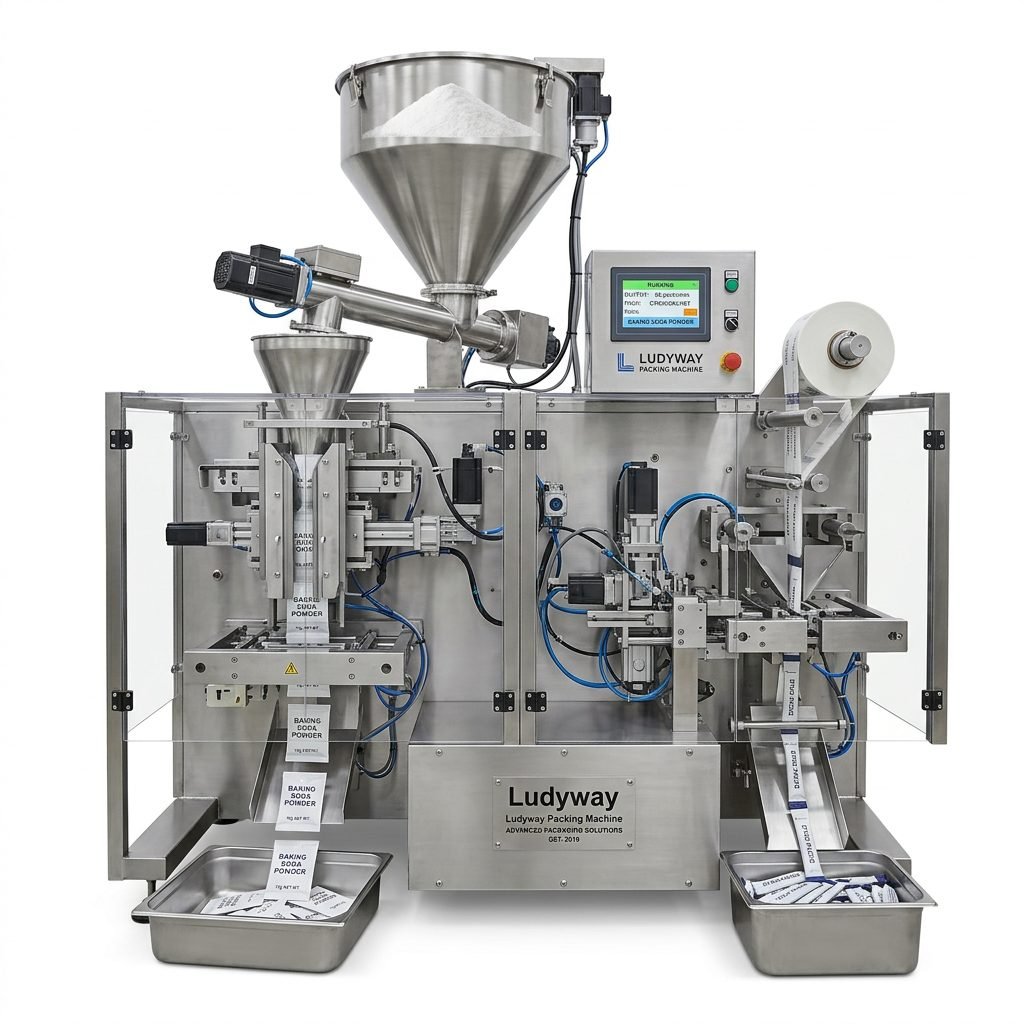
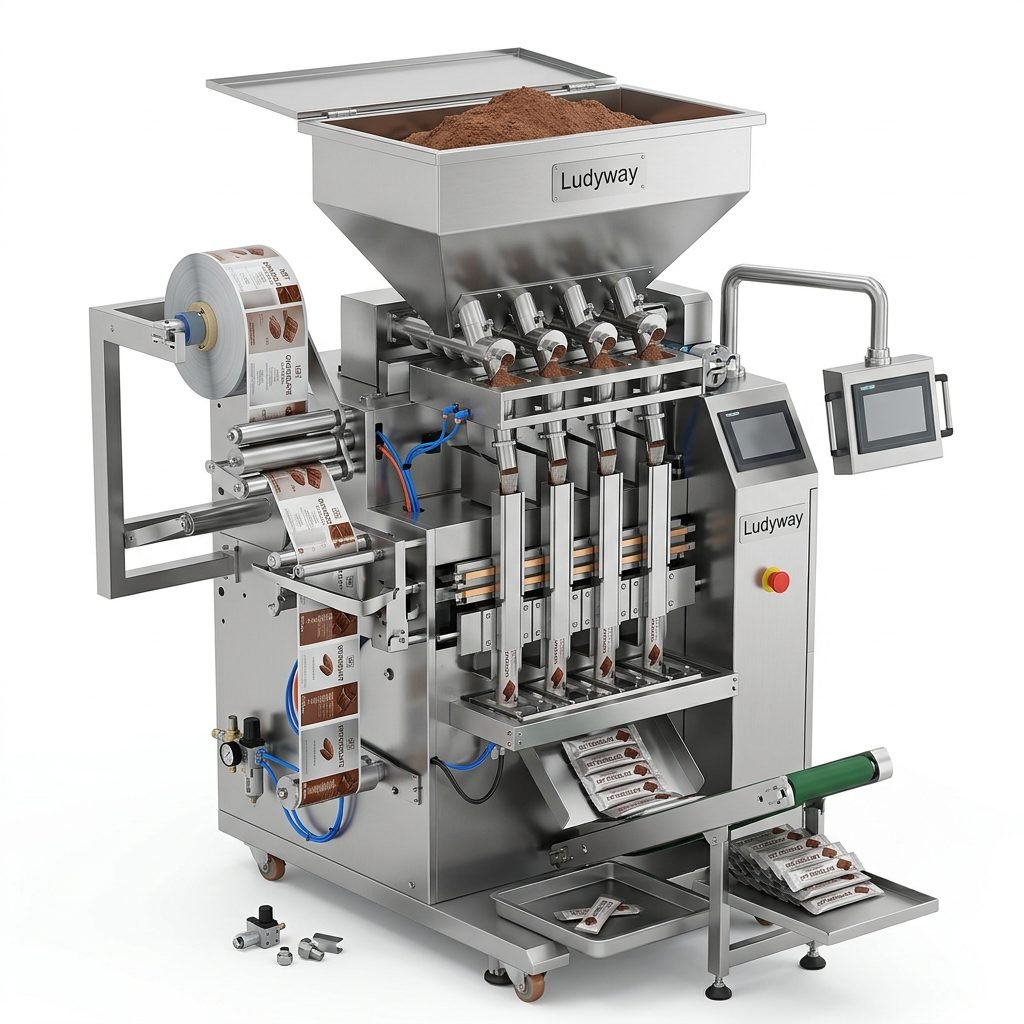
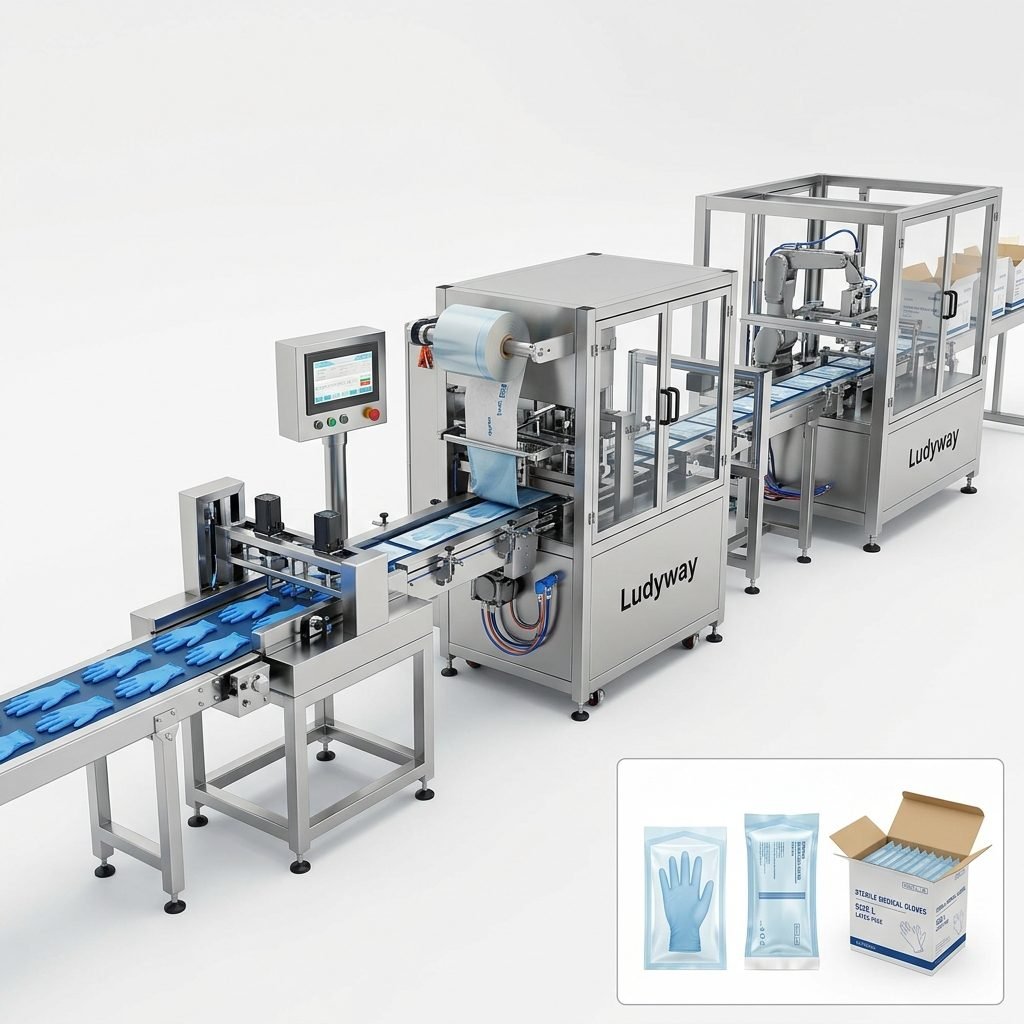
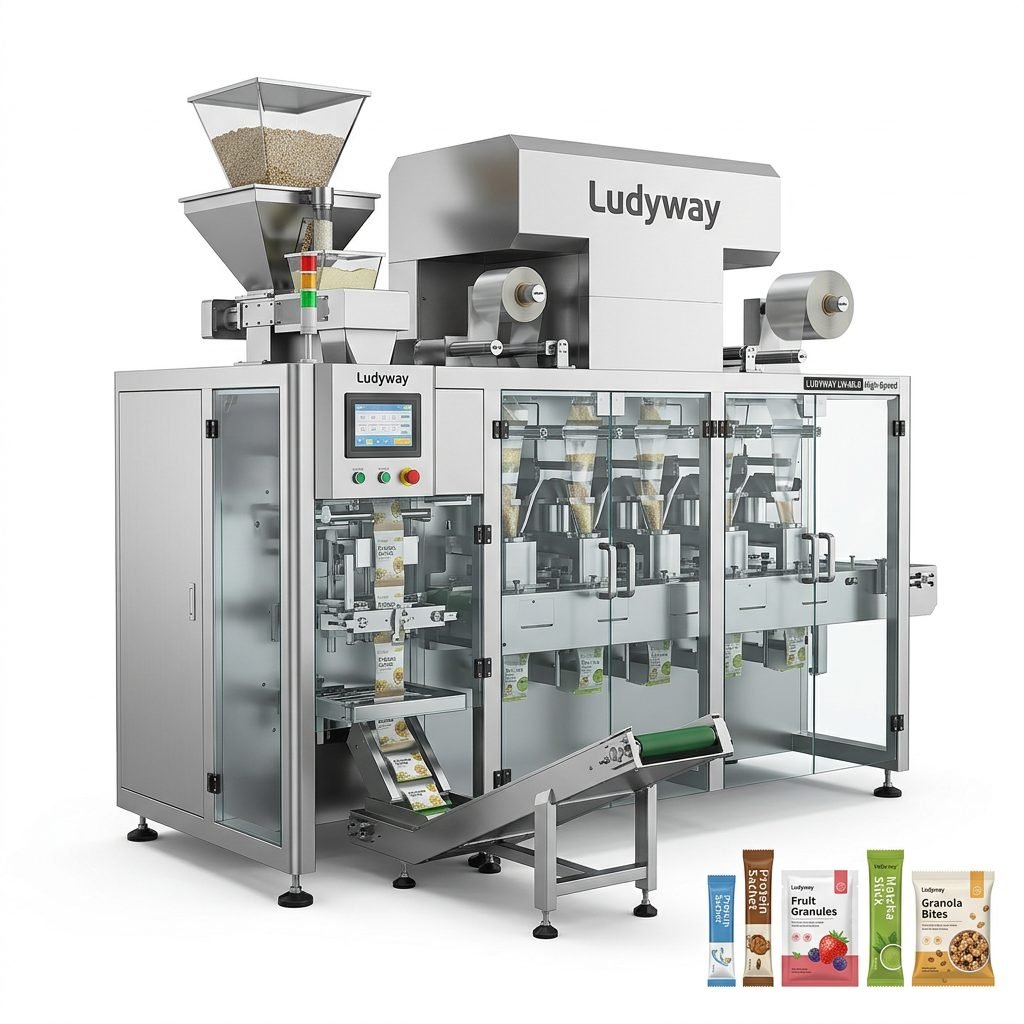
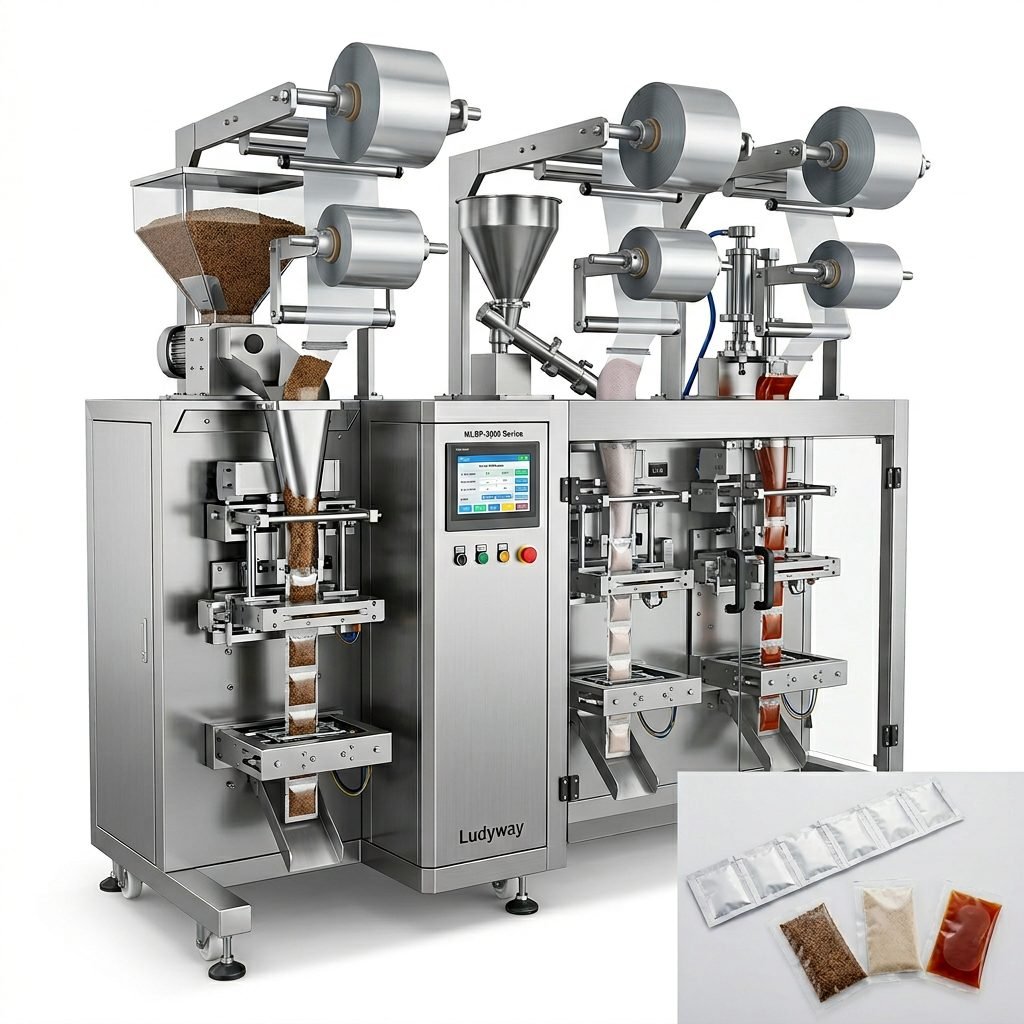
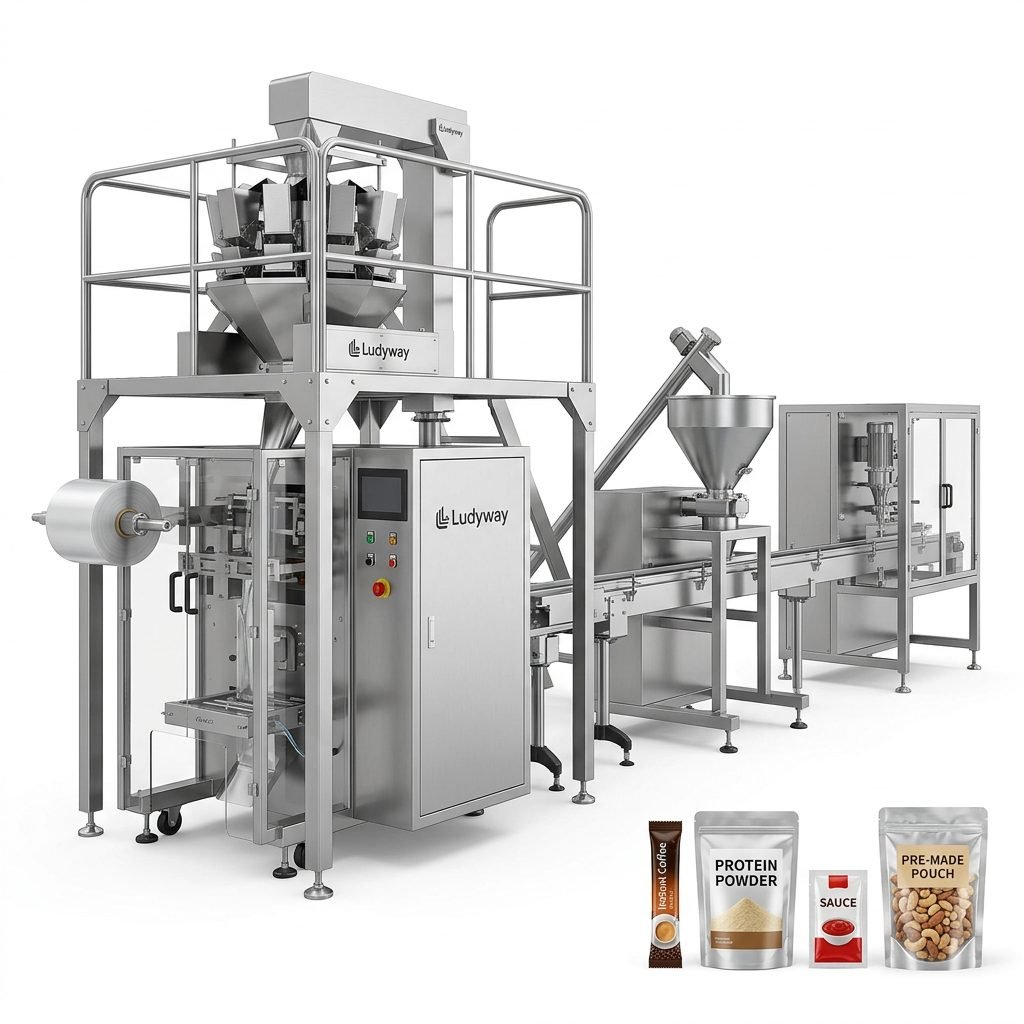
Selecting the right cosmetics packaging machine is a critical decision that directly impacts your production efficiency, product quality, and overall profitability. An automatic solution is no longer a luxury but a necessity for brands aiming to scale and maintain consistency. This guide will walk you through the key factors to consider when choosing an automatic packaging solution tailored for your cosmetics production line.
Key Decision Point
Your choice should balance current needs with future growth. A machine that’s perfect for today’s output may become a bottleneck tomorrow. Always plan for a 20-30% capacity buffer to accommodate market demand spikes.
1. Understanding Your Product and Packaging Format
The nature of your cosmetic product is the primary driver for machine selection. Different consistencies and packaging types require specialized equipment.
Product Type & Machine Compatibility
- Liquids: (Serums, toners, foundations) Require precise liquid filling machines with piston or peristaltic pumps to handle varying viscosities and prevent dripping.
- Creams & Pastes: (Moisturizers, masks, lip balm) Need filling systems with positive displacement pumps or auger fillers that can manage high-viscosity products without air bubbles.
- Powders: (Eyeshadows, blush, setting powder) Demand auger filler systems with anti-bridging technology and dust extraction to ensure accurate, clean filling.
- Sticks & Solids: (Lipsticks, deodorant sticks) Often require specialized molding, cooling, and insertion automation.
Packaging Format Considerations
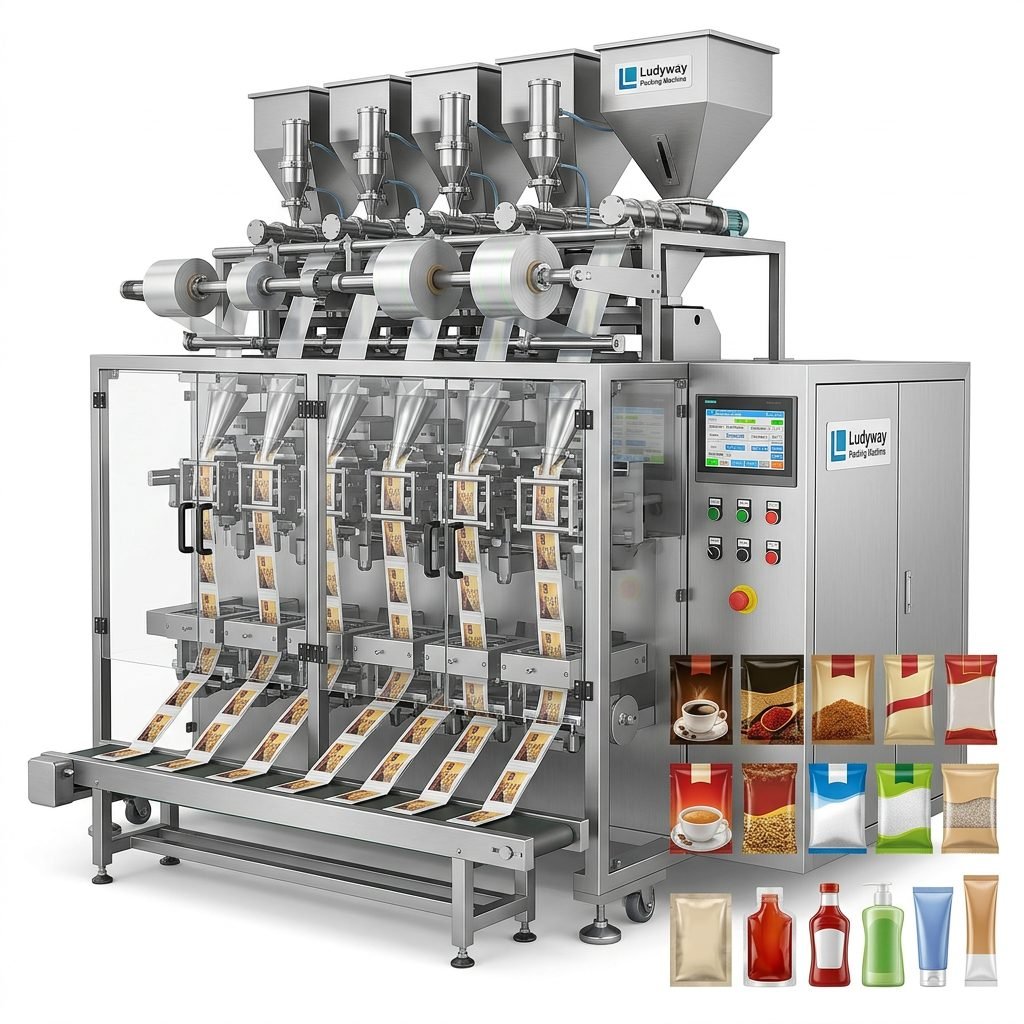
Your chosen format—whether bottles, jars, sachets, stick packs, or tubes—dictates the downstream machinery needed for capping, sealing, labeling, and cartoning. A turnkey solution that integrates filling with secondary packaging often yields the highest long-term efficiency.
2. Core Machine Specifications and Performance
Beyond product compatibility, dive deep into the technical specifications that define performance and reliability.
🔍 Performance Checklist
Speed (Output per Minute): Match the machine’s speed to your required output. Over-specifying can waste capital, while under-specifying limits growth.
Accuracy (Filling Tolerance): For premium cosmetics, filling accuracy of ±0.5% or better is often required to ensure product give-away is minimized and compliance is met.
Changeover Time: Quick and tool-less changeover between different container sizes or products is vital for flexible, small-batch production runs common in cosmetics.
Uptime & Reliability: Investigate the machine’s Mean Time Between Failures (MTBF). Robust construction with quality components (e.g., Siemens PLC, SMC pneumatics) is a key indicator.
3. Automation Level and Integration Potential
The “automatic” in automatic packaging machine can mean different things. Define the level of automation your line needs.
From Semi-Auto to Fully Integrated Lines
- Semi-Automatic: Operator loads containers, machine fills/seals. Ideal for low-volume, high-mix production or pilot lines.
- Fully Automatic Single Machine: Handles a complete process (e.g., filling, capping) automatically once containers are fed, often via a conveyor.
- Fully Integrated Line: A synchronized system where machines from unscrambling, filling, capping, labeling to cartoning are linked and controlled by a central Human-Machine Interface (HMI). This is the goal for high-volume output.
Consider machines with PLC control and Industry 4.0 capabilities, allowing for data collection, remote monitoring, and future integration into a smart factory ecosystem.
4. Hygiene, Safety, and Compliance Standards
The cosmetics industry is governed by strict regulations (e.g., FDA, EU Cosmetics Regulation, GMP). Your equipment must be designed to comply.
Critical Design Features
Hygienic Design: Look for machines with stainless steel (304 or 316 grade) contact parts, smooth surfaces without crevices, and CIP (Clean-in-Place) or SIP (Sterilize-in-Place) capabilities.
Safety: Ensure the machine has comprehensive safety guarding, emergency stops, and complies with international safety standards like CE or UL.
Material Compatibility: Verify that all wetted parts are compatible with your product’s chemical composition to prevent contamination or corrosion.
5. Supplier Evaluation: Beyond the Machine
The manufacturer or supplier is as important as the machine itself. A reliable partner ensures long-term success.
Evaluating Your Packaging Machine Partner
When assessing a supplier like Ludyway Machinery, consider their depth of experience. With over 30 years in the industry, they bring proven expertise in packaging automation for sensitive sectors like cosmetics. Key partnership factors include:
- Application Expertise: Do they have a portfolio of successful cosmetic projects? Can they provide specific case studies or references?
- Customization & Engineering Support: Can they modify standard machines to fit your unique container or process? Strong in-house engineering is crucial.
- Service & Support Network: What are their response times for spare parts and technical support? Global brands need reliable local or regional service.
- Project Execution: Can they deliver a complete, validated turnkey line, from factory acceptance tests to installation and operator training?
6. Total Cost of Ownership (TCO) and ROI Analysis
The purchase price is just the initial investment. A true financial assessment requires calculating the Total Cost of Ownership.
Calculating TCO
TCO = Purchase Price + Installation + Operating Costs (Energy, Labor) + Maintenance & Spare Parts + Downtime Costs – Residual Value.
A slightly more expensive machine with higher efficiency, lower changeover time, and superior reliability will almost always have a better TCO and a faster Return on Investment (ROI) than a cheaper, less capable alternative. Focus on value over price.
Final Steps: Validation and Planning
Before finalizing your decision, insist on a product sample test at the supplier’s facility or via a rental unit. This live test validates performance, accuracy, and compatibility. Furthermore, plan for adequate factory space, utilities (compressed air, electrical), and trained personnel to operate and maintain the new system effectively.
Frequently Asked Questions (FAQs)
1. What is the typical lead time for an automatic cosmetics packaging line?
Lead times vary significantly based on complexity and customization. For a standard machine, expect 8-12 weeks. For a fully customized, integrated turnkey line, lead times of 16-24 weeks are common, including design, manufacturing, factory testing, and shipping. Always confirm timelines with your supplier during the quotation phase.
2. How do I ensure the machine meets my country’s specific safety and regulatory standards?
Clearly communicate all applicable standards (e.g., CE, FDA, GMP) to your supplier during the initial inquiry. Reputable suppliers like Ludyway Machinery design machines to meet international standards and can provide necessary documentation and certification. Always request a certificate of compliance.
3. Can one machine handle multiple different product types (e.g., liquid and cream)?
Some machines are designed with multi-purpose filling systems (e.g., interchangeable piston heads for different viscosities). However, significant product changes often require a change in the filling system or a complete changeover kit. Discuss your product portfolio with the supplier to find the most flexible and cost-effective solution, which may involve dedicated lines for high-volume products.
4. What kind of after-sales support should I expect?
Comprehensive support includes detailed installation manuals, on-site or remote installation supervision, comprehensive operator and maintenance training, a readily available spare parts inventory, access to technical documentation, and responsive remote/on-site technical support. A 12-24 month warranty on parts and labor is standard for quality machinery.
5. Is it better to buy a single machine or a complete integrated line?
This depends entirely on your volume and labor strategy. A single machine is suitable for lower output or when integrating with existing equipment. A complete integrated line from a single supplier offers synchronized speed, minimized manual handling, consistent data tracking, and typically comes with single-point responsibility for performance and service, making it the preferred choice for high-volume, scalable production.