MAP (Modified Atmosphere Packaging) machines are essential equipment for extending the shelf life of perishable products by replacing the air inside a package with a protective gas mixture. This ultimate guide explores the various types of MAP packaging systems, their significant benefits, and provides a clear framework for selecting the right machine for your production needs.
Understanding MAP Packaging Technology
At its core, Modified Atmosphere Packaging is a preservation technique. A MAP machine removes the ambient air from a product’s package and flushes it with a specific, controlled mixture of gases—such as nitrogen, carbon dioxide, and oxygen. The precise blend is tailored to the product’s biology to dramatically slow down spoilage processes like oxidation and microbial growth. This technology is crucial for maintaining the freshness, color, texture, and safety of a wide range of goods without the need for excessive preservatives.
Key Takeaway: MAP is not a one-size-fits-all solution. The success of the packaging depends on the synergy between the correct gas mixture, high-barrier packaging materials, and precise machine operation.
Primary Types of MAP Packaging Machines
The packaging industry utilizes several MAP system designs, each suited to different product formats, production speeds, and operational budgets.
1. Chamber or Tray Sealing Machines
These are the most common type, ideal for pre-formed trays and containers. The product is placed in a tray, the lidding film is positioned on top, and the entire assembly enters a sealing chamber. The machine performs a vacuum cycle to remove air, introduces the modified atmosphere, and then heat-seals the lid. They are versatile, reliable, and perfect for batch processing of products like fresh meats, cheeses, and prepared meals.
2. Snorkel-Type Machines
Snorkel machines use probes (snorkels) that are inserted into the package to evacuate air and inject the gas mix before sealing. This method is often used for bulk packages or products in bags, such as large cuts of meat or coffee. They are generally faster than chamber machines for certain applications but may require more manual handling.
3. Form-Fill-Seal (FFS) MAP Machines
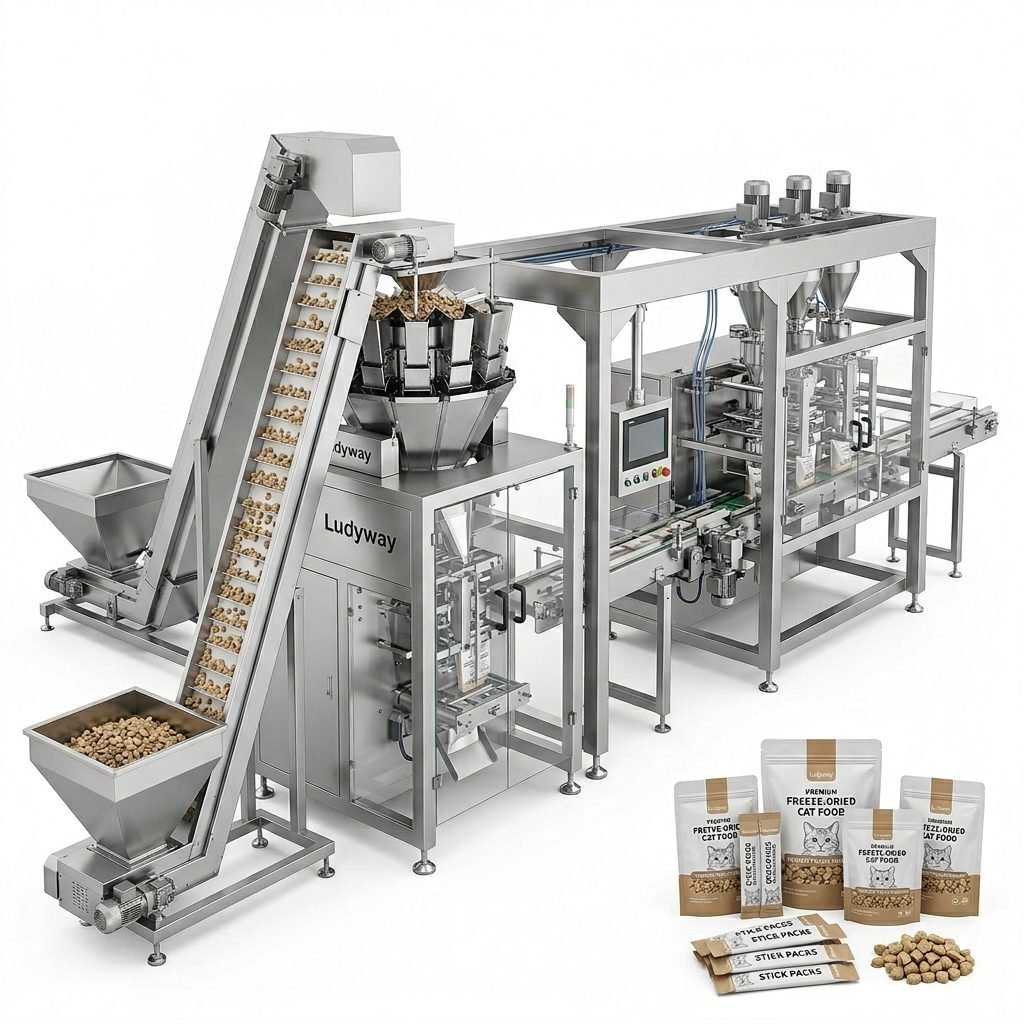
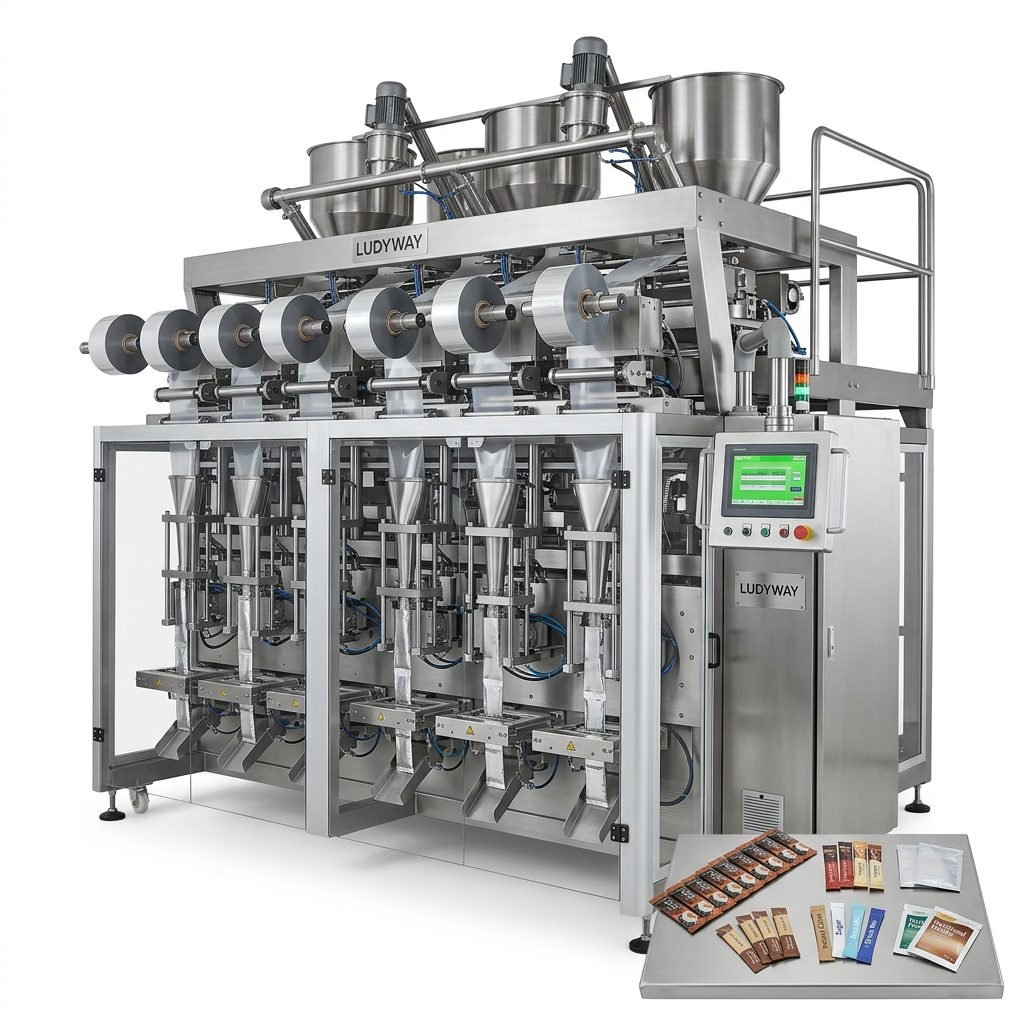
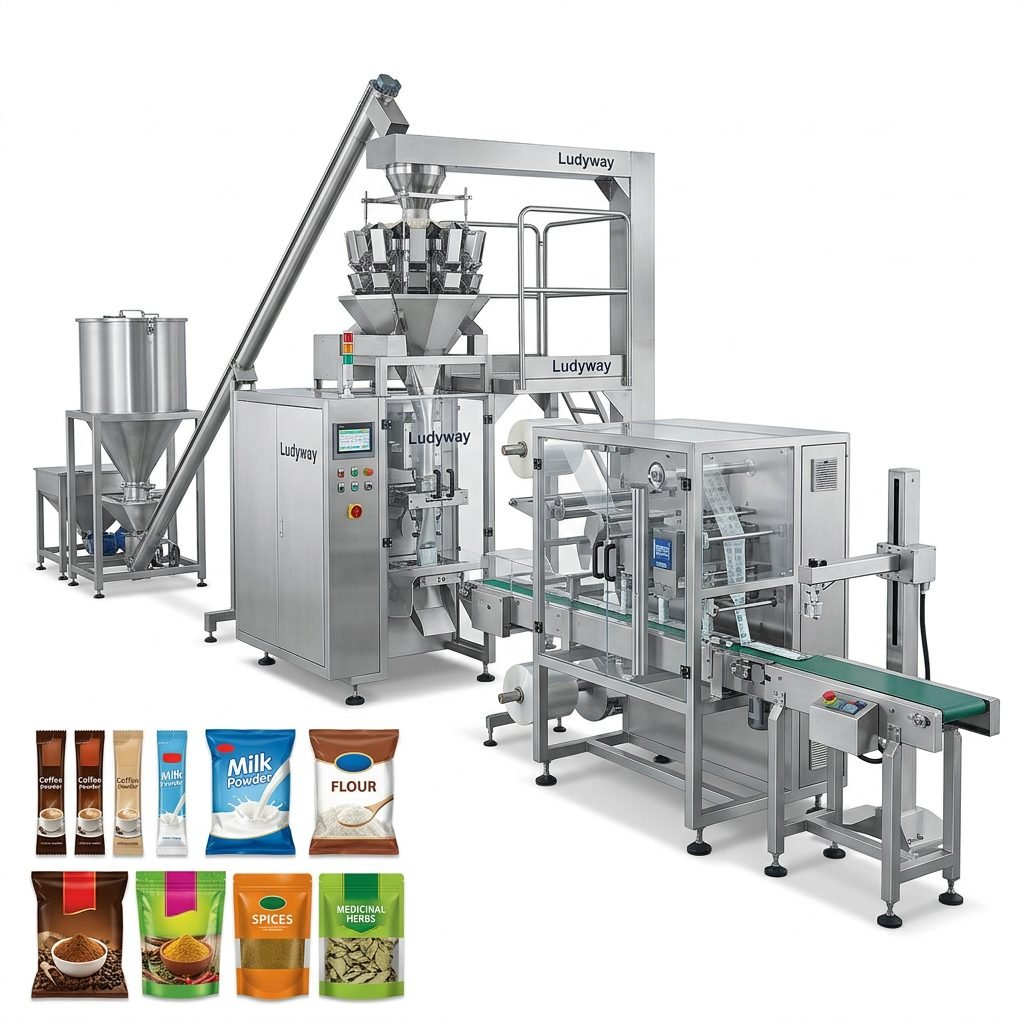
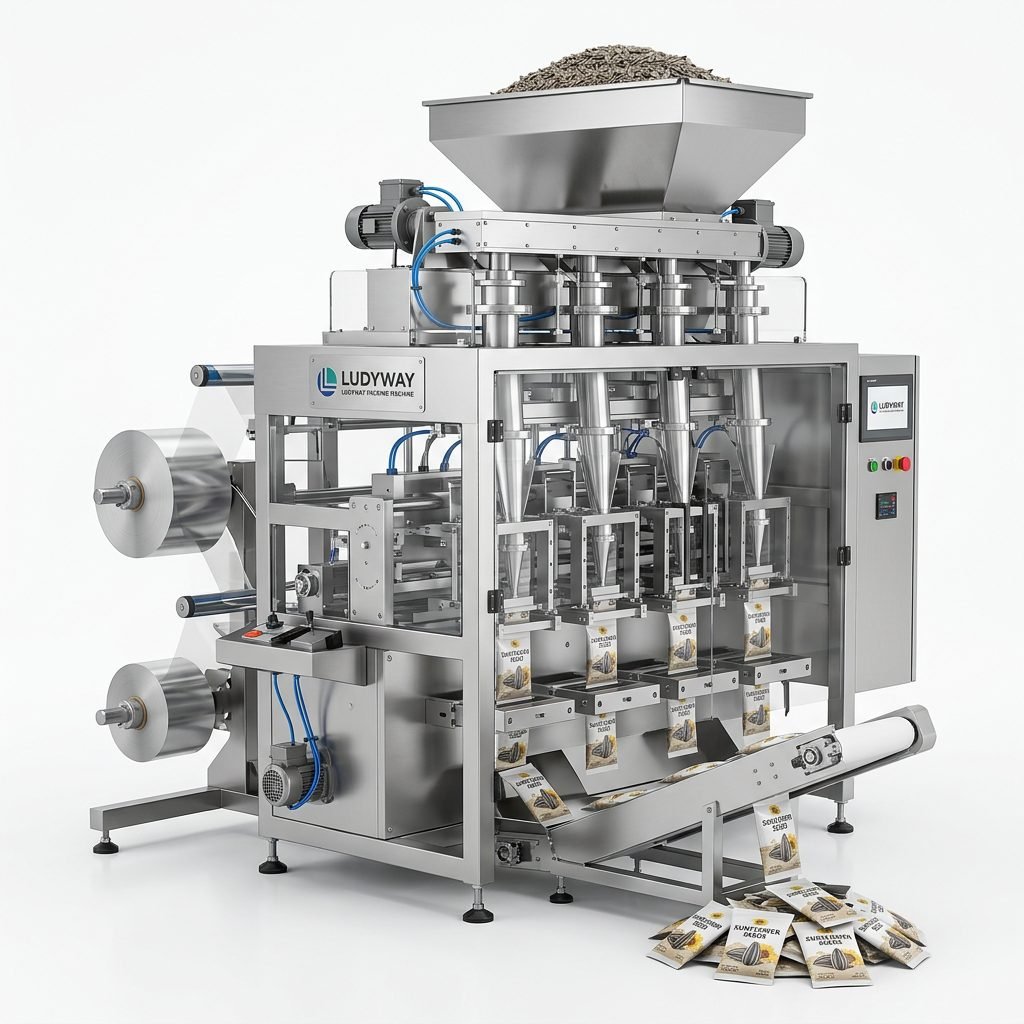
These are highly automated, inline systems. They form the package from a roll of film, fill it with product, evacuate the air, inject the gas mixture, and seal it—all in one continuous process. FFS machines are the go-to solution for high-volume production of items like snacks, grated cheese, and dried fruits. They offer excellent efficiency and gas consistency.
4. Thermoform-Fill-Seal Machines
In these systems, the bottom packaging web is heated and thermoformed into cavities right on the machine. The product is filled into these cavities, the top web is applied, and the MAP process (vacuum and gas flush) occurs before the final sealing and cutting. This is a premium solution for products requiring a rigid, presentation-ready package, common in the dairy and processed meats sectors.
Major Benefits of Implementing MAP Systems
Investing in MAP technology delivers compelling advantages for both producers and consumers.
Extended Shelf Life
The most significant benefit. By inhibiting bacterial and fungal growth and slowing oxidation, MAP can extend a product’s shelf life by 50% to 400%. This reduces food waste, expands geographical distribution reach, and decreases the frequency of store deliveries.
Preserved Product Quality
MAP maintains the fresh characteristics of the product. Meats retain their red color, salads stay crisp, and baked goods remain moist. This enhances brand reputation and consumer satisfaction, as the product looks and tastes fresher for longer.
Reduced Need for Additives
With an effective modified atmosphere acting as a preservative, manufacturers can often reduce or eliminate chemical preservatives like sulfites or benzoates. This aligns with the growing consumer demand for “clean-label” and minimally processed foods.
Improved Logistics and Economics
Longer shelf life translates directly into lower losses from spoilage, more flexible production scheduling, and the ability to ship products over longer distances. This optimizes supply chain efficiency and improves overall profitability.
How to Choose the Right MAP Packaging System
Selecting the optimal machine requires a careful analysis of your specific operational needs. Follow this step-by-step framework to guide your decision.
Step 1: Analyze Your Product and Package
This is the foundation. Determine the product’s sensitivity to oxygen, moisture, and microbial growth. Define your package format: pre-formed trays, pouches, or thermoformed cavities? The package material must have excellent gas barrier properties (like specific polymers or EVOH layers) to maintain the atmosphere.
Step 2: Define Your Production Requirements
- Speed (Output): Calculate your required packages per minute/hour. Chamber machines suit lower to medium speeds, while FFS and thermoform machines are built for high-speed lines.
- Automation Level: Assess your labor availability. Do you need a semi-automatic machine operated by a single worker, or a fully automatic line integrated with fillers and conveyors?
- Floor Space: Measure your available space. Inline FFS systems have a larger footprint than compact chamber sealers.
Step 3: Evaluate Gas Flushing Performance
The machine’s efficiency in replacing air with the desired gas mix is critical. Look for key performance indicators like residual oxygen (O₂) levels inside the sealed package. High-quality machines consistently achieve very low residual O₂ (often below 0.5% for sensitive products), which is vital for maximizing shelf life.
Step 4: Consider Operational and Support Factors
Look beyond the initial purchase price. Evaluate the machine’s ease of cleaning and maintenance, its energy consumption, and the availability of spare parts. Perhaps most importantly, choose a supplier known for strong technical support and service. Reliable after-sales support from experienced packaging experts ensures minimal downtime and long-term operational success.
Pro Tip: Request a Product Test
Before finalizing your decision, always send your actual product and packaging materials to the machine supplier for a live test run. This is the only way to verify the machine’s performance with your specific setup, measure the achieved residual oxygen levels, and validate the final packaged product’s quality and shelf life.
Partnering with the Right Technology Provider
Your choice of machinery partner is as important as the machine itself. A provider with deep industry experience, like Ludyway Machinery, brings invaluable expertise to the table. They can help you navigate the complexities of gas formulation, barrier materials, and line integration. Look for a partner that offers comprehensive solutions—from single machines to complete turnkey lines—and is committed to innovation and long-term cooperation, ensuring your packaging operations remain efficient and competitive for years to come.
Frequently Asked Questions (FAQs)
What is the main difference between MAP and vacuum packaging?
Vacuum packaging removes almost all air from the package, which can sometimes compress delicate products. MAP replaces the air with a specific gas mixture, which can actually help preserve the shape and texture of fragile items like baked goods or berries while still inhibiting spoilage.
Which gases are used in MAP, and why?
The most common gases are Nitrogen (N₂), which is inert and displaces oxygen; Carbon Dioxide (CO₂), which inhibits the growth of many bacteria and molds; and Oxygen (O₂), which is used in low concentrations for red meat to maintain color or excluded entirely for most other products to prevent oxidation.
Can any product be packaged using MAP?
No. While excellent for most perishables, MAP is not suitable for living, respiring products like fresh, unpackaged fruits and vegetables, as they require a careful balance of gases for continued respiration. It is ideal for meats, seafood, dairy, pasta, snacks, and baked goods.
How much does a MAP packaging machine cost?
Costs vary widely based on type, automation, and speed. Semi-automatic chamber machines can start in the tens of thousands of dollars, while high-speed, fully automated turnkey lines can represent a significant capital investment. A detailed quote based on your specific requirements is essential.
Is specialized training required to operate a MAP machine?
Yes. Proper operation, maintenance, and understanding of gas settings are crucial for food safety and machine longevity. Reputable suppliers should provide comprehensive operational training as part of the installation and commissioning process.