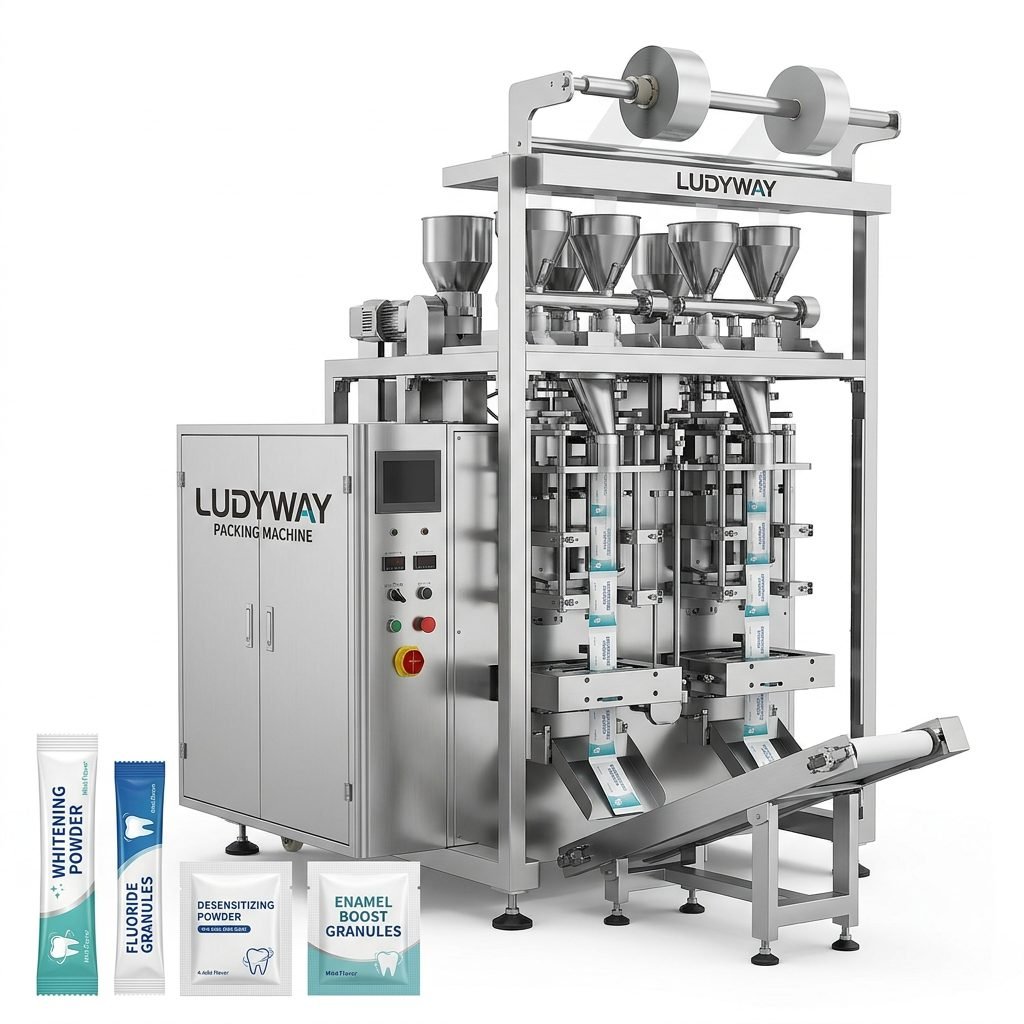
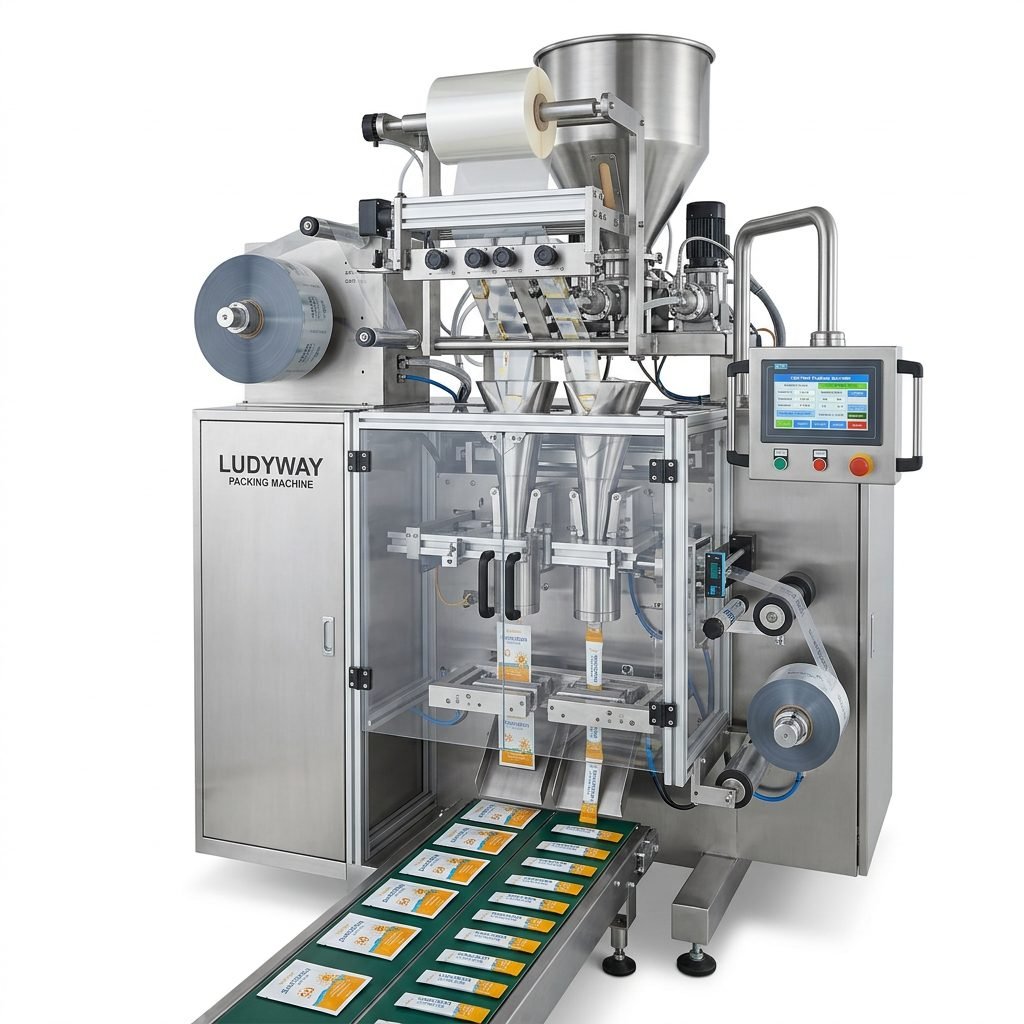
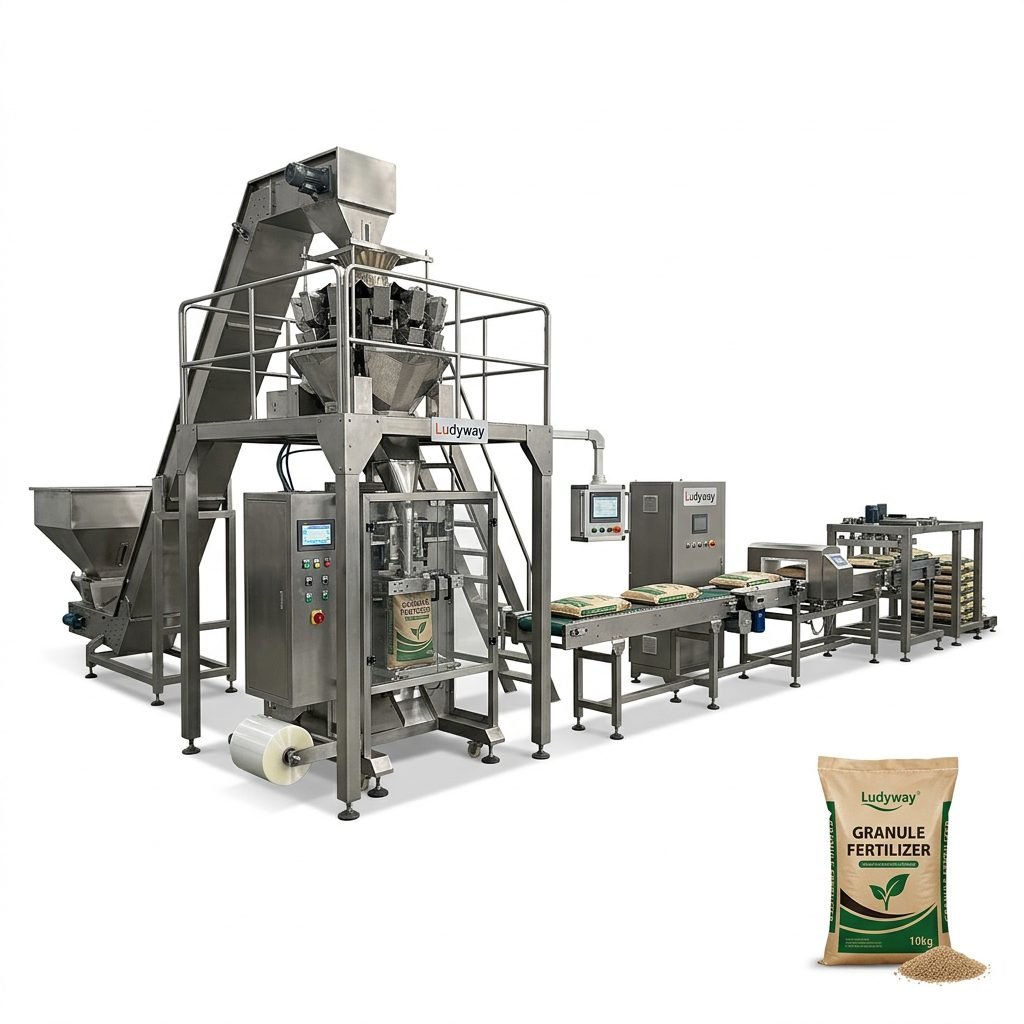
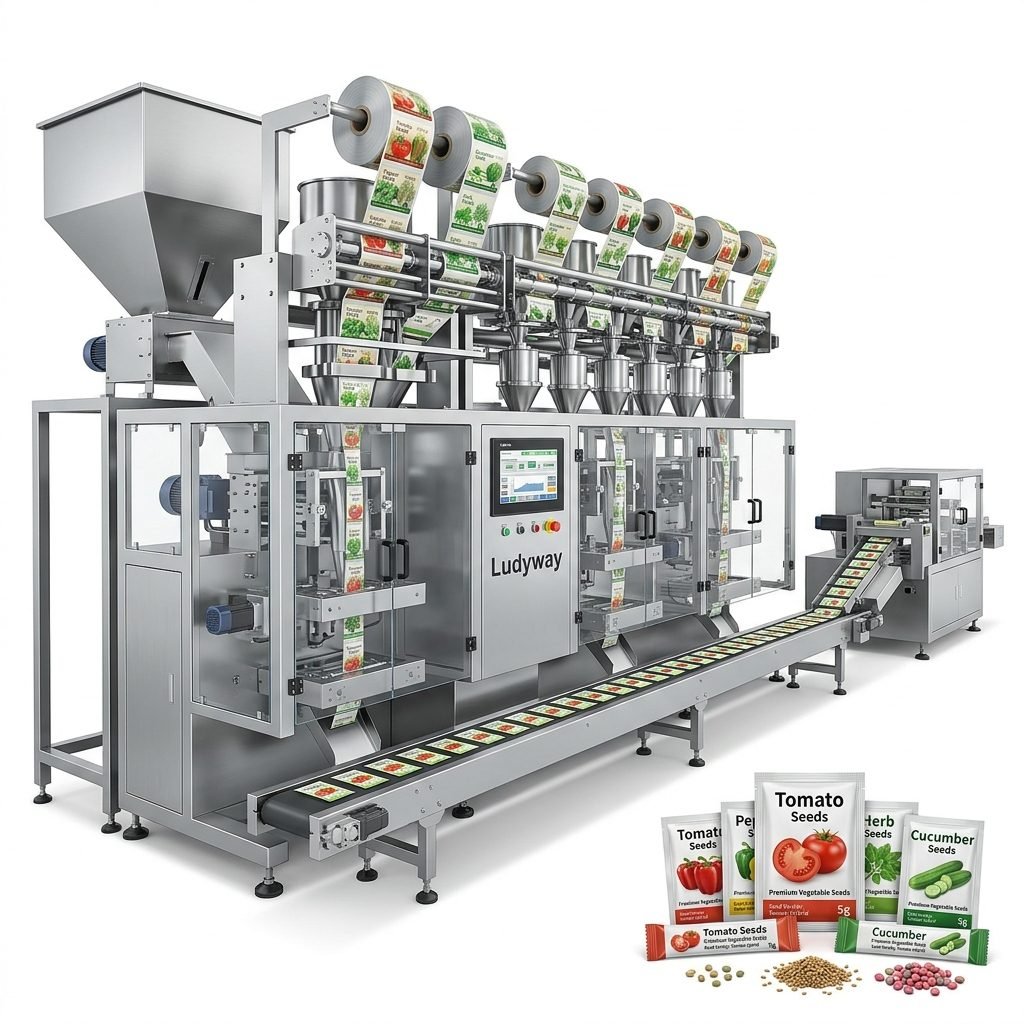
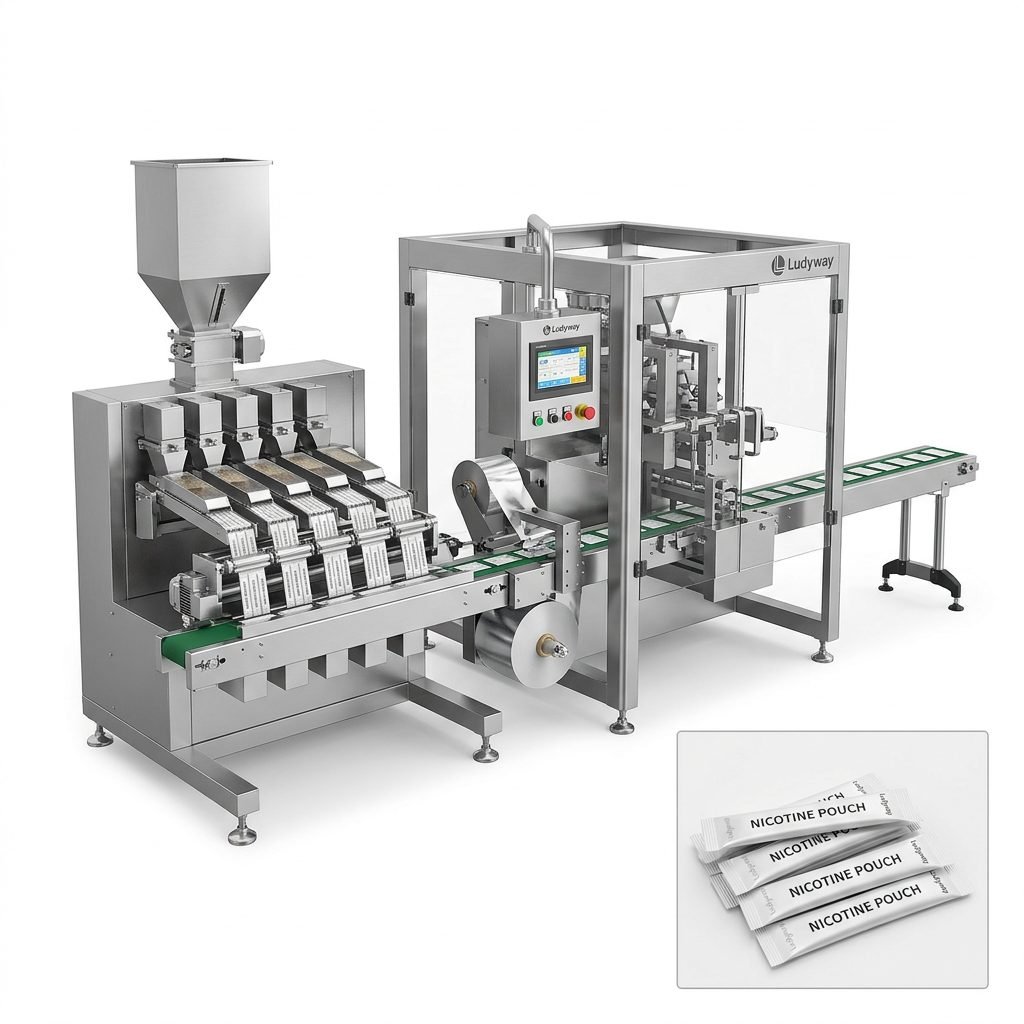
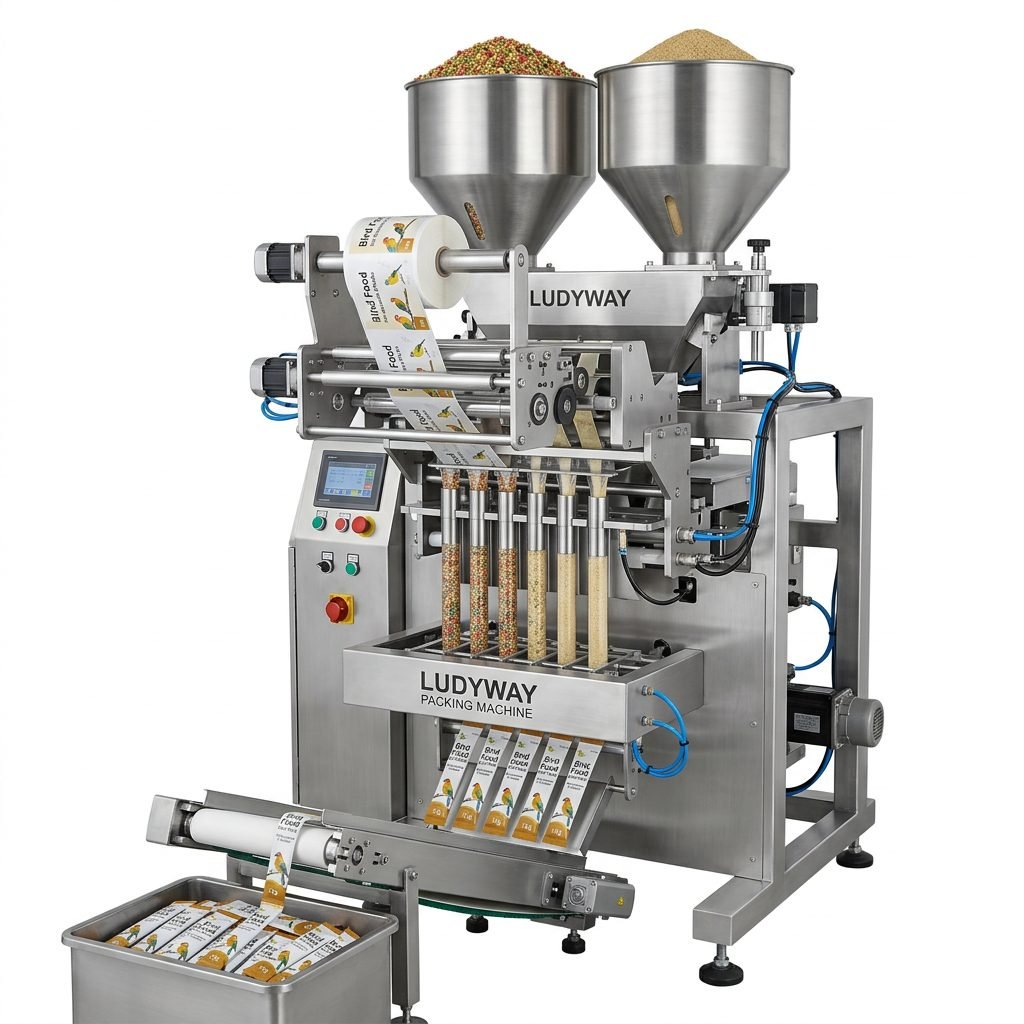
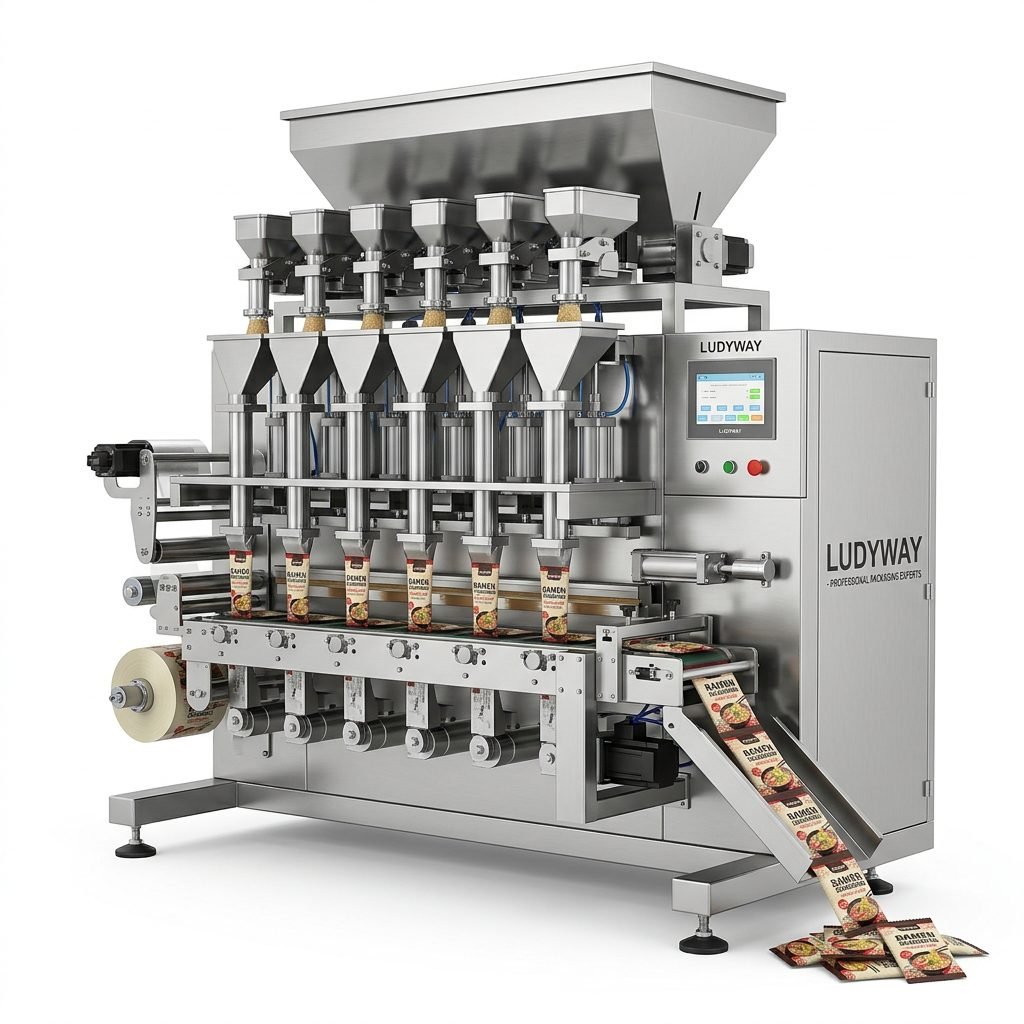
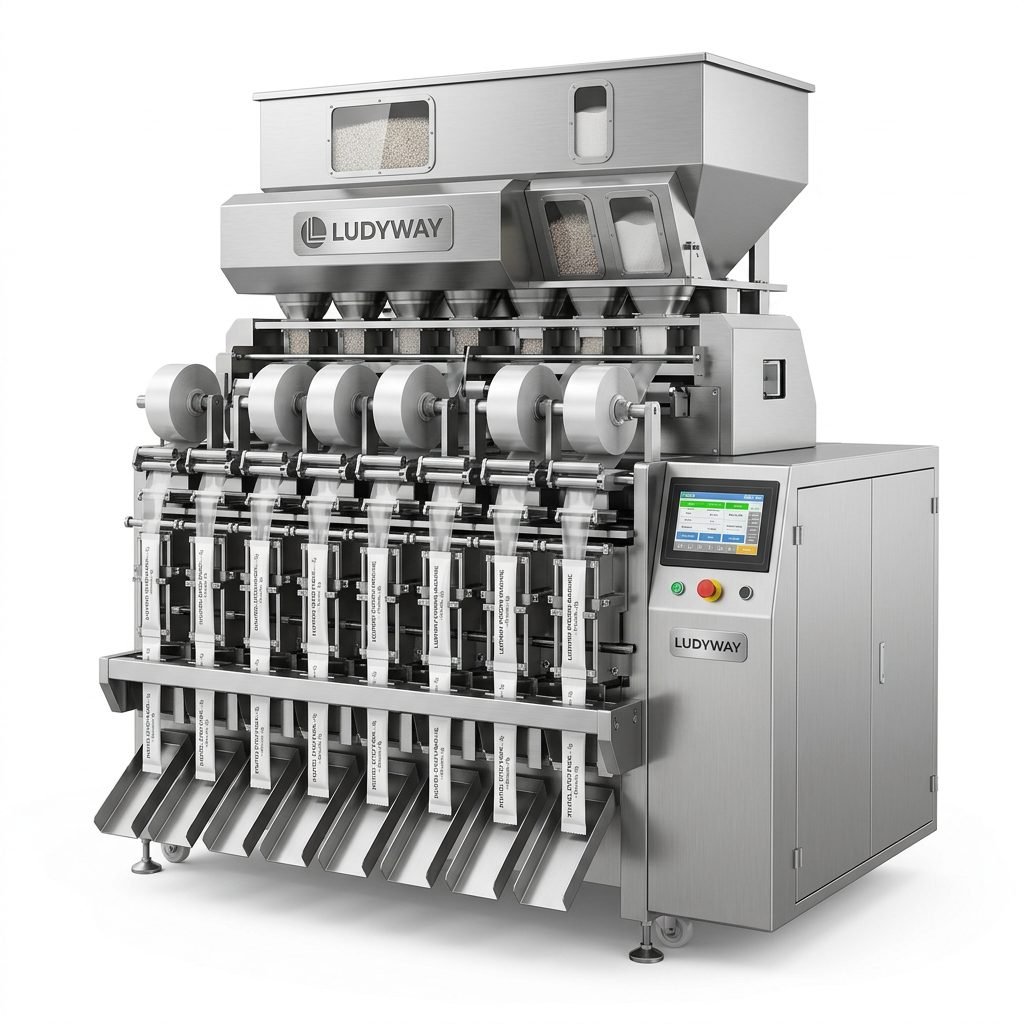
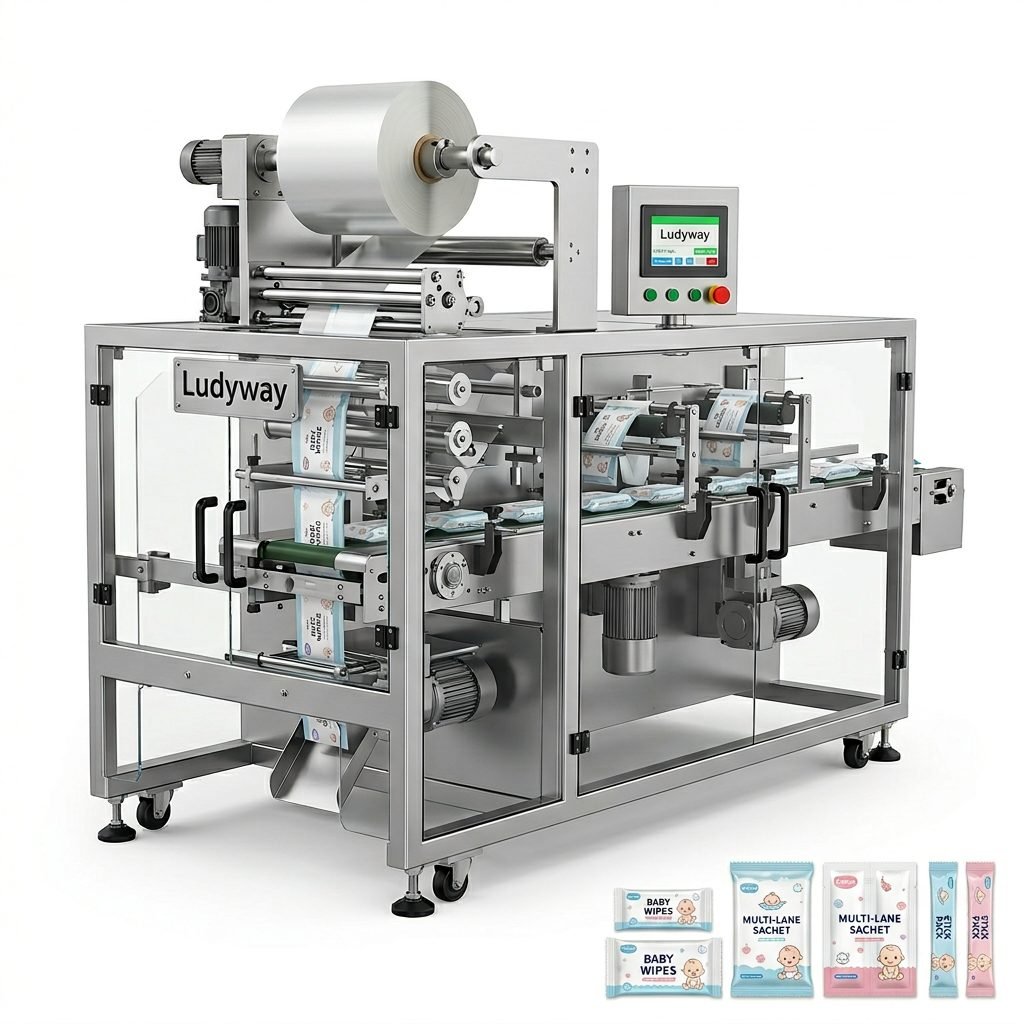
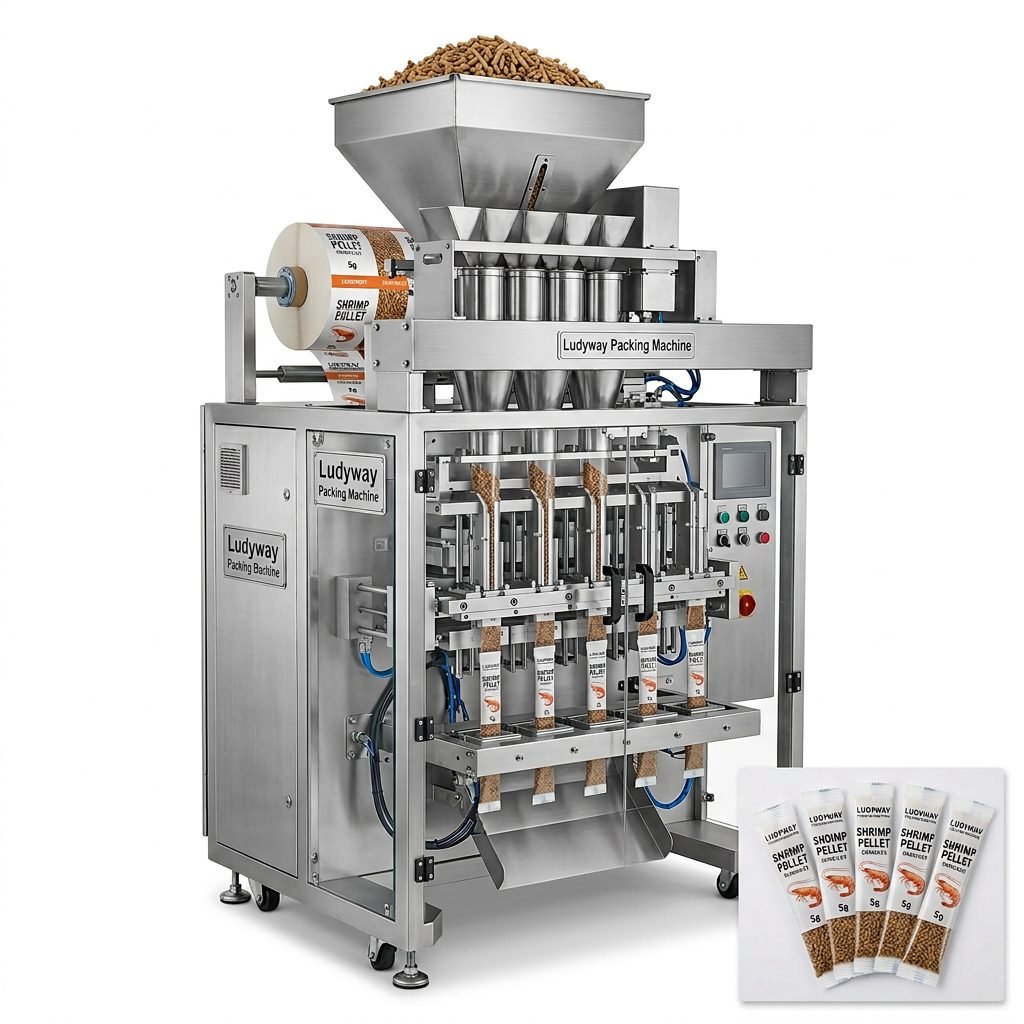
Selecting the right pillow packaging machine, also known as a flow wrap machine, is a critical decision that impacts your production efficiency, product protection, and overall operational costs. This guide will walk you through the key factors to consider to ensure you choose the flow wrap solution that perfectly aligns with your production line’s specific needs.
Understanding Pillow Packaging and Its Applications
Pillow packaging involves wrapping a product in a flexible film that forms a sealed pouch around it, with the ends folded and sealed to create a “pillow” shape. This versatile packaging method is widely used across numerous industries due to its efficiency, material savings, and excellent product presentation.
Primary Industries Served:
- Food & Beverage: Individually wrapping snacks, baked goods, candy bars, frozen foods, and single-serve condiments.
- Pharmaceutical & Healthcare: Packaging single-dose tablets, medical devices, diagnostic kits, and sterile components.
- Cosmetics & Personal Care: Wrapping soap bars, beauty masks, sample sachets, and travel-sized products.
- Hardware & Industrial: Protecting small parts, tools, electronic components, and hardware items from dust and moisture.
Key Factors for Choosing the Right Flow Wrap Machine
Investing in a pillow packaging machine requires a thorough analysis of your current and future production requirements. Here are the core aspects to evaluate.
1. Product Specifications and Characteristics
Your product dictates the machine’s capabilities. Start by defining these parameters:
- Dimensions (L x W x H): The machine must accommodate your product’s size range, including potential future variations.
- Shape & Stability: Is the product rigid, fragile, or flexible? Irregular shapes may require custom forming boxes or specialized feeding systems.
- Surface Sensitivity: Delicate products (e.g., decorated cookies) may need gentle handling or non-contact sealing systems.
2. Production Speed and Output Requirements
Speed is a primary driver of ROI. You must match the machine’s output with your line’s demand.
→ Key Question: What is your required output in packs per minute (PPM)? Compare this with the machine’s maximum rated speed, but remember that sustainable operational speed is often 10-20% lower than the theoretical maximum.
Consider if you need a single-lane or a multi-lane machine. Multi-lane systems, like those offered by experienced suppliers, can dramatically increase throughput by packaging multiple products simultaneously.
3. Packaging Film Material and Type
The choice of film affects the machine’s sealing mechanism and overall performance.
- Film Types: Common options include Polyethylene (PE), Polypropylene (OPP, BOPP), Polyester, and laminates for high-barrier needs.
- Sealing Method: Most machines use heat sealing. Ensure the machine’s temperature control is precise and consistent for your chosen film.
- Film Reel Compatibility: Check the maximum reel diameter and web width the machine can handle to minimize changeover frequency.
4. Machine Integration and Automation Level
Your new flow wrapper must seamlessly integrate into your existing or planned production line.
Upstream Integration: How will products be fed into the machine? Options include manual loading, conveyor belts, vibratory feeders, or robotic pick-and-place systems. A smooth integration prevents bottlenecks.
Downstream Integration: Consider how wrapped products will be discharged—to a conveyor, collator, cartoner, or case packer. Discuss your full line vision with a provider of turnkey production solutions to ensure compatibility.
Automation Features: Look for features like automatic film splicing, recipe memory for quick changeovers, touch-screen HMIs, and Industry 4.0 connectivity for data monitoring.
5. Reliability, Support, and Total Cost of Ownership (TCO)
The initial purchase price is just one part of the equation. A reliable machine from a reputable supplier minimizes downtime and long-term costs.
Evaluating a Supplier:
- Proven Track Record: Choose a partner with substantial industry experience and a portfolio of successful installations.
- Service & Spare Parts: Ensure prompt technical support and local availability of critical spare parts. Downtime is expensive.
- Training & Documentation: Comprehensive operator and maintenance training is essential for optimal machine performance and longevity.
Calculate TCO by factoring in energy consumption, film waste rates, maintenance costs, and expected service life.
Advanced Considerations for Optimal Performance
Beyond the basics, these features can future-proof your investment and enhance flexibility.
Quick Changeover Systems
For lines producing multiple products or package sizes, tool-less or quick-change mechanisms for forming boxes, film guides, and sealing jaws are invaluable. They can reduce changeover time from hours to minutes, boosting overall equipment effectiveness (OEE).
Quality Control and Inspection Systems
Integrate checkweighers, metal detectors, or vision systems inline with your flow wrapper. This allows for real-time rejection of under/overweight packs or products with sealing defects, ensuring consistent quality.
Sustainability Features
Modern machines can contribute to sustainability goals through precise film tension control to minimize waste, compatibility with recyclable mono-material films, and energy-efficient servo-drive systems that reduce power consumption.
Conclusion
Choosing the right pillow packaging machine is a strategic investment. By meticulously analyzing your product, output needs, film requirements, and integration goals, you can select a flow wrap solution that delivers reliability, efficiency, and scalability. Partnering with a knowledgeable supplier who offers robust support and understands the nuances of automated packaging solutions is crucial for long-term success. The correct machine will not only protect your products but also streamline your operations and strengthen your brand in the marketplace.
Frequently Asked Questions (FAQs)
1. What is the typical speed range of a standard pillow packaging machine?
Speeds vary widely based on machine design and product. Single-lane machines typically range from 30 to 150 packs per minute (PPM). High-speed multi-lane systems can achieve outputs from 200 to over 1000 PPM for small, uniform products.
2. Can one flow wrap machine handle products of very different sizes?
Yes, but with considerations. Machines designed for flexible changeovers with adjustable forming boxes and sealing jaws can handle a range of sizes. However, a very large difference (e.g., a candy bar and a large toy) may require significant mechanical adjustment time, making dedicated machines more efficient for vastly different product families.
3. How do I decide between a fin seal and an overlap seal?
Fin Seal (center back seal) is common for flat, stable products and often provides a more premium look with the sealed seam on the back. Overlap Seal is generally faster, mechanically simpler, and suitable for a wider variety of product shapes. The choice depends on your product, film, and aesthetic preference.
4. What are the most common maintenance requirements for a flow wrapper?
Regular maintenance includes daily cleaning of sealing jaws and film path components, periodic lubrication of moving parts as per the manual, inspection and replacement of worn sealing jaws or Teflon covers, and checking film guides and sensors for alignment. A proactive maintenance schedule is key to preventing unplanned downtime.
5. Is it possible to integrate a flow wrapper with my existing ERP/MES system?
Many modern servo-driven machines with PLC controls offer this capability. They can provide production data (counts, speed, downtime reasons) via OPC UA, Ethernet/IP, or other protocols. Discuss your specific data integration needs with the machine supplier during the planning phase.