Selecting the right salsa packaging machine is a critical decision for food producers. An automatic packing solution can dramatically improve your production efficiency, product consistency, and overall profitability. This guide will walk you through the key factors to consider when choosing the perfect system for your business needs.
Understanding Your Salsa Packaging Requirements
Before diving into machine specifications, you must clearly define your operational requirements. Salsa comes in various consistencies—from chunky pico de gallo to smooth, restaurant-style sauces—each posing different challenges for automated filling.
Key considerations include:
• Product Viscosity: Thick, chunky salsas require piston or pump fillers designed to handle particulates without crushing them.
• Packaging Format: Determine if you need stand-up pouches, glass jars, plastic cups, or sachets. The machine must be compatible with your chosen material.
• Production Speed (Output): Calculate your required output in packs per minute (PPM) to match a machine’s capacity.
• Sealing Method: Heat sealing is standard for pouches, while lidding is used for cups and trays.
Types of Automatic Salsa Packaging Machines
The market offers several types of automated systems. Choosing the right one depends on your product format, volume, and budget.
Vertical Form-Fill-Seal (VFFS) Machines
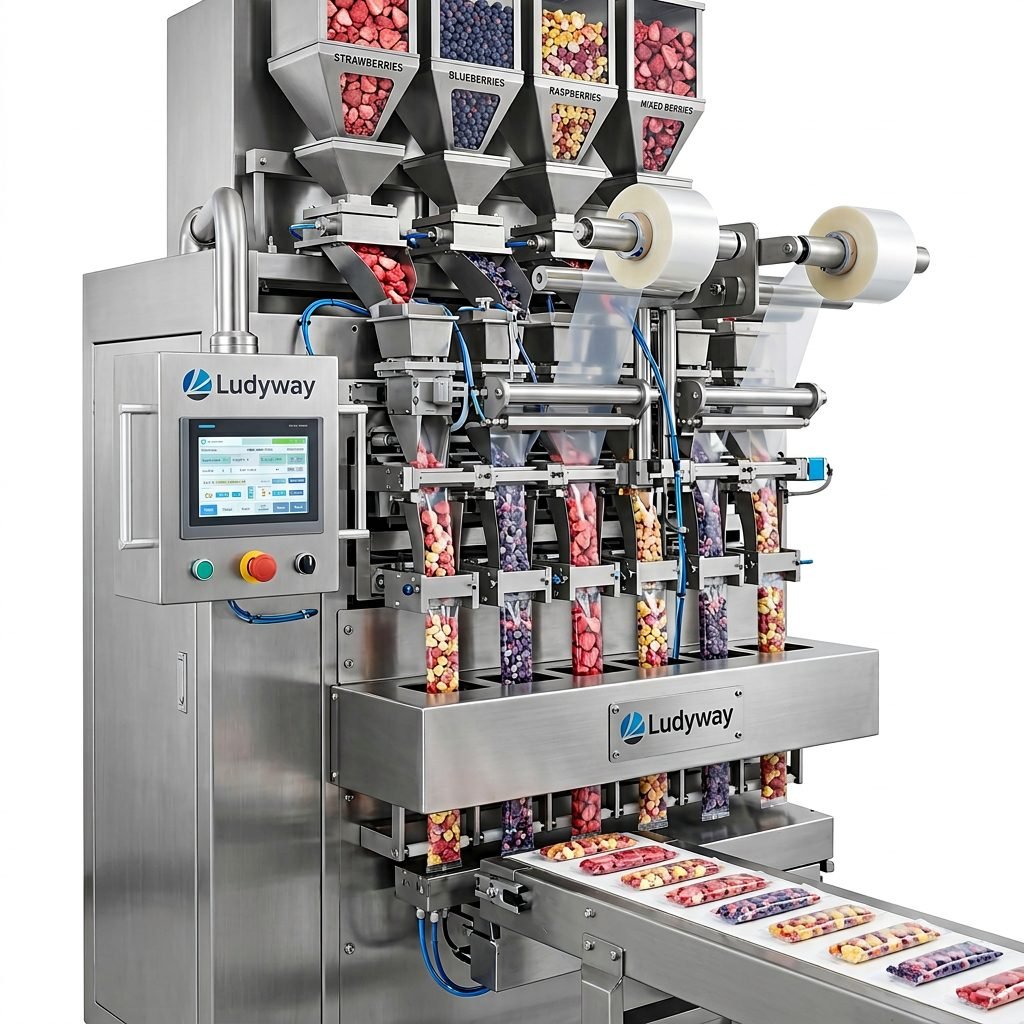
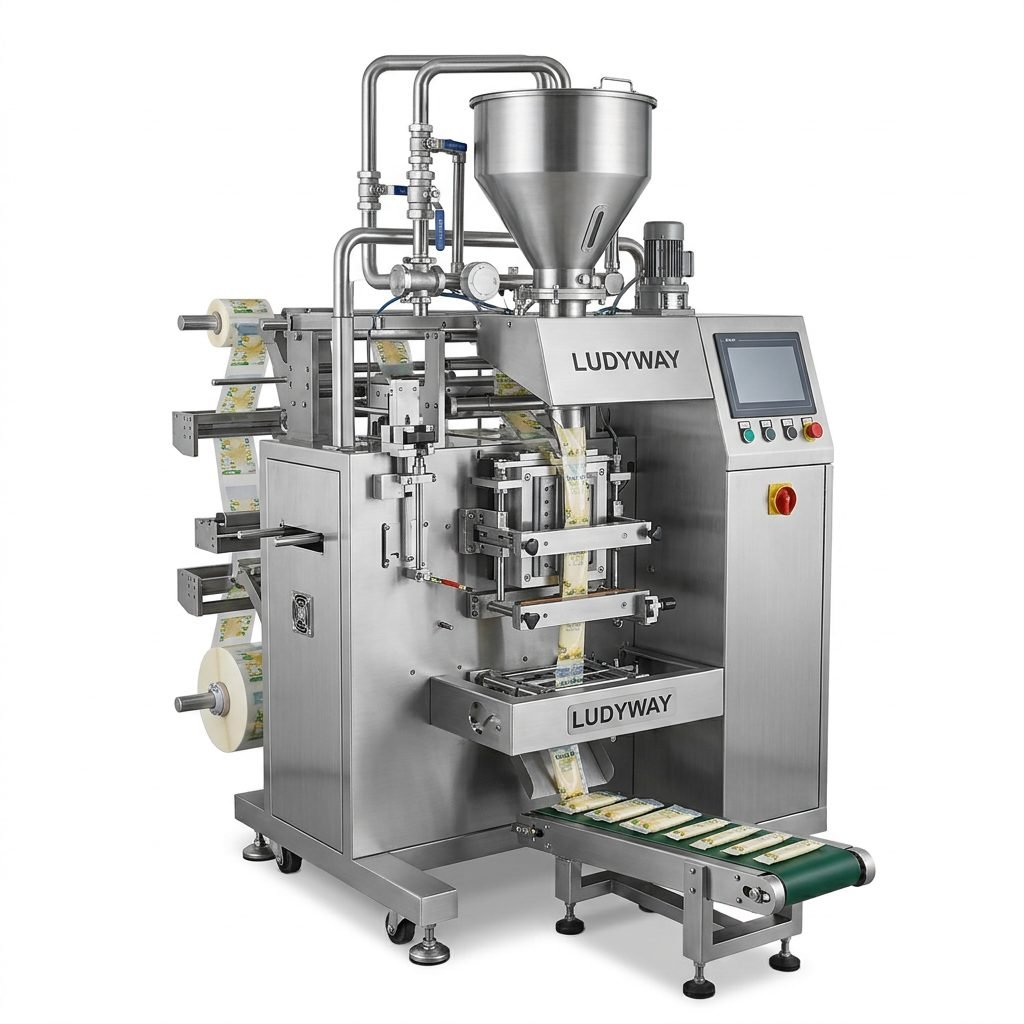
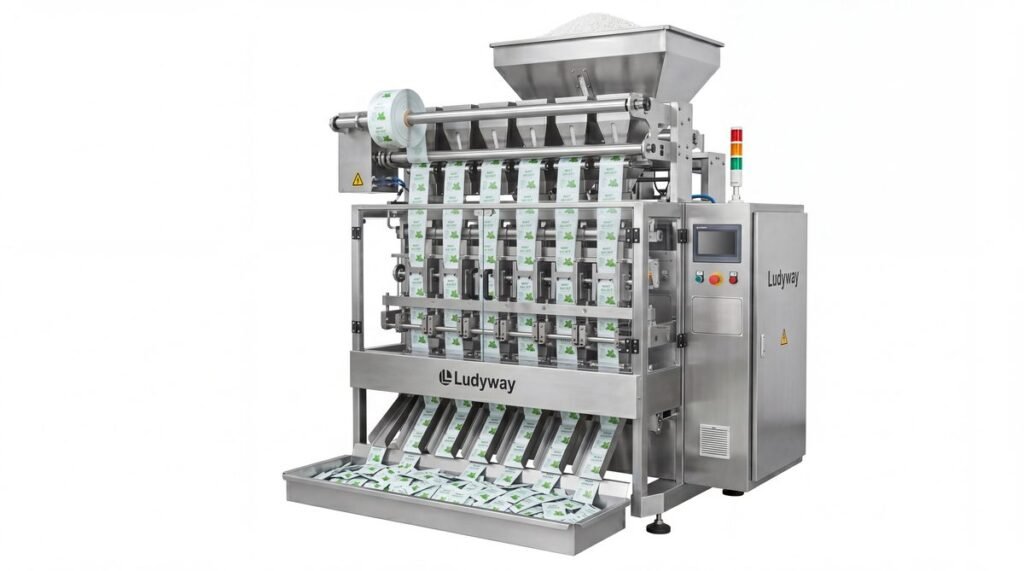
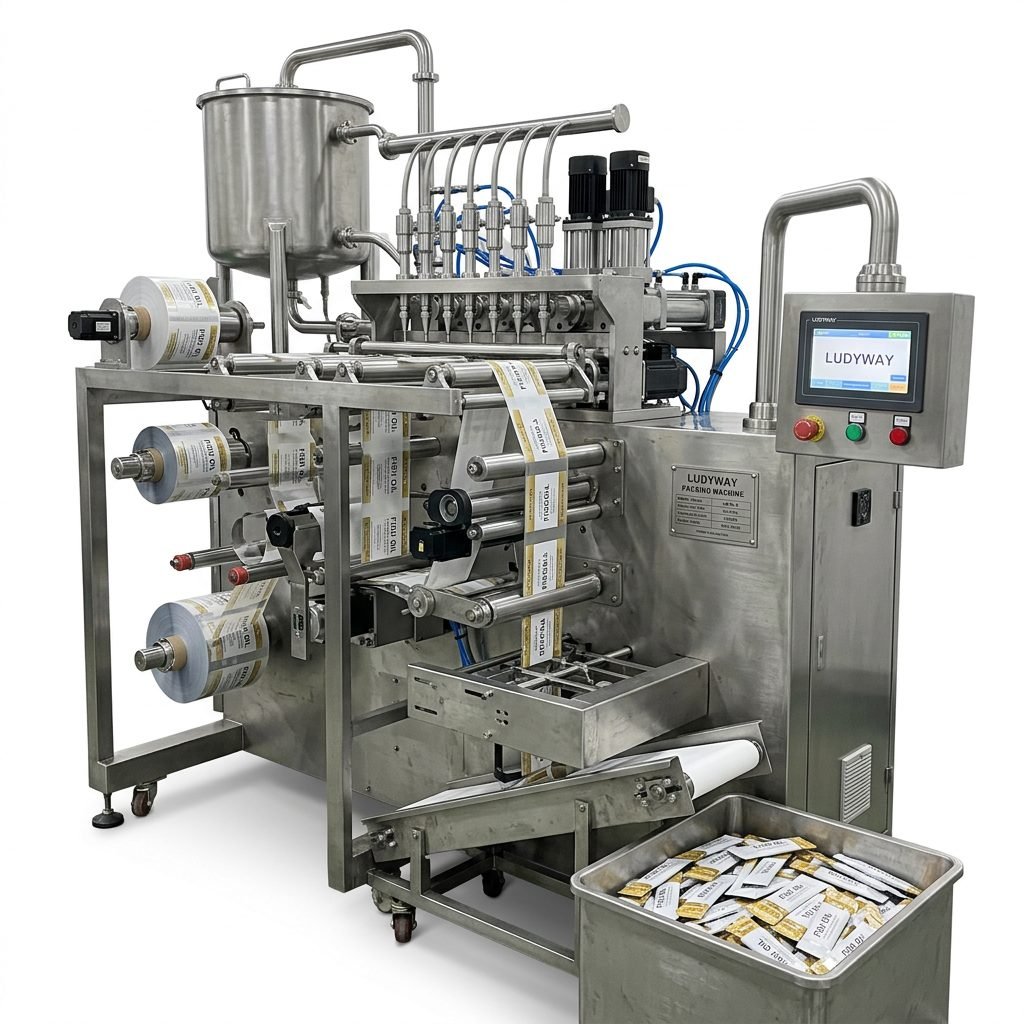
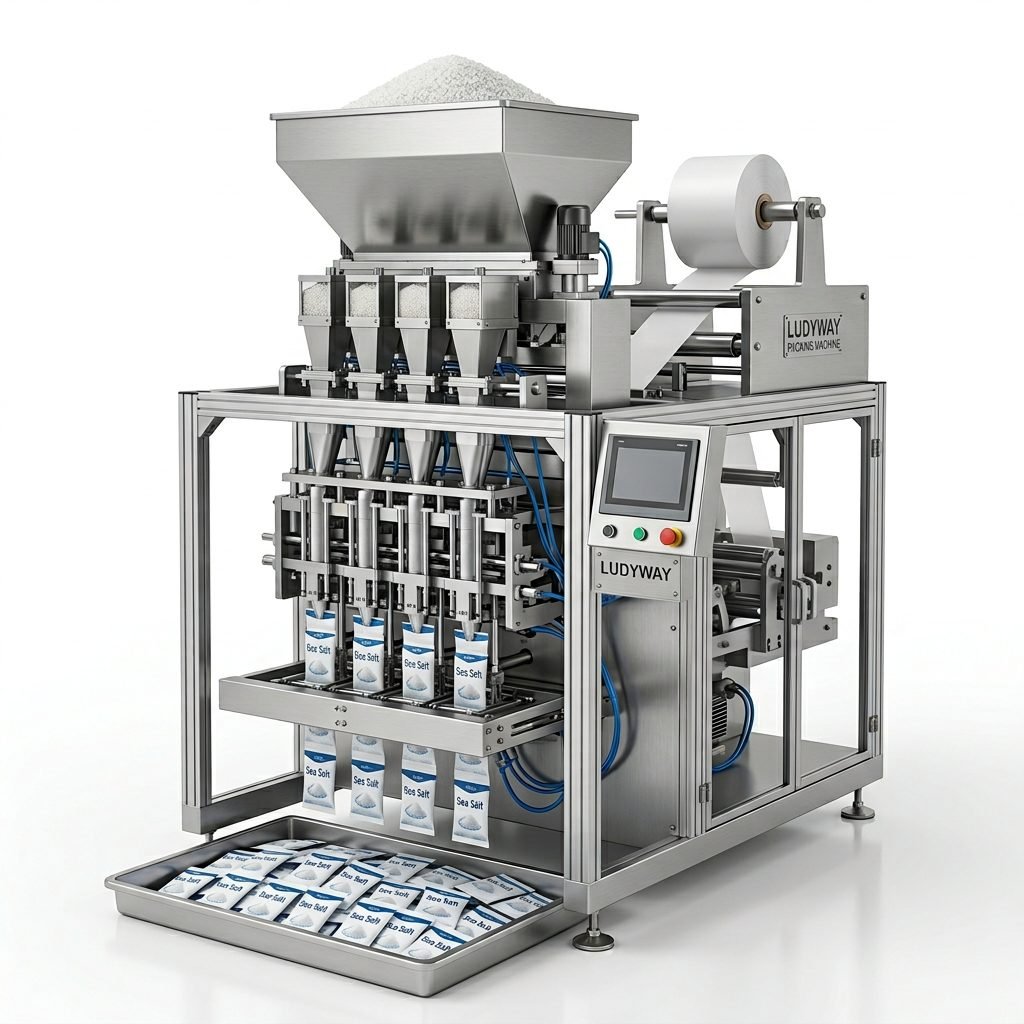
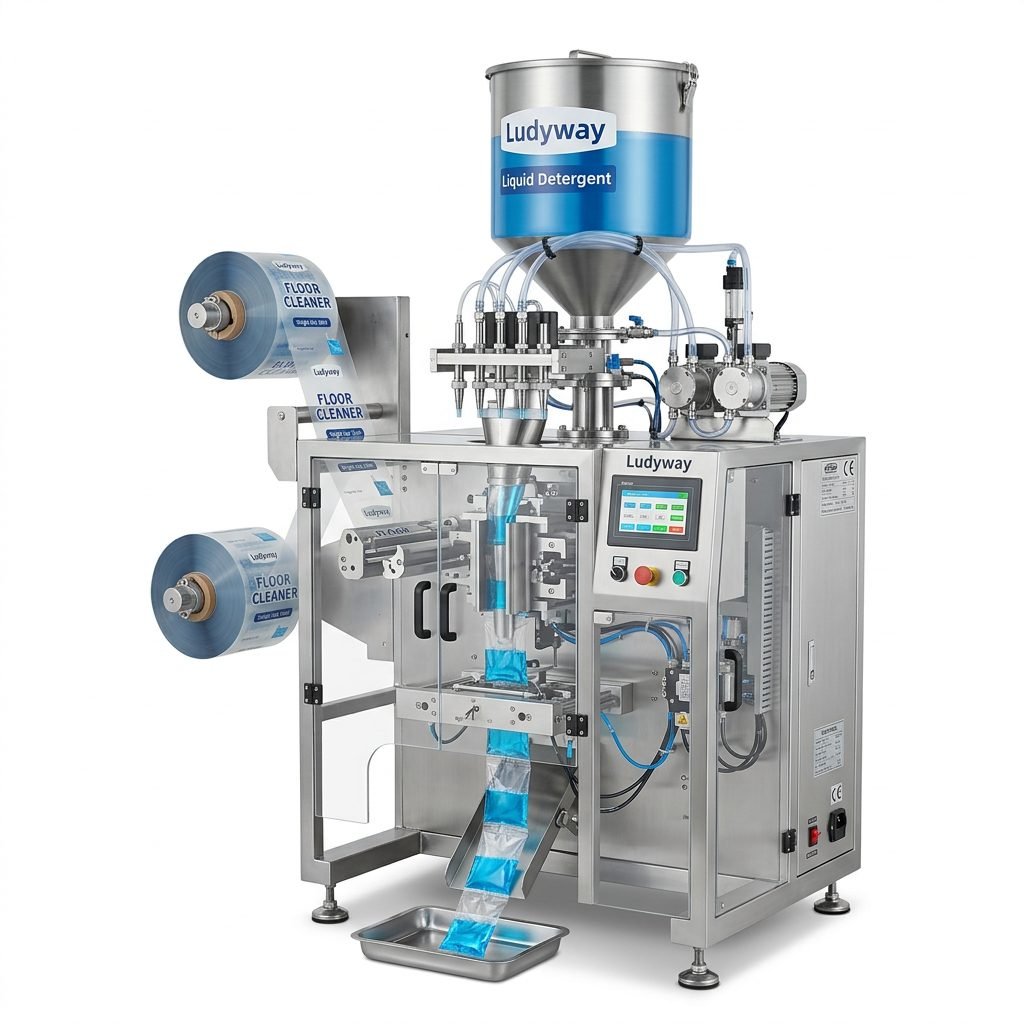
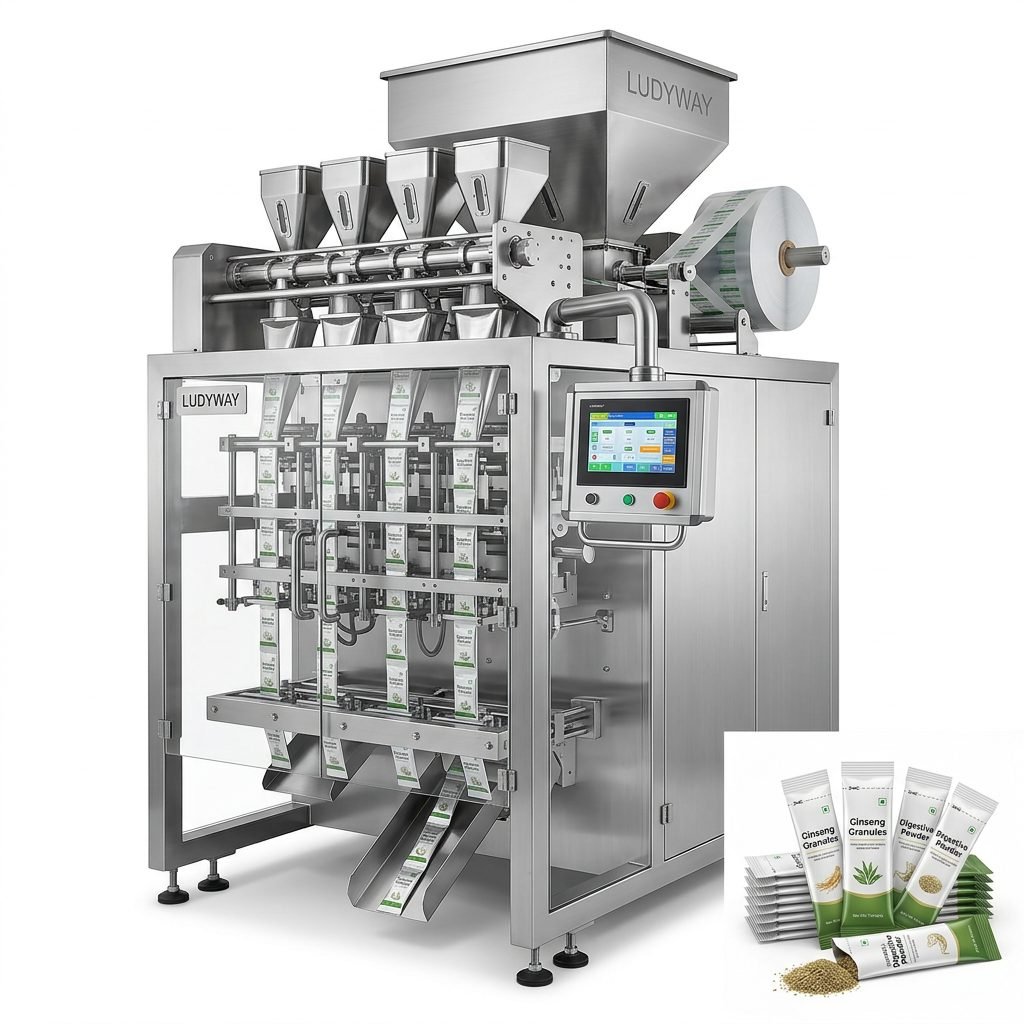
Ideal for producing pouches from a roll of film. These are highly versatile and efficient for medium to high-volume production of single-serve or multi-serve salsa pouches.
Advantage: Lower packaging material cost, compact footprint, and quick changeover between pouch sizes.
Liquid & Piston Filling Machines
Designed for filling pre-formed containers like jars, bottles, or cups. Piston fillers are excellent for thick, chunky salsas as they provide highly accurate volumetric filling without damaging ingredients.
Advantage: Superior filling accuracy and gentle handling of product with large particulates.
Cup Filling and Sealing Machines
These systems automatically dispense salsa into plastic or compostable cups, apply a lid, and seal it. Perfect for fresh salsa in the deli or ready-to-eat sections.
Advantage: Creates a consumer-ready, rigid container ideal for retail display.
Core Features to Evaluate in a Packaging Machine
Not all machines are created equal. Focus on these essential features to ensure reliability and longevity.
1. Construction & Hygiene
Look for food-grade stainless steel (304 or 316) contact parts. The machine should be easy to disassemble and clean (CIP/SIP capabilities are a plus) to meet stringent food safety standards.
2. Filling Accuracy & Technology
Inconsistent fills lead to product giveaways or customer complaints. Ensure the machine uses precise technology like servo-driven pistons or weigh scales, especially for high-value products.
3. Control System & Ease of Use
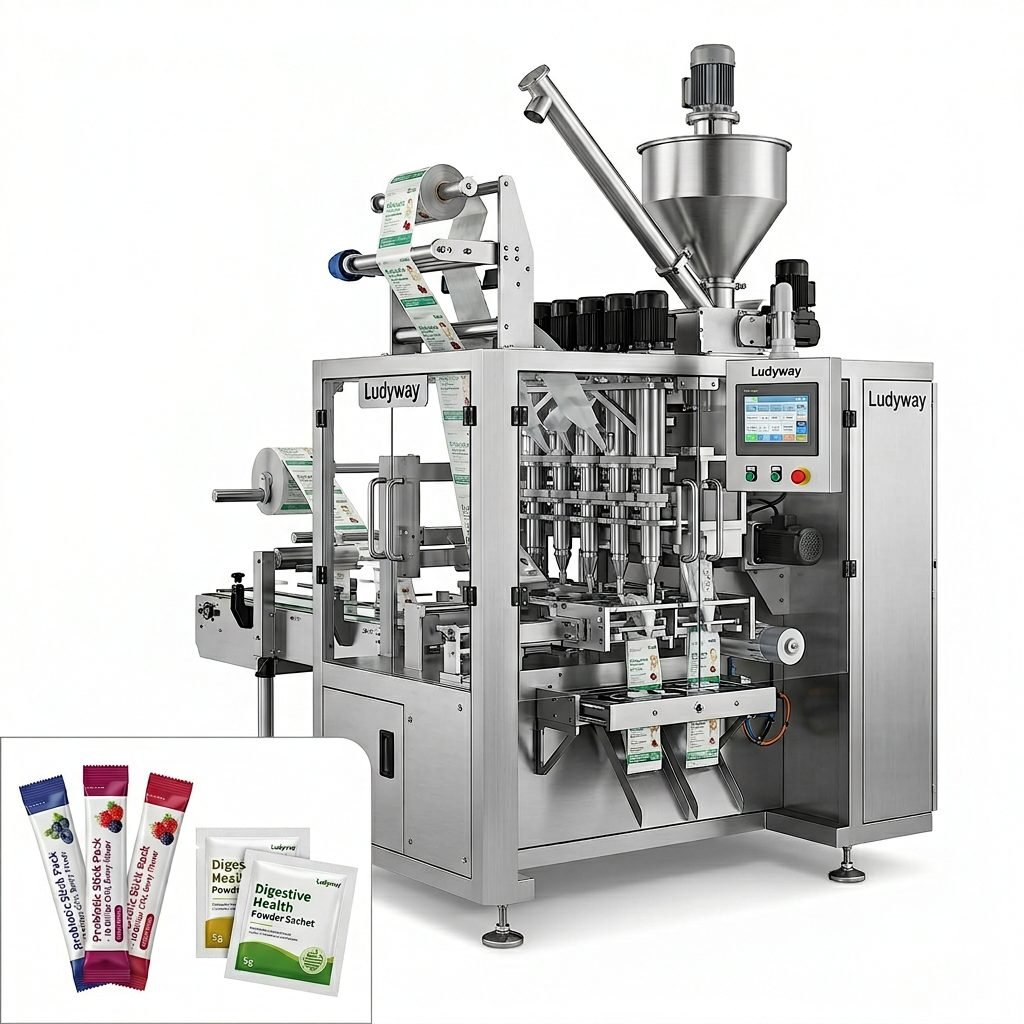
A user-friendly PLC-based touchscreen interface allows for easy recipe changes, speed adjustment, and troubleshooting. Look for machines with recipe memory functions.
4. Changeover Flexibility
If you run multiple salsa varieties or package sizes, quick changeover is vital. Assess how long it takes to switch pouch sizes or filling volumes.
5. Supplier Support & Service
The machine’s reliability is only as good as the support behind it. Evaluate the manufacturer’s reputation for technical support, availability of spare parts, and training offerings.
Integration with Your Production Line
Your new packaging machine shouldn’t be an island. Consider how it will integrate with your existing or planned upstream and downstream equipment.
Upstream: How will salsa be supplied? From a bulk hopper, a cooking kettle, or a transfer pump? Ensure compatibility.
Downstream: Will packed salsa go directly into cartons, onto a conveyor for manual packing, or into a case packing robot? Plan for smooth material flow.
Consulting with an experienced supplier like Ludyway can help you design a seamless, efficient turnkey line.
Cost Analysis: Investment vs. Return (ROI)
An automatic packaging machine is a significant investment. A thorough ROI analysis justifies the capital expenditure.
- Direct Savings: Reduced labor costs, lower material waste from improved accuracy, and increased output per shift.
- Indirect Benefits: Improved product consistency and shelf appeal, enhanced food safety, scalability for business growth, and reduced physical strain on workers.
- Total Cost of Ownership: Factor in the purchase price, installation, maintenance costs, energy consumption, and expected lifespan of the equipment.
A high-quality, reliable machine may have a higher upfront cost but delivers greater value and lower lifetime costs.
Why Partner with a Specialist Like Ludyway?
With over 30 years of industry experience, Ludyway Machinery understands the unique challenges of food packaging. We don’t just sell machines; we provide solutions.
Our approach includes:
✅ Application Analysis: We evaluate your specific salsa product and process to recommend the optimal machine type.
✅ Customization: We can tailor equipment to handle your unique recipe, particulates, and container choices.
✅ Comprehensive Support: From installation and training to ongoing maintenance and spare parts, we ensure your line runs smoothly.
✅ Proven Technology: Our portfolio includes over 50 intelligent packaging machine models, built with robust engineering in a modern 20,000㎡ facility.
Partnering with an expert ensures your investment is sound and your production goals are met efficiently.
Frequently Asked Questions (FAQs)
1. What is the best type of machine for chunky salsa?
A piston filler or a specially designed pump filler is typically best. These systems gently handle particulates without shearing or crushing them, preserving your product’s texture and quality. Avoid auger fillers for large-chunk products.
2. How fast can an automatic salsa packaging machine run?
Speeds vary greatly by machine type and package size. Vertical pouch machines can range from 40 to over 200 pouches per minute. Piston fillers for jars may run 20-120 jars per minute. Your required output is a primary factor in selecting the right model.
3. How do I ensure the machine meets food safety standards?
Choose a machine constructed with food-grade stainless steel (AISI 304 or 316) on all product contact surfaces. It should have a sanitary design with minimal crevices and be easy to clean. Discuss relevant certifications (e.g., CE, UL) with your supplier.
4. Can one machine handle different salsa varieties and package sizes?
Yes, but flexibility varies. Many machines offer “quick changeover” features, allowing you to switch recipes (fill volume) and packaging formats (pouch size, jar type) with minimal downtime. Discuss your changeover needs in detail with the equipment provider.
5. What kind of after-sales support should I expect?
Reliable support is crucial. Expect comprehensive installation supervision, operator training, detailed manuals, and readily available technical support (remote and on-site). Ensure the supplier stocks common spare parts and offers preventive maintenance plans to minimize unexpected downtime.