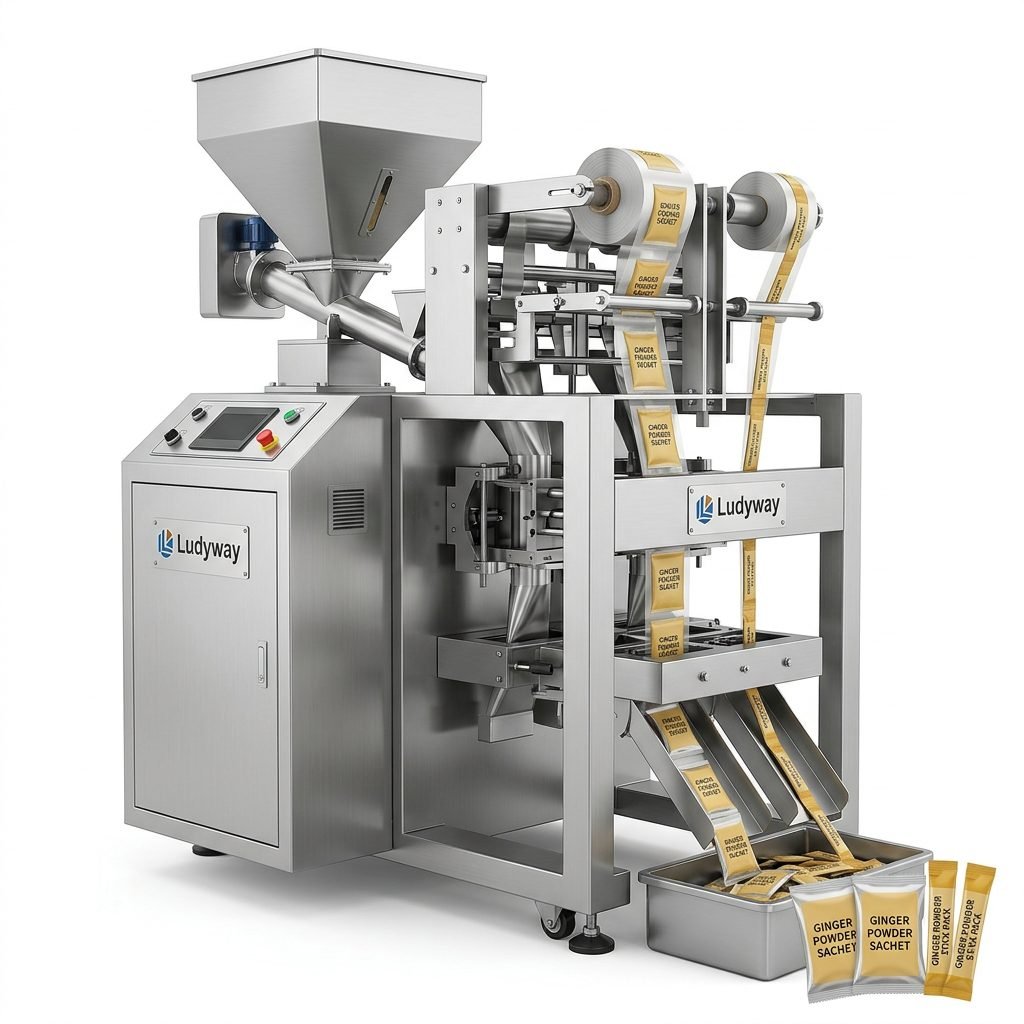
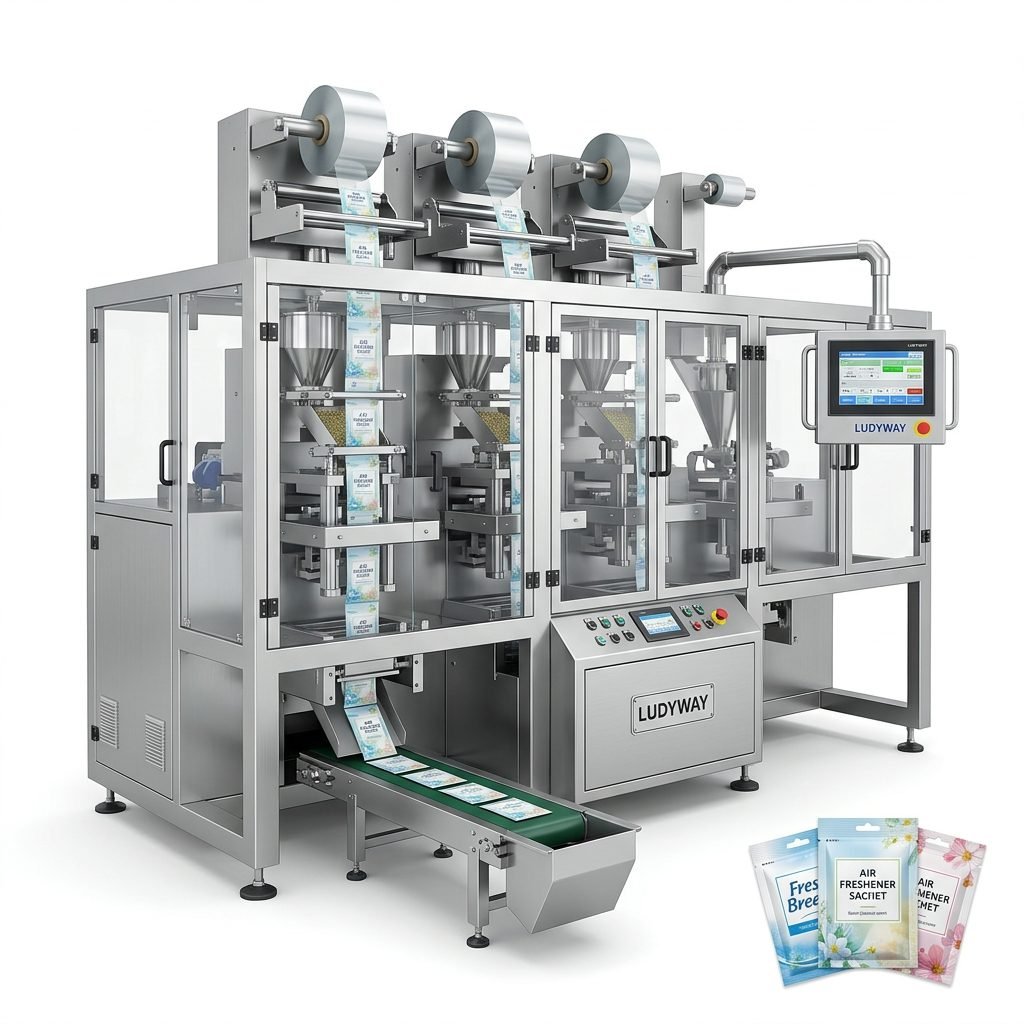
In today’s fast-paced food manufacturing landscape, efficiency, hygiene, and consistency are paramount. Automated food packaging equipment has become the backbone of modern production lines, transforming how products are sealed, protected, and prepared for market. This technology streamlines operations, reduces labor costs, and ensures product integrity from the factory floor to the consumer’s hands.
Core Types of Automated Food Packaging Systems
The world of automated packaging is diverse, with systems designed for specific product forms and output requirements. Understanding the main categories is the first step in selecting the right solution.
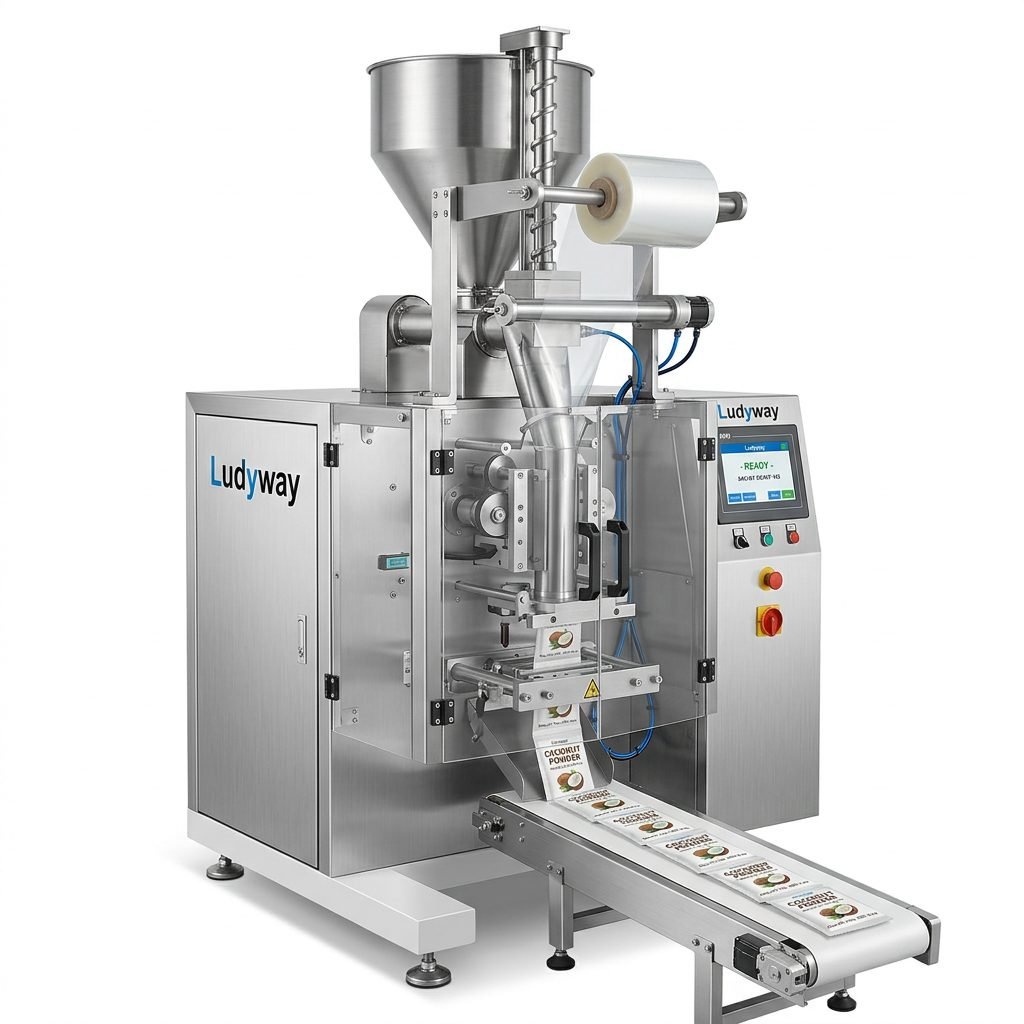
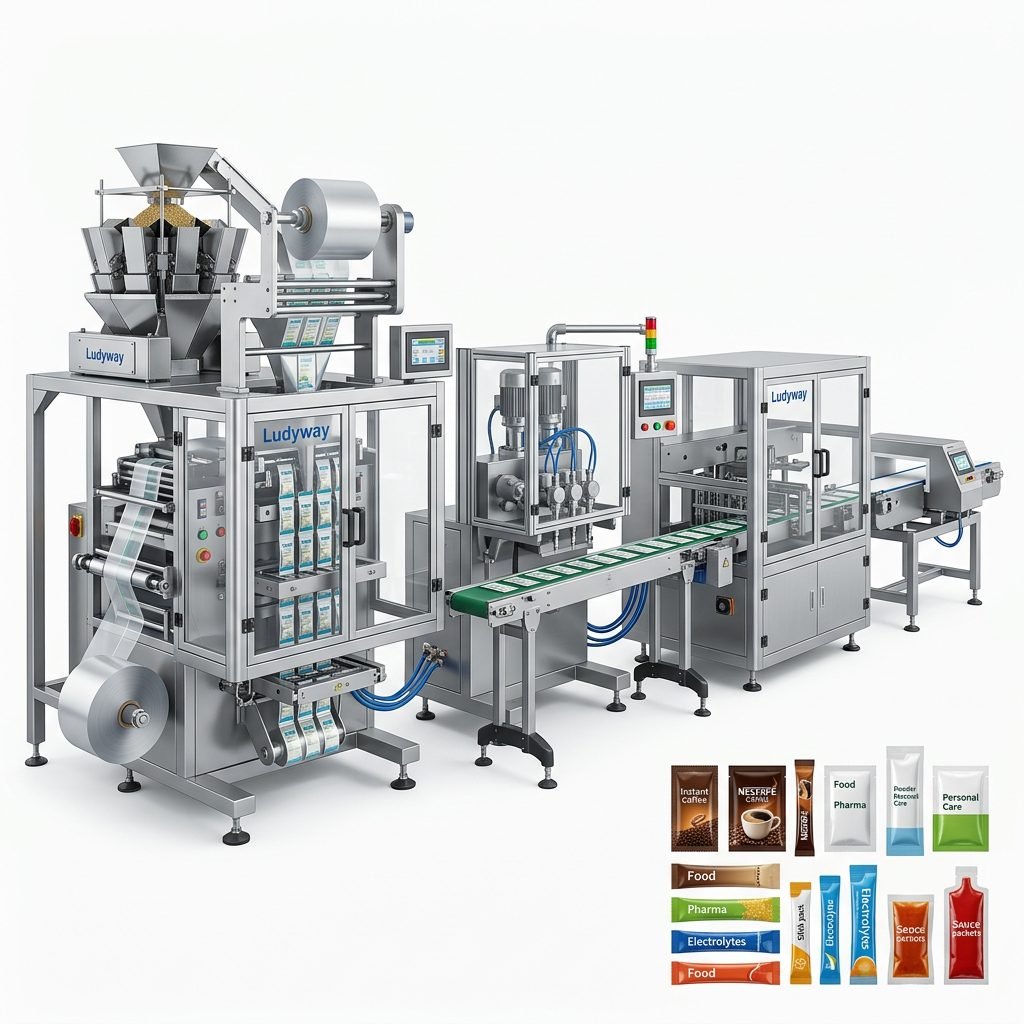
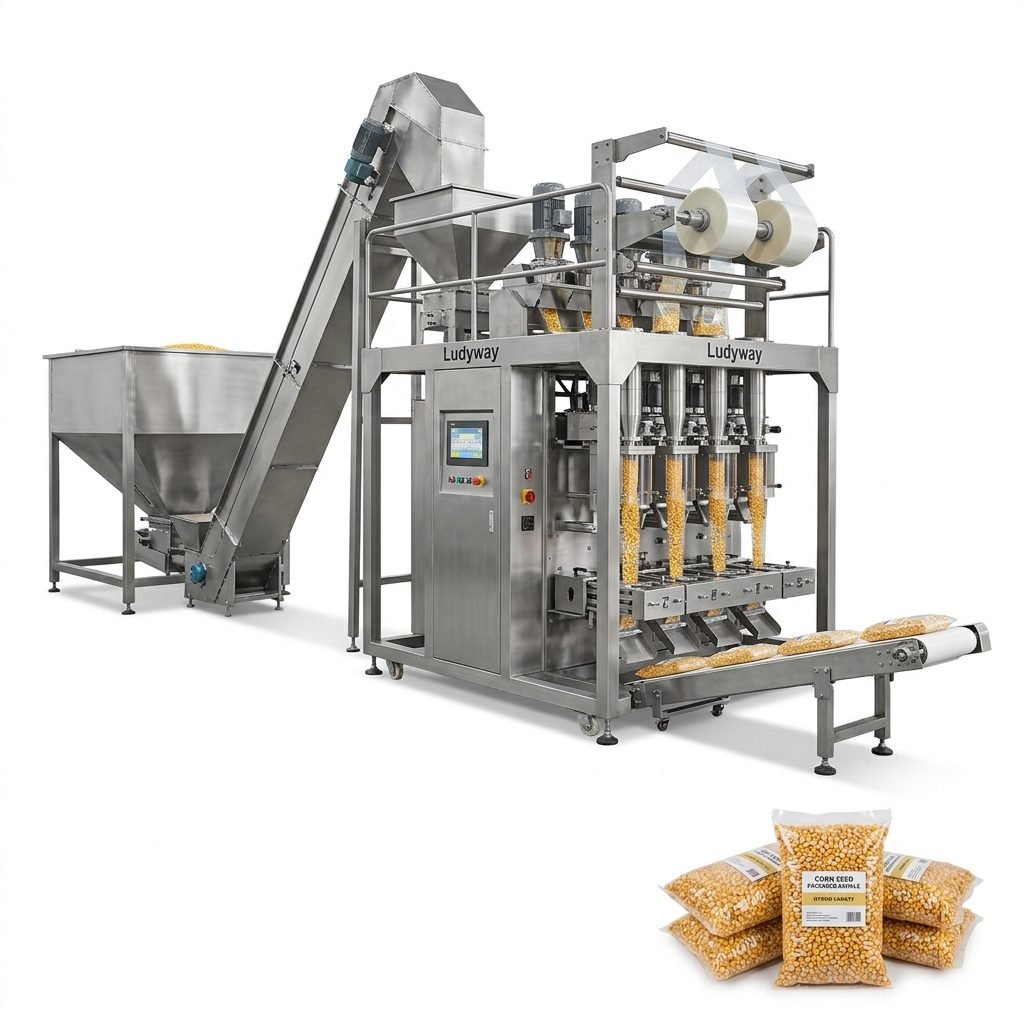
1. Vertical Form-Fill-Seal (VFFS) Machines
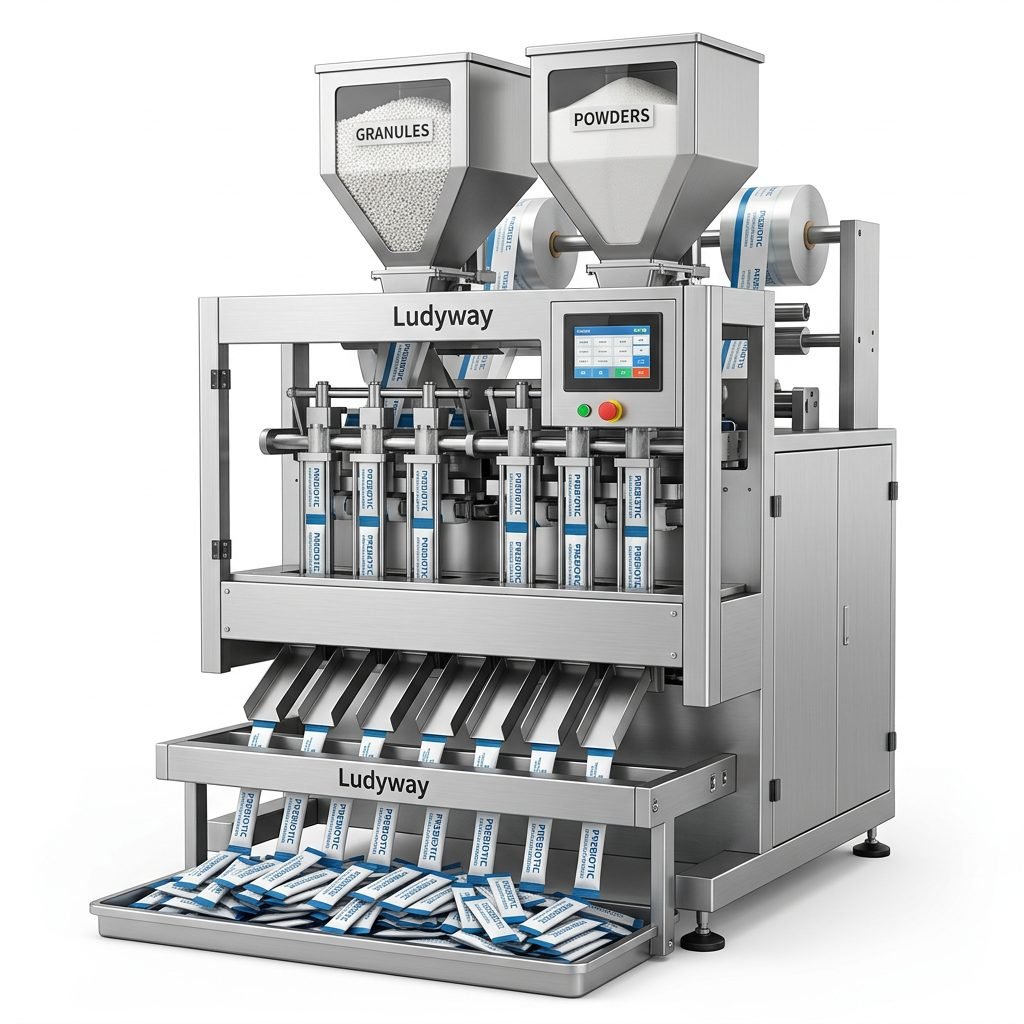
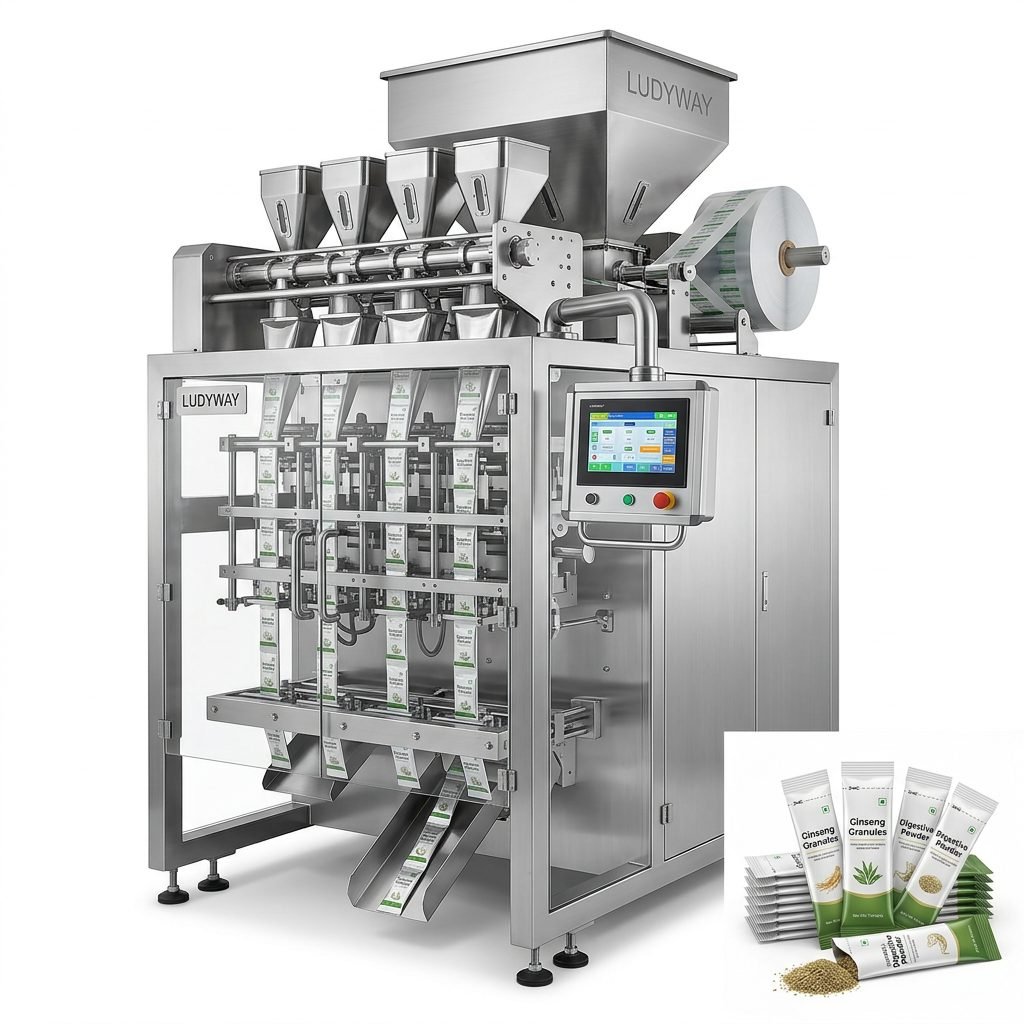
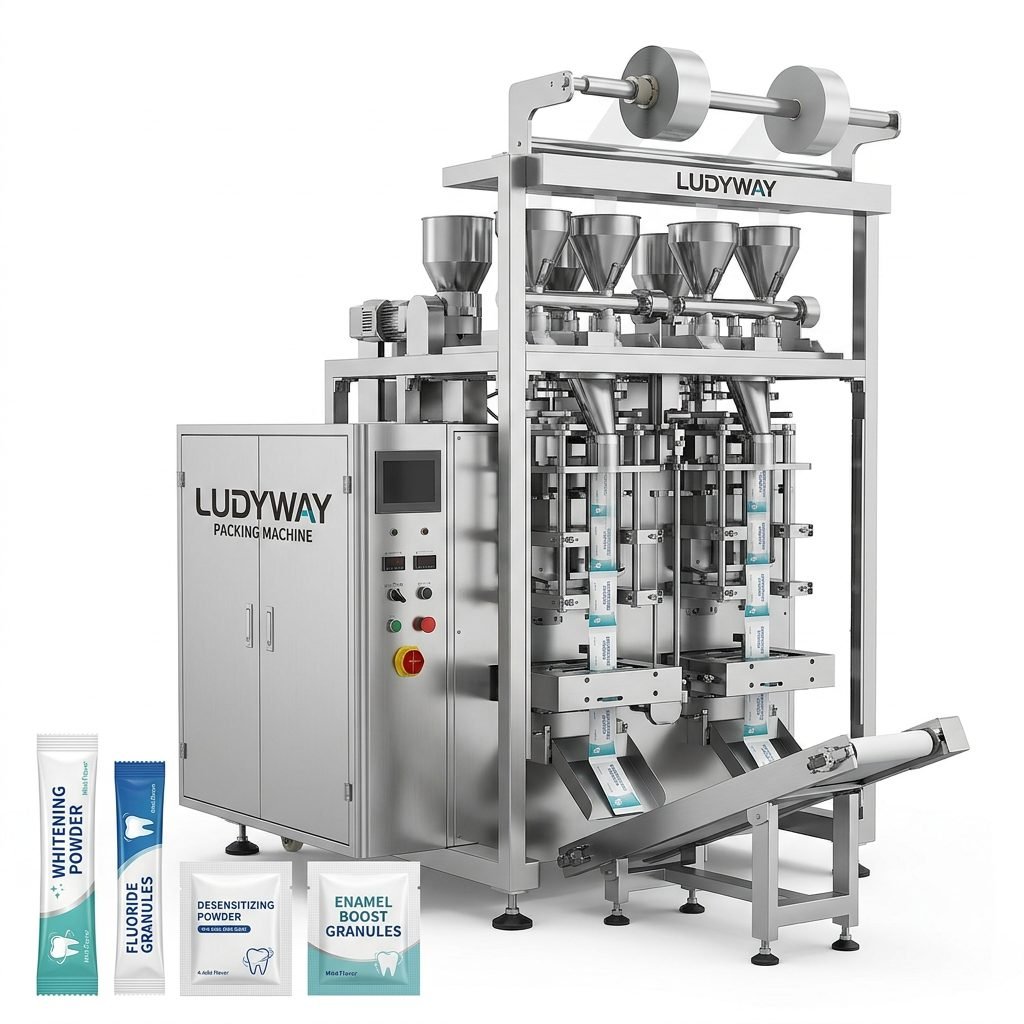
These are among the most common and versatile systems. They form bags from a roll of film, fill them with product, and seal them—all in a continuous vertical motion. Ideal for granules, powders, snacks, and frozen foods. They offer high speed and are excellent for handling free-flowing products.
2. Horizontal Form-Fill-Seal (HFFS) Machines
HFFS machines form packages horizontally, often used for more rigid structures or when products need to be laid in a specific orientation. Perfect for biscuits, candy bars, sliced meats, and cheese. They are renowned for creating attractive pillow packs or tray-style packages.
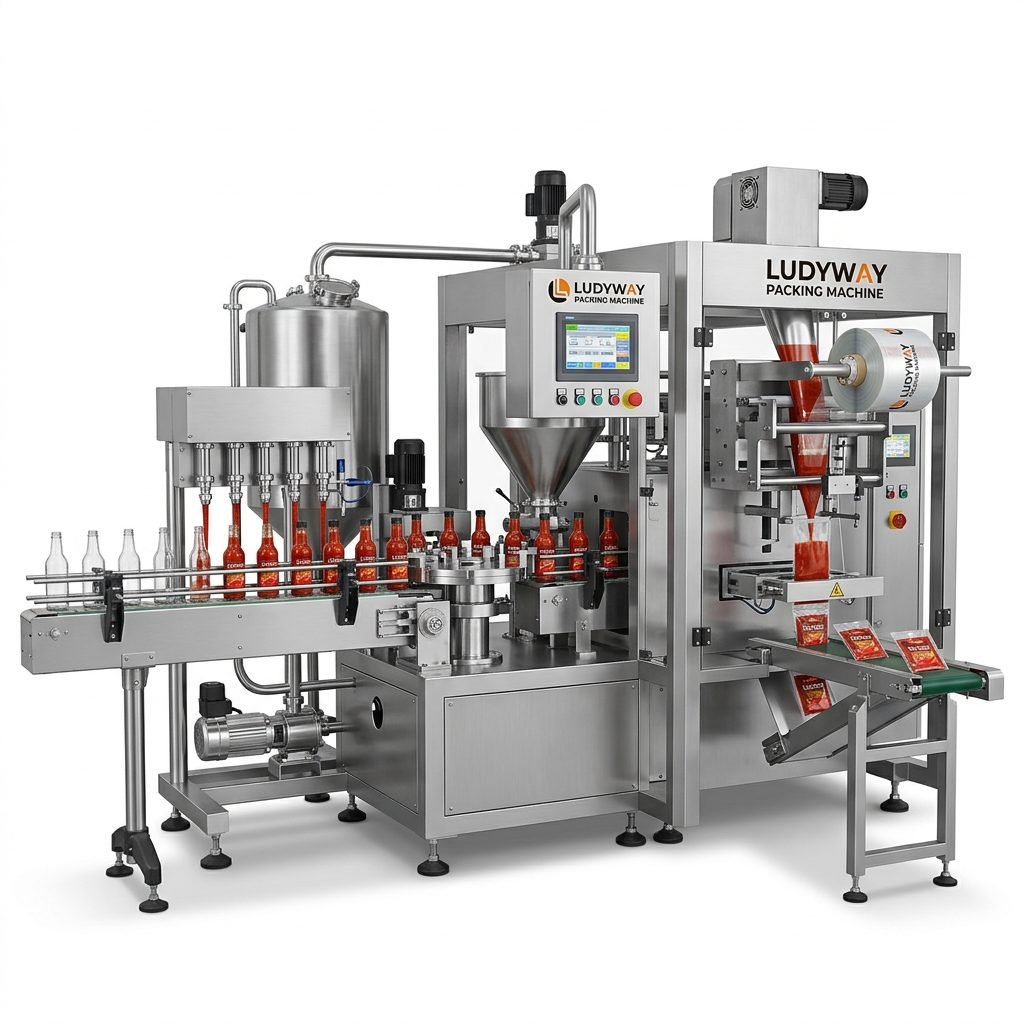
3. Liquid & Pouch Packaging Systems
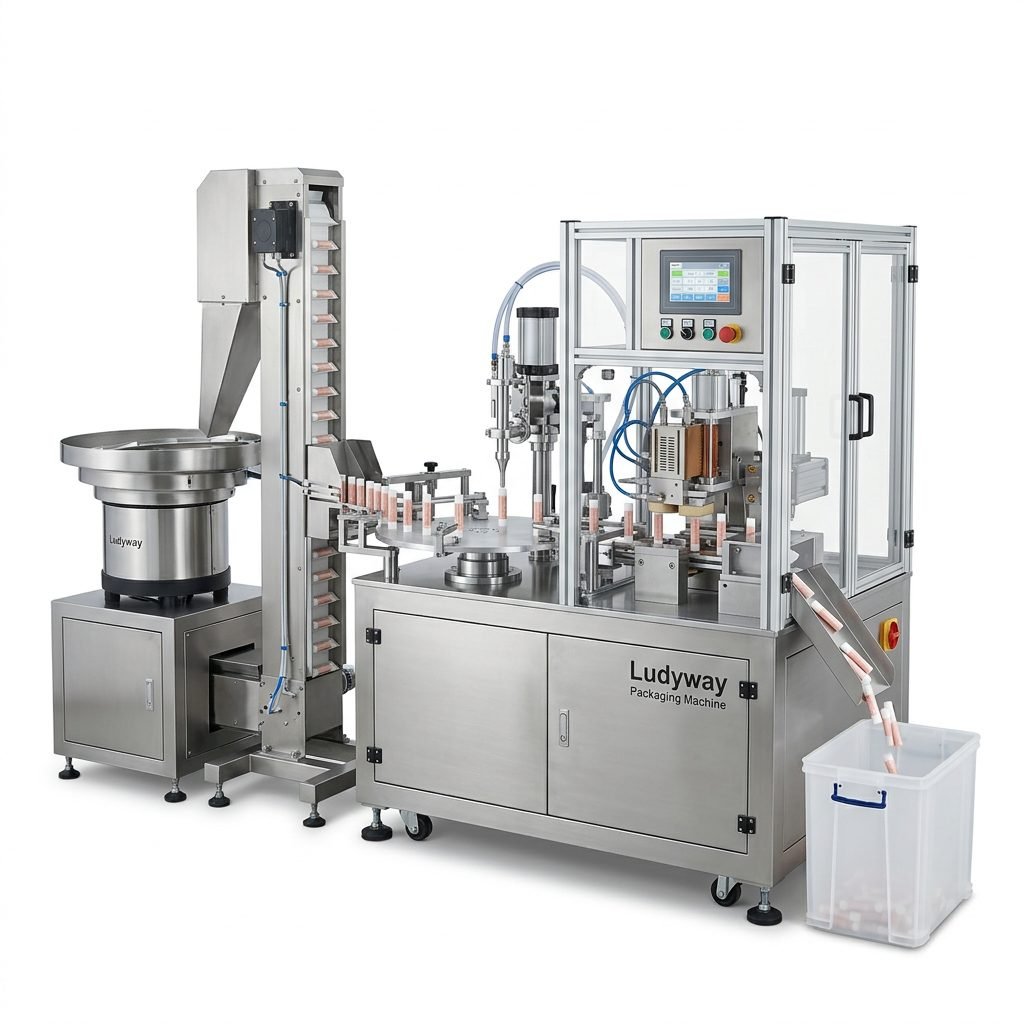
Specialized equipment designed for filling liquids, pastes, or viscous products into pre-made or form-fill-seal pouches. This includes systems for sauces, dressings, dairy products, and beverage sticks. Advanced models feature precise volumetric or piston filling to minimize waste.
4. Thermoforming Packaging Machines
These systems use heat to form plastic sheets into trays or cavities, which are then filled with product and sealed with a lidding film. Commonly used for fresh produce, meat, poultry, and ready-to-eat meals. They provide excellent product visibility and a high-quality, tamper-evident seal.
5. Cartoning & Case Packing Equipment
Automation extends beyond the primary package. Cartoners automatically erect, load, and seal cartons, while case packers place multiple primary packages into shipping cases. These are critical for end-of-line efficiency and palletizing.
Tangible Benefits of Automation
Investing in automated packaging goes beyond simply replacing manual labor. It delivers a comprehensive return on investment across several key operational areas.
➤ Enhanced Production Speed and Output
Automated systems operate continuously at consistent speeds, dramatically increasing throughput compared to manual lines. This allows manufacturers to meet high demand and scale production efficiently.
➤ Superior Consistency and Quality Control
Machines eliminate human error in filling weights, seal integrity, and package appearance. Every package meets the same high standard, reducing giveaway (overfilling) and protecting your brand’s reputation for quality. Precise portion control is guaranteed.
➤ Significant Reduction in Labor Costs and Dependency
Automation handles repetitive, physically demanding tasks, allowing your workforce to focus on supervision, maintenance, and quality assurance. This leads to long-term savings and mitigates challenges related to labor availability.
➤ Improved Hygiene and Food Safety
Closed automated systems minimize product exposure to the environment and human contact, a critical factor in complying with stringent food safety standards like HACCP, FDA, and GMP. This is non-negotiable in modern food production.
➤ Material Savings and Sustainability
Advanced machines are engineered to optimize material usage, reducing film waste and precisely controlling the amount of packaging material per unit. This not only cuts costs but also supports environmental sustainability goals.
How to Choose the Right System for Your Needs
Selecting the ideal automated packaging equipment is a strategic decision. A careful, step-by-step evaluation will ensure your investment delivers maximum value.
Step 1: Analyze Your Product Characteristics
This is the most critical factor. Consider the product’s physical state (solid, granule, powder, liquid), abrasiveness, oiliness, and fragility. The machine must be constructed with materials (e.g., food-grade stainless steel) and mechanisms compatible with your product to prevent contamination or damage.
Step 2: Define Your Production Requirements
Be clear about your required output speed (packages per minute), the number of shifts you run, and your future growth projections. The machine’s capacity should match your peak demand with some room for scalability. Don’t over-invest in excessive speed you won’t use.
Step 3: Determine Packaging Specifications
What is your target package type? (e.g., stand-up pouch, stick pack, sachet, tray). What film or material will you use? The machine must be capable of handling your chosen material and creating the desired seal type (e.g., fin seal, lap seal) reliably.
Step 4: Evaluate Integration and Footprint
Will the new equipment integrate smoothly with your existing upstream (e.g., mixers, depositors) and downstream (e.g., cartoners, case packers) machinery? Measure your available floor space to ensure the system’s footprint is feasible. Consider future line expansion.
Step 5: Assess Supplier Expertise and Support
The manufacturer’s reputation is as important as the machine itself. Look for a supplier with proven experience in your specific product category. Key considerations include:
• Technical Support & Training: Availability of installation, training, and ongoing technical assistance.
• Spare Parts Availability: Quick access to genuine spare parts to minimize downtime.
• Service Network: Local or responsive service engineers for maintenance and repairs.
• Customization Capability: Ability to tailor the machine to your unique needs.
Companies like Ludyway Machinery, with decades of industry focus, exemplify the value of deep application knowledge and reliable after-sales support in ensuring long-term operational success.
Step 6: Consider Total Cost of Ownership (TCO)
Look beyond the initial purchase price. Calculate TCO by factoring in energy consumption, expected maintenance costs, required operator skill level, potential for future upgrades, and the machine’s expected lifespan. A slightly higher initial investment in a robust, efficient machine often yields a lower TCO.
Implementation and Best Practices
Successful integration requires planning. Ensure your team is trained on operation and basic troubleshooting. Establish a preventive maintenance schedule from day one to avoid unplanned stops. Start with a pilot phase to fine-tune settings before full-scale production. Leverage your supplier’s expertise; a partner like Ludyway can provide valuable insights from countless global installations.
Frequently Asked Questions (FAQs)
Q1: What is the typical payback period for an automated food packaging machine?
Payback periods vary widely based on machine cost, labor savings, and increased output. For many operations, a well-chosen system can achieve payback in 1 to 3 years through reduced labor costs, higher throughput, and less material waste.
Q2: Can one machine handle different package sizes or products?
Many modern machines are designed with quick-changeover features. With adjustments to forming tools, fillers, and software settings, a single machine can often run a range of sizes within a product family. However, switching between vastly different product types (e.g., powder to liquid) usually requires a dedicated machine or significant modification.
Q3: How important is the machine’s construction material for food applications?
It is critical. Surfaces in contact with food must be made of food-grade stainless steel (e.g., 304 or 316L) that is non-toxic, corrosion-resistant, and easy to clean and sanitize. This is a fundamental requirement for food safety compliance.
Q4: What kind of maintenance do these machines require?
Regular preventive maintenance is essential. Daily tasks include cleaning and visual inspection. Weekly or monthly schedules involve lubricating moving parts, checking seal jaws for wear, and verifying sensor calibration. Adhering to the manufacturer’s maintenance plan is the best way to ensure reliability and longevity.
Q5: How do I ensure the machine meets my local food safety regulations?
Always discuss regulatory requirements with your supplier before purchase. Reputable manufacturers design equipment to meet international standards (e.g., FDA, CE, UL). Provide your specific regulatory codes (e.g., USDA, 3-A for dairy) to ensure the machine’s design, materials, and documentation are fully compliant for your market.