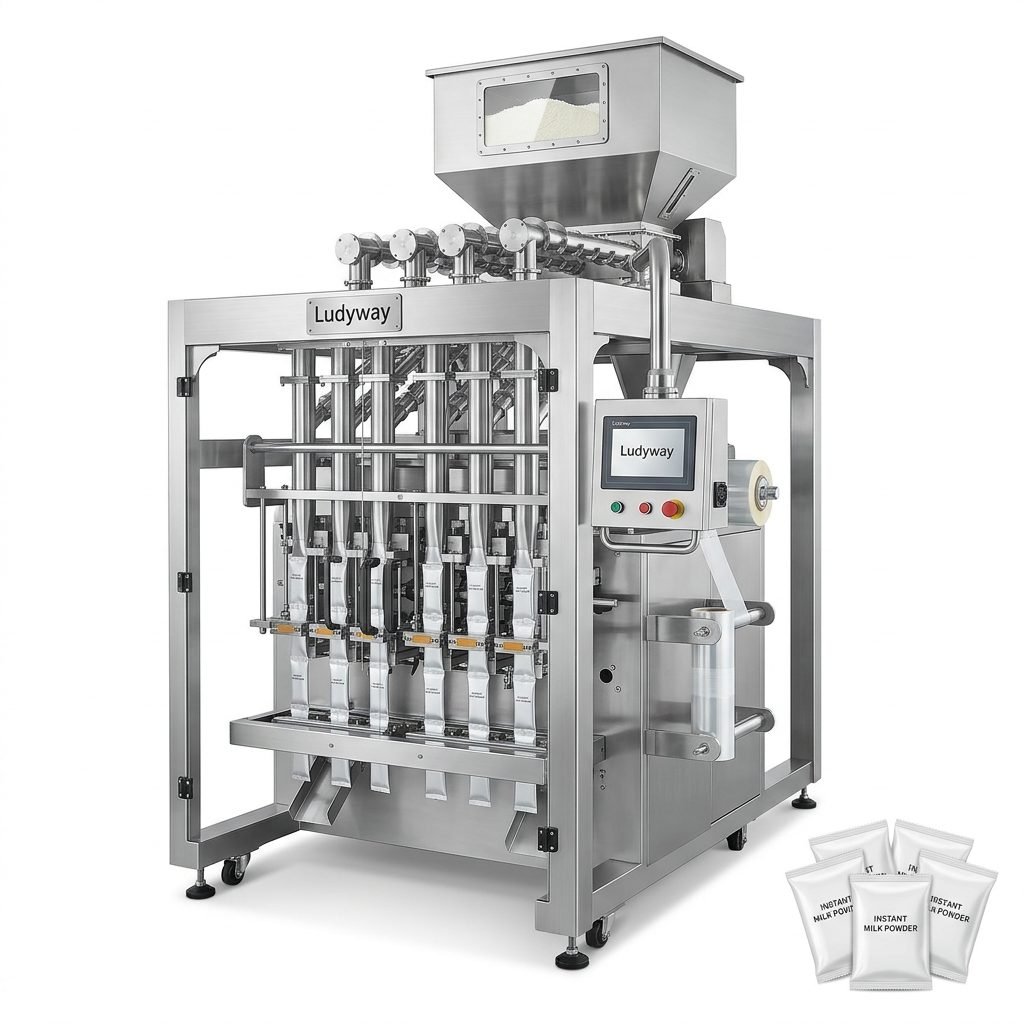
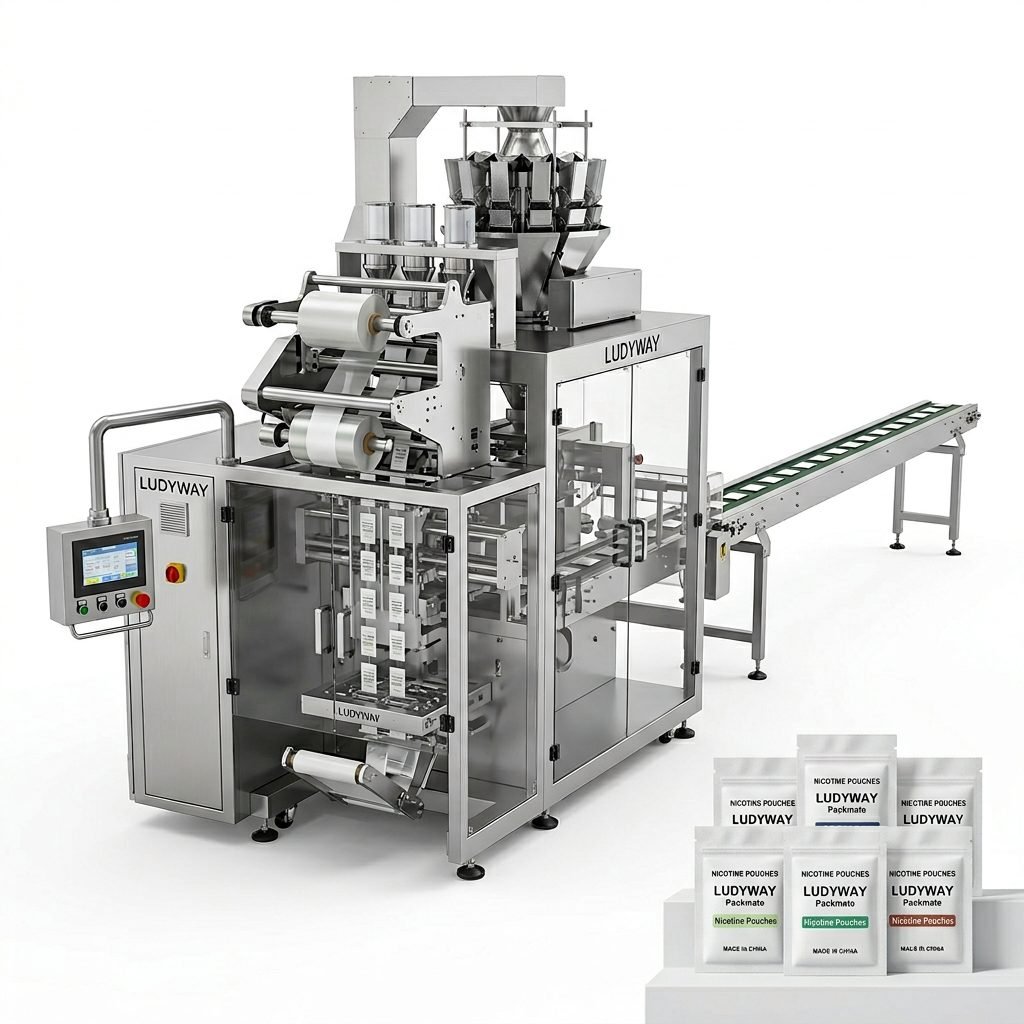
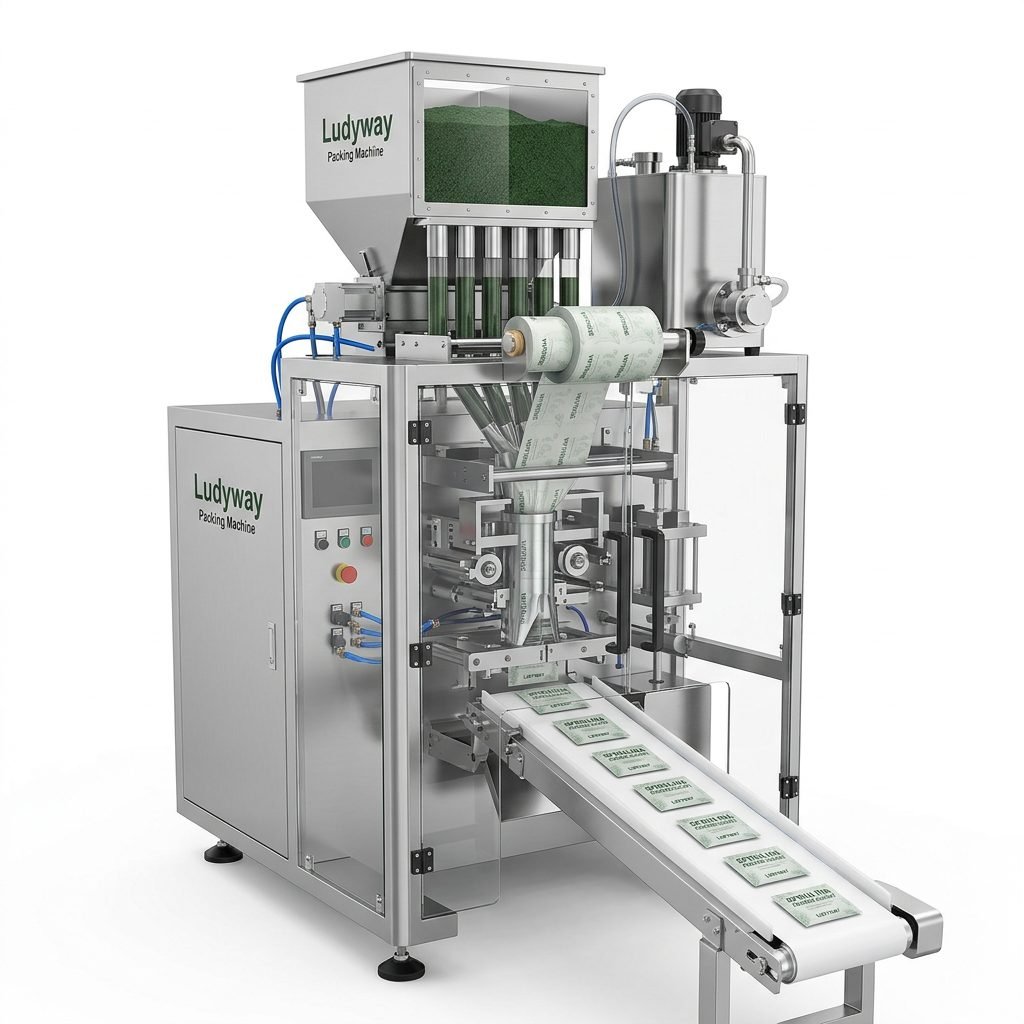
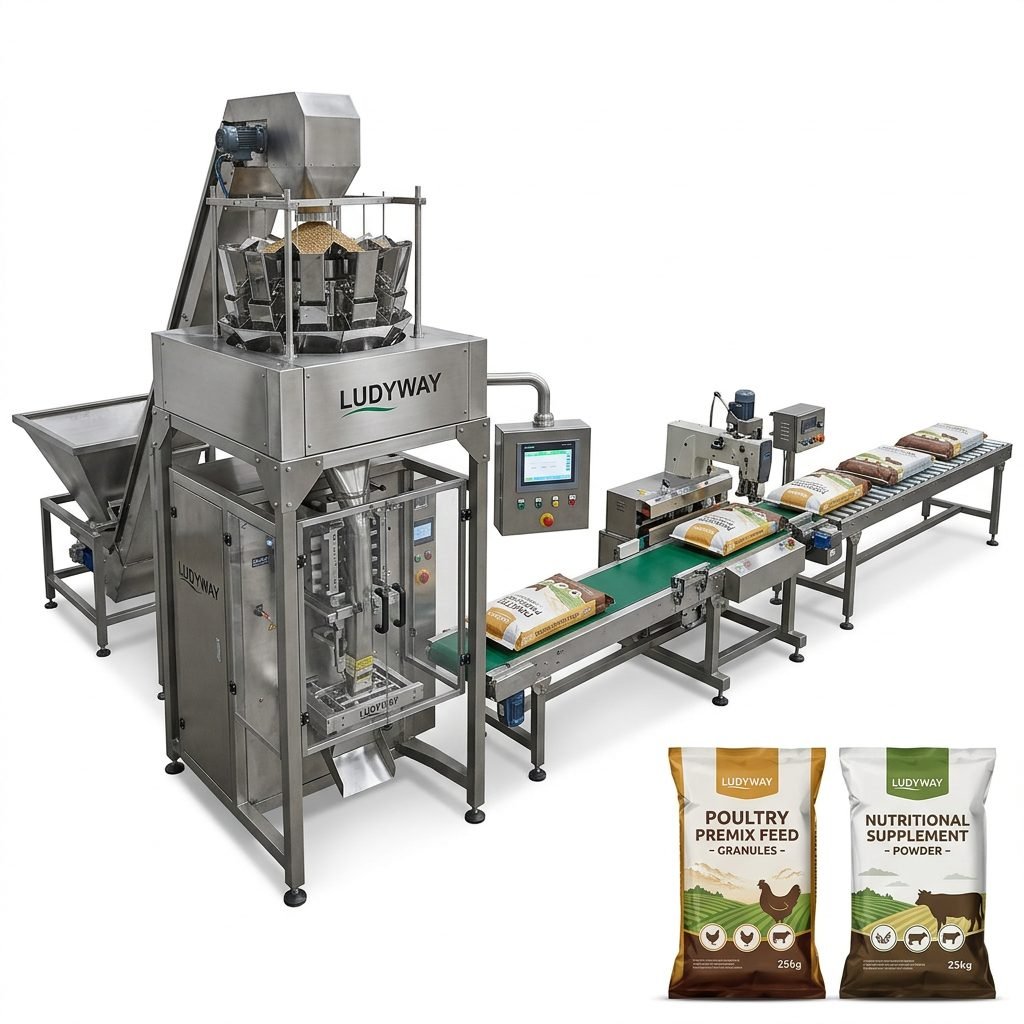
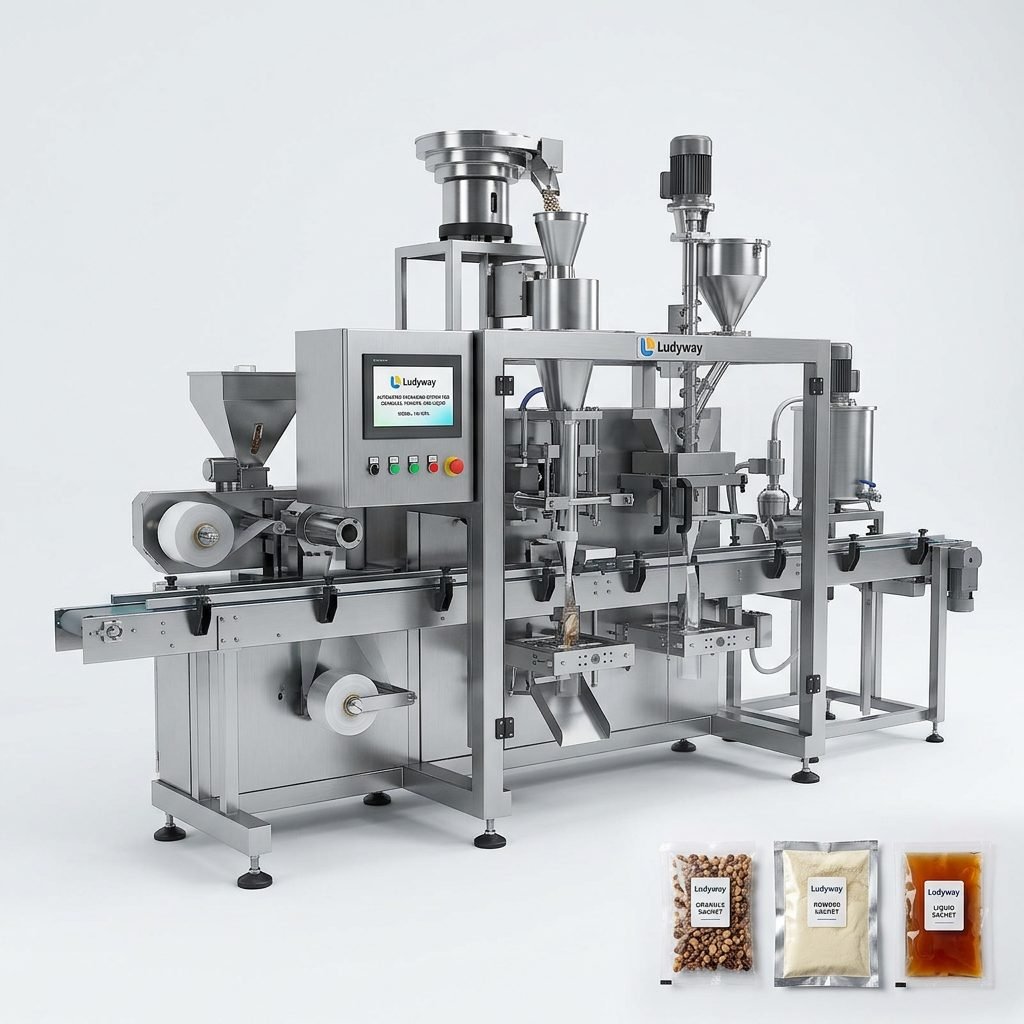
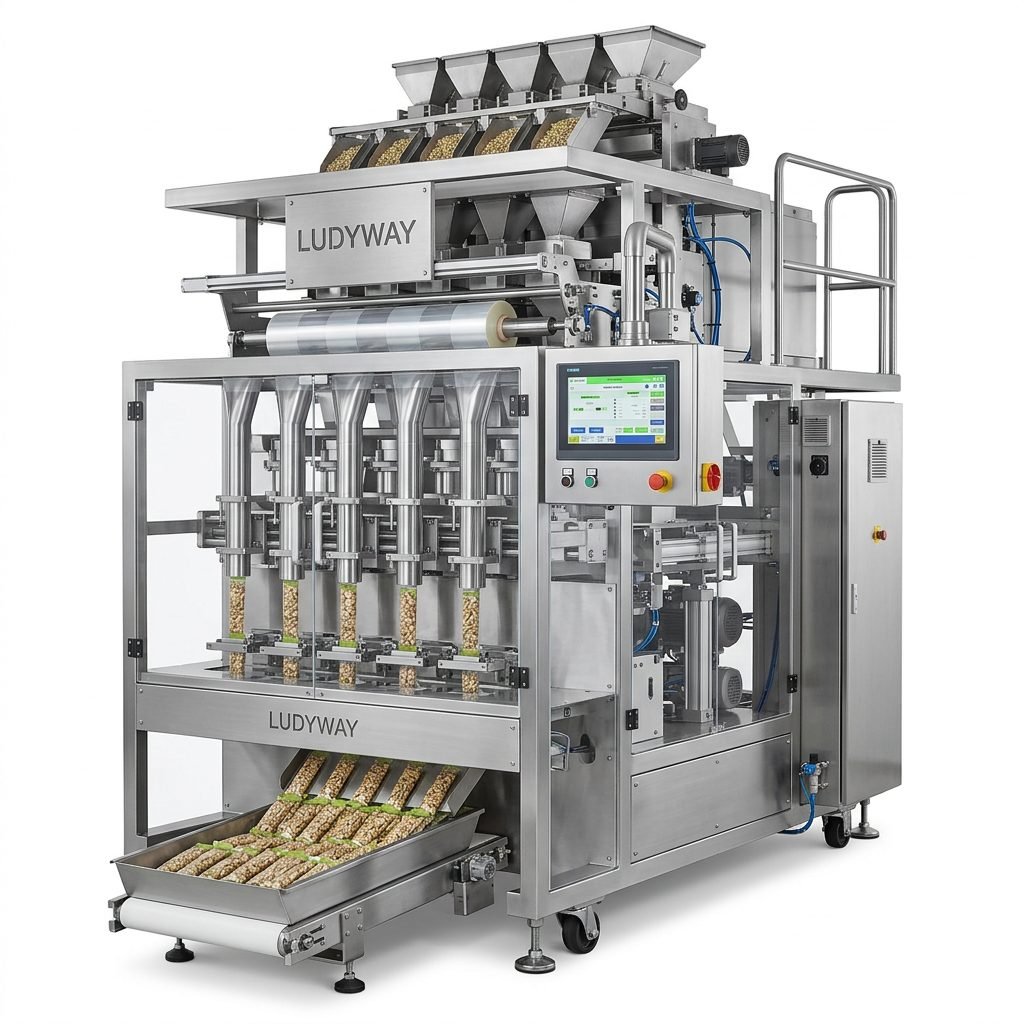
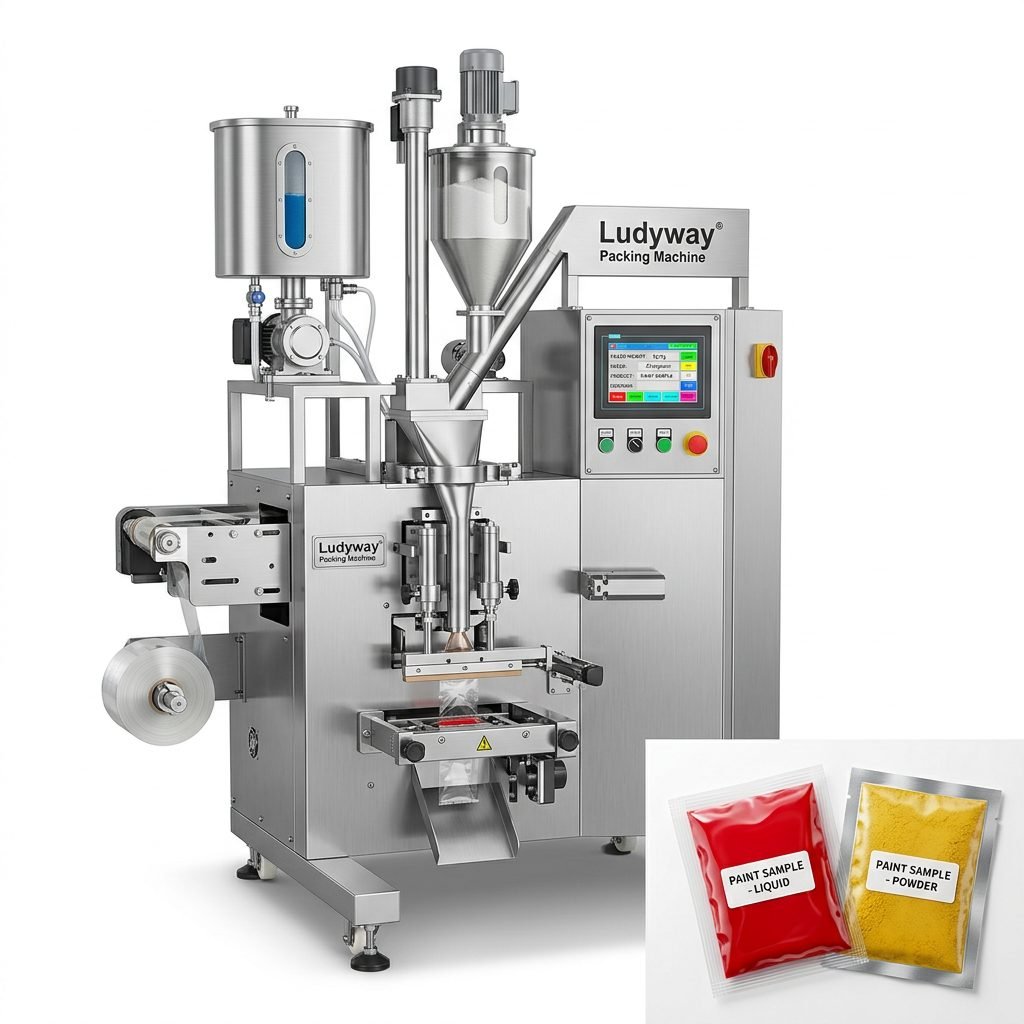
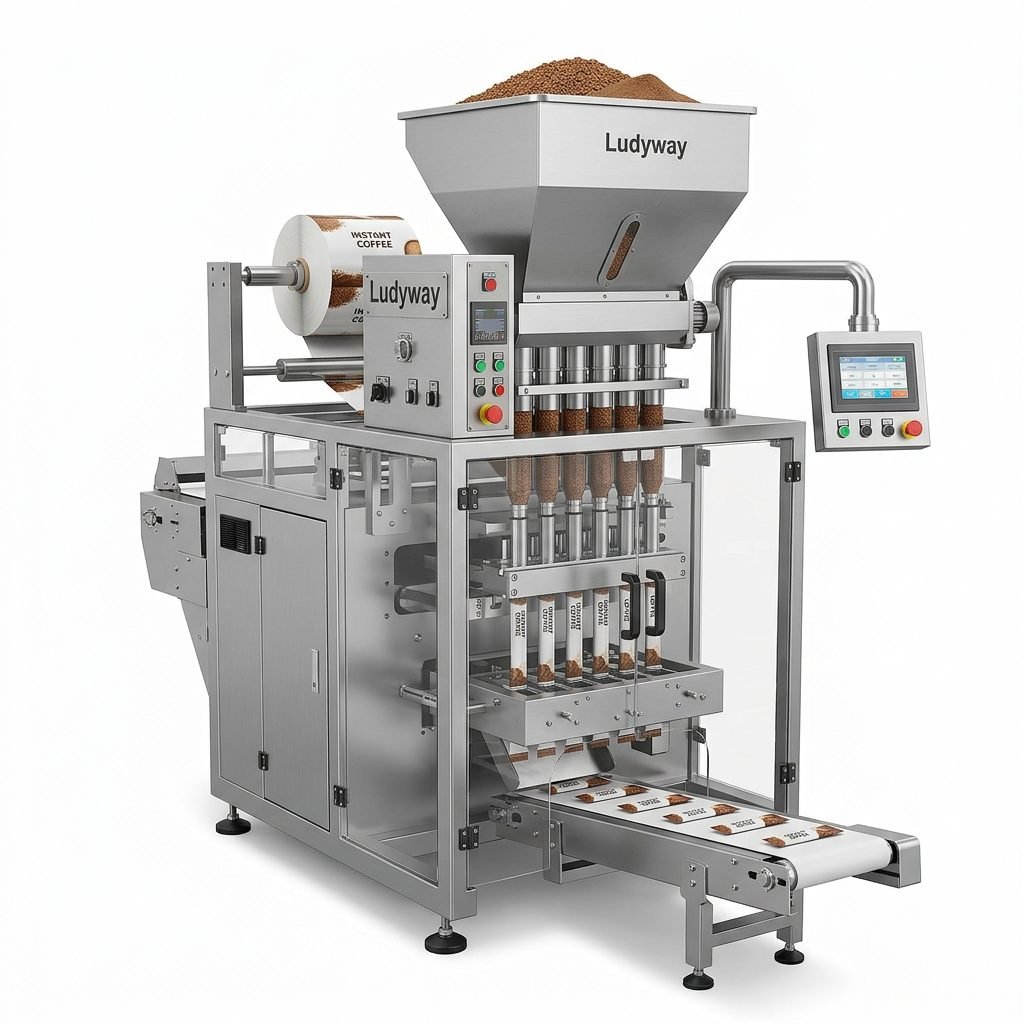
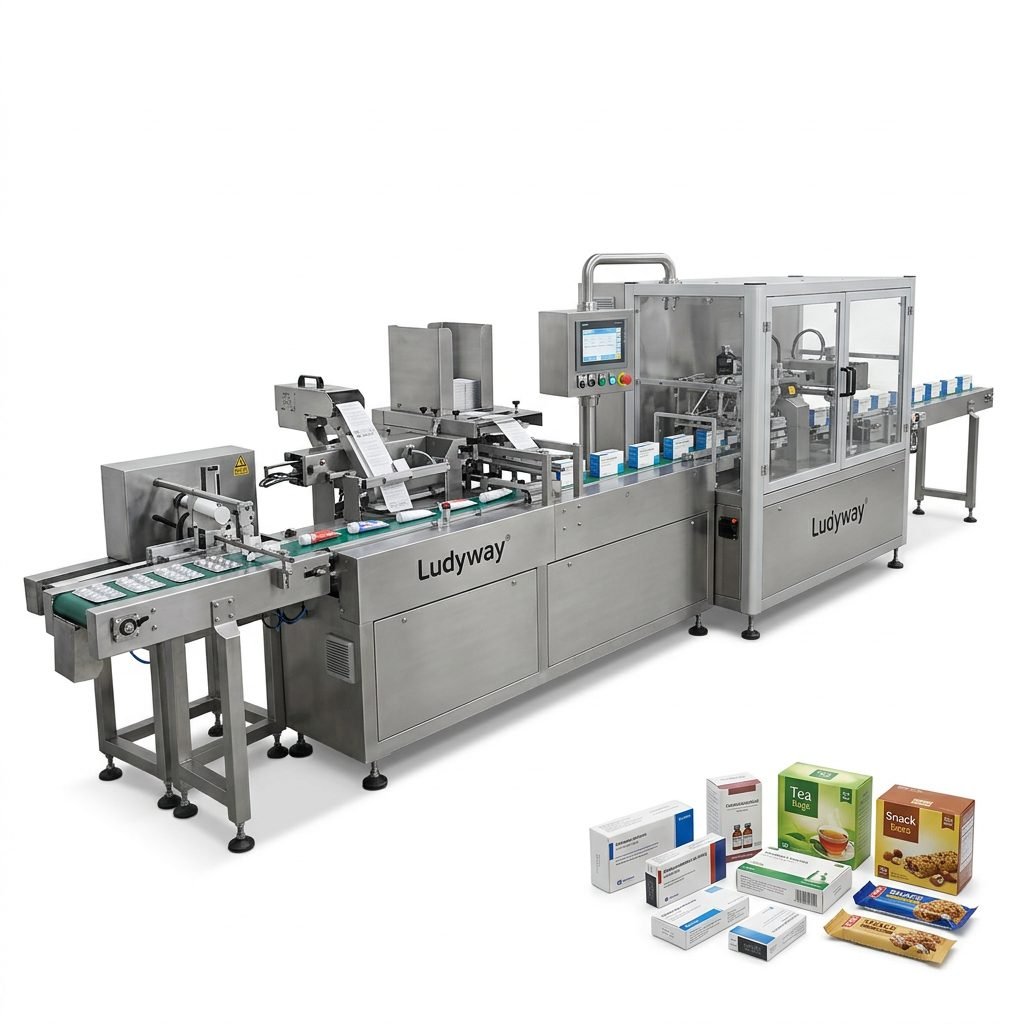
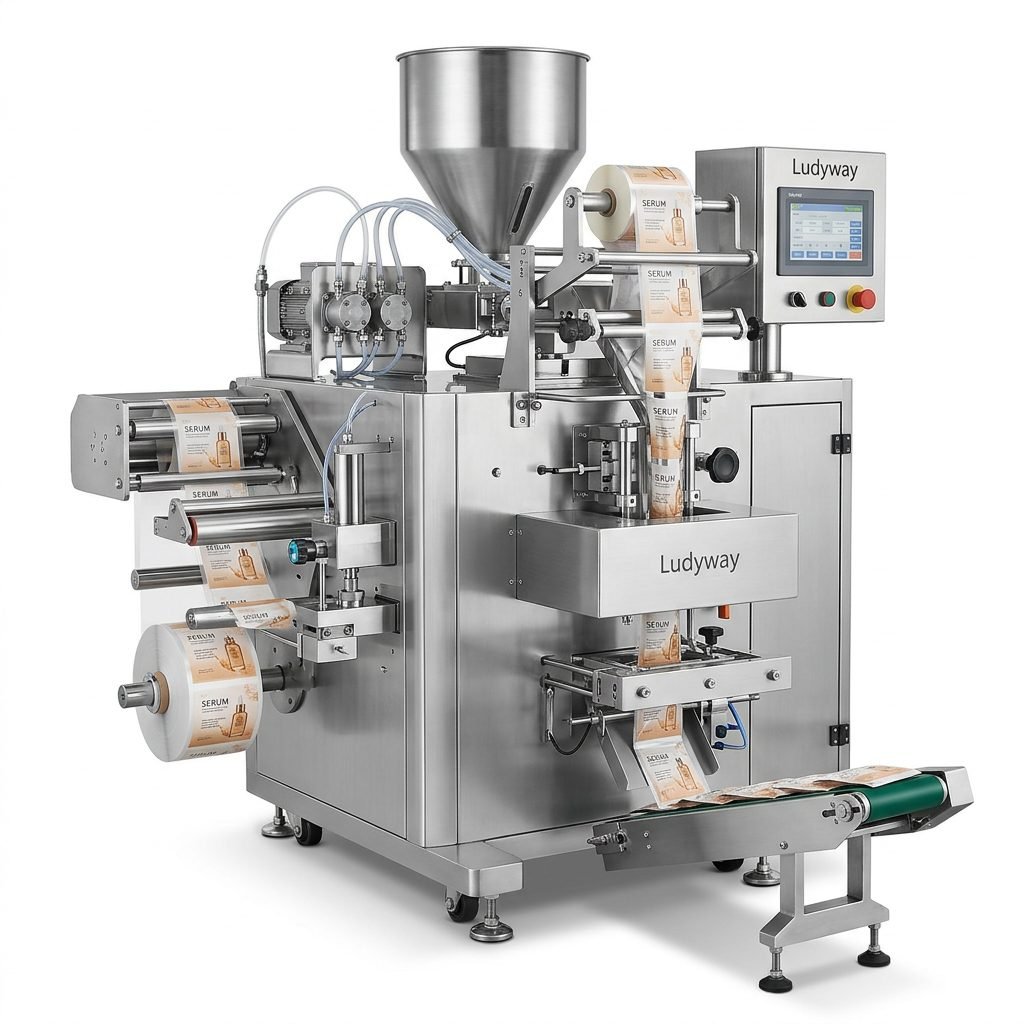
In today’s global manufacturing landscape, selecting the right general packaging equipment and supplier is a critical decision that impacts production efficiency, product quality, and overall business success. The market is filled with numerous companies offering a wide array of machinery, from sachet and stick pack machines to complete turnkey production lines for granules, powders, and liquids. This guide will help you navigate the top players in the industry and provide a clear framework for choosing the perfect supplier for your specific needs.
Understanding the General Packaging Equipment Landscape
The term “general packaging equipment” encompasses a broad range of machinery used across diverse industries like food, pharmaceuticals, and health products. This includes vertical form-fill-seal (VFFS) machines, horizontal flow wrappers, liquid fillers, capping machines, and labeling systems. The core function is to automate the process of placing a product into a container or pouch, ensuring speed, accuracy, hygiene, and consistency.
Key Insight: Modern packaging lines are increasingly integrated and intelligent. Leading suppliers don’t just sell individual machines; they provide synchronized systems with advanced controls, data tracking, and easy changeover capabilities to maximize uptime and flexibility.
Core Categories of Packaging Machinery
To make an informed choice, it’s essential to understand the primary equipment categories:
- Filling & Sealing Machines: The heart of many operations, including sachet and stick pack machines for single-serve portions.
- Bottling & Capping Lines: Essential for liquid and viscous products, encompassing filling, capping, and sealing.
- Cartoning & Case Packing: Equipment for secondary packaging, placing primary packages into boxes or cartons.
- Labeling & Coding: Systems for applying product information, barcodes, and expiration dates.
Evaluating Top Packaging Equipment Companies
While many excellent companies exist globally, top-tier suppliers share common traits: proven engineering expertise, robust manufacturing capabilities, and a strong commitment to after-sales support. A company like Ludyway Machinery, for instance, exemplifies these qualities. Founded in 2010 with a vision for reliable global solutions, it has grown through innovation and partnerships to offer over 50 intelligent packaging machine models, supported by extensive industry experience.
Critical Factors for Supplier Assessment
When shortlisting companies, dig deeper than just the product catalog. Assess their foundational strengths:
Manufacturing & Scale
Look for a supplier with a modern production facility. A sizable manufacturing base (e.g., a 20,000㎡ plant) indicates the capacity for quality control, timely production, and the ability to handle large or custom orders. It reflects a serious, long-term investment in the business.
Technical Expertise & Range
Evaluate their engineering team’s experience and the diversity of their equipment portfolio. A supplier with over 30 years of collective industry experience and a wide range of machines (from granule to liquid packaging) can offer more unbiased, holistic solutions for your production line.
Global Support & Service
Your relationship with the supplier begins after installation. Ensure they have a proven track record of serving international customers with reliable spare parts supply, remote troubleshooting, and on-site technical support. This is crucial for minimizing downtime.
The Decision-Making Framework: How to Choose Your Supplier
Follow this structured approach to move from a list of potential suppliers to your final partner.
1. Define Your Project Requirements Precisely
Before contacting any company, have clear specifications: desired output speed (packs per minute), product type (granules, powder, liquid), packaging materials (film type, laminate structure), and any special features like nitrogen flushing or clean-in-place (CIP) systems. This allows for accurate and comparable quotations.
2. Conduct In-Depth Technical & Commercial Evaluation
Request detailed proposals. Compare not only the price but the machine’s construction (stainless-steel grade, component brands like Siemens or Mitsubishi controls), energy efficiency, and changeover time. Ask for a list of reference clients in a similar industry and contact them for firsthand feedback on machine performance and supplier reliability.
3. Prioritize Testing and Validation
Never buy based on paper specs alone. Insist on a factory acceptance test (FAT) using your actual product and packaging materials. This is the only way to verify speed, accuracy, seal integrity, and overall performance. Observe the supplier’s engineers in action—their skill and responsiveness during testing are telling indicators.
4. Scrutinize the After-Sales Support Structure
Understand the warranty terms, the availability of spare parts, and the training provided for your operators and maintenance staff. A supplier invested in a long-term partnership will have a clear, responsive support protocol, potentially including online monitoring systems for preventative maintenance.
Conclusion: Building a Partnership for Growth
Choosing a general packaging equipment supplier is a strategic investment. The right partner acts as an extension of your team, providing not just a machine, but a solution that enhances your productivity and product quality for years to come. By focusing on suppliers with solid manufacturing foundations, deep technical expertise, and a customer-centric service culture—qualities embodied by established players like Ludyway Machinery—you secure more than equipment; you secure a foundation for scalable, efficient, and reliable production.
Frequently Asked Questions (FAQs)
Q1: What is the most important factor when choosing packaging equipment?
While cost is a consideration, the overall reliability and total cost of ownership (TCO) are paramount. This includes machine uptime, energy consumption, ease of maintenance, and the supplier’s support quality. A slightly higher initial investment in a robust machine from a reputable supplier often leads to lower long-term costs.
Q2: How can I ensure the machine will work with my specific product?
Mandate a Factory Acceptance Test (FAT). Ship your exact product and packaging materials to the supplier’s facility to run tests on the proposed machine. This validates performance, seal quality, and output speed before the equipment is installed in your plant.
Q3: What does “turnkey solution” mean from a packaging supplier?
A turnkey solution means the supplier takes full responsibility for delivering a complete, ready-to-operate production line. This goes beyond selling individual machines to include system integration, installation, commissioning, operator training, and often ongoing technical support, providing a single point of accountability.
Q4: How long does it typically take from order to installation?
Lead times vary based on machine complexity and customization. For standard models, it can be 8-14 weeks. For highly customized or large turnkey lines, it may take 4-6 months. Always clarify the detailed project timeline, including design, manufacturing, FAT, shipping, and installation phases.
Q5: Can one supplier handle different packaging types (e.g., sachets and stick packs)?
Yes, many leading suppliers offer a diversified portfolio. For example, some companies provide over 50 models covering multi-lane stick pack, sachet, granule, powder, and liquid packaging systems. Working with such a supplier can simplify sourcing and ensure better compatibility across different lines in your facility.