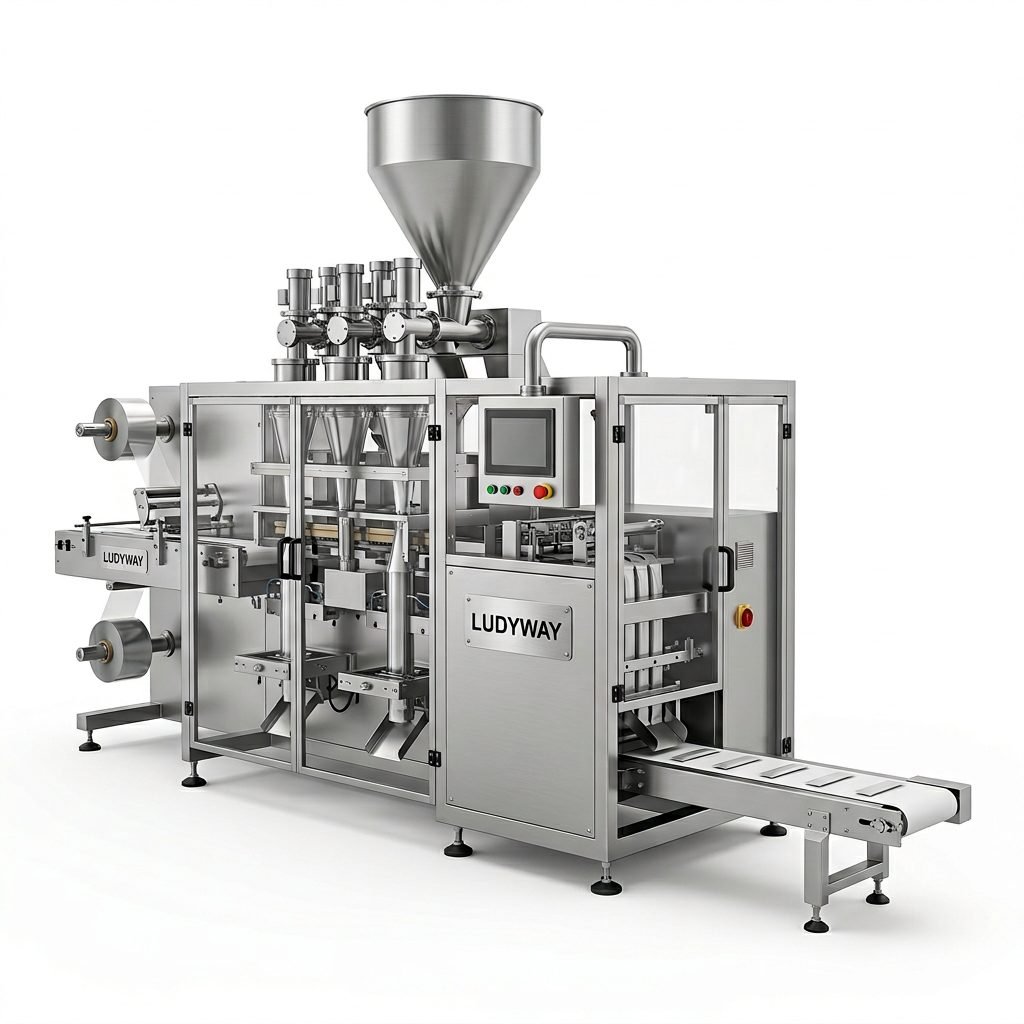
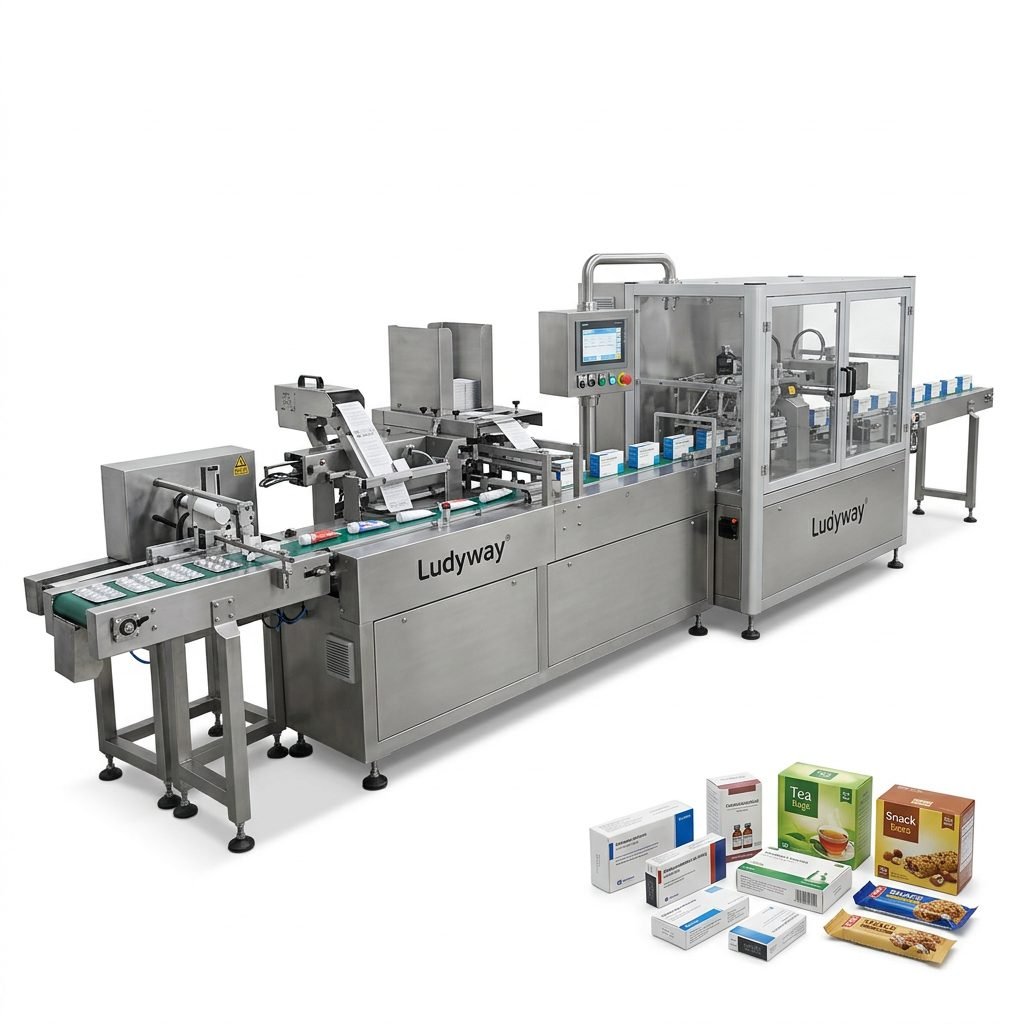
In the world of protective shipping, ensuring your products arrive safely is paramount. Among the various solutions available, expanding foam packaging has emerged as a highly effective method for cushioning and securing items during transit. This guide delves into the expanding foam packaging machine, exploring how to choose the right one, use it effectively, and optimize its performance for superior protective shipping.
Understanding Expanding Foam Packaging Machines
An expanding foam packaging machine is a specialized piece of equipment designed to produce custom-fit protective packaging on demand. It works by mixing two liquid chemical components—typically polyol and isocyanate—which react and expand into a lightweight, rigid foam. This foam molds itself perfectly around the product placed in the shipping box, creating a secure, shock-absorbing cradle that immobilizes the item and protects it from impacts, vibrations, and drops.
The primary advantage of this system is its ability to eliminate the need for pre-made, bulky packaging materials like bubble wrap, peanuts, or molded foam inserts. This leads to significant savings in storage space, material costs, and waste. Furthermore, it provides a superior, form-fitting protection that is difficult to achieve with loose-fill materials.
Core Components and How They Work
While machine designs vary, most systems consist of a few key components:
► Chemical Tanks: Store the two liquid foam components (A-side and B-side).
► Metering System: Precisely pumps and measures the correct ratio of each chemical.
► Mixing Head: Blends the two components thoroughly before dispensing.
► Dispensing Gun/Nozzle: Allows the operator to control the flow of mixed foam into the box.
► Control Panel: The user interface for setting parameters like shot volume, ratio, and purge cycles.
The process is straightforward: the operator places the item in a box, activates the machine, and dispenses the foam around the product. The foam expands to fill all voids, setting within minutes to form a permanent, protective structure.
How to Choose the Right Expanding Foam Machine
Selecting the ideal machine for your operation requires careful consideration of several factors. A wrong choice can lead to inefficiency, wasted material, and inadequate protection.
1. Assess Your Production Volume and Needs
Your daily or weekly packaging volume is the most critical starting point. Low-volume operations (e.g., a few dozen packages per day) may benefit from a simpler, manual or semi-automatic machine. High-volume fulfillment centers will require a fully automatic system that can integrate into a conveyor line, with robotic dispensing for hands-free operation. Consider not just current needs but also projected growth.
2. Evaluate Key Machine Specifications
Look beyond the basic description and examine the technical details:
- Output Rate & Cycle Time: How many packages can it handle per hour? Faster cycle times boost throughput.
- Shot Volume & Accuracy: Can it deliver a wide range of foam amounts with high precision? Consistent dosing prevents waste and ensures proper protection.
- Foam Expansion Ratio: This determines how much foam volume is created from the liquid. A higher ratio can mean lower chemical cost per package.
- Footprint & Utility Requirements: Ensure you have adequate floor space, electrical supply, and, if needed, compressed air connections.
3. Consider the Foam Chemistry and Material Cost
Not all expanding foams are equal. Discuss with suppliers the properties of their foam:
• Density & Strength: Foams range from low-density (softer, less rigid) to high-density (firmer, more protective). Match the density to the weight and fragility of your products.
• Curing Time: How quickly does it set? Faster curing speeds up the packing line but may allow less time for positioning.
• Environmental & Safety Factors: Are the chemicals low-VOC, non-flammable, or recyclable? Operator safety and environmental regulations are crucial.
Calculate the cost per package based on chemical consumption, not just the machine’s purchase price.
4. Prioritize Ease of Use and Support
A complex machine that requires constant maintenance can negate its benefits. Look for:
► Intuitive Controls: A user-friendly interface reduces training time and operator error.
► Reliability & Durability: Seek machines built with robust components for continuous operation. Research the manufacturer’s reputation for quality.
► Technical Support & Service: Ensure the supplier offers comprehensive training, readily available spare parts, and responsive technical support. Downtime in packaging can halt your entire shipping operation.
For businesses seeking reliable and efficient packaging solutions, partnering with an experienced provider like Ludyway Machinery can be invaluable. With deep industry expertise, they can help navigate these choices to find a system that aligns with your specific production goals and volume requirements.
Best Practices for Using Your Machine
Proper operation is key to achieving consistent, high-quality packaging results and ensuring machine longevity.
Initial Setup and Calibration
Follow the manufacturer’s installation guide meticulously. Proper calibration of the chemical ratio and shot volume is critical. Even a slight deviation can result in foam that doesn’t cure properly (too sticky or too brittle) or that uses excessive material. Perform test runs with dummy products to fine-tune settings before live production.
Standard Operating Procedure (SOP)
Develop a clear, step-by-step SOP for operators:
- Preparation: Ensure the item is clean and placed correctly in the center of the box bottom.
- Dispensing Pattern: Train operators on the optimal dispensing pattern (e.g., an “X” or a perimeter pour) for different product shapes to ensure even coverage without voids.
- Timing: Instruct on the precise timing between starting the pour and closing the box lid to capture the expansion at the right moment.
Routine Maintenance is Non-Negotiable
Preventive maintenance avoids costly breakdowns:
- Daily: Purge the mixing head as recommended to prevent chemical buildup and clogging.
- Weekly/Monthly: Check hose connections, filter cleanliness, and pump seals. Lubricate moving parts as specified.
- Record Keeping: Maintain a log for maintenance activities, chemical usage, and any minor issues. This data is invaluable for troubleshooting and optimizing performance.
Strategies to Optimize for Protective Shipping
Optimization goes beyond just running the machine; it’s about integrating it into a holistic, efficient, and protective shipping process.
1. Product-Specific Packaging Design
Don’t use a one-size-fits-all approach. Analyze your product portfolio:
• Heavy, Dense Items: Use a higher-density foam or a multi-layer pour strategy for maximum load-bearing and crush resistance.
• Light, Fragile Items: A lower-density foam provides ample cushioning without adding excessive weight or pressure. Consider creating a “nest” by pouring foam into the box bottom first, placing the item, then adding a top layer.
• Irregular Shapes: Strategically place foam dams or barriers (like cardboard) inside the box before pouring to direct foam flow and ensure support for protruding parts.
2. Integrate with Warehouse Management Systems (WMS)
For automated lines, connect the foam machine’s controller to your WMS. This allows for dynamic adjustment of foam volume based on the SKU being packed, which is data pulled from the order. This level of integration minimizes material waste and ensures consistent protection automatically.
3. Focus on Total Cost and Sustainability
True optimization measures total cost-in-use:
► Reduce Dimensional Weight: Foam-in-place systems often allow for smaller outer boxes compared to traditional packaging, significantly reducing shipping costs based on dimensional weight pricing.
► Labor Efficiency: A well-optimized, easy-to-use system reduces pack time per box, lowering labor costs.
► Sustainable Sourcing: Investigate bio-based or more readily recyclable foam chemistries. Reducing material use through precise dispensing is inherently less wasteful. Some suppliers, including Ludyway’s industry partners, are at the forefront of developing more sustainable packaging solutions.
4. Continuous Monitoring and Improvement
Track key performance indicators (KPIs) such as packages per hour, chemical cost per package, damage rates, and operator feedback. Use this data to identify bottlenecks or areas for refinement. Regularly review and update your SOPs based on these insights and any new techniques or materials available in the market.
Frequently Asked Questions (FAQs)
1. Is expanding foam packaging safe for all products?
While highly versatile, it’s not universal. The exothermic (heat-releasing) reaction during curing can damage extremely heat-sensitive electronics or certain chemicals. The foam can also exert slight pressure during expansion. Always conduct compatibility tests with your specific products before full-scale implementation. For specialized applications, consulting with a packaging solutions expert is advised.
2. How does the cost compare to traditional packaging like bubble wrap?
The initial machine investment is higher than buying rolls of bubble wrap. However, the total cost of ownership often becomes lower over time. Savings come from reduced material storage space, lower shipping costs due to smaller box sizes, decreased labor (faster packing), and virtually eliminated material waste from pre-cut scraps. A detailed cost-benefit analysis for your specific volume is essential.
3. How do I dispose of or recycle expanding foam packaging?
Traditional polyurethane foam is not widely recycled through curbside programs. However, it is inert and non-toxic once cured and can often be disposed of in regular landfill waste. The real environmental benefit comes from source reduction—using far less raw material per package. For more sustainable options, inquire about newer foam systems that use recycled content or are designed for easier recycling in industrial streams.
4. Can the machine handle different box sizes on the same production line?
Yes, but the level of automation determines how easily. On a manual station, an operator simply adjusts the placement and pour. In automated systems, this requires integration with a carton erector that can change box sizes on the fly and a machine controller that can recall different shot volume settings for each box size, often managed by the WMS.
5. What is the typical learning curve for operators?
For basic manual machines, operators can become proficient within a few hours to a day of training, focusing on the dispensing pattern and timing. More advanced automated systems require training on the control interface and basic troubleshooting. A well-designed machine from a supplier that provides thorough training, like those with the operational expertise of Ludyway Machinery, ensures a smooth and quick ramp-up for your team.