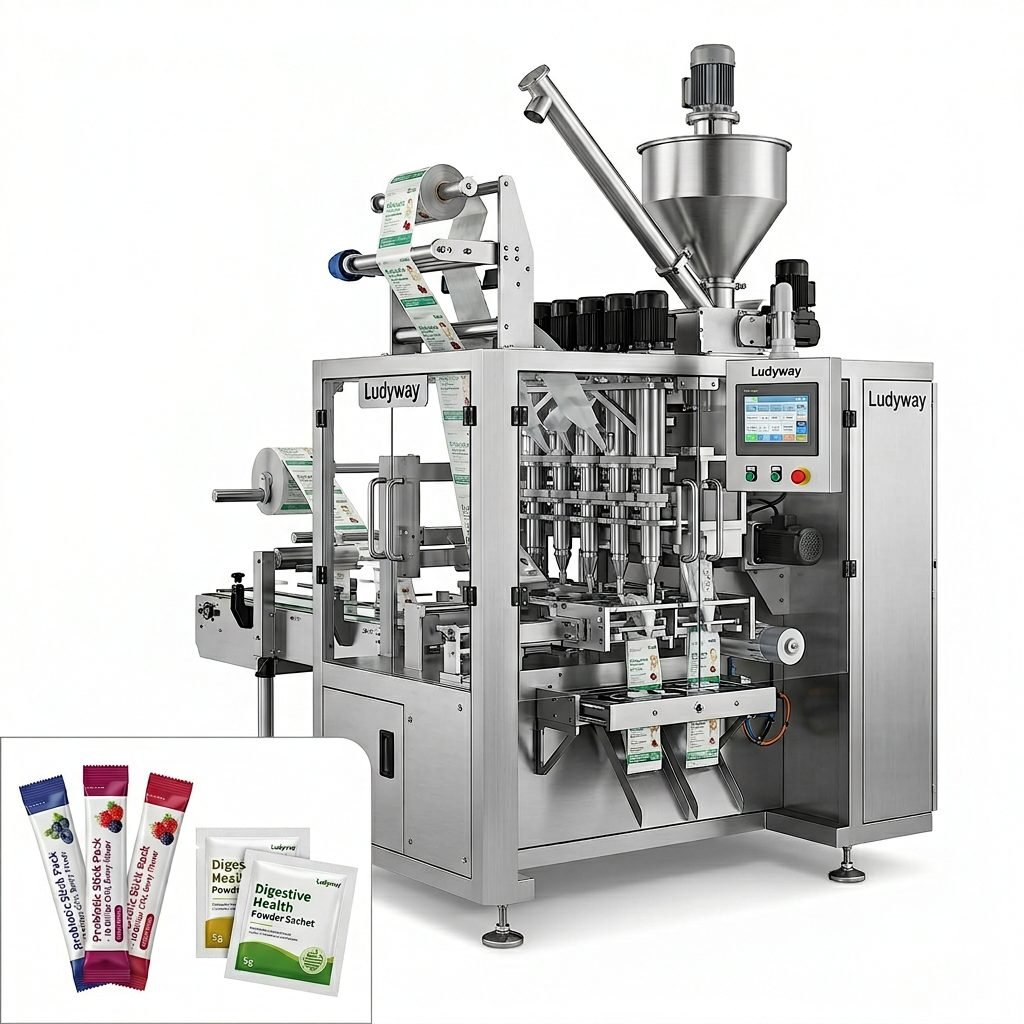
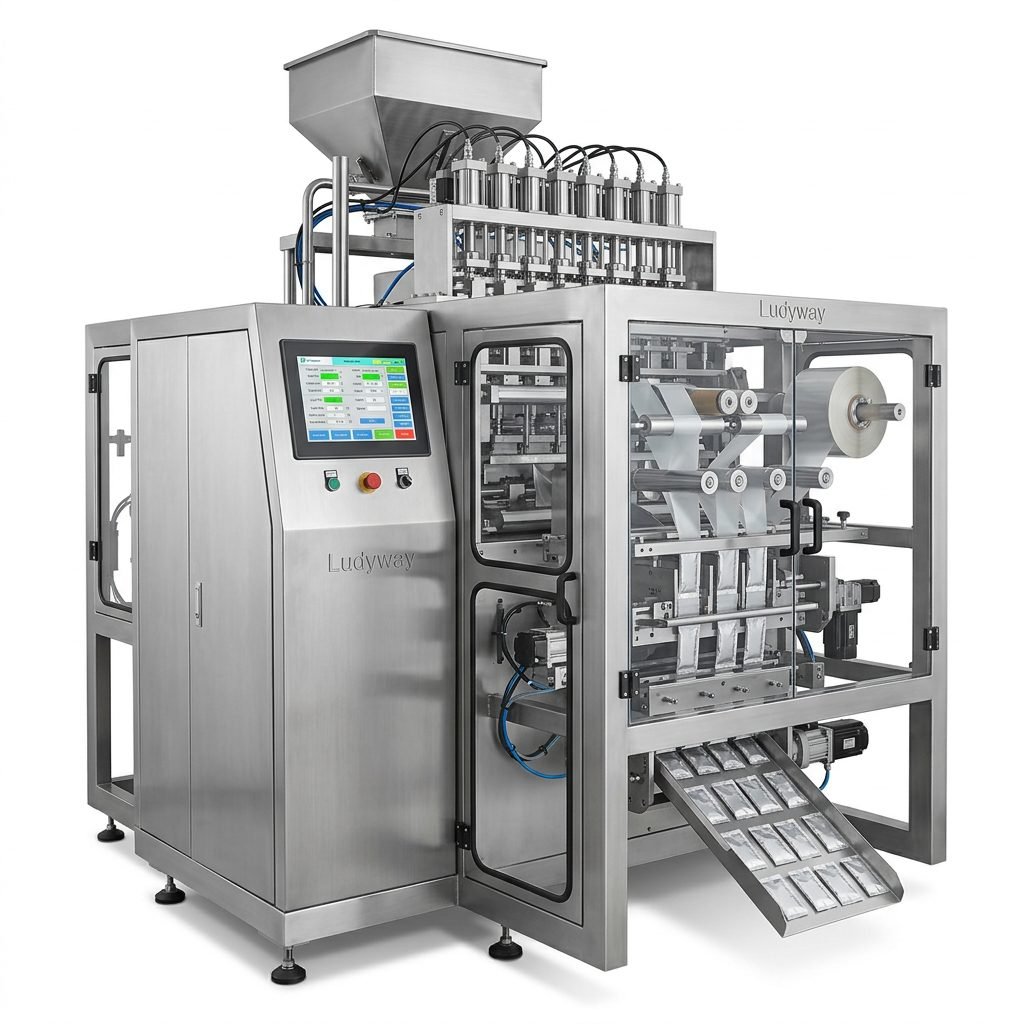
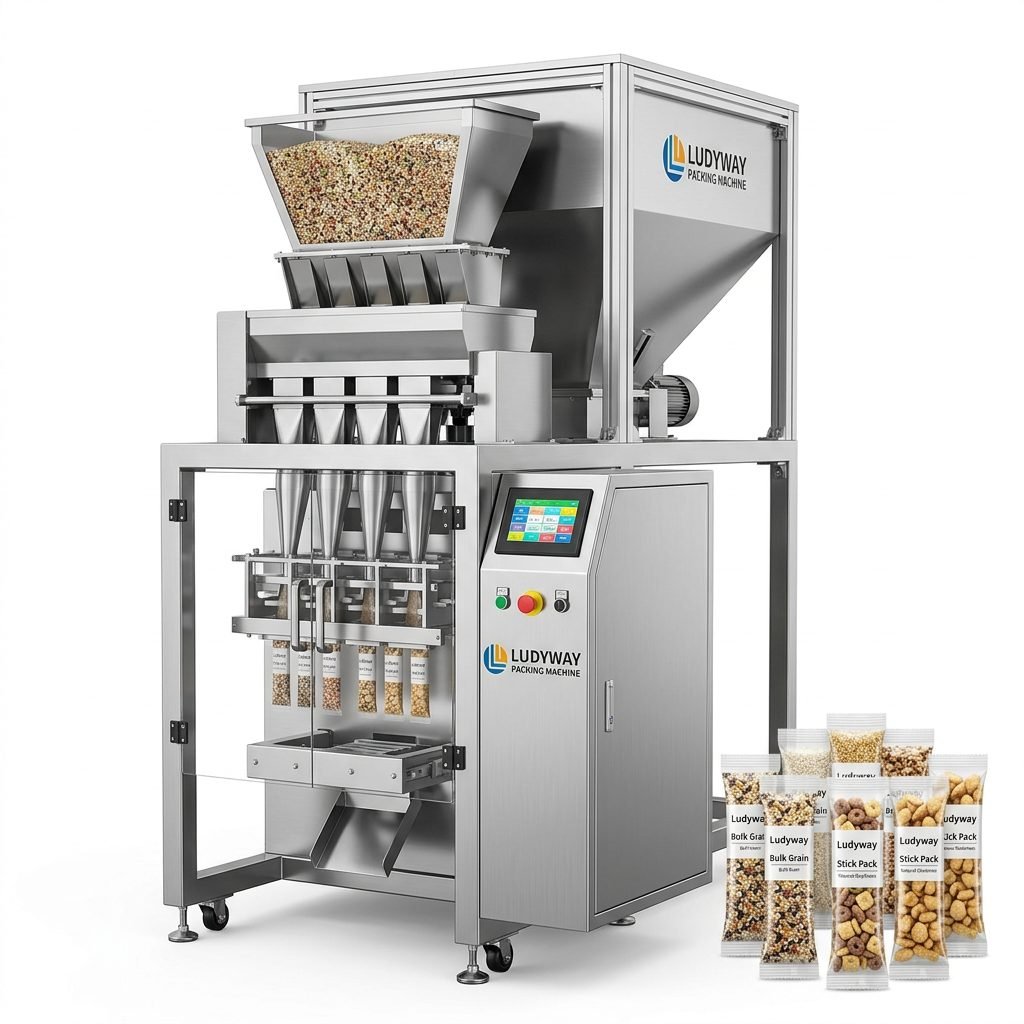
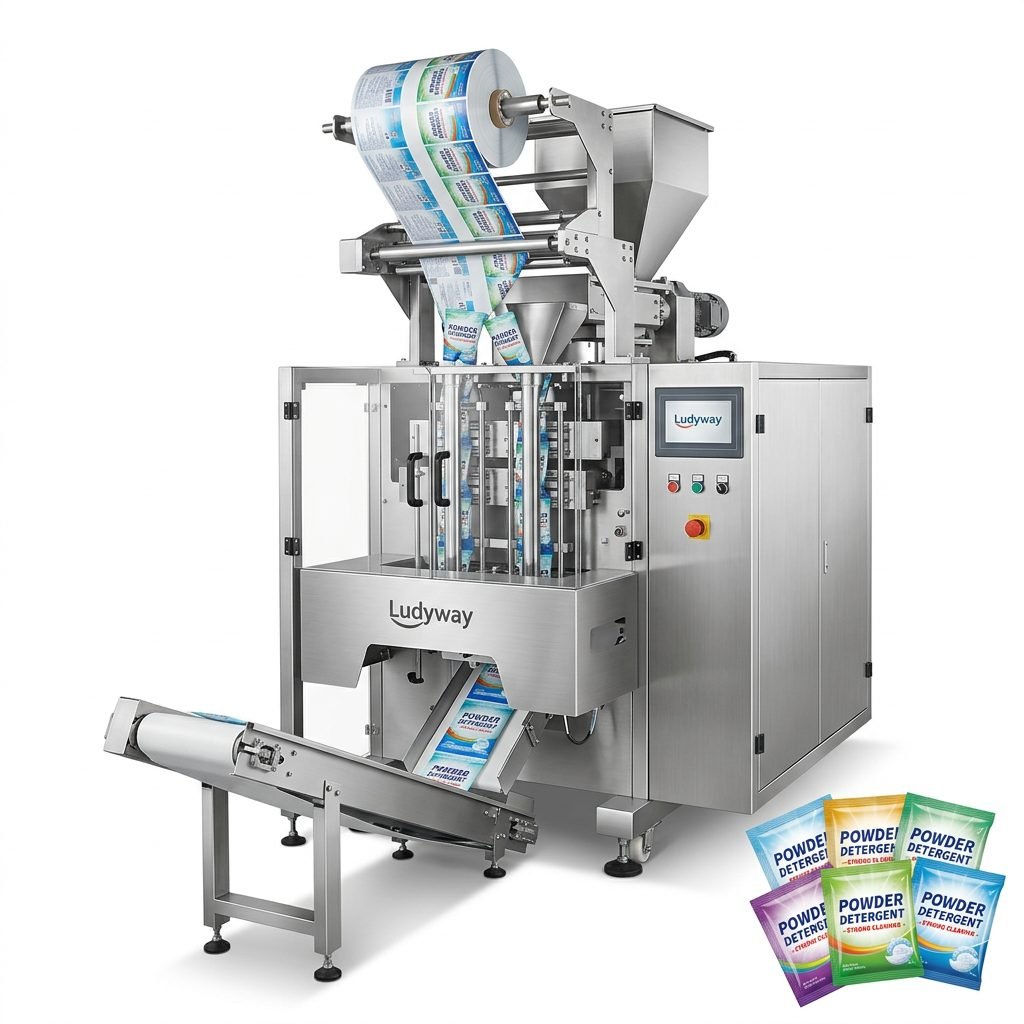
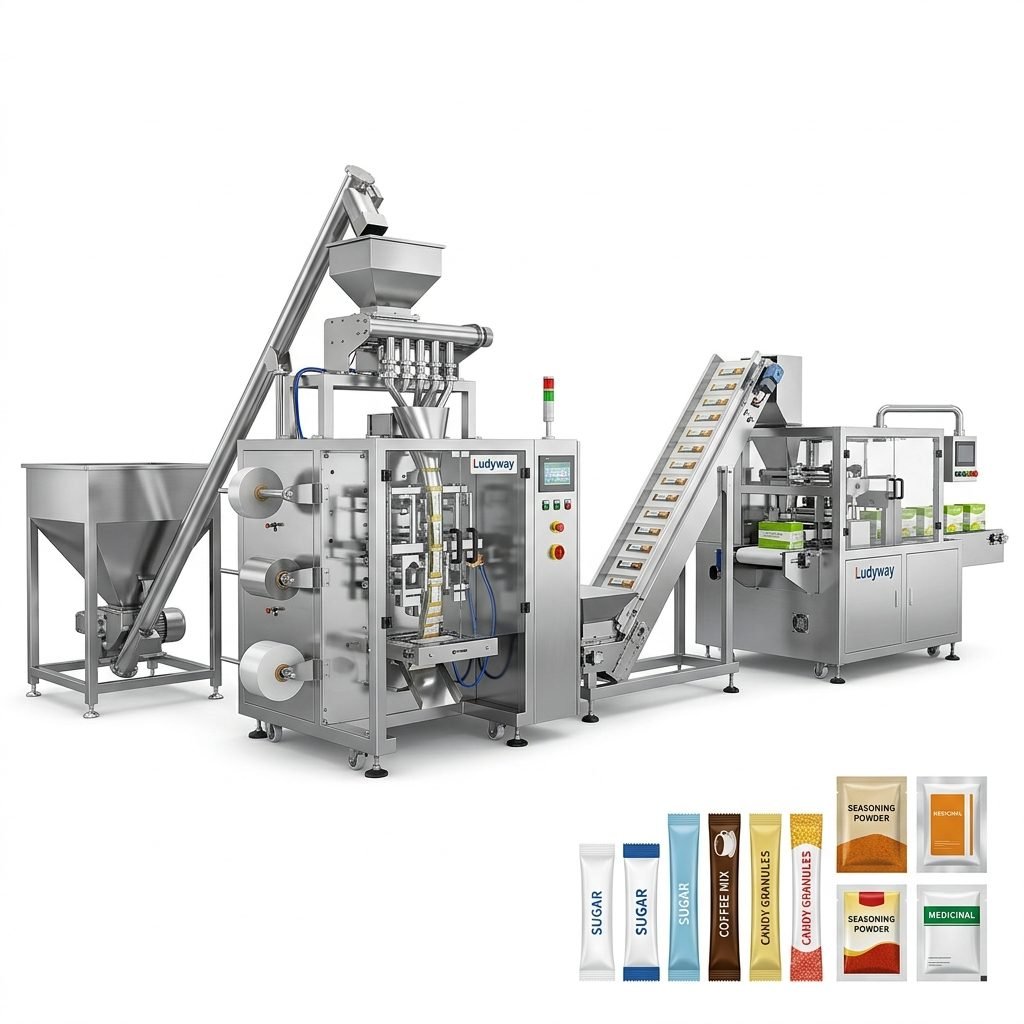
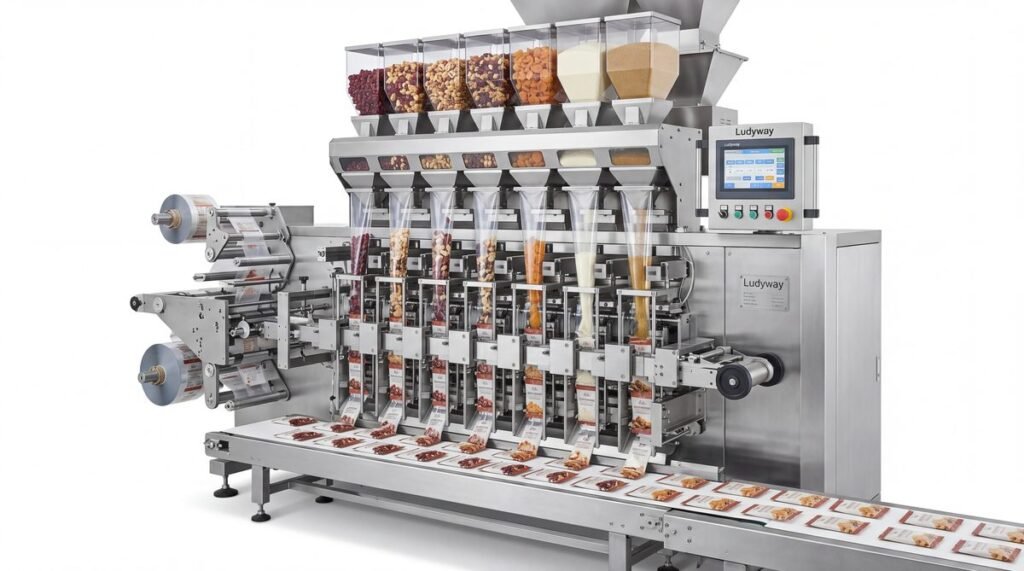
Selecting the right lubricant packaging machine is a critical decision that directly impacts your production efficiency, product quality, and operational costs. With various machine types and configurations available, understanding the key options and features is essential for making an informed investment. This comprehensive guide will walk you through the different types of lubricant packaging machines, their core features, and a step-by-step framework to help you choose the perfect solution for your specific needs.
Key Takeaway:
The ideal packaging machine balances speed, accuracy, flexibility, and durability to match your product’s viscosity, container type, and desired output.
Primary Types of Lubricant Packaging Machines
Lubricants, ranging from light oils to heavy greases, require specialized packaging equipment. The main categories are defined by their filling principle and the container they handle.
1. Piston Filling Machines
These are the most common and versatile machines for lubricants. A piston draws a precise volume of product from a hopper and dispenses it into containers. They excel with medium to high-viscosity products like gear oils and greases.
- ● Best For: High-viscosity fluids, pastes, and gels where accuracy is paramount.
- ● Advantages: Exceptional accuracy (±0.5% or better), easy to clean, handles products with suspended solids.
- ● Considerations: Speed is generally lower than rotary systems; changing product may require piston changeover.
2. Rotary / Volumetric Cup Filling Machines
Ideal for high-speed production lines, these machines use rotating cups of a fixed volume to measure and fill free-flowing to medium-viscosity lubricants like motor oils.
- ● Best For: High-volume production of low to medium-viscosity liquids.
- ● Advantages: Very high speeds, simple mechanical operation, lower maintenance cost.
- ● Considerations: Less accurate than piston fillers; not suitable for thick greases or aerated products.
3. Gravity Flow Fillers
These rely on the product’s own weight to flow from an elevated tank through nozzles into containers. They are a cost-effective solution for very thin, non-aerated lubricants.
- ● Best For: Low-viscosity, free-flowing oils (e.g., penetrating oils, some hydraulic fluids).
- ● Advantages: Simple design, low cost, easy to operate and maintain.
- ● Considerations: Accuracy can be affected by product viscosity changes and foam; slower than pressurized systems.
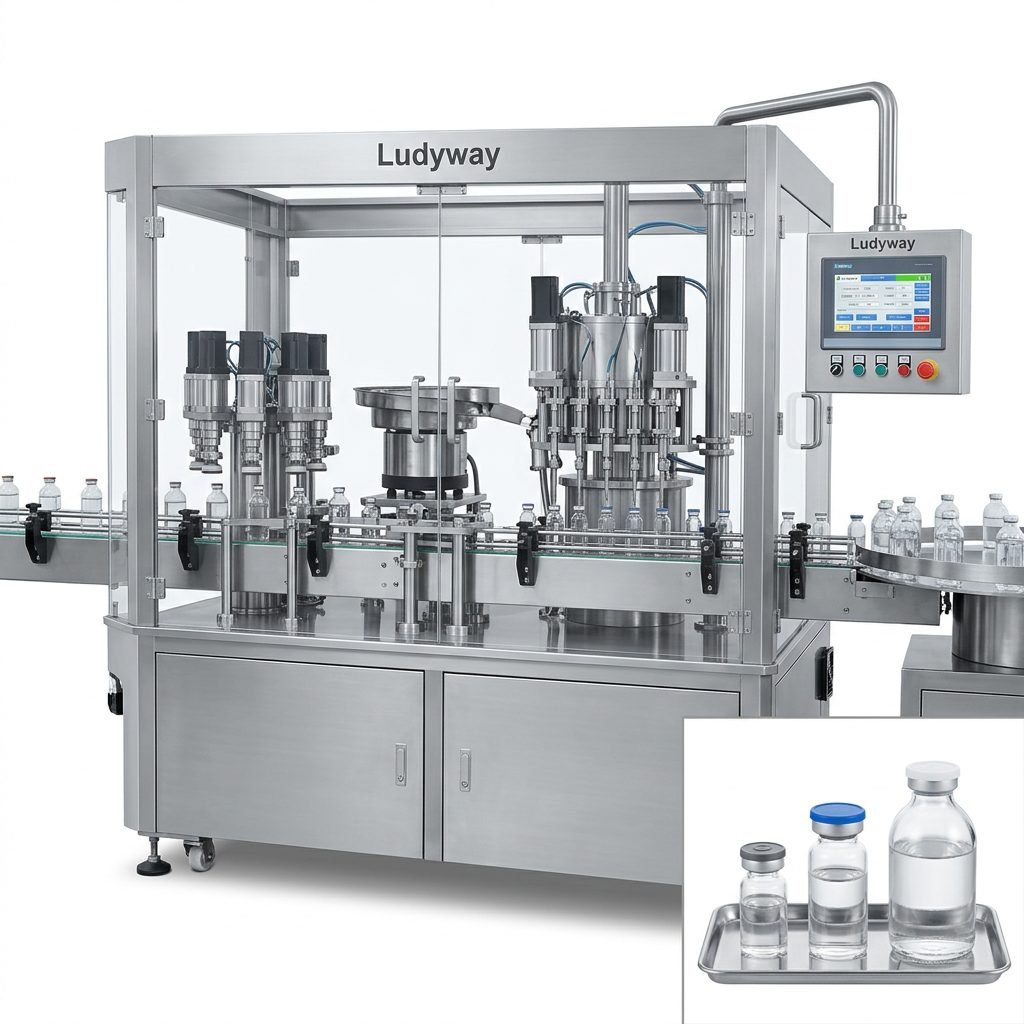
4. Pump & Nozzle Fillers
Using a pumping system (e.g., peristaltic, gear, or lobe pump), these machines are excellent for handling a wide range of viscosities and for filling from bulk drums or IBCs.
- ● Best For: Versatile applications, especially when filling directly from large source containers.
- ● Advantages: Gentle on shear-sensitive products, good for long transfer distances, easy to clean with CIP systems.
- ● Considerations: Pump selection is critical and depends on product characteristics; wear parts may need regular replacement.
Essential Features to Evaluate
Beyond the basic type, several features differentiate a standard machine from a high-performance, future-proof solution.
Accuracy and Precision
For lubricants, fill weight accuracy is non-negotiable for cost control and regulatory compliance. Look for machines with advanced servo-driven mechanisms and weight feedback systems that ensure consistent fills, even with variable product viscosity.
Speed and Throughput
Measured in containers per minute (CPM), speed must align with your production goals. Semi-automatic machines may fill 10-30 CPM, while fully automated rotary lines can exceed 200 CPM. Balance speed with your required changeover frequency.
Container Flexibility & Changeover
Can the machine handle plastic bottles, metal cans, composite tubes, or pouches? Quick-change tooling (no-tool changeovers) is invaluable for manufacturers running multiple SKUs, drastically reducing downtime. Experienced suppliers often provide the best guidance on flexible machine design.
Hygienic Design and Construction
For food-grade or specialty lubricants, construction materials matter. Stainless steel (304 or 316L) contact parts, polished surfaces, and designs that prevent product entrapment are essential for easy cleaning and preventing contamination.
Automation and Integration Level
From a manual station to a fully robotic cell, the automation level dictates labor requirements. Key integrations include automatic cap tightening, labeling, cartoning, and palletizing. Modern machines feature PLC controls with recipe storage and HMI touchscreens for intuitive operation.
Pro Tip: The Total Cost of Ownership (TCO)
Don’t focus solely on the purchase price. Consider the Total Cost of Ownership, which includes energy consumption, maintenance costs, spare part availability, changeover downtime, and the machine’s expected lifespan. A slightly higher initial investment in a robust, efficient machine from a reputable brand like Ludyway often leads to significantly lower TCO.
How to Choose the Right Lubricant Packaging Solution: A 6-Step Framework
Step 1: Define Your Product & Container
Start with the basics: What is the exact viscosity, temperature, and flow characteristics of your lubricant? What is the material, size, shape, and opening of your container? This foundation narrows down suitable machine types immediately.
Step 2: Determine Your Production Requirements
Calculate your required output in shifts, days, and weeks. Be realistic about peak demands and future growth. This determines the necessary speed (CPM) and whether you need a semi-automatic, linear, or rotary system.
Step 3: Assess Your Facility & Resources
Do you have the floor space, electrical supply, and compressed air for the machine? What is the skill level of your operators? This assessment ensures the chosen machine fits your physical and human resource constraints.
Step 4: Prioritize Key Features
Based on steps 1-3, create a must-have vs. nice-to-have list. Is quick changeover more critical than top speed? Is wash-down capability non-negotiable? This prioritization guides discussions with suppliers.
Step 5: Research and Shortlist Suppliers
Look for suppliers with proven experience in lubricant packaging. Review case studies, ask for customer references, and evaluate their technical support and spare parts network. A supplier’s reputation is as important as the machine’s specs.
Step 6: Request a Product Test
The most critical step. Never buy a packaging machine based on paper specifications alone. Arrange to send your actual product and containers to the supplier for a live demonstration. This test validates speed, accuracy, and compatibility, preventing costly post-purchase surprises.
Frequently Asked Questions (FAQs)
Q1: What is the most accurate type of filler for lubricants?
A: Piston fillers are generally considered the most accurate for lubricants, especially for viscous and semi-solid products like grease. Modern servo-driven piston fillers can achieve accuracies within ±0.1% of the target fill volume, ensuring minimal giveaway and strict compliance with net content regulations.
Q2: Can one machine package both oil and grease?
A: Yes, but it requires careful selection. A dual-purpose machine, typically a heavy-duty piston filler with interchangeable cylinders and pumps, can handle both. However, changeover between such different viscosities requires thorough cleaning and part swaps, which impacts efficiency. For high-volume production of both, dedicated machines are often recommended.
Q3: How important is the material of construction (e.g., Stainless Steel)?
A: Extremely important. For most industrial lubricants, carbon steel with appropriate coatings may suffice. However, for food-grade, marine, or pharmaceutical-grade lubricants where corrosion resistance and hygiene are critical, 304 or 316L stainless steel contact parts are essential to prevent contamination and ensure easy cleaning and longevity.
Q4: What are the key maintenance requirements for these machines?
A: Regular maintenance is vital. Daily tasks include wiping down surfaces and checking for leaks. Weekly/monthly maintenance involves lubricating moving parts, inspecting seals and gaskets, and calibrating the filling system. Following the manufacturer’s schedule for replacing wear parts like piston seals, O-rings, and pump rotors is crucial to prevent unplanned downtime.
Q5: How can I future-proof my packaging line investment?
A: To future-proof your investment, choose a modular machine design that allows for easy upgrades (e.g., adding more filling heads or an automatic capper). Select a control system (PLC) with spare I/O capacity for future integrations. Most importantly, partner with a supplier known for innovation and long-term support, who can provide upgrades and adapt the line as your product portfolio and market demands evolve.