Choosing the right nuts packaging machine is a critical decision for any producer, whether you’re running a small-scale artisanal operation or a large industrial facility. The perfect machine not only ensures product freshness and appeal but also optimizes production efficiency and cost. This comprehensive guide will walk you through the different types of nuts packaging machines available, factors influencing their prices, and key considerations for making an informed purchase.
Understanding Different Types of Nuts Packaging Machines
The packaging process for nuts can vary significantly based on the product form (whole, chopped, mixed), desired package type, and production volume. Here’s a breakdown of the primary machine categories.
Vertical Form-Fill-Seal (VFFS) Machines
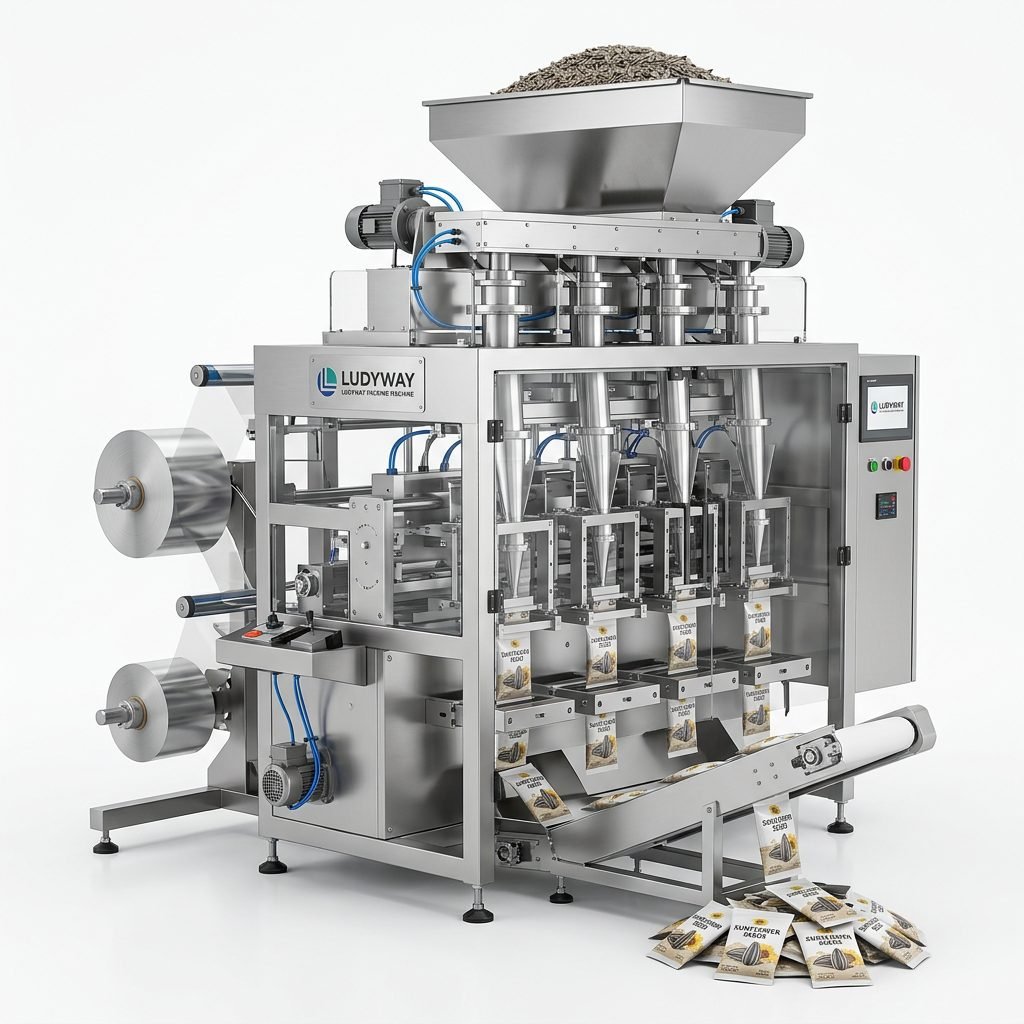
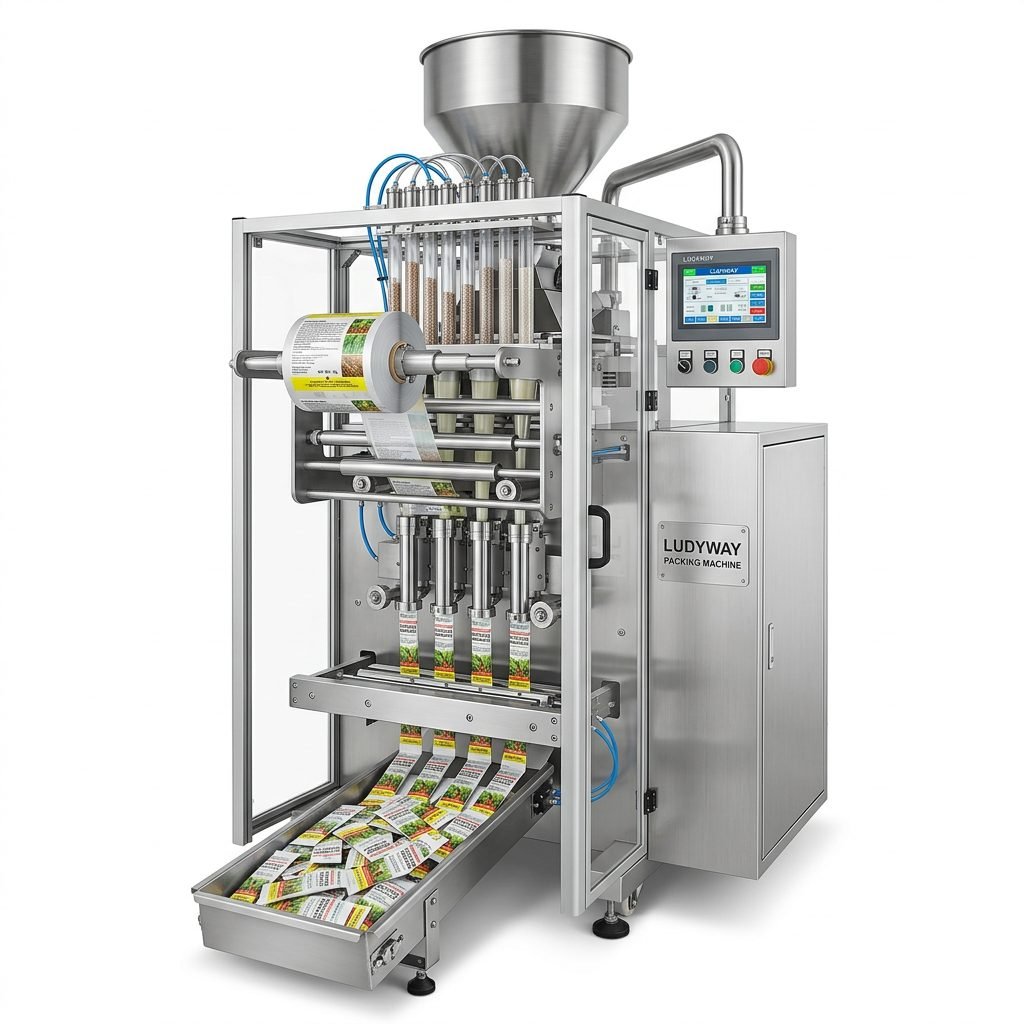
These are the workhorses of the industry, ideal for packaging free-flowing products like peanuts, almonds, and cashews into stand-up pouches, pillow bags, or gusseted bags. A VFFS machine forms the bag from a roll of film, fills it with a pre-set weight of product, and then seals it—all in one continuous, high-speed operation. They are highly versatile and can be equipped with various auger filler systems for accurate weighing.
Horizontal Form-Fill-Seal (HFFS) Machines
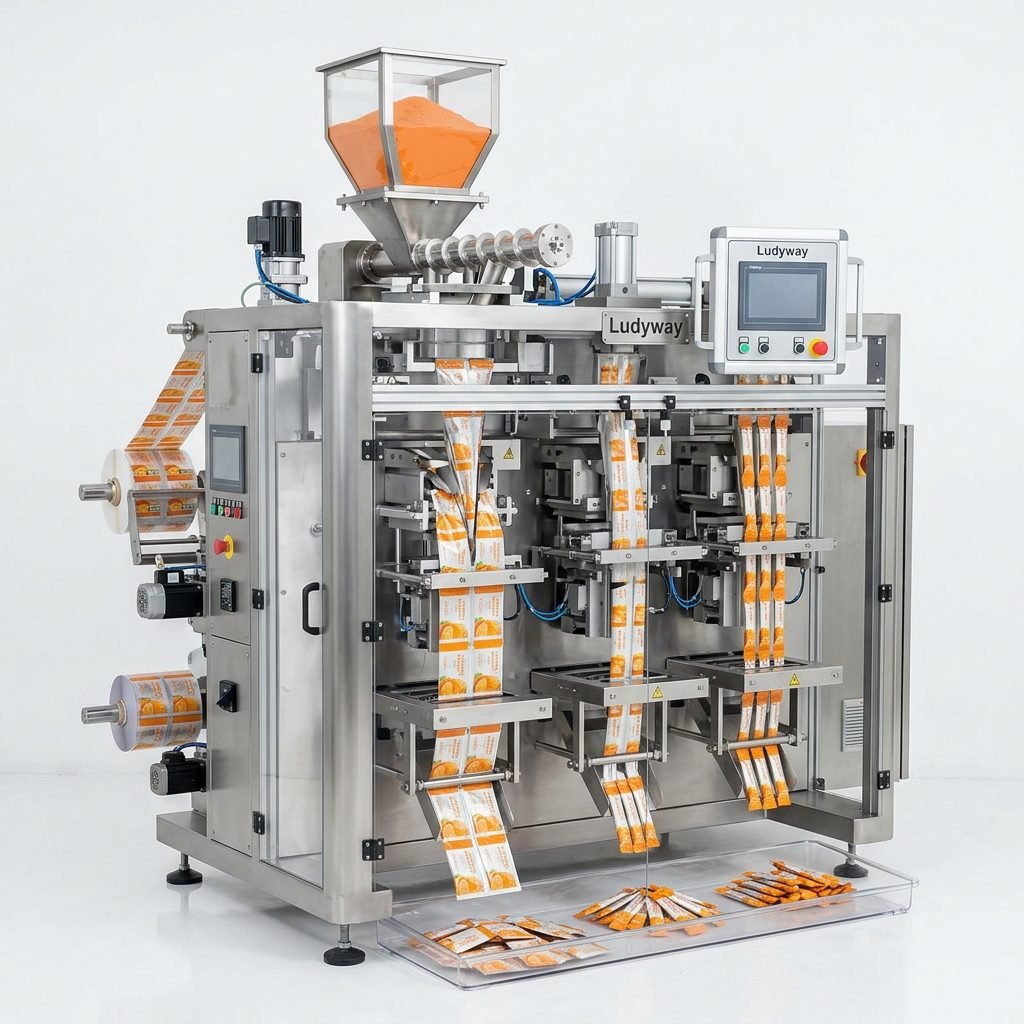
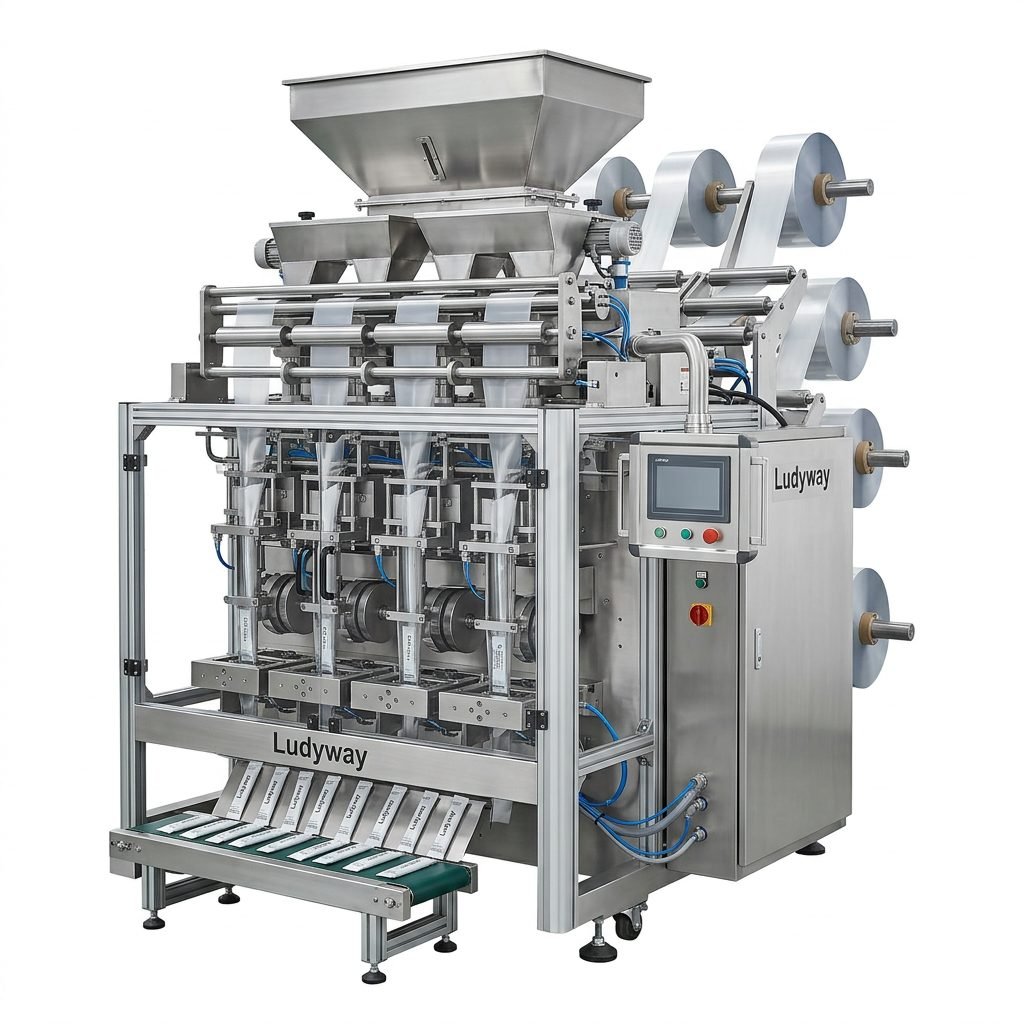
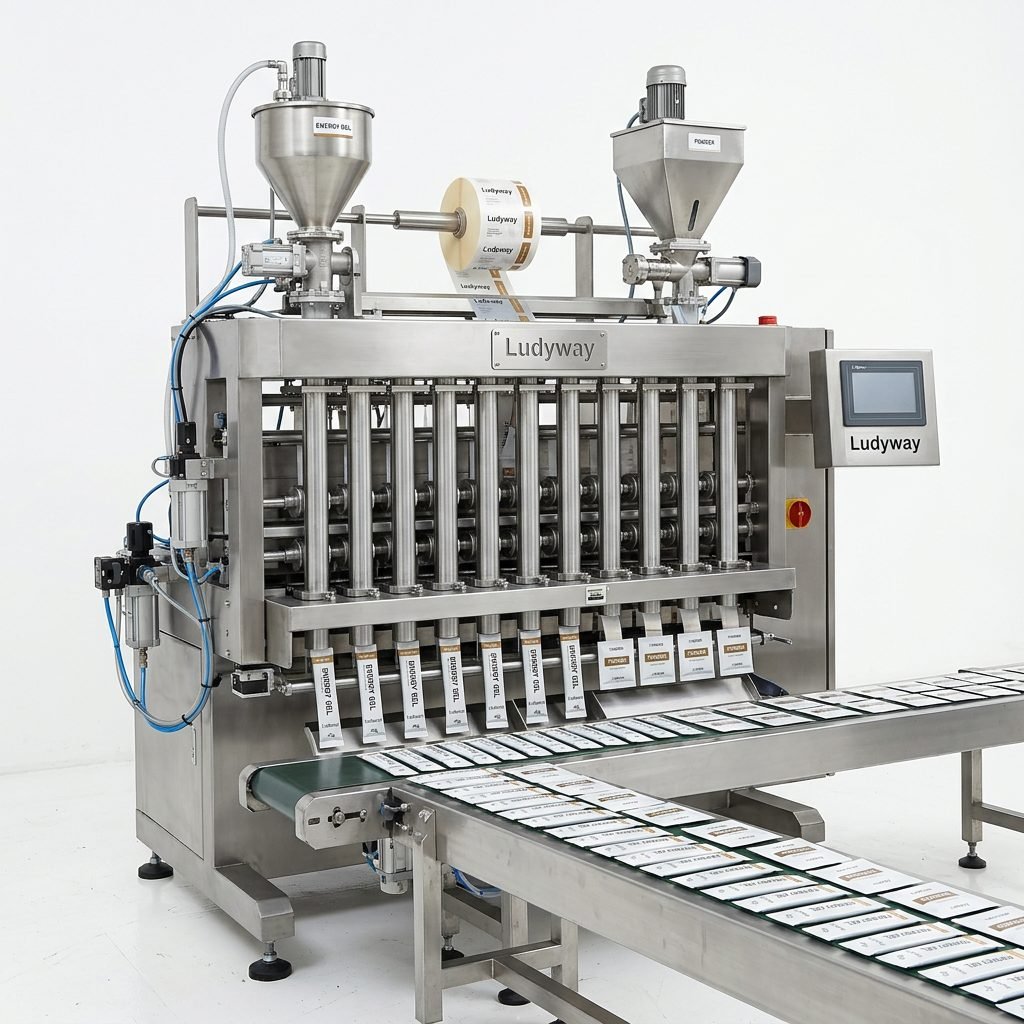
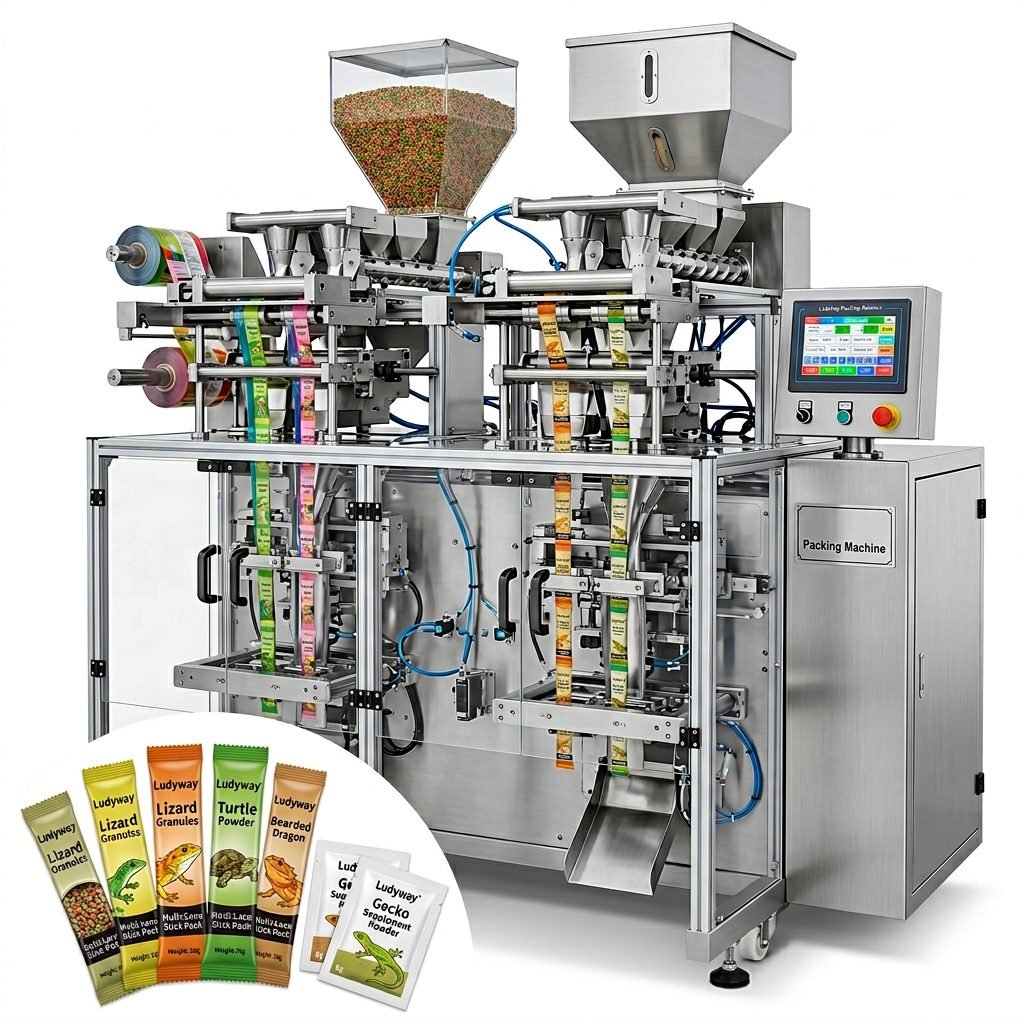
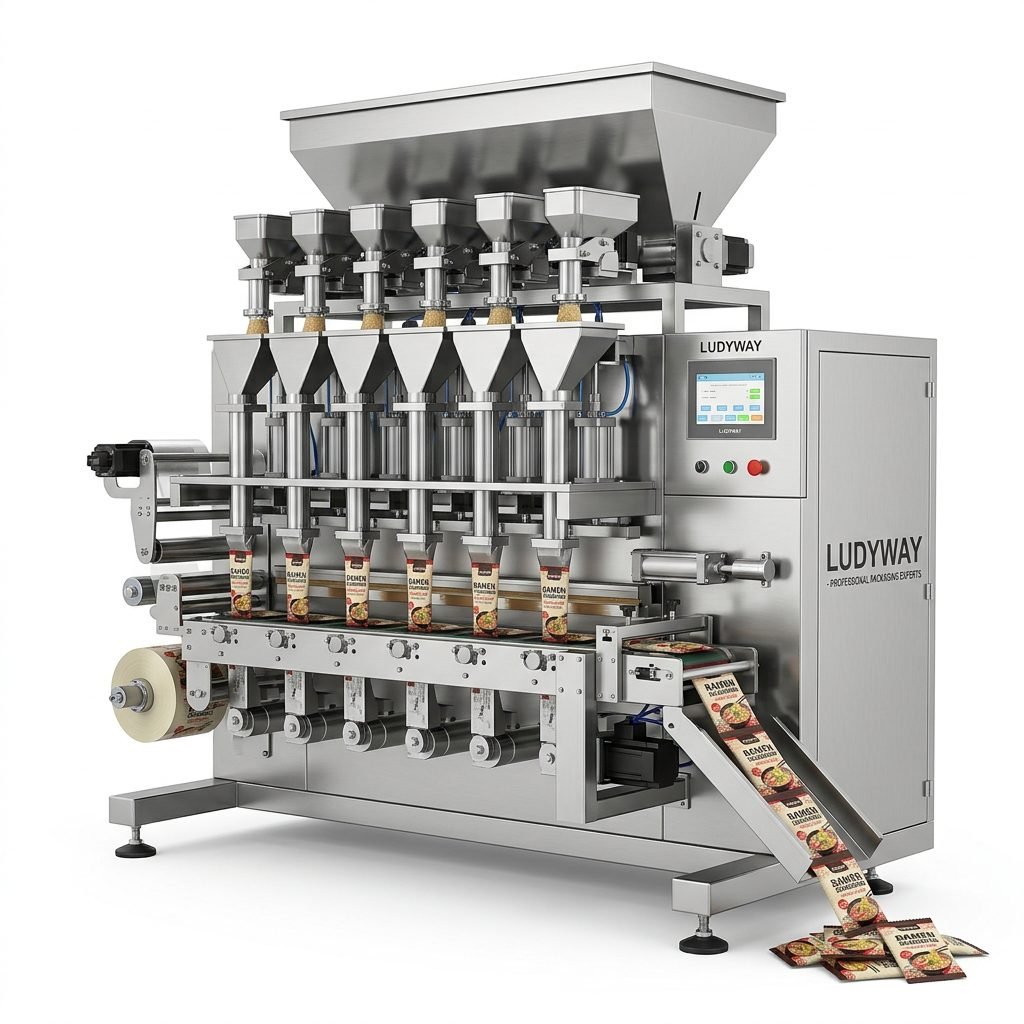
Horizontal machines are typically used for more complex packaging formats. They are excellent for creating multi-lane stick packs or sachets, which are perfect for portion-controlled mixed nuts, seasoned nuts, or nut powders. The film is fed horizontally, and the machine forms multiple tubes simultaneously, fills them, and seals them in a precise, efficient manner.
This technology is often sought after by brands looking for sleek, modern packaging that enhances shelf presence and convenience for the consumer.
Pre-Made Pouch Fillers
If your branding requires unique, pre-printed pouches with complex shapes or high-quality graphics, a pre-made pouch filling system is the answer. These machines automatically open pre-formed pouches, fill them with nuts (using cup or weigh-scale fillers), and then seal them. While generally slower than VFFS, they offer superior packaging aesthetics.
Key Advantage:
Unmatched packaging quality and design flexibility, crucial for premium nut brands competing on visual appeal in crowded marketplaces.
Weighing and Combination Scales
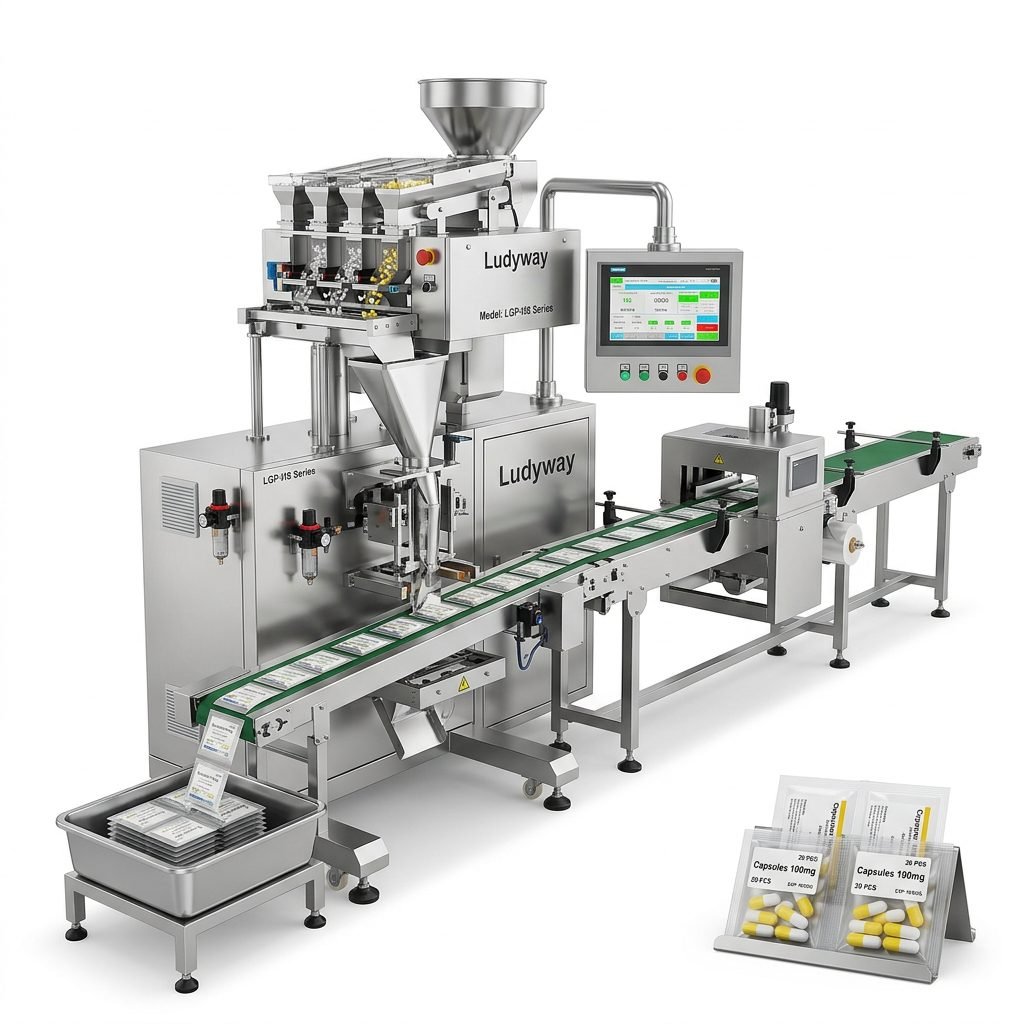
Accuracy is non-negotiable in food packaging. Modern multi-head weighers or combination scales are often integrated with VFFS or pouch filling machines. They use multiple weigh buckets to compute the fastest, most accurate combination to reach the target weight, minimizing giveaway and ensuring compliance with net content regulations—a vital factor for cost control and brand trust.
Factors Influencing Nuts Packaging Machine Prices
The cost of a nuts packaging machine is not a single figure but a spectrum determined by several interconnected factors. Understanding these will help you align your budget with your operational needs.
1. Production Capacity & Speed
Machine speed, measured in bags or pouches per minute (BPM/PPM), is a primary cost driver. A semi-automatic machine for a small startup might run at 20-40 BPM, while a fully automated, multi-lane system for large-scale production can exceed 200 BPM. Higher speeds require more robust mechanics, advanced controls, and precision engineering, which increases the price.
2. Level of Automation
Are you looking for a basic manual-feed machine, a semi-automatic unit, or a fully automated line with robotic palletizing? Automation level dramatically affects price. A fully integrated line with automatic film feeding, weight checkers, date coders, and rejection systems represents a higher initial investment but offers lower long-term labor costs and higher consistent output.
3. Machine Versatility and Changeover
A machine that can handle multiple bag sizes, types (e.g., switching from pillow bags to stand-up zipper pouches), and even different nut types (e.g., from whole peanuts to small pine nuts) with quick changeovers is more valuable—and costly—than a dedicated, single-format machine. Consider your future product roadmap when evaluating this feature.
💡 Pro Tip:
Don’t just consider the machine’s purchase price. Calculate the Total Cost of Ownership (TCO), which includes installation, maintenance, spare parts, energy consumption, and the cost of any required ancillary equipment (like compressors or dust collectors).
4. Material of Construction and Hygiene
Machines built with food-grade stainless steel in critical contact areas are more expensive than those with painted carbon steel. For nut packaging, where oil and fine dust are present, a design that prioritizes easy cleaning, minimal crevices, and corrosion resistance is crucial for food safety and machine longevity, impacting the price.
Your Essential Buying Guide: How to Choose the Right Machine
Making the right choice requires a systematic evaluation of your business needs against the available technology.
Step 1: Assess Your Current and Future Needs
Begin with a clear analysis: What are your daily/weekly production volumes? What package sizes and materials (film, barrier properties) do you require? Do you plan to introduce new nut products or package formats in the next 3-5 years? Answering these questions will define your required machine specifications.
Step 2: Prioritize Accuracy and Product Integrity
For nuts, consistent fill weight is legally and commercially mandatory. Inquire about the machine’s weighing accuracy (e.g., ±0.5 grams). Also, consider the filling mechanism; gentle handling is needed to prevent breaking delicate nuts like walnuts or pecans. A reliable supplier will offer solutions that protect your product quality.
Step 3: Evaluate the Supplier, Not Just the Machine
The manufacturer’s or distributor’s reputation is paramount. Look for a partner with proven experience in the food and nut packaging sector. They should offer comprehensive support, including installation, operator training, readily available spare parts, and responsive technical service. A company like Ludyway Machinery, with deep industry roots, can provide not just equipment but valuable turnkey project guidance.
Step 4: Request a Live Product Test
Never buy based on specifications alone. Arrange to send your actual nuts (in all the varieties you plan to package) to the supplier for a live demonstration. This test will reveal the machine’s real-world performance regarding speed, accuracy, ease of changeover, and how well it handles your specific product characteristics.
Step 5: Consider Integration and Support
Will the machine integrate smoothly with your existing conveyors or downstream equipment? Discuss your factory layout with the supplier. Furthermore, clarify the warranty terms, service response time, and the availability of detailed documentation and training resources. Good after-sales support is an investment in uninterrupted production.
Conclusion
Investing in a nuts packaging machine is a significant step toward scaling your business and ensuring product consistency. By carefully understanding the different machine types—from versatile VFFS units to sophisticated HFFS stick pack systems—and critically evaluating factors like speed, automation, and supplier credibility, you can make a choice that delivers long-term value. Remember, the right machine is one that aligns with your production goals, protects your product, and grows with your brand.
Frequently Asked Questions (FAQs)
What is the typical price range for a small-scale nuts packaging machine?
For a basic, semi-automatic vertical form-fill-seal machine suitable for a small business, prices can start from approximately $8,000 to $25,000. The final cost depends heavily on the desired speed, bag-making capabilities, and the precision of the weighing system.
Can one machine package different types and sizes of nuts?
Yes, many modern machines are designed for versatility. However, switching between very different products (e.g., from whole hazelnuts to fine almond flour) may require changing the filling head (e.g., from a cup filler to an auger) and recalibrating the weigher. Quick-changeover features on the bag-forming parts are essential for efficient size switching.
How important is nitrogen flushing for nuts packaging?
Extremely important for shelf life. Nitrogen flushing removes oxygen from the package, slowing down oxidation and rancidity, which is critical for oil-rich nuts. Many packaging machines can be integrated with a nitrogen flushing system between the filling and final sealing stages.
What maintenance does a nuts packaging machine require?
Daily cleaning to remove oil and dust is essential. Regular maintenance includes lubricating moving parts (with food-grade lubricants), checking and replacing worn seals or cutting blades, and calibrating the weighing system. A preventive maintenance schedule provided by your supplier is crucial.
How do I choose between a stick pack and a traditional bag for my nuts?
Stick packs offer excellent portion control, high visual appeal on shelf, and convenience for on-the-go consumption—ideal for seasoned or mixed nuts. Traditional bags (pillow or stand-up pouches) often offer better cost-efficiency per gram and are classic for larger, retail-sized portions of whole nuts. Your choice should align with your target market and branding strategy.