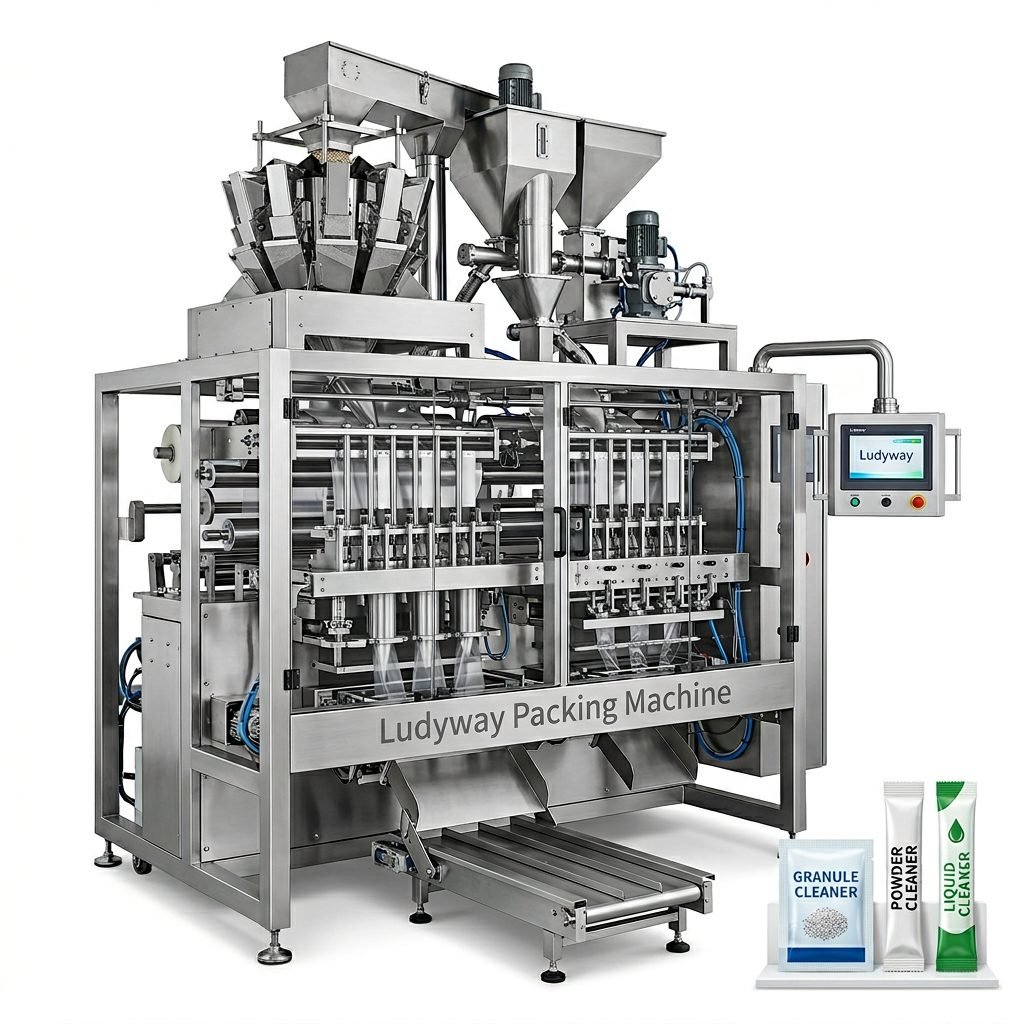
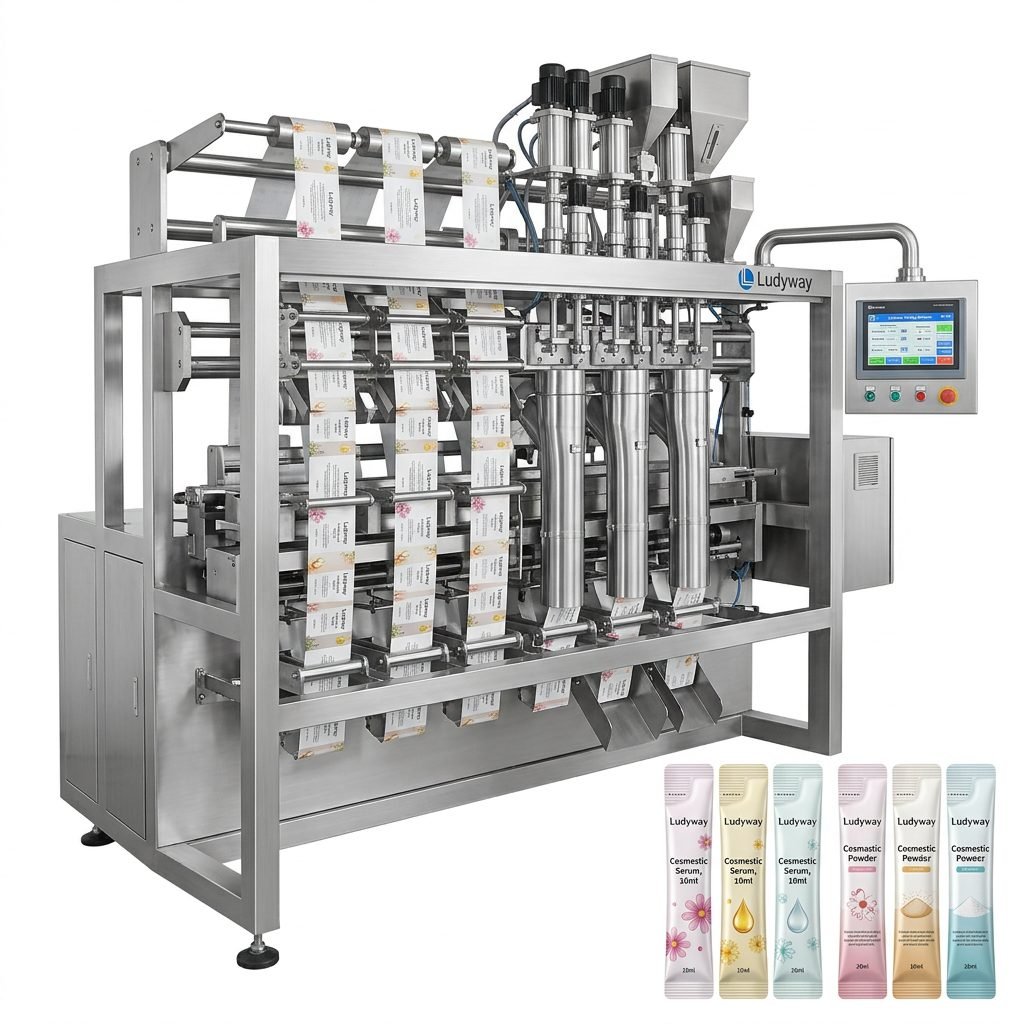
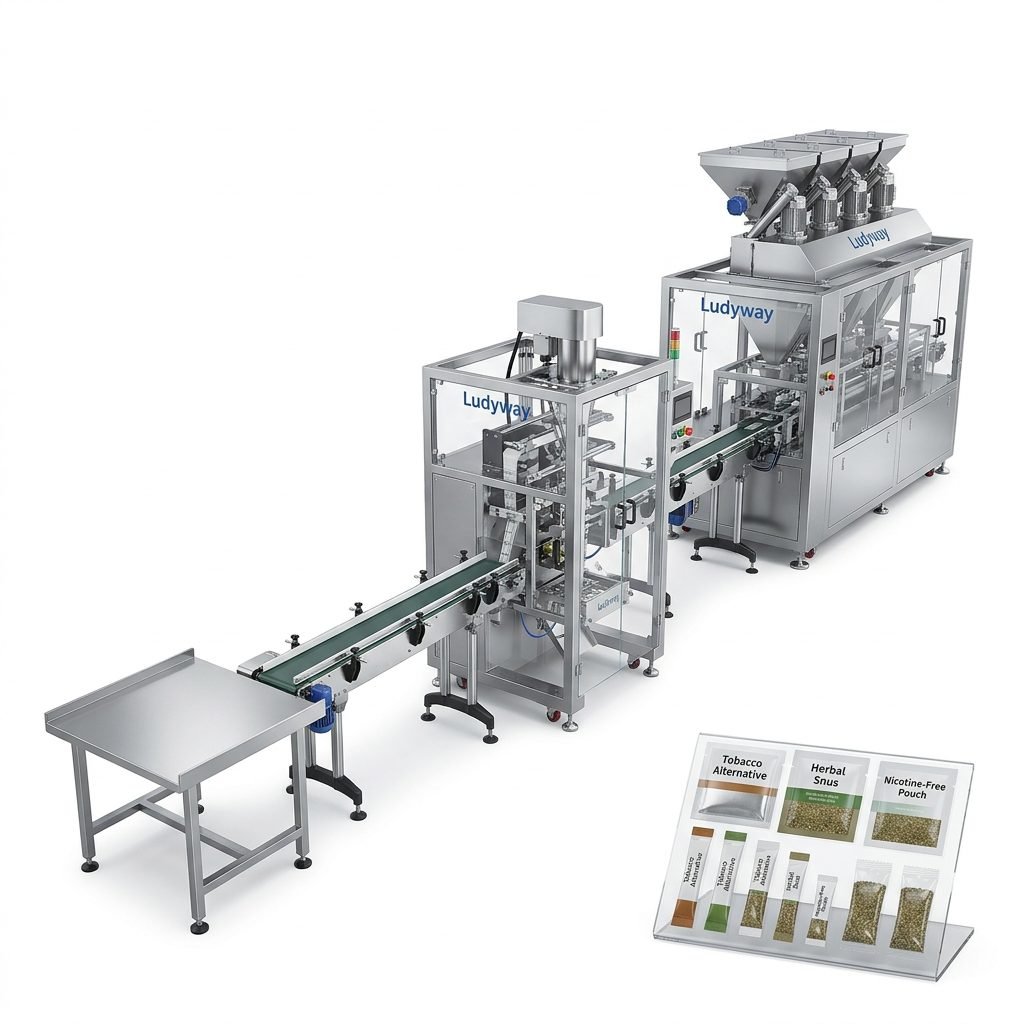
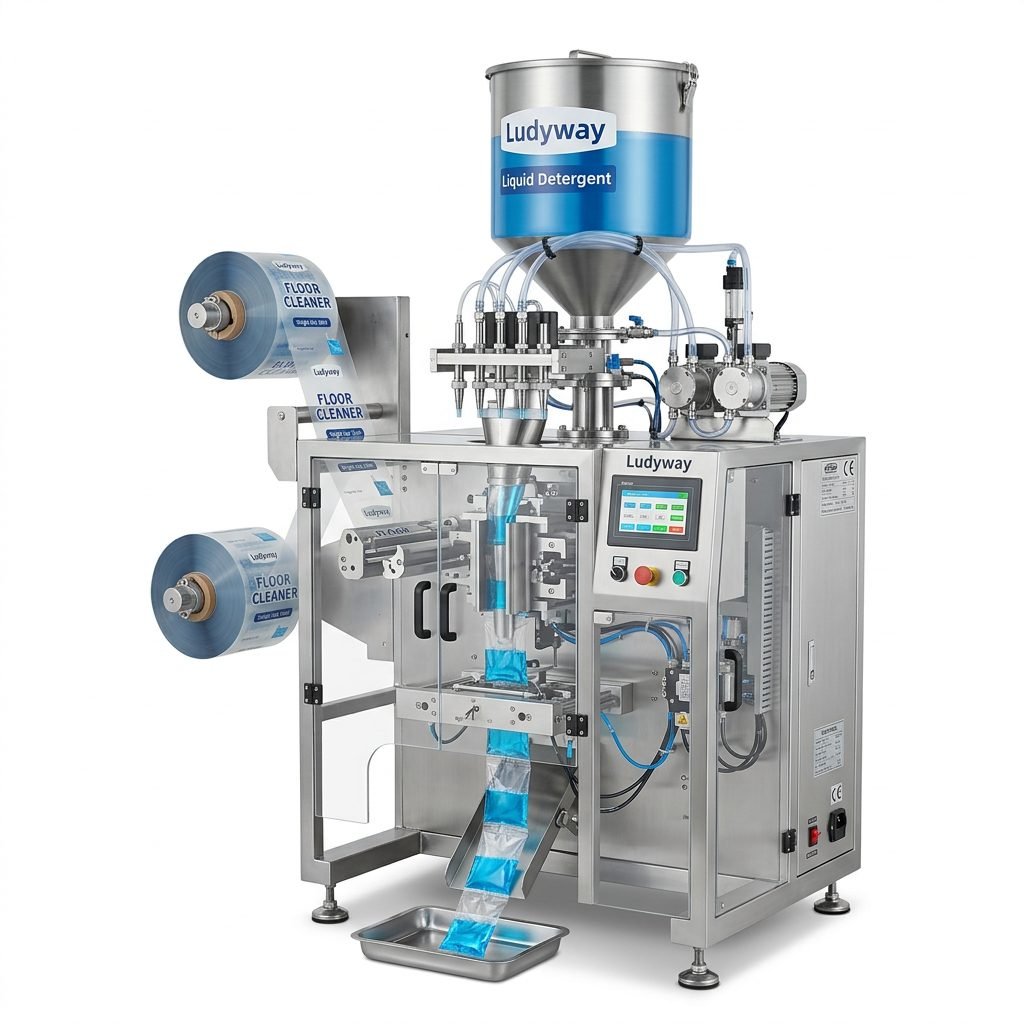
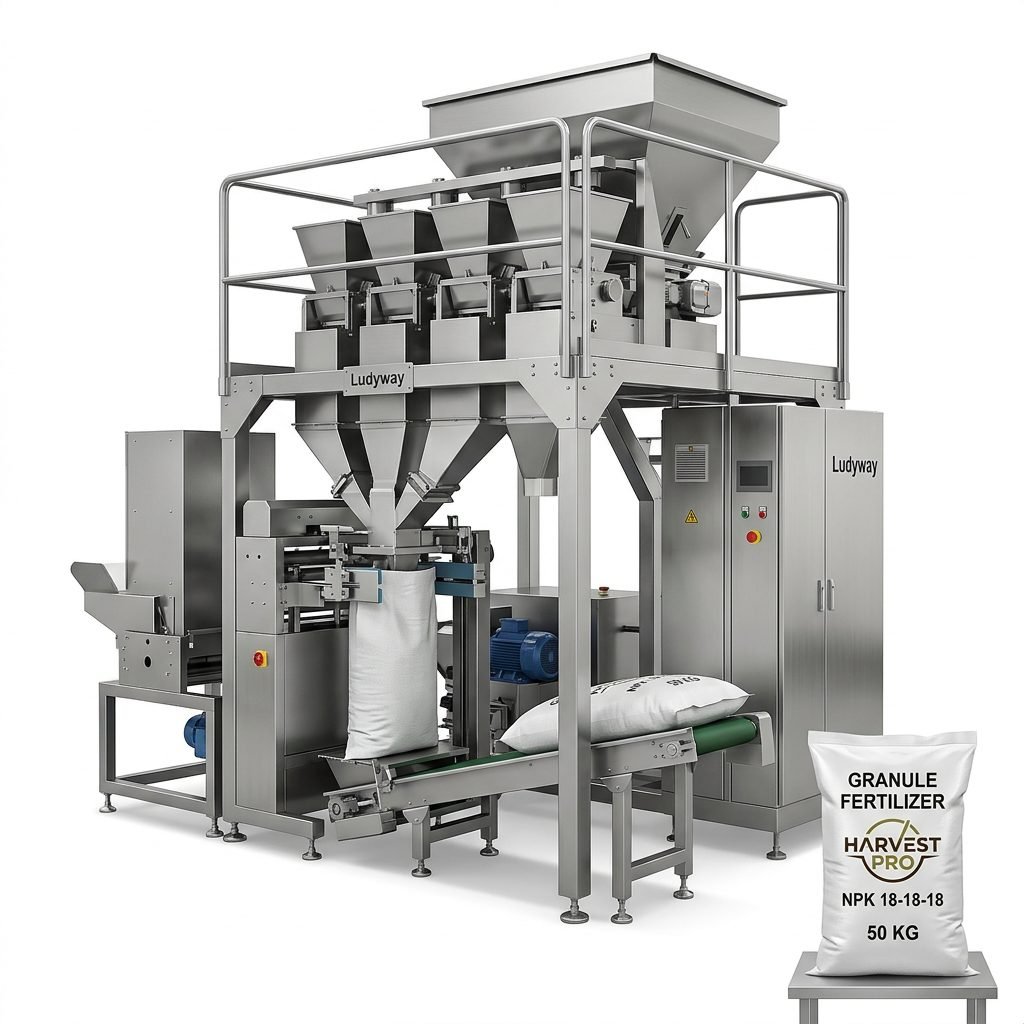
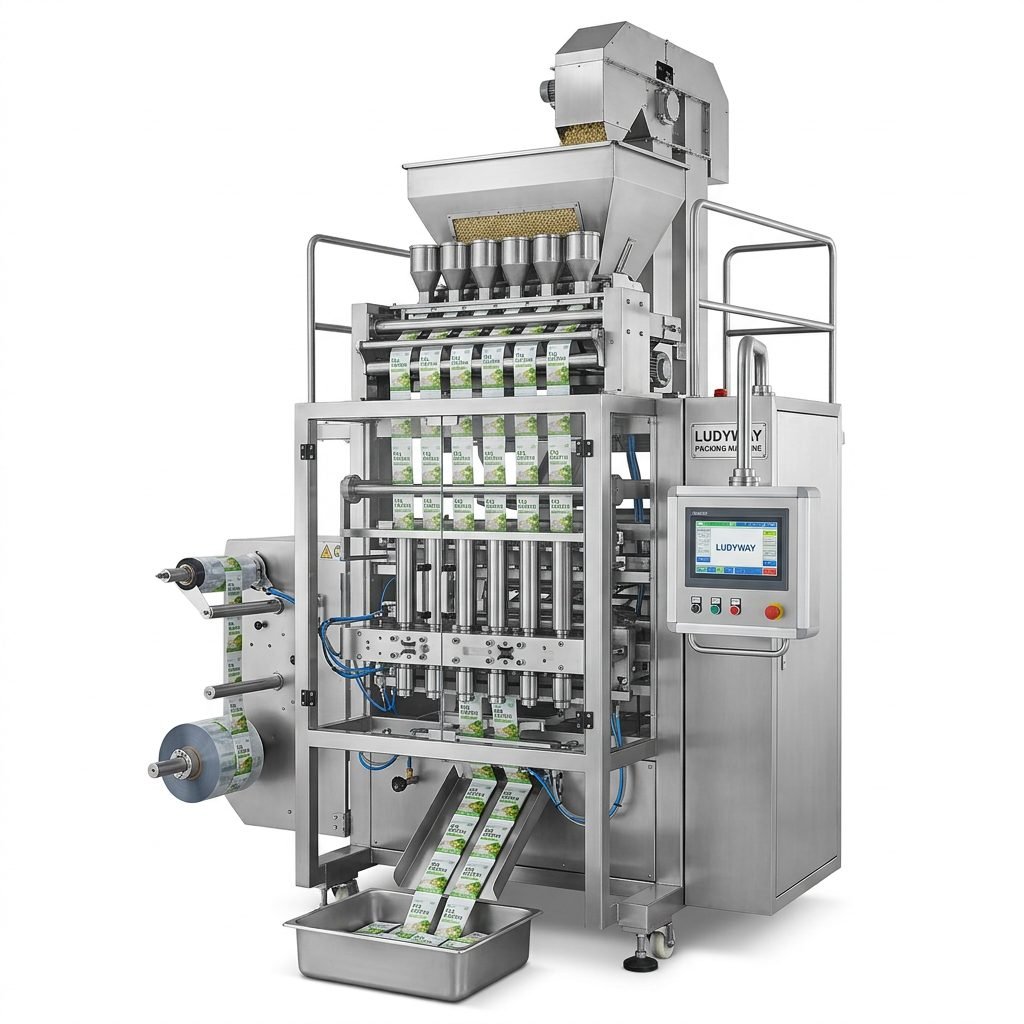
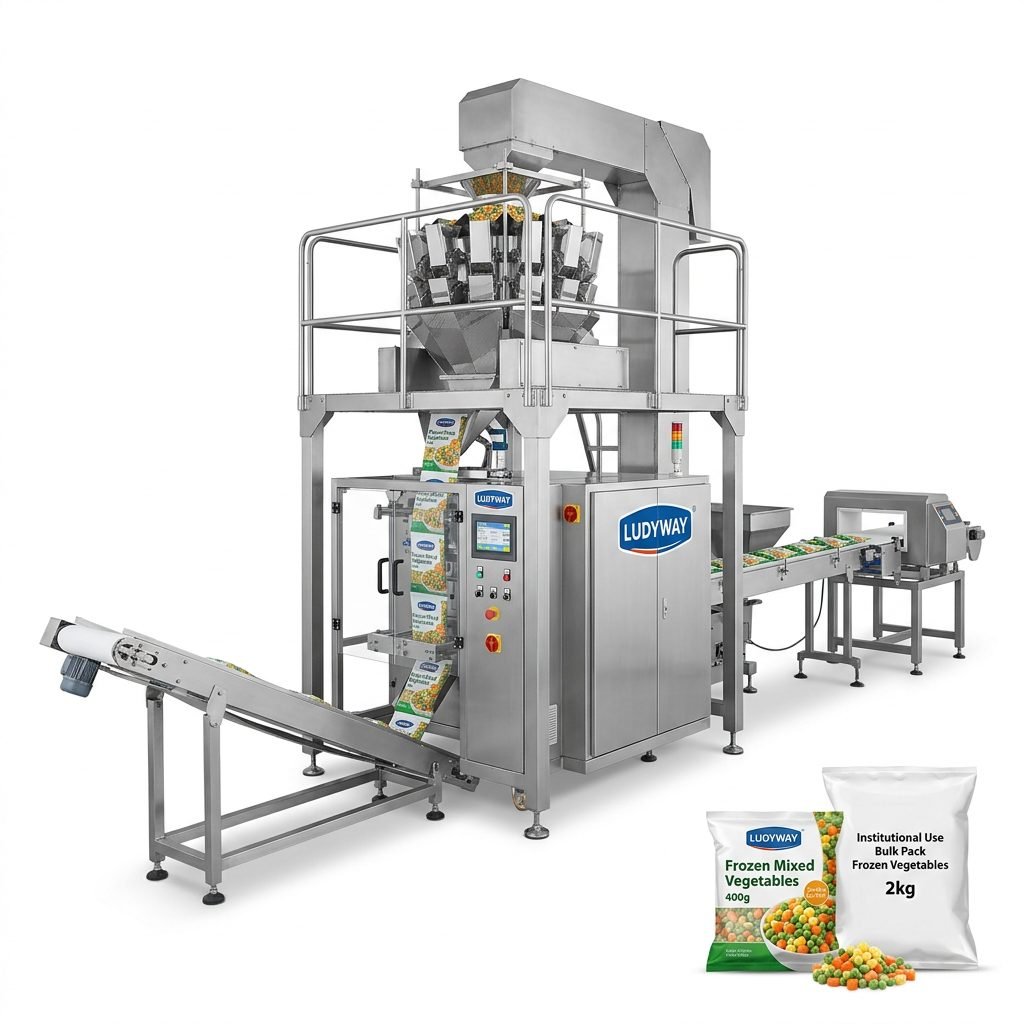
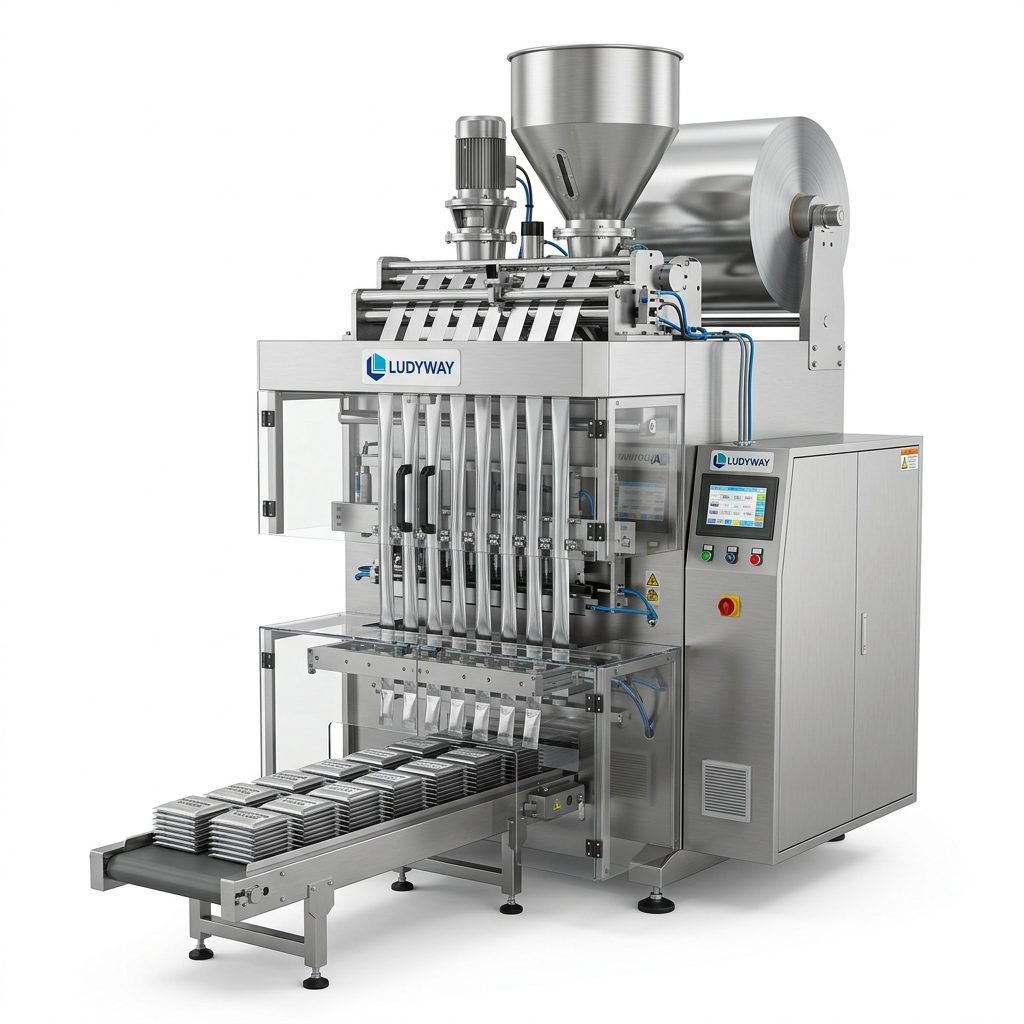
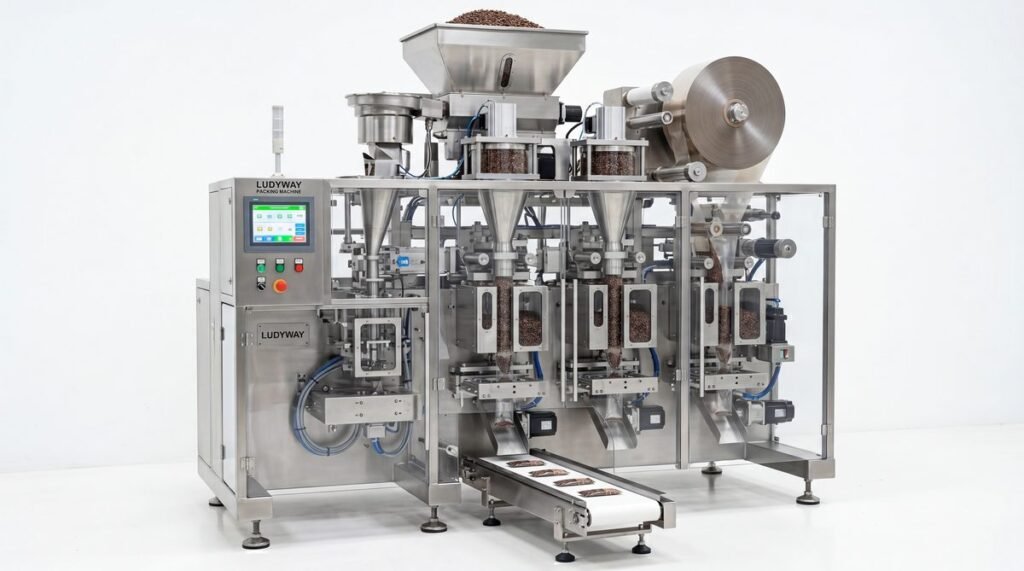
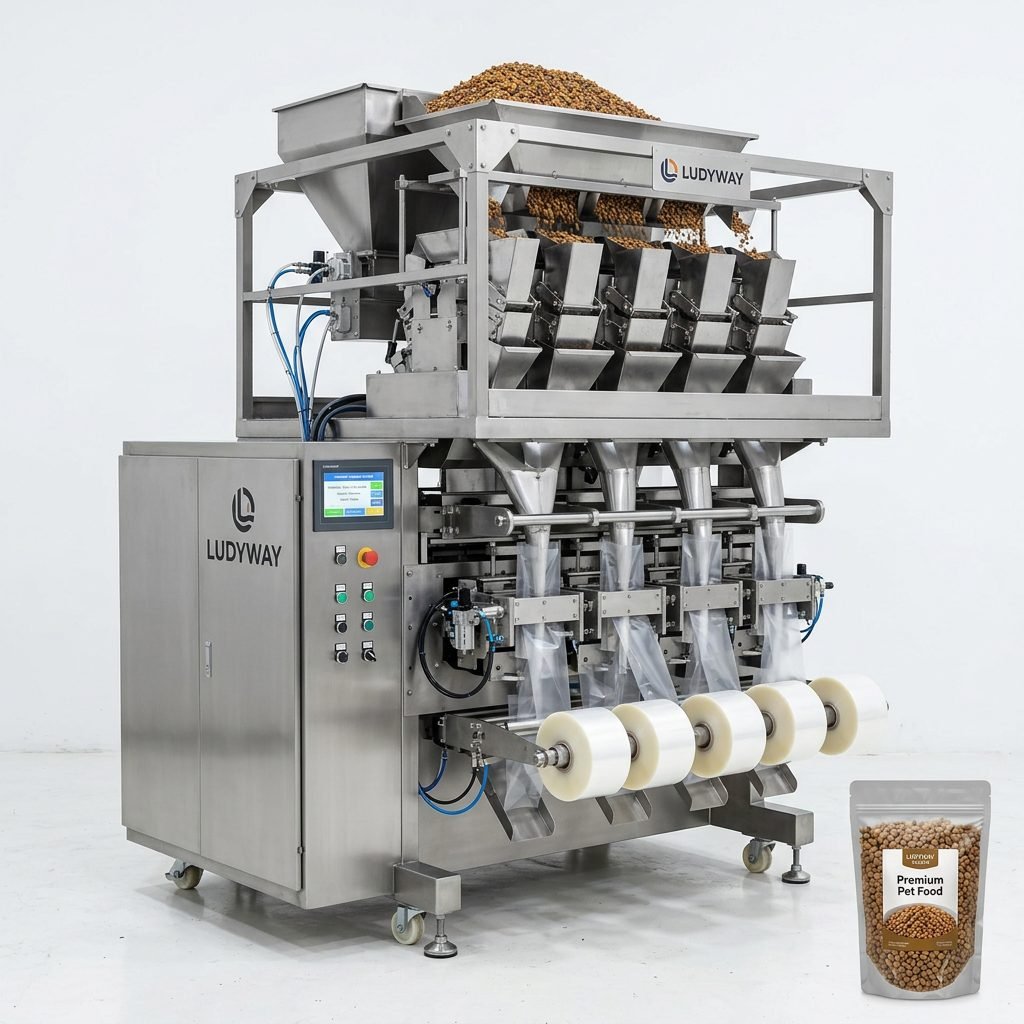
In today’s fast-paced manufacturing world, efficiency and reliability are paramount. For businesses involved in packaging powders, granules, liquids, or small solid items, the choice of equipment can make or break production goals. Among the various technologies available, the rotary packaging machine stands out as a cornerstone of high-volume, continuous packaging operations. This guide delves into how these robust machines work, their key features, and the tangible benefits they bring to modern production lines.
Understanding the Rotary Packaging Machine
A rotary packaging machine is a type of vertical form-fill-seal (VFFS) system arranged in a circular, rotating configuration. Unlike linear machines that operate in a straight line, rotary models feature a central carousel with multiple packaging stations mounted around its perimeter. This design allows for simultaneous and continuous operation, where each station performs a specific part of the packaging cycle—such as film feeding, forming, filling, and sealing—as the carousel rotates. The result is a non-stop, high-output packaging process ideal for demanding production schedules.
Core Principle: The machine’s operation is synchronized with the rotation. As the carousel turns, a roll of packaging film (like laminated polyethene or aluminium foil) is fed into the system. At one station, the film is formed into a tube around a vertical filling tube. The product is then dispensed into this tube at the filling station. As the rotation continues, the filled tube is sealed horizontally to create individual pouches or sachets, which are then cut and discharged. This cycle repeats seamlessly at every station with each rotation.
How It Works: A Step-by-Step Breakdown
The seamless operation of a rotary machine can be broken down into distinct, synchronized phases:
Step 1: Film Unwinding & Feeding
The process begins with a roll of packaging material mounted on an unwind stand. Sophisticated tension control systems ensure the film is fed smoothly and without wrinkles into the forming section of the rotating carousel.
Step 2: Tube Forming
As the film enters a specific station, it is wrapped around a vertical “forming tube” or “forming collar.” A longitudinal sealer then creates a back seal, converting the flat film into a continuous, upright tube.
Step 3: Precision Filling
The product is volumetrically or auger-fed from a hopper above, down through the center of the forming tube, and into the waiting film tube. Each station on the carousel has its own filling head, allowing for simultaneous, multi-lane filling which drastically increases speed.
Step 4: Sealing & Cutting
As the rotation progresses, heated sealing jaws close to create the top seal of the current pouch and the bottom seal of the next one in a single action. A cutting mechanism immediately separates the finished, sealed pouch from the tube, discharging it for collection.
This continuous rotary motion means that while one pouch is being filled, another is being sealed, and another is being cut—all at the same time. This parallel processing is the key to its exceptional speed.
Key Features of Modern Rotary Packaging Machines
Contemporary rotary packers from leading suppliers like Ludyway Machinery incorporate advanced features that enhance performance, flexibility, and ease of use:
- Multi-Lane Design: A single machine can incorporate 4, 6, 8, or even more filling lanes on one carousel, multiplying output without a proportional increase in footprint.
- Servo-Driven Technology: All critical movements—film feeding, filling, sealing, and cutting—are controlled by precise servo motors. This ensures high accuracy, repeatability, and easy changeover via a touchscreen HMI.
- Versatile Sealing Systems: Equipped with robust heated jaws capable of handling a wide range of materials, from simple laminates to complex high-barrier films, ensuring strong, hermetic seals.
- Intelligent Control Systems: A centralized PLC with a user-friendly graphical interface allows for recipe storage, real-time monitoring of production counts, speed, and diagnostics for quick troubleshooting.
- High-Precision Fillers: Options include auger fillers for powders and granules, liquid pumps, and volumetric cup fillers, all designed for accuracy within tight tolerances to minimize product giveaway.
- Hygienic & Robust Construction: Made with food-grade stainless steel contact parts and designed for easy cleaning and maintenance, meeting stringent industry standards for food and pharmaceuticals.
Benefits for Your Production Line
Integrating a rotary packaging system delivers transformative advantages that directly impact your bottom line and operational agility.
➤ Unmatched Production Speed & Output
The simultaneous multi-lane operation enables these machines to achieve outputs of hundreds of pouches per minute, far surpassing the capabilities of single-lane linear VFFS machines. This makes them the undisputed choice for high-volume contract packaging or large-scale in-house production.
➤ Superior Efficiency & Lower Cost-Per-Unit
Continuous operation eliminates the stop-start cycle of linear machines, reducing wear and energy consumption. The high speed and minimal downtime translate directly into a lower cost per packaged unit, maximizing return on investment.
➤ Exceptional Packaging Consistency & Quality
Precision servo controls ensure each pouch has identical seal integrity, fill weight, and dimensions. This consistency reduces waste from rejected packs and builds brand trust with perfectly presented products on retail shelves.
➤ Remarkable Flexibility & Quick Changeover
Modern rotary machines are not just for high volume. With tool-less change parts and stored recipes on the HMI, switching between different pouch sizes or products can often be achieved in under 30 minutes, supporting smaller batch production runs when needed.
➤ Compact Footprint for High Output
By producing a large output from a circular, vertical design, rotary packers offer a much better output-to-floor-space ratio than deploying multiple linear machines to achieve the same speed, freeing up valuable factory space.
For producers looking to scale up, the modular nature of these systems allows for integration with upstream equipment like mixers and conveyors, and downstream systems like cartoners and case packers, creating a fully automated turnkey production line.
Applications Across Industries
The versatility of rotary technology makes it suitable for a vast array of products. Common applications include:
Food & Beverage: Seasoning powders, drink mixes, instant coffee, sugar, salt, spices, cocoa, powdered milk, and soup mixes.
Pharmaceutical & Nutraceutical: Powdered supplements, electrolyte mixes, herbal powders, and single-dose pharmaceutical powders.
Chemical & Industrial: Detergent powders, water treatment chemicals, dyes, and cement additives.
Agricultural: Seeds, fertilizers, and pesticides in small-dose sachets.
With over 30 years of industry experience, providers like Ludyway Machinery have refined these machines to handle the specific demands of each sector, from hygienic requirements in food and pharma to the durability needed for industrial chemicals.
Frequently Asked Questions (FAQs)
1. What is the main difference between a rotary and a linear packaging machine?
The core difference is in the motion and operation. A linear machine operates in a straight, start-stop motion where one pouch is made at a time. A rotary machine has a continuously rotating carousel with multiple stations working in parallel, allowing it to produce several pouches simultaneously. This makes rotary machines significantly faster and more efficient for high-volume production.
2. How fast can a rotary packaging machine run?
Speed is highly dependent on the number of lanes, product characteristics, and pouch size. Modern multi-lane rotary machines can typically achieve speeds ranging from 200 to over 1,000 pouches per minute. A 6-lane machine, for example, might run at 120 cycles per minute, resulting in 720 finished pouches per minute.
3. Are rotary machines suitable for small batch production or frequent product changeovers?
Yes, modern servo-driven rotary machines are designed with flexibility in mind. While they excel at high volume, features like tool-less change parts and digital recipe storage on the Human-Machine Interface (HMI) allow for relatively quick changeovers—often in 15 to 30 minutes—making them viable for smaller batches as part of a flexible production strategy.
4. What types of products can be packaged with a rotary machine?
Rotary machines are ideal for free-flowing products. This includes a wide range of powders (milk, spices, pharmaceuticals), granules (sugar, salt, seeds), liquids (sauces, oils in small sachets), and small solid items (candy, hardware parts). The key is matching the product with the correct type of precision filling system (auger, volumetric cup, pump).
5. How do I choose the right rotary machine supplier?
Look for a supplier with proven experience, like Ludyway Machinery, which offers comprehensive support. Key factors include: a strong track record in your specific industry, the ability to provide a test with your actual product, robust after-sales service and technical support, clarity on machine capabilities and limitations, and a commitment to using high-quality, durable components for long-term reliability.