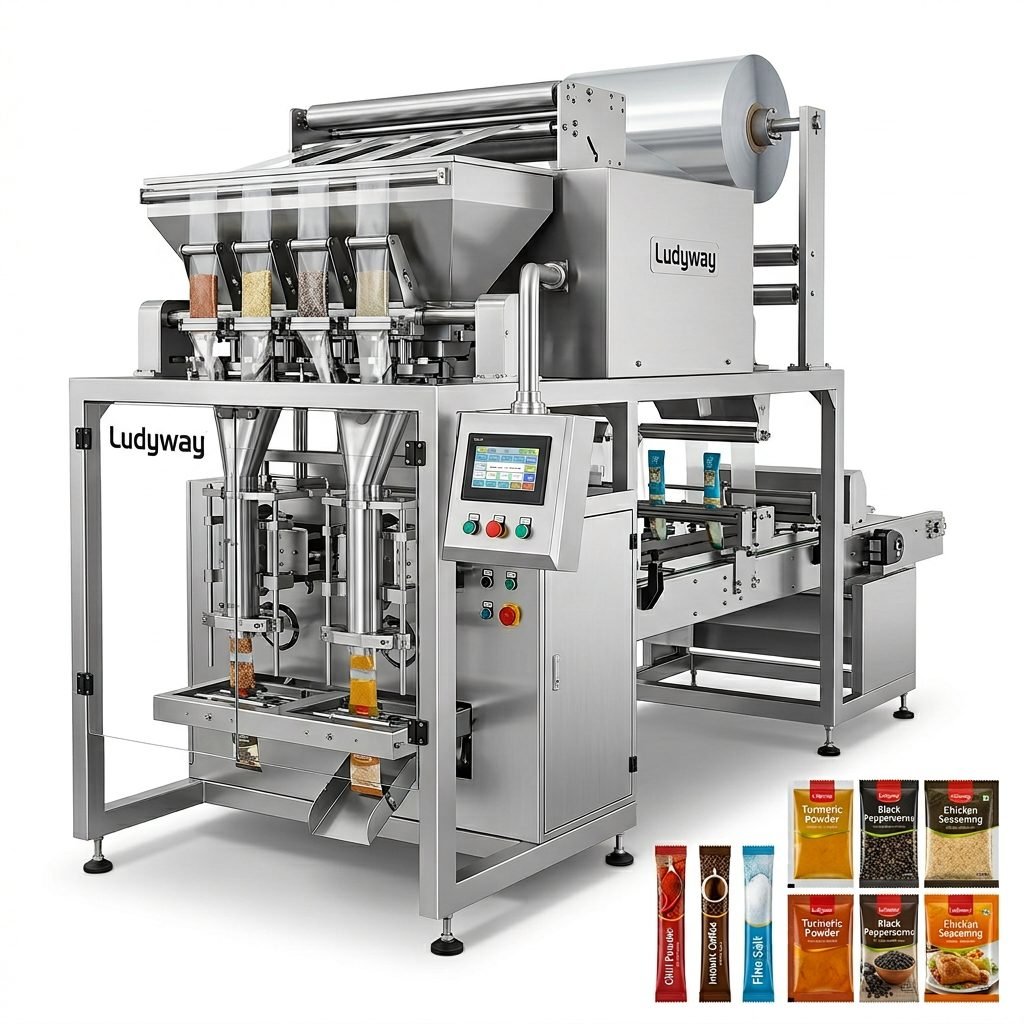
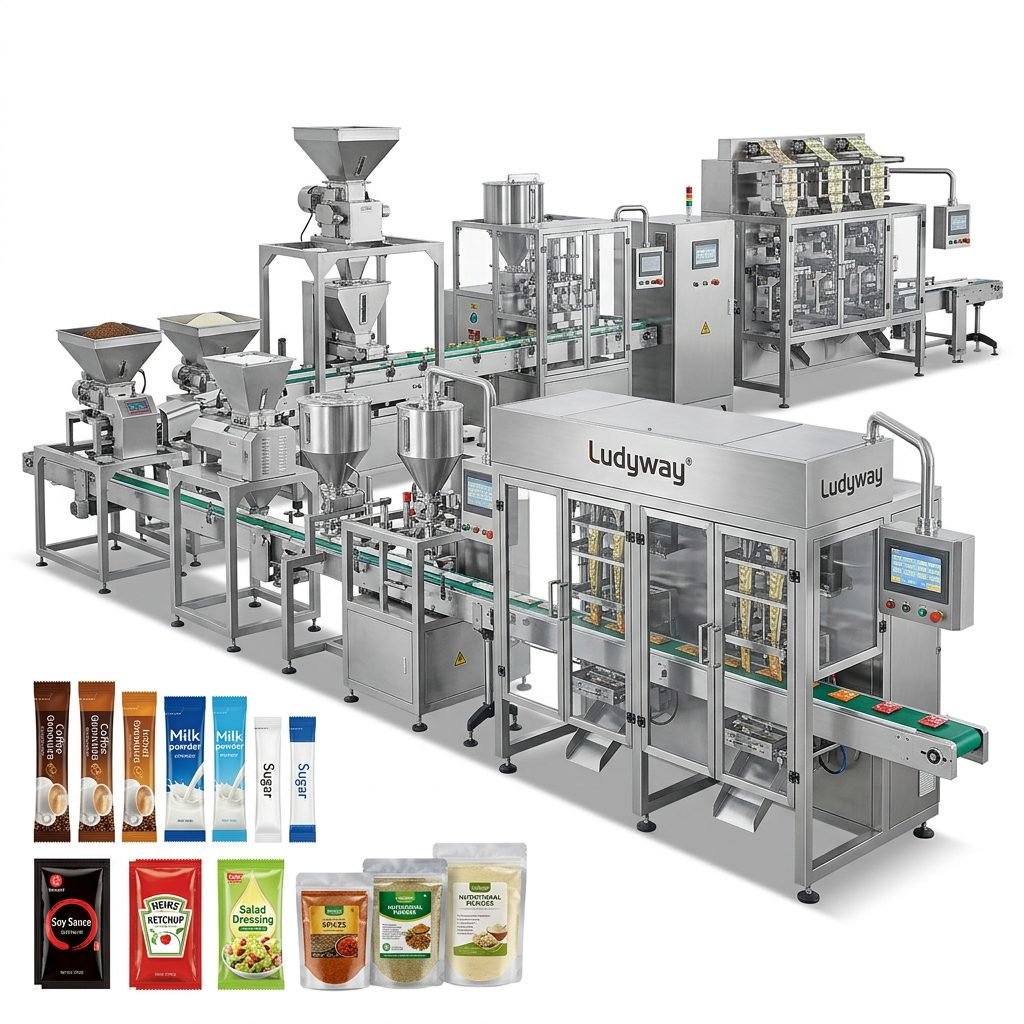
In today’s competitive market, efficient and attractive packaging is crucial for tea brands. A reliable tea packaging machine not only preserves product freshness and aroma but also enhances shelf appeal and streamlines production. This guide explores the various types of machines, their working processes, and key factors to help you select the perfect model for your business needs.
Common Types of Tea Packaging Machines
The right packaging format depends on your product type, target market, and brand positioning. Here are the primary machine categories.
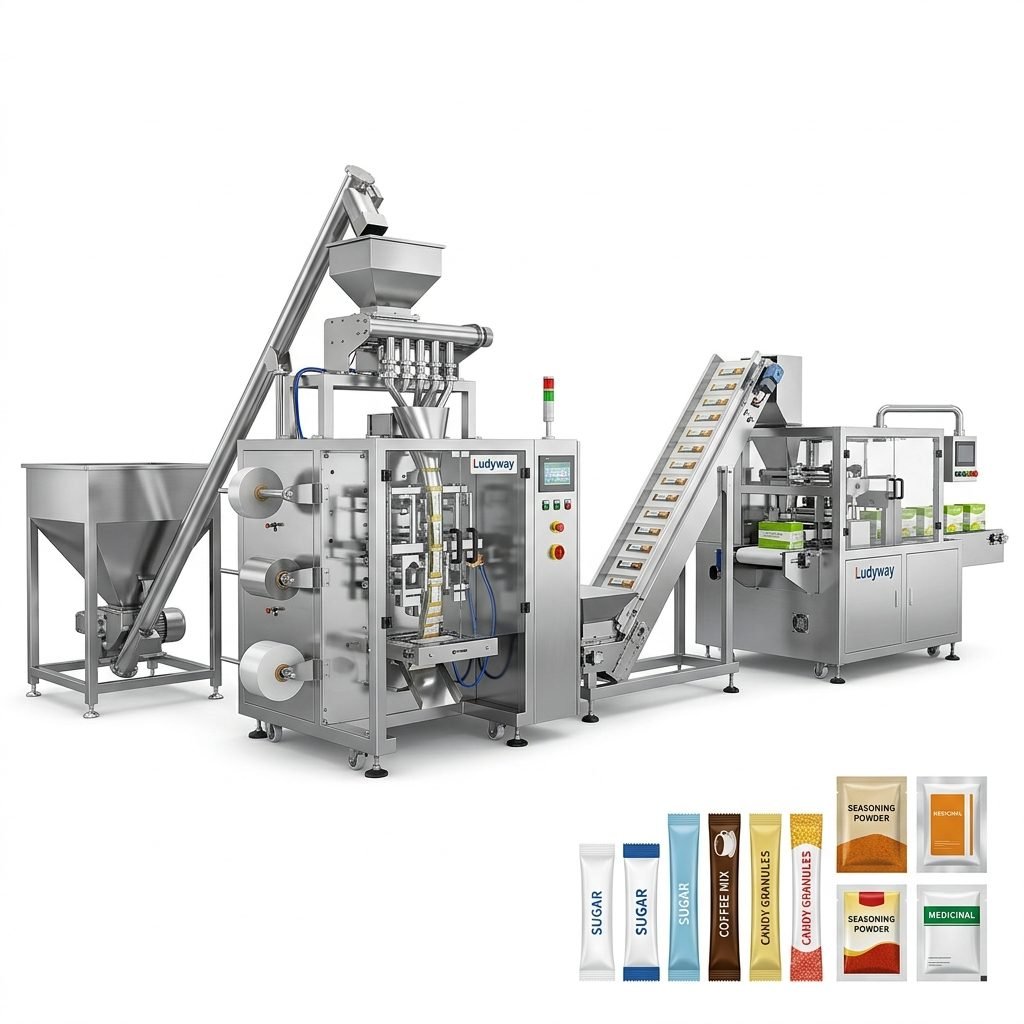
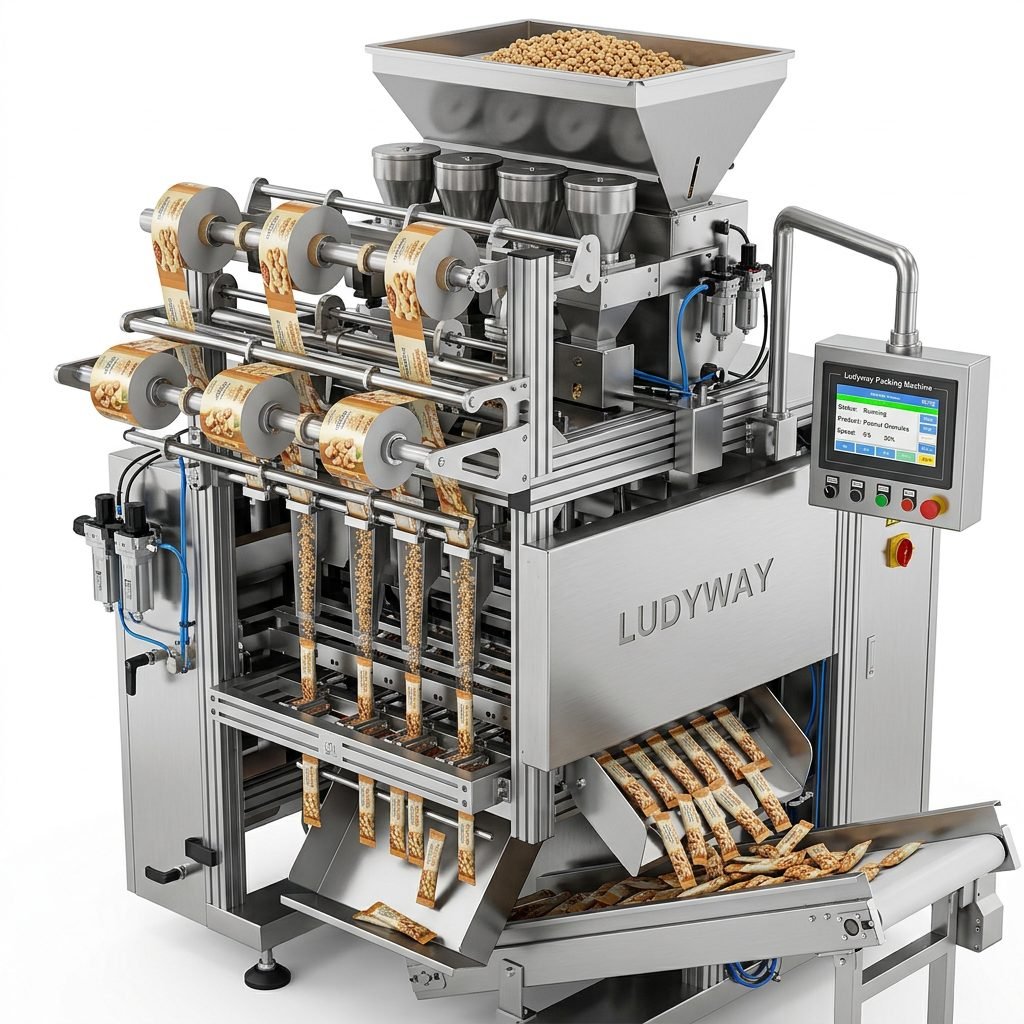
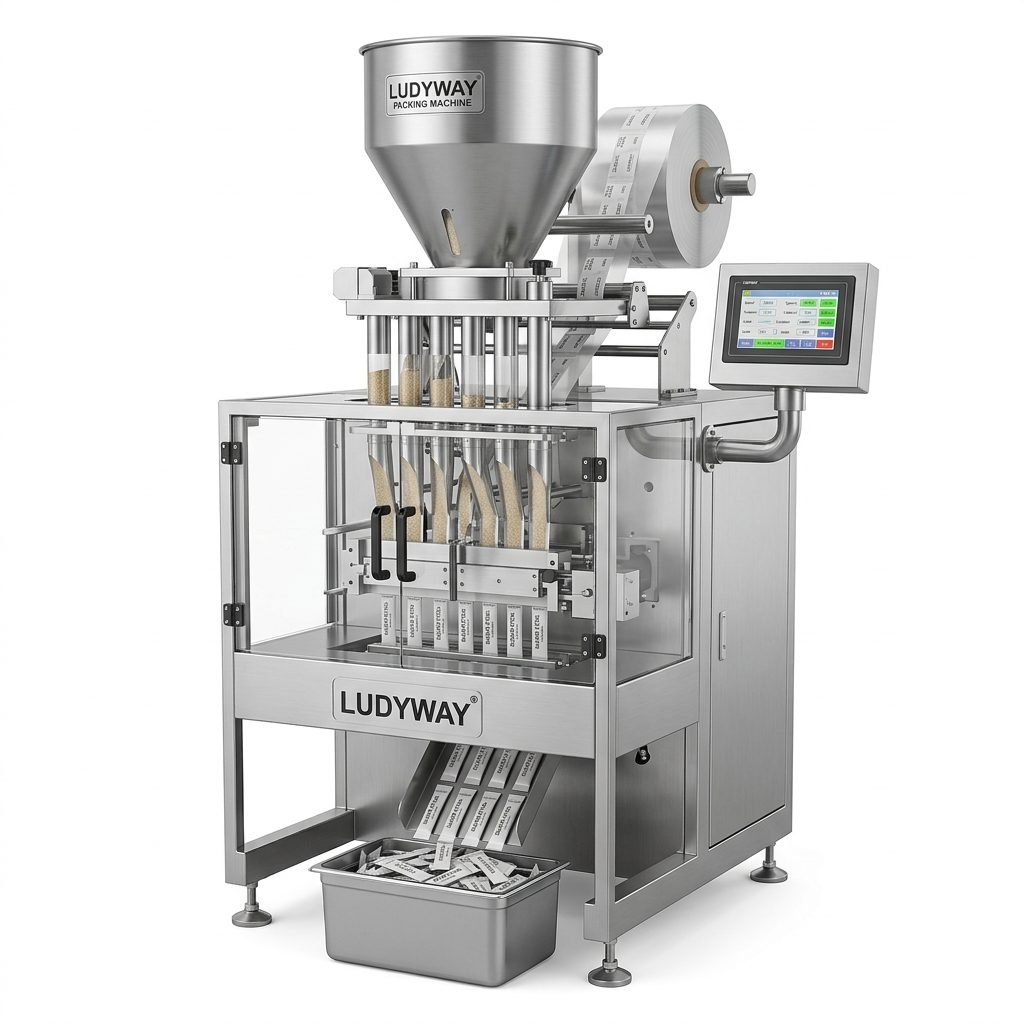
1. Stick Pack Packaging Machines
Ideal for single-serving portions of loose-leaf tea, powdered tea, or instant tea mixes. These machines create long, narrow pouches that are convenient for on-the-go consumption. They are highly popular in offices, hotels, and for sample distributions.
Key Advantage: Excellent for portion control and reducing waste. The slim design is also cost-effective for materials.
2. Sachet & Bag Packaging Machines
These are the workhorses for packaging traditional tea bags. They can handle a range of materials, from filter paper for classic tea bags to laminated foil for premium sachets that better protect delicate flavors.
Machines can be configured for single-chamber (standard tea bag) or double-chamber sachets (allowing more room for tea leaves to expand). Some advanced models can even attach strings, tags, and pyramids.
3. Granule & Powder Packaging Machines
Specifically designed for fine products like matcha powder, instant tea, or granulated herbal blends. They feature precision auger filler systems for accurate dosing, which is critical for product consistency and cost control.
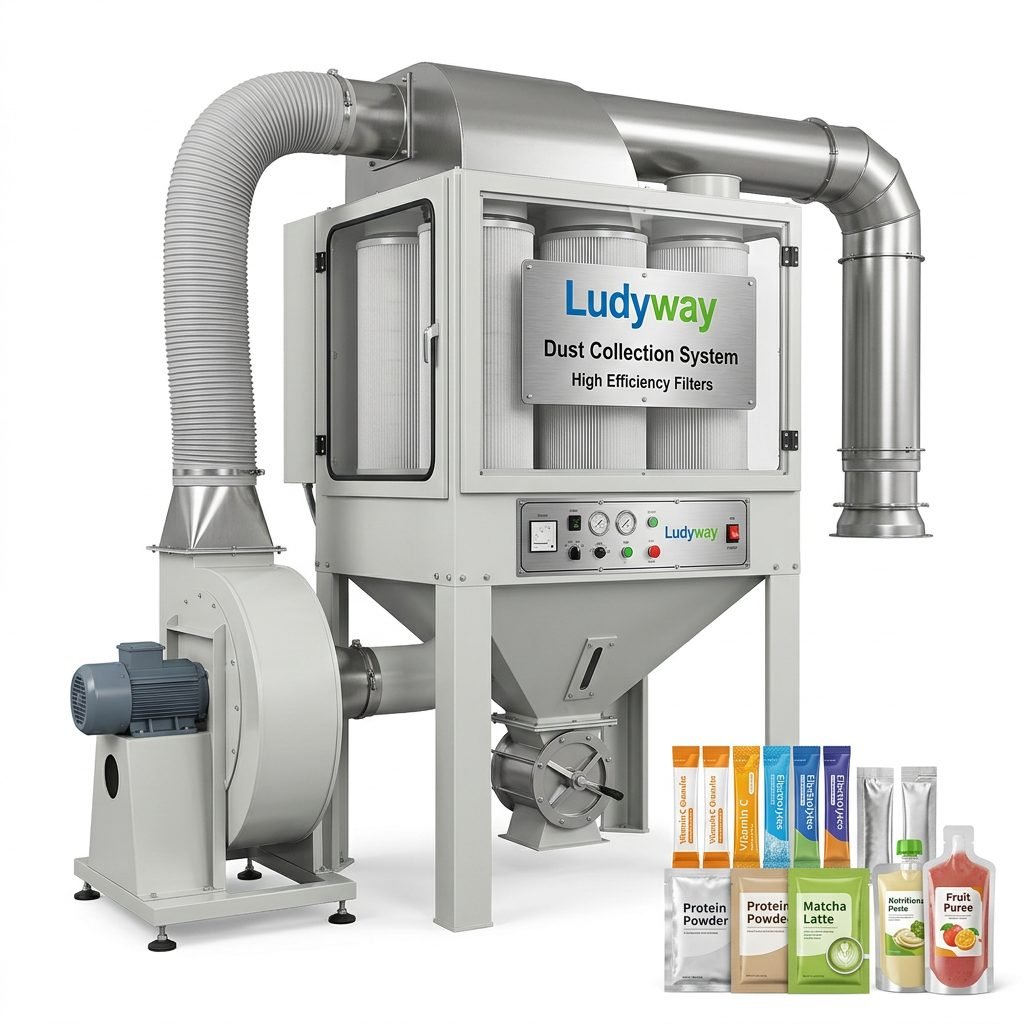
These machines often include features like vibration trays and nitrogen flushing to prevent clumping and extend shelf life by displacing oxygen.
4. Liquid Packaging Machines
Used for ready-to-drink (RTD) tea beverages, concentrated tea shots, or tea syrup. They typically form, fill, and seal (FFS) pouches or stick packs from roll stock film. This format is gaining traction in the health and wellness sector.
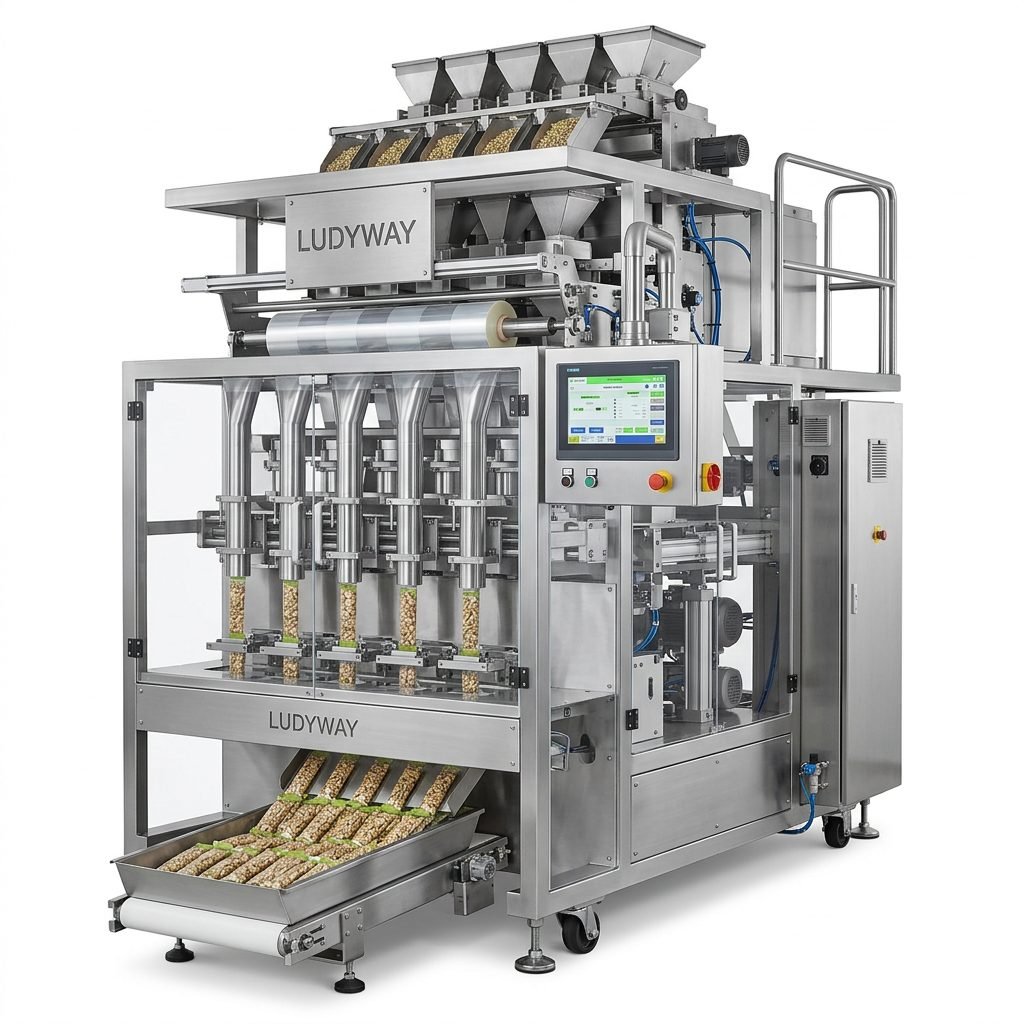
5. Multi-Lane & High-Speed Machines
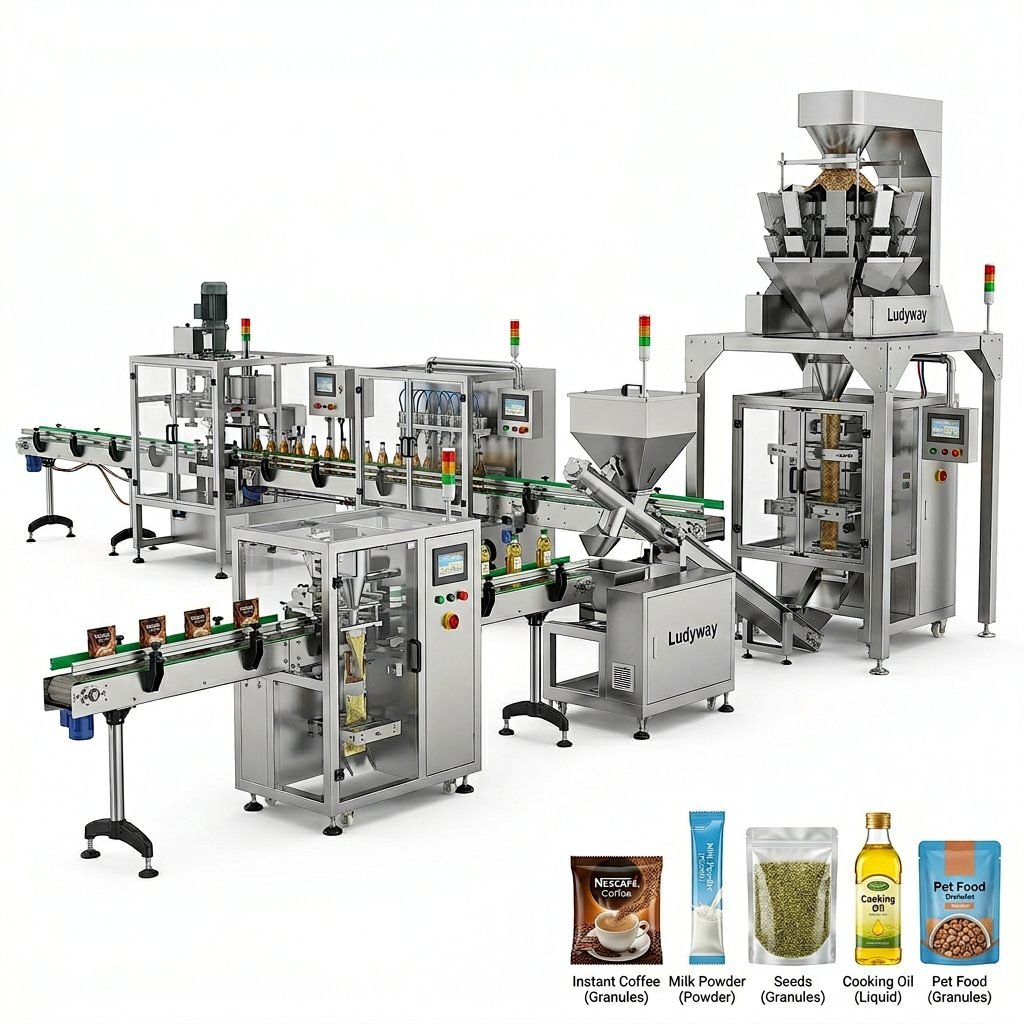
For large-scale production, multi-lane machines run several packaging lines simultaneously from a single infeed, dramatically increasing output. They are essential for manufacturers supplying major retailers or with high-volume private label contracts.
Consideration: While offering superior efficiency, they require a larger footprint and a more significant initial investment.
How a Tea Packaging Machine Works: The Core Process
Understanding the basic workflow helps in troubleshooting and optimizing your line. Most automated machines follow a similar sequence.
Step 1: Film Unwinding & Forming
The packaging material (laminate film, filter paper, etc.) is fed from a roll. It passes through a forming collar where it is shaped into a tube (for vertical machines) or a pouch (for horizontal machines).
Step 2: Product Dosing & Filling
This is the most critical stage for accuracy. Tea is measured via voluminous cup fillers for leaves, auger fillers for powders, or liquid pumps for beverages. Precision here ensures consistent weight and compliance with labeling laws.
Step 3: Sealing & Cutting
Heated jaws seal the package vertically and horizontally. The sealing temperature, pressure, and time are precisely controlled to ensure a hermetic seal that locks in freshness. A cutting mechanism then separates individual packages.
Step 4: Optional Secondary Operations
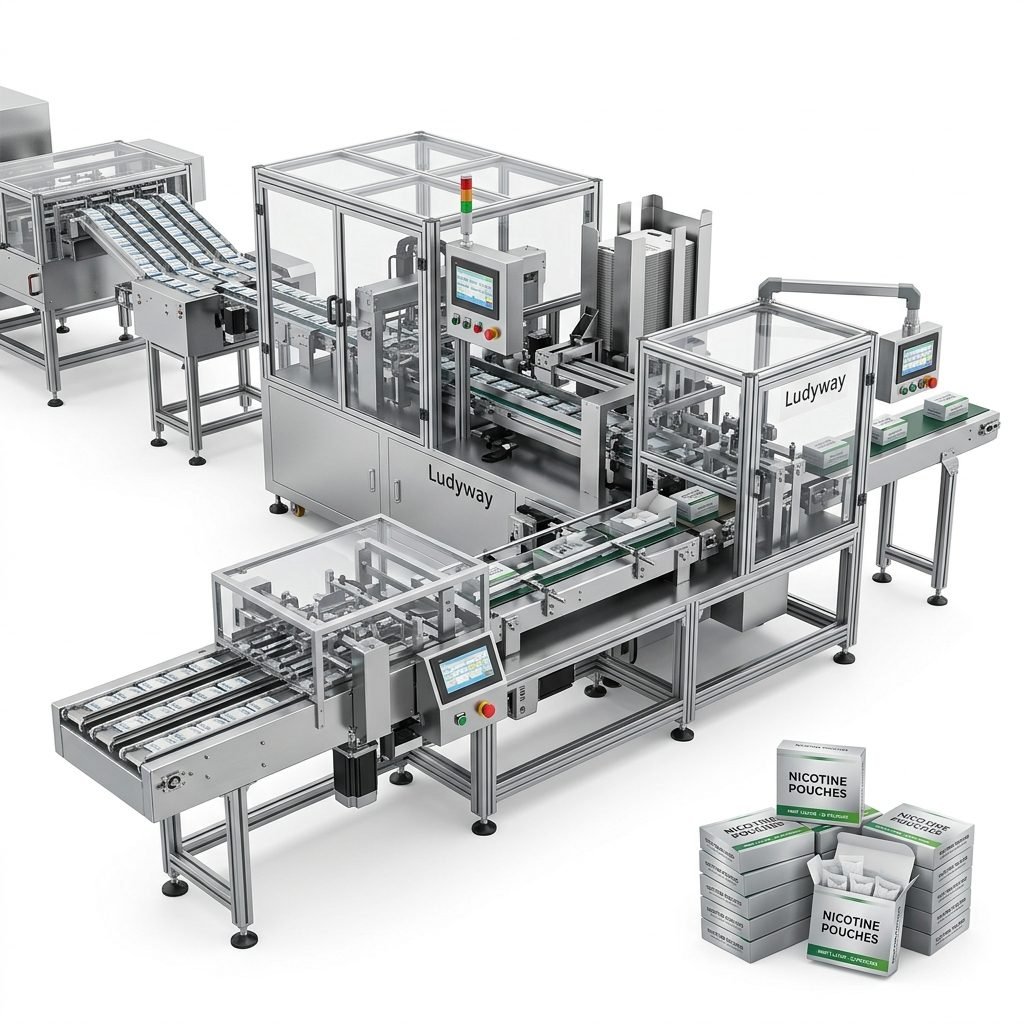
Depending on the machine, this can include attaching strings and tags, adding expiration date coding, batch numbering, or automatically cartoning the finished packs.
How to Choose the Right Model for Your Business
Selecting a machine is a strategic decision. Here are the essential factors to evaluate.
1. Assess Your Product & Packaging Format
- Product Form: Is it whole leaf, broken leaf, powder, granule, or liquid?
- Packaging Style: Do you need stick packs, tagged sachets, pyramid bags, or stand-up pouches?
- Material Compatibility: Ensure the machine can run your chosen film, paper, or laminate.
For instance, a company specializing in premium organic loose-leaf tea would prioritize a gentle handling system and a machine capable of producing spacious, air-permeable sachets.
2. Define Your Production Requirements
- Speed (Output): Calculate your required packs per minute/hour. Factor in future growth.
- Flexibility: Will you need to switch between different tea types or package sizes frequently? Look for machines with quick-change parts and recipe memory.
- Accuracy: High-precision filling minimizes product giveaway, directly impacting your profitability.
3. Evaluate Machine Features & Technology
Modern machines offer features that boost efficiency and quality control.
✔ Servo-Driven Systems: Offer superior control, accuracy, and energy efficiency compared to traditional mechanical drives.
✔ Touchscreen HMI (Human-Machine Interface): Simplifies operation, changeovers, and provides diagnostic data.
✔ Integrated Checkweighers & Metal Detectors: Essential for quality assurance and food safety compliance.
✔ Nitrogen Flushing/Gas Flushing: Injects inert gas to displace oxygen, significantly extending shelf life and preserving color and aroma.
4. Consider Supplier Reliability & Support
The machine is a long-term investment. The supplier’s reputation is paramount.
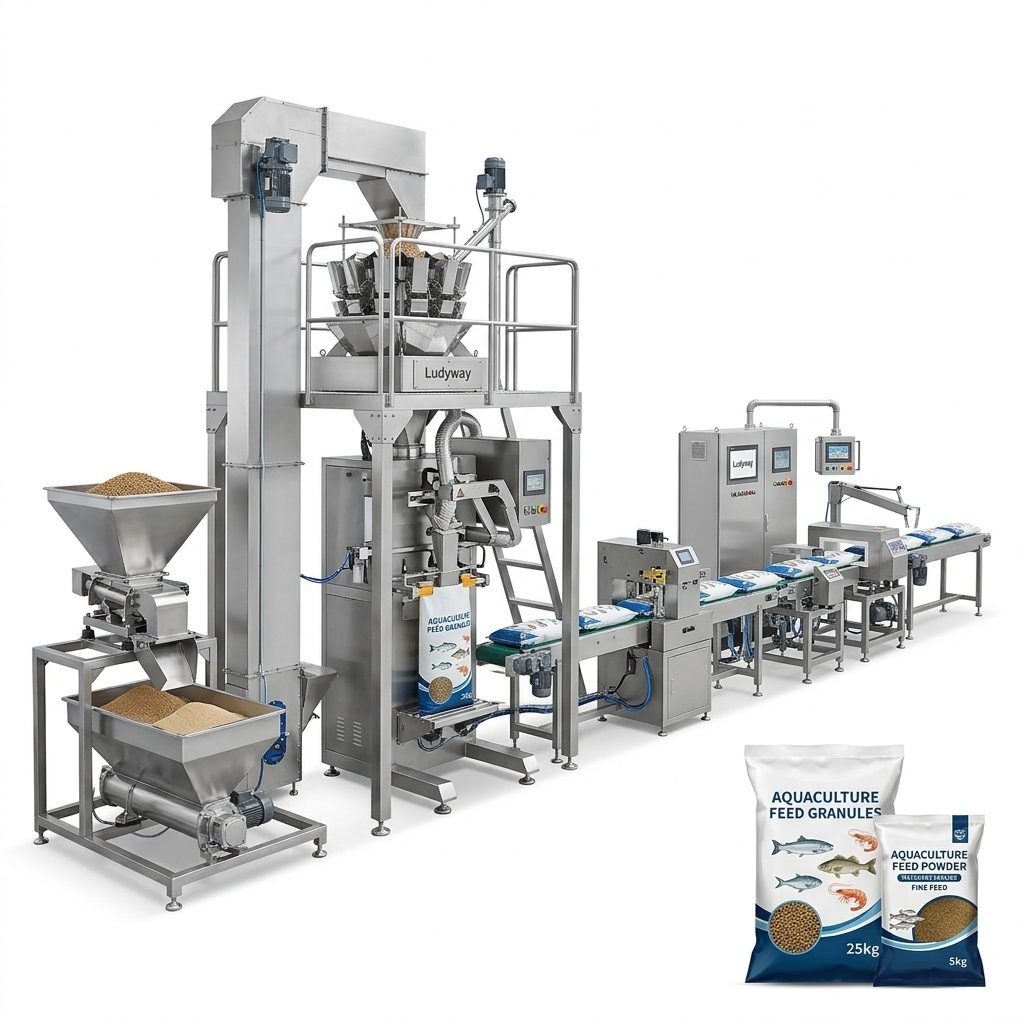
- Experience & Expertise: Choose a supplier with a proven track record in the tea and food industry, like Ludyway Machinery, which brings decades of specialized knowledge.
- After-Sales Service: Ensure they provide comprehensive installation, training, spare parts availability, and technical support. Global manufacturers need a supplier with international service capabilities.
- Customization: Can they tailor the machine to your specific workflow or integrate it into an existing production line?
Partnering with an expert ensures you get a reliable solution tailored to global production needs, not just an off-the-shelf machine.
5. Analyze Total Cost of Ownership (TCO)
Look beyond the initial purchase price. Consider:
- Energy consumption
- Maintenance costs and ease of cleaning
- Material waste rates
- Expected lifespan and upgradeability
A slightly higher initial investment in a robust, efficient machine often leads to much lower operational costs over time.
Frequently Asked Questions (FAQs)
1. What is the typical speed range for a tea packaging machine?
Speeds vary widely by type. Standard single-lane sachet machines may run 60-120 bags per minute, while high-speed multi-lane stick pack machines can exceed 600 sticks per minute. Your required output is the primary determining factor.
2. Can one machine handle different types of tea and package sizes?
Yes, many machines are designed for flexibility. Look for models with quick-change form-fill-seal (FFS) units and servo-driven adjustments that allow for fast switchovers between different products and pack sizes, minimizing downtime.
3. How important is nitrogen flushing for tea packaging?
It is highly recommended, especially for premium, delicate, or green teas. Oxygen is the main enemy of tea freshness, causing oxidation that degrades flavor, color, and nutritional value. Nitrogen flushing creates a protective atmosphere inside the pack, vastly improving shelf life.
4. What kind of maintenance do these machines require?
Daily cleaning of product contact parts is essential. Regular maintenance includes lubricating moving parts, checking seal integrity, and calibrating scales. A reliable supplier will provide a detailed maintenance schedule and training for your operators.
5. How do I ensure the packaging meets food safety regulations?
Choose a machine constructed with food-grade materials (e.g., 304 or 316 stainless steel) and ensure it can be effectively cleaned. The supplier should provide documentation and design features that support compliance with relevant standards like FDA, CE, or GMP, depending on your market.