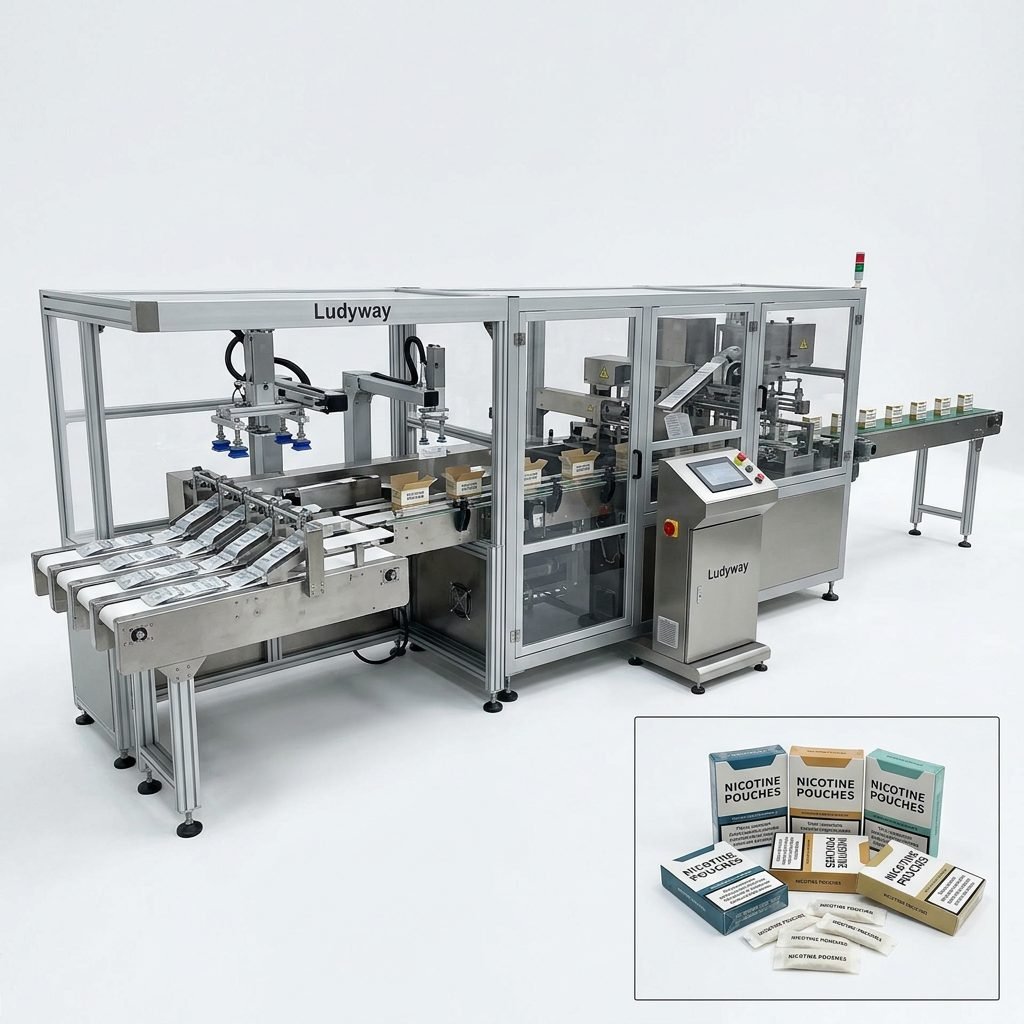
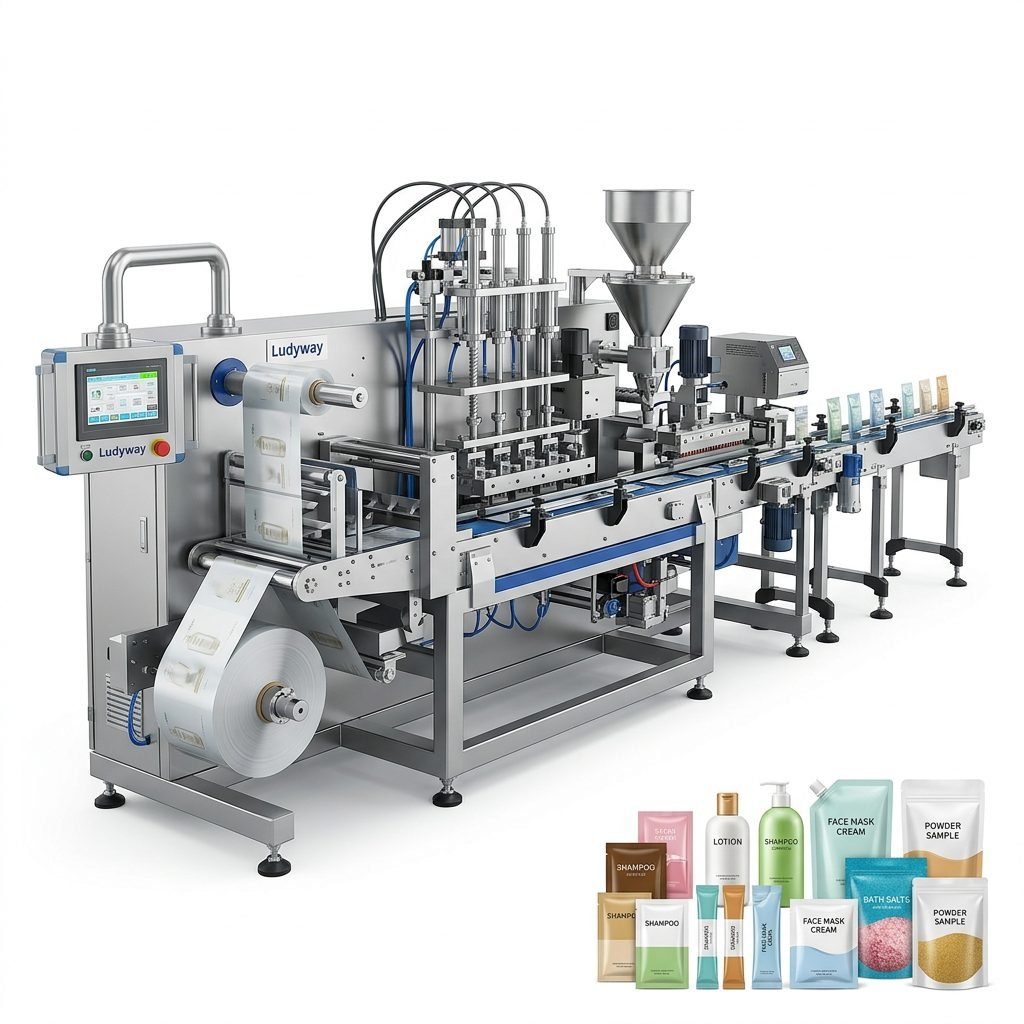
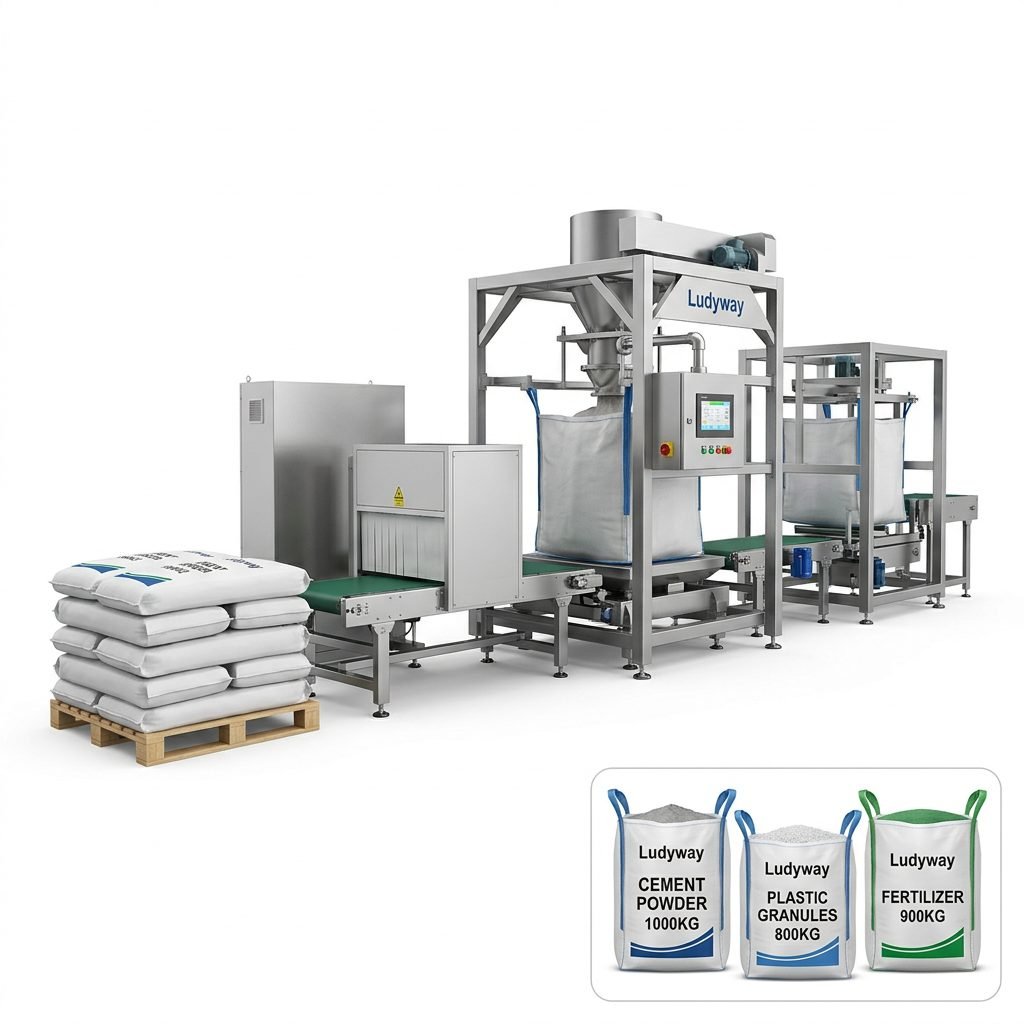
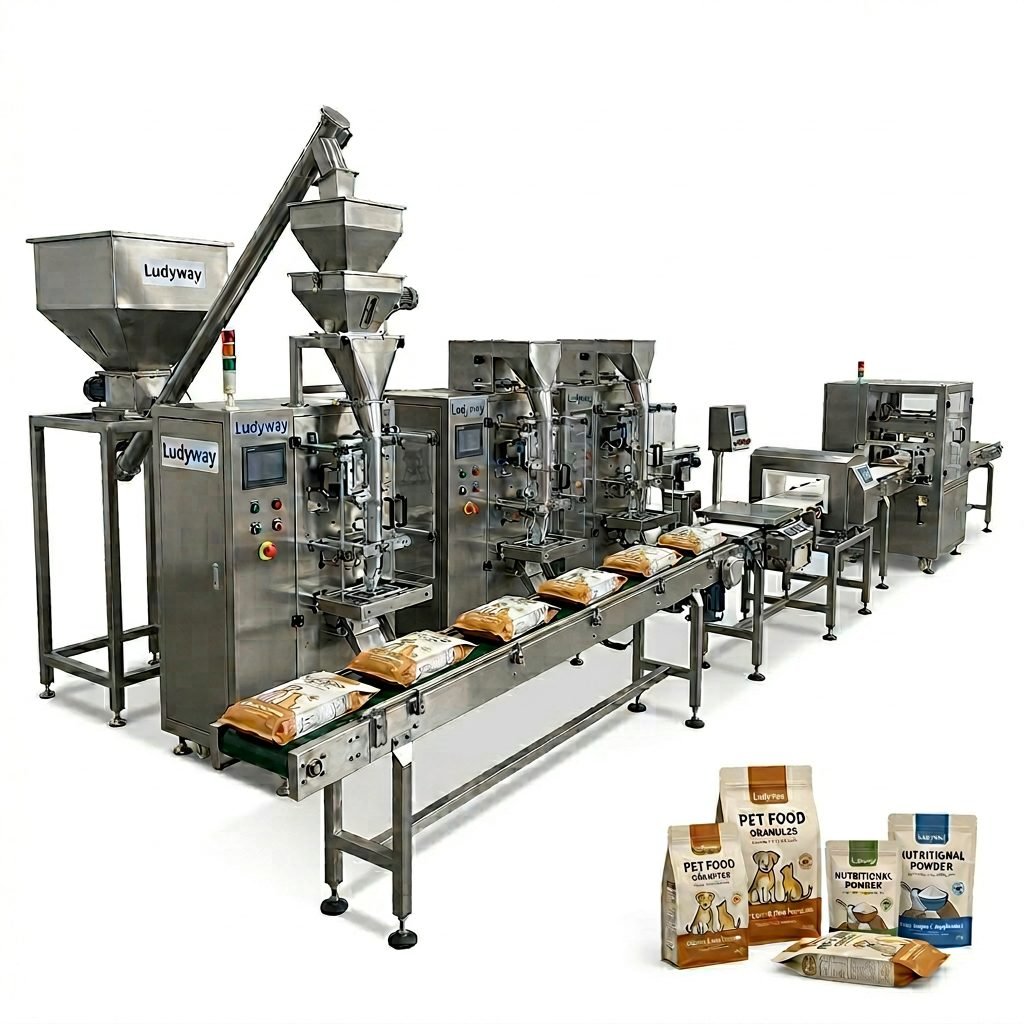
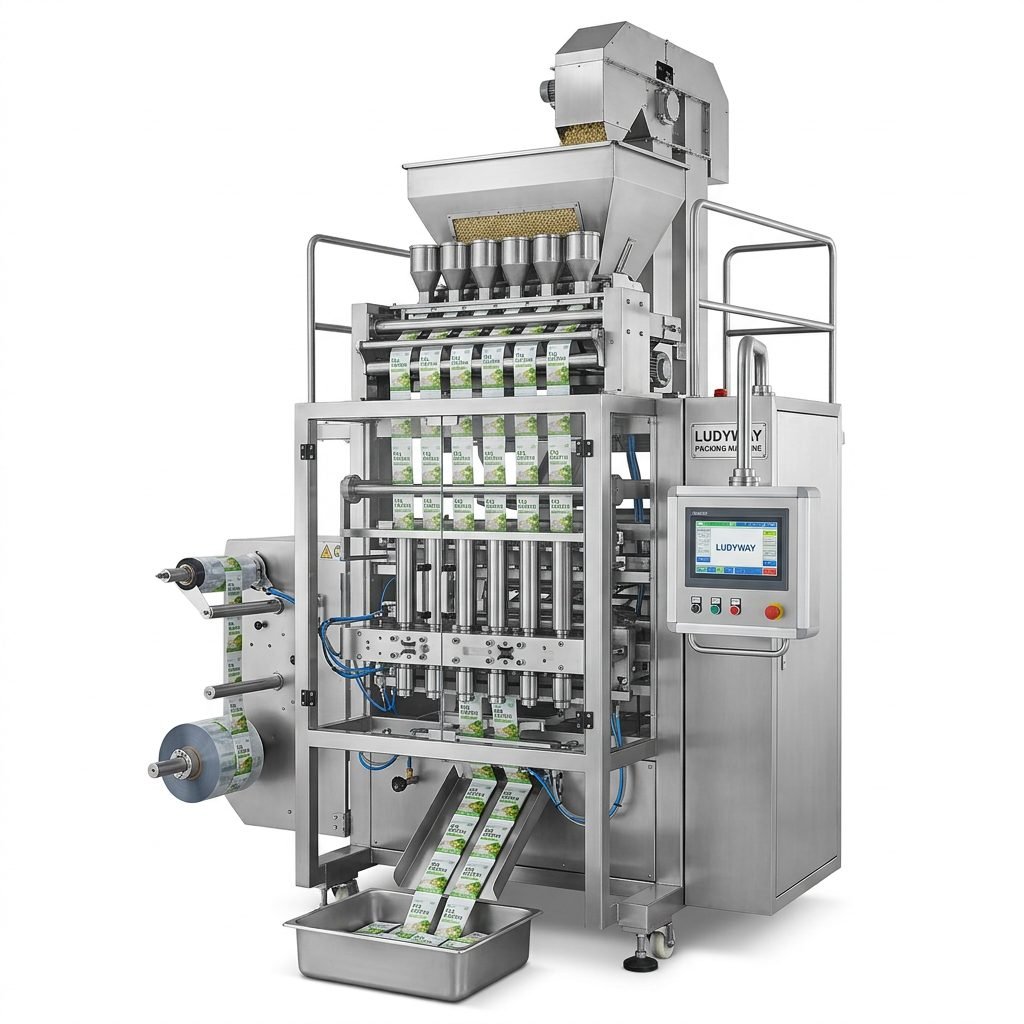
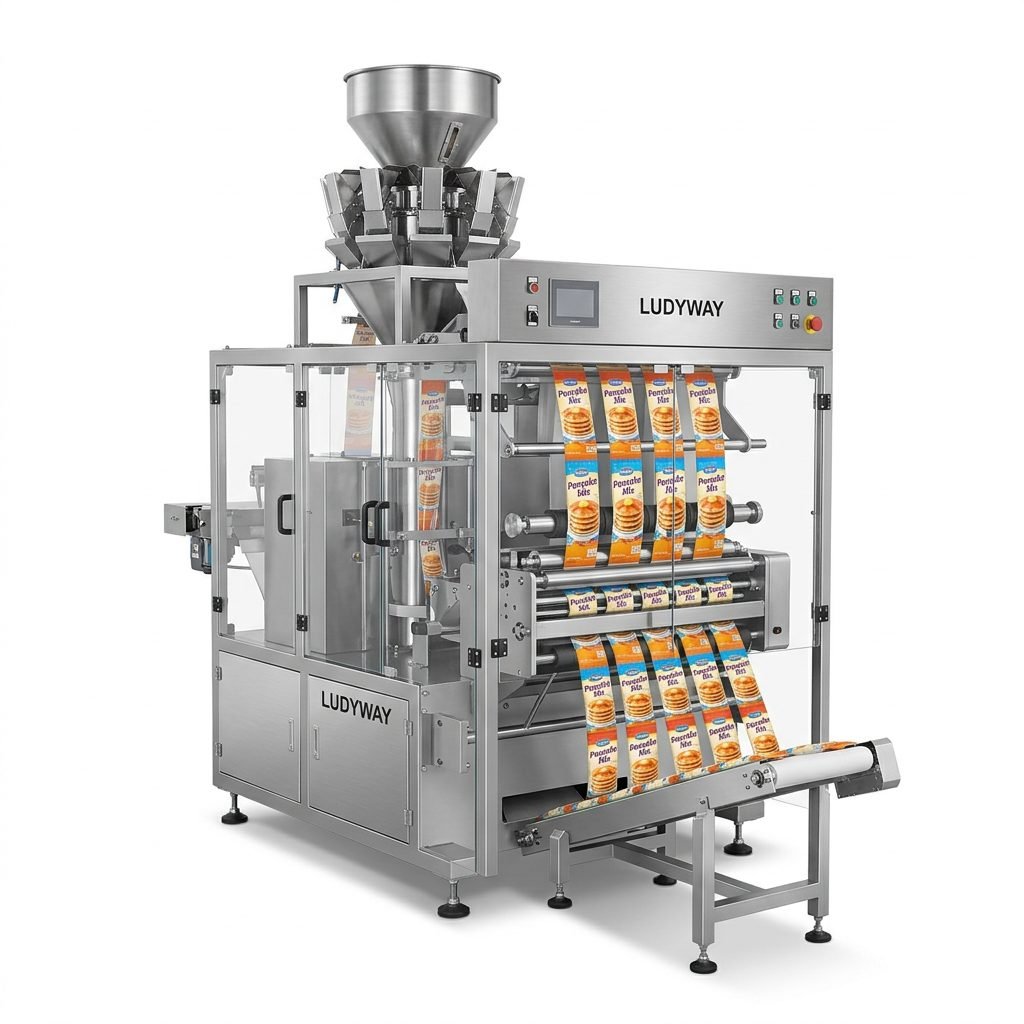
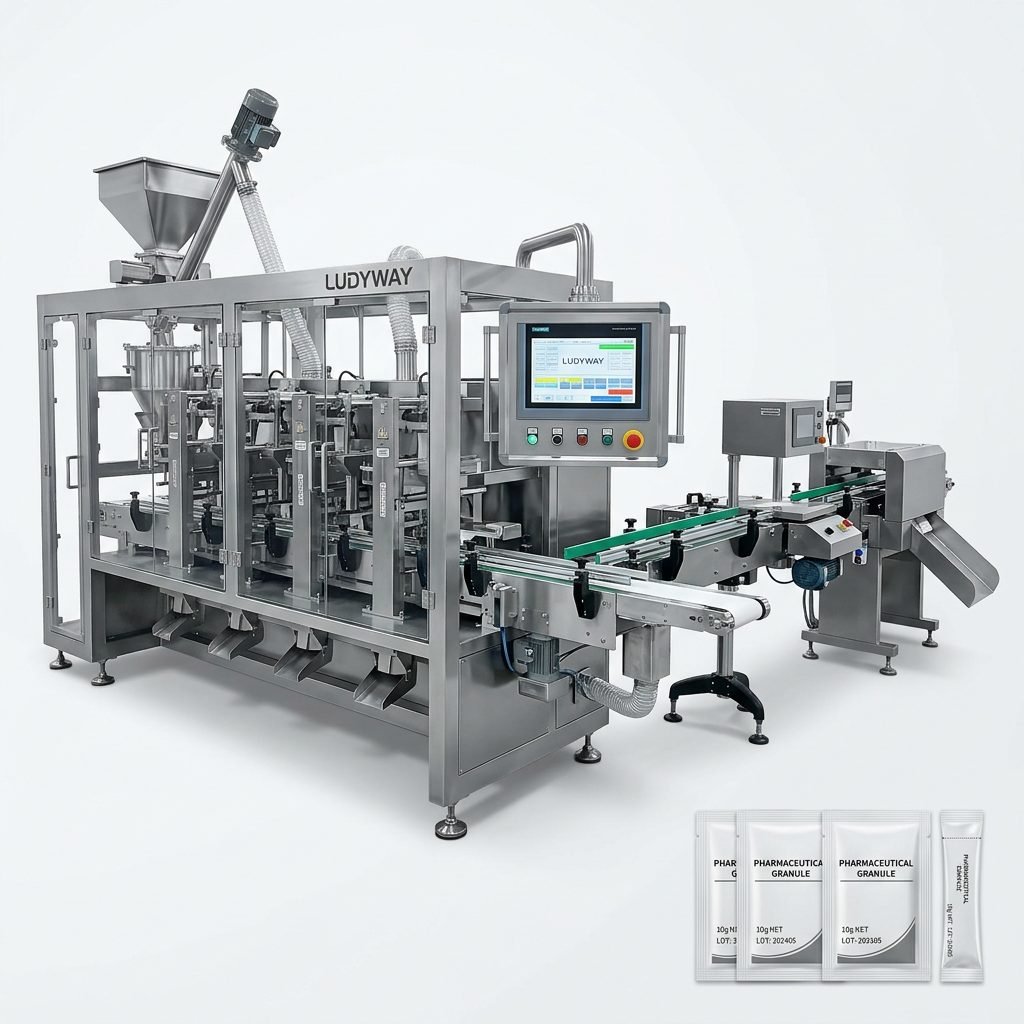
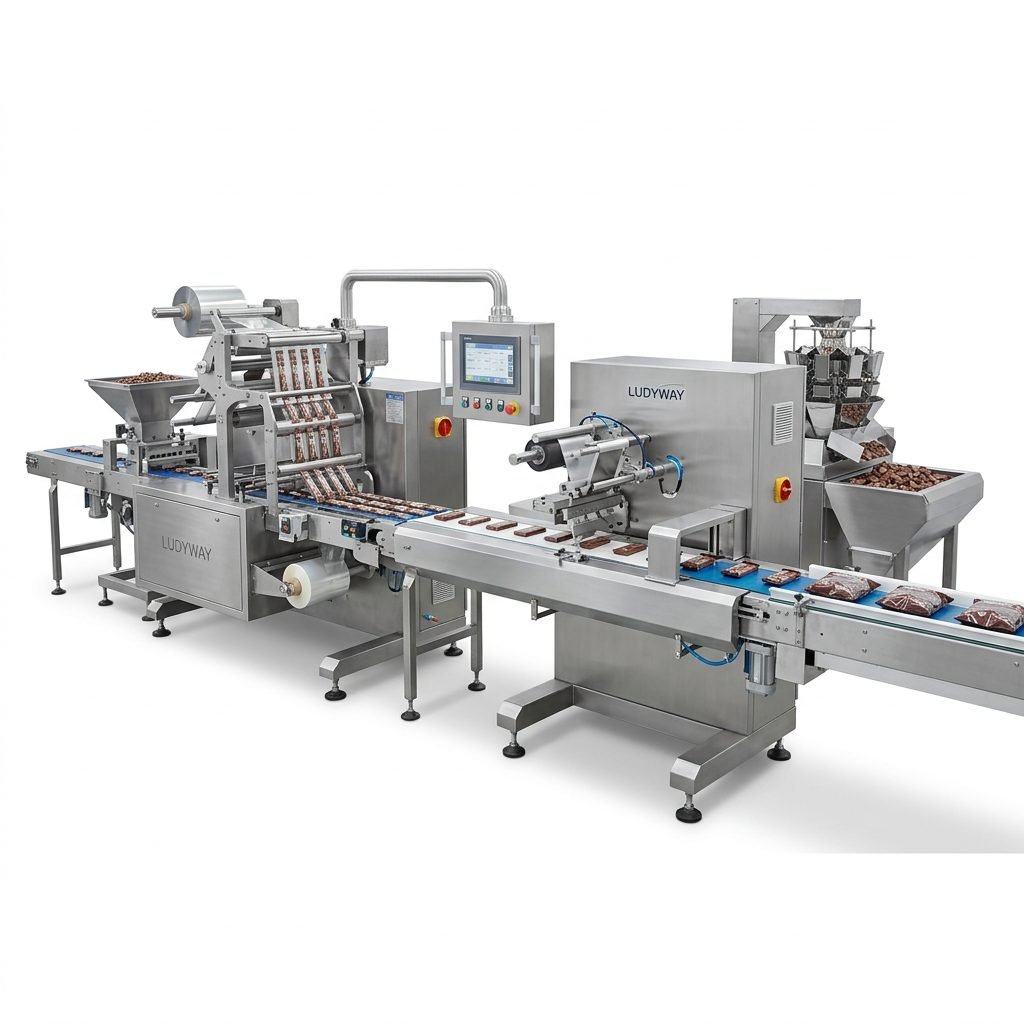
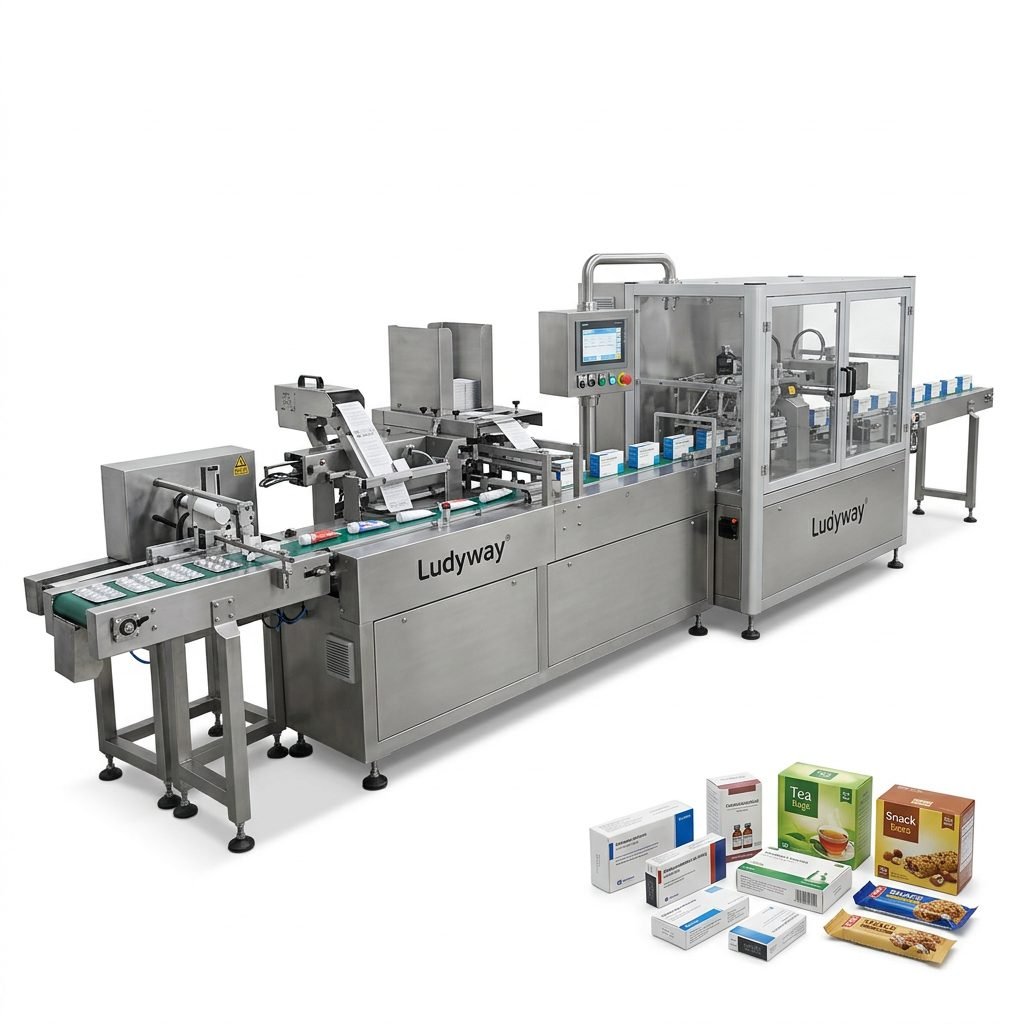
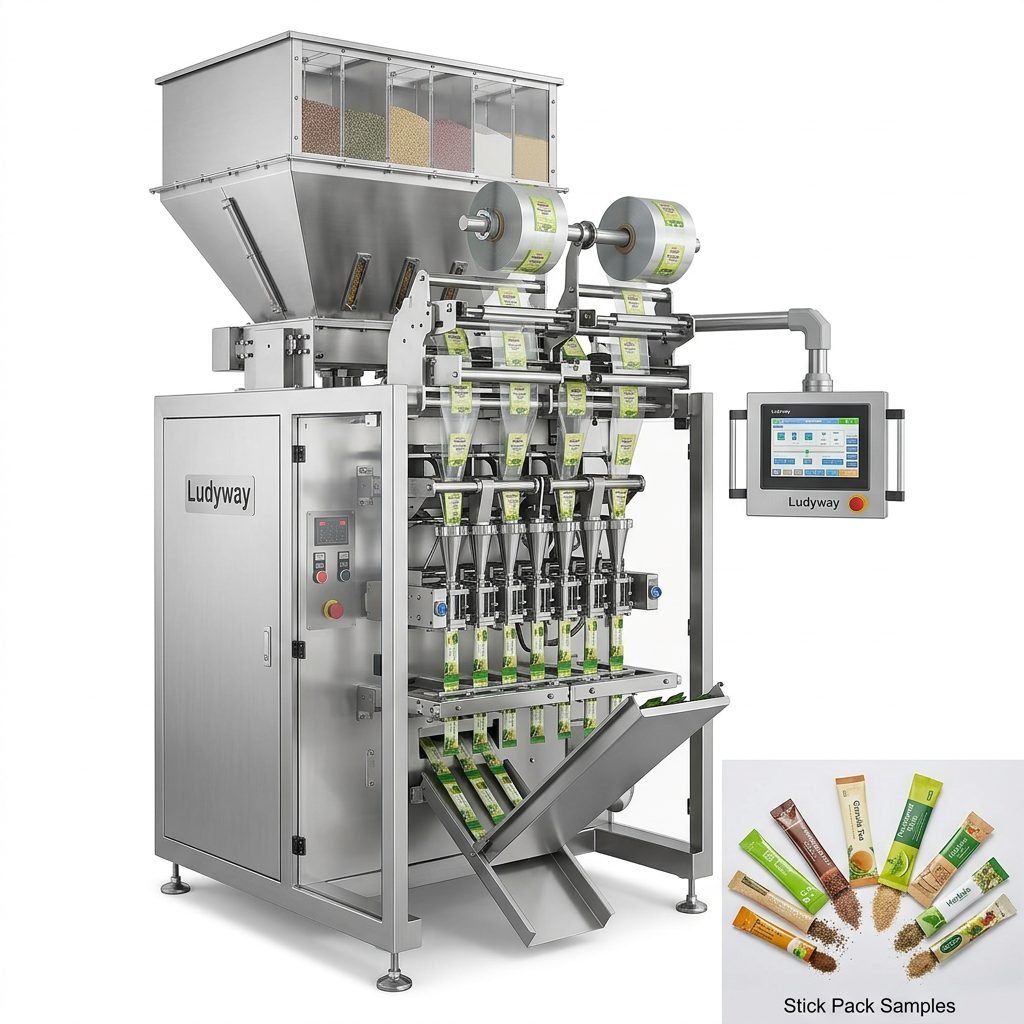
In today’s fast-paced manufacturing world, efficiency, hygiene, and precision are non-negotiable. For industries like food, pharmaceuticals, and general industrial production, the packaging line is a critical juncture where product integrity meets market delivery. High-performance PFM (Powder, Granule, Liquid) packaging machinery stands as the cornerstone of modern, automated production, ensuring speed, accuracy, and compliance with the strictest standards.
The Core of Modern Production: PFM Packaging Machinery
PFM packaging refers to the automated handling and sealing of products in powdered, granular, and liquid forms. This technology is vital because these product states are prevalent across essential industries. The machinery designed for these tasks goes beyond simple bagging; it integrates weighing, filling, sealing, and coding into one seamless, high-speed operation.
Why Performance Matters
High-performance in this context means achieving optimal output without sacrificing quality. Key performance indicators include:
→ Speed & Output: Meeting high-volume demands with consistent cycle times.
→ Accuracy & Yield: Minimizing product giveaway through precise multi-head weighers or volumetric fillers.
→ Flexibility & Changeover: Quick adaptation to different package sizes, shapes, and materials.
→ Uptime & Reliability: Robust construction and intelligent controls that maximize production availability.
Tailored Solutions for Critical Industries
Food Industry Applications
From instant coffee and spices to sugar and drink mixes, the food sector demands speed and hygiene. PFM machinery for food often features stainless-steel contact parts, easy-clean designs, and integration with nitrogen flushing to preserve freshness and extend shelf life. Solutions range from single-serve sachets for sauces to large bulk bags for ingredients.
Pharmaceutical & Healthcare Applications
This sector operates under the most stringent regulations (e.g., cGMP). Packaging machinery for pharmaceuticals must ensure absolute dosing accuracy, prevent cross-contamination, and provide complete traceability. Applications include packaging powders for oral suspensions, granulated supplements, and sterile medical liquids in precise, tamper-evident sachets or stick packs.
Industrial & Chemical Applications
Industrial products like detergents, fertilizers, dyes, and additives require durable, reliable packaging that can handle sometimes abrasive or corrosive materials. Machinery for these applications is built for toughness, often with specialized auger systems for difficult-to-handle powders and robust sealing for heavy-duty bags.
Key Features of Advanced PFM Packaging Systems
Investing in a high-performance system involves looking for these essential features:
Intelligent Multi-Head Weighing Systems: For unparalleled accuracy in granular and powdered product dosing, reducing giveaway to a minimum.
Servo-Driven Technology: Provides precise control over film movement, cutting, and sealing, resulting in cleaner packages, less waste, and energy efficiency.
Versatile Packaging Formats: The ability to produce various formats like stand-up pouches, flat sachets, stick packs, and pillow bags on a single platform adds immense value.
HMI & Connectivity: User-friendly touchscreen interfaces and IoT connectivity for remote monitoring, data collection, and predictive maintenance.
Hygienic & Safe Design: Constructed with food-grade or pharmaceutical-grade materials, featuring smooth surfaces and easy access for cleaning and maintenance.
The Ludyway Commitment to Performance
With over 30 years of industry experience, our focus is on delivering reliable, innovative packaging solutions. We understand that high performance is measured not just by machine specs, but by total operational success. Our range of intelligent packaging machines, developed from strong engineering partnerships, is designed to meet the rigorous demands of global production lines. From a modern 20,000㎡ facility, we offer more than 50 models of equipment, ensuring we can provide a tailored packaging solution for your specific PFM application.
Implementing Your Packaging Solution
Choosing the right machinery is a strategic decision. The process should involve a thorough analysis of your product characteristics, desired output, packaging materials, and factory environment. Partnering with an experienced provider who offers comprehensive support—from initial consultation and factory testing to installation, training, and after-sales service—is crucial for a smooth transition and long-term productivity.
Frequently Asked Questions (FAQs)
What is the typical accuracy range for a high-performance powder packaging machine?
Advanced multi-head weighers can achieve remarkable accuracy, often within ±0.1% to ±0.5% of the target weight, depending on the product’s flow characteristics and the machine’s configuration. This high precision directly reduces product giveaway and saves significant costs.
Can one machine handle both powder and granular products?
Many modern PFM machines are designed with versatility in mind. By changing the feeding system (e.g., from a vibratory feeder for granules to an auger filler for fine powders), a single machine can often handle a range of similar products. It’s essential to discuss your specific product mix with the supplier.
How important is after-sales service and parts availability for packaging machinery?
It is critically important. Machine downtime is expensive. A reliable supplier should offer readily available spare parts, remote technical support, and timely on-site service. This support is a key component of the total cost of ownership and ensures your production line remains operational.
What are the key hygiene considerations for food and pharmaceutical packaging machines?
Machines must be constructed with appropriate materials (e.g., 304 or 316 stainless steel). Design should eliminate crevices where product can accumulate, allow for easy disassembly for cleaning, and often include CIP (Clean-in-Place) systems. For pharmaceutical applications, the design must support validated cleaning procedures.
What is the lead time for a custom-configured packaging line?
Lead times vary based on the complexity of the system and customizations required. For standard models, it could be a few weeks. For fully custom, turnkey lines involving multiple integrated machines, engineering and manufacturing can take several months. A clear project timeline should be established with your supplier from the outset.