In today’s competitive market, efficient packaging is a cornerstone of product presentation, protection, and distribution. For businesses of all sizes, from artisanal food producers to large-scale pharmaceutical companies, investing in the right small packaging equipment can streamline operations, reduce costs, and enhance product quality. This guide explores the various types of machines, their applications, and provides a clear framework for selecting the perfect equipment to meet your specific business needs.
Understanding Small Packaging Equipment
Small packaging equipment refers to automated or semi-automated machines designed for lower to medium-volume production runs. Unlike massive industrial lines, these machines are often more compact, affordable, and easier to integrate into existing workflows. They are the workhorses for businesses looking to scale up from manual packing without the capital expenditure of a full-scale factory line.
Core Objective: The primary goal of this equipment is to automate repetitive tasks like filling, sealing, and labeling, thereby increasing output consistency, improving hygiene standards, and freeing up valuable human resources for more complex tasks.
Primary Types of Small Packaging Machines
The landscape of small packaging machinery is diverse. Choosing the right type depends fundamentally on your product’s form and packaging format.
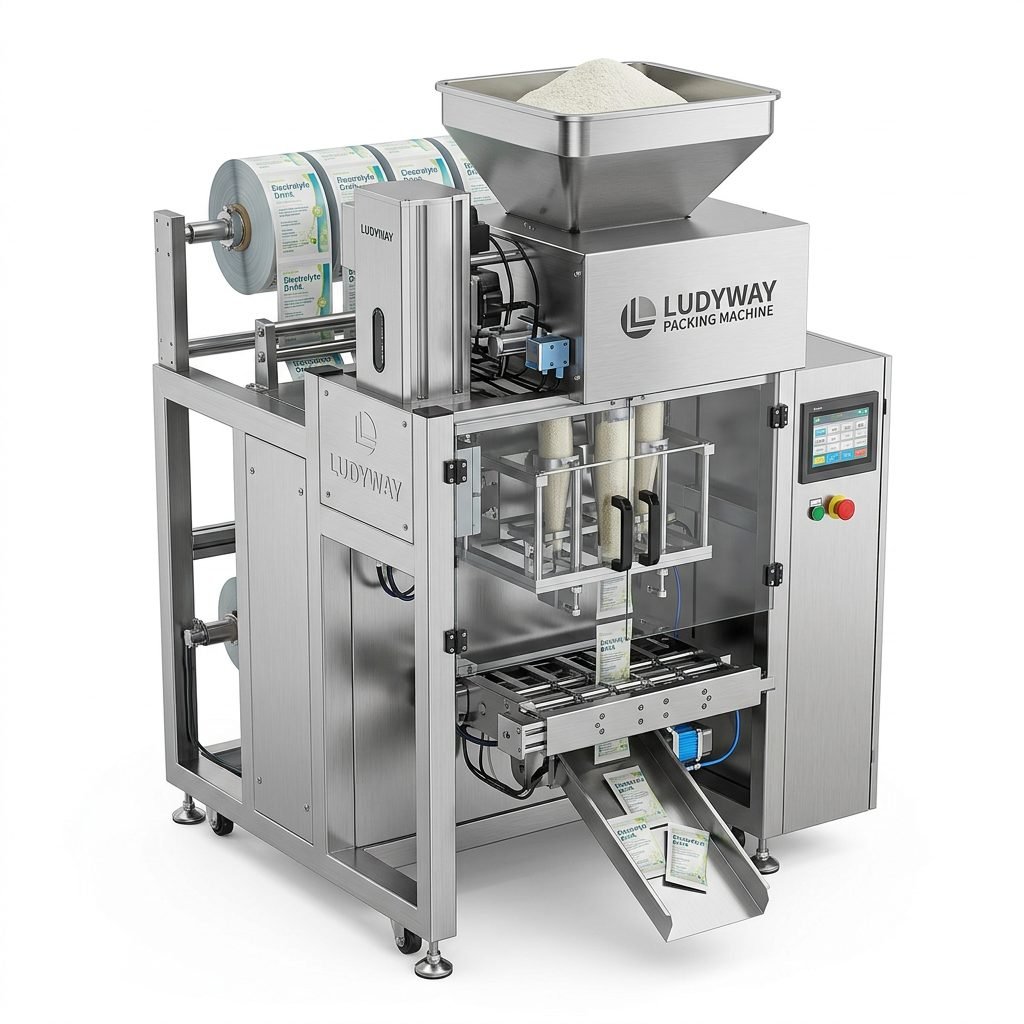
1. Vertical Form-Fill-Seal (VFFS) Machines
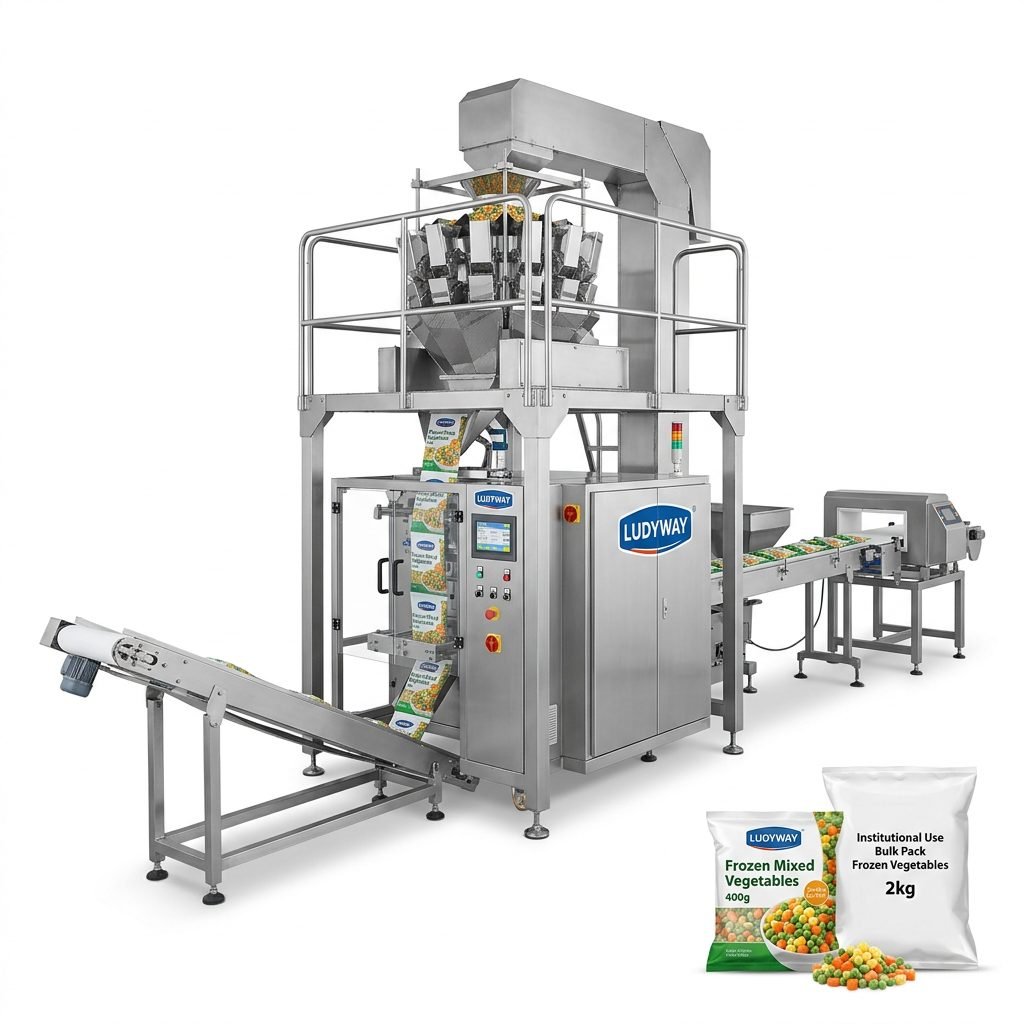
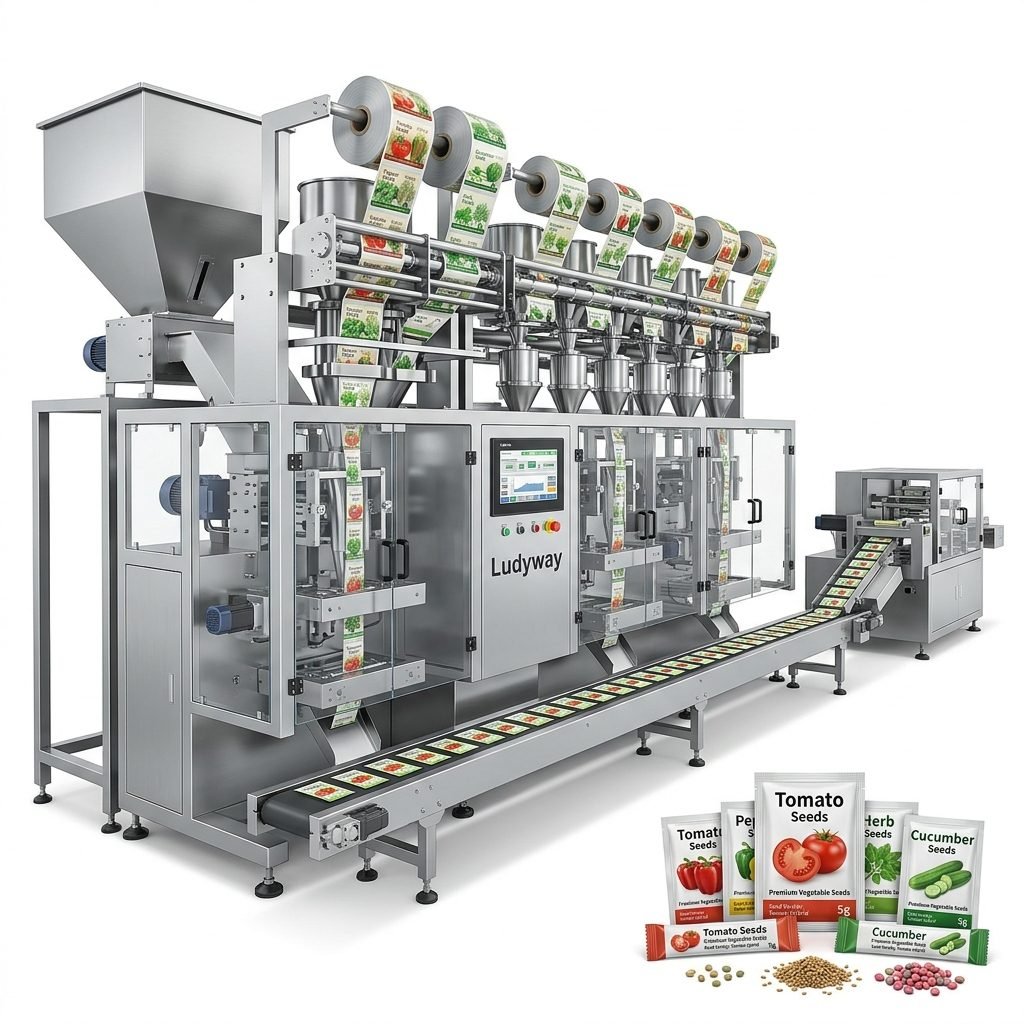
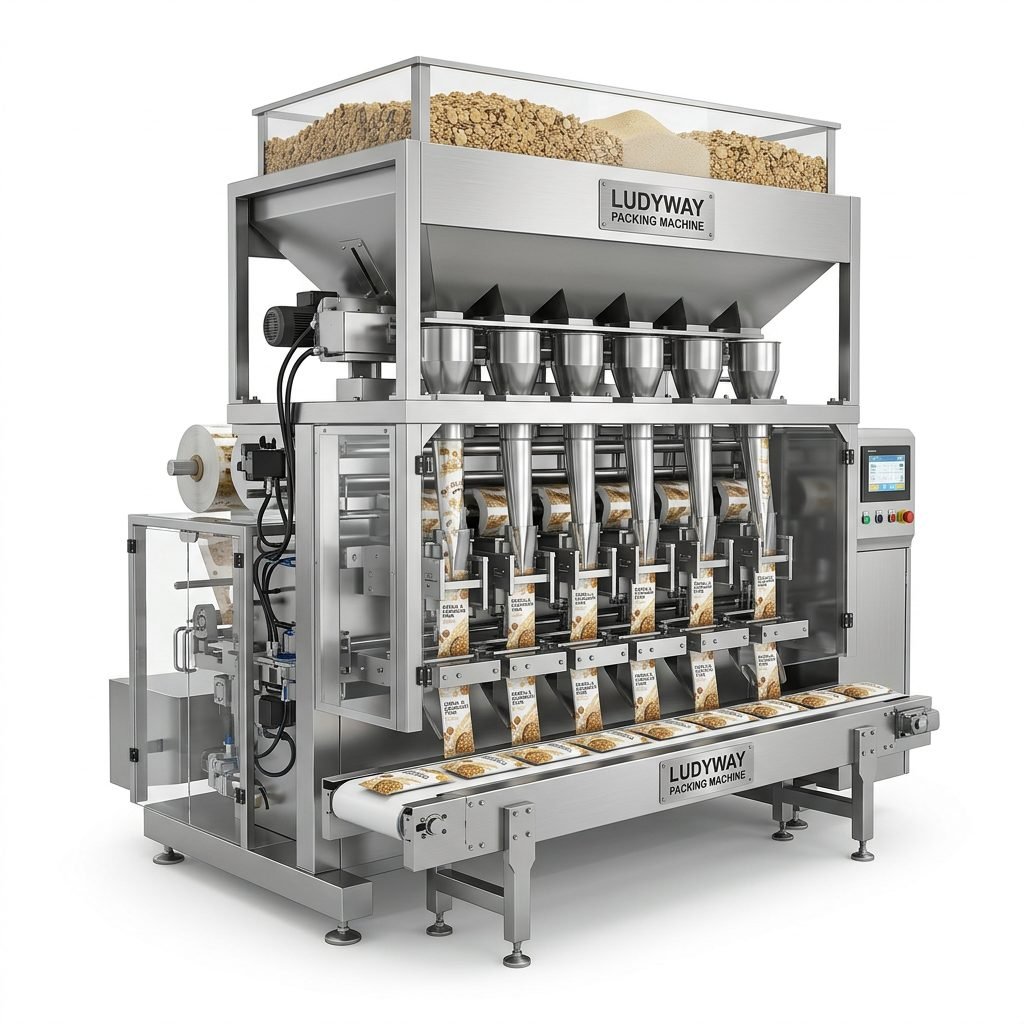
These are among the most versatile and common machines. They form a bag from a roll of flat packaging film, fill it with product, and then seal it—all in one continuous vertical operation.
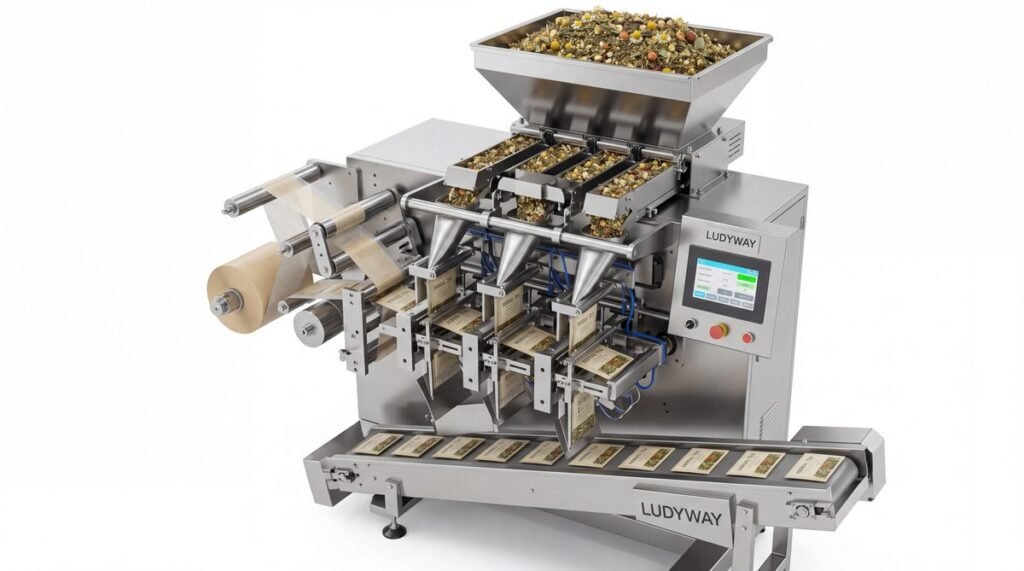
- ✓ Best For: Granules (coffee, nuts, seeds), powders (spices, protein powder), and small solid items (candy, hardware).
- ✓ Output: Ideal for producing pillow bags, gusseted bags, or quad-seal bags at medium to high speeds.
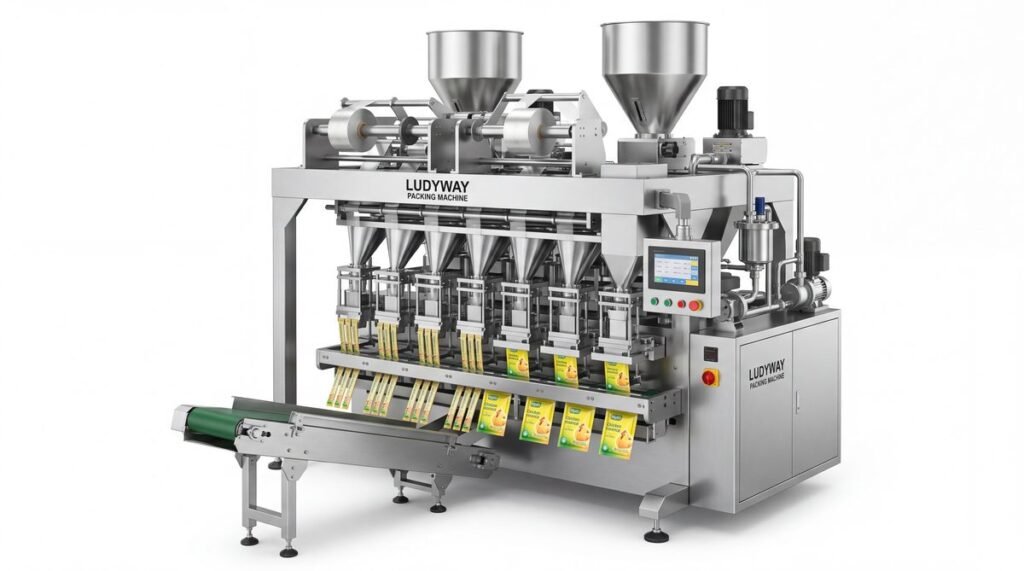
2. Stick Pack & Sachet Packaging Machines
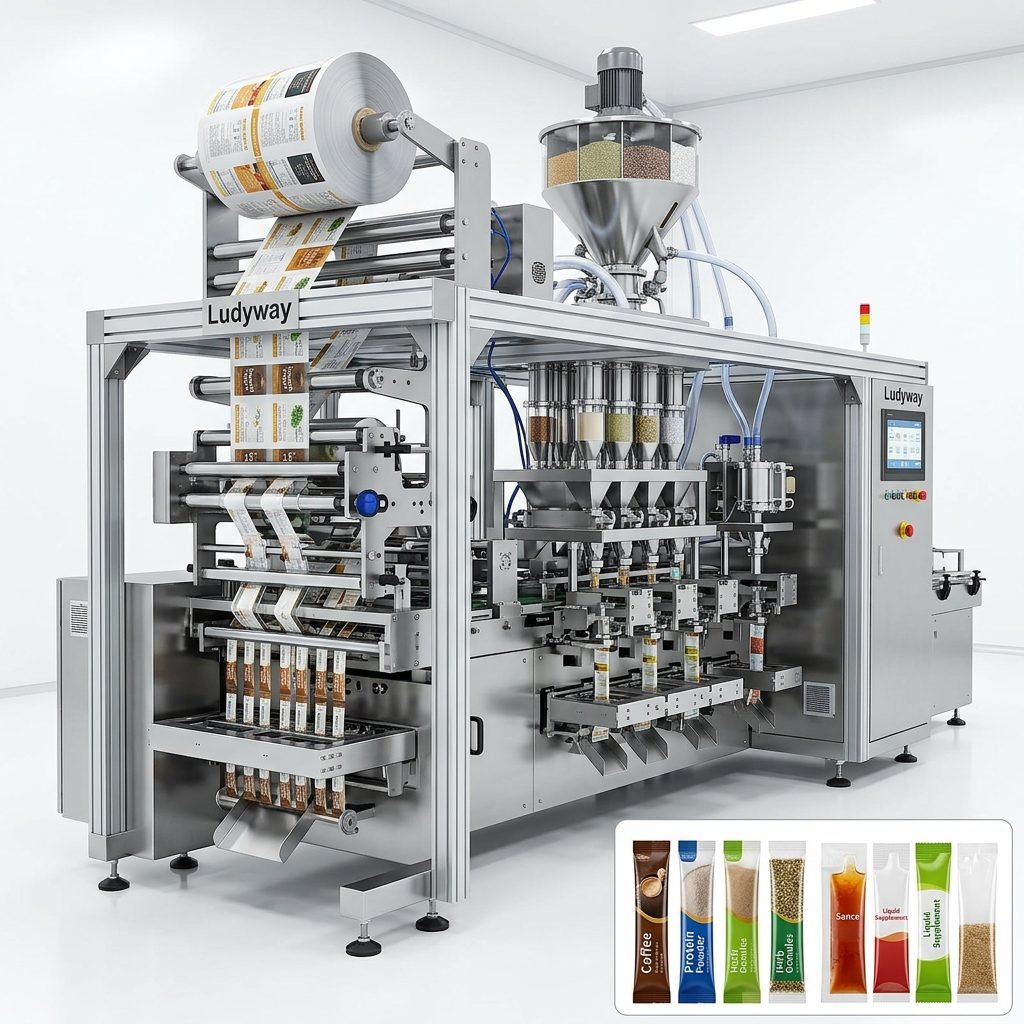
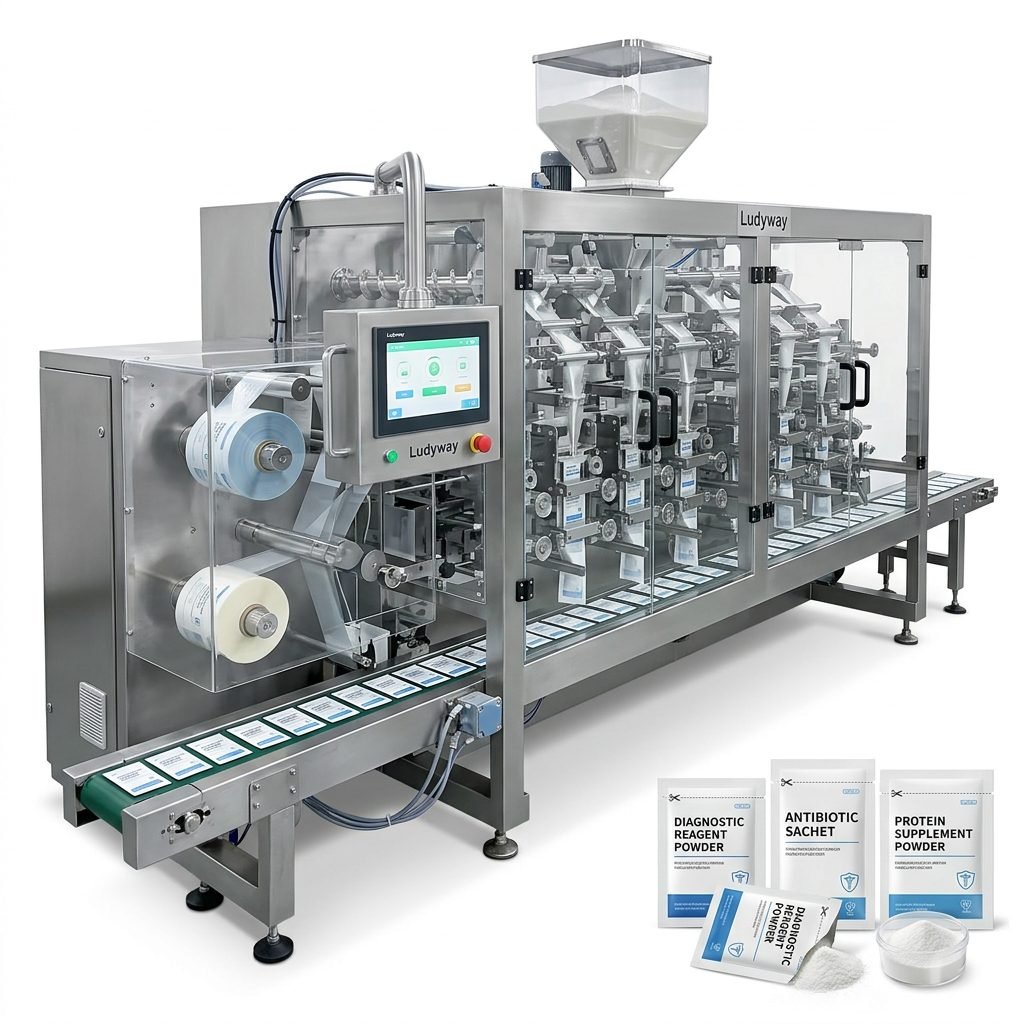
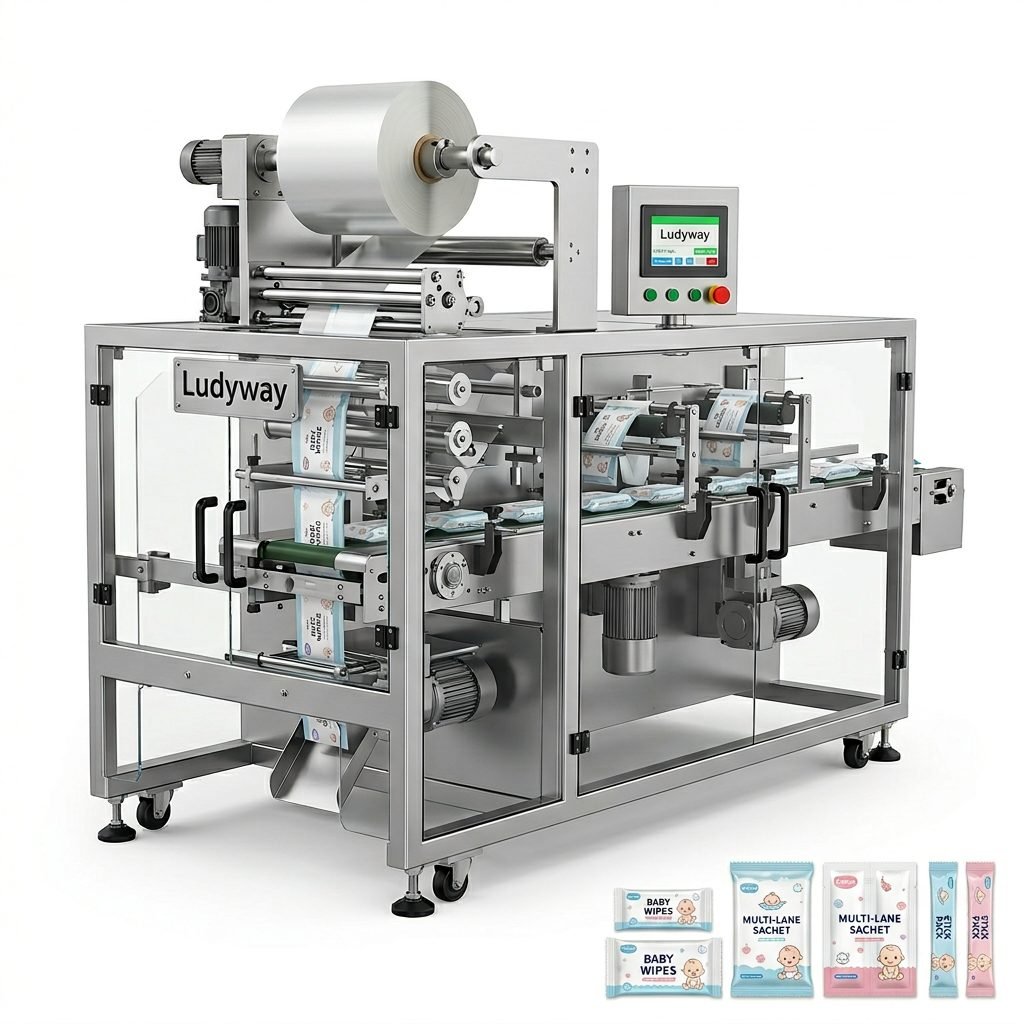
Designed specifically for creating long, slender stick packs or small rectangular sachets, these machines are perfect for single-serve portions.
- ✓ Best For: Powdered beverages (iced tea, coffee sticks), condiments (ketchup, soy sauce), pharmaceuticals, and cosmetics samples.
- ✓ Advantage: Maximizes product shelf presence and offers excellent barrier properties for moisture-sensitive products.
3. Liquid & Paste Filling Machines
These machines use precise pumps (piston, peristaltic, or gravity-fed) to dispense viscous or liquid products into bottles, tubes, or pouches.
- ✓ Best For: Edible oils, sauces, honey, shampoos, lotions, and pharmaceutical syrups.
- ✓ Key Feature: High accuracy is critical to avoid giveaways and ensure consistent product volume, which is a major factor in cost control and regulatory compliance.
4. Capping, Sealing & Labeling Machines
Often used as auxiliary equipment, these machines automate the final steps of the packaging process.
- ✓ Cappers: Apply screw caps, snap-on lids, or pump dispensers to bottles and jars.
- ✓ Induction Sealers: Create tamper-evident foil seals under plastic caps for added safety and freshness.
- ✓ Labelers: Apply product labels accurately and consistently to various container shapes.
Key Applications Across Industries
Small packaging equipment finds critical use in several sectors where quality, hygiene, and efficiency are paramount.
Food & Beverage
This is the largest application sector. Machines must handle diverse products—from oily snacks to fine powders—while often complying with strict food safety standards (like HACCP). Equipment used here typically requires easy-clean designs and food-grade contact parts.
Pharmaceutical & Nutraceutical
Precision and contamination control are non-negotiable. Machines for this sector often feature enclosed designs, high-accuracy fillers, and the ability to integrate with nitrogen flushing to extend shelf-life by displacing oxygen inside the package.
Cosmetics & Personal Care
Beyond functionality, aesthetics matter. Equipment must provide clean, precise fills for creams, gels, and serums into high-quality tubes, bottles, or sachets without product waste, which can be costly with premium ingredients.
How to Choose the Right Machine for Your Business
Selecting equipment is a strategic decision. A systematic evaluation will ensure your investment pays off in the long run.
Step 1: Analyze Your Product & Packaging
This is the foundation. Clearly define:
- Product Form: Is it a free-flowing powder, a sticky paste, granules, or a liquid?
- Packaging Material: What type of film, pouch, or container will you use? The machine must be compatible.
- Required Output Speed: Calculate your current and projected daily/weekly production needs in packs per minute (PPM).
Step 2: Evaluate Machine Features & Flexibility
Look beyond the basic function. Consider:
- Changeover Time: How quickly can you switch between different products or bag sizes? Quick-change parts are valuable for businesses with multiple SKUs.
- Automation Level: Do you need a fully automatic machine with integrated weighing and conveying, or will a semi-automatic model suffice?
- Construction & Hygiene: Stainless steel frames and food-grade contact parts are more durable and easier to sanitize.
Step 3: Assess Supplier Credibility & Support
The machine is only as good as the company behind it. Partnering with an experienced supplier is crucial. Look for a provider with a proven track record, like Ludyway Machinery, which brings deep industry expertise to the table. Key factors include:
- Technical Support & Training: Ensure they offer comprehensive installation, training, and troubleshooting support. Access to a knowledgeable technical team can prevent costly downtime.
- Spare Parts Availability: Check the availability and lead time for common wear parts. A reliable supplier network is essential for maintenance.
- Warranty & Service Agreements: Understand the warranty coverage and the options for ongoing service contracts to protect your investment.
Pro Tip: Consider Future Growth
When choosing a machine, think about your business trajectory. A slightly more capable or modular machine that can grow with your production needs is often a wiser investment than the absolute minimum-capacity model. It saves you from the cost and disruption of another upgrade too soon.
Frequently Asked Questions (FAQs)
What is the typical price range for small packaging equipment?
Prices vary widely based on type, automation, and capabilities. Semi-automatic machines can start from a few thousand dollars, while fully automatic, high-speed systems with integrated scales and conveyors can range from tens of thousands to over a hundred thousand dollars. It’s best to get a customized quote based on your specific requirements.
How difficult is it to operate and maintain these machines?
Modern small packaging machines are designed for user-friendly operation. Reputable suppliers provide thorough training. Maintenance typically involves routine cleaning, lubrication, and part replacement (like sealing jaws or filler nozzles). Choosing a machine with good service support makes maintenance straightforward.
Can one machine handle different types of products?
Many machines offer good flexibility, but there are limits. A vertical form-fill-seal machine can often handle different granule sizes, but switching from powders to liquids usually requires a different type of filler system. Always discuss your product range with the supplier to confirm a machine’s versatility.
What are the most important safety features to look for?
Key safety features include emergency stop buttons, protective guarding around moving parts, and safety interlocks that prevent operation when guards are open. For food or pharmaceutical applications, machines should have designs that prevent product contamination.
How do I ensure the packaging is sealed properly and maintains freshness?
A proper seal depends on the correct combination of temperature, pressure, and dwell time on the sealing jaws, matched to your specific packaging film. For oxygen-sensitive products, discuss options like nitrogen flushing attachments with your supplier, which can dramatically extend shelf life by creating a modified atmosphere inside the package.