The global cannabis and marijuana packaging machine market is experiencing a transformative phase, driven by the rapid legalization and commercialization of cannabis products across numerous regions. As this industry matures, the demand for sophisticated, compliant, and efficient packaging solutions has surged, creating a dynamic and competitive landscape for machinery manufacturers. This market encompasses a wide range of equipment designed to handle the unique requirements of cannabis products, from dried flower and pre-rolls to edibles, concentrates, and oils. The evolution of packaging from simple containers to child-resistant, tamper-evident, and brand-differentiated solutions underscores the critical role of specialized machinery.
Current Market Size and Valuation
The market valuation for cannabis packaging machinery has seen a compound annual growth rate that significantly outpaces many traditional packaging sectors. Current estimates place the market in the hundreds of millions of dollars, with projections indicating robust expansion over the next five to ten years. This growth is intrinsically linked to the expansion of legal markets, particularly in North America and Europe, where regulatory frameworks mandate specific packaging standards. The size of the market is not merely a function of sales volume but also of the increasing complexity and automation level required in packaging lines, which commands higher investment per unit.
Key Market Drivers
The acceleration of this market is fueled by several interconnected factors. Regulatory compliance stands as the primary driver, as jurisdictions impose strict rules on child-resistant features, tamper evidence, opaque packaging, and precise labeling. Secondly, the scale of commercial production necessitates automation to ensure consistency, speed, and cost-effectiveness, moving beyond manual or semi-automatic processes. Furthermore, brand differentiation in a crowded marketplace pushes companies to invest in machinery capable of unique form factors, premium finishes, and innovative opening mechanisms. Lastly, the need for product integrity—maintaining freshness, potency, and preventing contamination—requires advanced sealing and barrier packaging technologies.
Emerging Trends Shaping the Industry
The landscape of cannabis packaging is not static, with several key trends defining its future trajectory. Automation and Integration are at the forefront, with companies seeking end-to-end turnkey solutions that integrate filling, sealing, labeling, and cartoning into a single, synchronized line. This trend is crucial for meeting the high-volume demands of large-scale producers. Another significant trend is the shift toward Sustainable Packaging. As consumer awareness grows, there is increasing pressure to adopt biodegradable, compostable, or recyclable materials, which in turn requires machinery adaptable to these often more delicate or different-format materials.
Technology and Smart Packaging
Technology infusion is another dominant trend. Machinery is increasingly equipped with IoT sensors and data analytics capabilities for predictive maintenance, real-time monitoring of output and waste, and ensuring traceability throughout the supply chain. This aligns with the rise of “smart packaging” concepts, where packaging itself may include QR codes, NFC tags, or other features for authentication, consumer engagement, and dosage tracking, requiring specialized printing and application equipment.
Segment Analysis: Product Types and Applications
The market can be segmented by machine type and the application it serves, each with distinct growth patterns.
By Machine Type:
- Filling and Dosing Machines: Critical for accuracy, especially with high-value products like concentrates and oils. Volumetric, auger, and liquid pump fillers are prevalent.
- Sealing Machines: Including heat sealers for pouches and blister packs, as well as cappers for bottles and jars. Tamper-evident sealing is a mandatory feature.
- Labeling and Coding Machines: Essential for applying compliant labels with government warnings, ingredient lists, THC/CBD content, and batch codes. Digital printing allows for high flexibility.
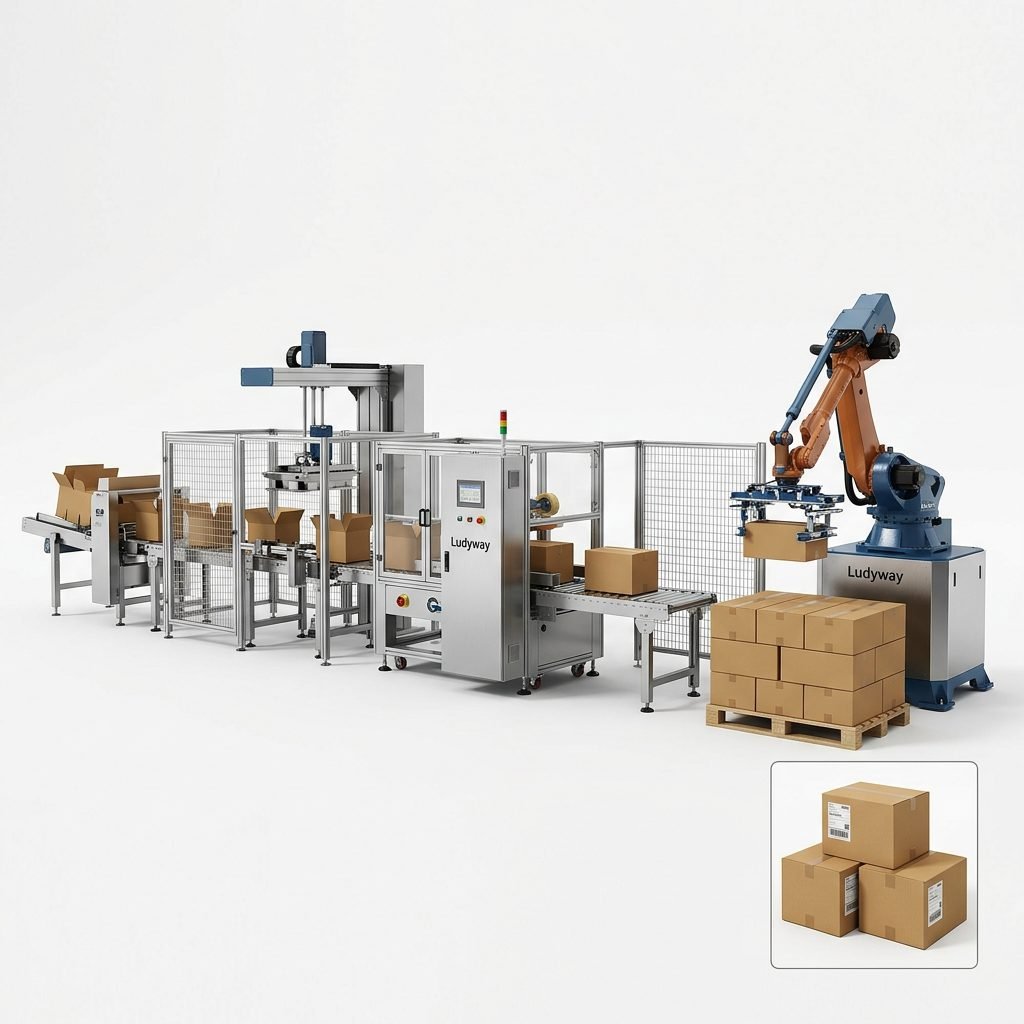
- End-of-Line Equipment: Such as cartoners, case packers, and palletizers that handle the final packaging stages for distribution.
By Application:
The application dictates machine specifications. Medical cannabis packaging often requires higher sterility assurances and precise dosing information. Recreational adult-use packaging prioritizes brand appeal, child resistance, and single-dose convenience. The fast-growing CBD wellness sector also utilizes similar packaging machinery, though often under slightly different regulatory guidelines.
Regional Market Opportunities
Opportunities vary significantly by region due to differing legal statuses and cultural attitudes. In North America (particularly the U.S. and Canada), the market is the most mature, characterized by a demand for high-speed, fully automated lines and innovative packaging formats. In Europe, countries like Germany, the UK, and Switzerland are emerging hotspots, with a strong emphasis on medical-grade packaging and sustainability. Latin American nations such as Colombia and Uruguay present opportunities for cost-effective, scalable solutions as their export-oriented markets develop. Even in regions where legalization is nascent, early investment in compliant packaging technology can provide a first-mover advantage.
Challenges and Barriers to Growth
Despite the optimistic outlook, the market faces notable hurdles. The patchwork of regulations across states and countries creates complexity for machinery manufacturers, who must build adaptable machines or offer different configurations. Access to banking and financing for cannabis businesses can limit their capital for large equipment purchases. Additionally, the stigma associated with the industry, though fading, can still affect partnerships and supply chains for traditional packaging machine builders who are cautiously entering the space.
The Role of Specialized Suppliers
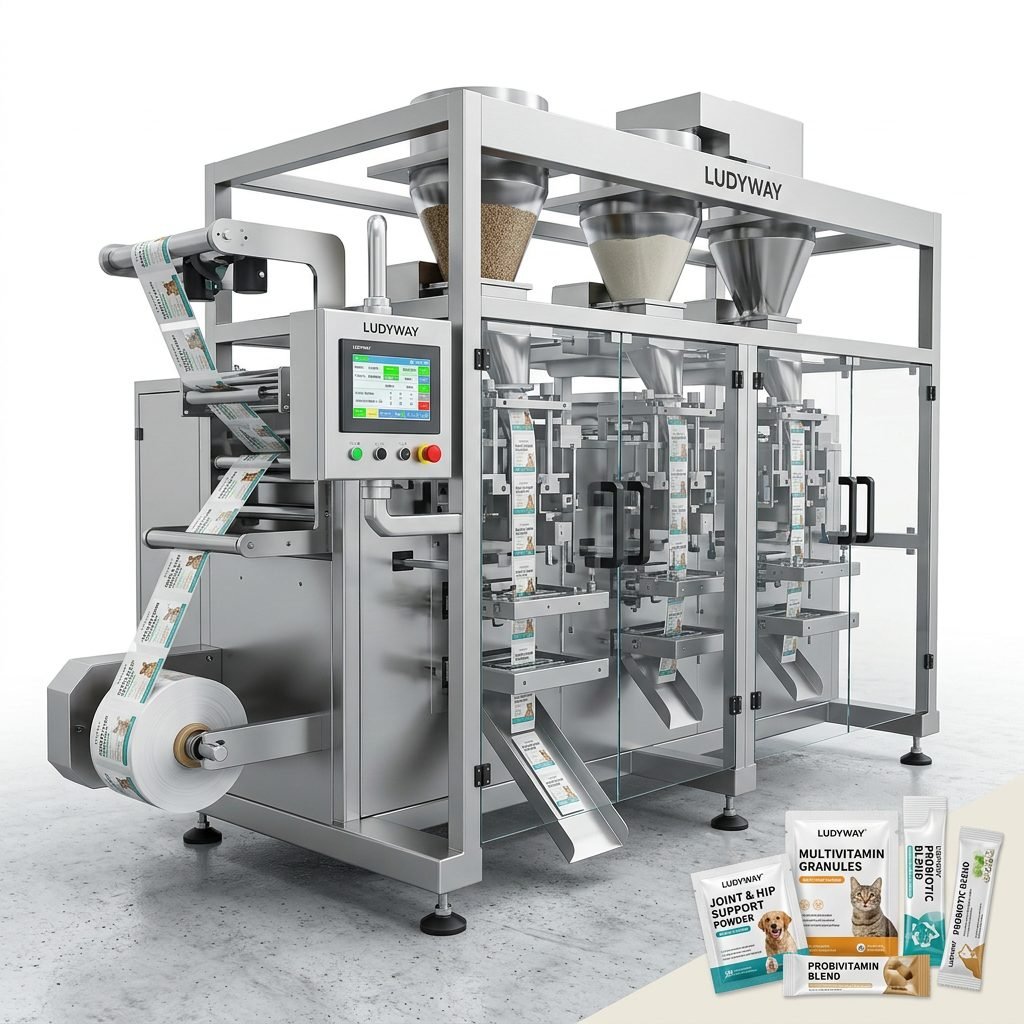
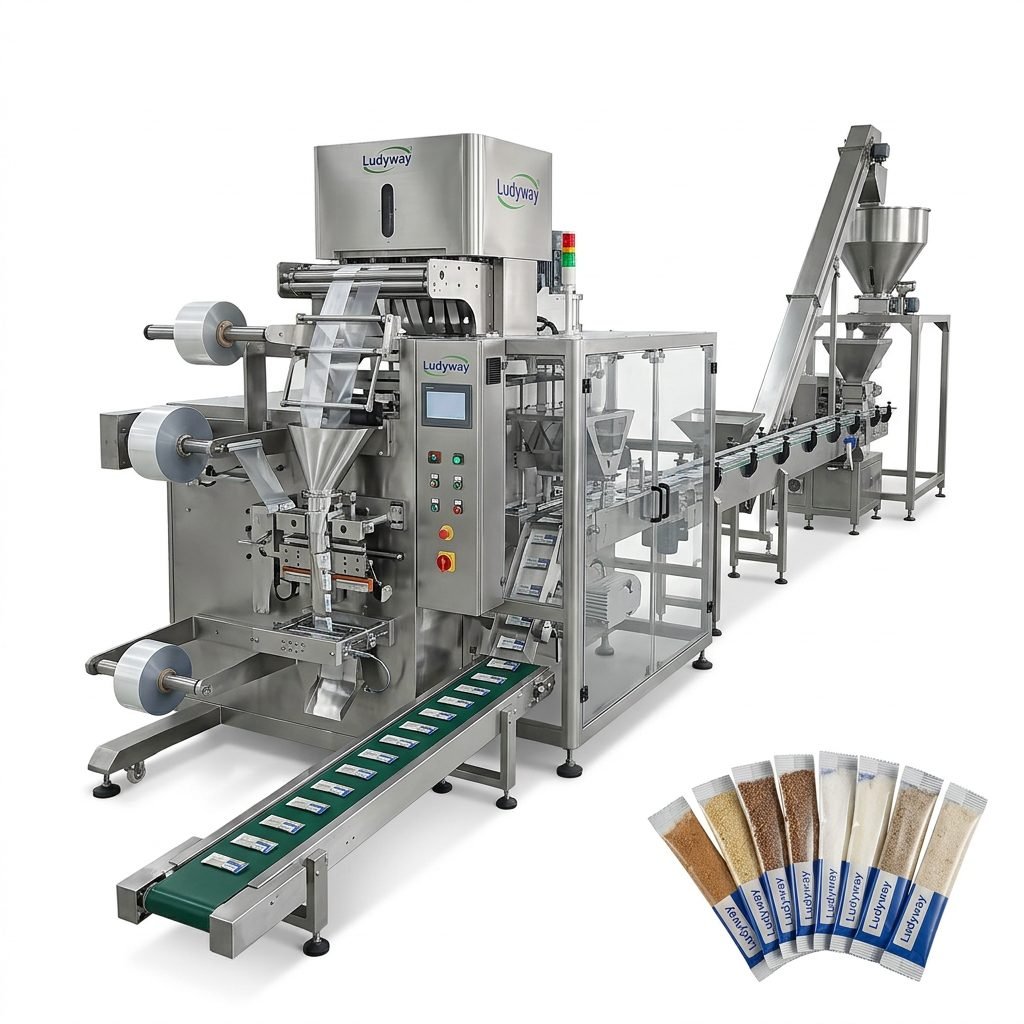
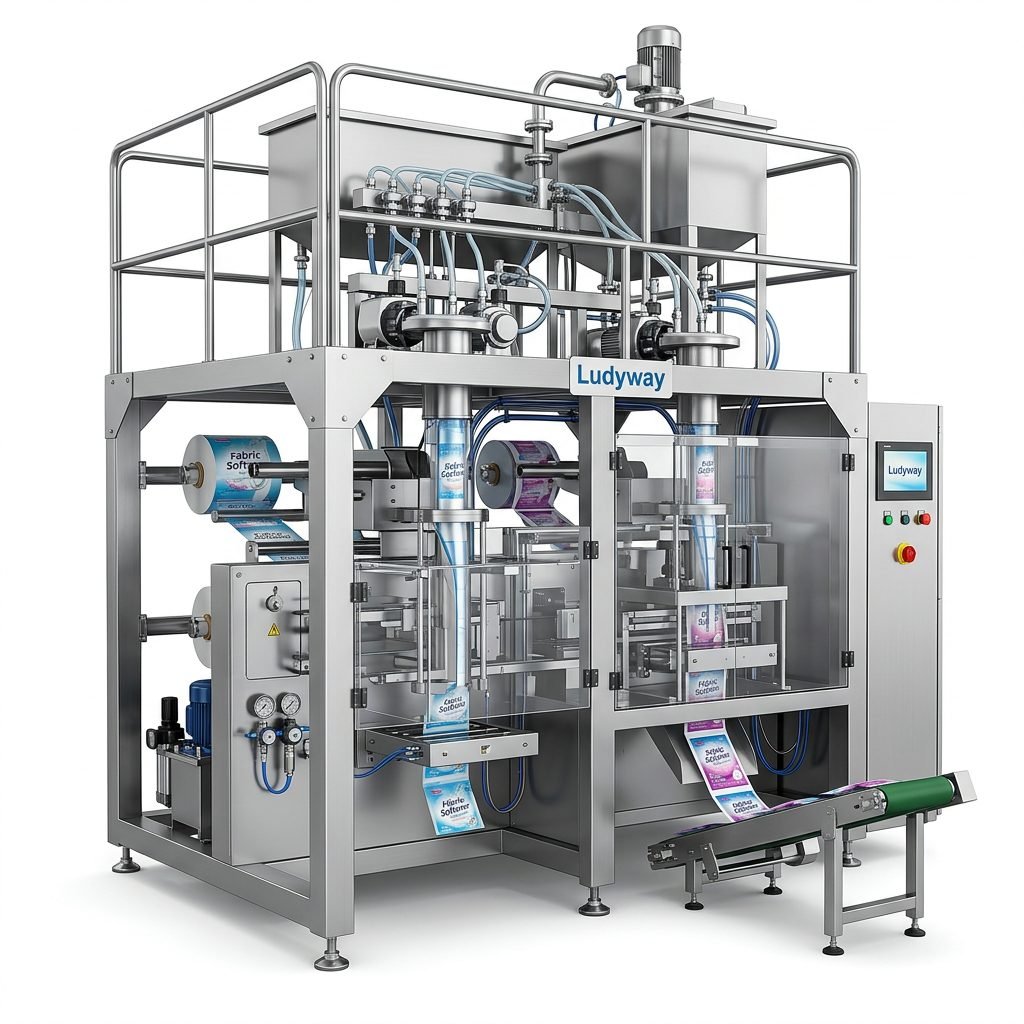
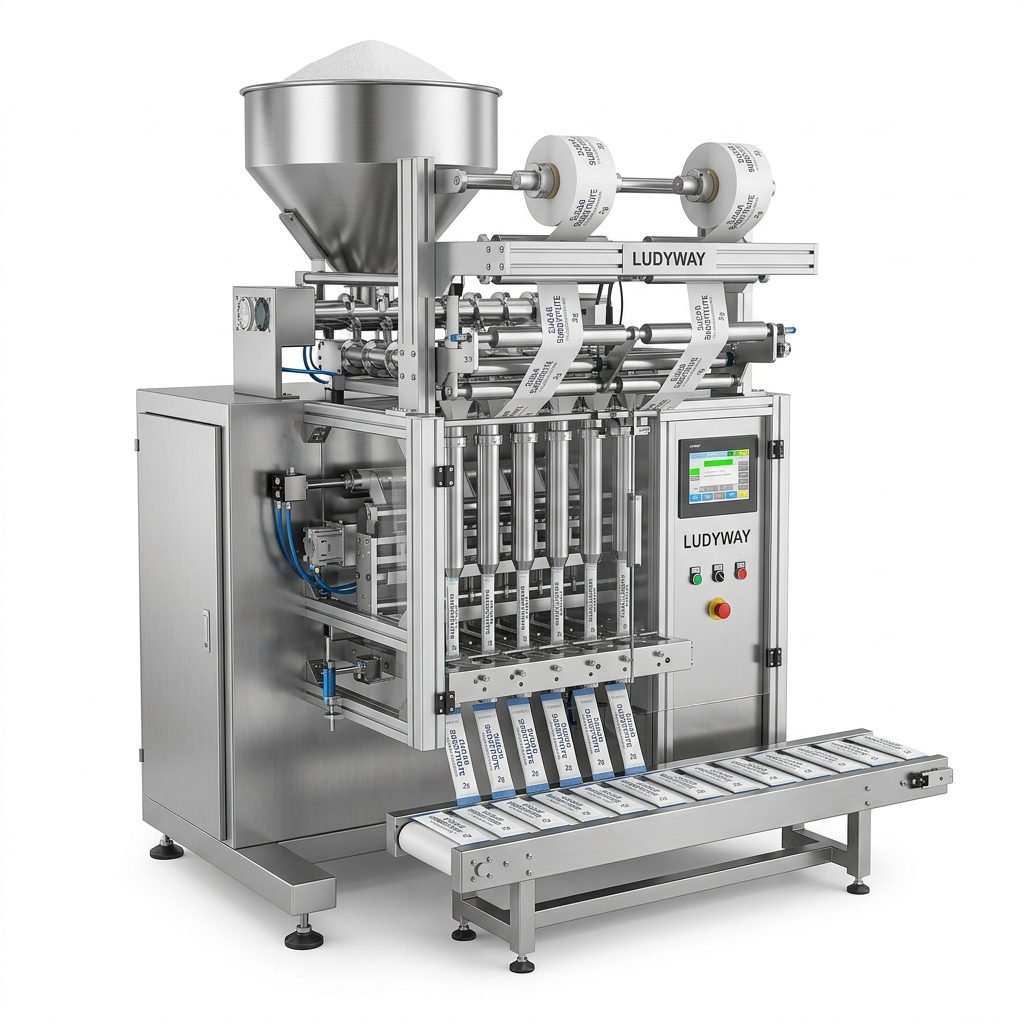
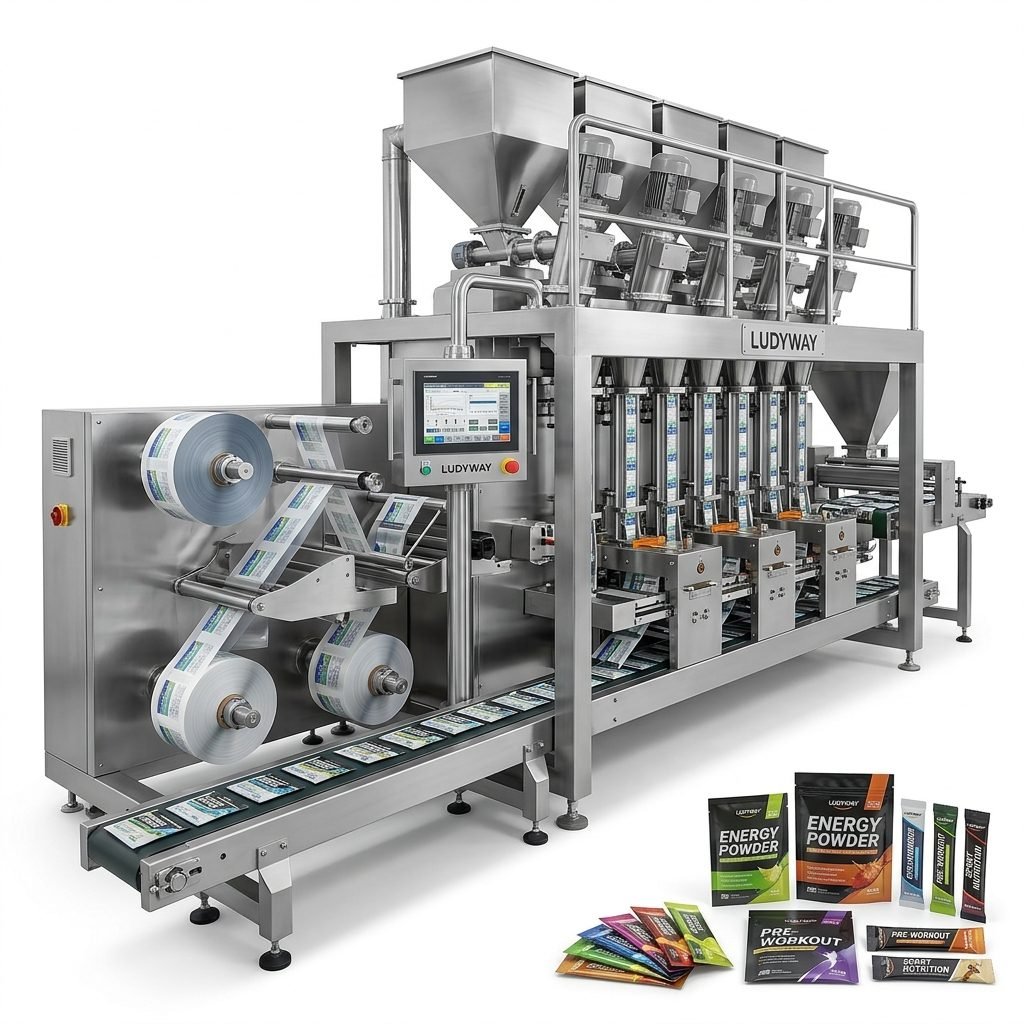
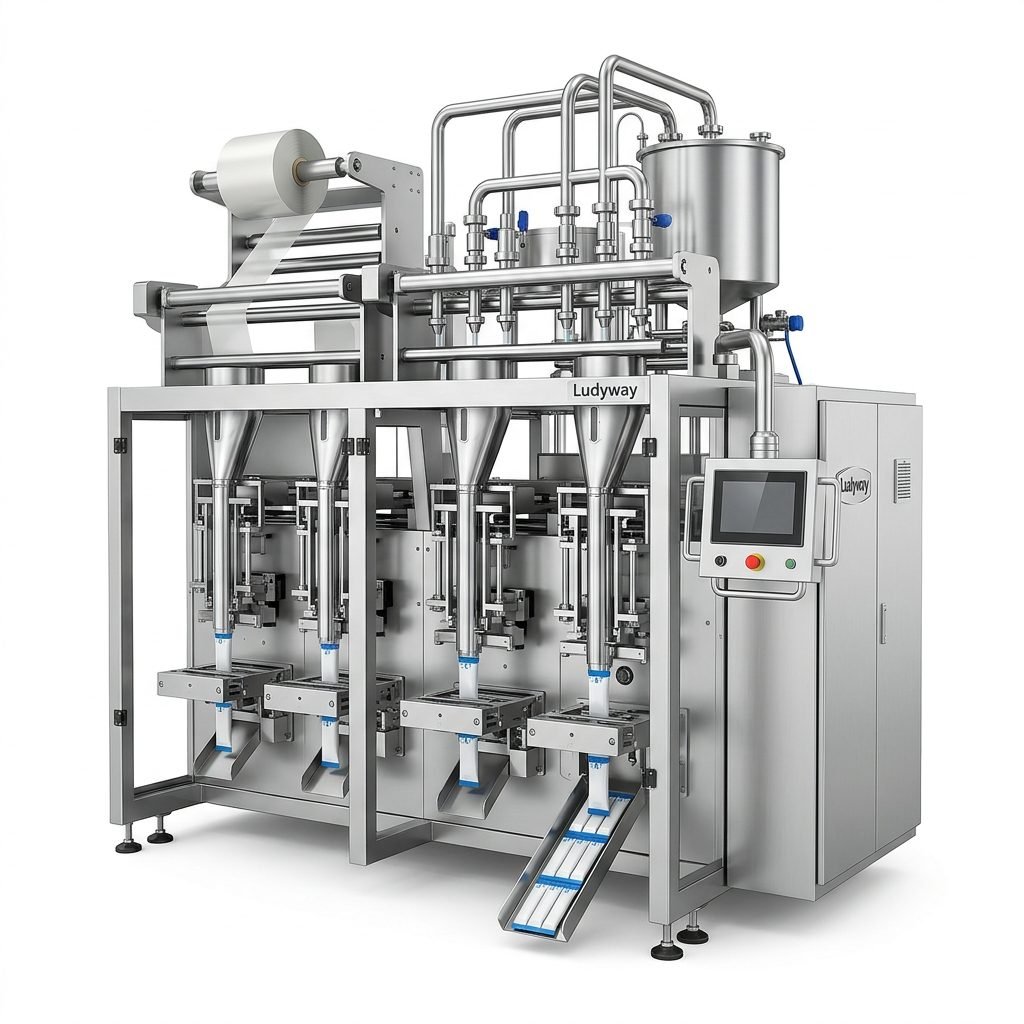
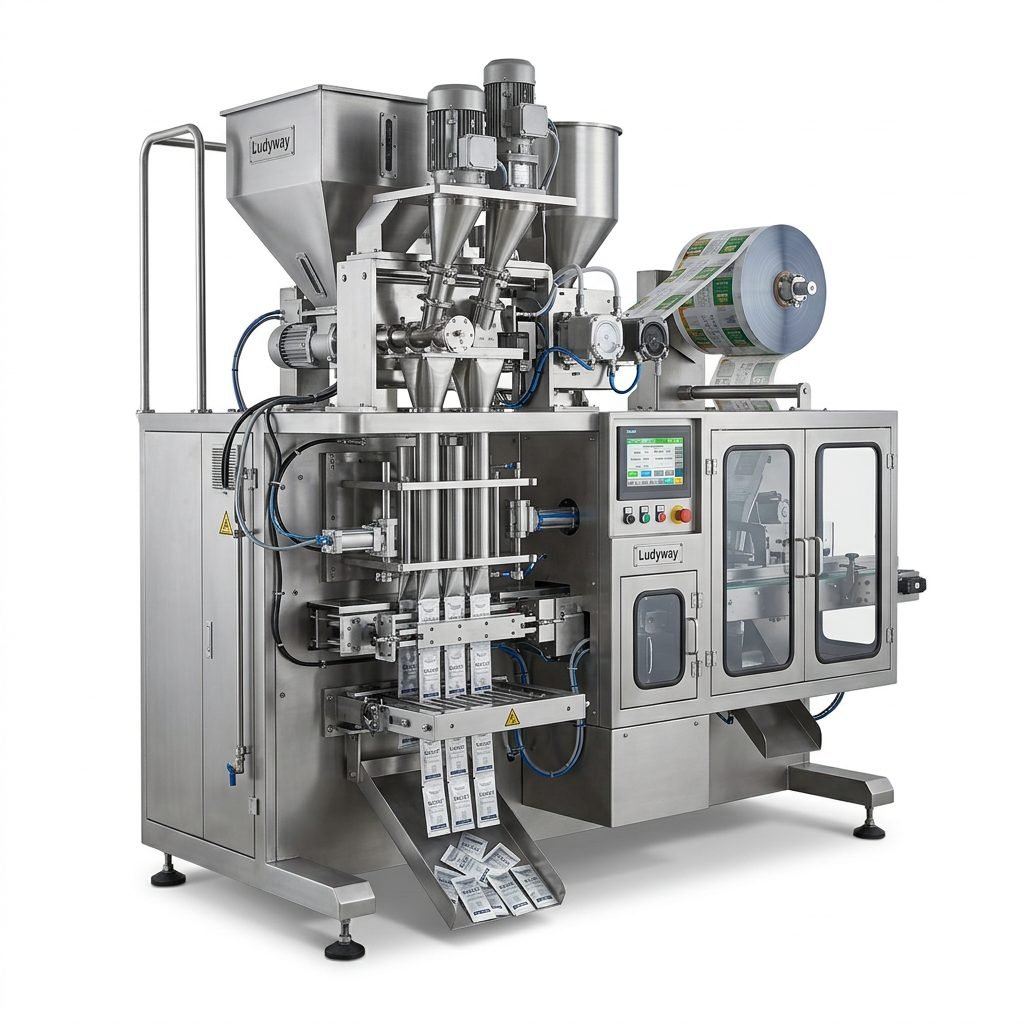
Navigating this complex market requires partners with specific expertise. Companies like Ludyway Machinery have positioned themselves as vital players by focusing on the nuanced needs of cannabis and adjacent industries. With over a decade of experience, such suppliers understand that success hinges on more than just the machine itself. It involves providing complete turnkey solutions—from initial consultation and regulatory guidance to machine design, integration, installation, and ongoing technical support. Their deep industry knowledge allows them to tailor solutions, whether it’s a multi-lane stick pack machine for single-dose powders or a liquid filling line for CBD tinctures, ensuring compliance, efficiency, and scalability for their clients worldwide.
The future of the cannabis packaging machine market is inextricably linked to the global acceptance and regulation of cannabis products. As legalization expands, the demand for reliable, fast, and intelligent packaging solutions will only intensify. Manufacturers who can offer flexibility to handle diverse products and materials, integrate sustainable practices, and provide robust data and traceability features will lead the next wave of market growth. The convergence of packaging technology with the unique demands of this sector creates a fertile ground for innovation and long-term investment.
Frequently Asked Questions (FAQs)
1. What are the most critical features to look for in a cannabis packaging machine?
The foremost features are regulatory compliance (ability to handle child-resistant and tamper-evident closures), dosing accuracy, material versatility (to work with various pouch, bottle, or blister materials), and ease of changeover for different product SKUs. Data tracking and integration capabilities are also becoming essential.
2. How does packaging for medical cannabis differ from recreational cannabis?
Medical cannabis packaging often has stricter requirements regarding sterility, precise dosage information, and patient-specific labeling. It may prioritize function over bold branding. Recreational packaging focuses heavily on brand appeal, child resistance, and single-use convenience, while still meeting all mandatory safety and labeling regulations.
3. Are there packaging machines that can handle both dry flower and liquid concentrates?
Typically, these require different specialized machines. Dry flower is best handled by volumetric cup fillers or auger fillers into pouches or jars, while liquid concentrates require liquid filling pumps (e.g., piston fillers) into vials, cartridges, or bottles. Some suppliers offer modular systems where lines can be reconfigured for different product types.
4. What is the importance of “track-and-trace” in cannabis packaging?
Most legal jurisdictions mandate seed-to-sale tracking. Packaging machines must integrate with state-run traceability systems by applying unique barcodes or QR codes to every unit. This ensures regulatory compliance, prevents diversion to the illicit market, and enhances supply chain security and recall management.
5. How can a business ensure its packaging line remains compliant as regulations change?
Partnering with an experienced machinery supplier is key. Companies like Ludyway design machines with adaptability and future-proofing in mind. They provide ongoing support and updates to help clients adjust to new labeling rules, material requirements, or safety standards, minimizing downtime and re-investment.