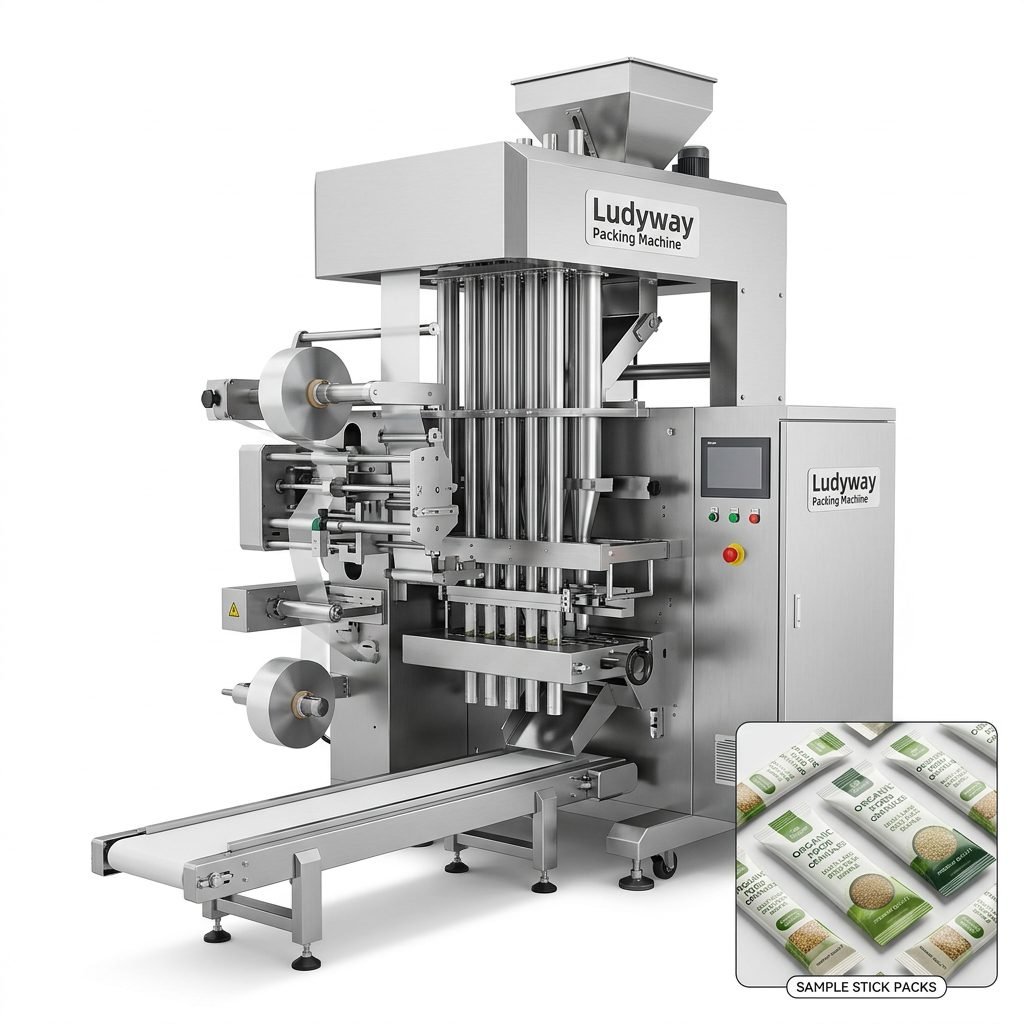
Investing in a food packaging machine is one of the most critical decisions for any food producer in Bosnia and Herzegovina. Whether you are packaging granules, powders, liquids, or solid products, selecting the right equipment directly impacts your production efficiency, product shelf life, and overall profitability. This guide walks you through the essential factors to consider when choosing the best food packaging machine for your specific needs in the Bosnian market.
Understanding Your Product Requirements
Before evaluating any packaging machinery, you must clearly define what you are packaging. Different product types require fundamentally different filling and sealing technologies. Here are the primary categories to consider:
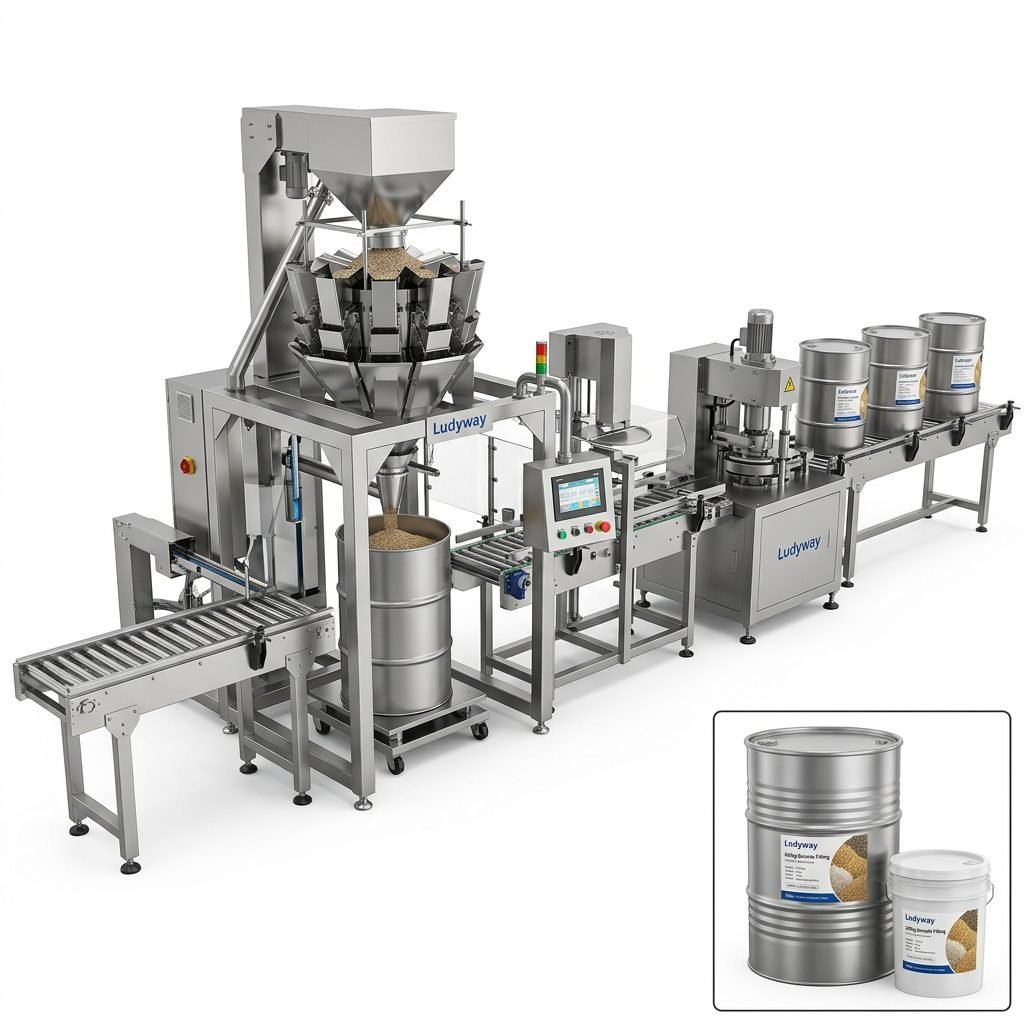
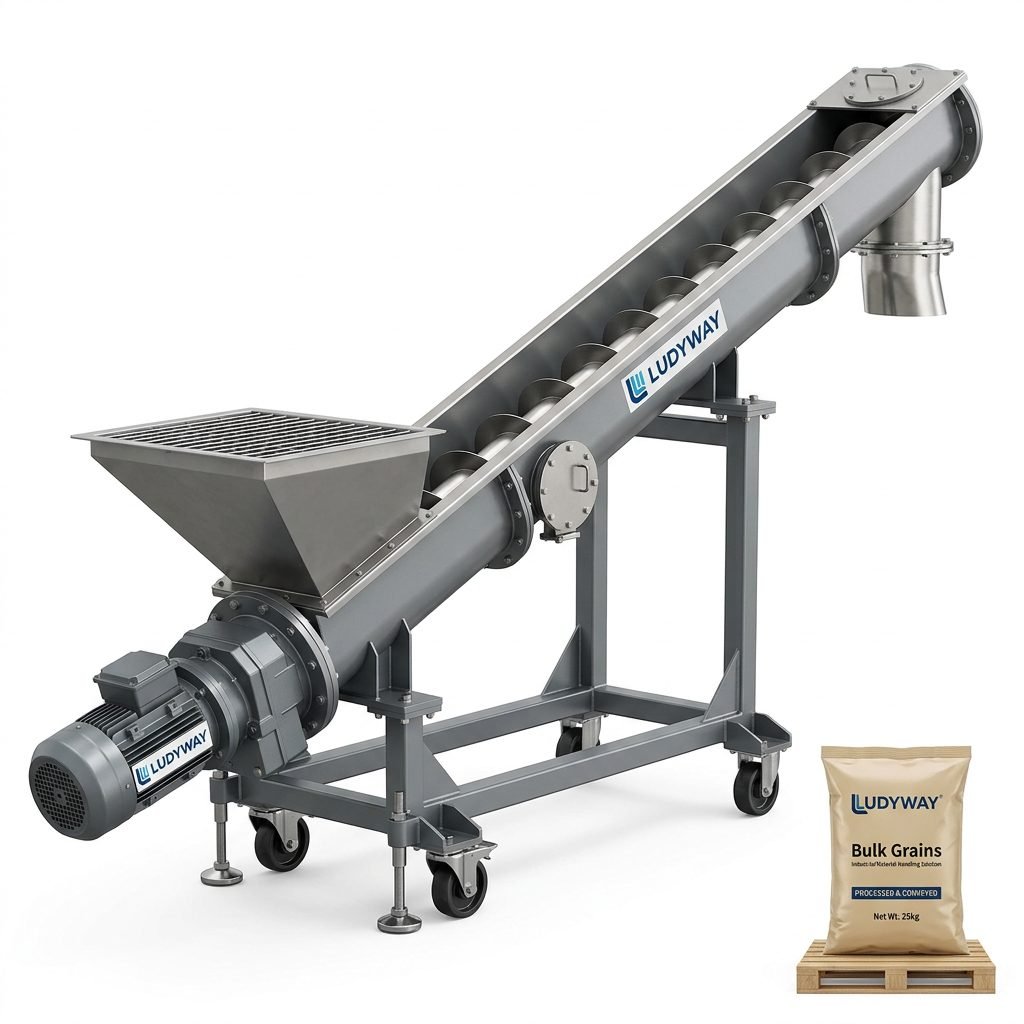
- Granules: Products like sugar, salt, coffee beans, nuts, seeds, and pet food require precision weighing systems and gentle handling to prevent product breakage.
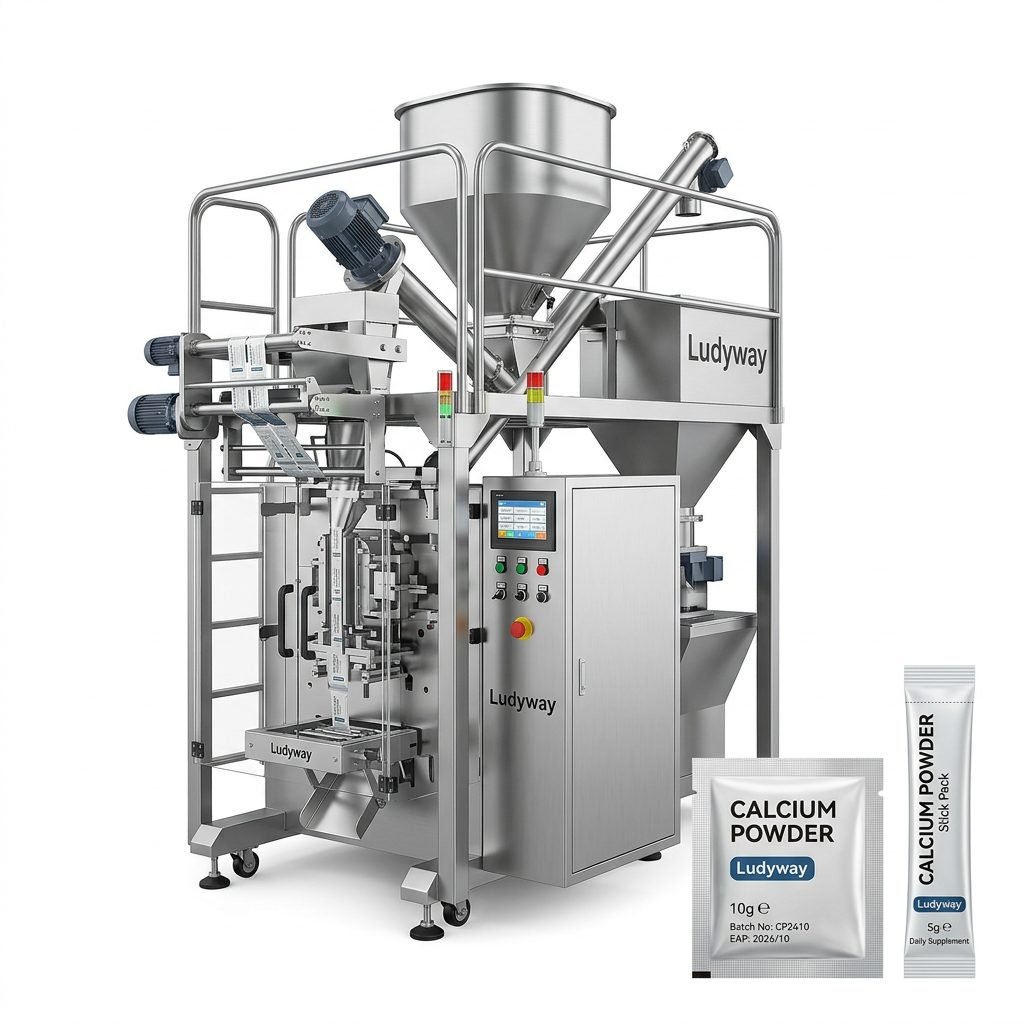
- Powders: Items such as flour, spices, milk powder, protein supplements, and baking mixes demand specialized auger fillers or vacuum-based dosing to control dust and ensure consistent fill weights.
- Liquids & Pastes: Sauces, oils, juices, creams, and gels need piston fillers, peristaltic pumps, or gravity-fed systems depending on viscosity levels.
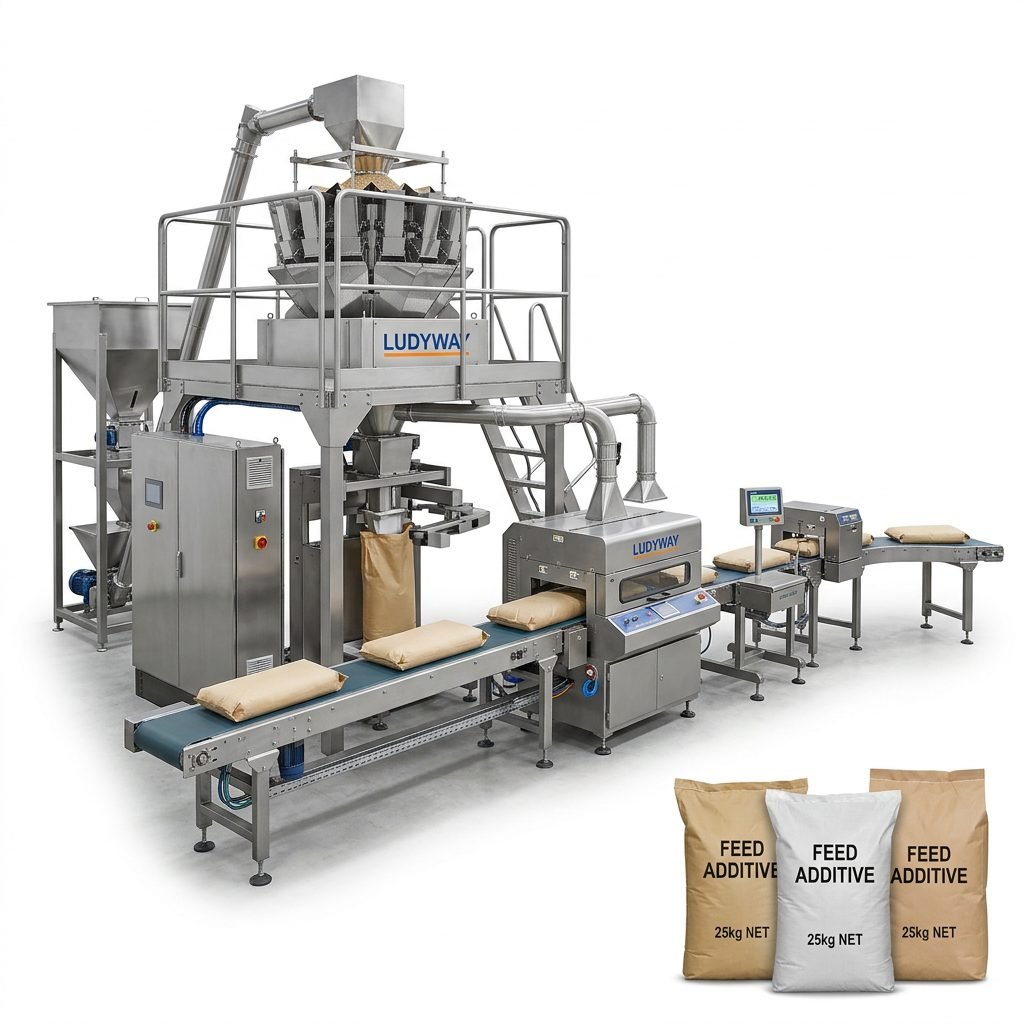
- Solid Products: Whole snacks, biscuits, dried fruits, and frozen items often require multi-head weighers combined with form-fill-seal technology.
Understanding your product’s flow characteristics, moisture content, and sensitivity to heat will help narrow down the most suitable machine type for your production line.
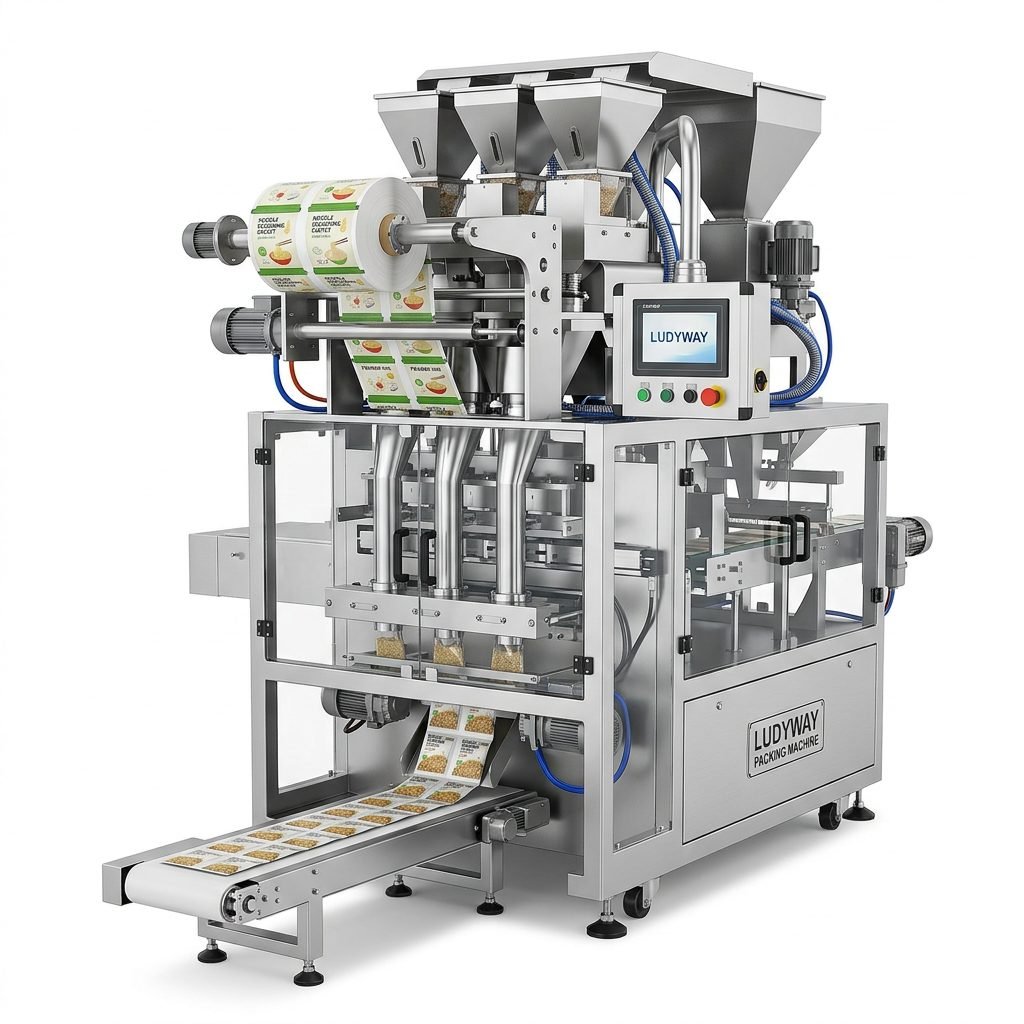
Key Features to Look for in a Food Packaging Machine
When comparing different packaging machines for your Bosnian food business, focus on these critical performance attributes that will determine long-term operational success:
Packaging Format Compatibility
Modern food packaging machines should support multiple formats to give your brand flexibility in the market. The most common formats for food products in Bosnia and Herzegovina include stick packs, sachets, pillow bags, gusseted pouches, and stand-up zipper pouches. A machine that can handle multiple packaging styles reduces the need for additional equipment as your product line expands. According to the Flexible Packaging Association’s industry data, multi-format machines are increasingly preferred by growing food enterprises across Europe.
Machine Speed and Output Capacity
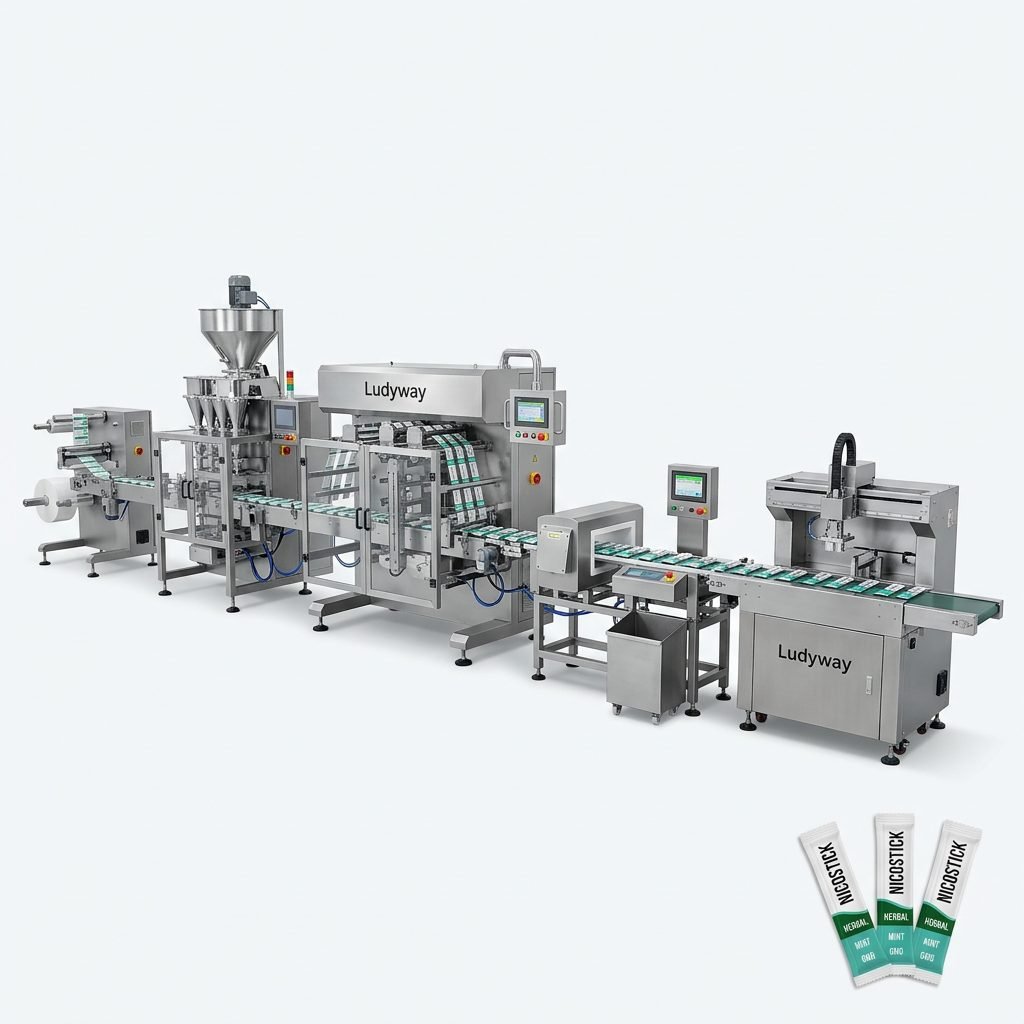
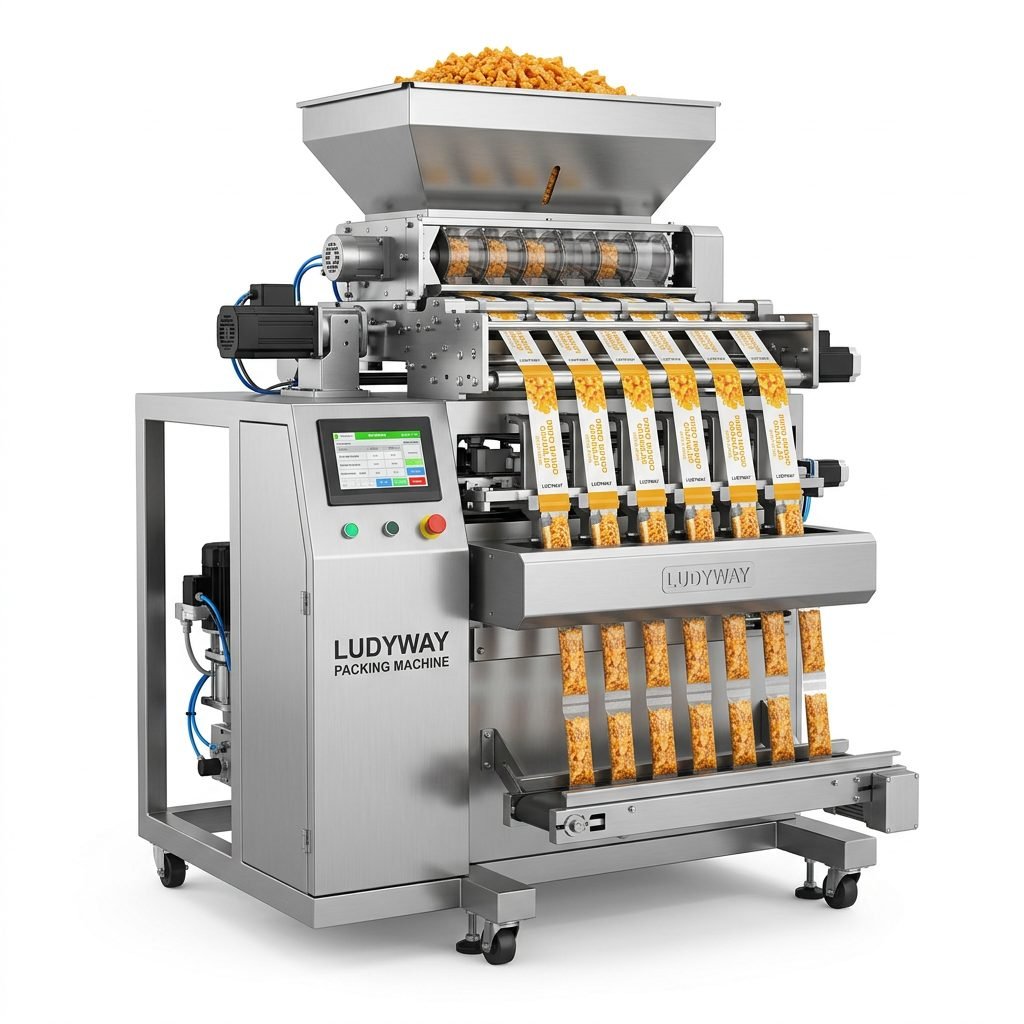
Your current and projected production volume should guide speed requirements. For small to medium enterprises in the Bosnian market, a machine producing 30 to 80 packs per minute might suffice. Larger operations supplying regional supermarket chains may need equipment capable of 120 to 400 packs per minute. Multi-lane technology significantly boosts throughput without requiring additional floor space, making it an attractive option for growing businesses.
Material and Build Quality
Food-grade contact parts must be manufactured from AISI 304 or AISI 316L stainless steel to comply with European food safety regulations. The machine frame should be robust enough to withstand continuous operation in humid or demanding production environments common in food processing facilities. FDA and EU food contact material standards provide the regulatory framework that your chosen equipment should meet.
Compliance with Bosnian and EU Standards
Bosnia and Herzegovina is progressively aligning its food safety regulations with European Union standards. When selecting a food packaging machine, ensure it meets the following compliance requirements:
| Standard / Regulation | Scope | Relevance for Bosnia & Herzegovina |
|---|---|---|
| EU Regulation 1935/2004 | Food Contact Materials | Mandatory for all food packaging sold in the EU and aligned Bosnian markets |
| CE Marking (Machinery Directive 2006/42/EC) | Machine Safety | Required for all industrial equipment imported into Bosnia |
| ISO 22000 / HACCP | Food Safety Management | Essential for export-oriented Bosnian food manufacturers |
| ISO Packaging Standards | Packaging Quality & Testing | International benchmark for packaging machinery performance |
| EU Packaging Waste Directive | Sustainable Packaging | Increasingly relevant as Bosnia aligns with EU environmental policies |
Evaluating Total Cost of Ownership
When budgeting for a food packaging machine in Bosnia and Herzegovina, look beyond the initial purchase price. Consider the following total cost of ownership (TCO) factors:
- Energy consumption: Machines with servo-driven motors typically offer 30-40% energy savings compared to pneumatic systems.
- Spare parts availability: Ensure the supplier has reliable distribution channels for spare parts within the Balkans region, minimizing downtime.
- Film and material waste: Precision sealing and cutting mechanisms reduce packaging material waste, which can represent significant savings over time.
- Operator training requirements: Intuitive touchscreen interfaces and multi-language support (including local languages) reduce training costs and operator errors.
- Maintenance and service support: Verify that technical support is accessible in Bosnia, either through local partners or remote diagnostics capabilities.
Finding the Right Supplier
Choosing a reliable packaging machine supplier is just as important as choosing the right machine. For food businesses in Bosnia and Herzegovina, consider both European manufacturers and established international suppliers with a proven export track record. Look for companies that offer:
- Comprehensive pre-sales consultation to determine the optimal machine configuration for your product.
- Factory acceptance testing (FAT) before shipment.
- Installation and commissioning support at your facility in Bosnia.
- Ongoing technical support and readily available spare parts.
- Warranty coverage that provides genuine peace of mind.
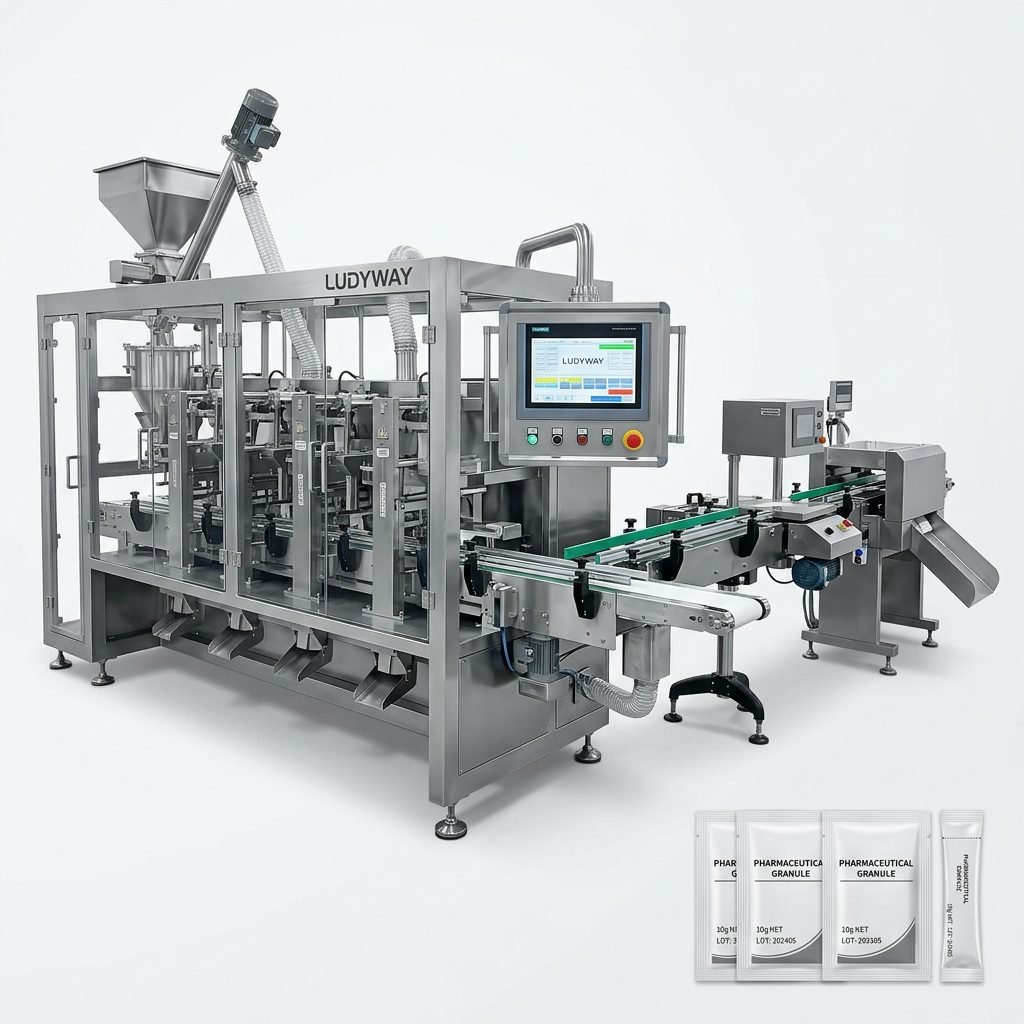
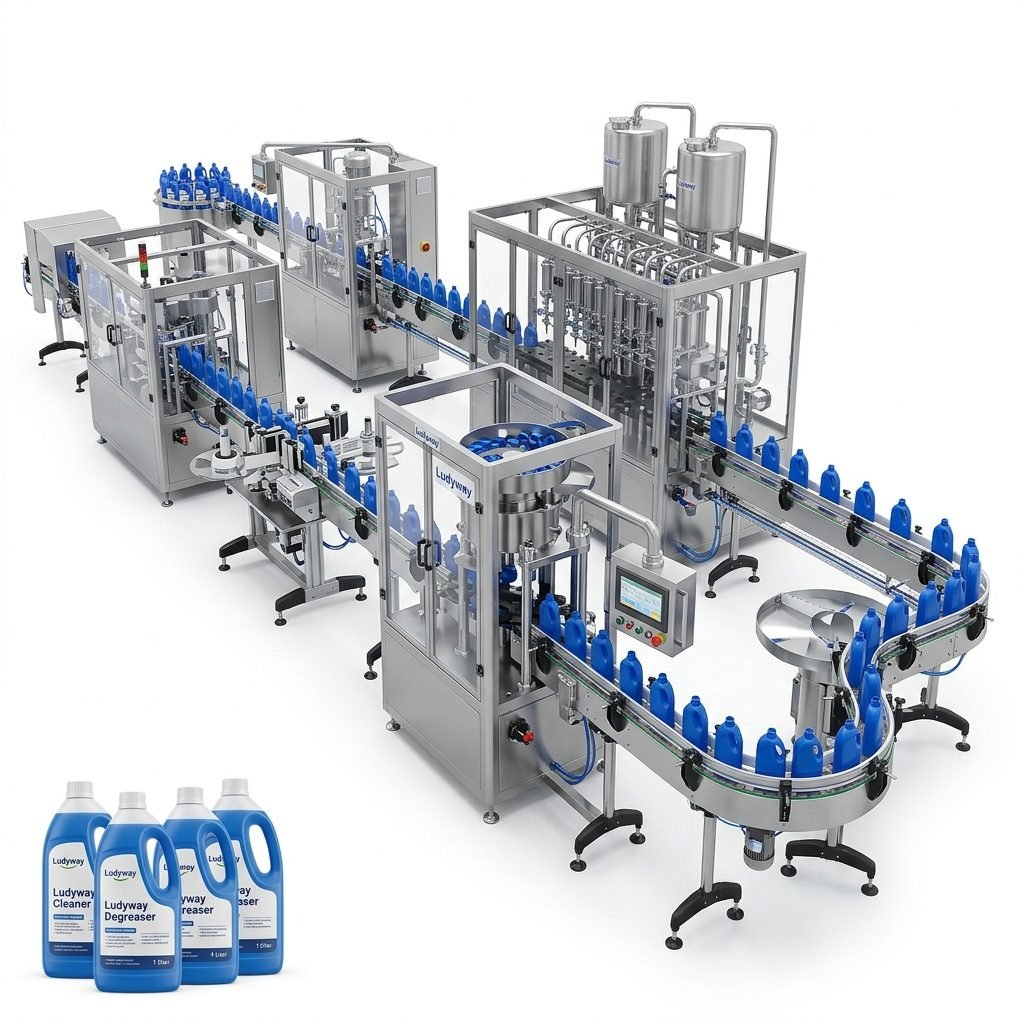
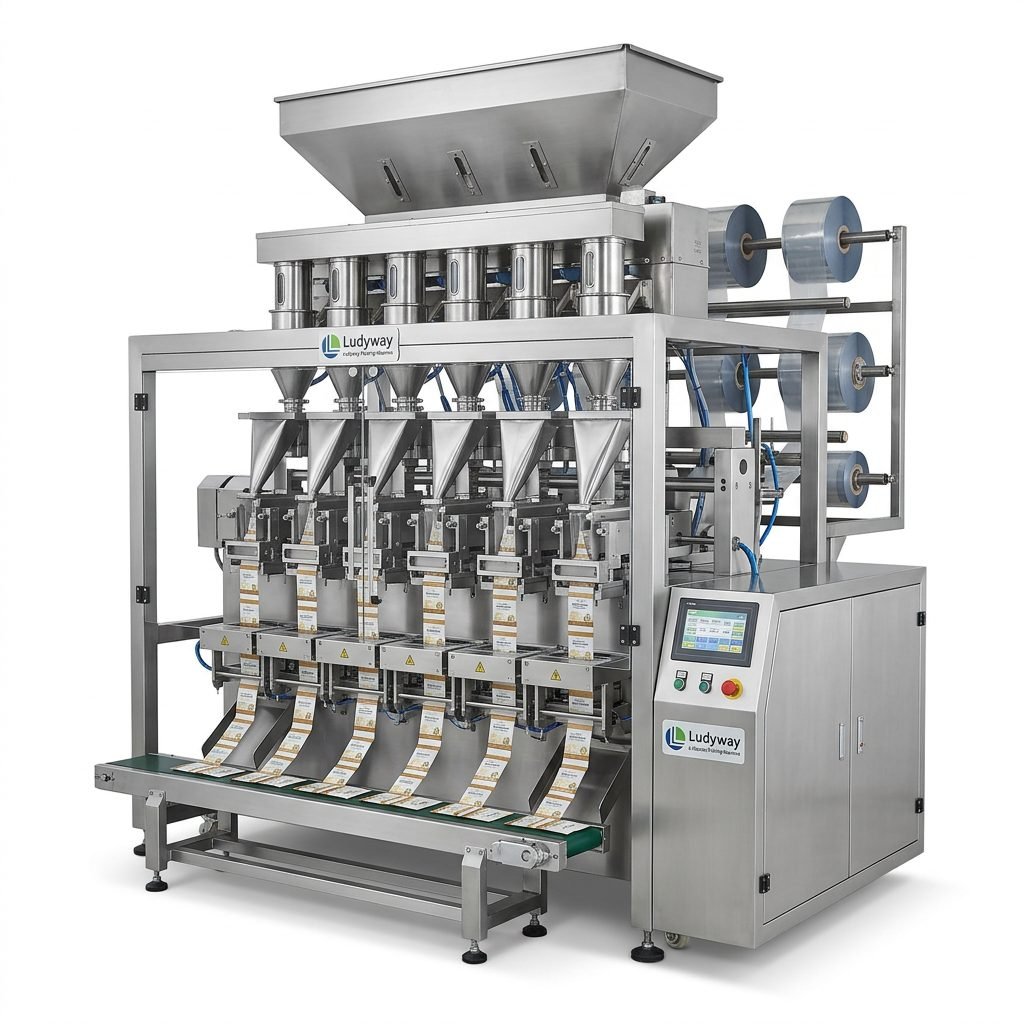
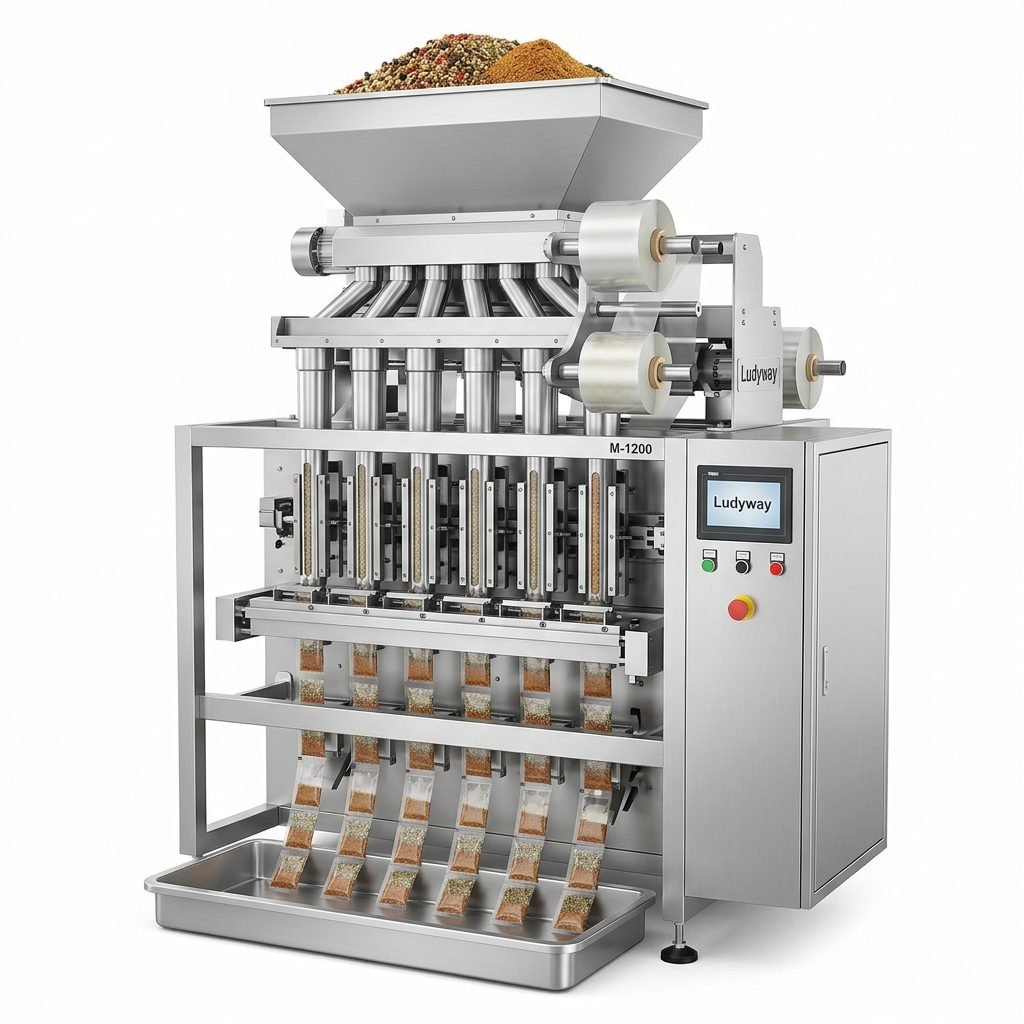
One notable global manufacturer is Ludyway, a leading packaging machine manufacturer with over 30 years of industry experience and a modern 20,000㎡ production facility. The company serves customers in over 100 countries and regions, offering more than 50 intelligent packaging machine models including multi-lane stick pack, sachet, and fully automated packaging systems for granule, powder, and liquid applications. Their turnkey packaging solutions are designed to help food producers improve productivity and operational efficiency.
Machine Type Comparison for Food Products
| Machine Type | Best For | Typical Speed Range | Key Advantage |
|---|---|---|---|
| Vertical Form Fill Seal (VFFS) | Granules, powders, snacks, grains | 30 – 150 packs/min | Highly versatile, cost-effective for medium to high volumes |
| Multi-Lane Stick Pack | Sugar, instant coffee, salt, spices, supplements | 200 – 800 packs/min | Extremely high output, ideal for single-serve portions |
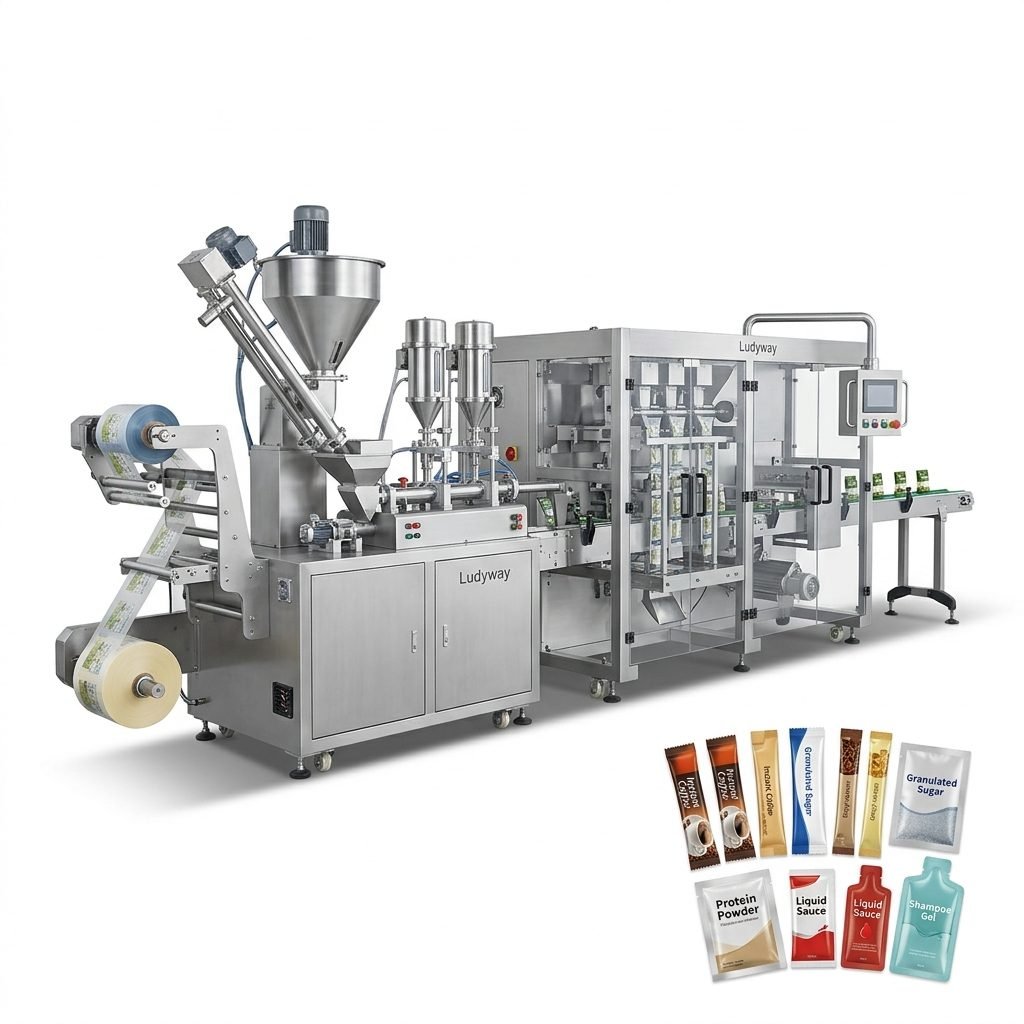
| Sachet Packaging Machine | Ketchup, sauces, creams, liquid detergents | 100 – 400 sachets/min | Compact footprint with precise liquid filling capabilities |
| Premade Pouch Packaging | Premium snacks, frozen foods, pet food | 25 – 60 pouches/min | Excellent for stand-up and zipper pouches with high shelf appeal |
The Importance of After-Sales Support in Bosnia
After-sales service is a crucial factor that many first-time buyers overlook. In Bosnia and Herzegovina, where the packaging machinery market is still developing, having access to prompt technical assistance can make the difference between minimal downtime and costly production halts. Ask potential suppliers about their service infrastructure in Southeastern Europe, including whether they offer remote diagnostics, local technical partners, and guaranteed response times for on-site service visits.
Frequently Asked Questions
What is the most suitable packaging machine for a small food startup in Bosnia?
For small-scale operations, a semi-automatic vertical form fill seal machine or a compact single-lane sachet machine often provides the best balance of affordability, flexibility, and ease of operation. These machines can typically be operated by one or two people and offer production capacities suitable for local market distribution.
How do I ensure my packaging machine meets EU import requirements for Bosnia?
Verify that the machine carries CE certification and that the manufacturer provides full documentation including user manuals, electrical schematics, and a declaration of conformity. For food applications, confirm that all product-contact surfaces are made from certified food-grade materials compliant with internationally recognized food safety standards.
Can one machine handle multiple product types?
Yes, many modern packaging machines are designed for quick changeover between different products and packaging formats. However, if you regularly switch between powders and liquids, you may need separate dosing systems or a modular machine configuration. Discuss your full product range with the supplier during the consultation phase.
Final Thoughts on Selecting Your Food Packaging Machine
Choosing the best food packaging machine for your products in Bosnia and Herzegovina requires careful evaluation of your product characteristics, production goals, regulatory obligations, and budget considerations. Take the time to test your products on different machines before committing, and prioritize suppliers who demonstrate genuine understanding of the Bosnian and broader Balkan market. With the right equipment, your food business can achieve higher productivity, consistent product quality, and successful market expansion both domestically and across the region.
Related resources for further reading: