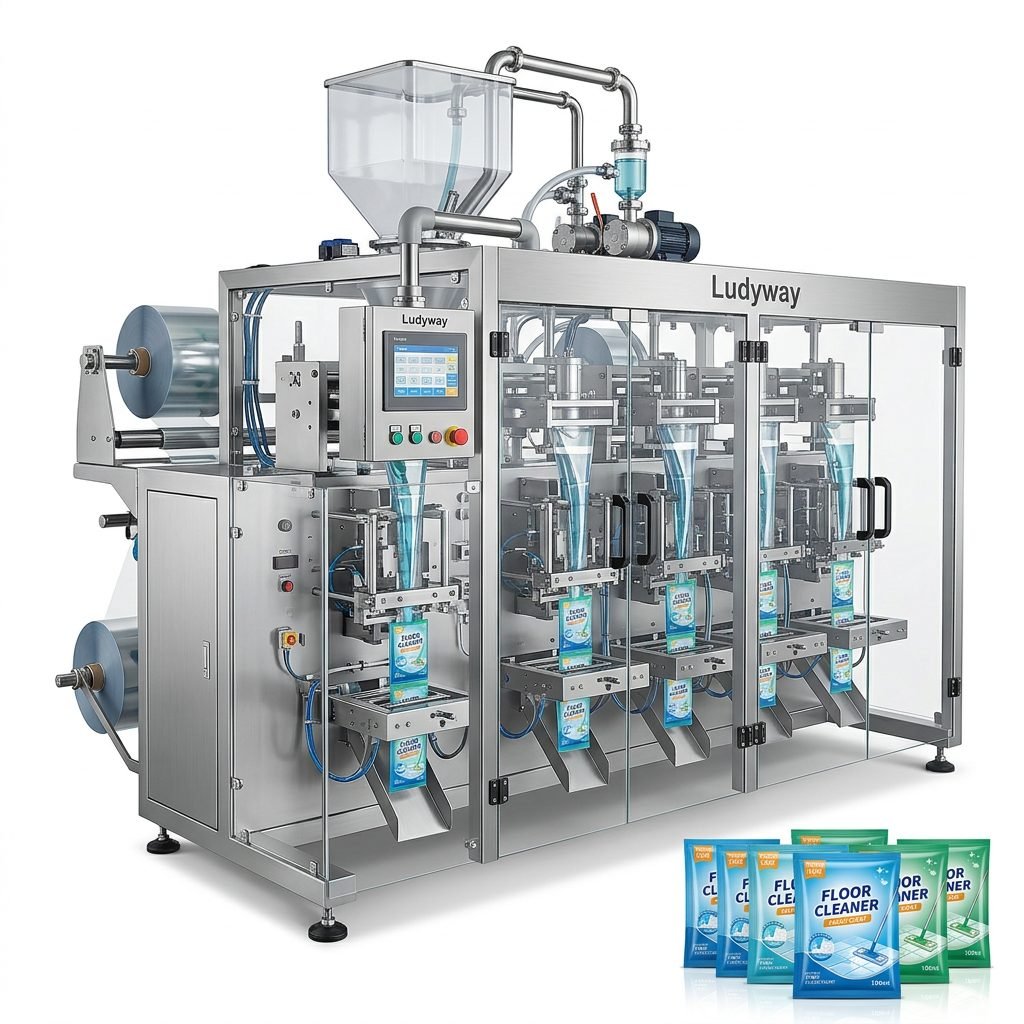
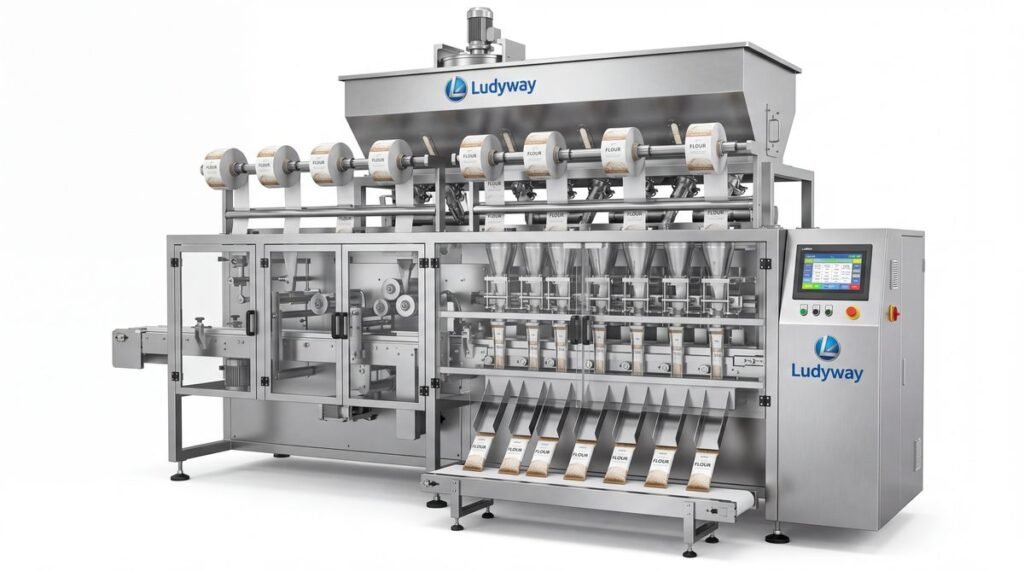
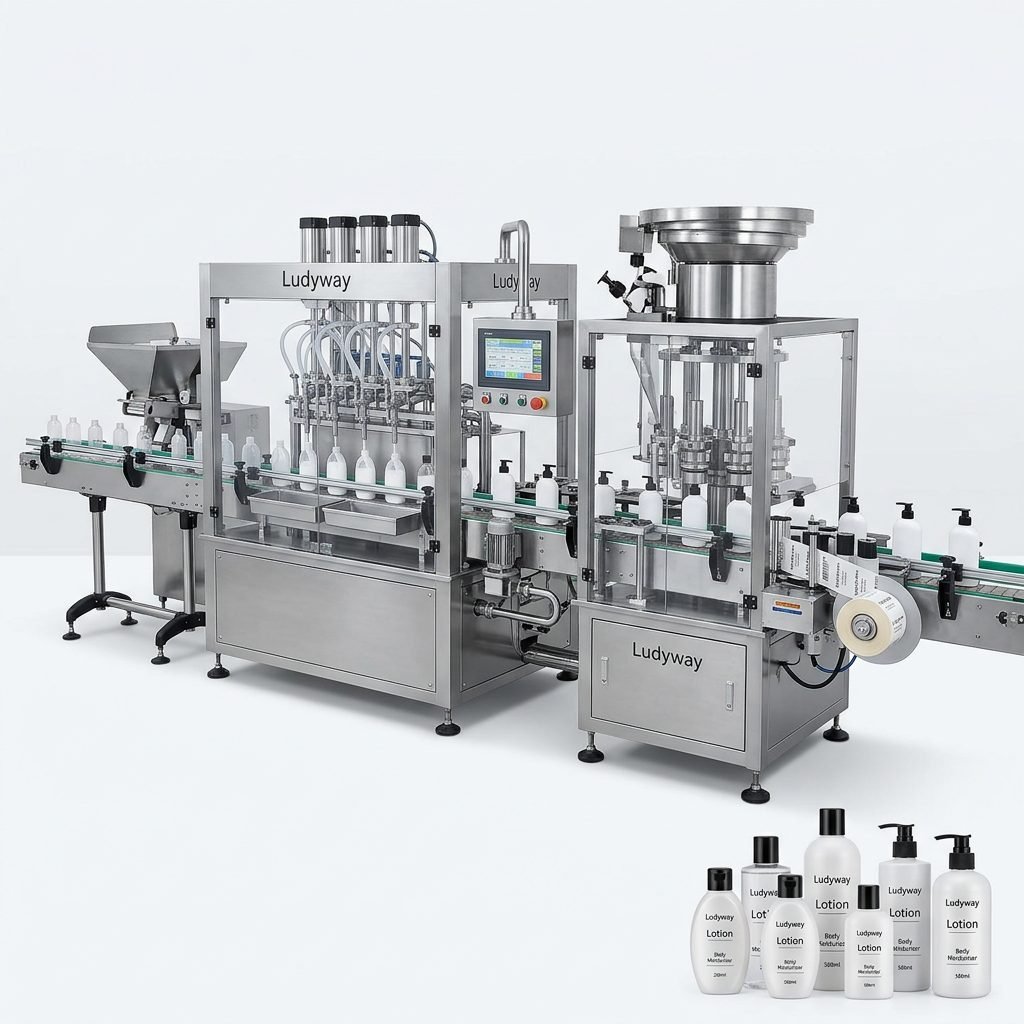
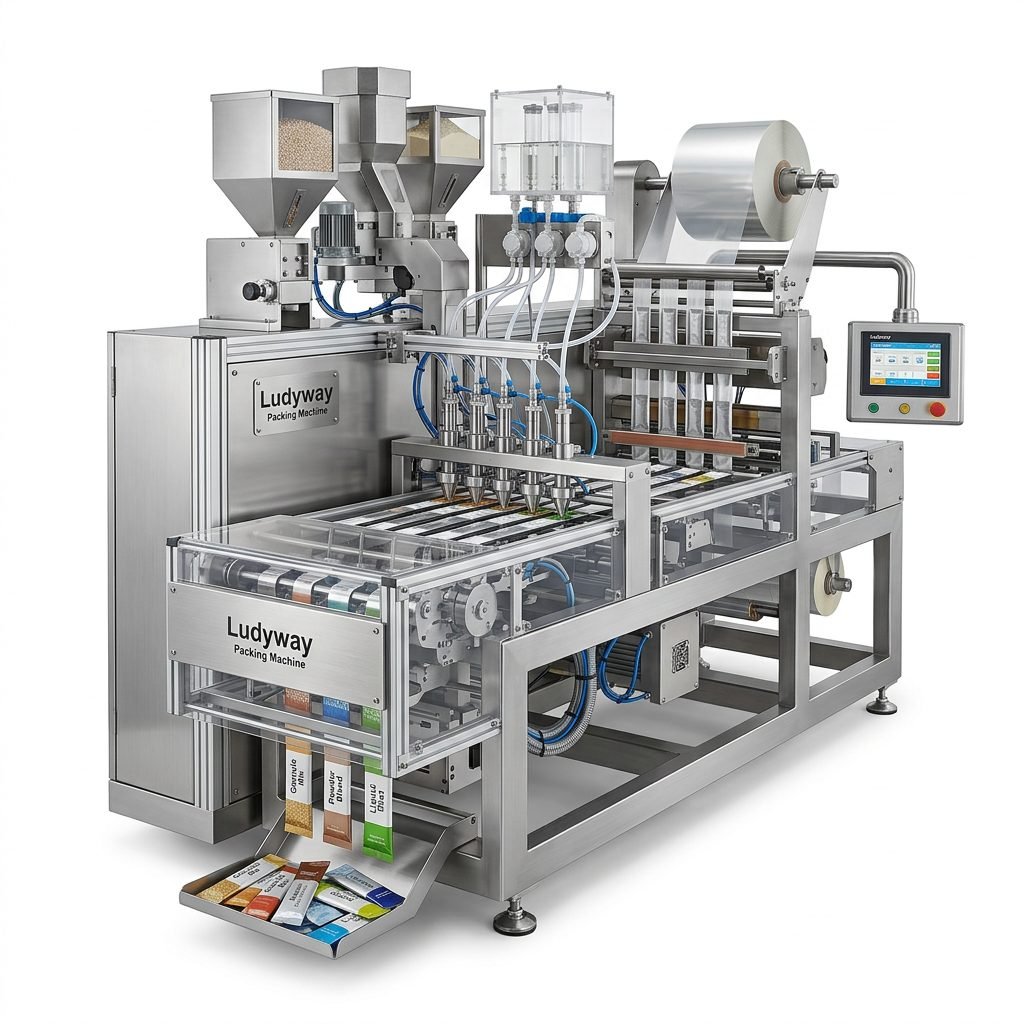
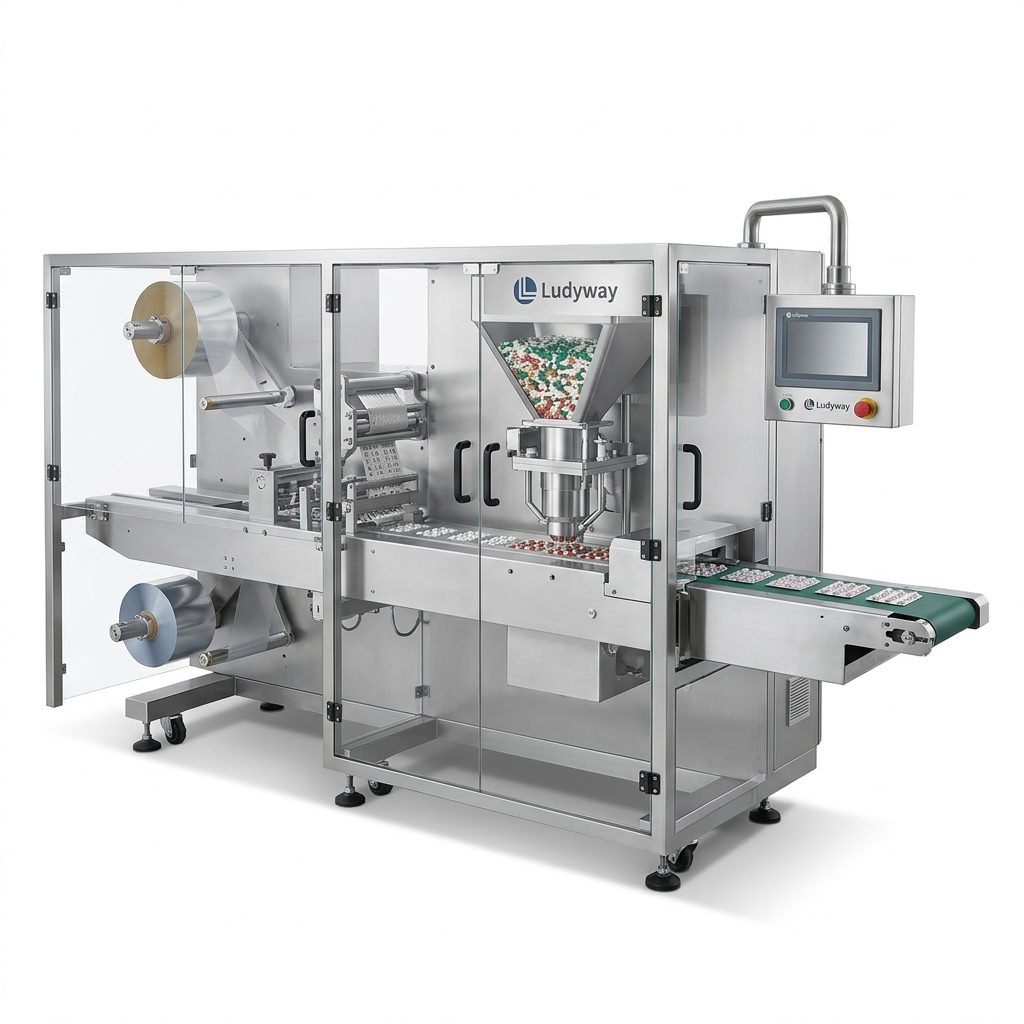
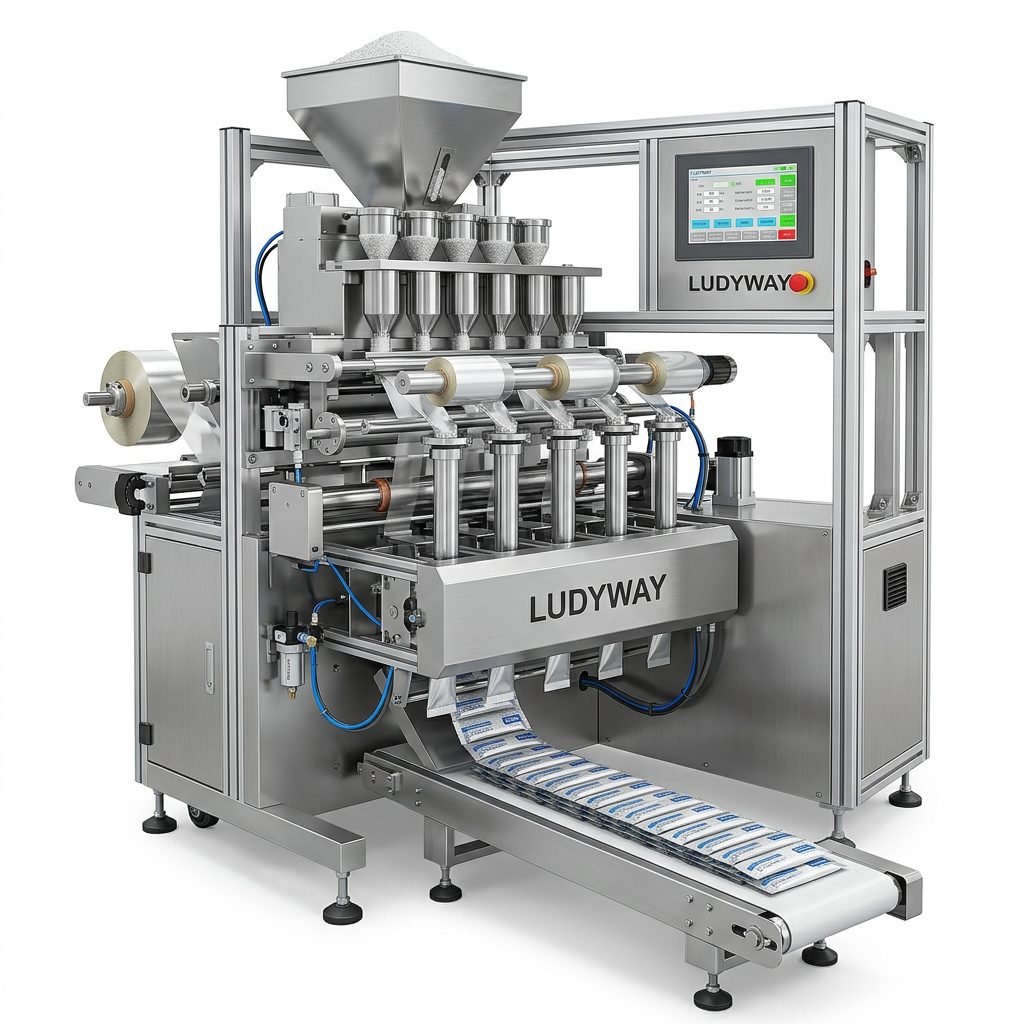
In the fast-paced world of modern manufacturing, efficiency, hygiene, and product protection are paramount. Horizontal Form Fill Seal (HFFS) packaging machines stand as a cornerstone technology for achieving these goals across industries like food, pharmaceuticals, and consumer goods. These sophisticated systems automate the process of creating a pouch from a roll of film, precisely metering the product into it, and hermetically sealing it—all in a continuous horizontal motion. Understanding the key components of an HFFS machine and their interplay is essential for optimizing production lines and ensuring consistent, high-quality packaging output.
The Film Unwind & Feeding System: The Starting Point
Every HFFS process begins with the packaging material, typically a multi-layered laminate film supplied on large rolls. The film unwind unit is responsible for holding these rolls and feeding the film web into the machine in a controlled, tension-regulated manner. It often includes:
- Braking or Dancer Roll Systems: These maintain consistent film tension, preventing wrinkles, stretching, or tearing, which is crucial for accurate forming and sealing.
- Guiding Mechanisms: Edge or center guides ensure the film web travels perfectly aligned through the machine, maintaining package symmetry.
Proper film handling at this initial stage sets the foundation for a smooth and defect-free packaging operation.
The Forming Section: Creating the Pouch Shape
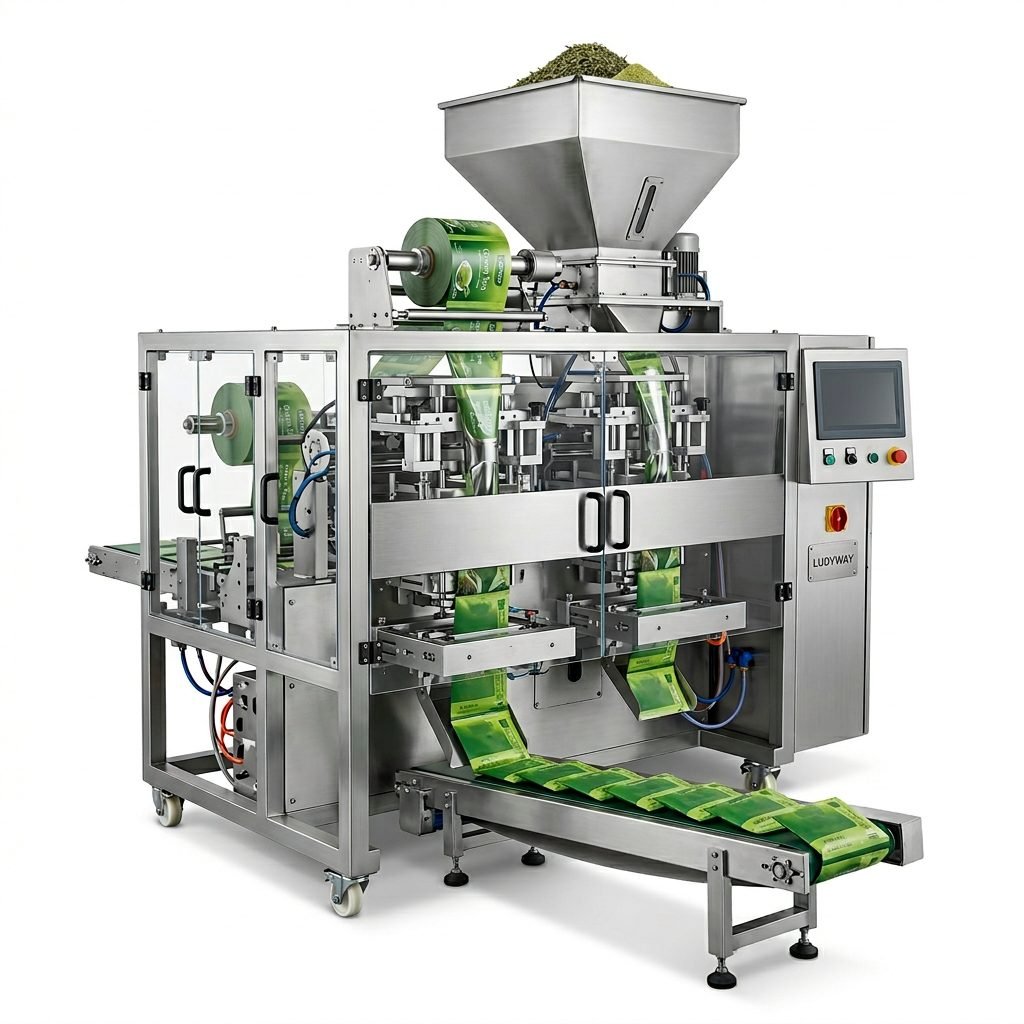
This is where the flat film is transformed into a three-dimensional pouch. The heart of this section is the forming tube (or forming shoulder). As the film is pulled down over this precision-machined tube, it is shaped into a vertical tube. The design of the forming tube dictates the final pouch dimensions and gusset styles (like flat-bottom or stand-up pouches). Just below the forming tube, a critical component called the longitudinal sealer creates the back seam of the pouch. This is often a heated sealing bar or a rotary sealing system that continuously seals the overlapped film edges as they move downward.
The Filling System: Precision Product Delivery
Once the film tube is formed and sealed longitudinally, it moves to the filling station. The type of filling system is entirely dependent on the product characteristics:
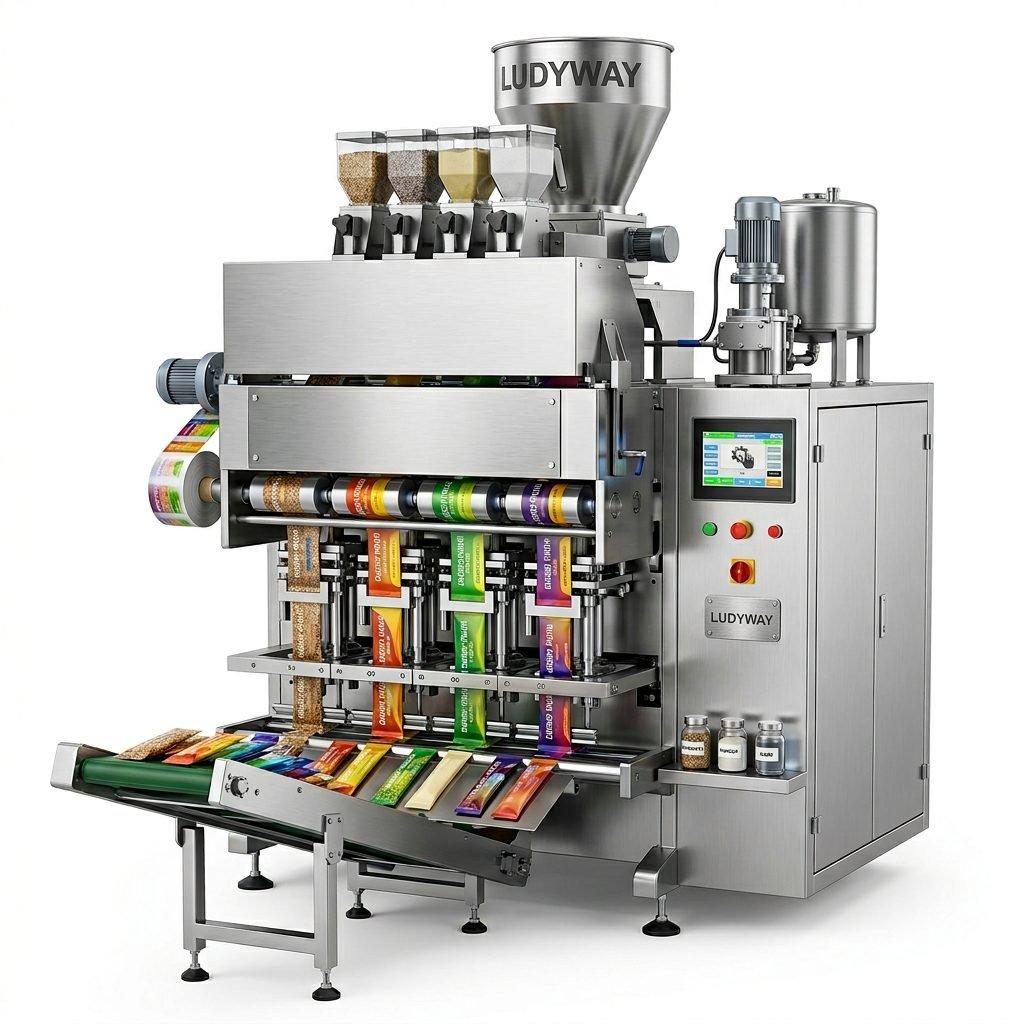
Volumetric Cup Fillers: Ideal for free-flowing granules, powders, or small solids (like nuts, candies). Pre-set cups rotate, scoop the product, and drop it into the film tube.
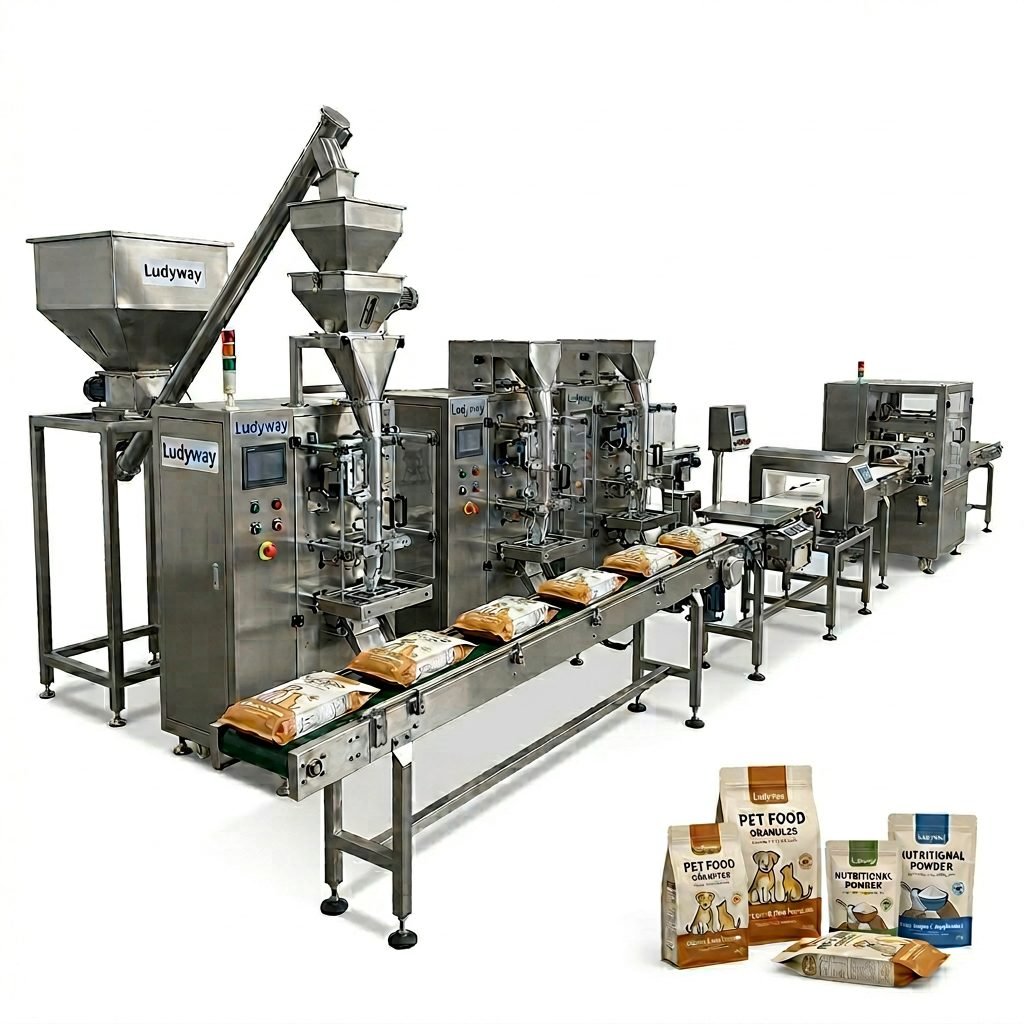
Auger Fillers: The go-to choice for fine powders and non-free-flowing products. A rotating auger screw inside a hopper precisely meters product through a nozzle into the pouch.
Liquid Pumps: For sauces, oils, shampoos, or other liquids. Piston or peristaltic pumps deliver accurate volumetric fills.
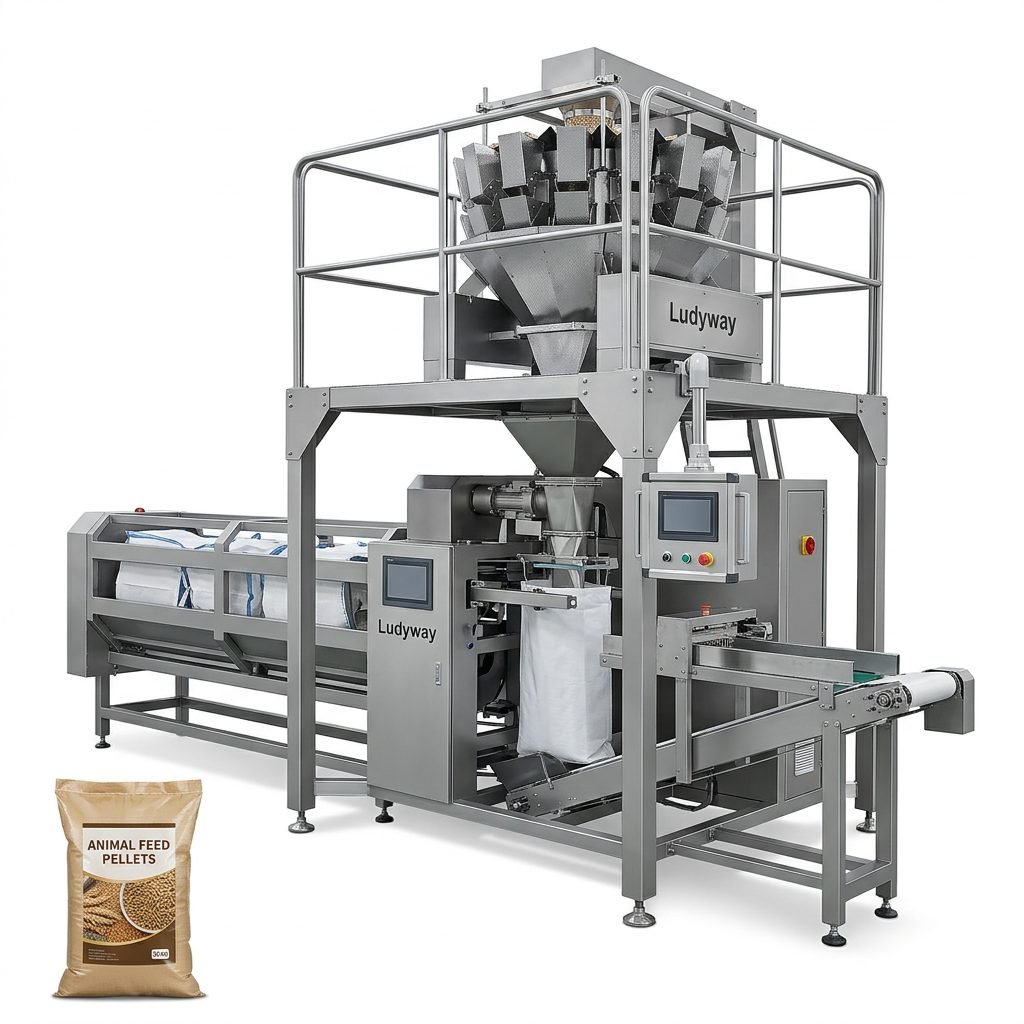
Weighing Systems: For high-value products requiring extreme accuracy (e.g., coffee, pharmaceuticals). Multi-head weighers or combination weighers deliver precise weight doses.
The synchronization between the film advance and the fill cycle is critical to ensure the product lands correctly inside the moving pouch.
Film Drive & Cutting Mechanism: Movement and Separation
The film drive system, usually a pair of servo-driven or mechanically linked pull belts or rollers, grips the film tube and pulls it downward in precise, intermittent cycles. This “pull length” determines the cut-off length and thus the final pouch height. Following the fill and at the end of the pull cycle, the machine reaches the cross-sealing and cutting station. This is arguably the most dynamic part of the machine.
- Reciprocating Sealing Jaws: These heated jaws close horizontally, simultaneously creating the top seal of the filled pouch below and the bottom seal of the next empty pouch above.
- Integrated Cutting Blade: A serrated blade is often mounted between the sealing jaws. As the jaws seal, the blade cuts through the center of the seal, separating the finished pouch from the film tube while ensuring both pouches have a hermetic seal.
The Control System: The Machine’s Brain
Overseeing and coordinating all these mechanical actions is the Programmable Logic Controller (PLC) and the Human-Machine Interface (HMI) touchscreen. This control system manages:
- Servo motor speeds and positions for film pull and jaw movement.
- Temperature control for all sealing elements.
- Timing of the filling system activation.
- Monitoring of sensors (for film presence, product level, temperature faults).
- Storage of multiple recipes for quick product changeovers.
Modern HMI screens provide intuitive operation, real-time diagnostics, and production data tracking, making the machine smarter and easier to manage.
Auxiliary Systems & Safety Features
Beyond the core components, several auxiliary systems enhance functionality:
Gas Flushing: For modified atmosphere packaging (MAP), a nozzle injects inert gas (like nitrogen) into the pouch just before the top seal to displace oxygen, extending product shelf life.
Date Coders/Printers: Integrated inkjet or thermal transfer printers can mark batch codes, expiry dates, or logos directly onto the film before forming or onto the finished pouch.
Safety Guards & Interlocks: Full perimeter guarding with safety interlocks ensures the machine stops if a door is opened, protecting operators from moving parts.
How the Components Work Together: The Packaging Cycle
The operation is a seamless, synchronized cycle:
- Film Feed & Form: Film is unwound and drawn over the forming tube, creating a vertical tube. The longitudinal sealer makes the back seam.
- Pouch Advancement: The pull belts move the film tube down one pouch length.
- Filling: At the fill position, the product is accurately dispensed into the open-top tube.
- Sealing & Cutting: The cross-sealing jaws close. They seal the top of the filled pouch and the bottom of the next empty pouch above it, while the center blade cuts them apart.
- Ejection: The finished pouch drops onto a conveyor or into a collection bin, and the cycle repeats.
Common Questions About HFFS Packaging Machines
What types of products are best suited for HFFS machines?
HFFS machines are incredibly versatile. They are ideal for a vast range of solid, granular, powdered, and liquid products. Common applications include snack foods (chips, nuts), confectionery, dried soups and spices, pharmaceutical powders and tablets, hardware items (screws, nails), and single-serve condiments or toiletries.
What film materials can be used on an HFFS machine?
Machines can run various laminates, including PET/PE, OPP/CPP, MET/PE, and aluminum foil-based structures. The choice depends on required barrier properties (moisture, oxygen, light), seal integrity, and machinability. The machine’s sealing system must be calibrated for the specific film.
How difficult is it to change over between different products or pouch sizes?
Modern servo-driven HFFS machines offer relatively quick changeovers. By recalling a saved recipe on the HMI, servo positions (like forming tube height, pull length, jaw stroke) adjust automatically. The main manual tasks involve changing the volumetric filler parts (cups, augers) and possibly the forming tube, depending on the size change.
What are the key factors affecting seal strength and integrity?
Three main factors are: Seal Temperature: Must be optimized for the film material. Seal Pressure: Applied by the jaws must be even and sufficient. Dwell Time: The duration the jaws are closed under pressure and heat. Contamination in the seal area (product dust, liquid) is also a primary cause of seal failures.
What maintenance is required for reliable operation?
Regular daily cleaning to prevent product buildup is essential. Periodic maintenance includes checking and cleaning sealing jaw surfaces, verifying temperature sensor accuracy, lubricating moving parts per the manual, inspecting pull belts for wear, and ensuring all safety sensors and interlocks are functional.