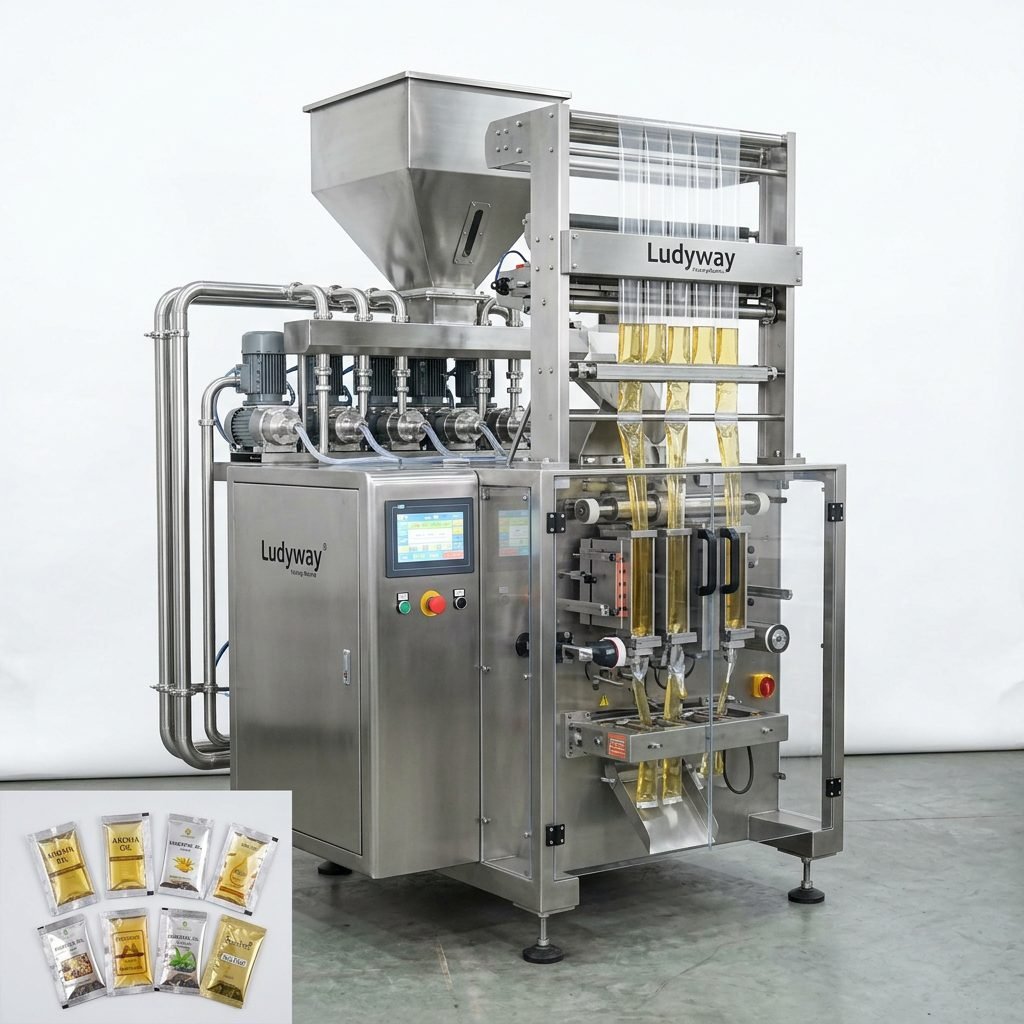
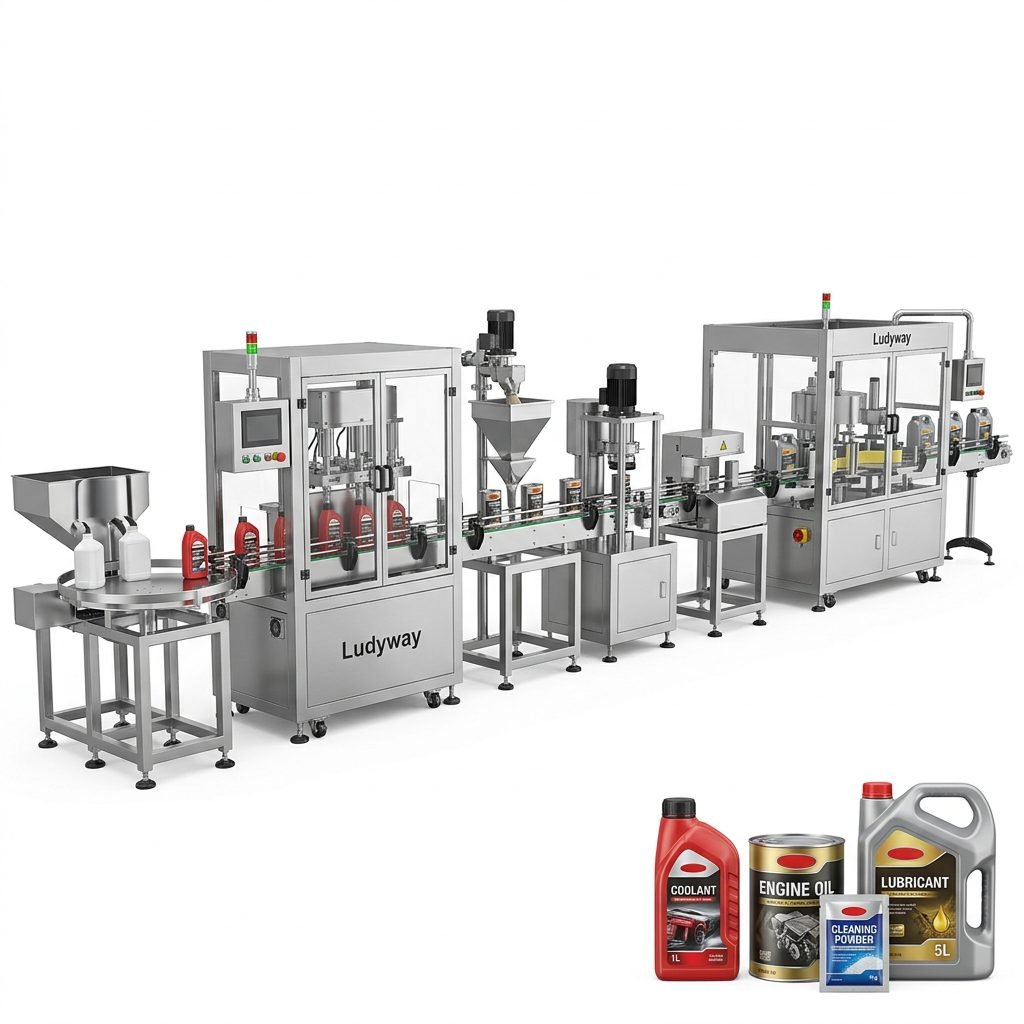
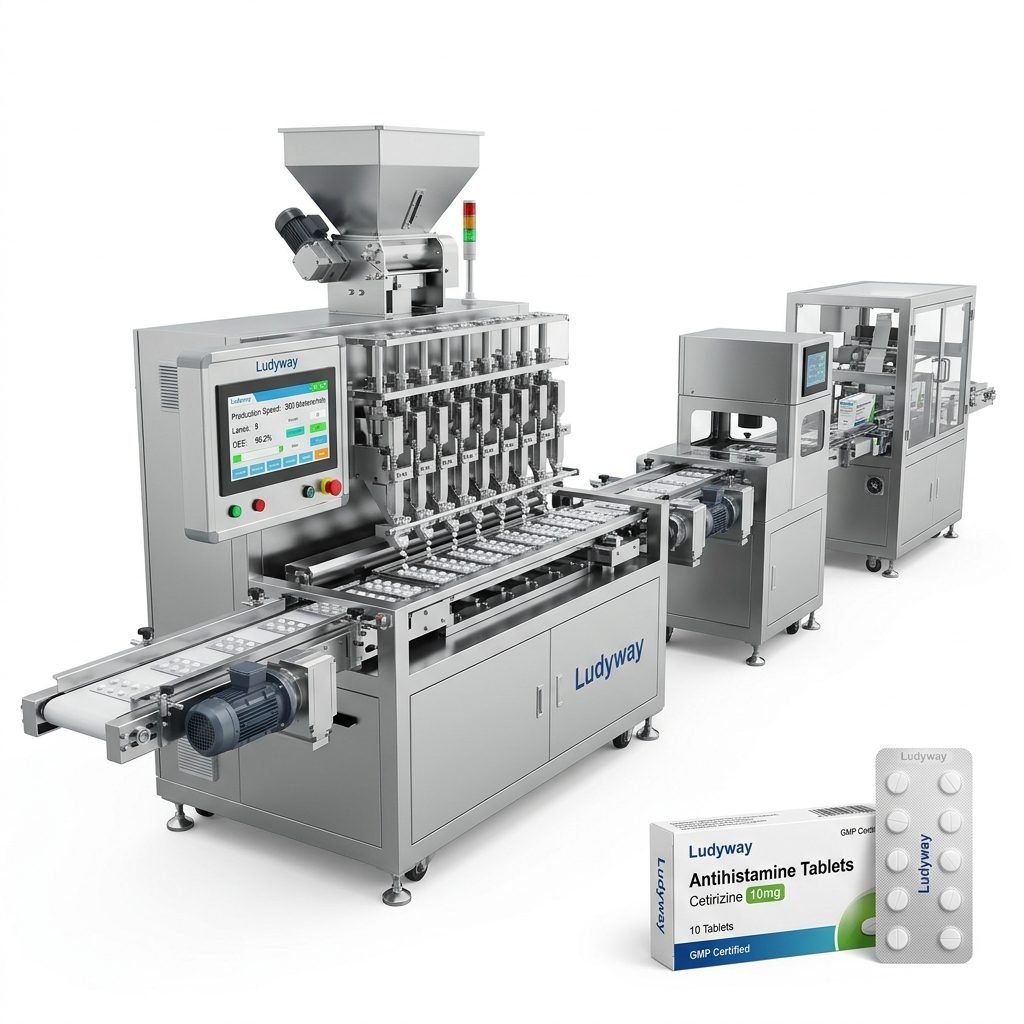
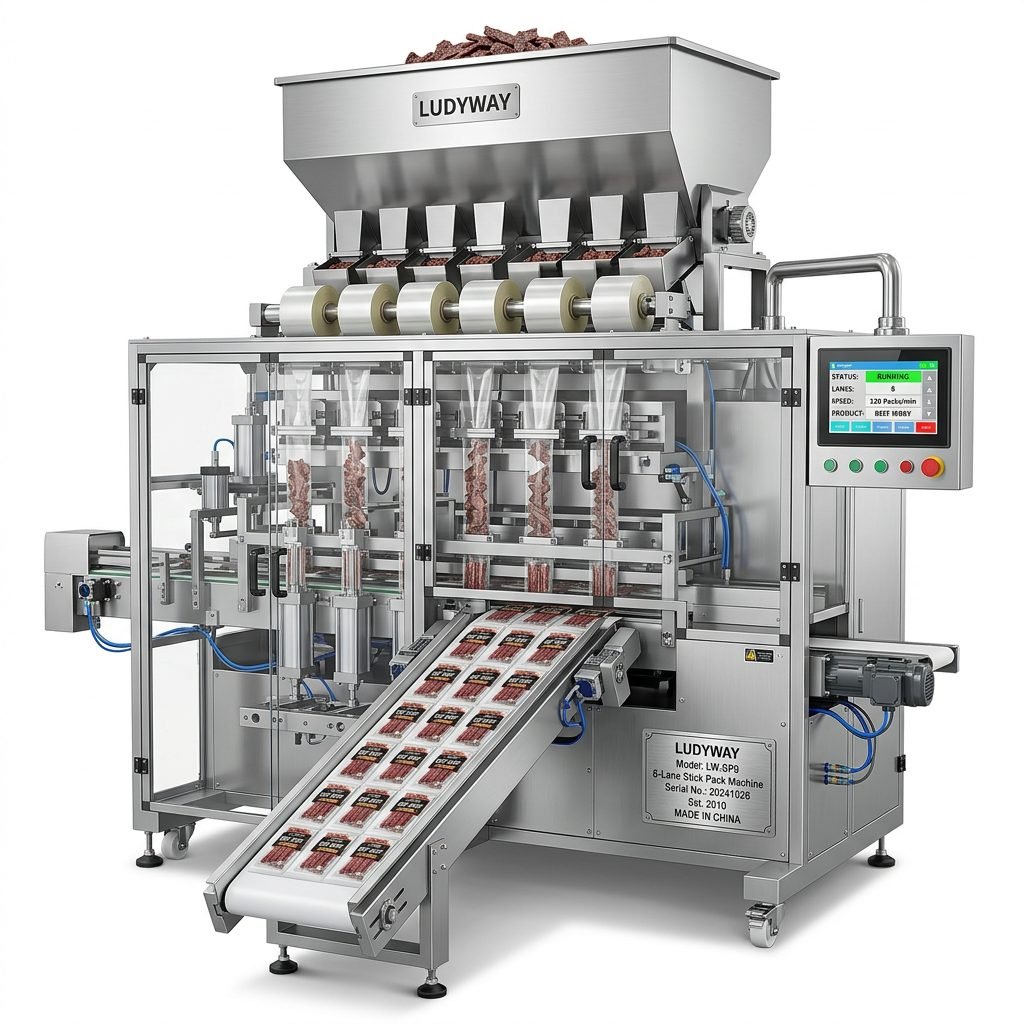
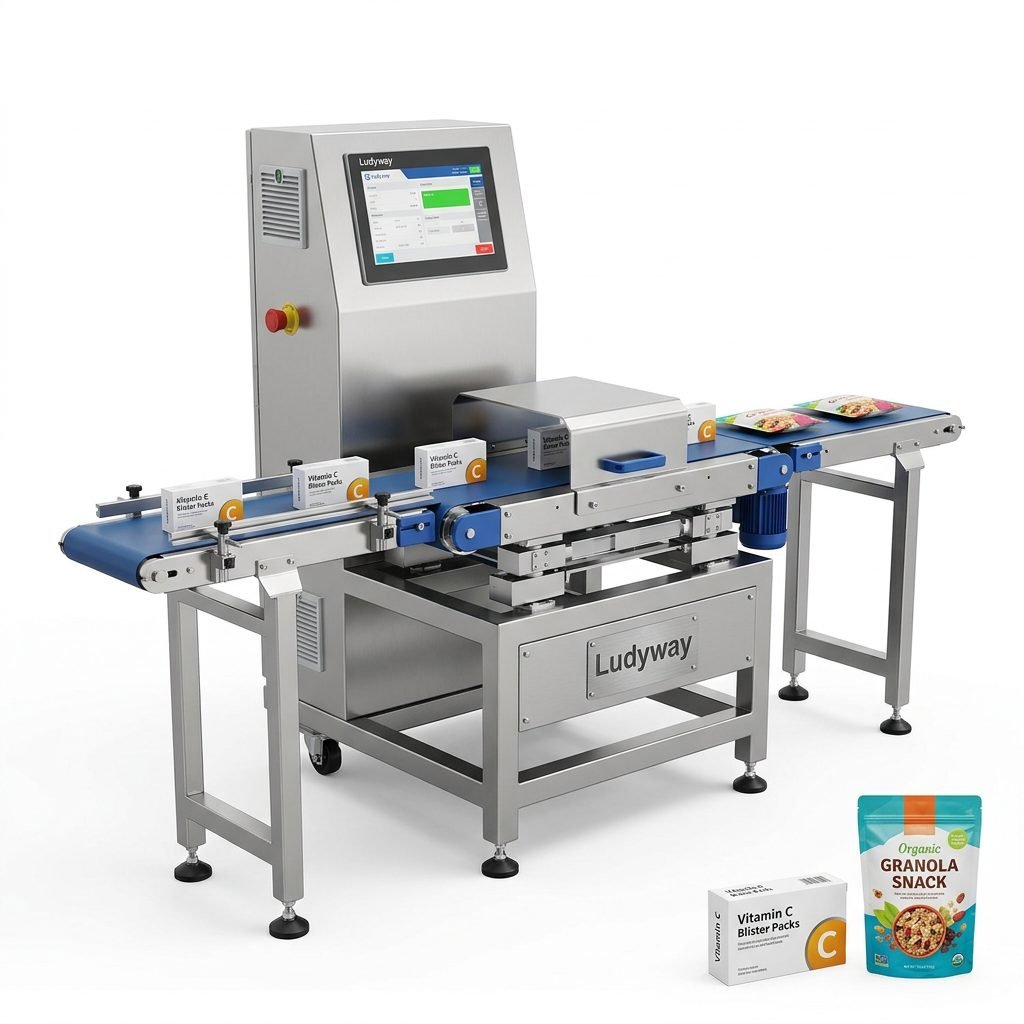
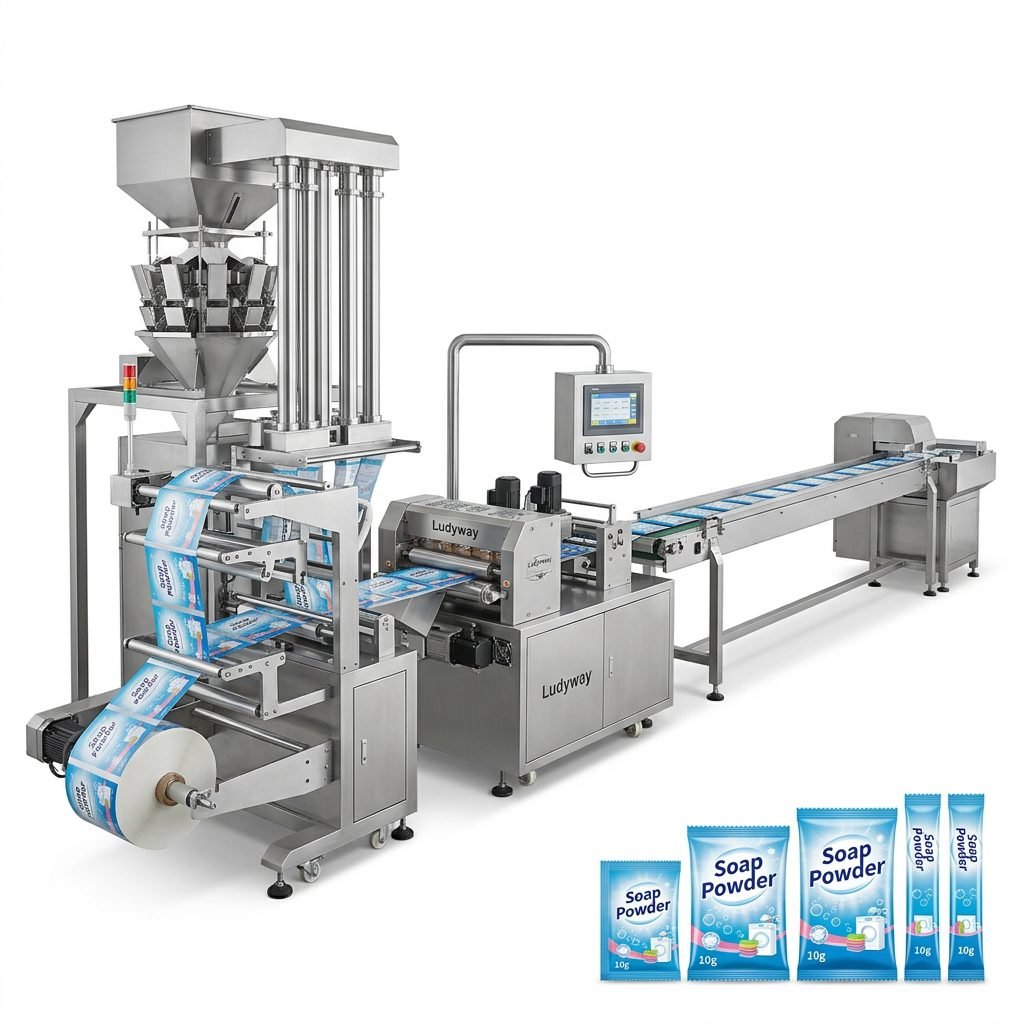
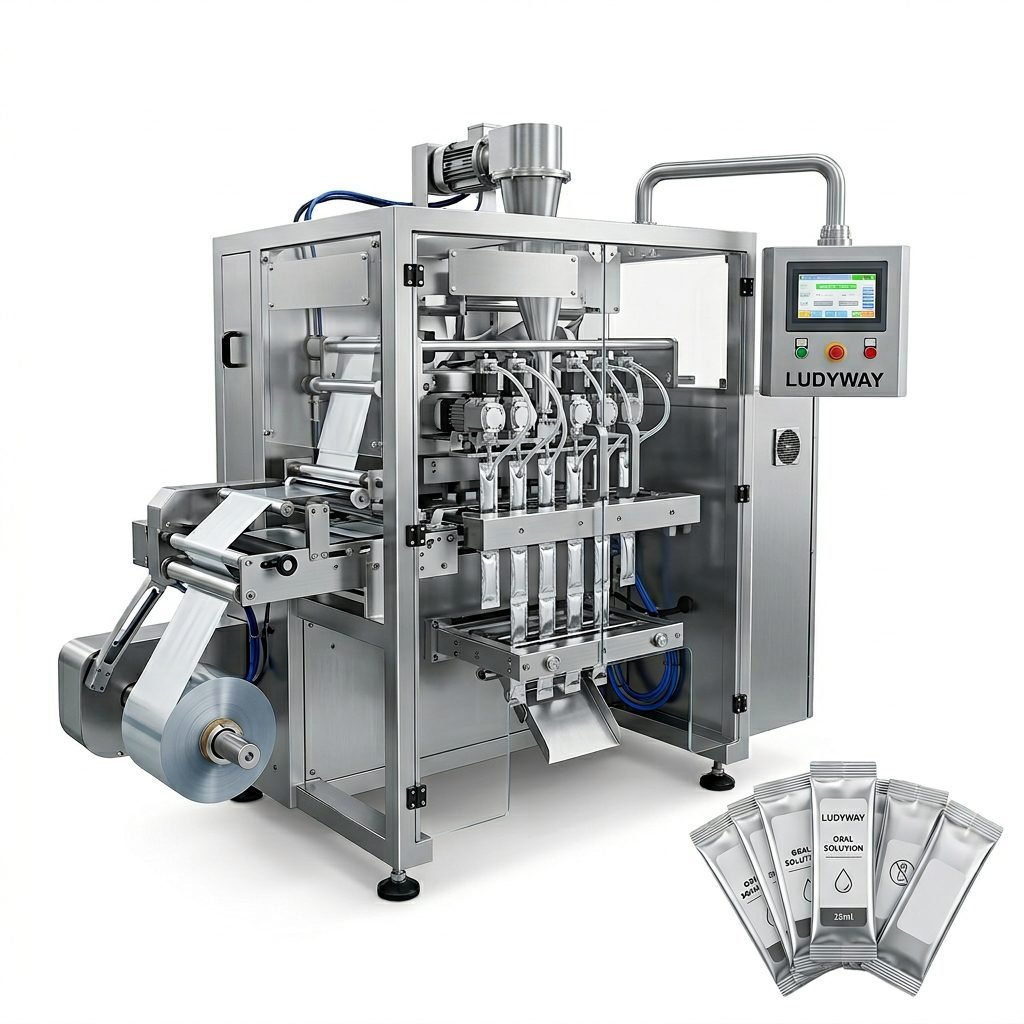
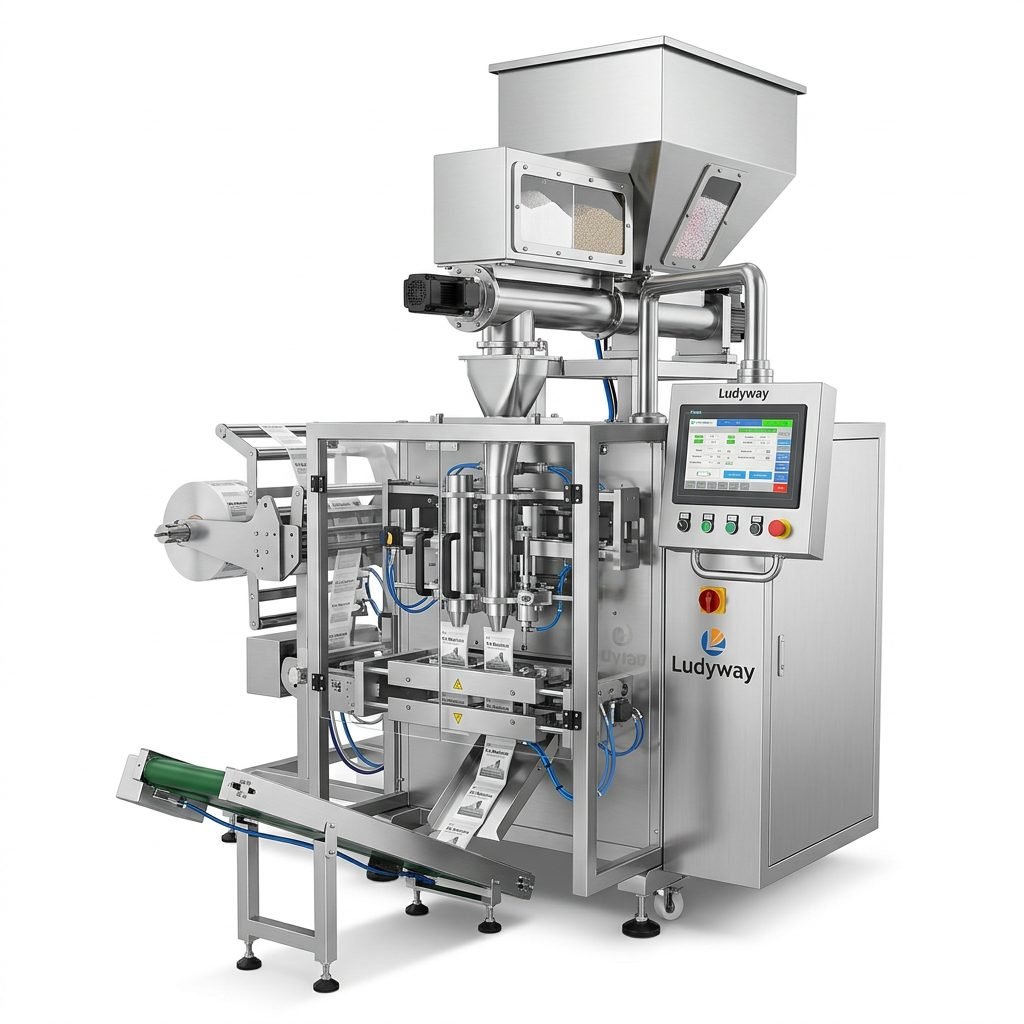
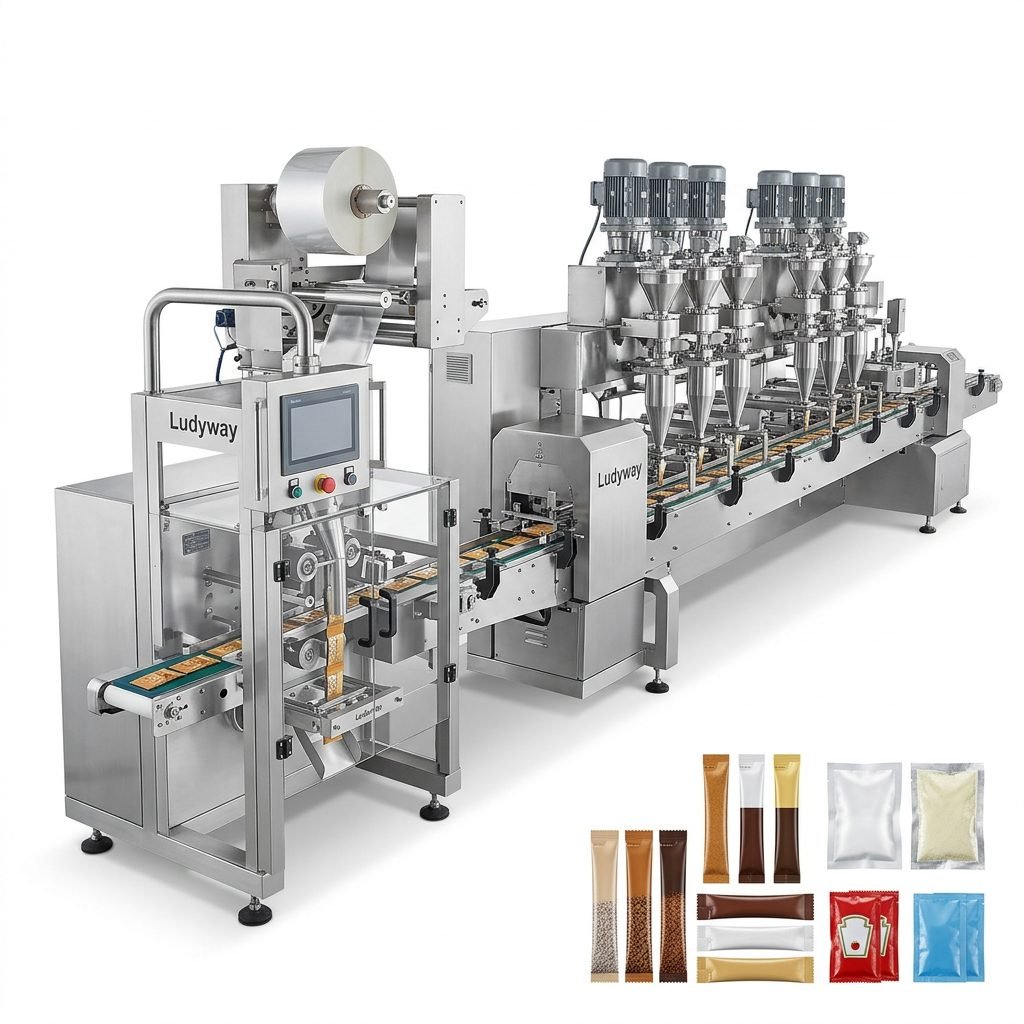
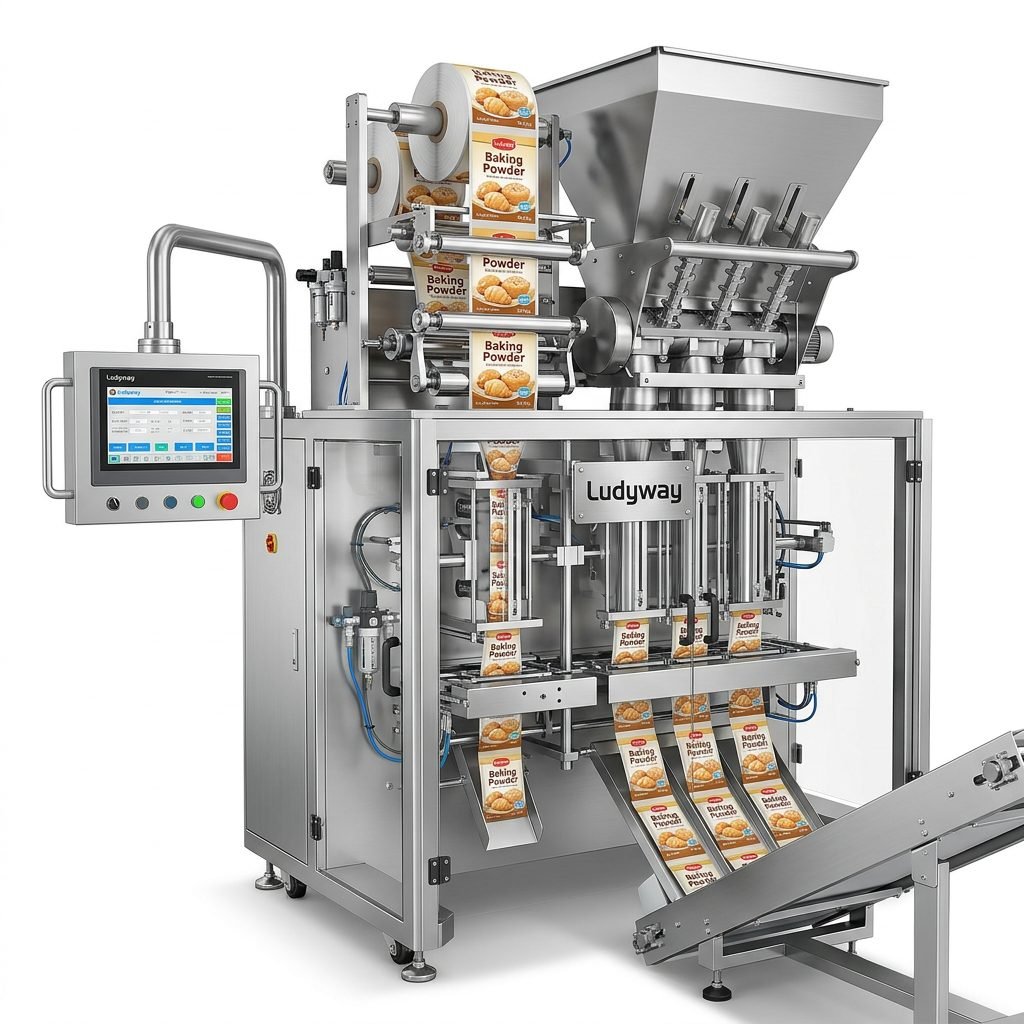
Packaging machines are vital for maintaining production efficiency and product quality in industries ranging from food and pharmaceuticals to health products. Like any complex equipment, they can encounter operational issues that disrupt output. This guide provides a comprehensive troubleshooting resource for common packaging machine problems, offering practical quick fixes and essential maintenance tips to minimize downtime and extend equipment life.
Quick Reference: Before You Begin
Always consult your machine’s official manual first. Ensure the machine is powered off and locked out (LOTO) before performing any internal inspections or adjustments. Wear appropriate personal protective equipment (PPE).
Section 1: Common Operational Problems & Immediate Solutions
1.1 Film Feeding & Sealing Issues
Inconsistent film feed or poor seals are among the most frequent complaints. Symptoms include wrinkled packaging, incomplete seals, or film jams.
- Problem: Wrinkled Packaging Material• Quick Fix: Check and adjust the film unwind brake tension. Ensure the film roll is mounted evenly and is not skewed on the shaft. Verify the alignment of the forming collar.
- Problem: Weak or Incomplete Heat Seals• Quick Fix: Inspect the sealing jaws for residue, wear, or damage. Clean them thoroughly. Verify the temperature setting matches the packaging material specifications. Check the seal pressure and dwell time settings.
- Problem: Film Not Feeding Properly• Quick Fix: Examine the pull belts or grippers for wear or slippage. Ensure the photo-eye that registers the film is clean and correctly aligned. Check for obstructions in the film path.
1.2 Dosing & Filling Inaccuracies
Inaccurate fills lead to product giveaway, underweight packages, and regulatory non-compliance. This is critical in industries like pharmaceuticals where precision is paramount.
- Problem: Volumetric Filler Inconsistency (Granules/Powders)• Quick Fix: Check for clumping or bridging of product in the hopper. Clean the filling cups or augers. Verify the fill volume adjustment mechanism is tight and not drifting.
- Problem: Liquid Filler Drips or Overflows• Quick Fix: Inspect and clean filling nozzles for clogs. Check O-rings and seals on the filling head for wear. Adjust the cut-off timing or vacuum break setting to prevent dripping.
- Problem: General Weight Variation• Quick Fix: Ensure the product is consistent (e.g., granule size, powder density). Check for vibrations near the weighing system. Re-calibrate the load cell or scale according to the manufacturer’s procedure.
1.3 Mechanical & Electrical Faults
These issues often cause sudden stoppages and may require more technical intervention.
- Problem: Machine Stops Unexpectedly• Quick Fix: Check the emergency stop buttons are released. Look at the control panel for error codes. Inspect safety interlocks (guards, doors) to ensure they are properly engaged.
- Problem: Unusual Noises (Grinding, Squeaking)• Quick Fix: Immediately stop the machine. Investigate the source of the noise. Common culprits are lack of lubrication on chains or guides, a loose component, or foreign debris in the mechanism.
- Problem: Servo Motor or Drive Faults• Quick Fix: Note the fault code on the drive. Power cycle the machine. If the fault persists, check connections and cables for damage. Overheating can also cause faults—ensure cooling fans are clean and operational.
Section 2: Proactive Maintenance for Long-Term Reliability
Preventive maintenance is far more cost-effective than reactive repairs. A scheduled plan keeps your packaging machinery running smoothly and extends its service life significantly.
2.1 Daily & Weekly Maintenance Checklist
Daily Tasks
- ✔ Visually inspect the machine for loose parts, leaks, or damage.
- ✔ Clean all product contact surfaces, hoppers, funnels, and filling heads to prevent cross-contamination and clogs.
- ✔ Wipe down sealing jaws with appropriate cleaner (non-abrasive).
- ✔ Remove dust and debris from sensors, especially photo-eyes.
- ✔ Check and empty any scrap collection bins.
Weekly Tasks
- ✔ Lubricate moving parts as specified in the manual (e.g., guide rails, chains, bearings). Use only recommended lubricants.
- ✔ Inspect wear parts: pull belts, gripper jaws, cutting blades, and seals. Schedule replacement if wear is evident.
- ✔ Check pneumatic filters and drain moisture from air lines.
- ✔ Verify the tightness of critical bolts and fasteners.
- ✔ Run a test cycle to confirm performance parameters.
2.2 Monthly & Seasonal Deep Maintenance
These tasks involve more thorough inspection and part replacement.
- Electrical System Check: Inspect wiring for fraying or damage. Tighten electrical connections to prevent arcing and faults.
- Mechanical Alignment: Verify the alignment of critical assemblies like the forming tube, sealing jaws, and cutting mechanism. Misalignment causes chronic sealing and feeding problems.
- Component Calibration: Re-calibrate weighing systems, temperature controllers, and servo positioning. This ensures consistent accuracy over time.
- Bearing & Gear Inspection: Listen for rough operation and check for play in rotating components. Plan for replacement before failure.
For complex maintenance or when in doubt, always rely on professional technical support to avoid causing further damage.
Section 3: Optimizing Performance & Reducing Waste
Beyond fixing problems, fine-tuning your machine can boost efficiency and material savings.
3.1 Material Compatibility & Settings
Always run your machine with settings optimized for the specific packaging material (film type, thickness, coating). Incorrect temperature or speed for a new film roll is a common source of sudden sealing issues. Keep a log of optimal settings for different products and materials.
3.2 Operator Training is Key
A well-trained operator is your first line of defense. Ensure they know how to perform basic adjustments, thread film correctly, identify early warning signs (unusual sounds, slight seal imperfections), and execute daily cleaning routines safely.
3.3 Keeping a Machine Log
Document everything: Record daily production hours, any stoppages, parts replaced, and adjustments made. This logbook is invaluable for diagnosing recurring issues, predicting part failure, and providing history to service technicians. It turns reactive troubleshooting into predictive maintenance.