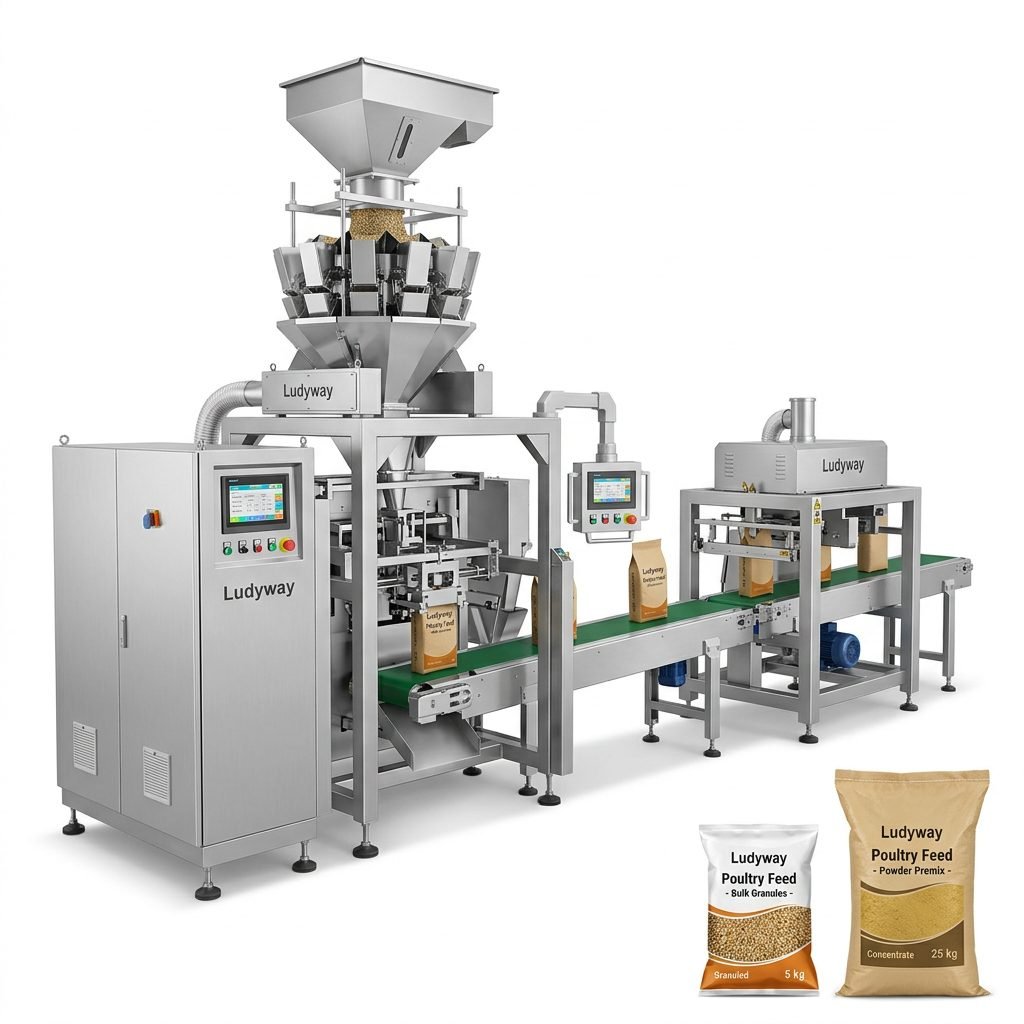
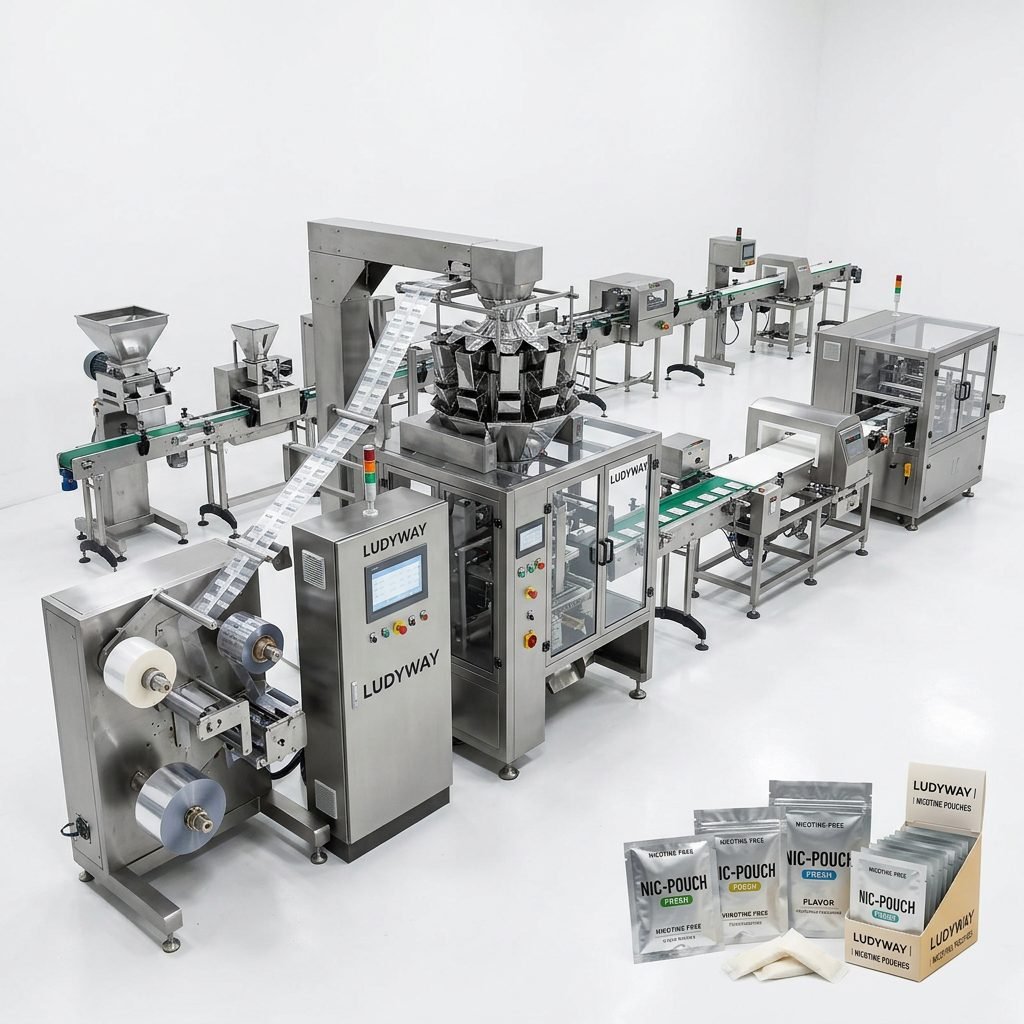
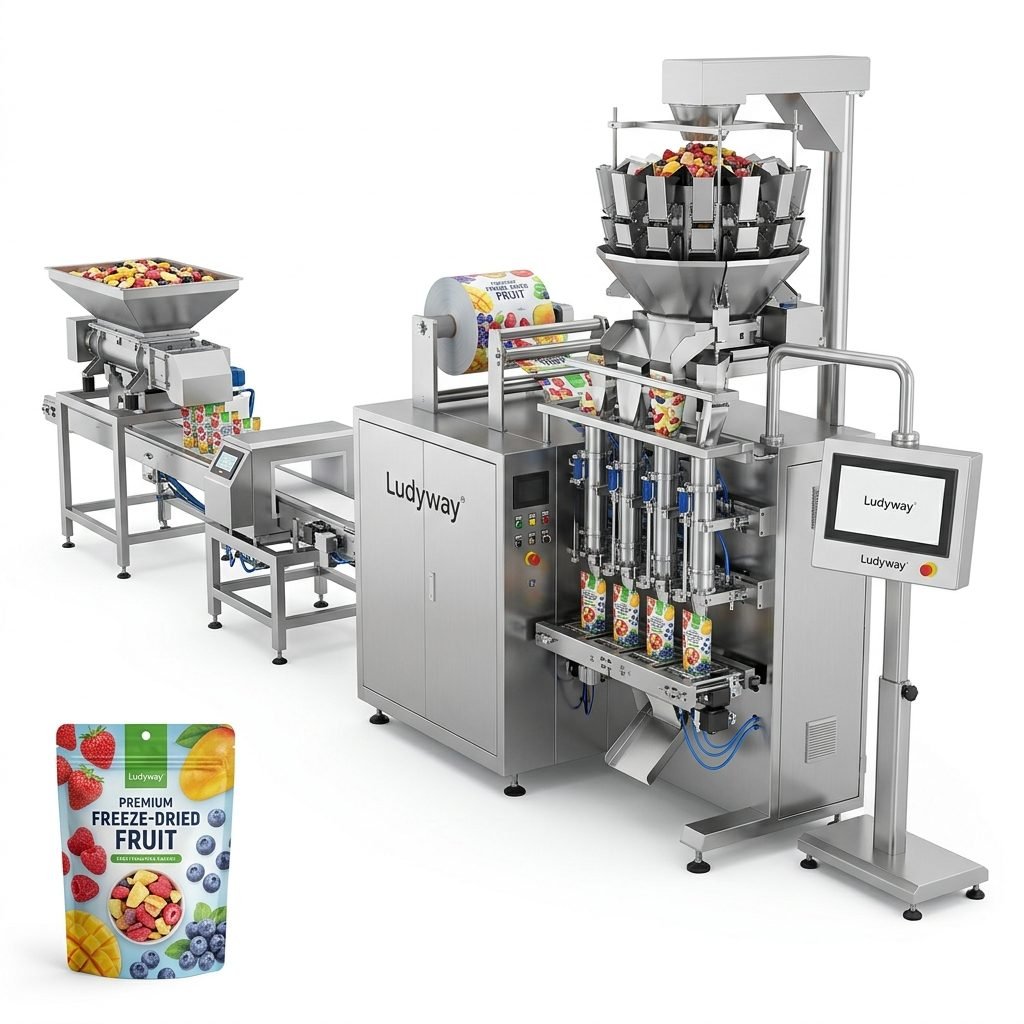
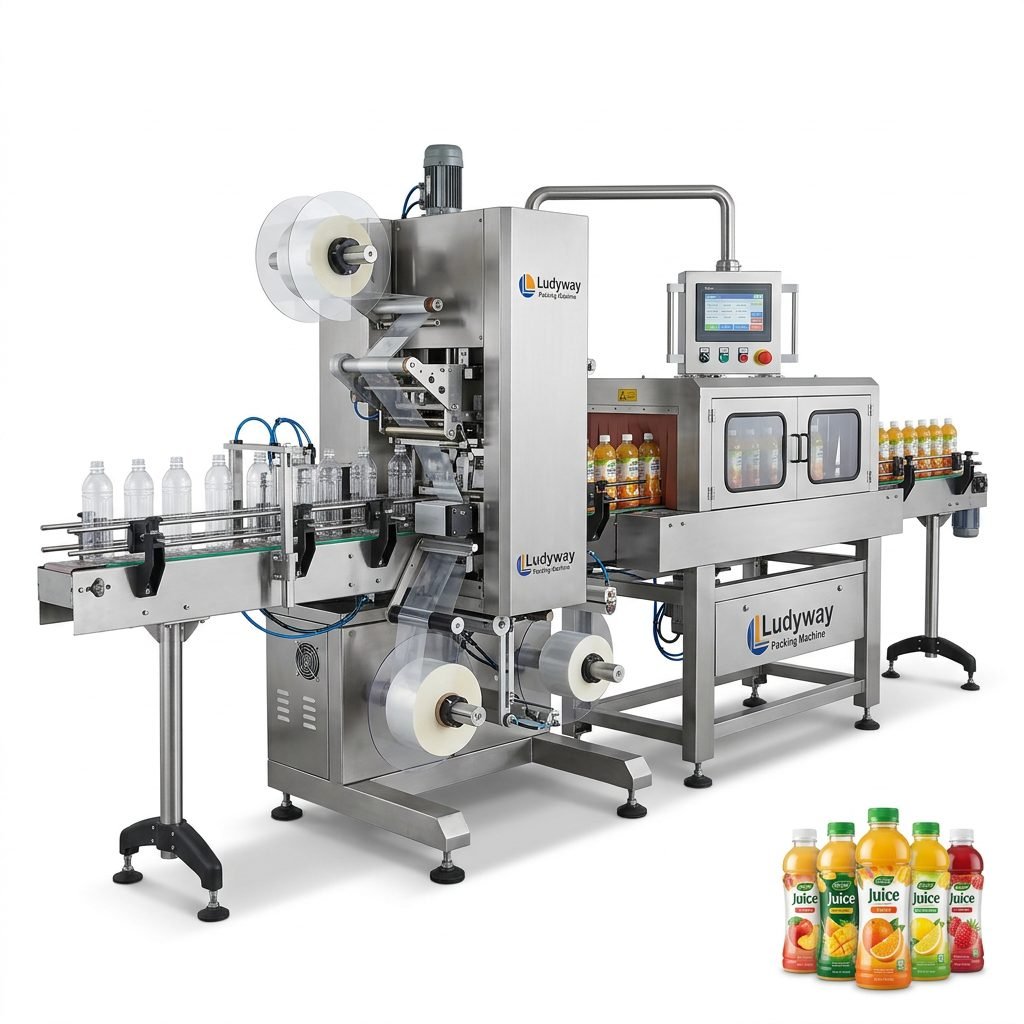
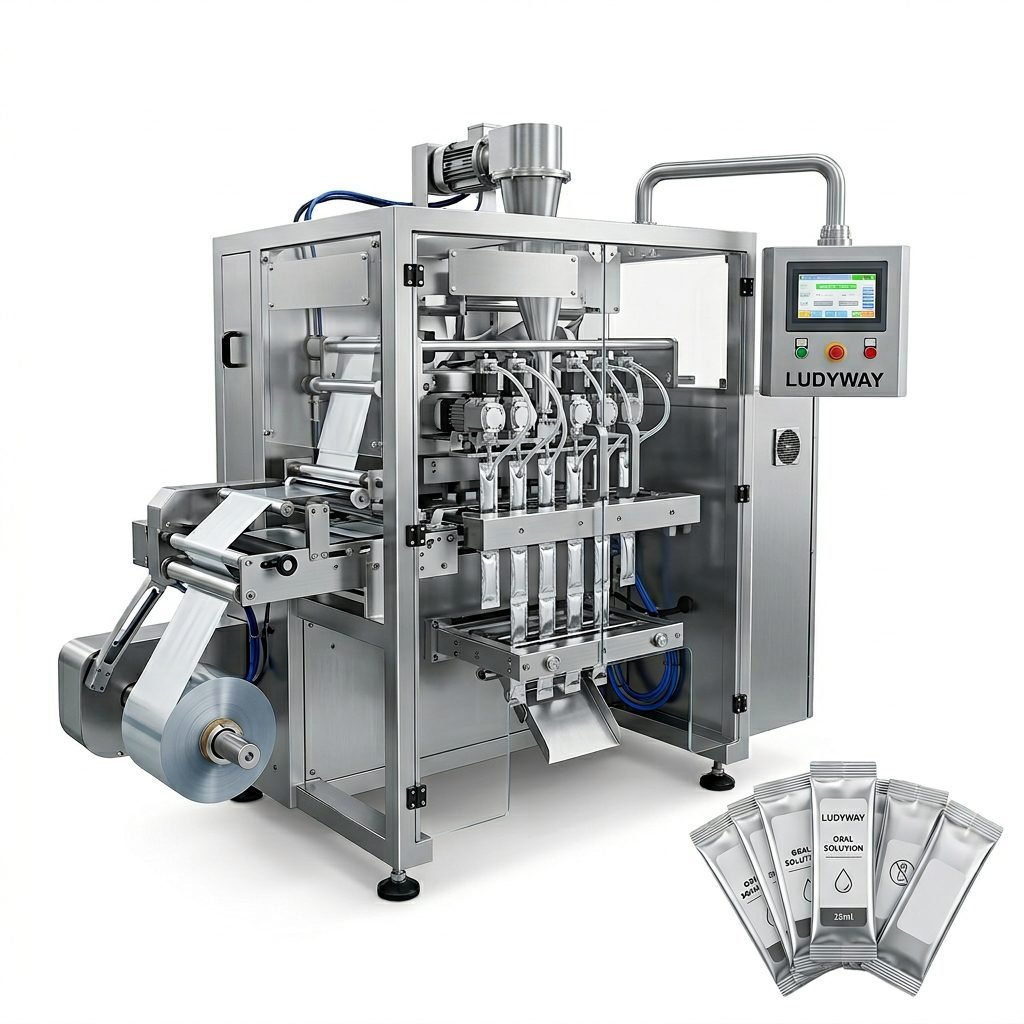
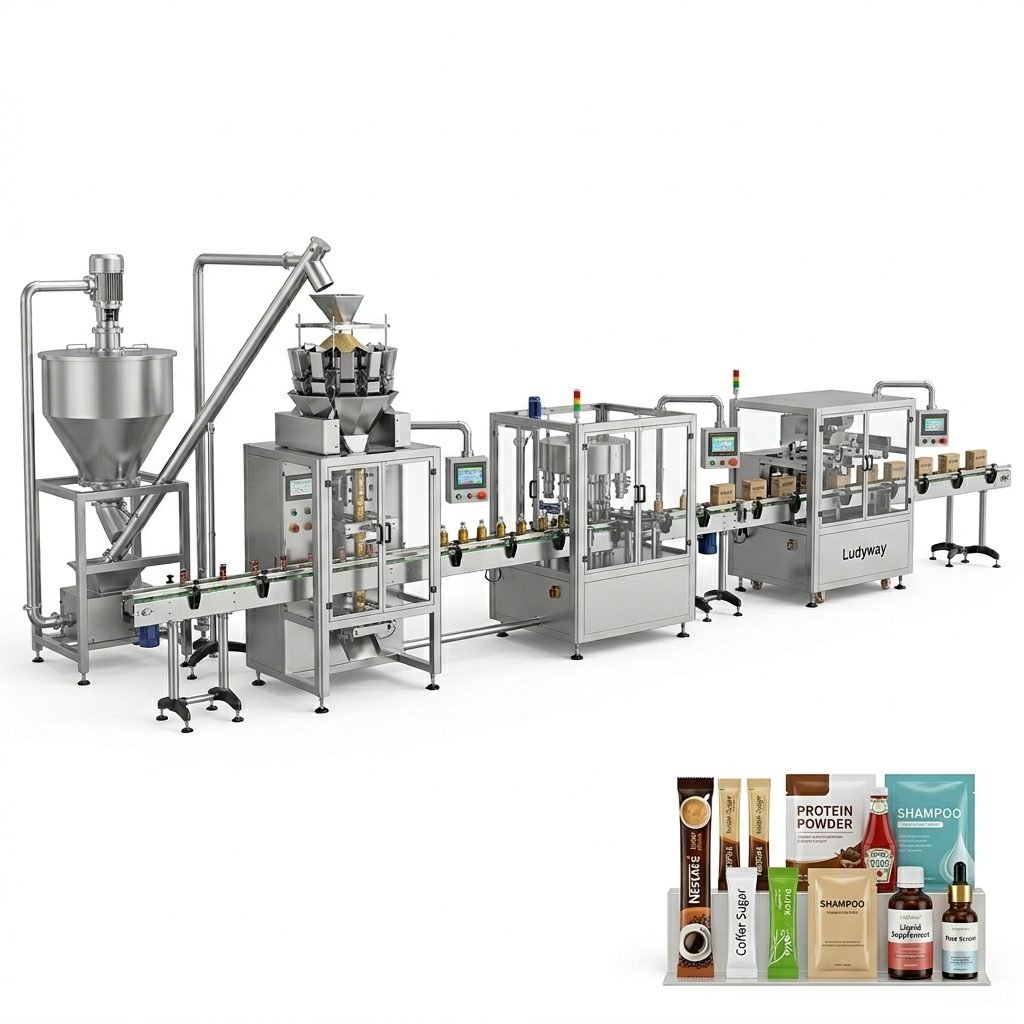
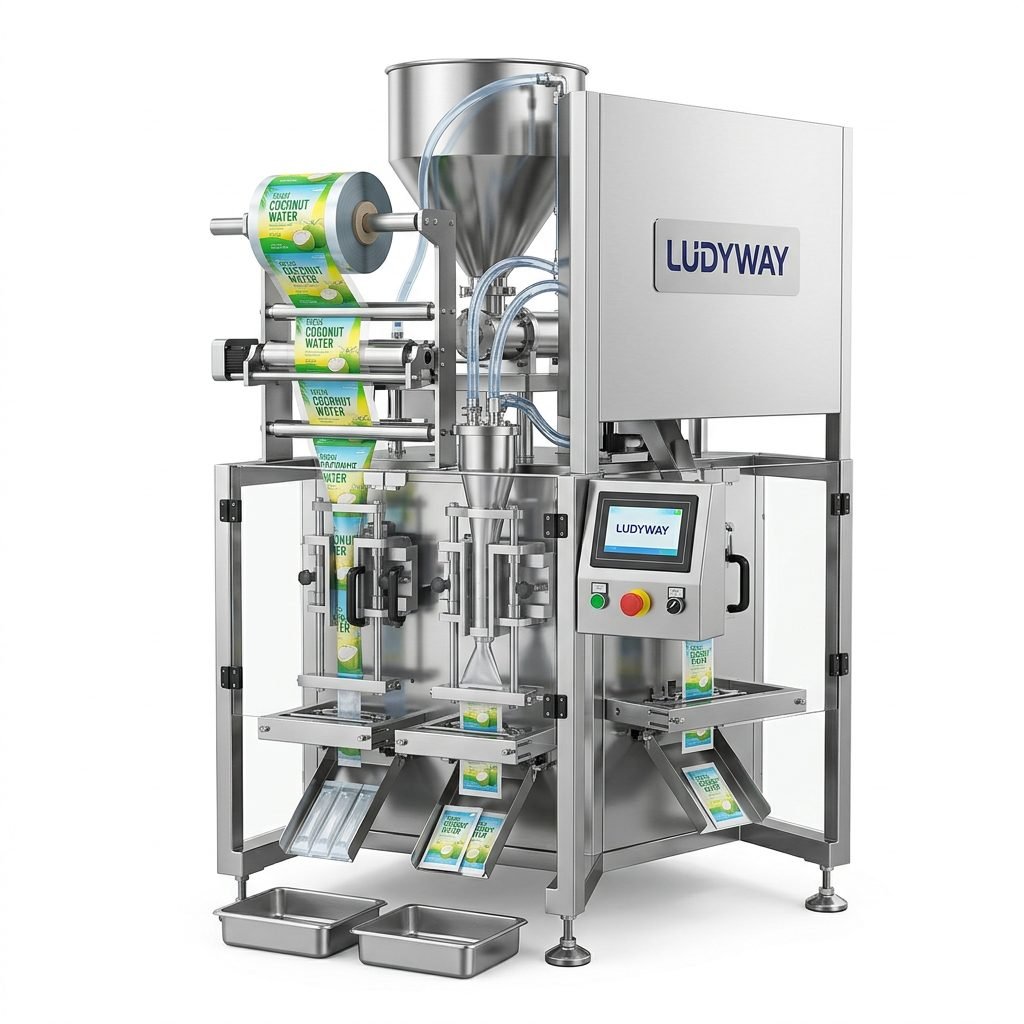
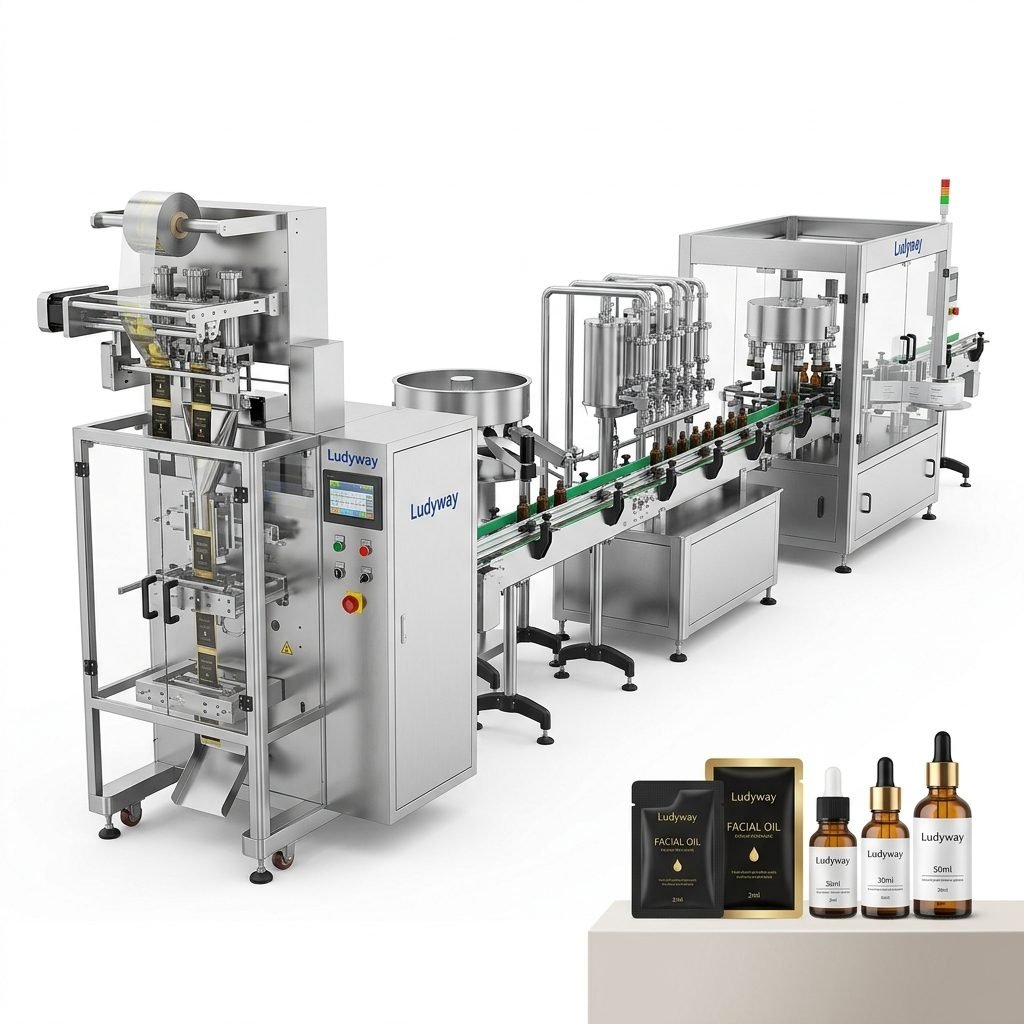
The global robotic packaging machine market is undergoing a transformative phase, driven by the relentless pursuit of efficiency, precision, and adaptability in manufacturing and logistics. As industries worldwide grapple with labor shortages, rising operational costs, and the need for faster throughput, automation has shifted from a luxury to a necessity. Robotic packaging systems stand at the forefront of this revolution, offering unparalleled consistency and flexibility. This article delves into the market’s current size, its promising growth opportunities, the key trends shaping its future, and the competitive landscape where innovation is the primary currency.
Market Size and Current Valuation
The robotic packaging machine market has demonstrated robust growth over the past decade. Recent analyses value the global market in the multi-billion-dollar range, with a compound annual growth rate (CAGR) that significantly outpaces many traditional industrial equipment sectors. This expansion is not confined to a single region; it is a truly global phenomenon. North America and Europe, with their mature manufacturing bases and high labor costs, were early adopters. However, the Asia-Pacific region is now the fastest-growing market, fueled by rapid industrialization, government initiatives promoting automation (like “Made in China 2025”), and the massive scale of its e-commerce and consumer goods sectors.
Key Insight: The adoption curve is steepening. What was once primarily the domain of large multinational corporations is now increasingly accessible to mid-sized enterprises, thanks to more modular and scalable robotic solutions offered by forward-thinking providers.
Primary End-User Industries Driving Demand
The demand is widespread across several key verticals:
- Food & Beverage: Requires high-speed, hygienic handling for tasks like pick-and-place, palletizing, and case packing. Robots ensure product safety and consistency.
- Pharmaceuticals & Healthcare: Demands extreme precision and sterile environments for packaging pills, vials, and medical devices. Robotic systems minimize contamination risk.
- E-commerce & Logistics: The explosion of online retail has created an insatiable need for robots that can handle a vast array of product sizes and shapes for order fulfillment and parcel sorting.
- Consumer Goods: From cosmetics to electronics, robots provide the flexibility to quickly switch between packaging formats for different product lines.
Growth Opportunities on the Horizon
The market’s future is illuminated by several high-potential growth avenues. These opportunities are not merely about selling more machines but about providing integrated, intelligent solutions.
1. Integration of Artificial Intelligence and Machine Vision
The next leap in robotic packaging lies in cognitive capabilities. AI and advanced machine vision systems are transforming robots from blind, pre-programmed arms into intelligent systems that can make real-time decisions. They can identify product orientation, detect defects, and adjust gripping force on the fly. This allows for the handling of random, mixed-SKU products—a critical capability for modern fulfillment centers. Companies that master this integration will lead the market.
2. The Rise of Collaborative Robots (Cobots)
Collaborative robots are designed to work safely alongside human workers without the need for extensive safety caging. Their affordability, ease of programming, and flexibility make them ideal for small-to-medium batch packaging, kitting, and final assembly packaging tasks. This opens the automation door for countless smaller businesses that found traditional industrial robots too costly or complex to implement.
3. Sustainable and Smart Packaging Solutions
As sustainability becomes a core business imperative, robotic systems are being leveraged to handle new, often more delicate, eco-friendly packaging materials like molded pulp or thinner plastics. Furthermore, robots can be integral to “smart packaging” lines, where they place RFID tags, QR code labels, or sensors onto packages, enabling supply chain transparency and consumer engagement.
For businesses seeking to leverage these growth opportunities, partnering with an experienced provider is crucial. A partner like Ludyway Packing Machine, with deep industry knowledge, can help navigate the transition to automated packaging effectively.
Key Trends Reshaping the Competitive Landscape
The market is dynamic, with several interconnected trends dictating its direction and forcing competitors to innovate continuously.
Trend 1: Flexibility as the New Standard
The era of dedicated packaging lines for a single product is fading. Market leaders are now developing robotic cells that can be quickly reconfigured for different products, package sizes, and formats. This is achieved through advanced software, quick-change end-of-arm tooling (EOAT), and mobile robot platforms. Flexibility reduces downtime and maximizes return on investment.
Trend 2: The Shift to End-to-End Automation Solutions
Buyers are no longer interested in just a robot arm. They seek complete, turnkey solutions that include the robot, conveyors, vision systems, software, and integration services. Vendors are evolving into solution providers, offering single-source responsibility for the entire packaging process from primary packaging to palletizing. This trend favors companies with strong engineering and project management capabilities, such as those demonstrated by Ludyway’s packaging solutions.
Trend 3: Software-Defined Automation
The real intelligence of a modern packaging line resides in its software. Simulation software allows for virtual commissioning, reducing installation time. Digital twin technology creates a virtual replica of the line for optimization and predictive maintenance. User-friendly, intuitive programming interfaces are lowering the skill barrier for operation. The competitive edge is increasingly software-driven.
Trend 4: Hyper-Personalization and Micro-Fulfillment
Consumer demand for personalized products is trickling down to packaging. Robots enable the efficient creation of customized multi-packs, gift boxes, and subscription packages. Coupled with the growth of micro-fulfillment centers in urban areas, compact, agile robotic systems are needed to assemble orders in tight spaces close to the end consumer.
Analyzing the Competitive Landscape
The competitive arena is a mix of established industrial automation giants and agile, specialized innovators. Large multinational corporations dominate with their broad portfolios, global service networks, and significant R&D budgets. They often set the technological pace. However, niche players and regional specialists compete effectively by offering deep expertise in specific industries (like food or pharmaceuticals), more customized solutions, and often, more responsive customer service.
🎯 Competitive Differentiator: In this crowded market, success hinges on more than hardware. The winners are those who provide reliable equipment, comprehensive after-sales support, and the ability to understand and solve unique customer challenges. A partner’s industry experience, like the 30+ years behind Ludyway’s team, becomes a critical asset for clients navigating their automation journey.
The landscape is also seeing increased collaboration, where robot manufacturers partner with system integrators and packaging material experts to deliver holistic solutions. This ecosystem approach is becoming the standard for tackling complex packaging challenges.
Frequently Asked Questions (FAQs)
What are the main benefits of switching to robotic packaging?
The primary benefits include significantly increased production speed and consistency, reduced labor costs and dependence, improved worker safety by handling repetitive or dangerous tasks, enhanced flexibility for different products, and superior hygiene control in sensitive industries like food and pharmaceuticals.
Are robotic packaging machines suitable for small and medium-sized enterprises (SMEs)?
Absolutely. The advent of collaborative robots (cobots) and more modular, scalable systems has dramatically lowered the entry barrier. SMEs can now automate specific, high-volume or ergonomically challenging tasks without the need for a massive, full-line overhaul, achieving a strong return on investment.
How do I choose the right robotic packaging solution for my business?
Start by clearly defining your needs: product types, required speeds, desired flexibility, and budget. It is highly recommended to consult with an experienced system integrator or packaging machinery provider. They can conduct a feasibility study, recommend appropriate technology (e.g., delta robots for high-speed pick-and-place, articulated arms for palletizing), and ensure proper integration with your existing line.
What is the typical implementation timeline and ROI period?
Timelines vary based on complexity, from a few weeks for a simple cobot cell to several months for a fully integrated turnkey line. Return on Investment (ROI) periods typically range from 1 to 3 years, driven by labor savings, reduced product waste, and increased throughput. A detailed analysis with your provider will yield accurate projections.
How important is after-sales service and support?
It is critical. Robust technical support, readily available spare parts, and operator training are essential for maximizing uptime and the long-term success of your automation investment. When evaluating vendors, prioritize those with a proven track record of reliable post-installation support and service.