Choosing the right small packaging machine is a critical decision for any business looking to streamline operations, enhance product presentation, and boost efficiency. A compact packing solution must align perfectly with your specific product requirements, production volume, and long-term business goals. This guide will walk you through the essential factors to consider, ensuring you select a machine that not only fits your space but also grows with your enterprise.
Understanding Your Core Packaging Needs
Before diving into machine specifications, a thorough analysis of your own needs is the first and most crucial step. This foundational assessment will guide every subsequent decision.
Key Questions to Ask Yourself:
• Product Type: Are you packaging granules (like coffee, seeds), powders (spices, protein), liquids (sauces, oils), or solid pieces? The physical form dictates the machine’s feeding and dosing system.
• Production Speed: What is your required output in packs per minute (PPM)? A small business might need 60-120 PPM, while a scaling operation may require 200+ PPM.
• Package Style: Do you need stick packs, sachets (flat or stand-up), pouches, or sachets with a notch for easy tearing?
• Budget & Space: Clearly define your investment ceiling and the exact footprint available on your production floor.
Critical Technical Specifications to Evaluate
Once your needs are clear, evaluating the machine’s technical capabilities against them is essential. Don’t just look at the price tag; examine what the engineering delivers.
1. Machine Type & Packaging Format
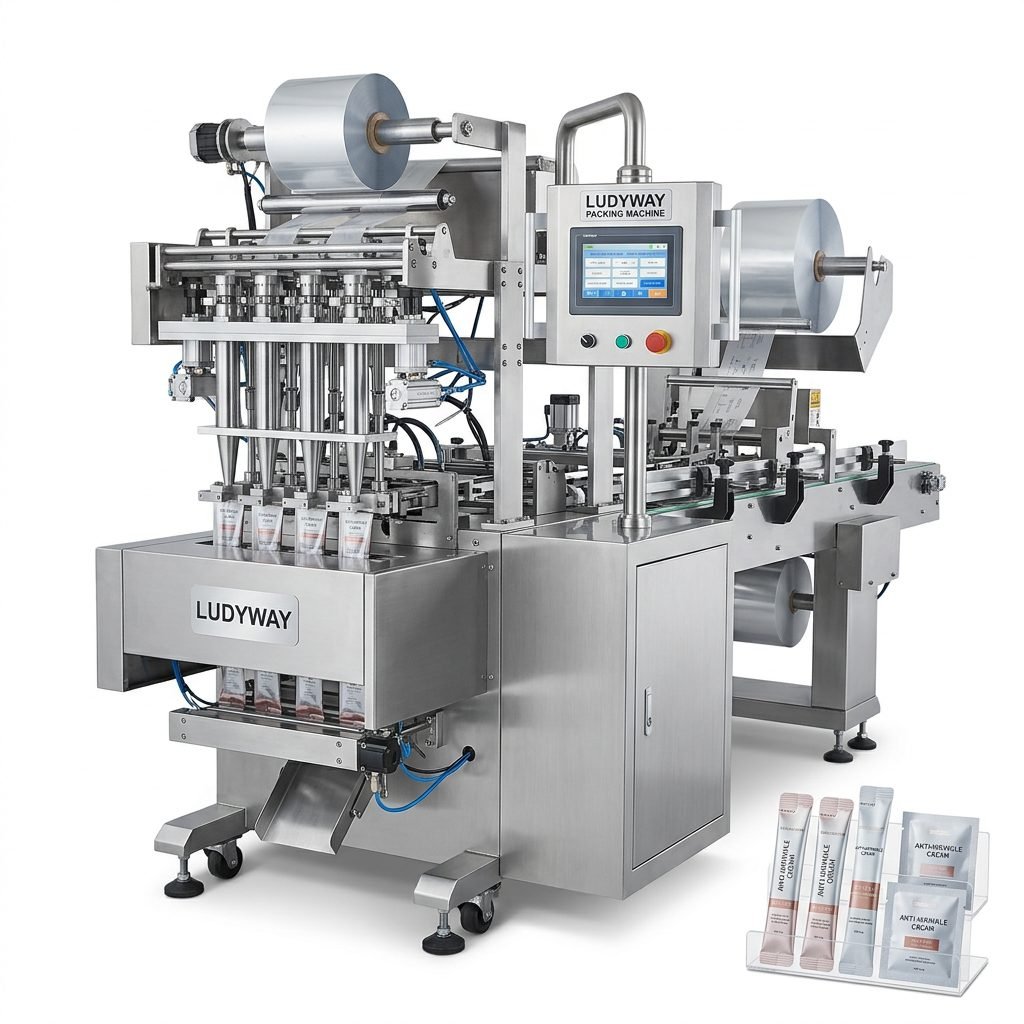
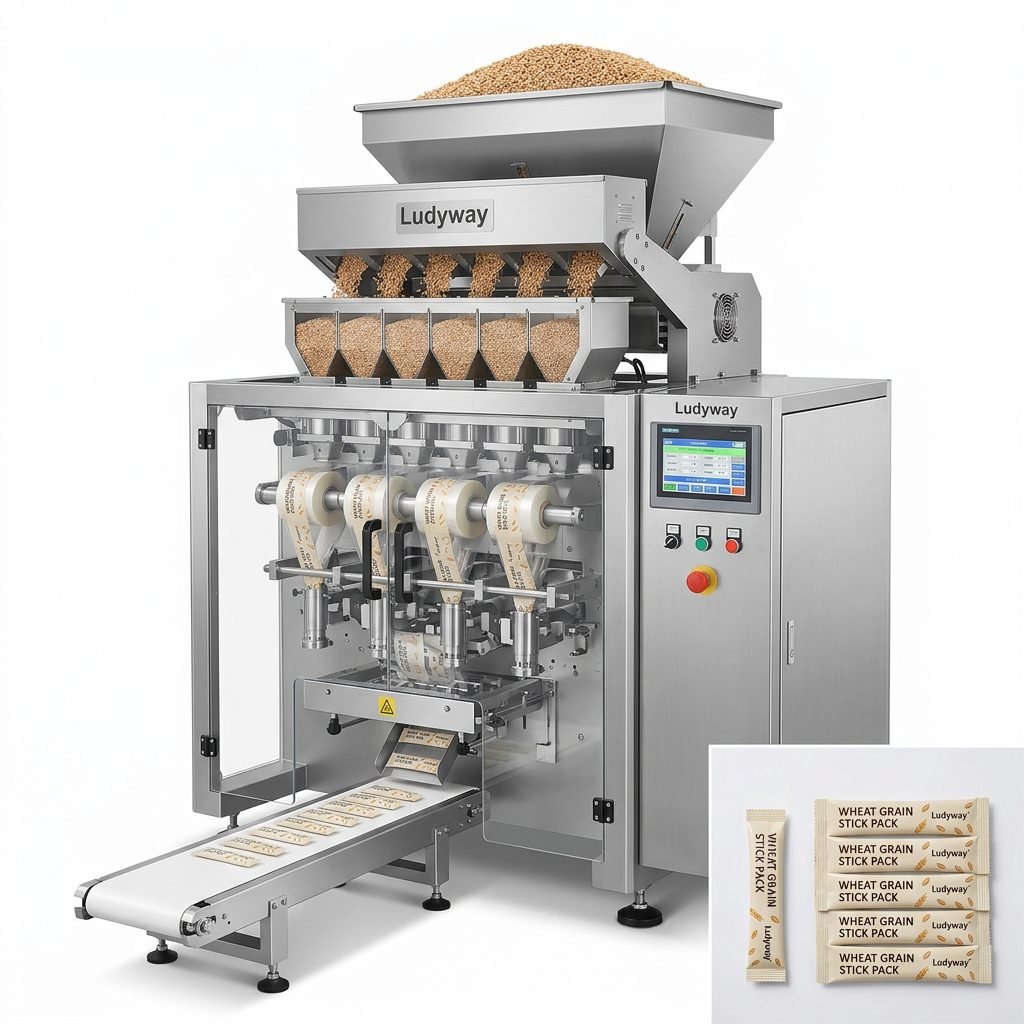
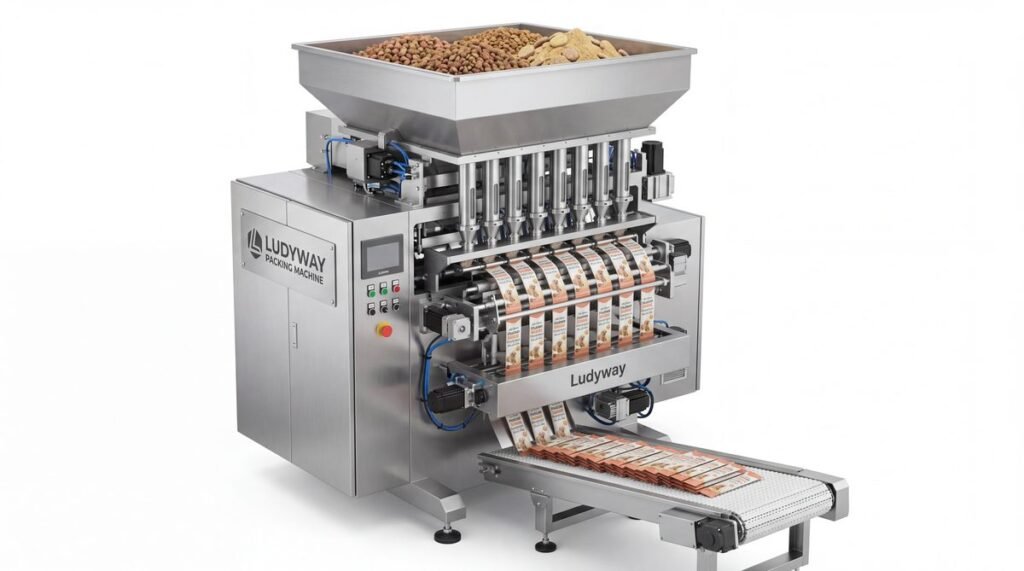
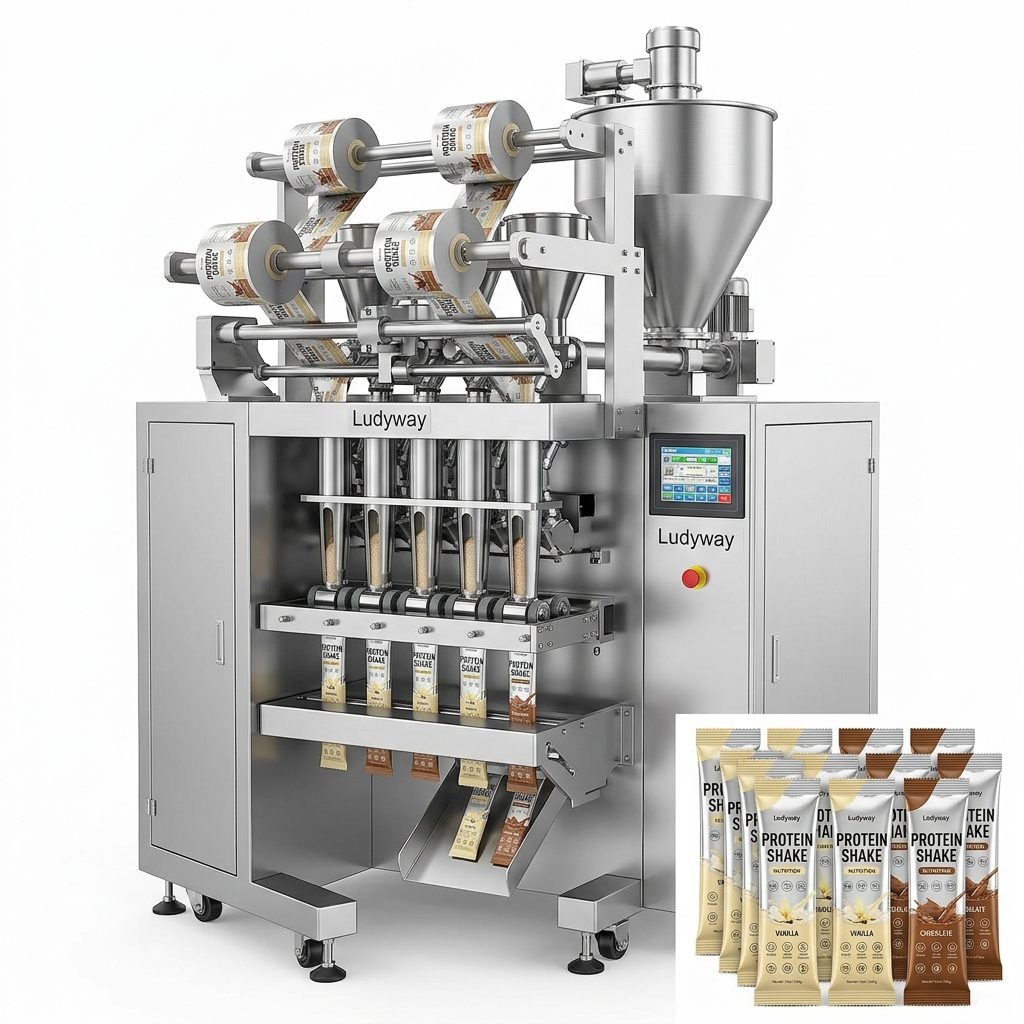
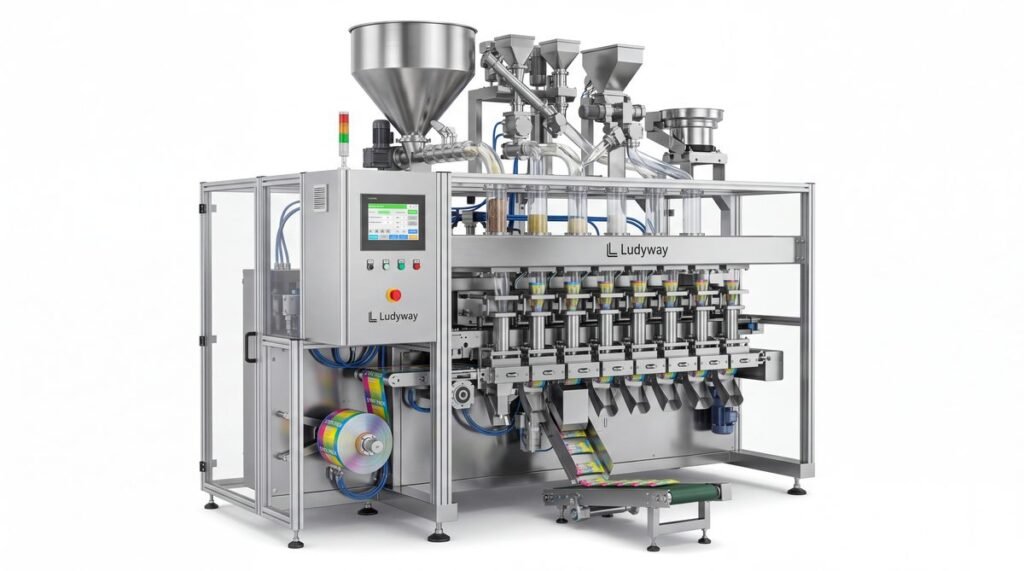
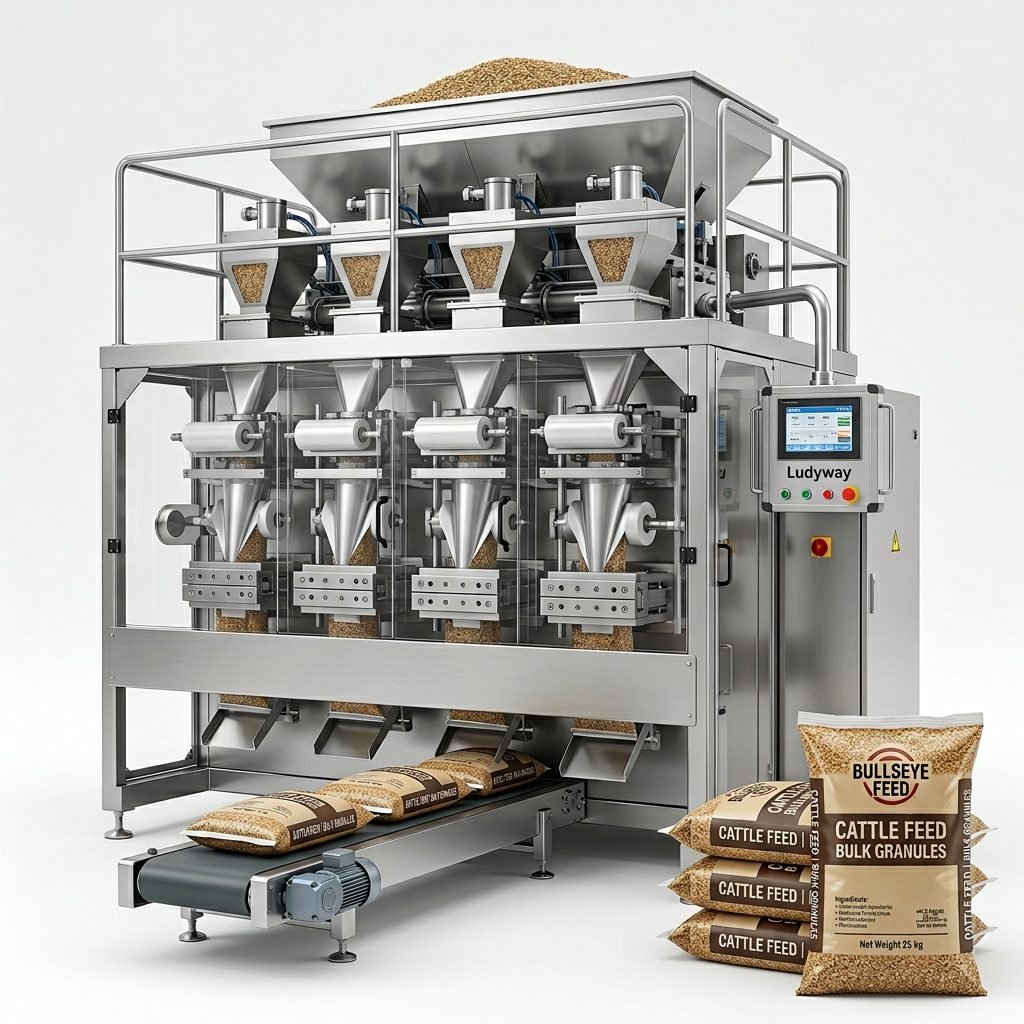
Vertical Form-Fill-Seal (VFFS) Machines are the most common for small to medium operations. They form the bag from a roll of film, fill it, and seal it in one continuous process, ideal for a wide variety of products. For pre-made pouches, a sachet filling and sealing machine might be more appropriate. For high-volume, identical small doses like sugar or instant drink sticks, a multi-lane stick pack machine offers superior efficiency.
2. Dosing System Accuracy
This is the heart of your packaging quality. Inaccurate filling leads to product giveaways or customer complaints.
- Volumetric Cup Fillers: Cost-effective for uniform granules and free-flowing powders.
- Auger Fillers: Excellent for powders, spices, and non-free-flowing products. Look for servo-driven augers for precision.
- Liquid Pumps: Used for viscous liquids, sauces, or oils. Peristaltic or piston pumps ensure clean, precise dosing.
- Weighing Scales (Net Weighers): The gold standard for accuracy, especially for high-value products. They can be integrated with auger or cup systems.
3. Construction & Hygiene
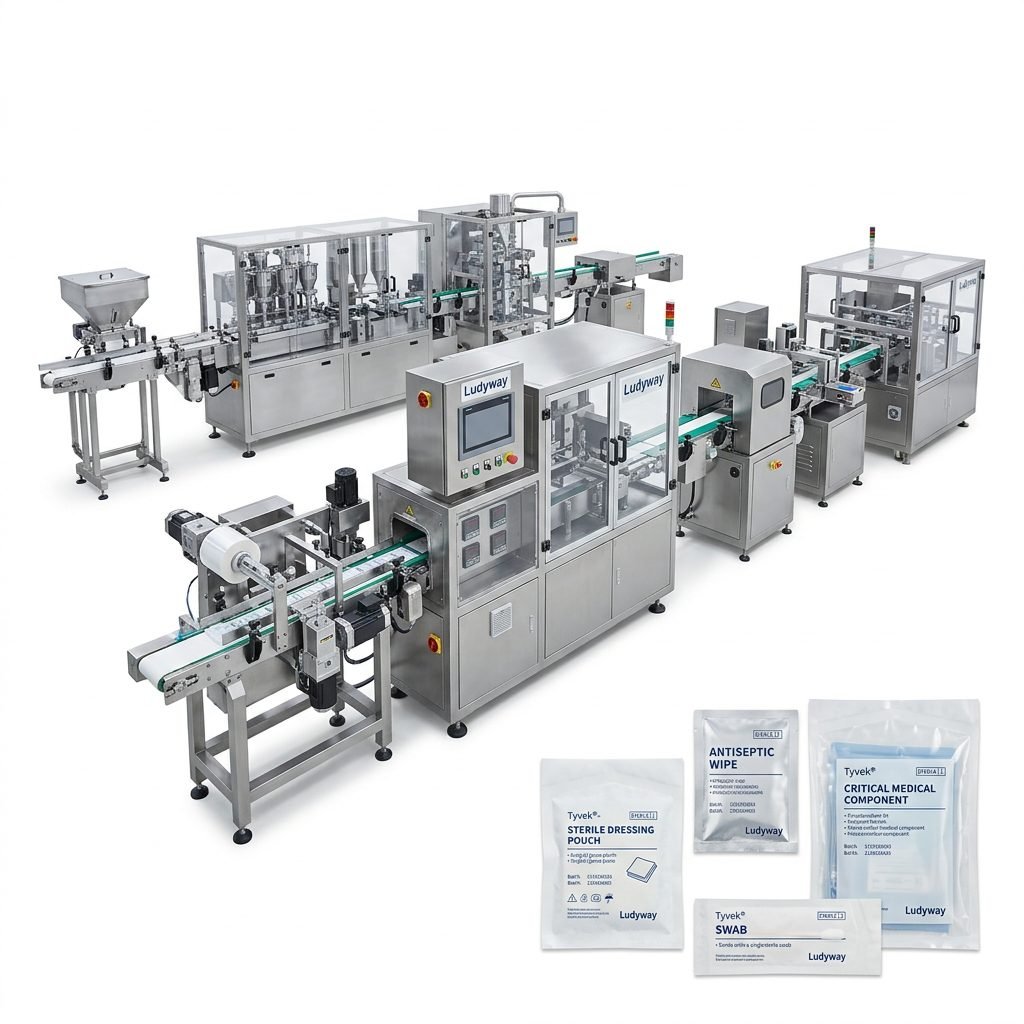
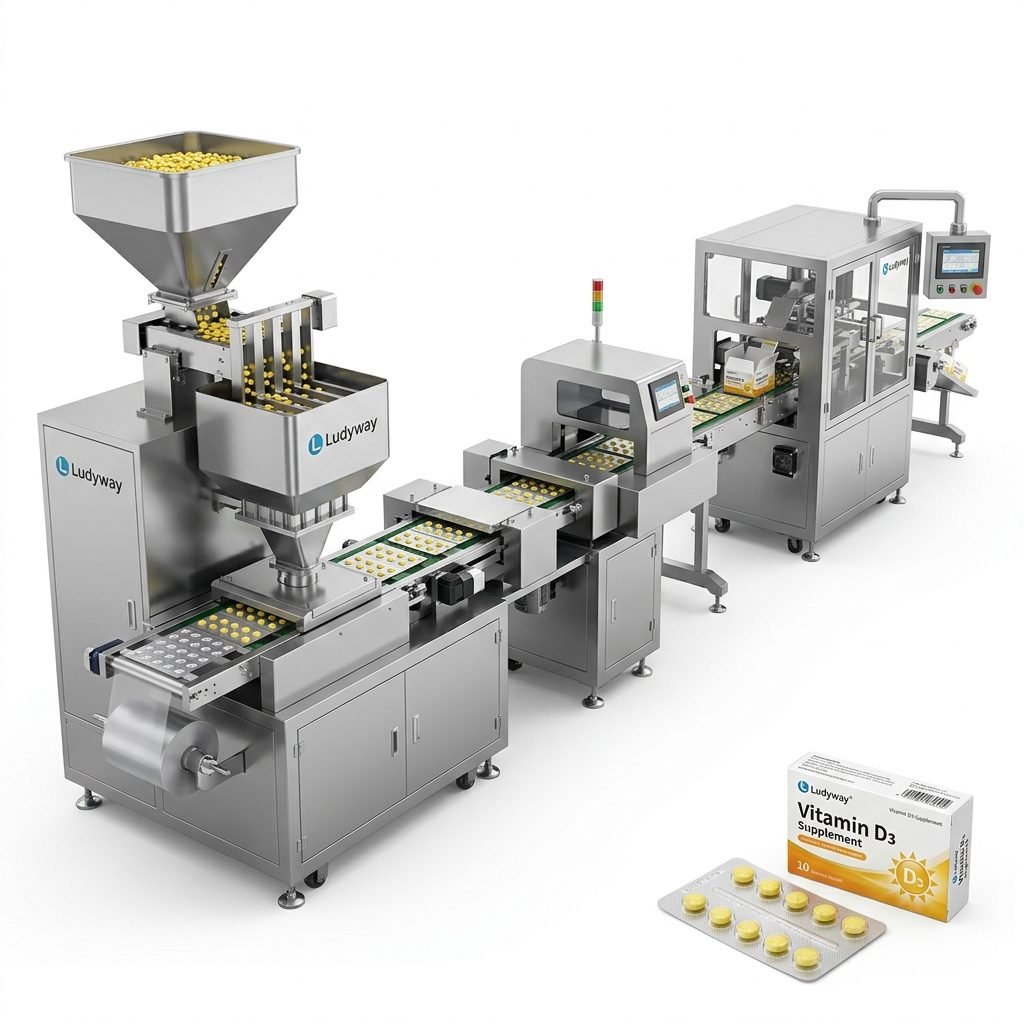
A robust frame (stainless steel is preferred) ensures stability and longevity. For food, pharmaceutical, or health products, hygienic design with easy-clean surfaces, minimal crevices, and food-grade contact parts is non-negotiable. This is a core principle behind reliable brands like Ludyway Packing Machine, which designs with cleanability in mind.
Operational Factors for Long-Term Success
The best machine is one that your team can operate efficiently day in and day out. Consider these practical aspects.
Ease of Use & Changeover
How quickly can you switch from one product or package size to another? Look for machines with tool-less changeovers, recipe storage in the PLC (Programmable Logic Controller), and user-friendly touchscreen HMIs (Human-Machine Interfaces). Quick changeovers minimize downtime and maximize flexibility for small batch production.
Reliability & Supplier Support
Your packaging line is your revenue generator. Investigate the manufacturer’s reputation. How long have they been in business? Do they offer comprehensive technical support, training, and spare parts availability? A supplier with over 30 years of industry experience often brings invaluable expertise to solve complex challenges.
Making the Final Decision: A Checklist
Use this actionable checklist when comparing different compact packaging solutions:
✓ Does it handle my specific product type accurately?
✓ Does it meet my required output speed (PPM) consistently?
✓ Is the machine footprint suitable for my available space?
✓ Is the total cost of ownership (purchase, maintenance, operation) within budget?
✓ Does the supplier provide strong after-sales service, warranties, and training?
✓ Can the machine be easily integrated or upgraded in the future?
Future-Proofing Your Investment
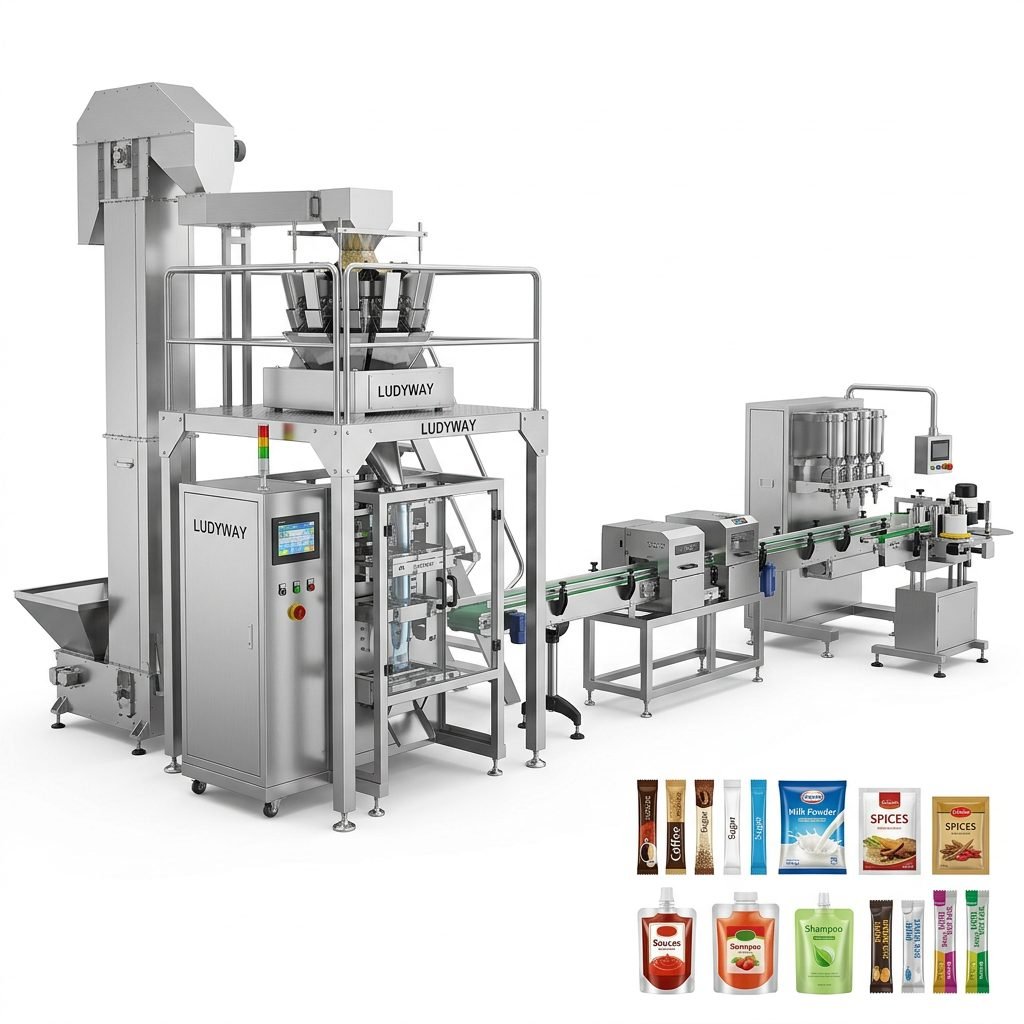
Think beyond today’s needs. A quality compact machine should be a platform for growth. Consider modular designs that allow you to add features like gas flushing for freshness, date coding, or checkweighers later. Partnering with an innovative supplier focused on delivering tailored automated packaging solutions ensures you have a path to scale without replacing your core equipment.
Selecting the right small packaging machine is a strategic investment. By methodically assessing your needs against technical capabilities, operational ease, and supplier strength, you can choose a compact solution that enhances your productivity, protects your product quality, and supports your business growth for years to come.
Frequently Asked Questions (FAQs)
What is the typical price range for a small packaging machine?
Prices vary widely based on features, speed, and automation level. Basic semi-automatic machines can start from a few thousand dollars, while fully automatic, high-precision systems with advanced dosing can range from $20,000 to $50,000+. It’s crucial to budget for the total cost of ownership, including installation and maintenance.
Can one machine package different types of products?
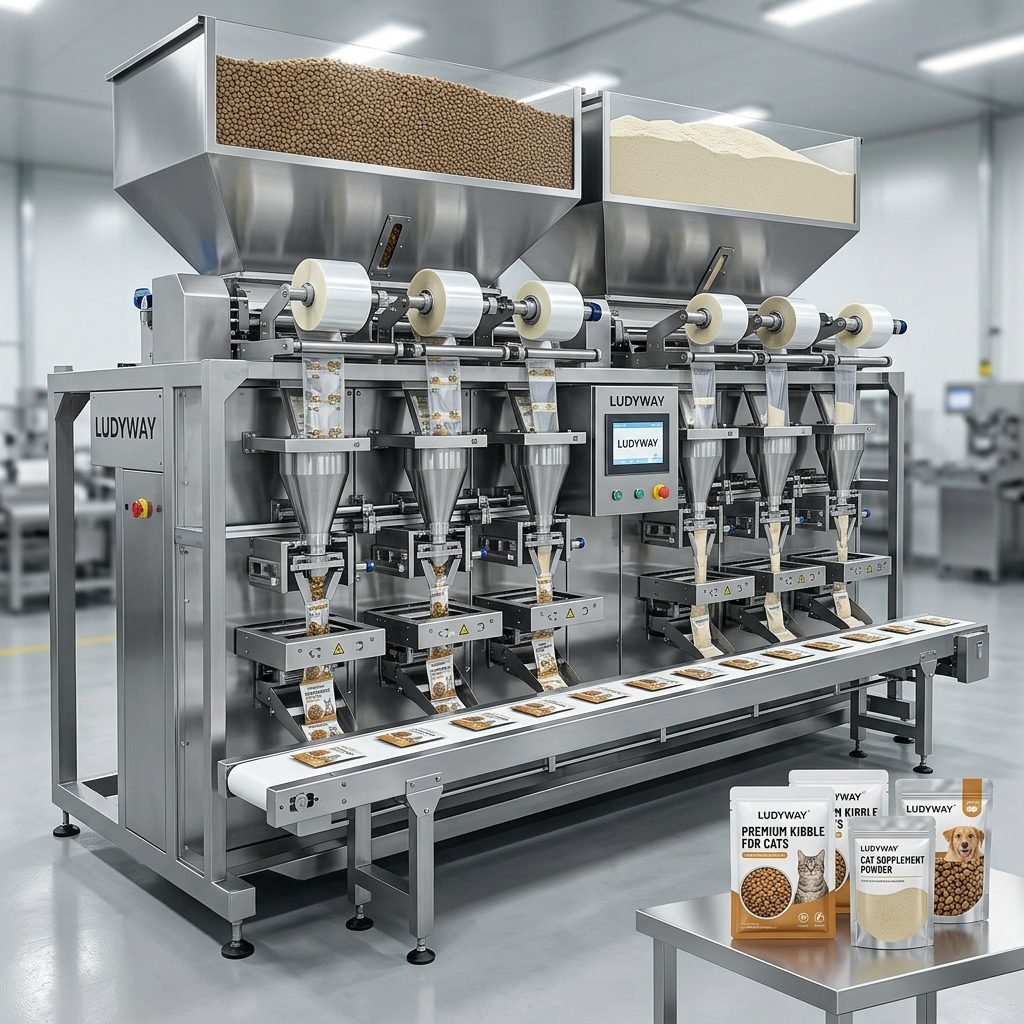
Many versatile VFFS machines can handle different product types (e.g., switching from granules to powders) by changing the dosing system (e.g., from cups to an auger). However, this may require purchasing additional accessories. Always confirm cross-compatibility with the supplier.
How important is after-sales service when purchasing?
Extremely important. Reliable technical support, readily available spare parts, and operator training are critical for minimizing downtime. A supplier with a strong global service network ensures your production line remains operational and efficient.
What packaging materials can these machines use?
Most common small machines use rollstock films like laminates of PET/PE, MET-PET/PE, or paper composites for specific applications. The machine must be compatible with the thickness and sealing properties of your chosen material. Your supplier can recommend the right film for your product’s barrier requirements.
How do I ensure my packaging meets food safety regulations?
Choose a machine constructed with food-grade materials (like 304 or 316 stainless steel) with a hygienic, easy-to-clean design. Ensure the supplier understands relevant standards (like FDA, EU regulations) for your target market. Proper machine design is the first step in a safe packaging process.