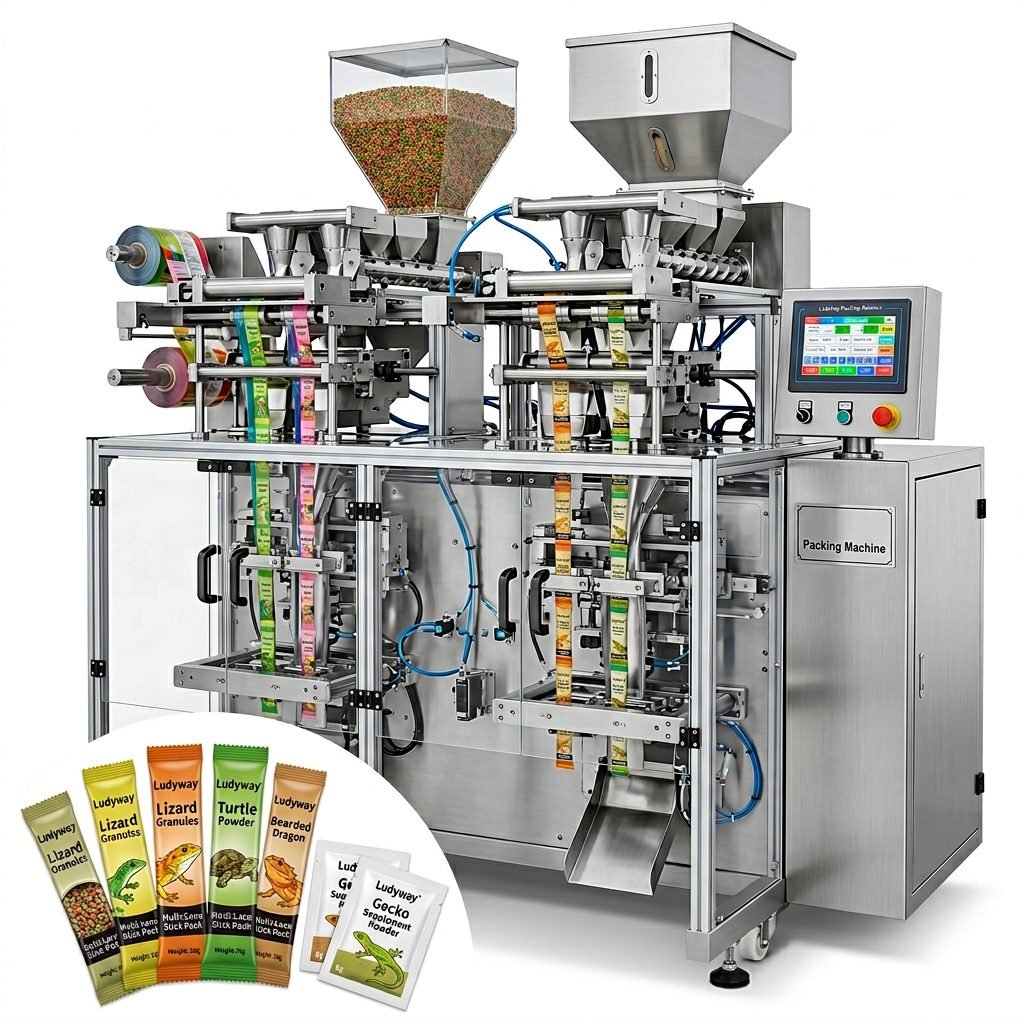
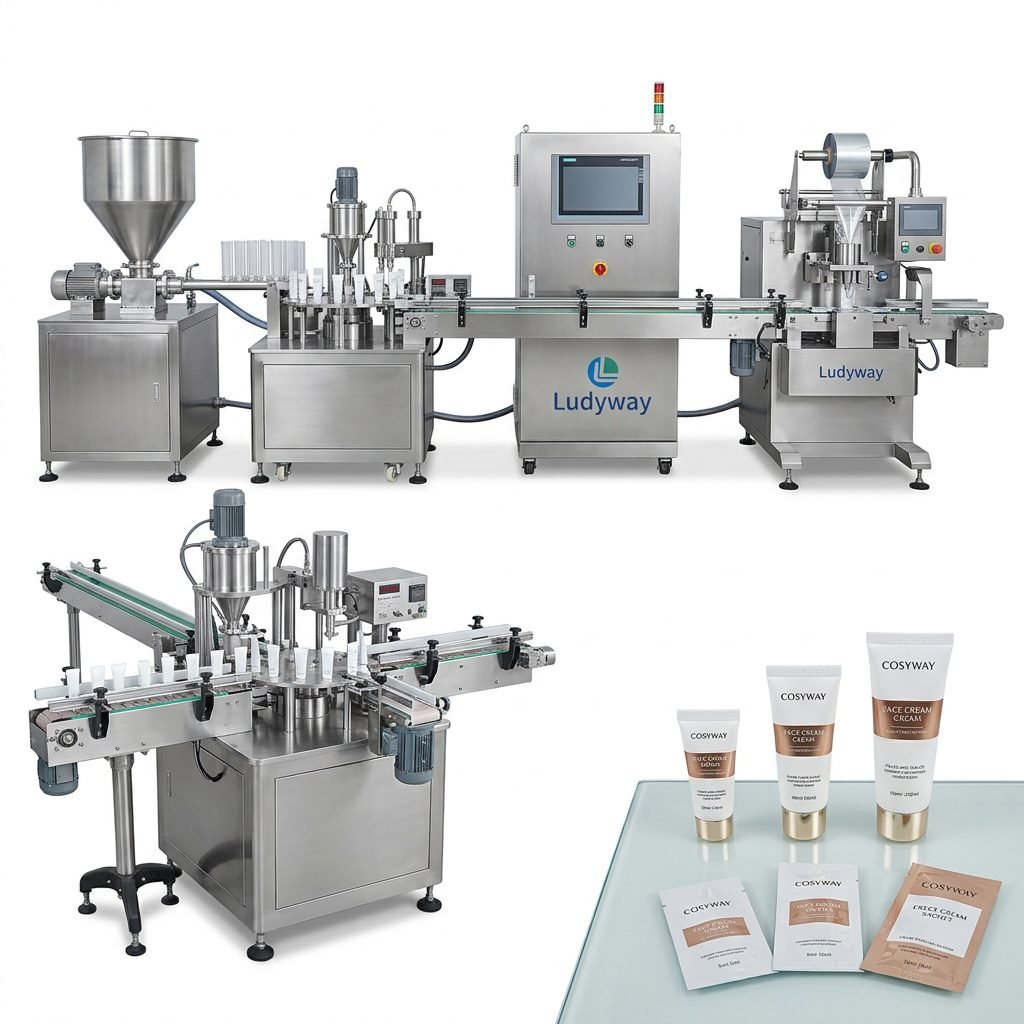
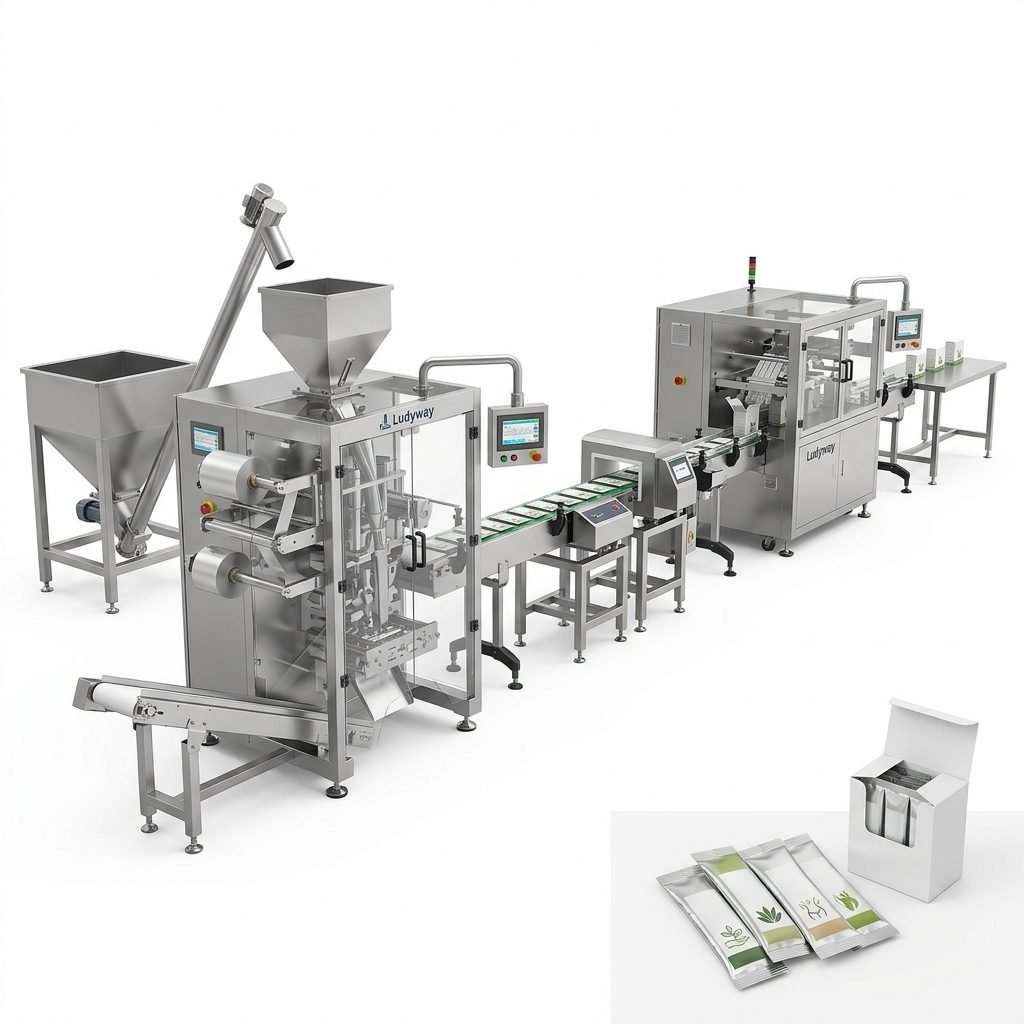
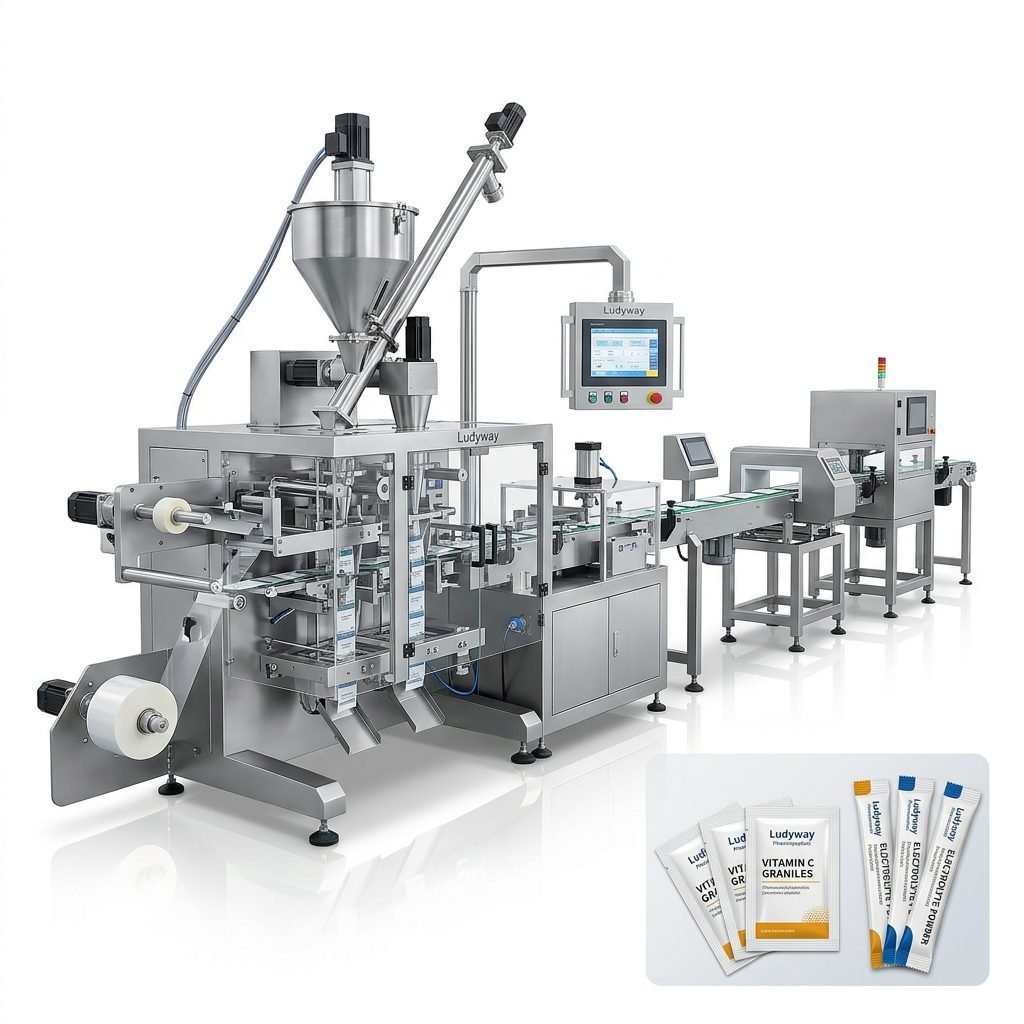
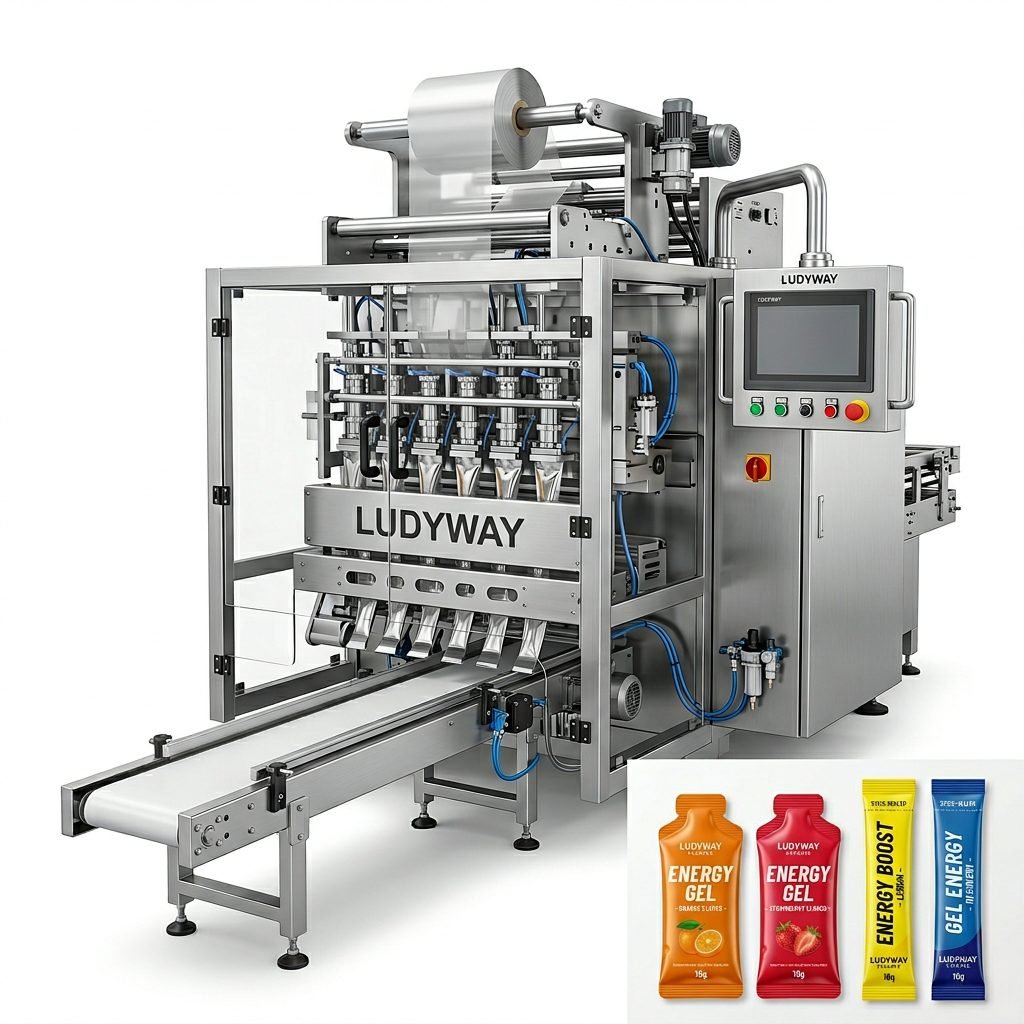
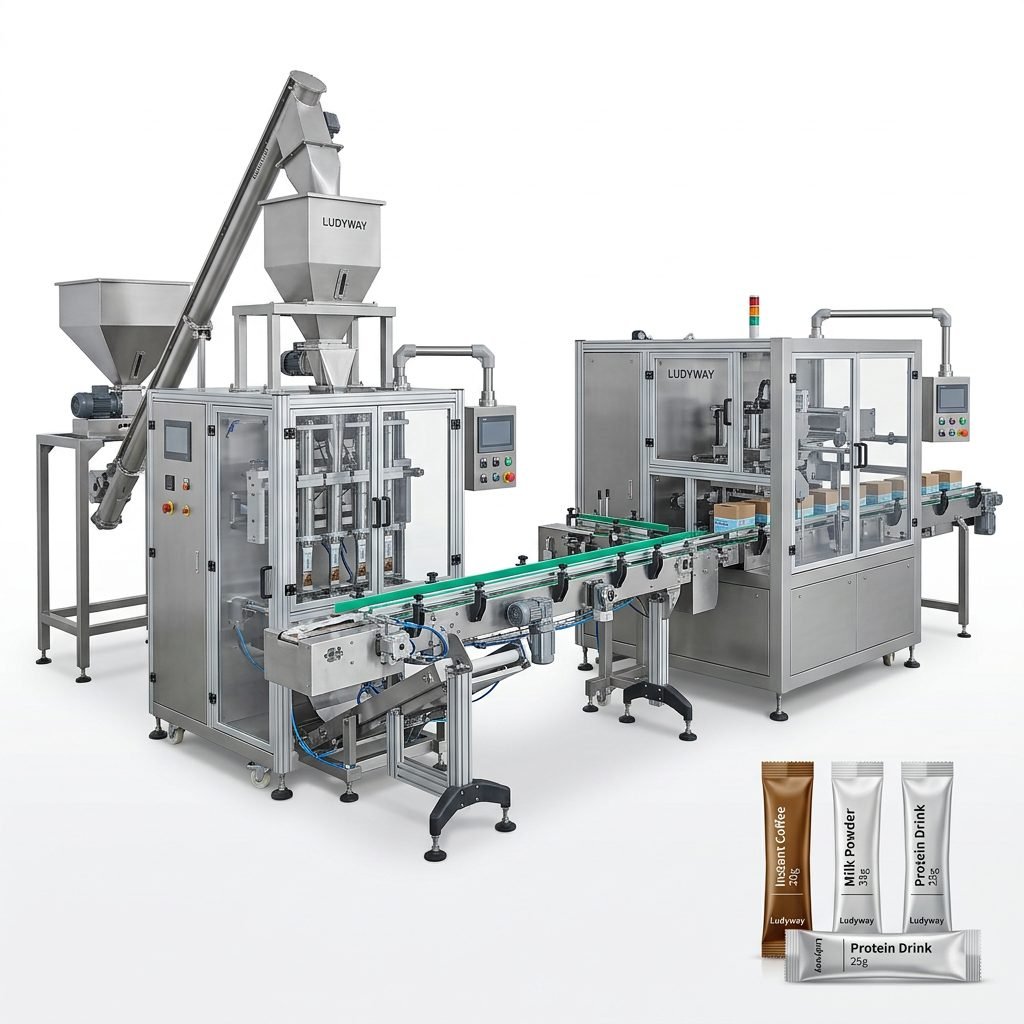
Selecting the perfect snacks packaging machine is a critical decision that directly impacts your production efficiency, product quality, and overall profitability. With a vast array of options available, from stick pack and sachet machines to multi-lane vertical form-fill-seal systems, navigating the market can be overwhelming. This comprehensive guide is designed to walk you through every essential factor, helping you make an informed investment that aligns perfectly with your specific production goals and snack products.
Understanding Your Core Packaging Requirements
Before diving into machine specifications, a thorough analysis of your own needs is the essential first step. This internal audit will form the foundation of your search.
1. Product Characteristics Analysis
The physical nature of your snack dictates the machine type. Granules (like nuts or candies), powders (seasonings, protein powders), and liquids (sauces, oils) each require different feeding and sealing mechanisms. Consider product fragility, oiliness, and flowability.
2. Desired Package Format & Style
Define your end goal. Are you producing small single-serve stick packs for seasoning, larger stand-up pouches for chips, or elegant sachets for dipping sauces? The format determines whether you need a horizontal or vertical form-fill-seal machine.
3. Production Speed & Output Volume
📈 Key Consideration:
Calculate your required output in packs per minute (PPM). Match this with a machine’s rated speed, allowing a 10-15% buffer for optimal, sustainable operation without pushing the equipment to its absolute limit.
Key Technical Factors in Machine Selection
Once your needs are clear, evaluate machines based on these critical technical parameters.
Machine Type & Technology
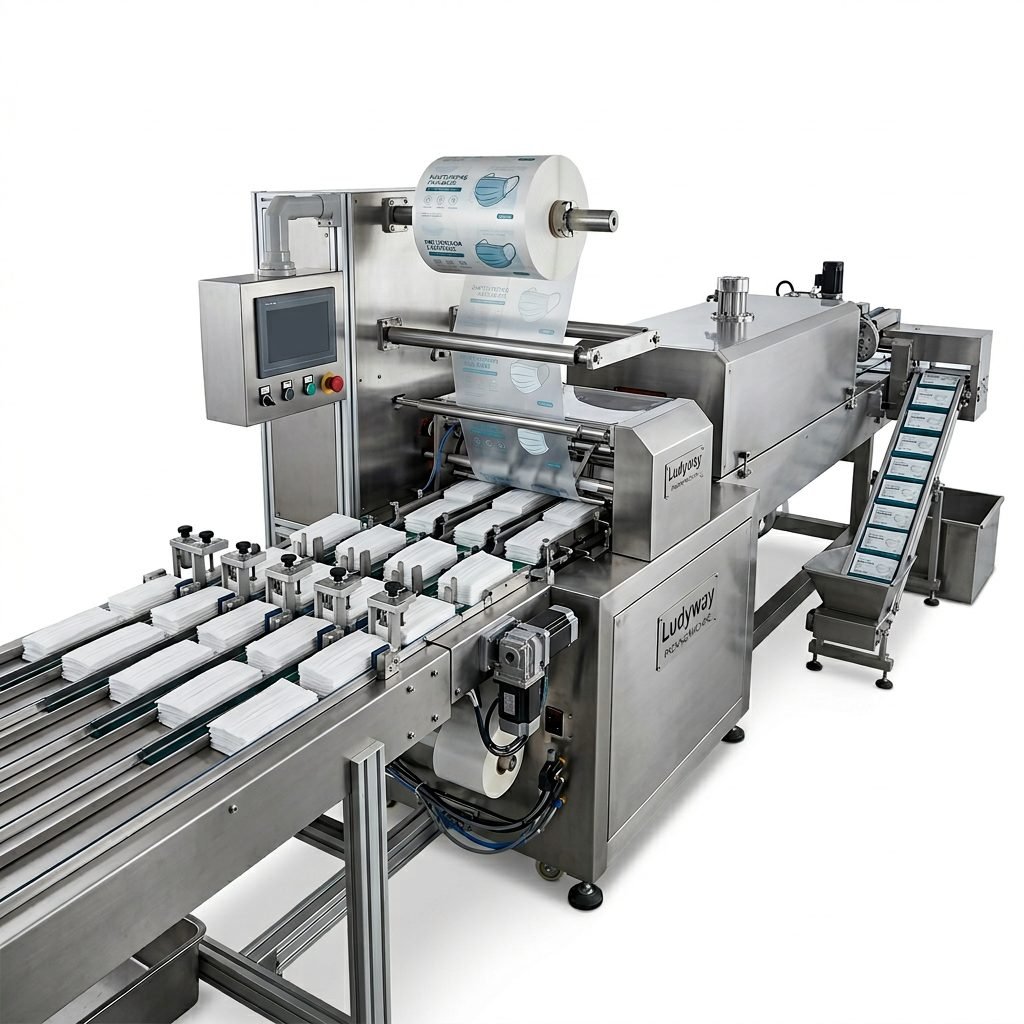
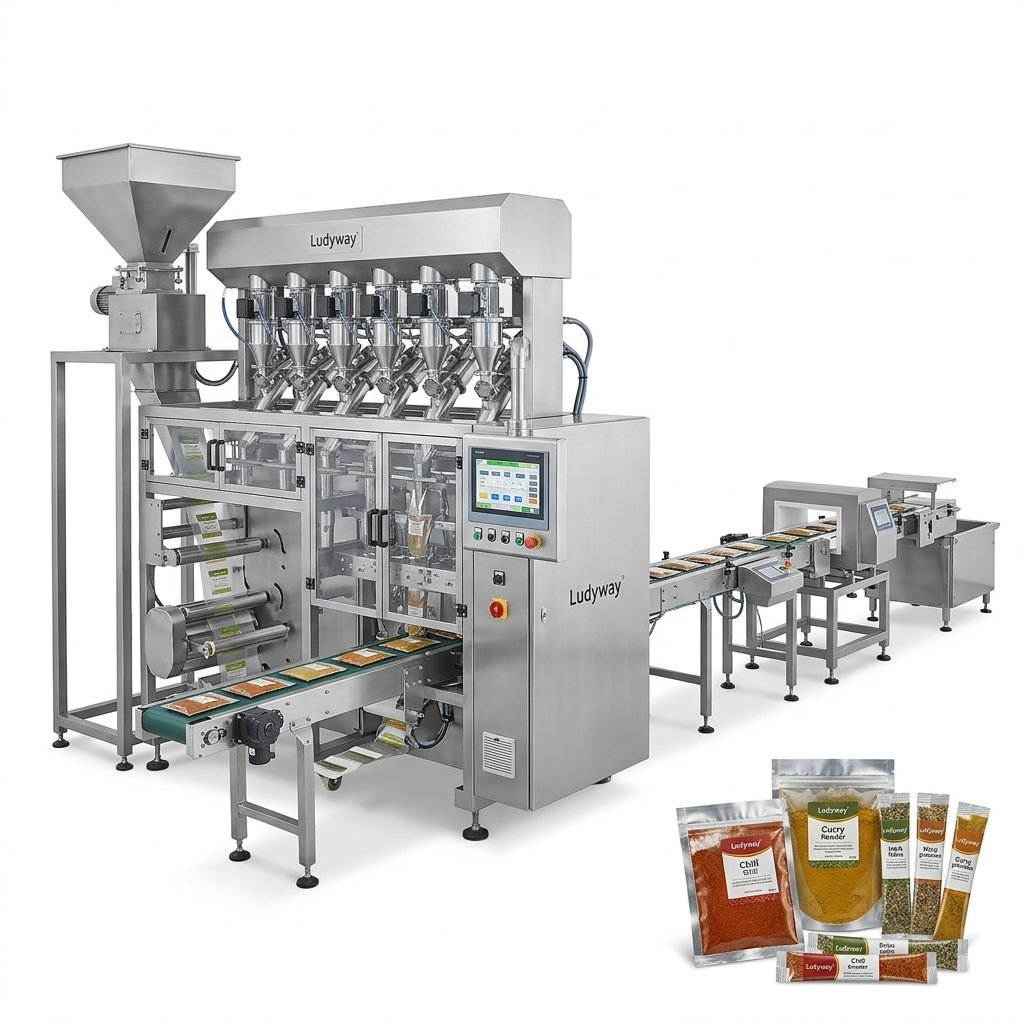
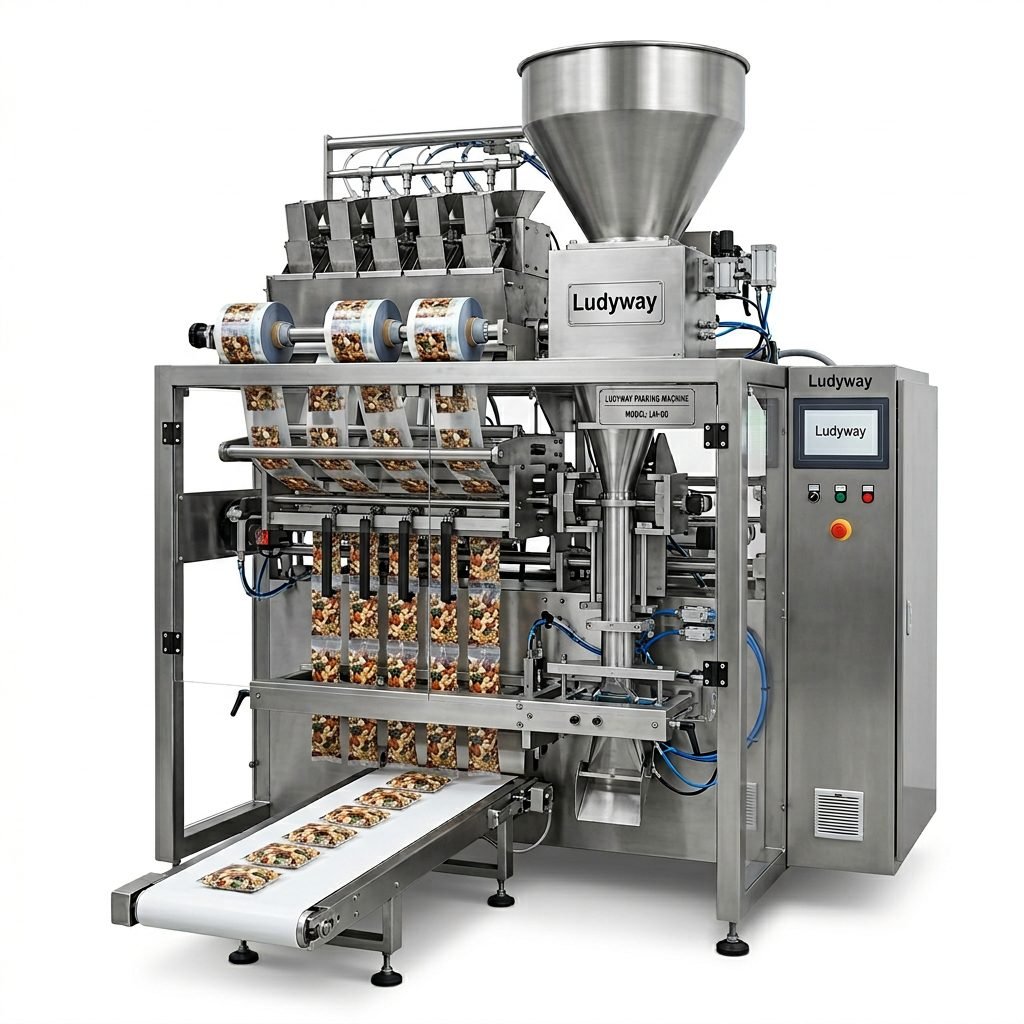
Vertical Form-Fill-Seal (VFFS) machines are the industry standard for most free-flowing snacks, creating bags from a roll of film. Horizontal Form-Fill-Seal (HFFS) machines are often used for more complex, multi-layered items or specific formats like stick packs. For high-volume, identical products, multi-lane packaging systems dramatically increase output.
Weighing & Feeding System Accuracy
Precision is paramount for cost control and compliance. Choose between volumetric cup fillers (for consistent-sized items) and auger filler systems (for powders and granules), which offer higher accuracy. Multi-head weighers are the gold standard for high-speed, precise weighing of irregular items like snack mixes.
Film Material Compatibility & Sealing
The machine must handle your chosen packaging material—whether laminated films, metallized layers, or biodegradable composites. Ensure it provides strong, consistent seals (like hermetic or fin seals) that maintain product freshness and prevent leaks.
Beyond the Machine: Essential Support Considerations
The machine itself is only part of the solution. Long-term success depends on the support behind it.
Manufacturer Expertise & Reliability
Partner with a supplier with proven experience. Ludyway Machinery, with over 30 years in the industry, exemplifies the deep technical knowledge required to provide reliable solutions. Evaluate their track record, client portfolio, and commitment to innovation.
Integration into Your Production Line
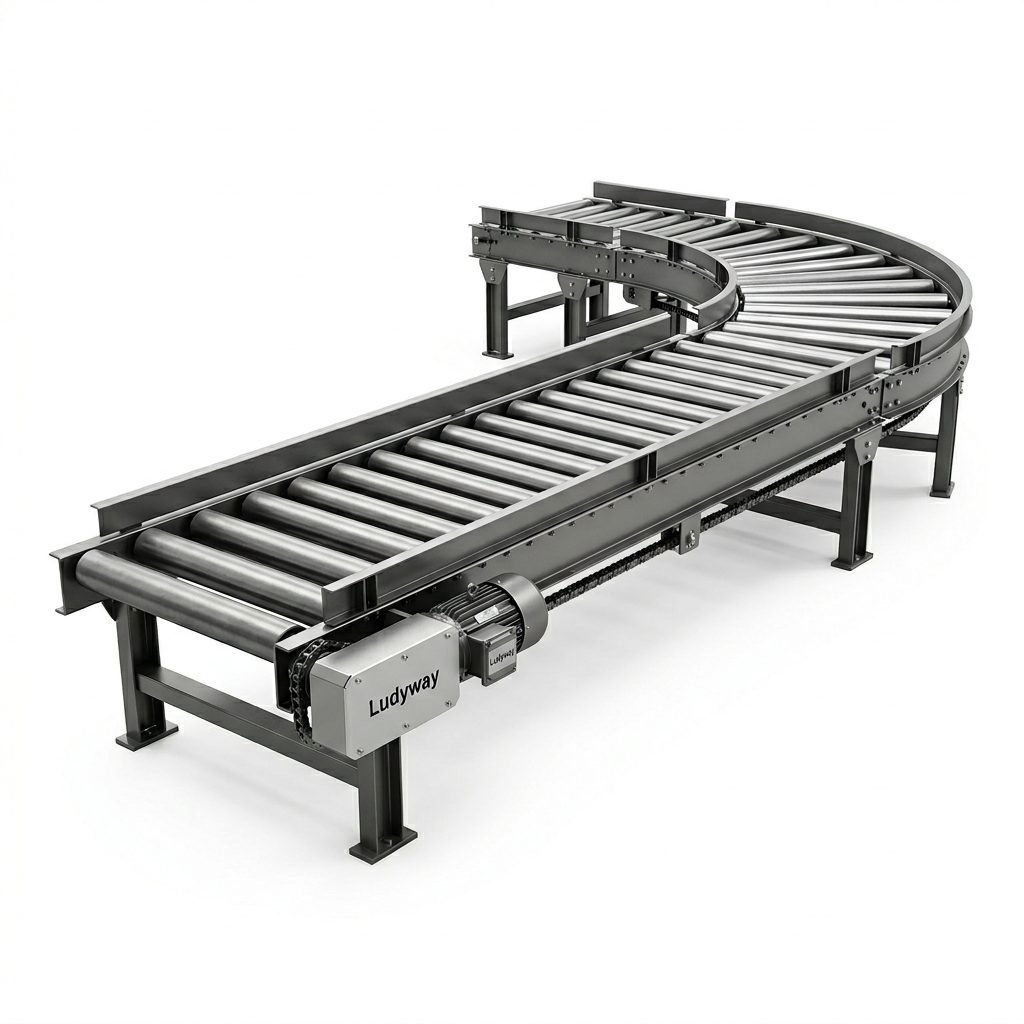
Will the new machine connect seamlessly with your existing conveyors, upstream feeders, and downstream cartoning systems? Discuss integration support and potential turnkey production line solutions with your supplier to ensure a smooth workflow.
After-Sales Service & Parts Availability
⚠️ Critical Factor:
Downtime is costly. Verify the availability of local technical support, spare parts inventory, and comprehensive training for your operators. A reliable partner ensures your production line stays running efficiently.
Financial Planning: Cost of Ownership
Look beyond the initial purchase price. Consider the total cost of ownership, including energy consumption, required operator skill level, maintenance costs, and the machine’s expected lifespan and scalability to meet future growth.
Frequently Asked Questions (FAQs)
1. What is the main difference between VFFS and HFFS machines for snacks?
VFFS machines form bags vertically from a single roll of film, ideal for free-flowing products like chips, nuts, and candies. HFFS machines form packages horizontally and are often better suited for delicate items, multi-piece placement, or specific formats like stick packs and sachets.
2. How do I determine the right production speed for my business?
Calculate your current and projected daily/weekly output needs. Choose a machine with a maximum speed that exceeds your peak requirement by 15-20%. This provides capacity for growth and allows the machine to run at a sustainable, efficient pace rather than at its strained maximum constantly.
3. Can one machine handle different snack types and package sizes?
Many modern machines offer quick-change parts and programmable recipes, allowing for relatively fast changeovers between similar product types and bag sizes. However, switching between vastly different formats (e.g., powder sachets to whole nuts) may require significant reconfiguration or even a different machine type.
4. What are the key maintenance routines for a snacks packaging machine?
Daily cleaning of product contact parts, weekly inspection of seals and cutters, and regular lubrication as per the manufacturer’s manual are essential. The most critical routine is keeping the weighing and feeding system impeccably clean to ensure ongoing accuracy.
5. Why is supplier experience more important than just getting the lowest price?
An experienced supplier like Ludyway provides correct machine selection, proper installation, thorough training, and accessible technical support. This expertise minimizes costly downtime, ensures optimal performance, and protects your long-term investment, far outweighing the short-term savings of a cheaper, unsupported option.