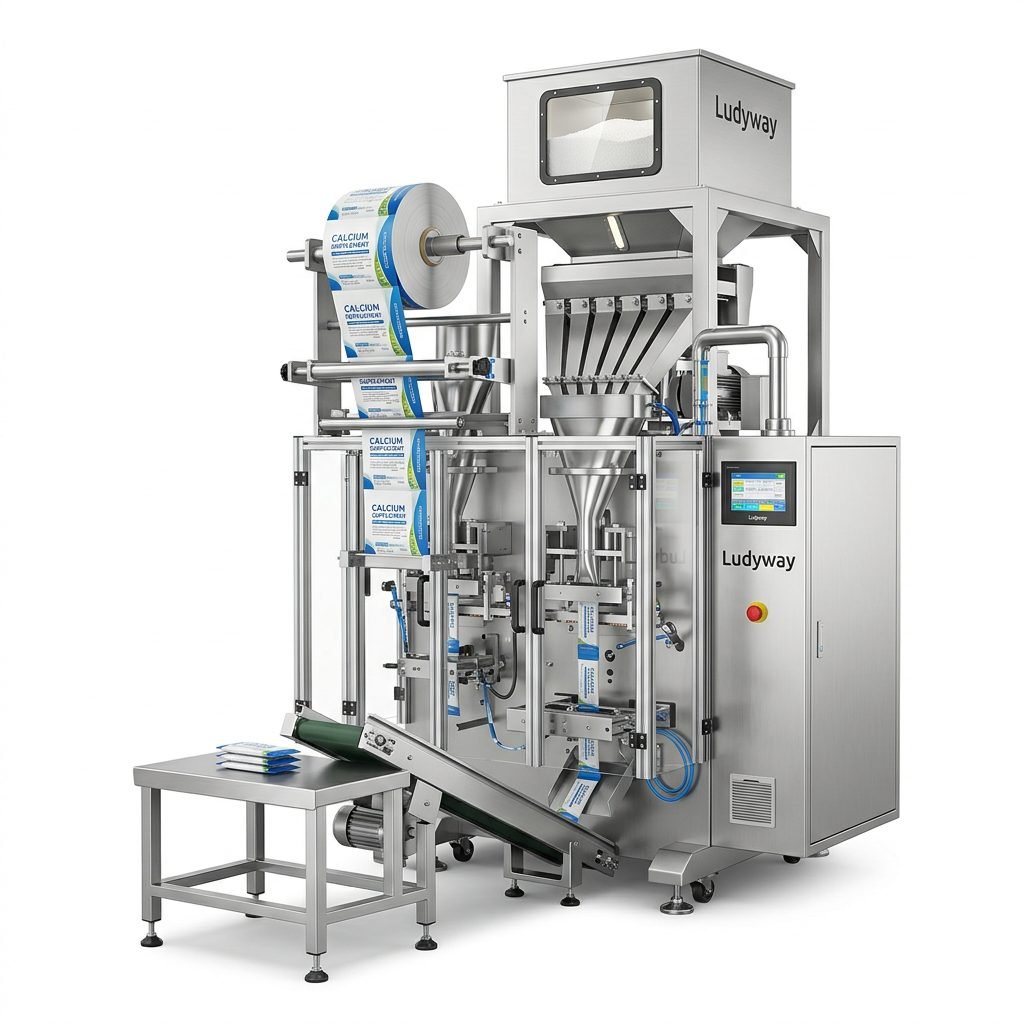
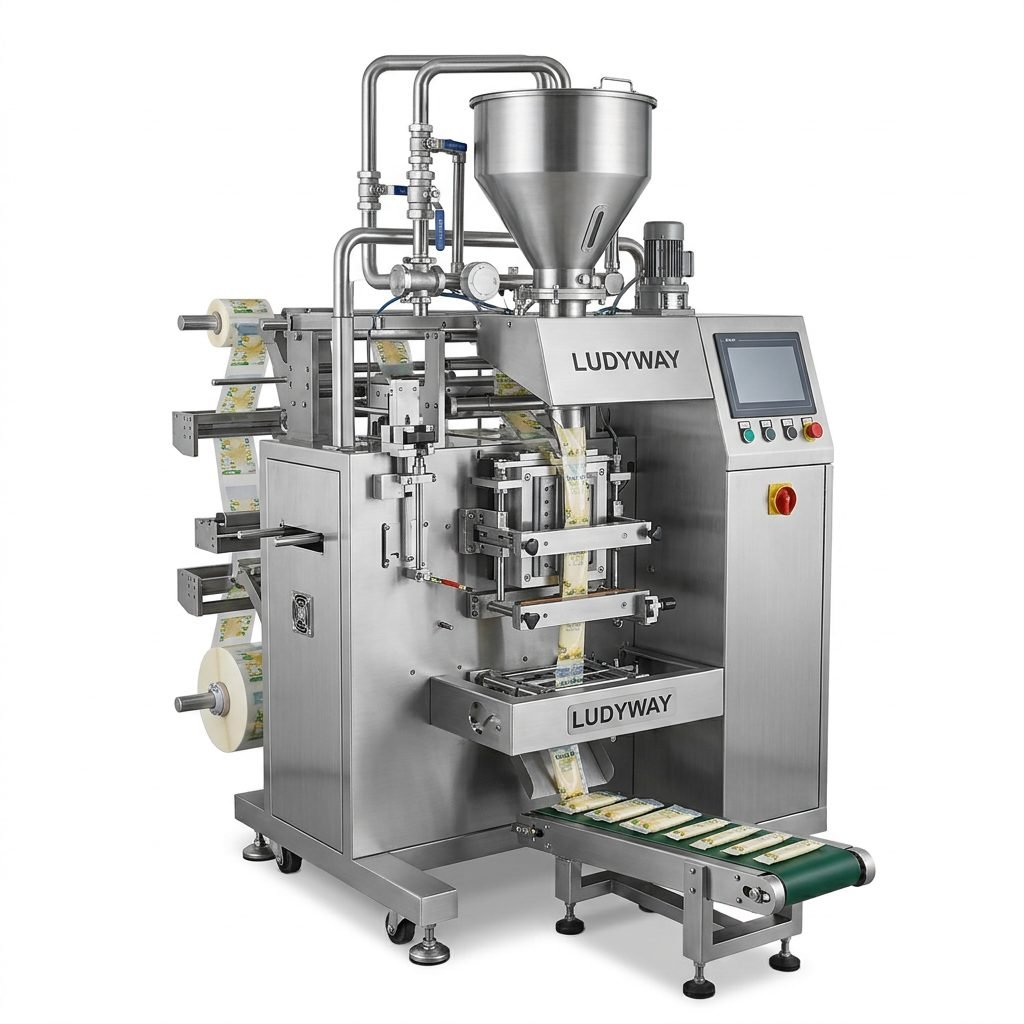
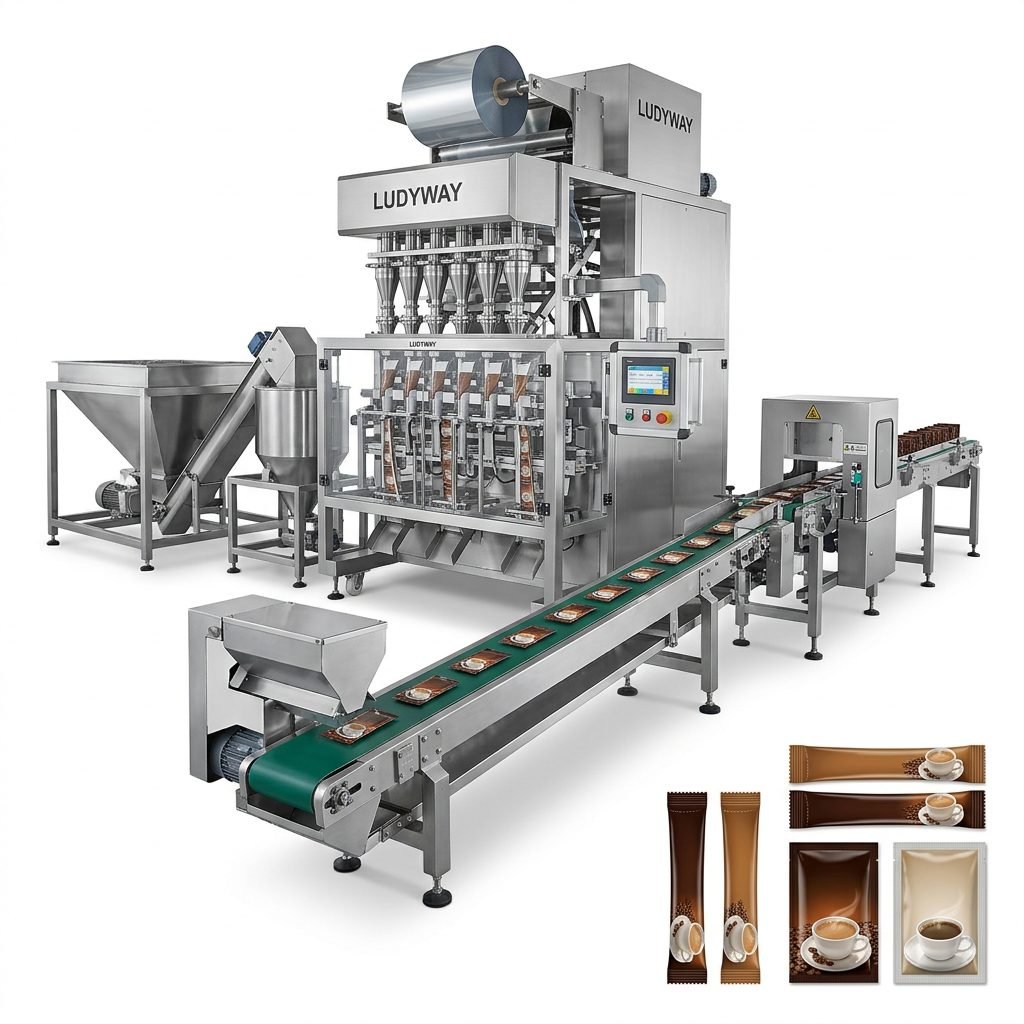
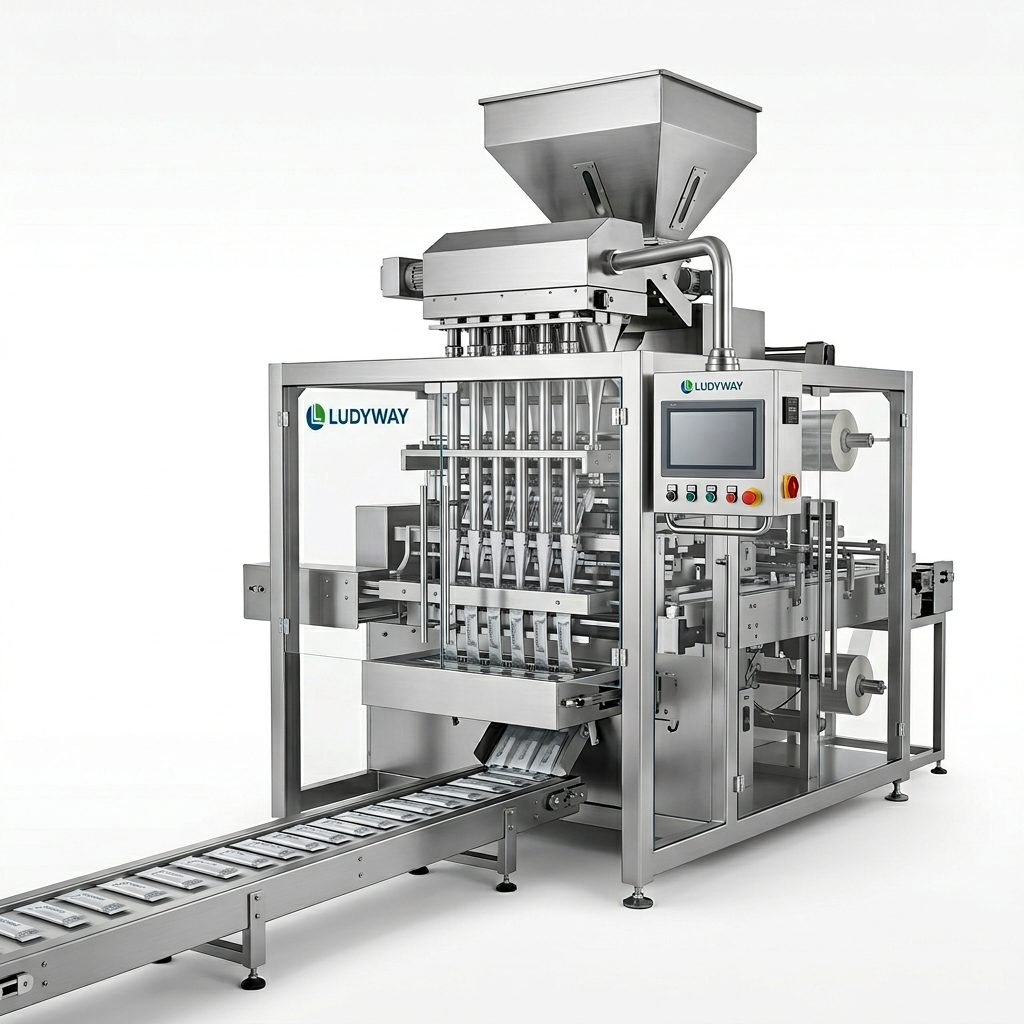
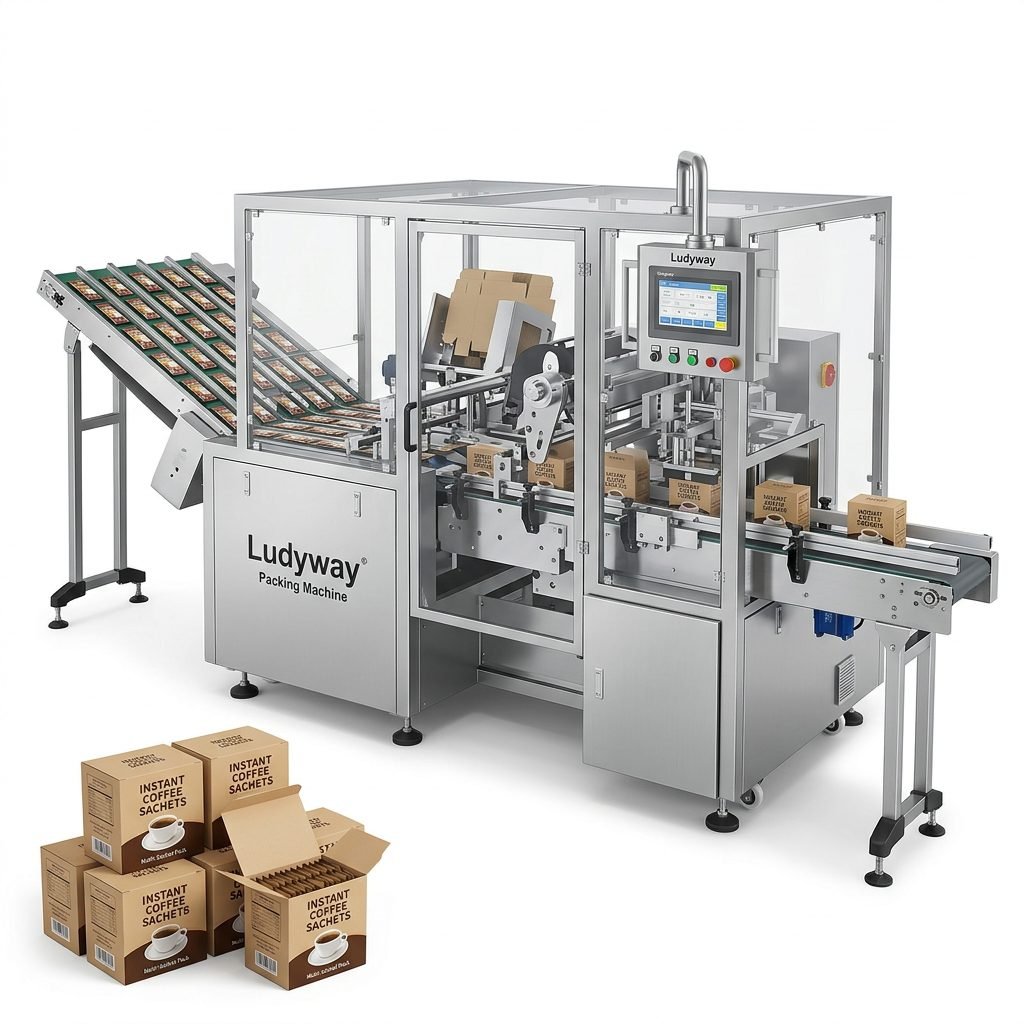
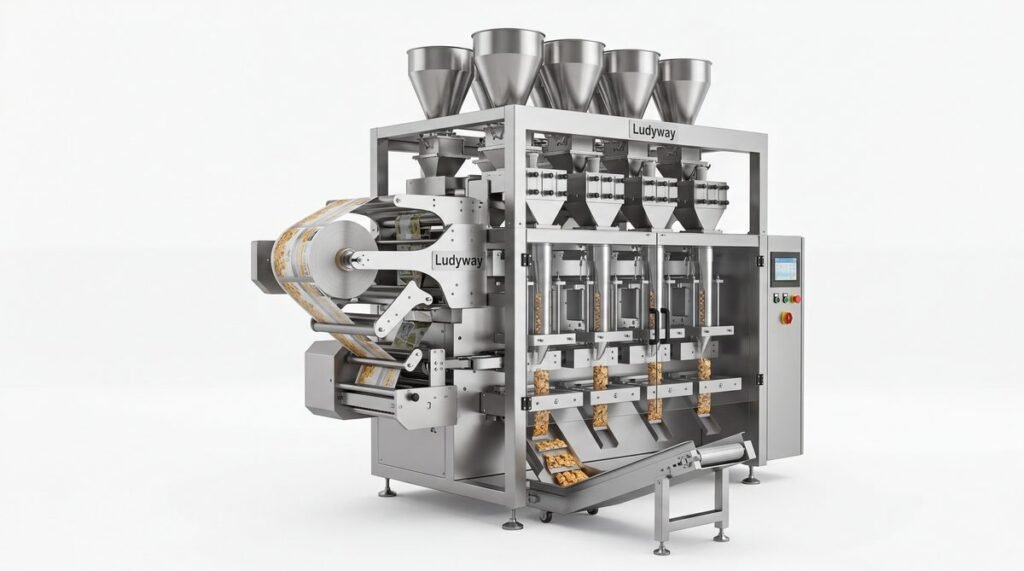
A flow packaging machine is one of the most widely used solutions for fast, consistent, and attractive product wrapping. It is designed to create sealed packs from roll film while products move continuously through the machine. This makes it ideal for businesses that need high output, clean packaging, and reliable sealing quality.
From bakery items and confectionery to medical devices, cosmetics, and household products, flow wrappers help manufacturers improve productivity while keeping packaging neat and professional. For companies planning automation upgrades, understanding how these machines work is the first step toward choosing the right equipment.
What Is a Flow Packaging Machine?
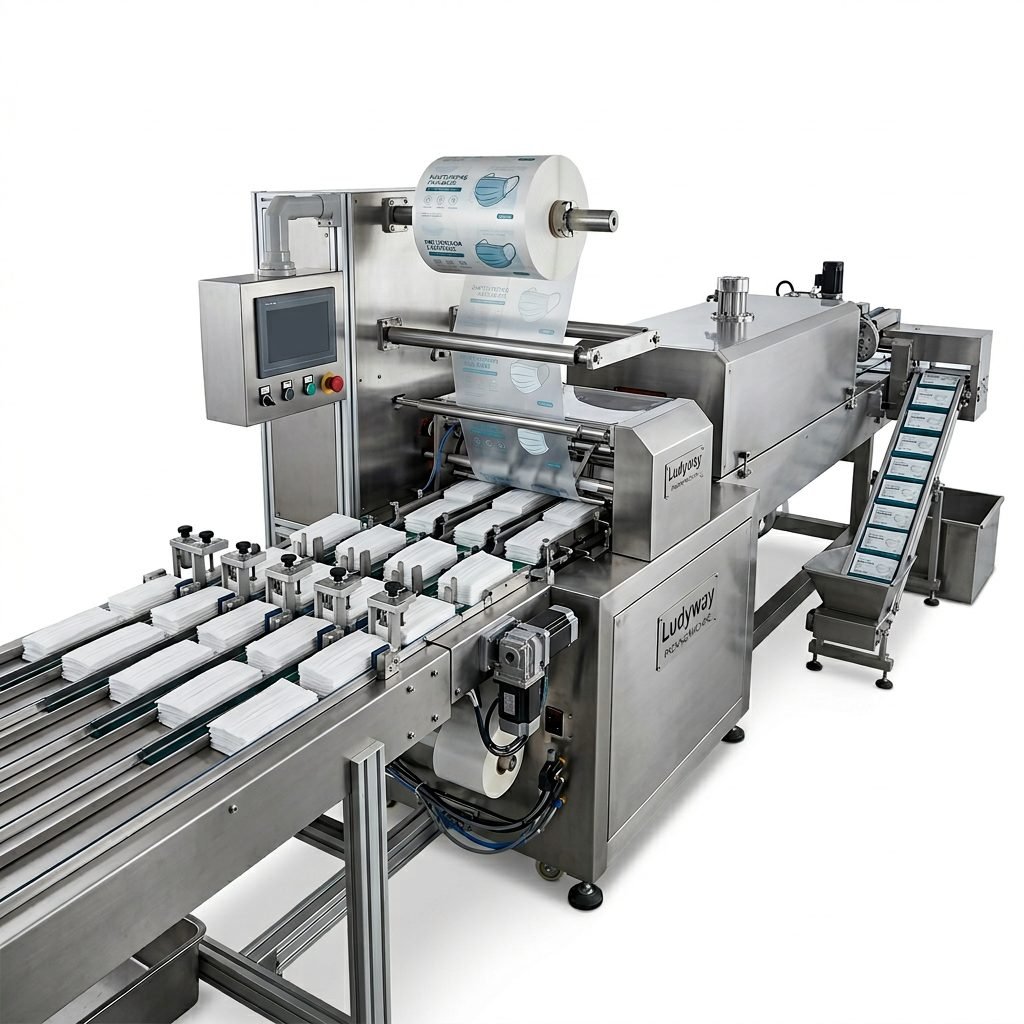
A flow packaging machine, often called a flow wrapper or horizontal form fill seal machine, wraps products in flexible film and seals them into individual packs. The packaging material is fed from a roll, formed around the product, sealed longitudinally and crosswise, then cut into finished packages.
It is especially suitable for products with a stable shape that can move smoothly on a conveyor. Common examples include:
- Biscuits and cookies
- Bread, cakes, and pastries
- Chocolate bars and candy
- Soap bars and wet wipes
- Medical supplies and sterile items
- Hardware, accessories, and small consumer goods
How Does a Flow Packaging Machine Work?
Although different models vary in automation level and product handling design, the basic working principle is similar across most machines.
1. Product Feeding
Products are placed manually or automatically onto the infeed conveyor. Spacing control is important because each item must enter the sealing area at the correct interval.
2. Film Unwinding
The machine pulls packaging film from a roll. Depending on the product and market requirements, the film may be laminated plastic, printed film, recyclable material, or barrier film for moisture and oxygen protection.
3. Forming Around the Product
As the product moves forward, the film is shaped into a tube around it by a forming box or forming shoulder. This creates the wrap structure before sealing.
4. Longitudinal Sealing
The bottom or back seam of the package is sealed continuously. This creates the lengthwise seal that holds the film together around the product.
5. End Sealing and Cutting
Rotary or box-motion end seal jaws create cross seals at both ends of the package while also cutting each pack apart. The result is a sealed pillow pack, gusseted pack, or other custom format.
6. Discharge and Inspection
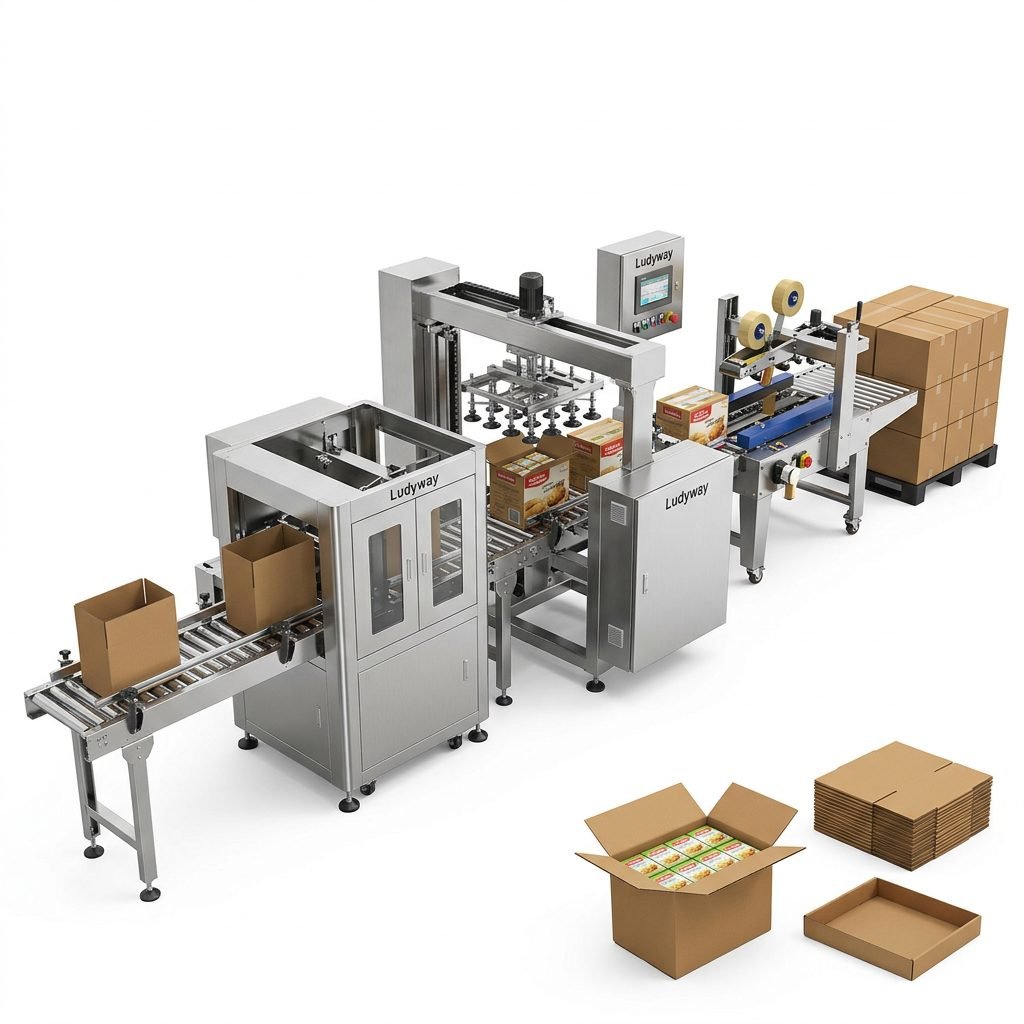
Finished packs exit the machine and can move to downstream systems such as checkweighers, metal detectors, coding machines, cartoners, case packers, or palletizing equipment.
In simple terms: feed the product, wrap it with film, seal it, cut it, and discharge the finished pack in one continuous operation.
Main Components of a Flow Wrapper
| Component | Function |
|---|---|
| Infeed conveyor | Moves products into the wrapping area at a controlled speed |
| Film roll holder | Supports and unwinds packaging film |
| Forming box | Shapes the flat film around the product |
| Longitudinal sealing unit | Creates the continuous back or bottom seal |
| End sealing jaws | Seal and cut each package |
| Control system | Coordinates speed, temperature, length, timing, and diagnostics |
| Sensors and registration system | Ensure accurate pack length and printed film alignment |
Key Benefits of Using a Flow Packaging Machine
High Packaging Speed
Flow wrappers are built for continuous motion, which allows them to package large volumes efficiently. This is a major advantage for factories handling daily high-output production.
Consistent Pack Appearance
Uniform seals, neat film tension, and repeatable pack lengths help create a professional retail-ready finish. Consistency also improves brand presentation.
Reduced Labor Dependency
Automated feeding, wrapping, sealing, and cutting reduce manual handling and improve line efficiency. This is especially valuable where labor costs are rising or operator availability is limited.
Product Protection
A properly selected film can protect products from dust, moisture, tampering, and external contamination. For food products, this can also support freshness retention.
Wide Product Compatibility
Flow packaging machines can handle many product categories, from snacks and bakery goods to medical and personal care products, as long as the item is suitable for conveyor feeding and film wrapping.
Easy Integration
They can be integrated with upstream and downstream equipment such as feeders, printers, labelers, inspection systems, cartoners, and complete packaging lines.
Typical Pack Styles Produced by Flow Packaging Machines
- Pillow packs for snacks, biscuits, and bars
- Gusseted packs for products needing better shelf presentation
- Modified atmosphere packs for freshness-sensitive foods
- Single-item wraps for hygiene and medical use
- Multi-pack bundles for retail and promotional packaging
Best Products for Flow Wrapping
A flow packaging machine performs best when products have a relatively stable shape and can move in sequence. Some of the best applications include:
| Industry | Suitable Products | Why It Fits |
|---|---|---|
| Food | Biscuits, bread, cakes, chocolate, noodles, snack bars | Fast throughput and clean shelf-ready packs |
| Pharmaceutical | Medical kits, sterile packs, swabs, masks | Controlled packaging with strong sealing consistency |
| Cosmetics | Face masks, soap bars, wipes, beauty tools | Attractive packaging and high-speed handling |
| Consumer goods | Small hardware, stationery, accessories | Efficient unit packaging and easy coding |
When a Flow Packaging Machine May Not Be the Best Choice
Despite its flexibility, a flow wrapper is not ideal for every product. It may be less suitable for:
- Very irregular or fragile items that cannot feed smoothly
- Loose powders, granules, liquids, or pastes that require filling systems
- Products needing rigid containers instead of flexible film wrapping
- Items with major size variations unless the machine is designed for frequent adjustments
For these products, businesses may need vertical form fill seal machines, pouch filling systems, bottle filling lines, or custom turnkey packaging solutions.
Flow Packaging Machine vs. Vertical Packaging Machine
| Feature | Flow Packaging Machine | Vertical Packaging Machine |
|---|---|---|
| Machine orientation | Horizontal | Vertical |
| Best for | Solid, shaped products | Powders, granules, liquids, small free-flowing products |
| Packaging style | Pillow wrap around product | Bag formed and filled from top |
| Typical products | Biscuits, bars, masks, soaps | Coffee powder, sugar, snacks, detergents |
Important Features to Look For
If you are selecting a flow packaging machine, focus on the features that affect long-term performance and packaging quality:
- Servo-driven motion control for precise and flexible operation
- Automatic film tracking for printed packaging accuracy
- User-friendly HMI for fast parameter adjustment
- Quick changeover design for multiple product sizes
- Temperature stability for reliable sealing
- Optional gas flushing for freshness-sensitive products
- Date coding and traceability integration for compliance and retail requirements
- Safety guarding and fault alarms for secure operation
Industries That Benefit Most
Food Manufacturing
Food producers often choose flow wrappers for speed, hygiene, and attractive retail presentation. It is especially common in bakery, confectionery, frozen food, and snack production.
Medical and Pharmaceutical Packaging
When combined with the right materials and controlled environments, flow packaging machines can support unit-dose and sterile-barrier style packaging for selected medical products.
Cosmetics and Personal Care
Face masks, soap bars, wipe packs, and sample kits are often wrapped using flow pack technology to improve shelf appeal and production efficiency.
Household and Industrial Products
From sponges and cleaning pads to hardware accessories and spare parts, flow wrapping provides compact packaging with good protection and coding compatibility.
How to Choose the Right Flow Packaging Machine
- Define your product size, shape, and fragility.
- Confirm required output speed per minute.
- Choose the right film type and sealing method.
- Check whether you need coding, inspection, or cartoning integration.
- Evaluate cleaning, maintenance, and operator ease of use.
- Consider future scalability if product variety or demand may grow.
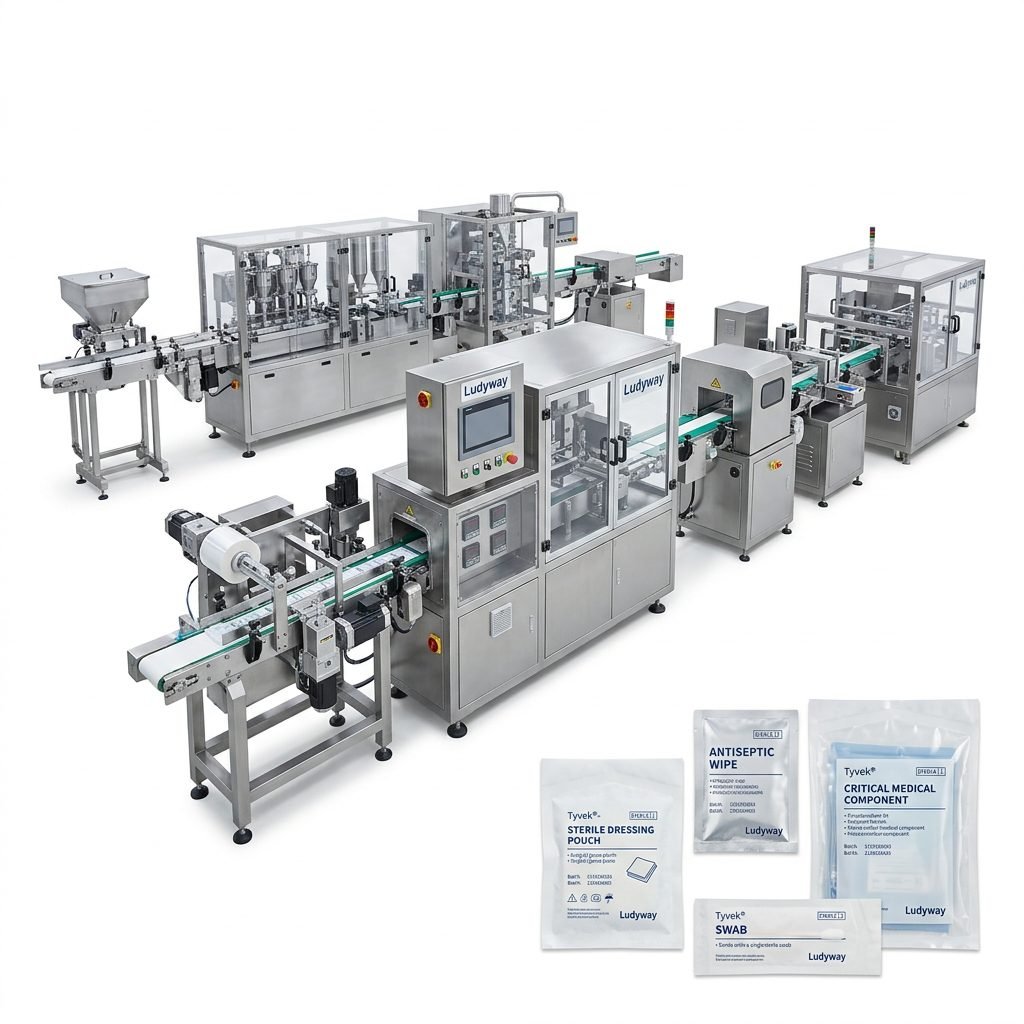
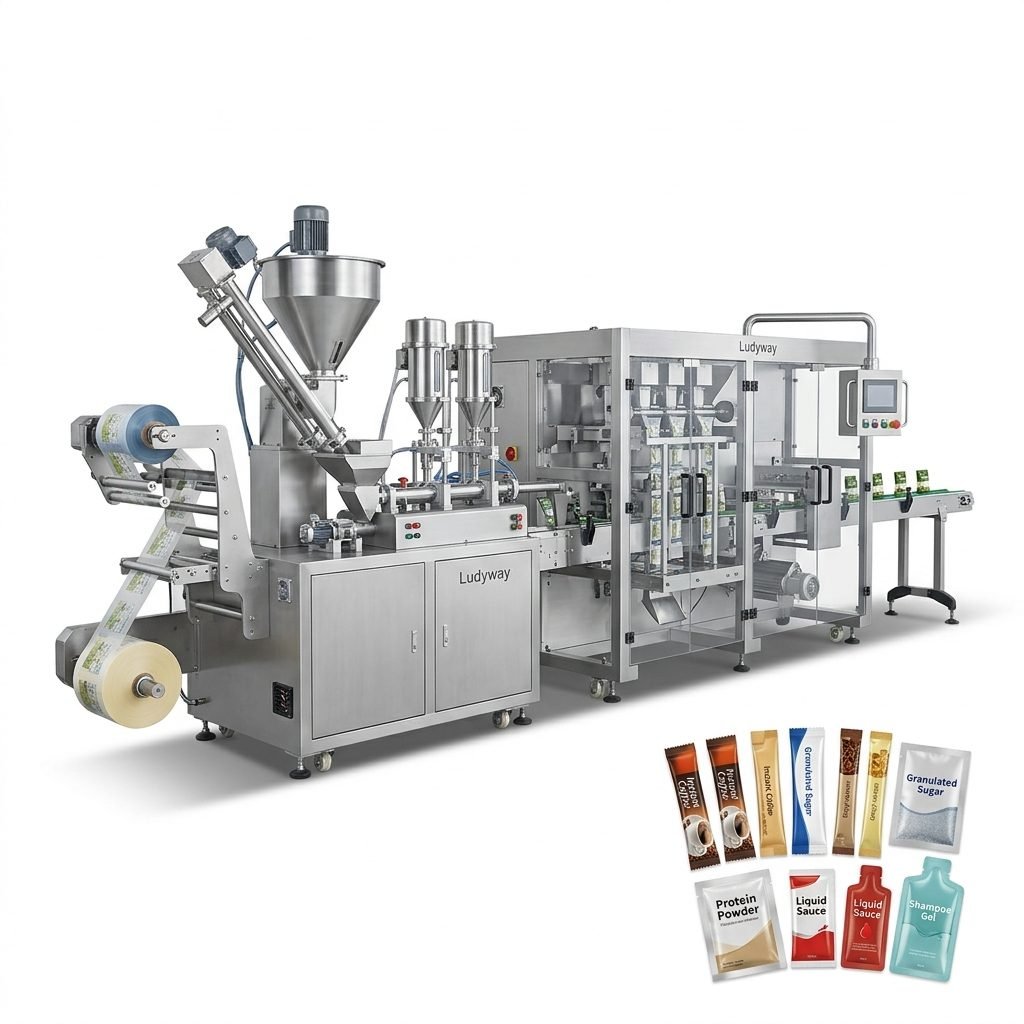
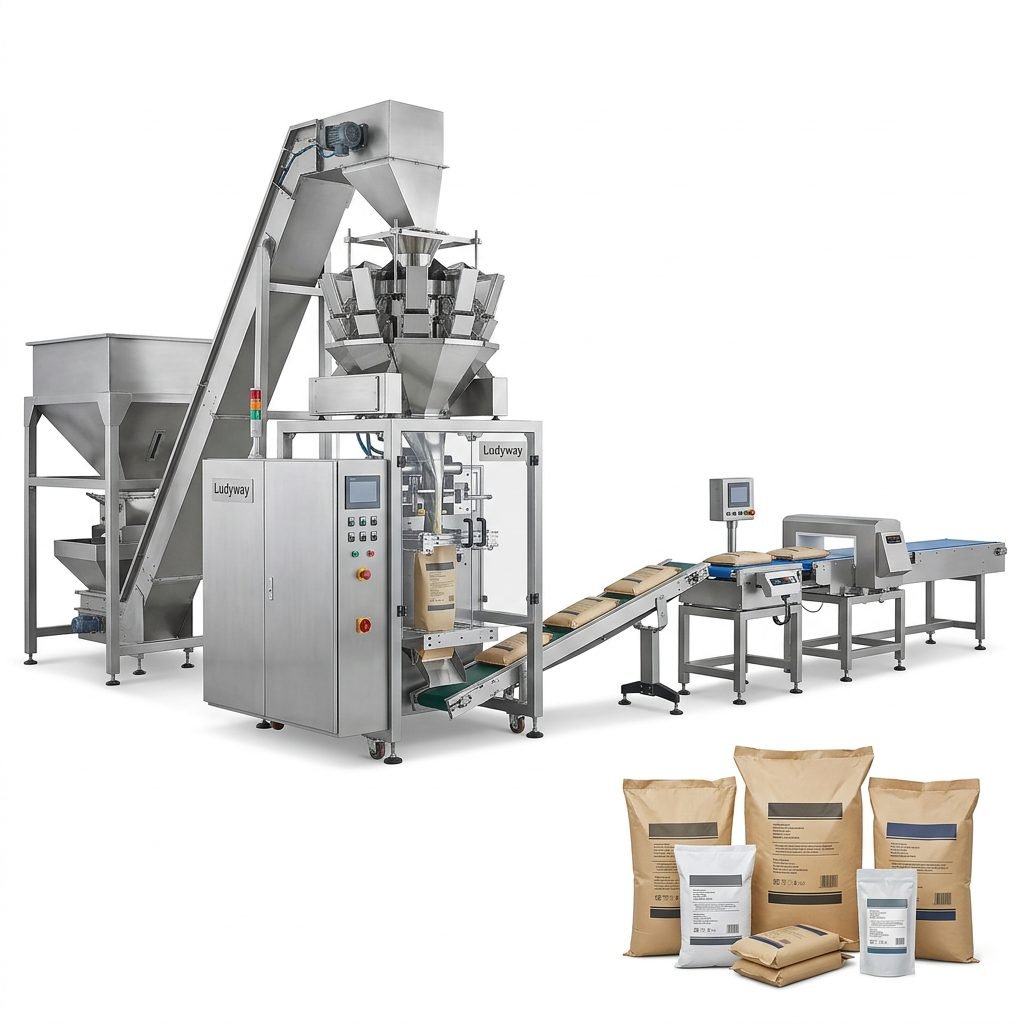
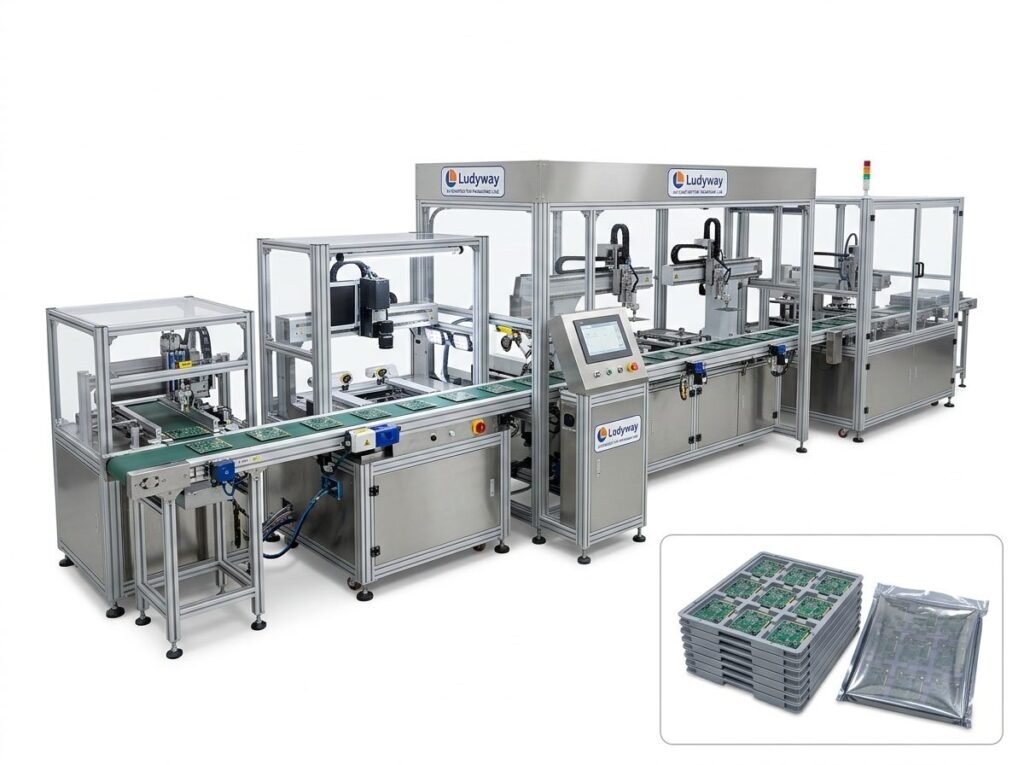
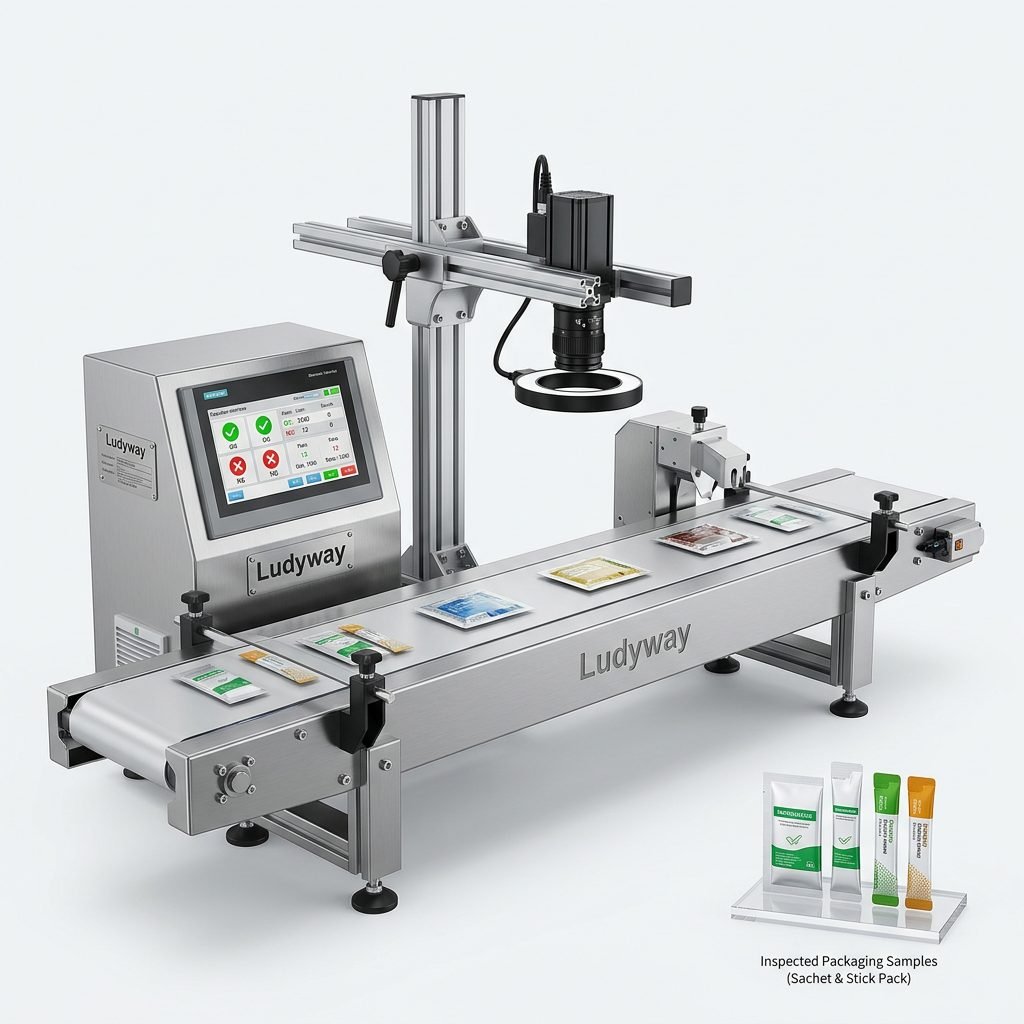
If you need not only a standalone machine but also a complete automated line, working with an experienced manufacturer can save time and reduce integration risks. Companies such as Ludyway packaging machine manufacturer are often considered by buyers looking for scalable packaging machinery and turnkey line solutions across food, pharmaceutical, cosmetic, and related sectors.
Maintenance Tips for Better Performance
- Clean sealing areas regularly to avoid poor seals
- Inspect cutting blades and sealing jaws for wear
- Monitor conveyor alignment and film tension
- Calibrate sensors and registration marks when using printed film
- Train operators on changeover and troubleshooting procedures
- Keep spare wear parts available to minimize downtime
Conclusion
A flow packaging machine is a practical choice for manufacturers that need fast, clean, and visually consistent packaging for shaped products. Its continuous wrapping process supports high efficiency, lower labor input, and strong pack quality across many industries.
The best use cases include foods, medical items, cosmetics, and consumer products that can be conveyed smoothly and wrapped in flexible film. By understanding how the machine works, its main benefits, and where it performs best, businesses can make smarter automation decisions and build more competitive packaging operations.