In today’s fast-paced manufacturing landscape, automated bag packaging machinery has become a cornerstone for businesses aiming to scale production, ensure product consistency, and maintain a competitive edge. Selecting the right system is not merely a purchase; it’s a strategic investment that directly impacts your bottom line through enhanced efficiency and significant cost reduction. This guide will walk you through the critical factors to consider when choosing an automated bag packaging system tailored to your specific needs.
Understanding Automated Bag Packaging Systems
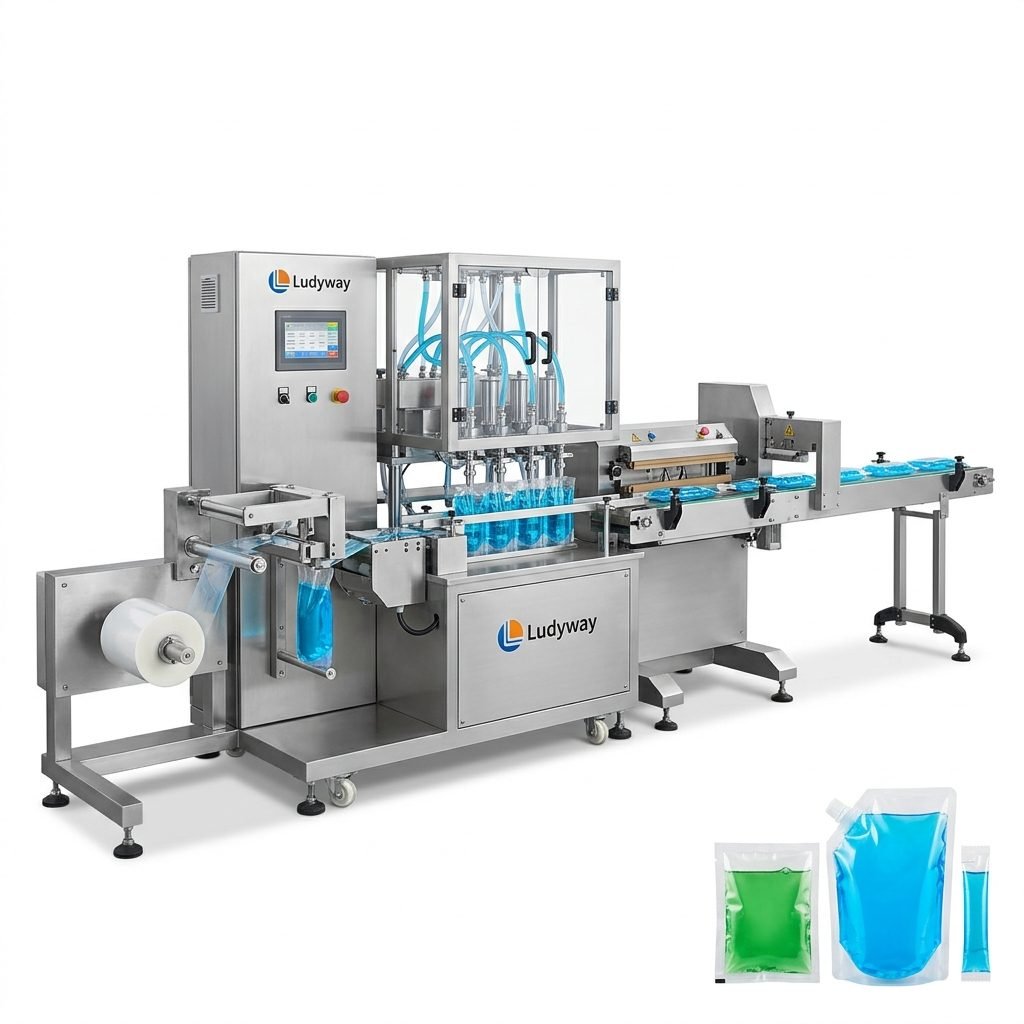
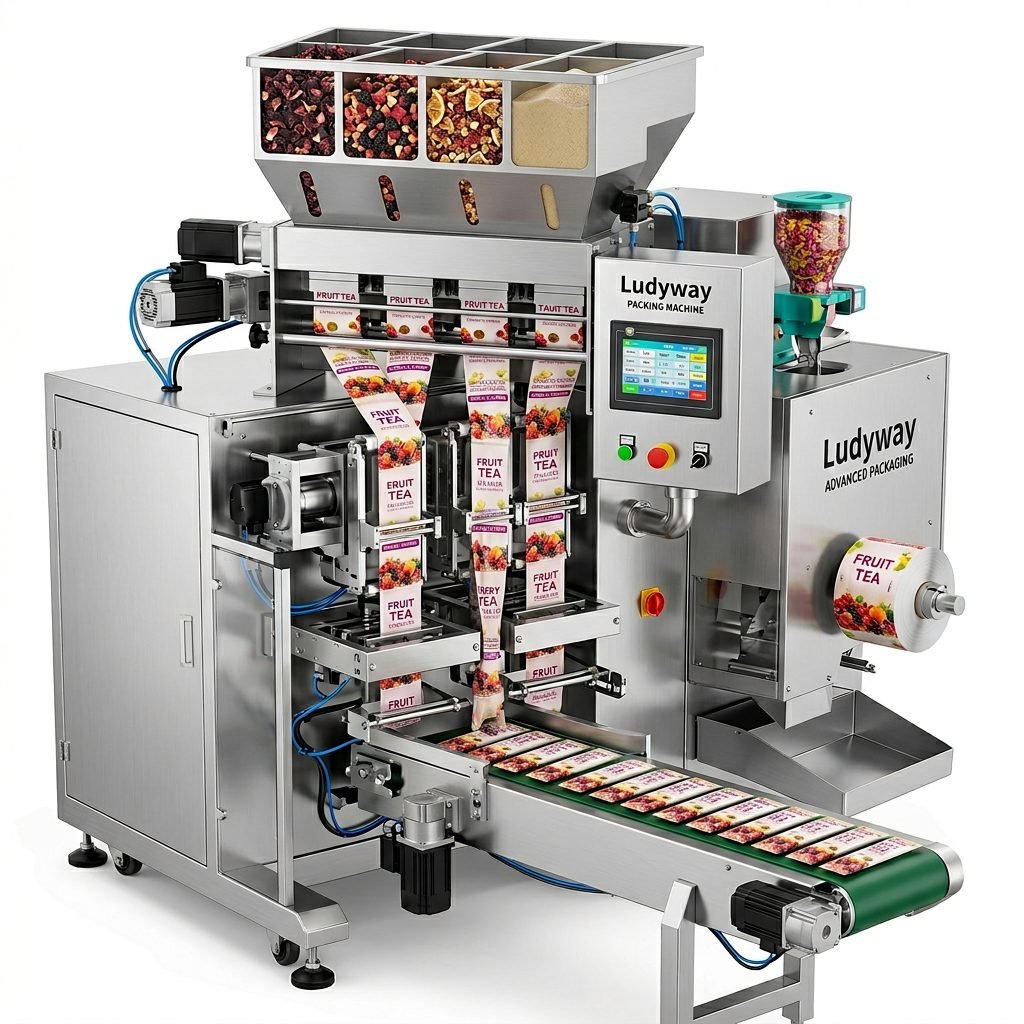
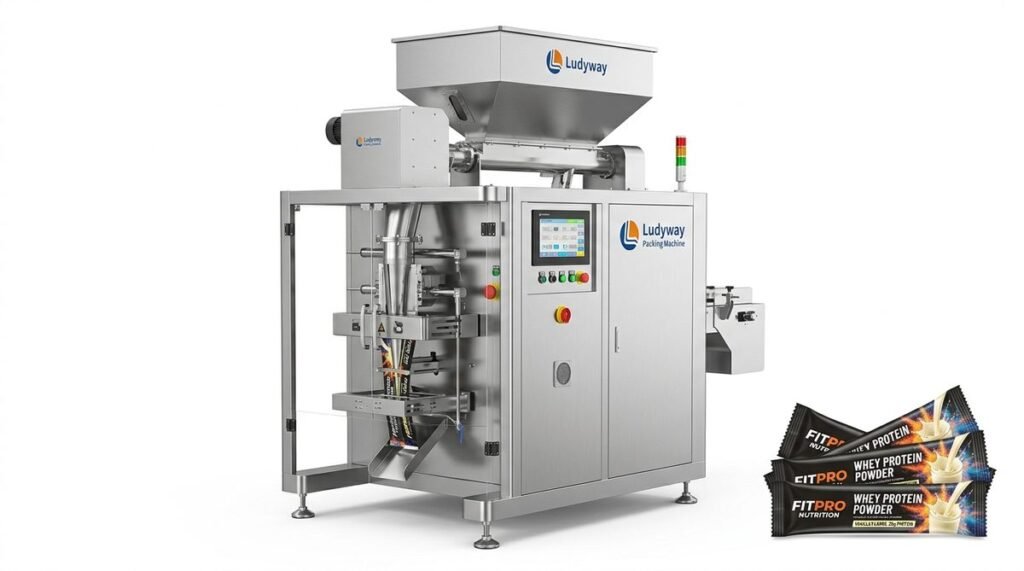
Automated bag packaging machinery encompasses a range of equipment designed to form, fill, and seal bags with minimal human intervention. These systems handle various materials—from powders and granules to liquids and solids—packaging them into pre-made pouches or forming bags from roll stock. The core advantage lies in their ability to perform repetitive tasks at high speeds with unwavering precision, which is unattainable with manual operations.
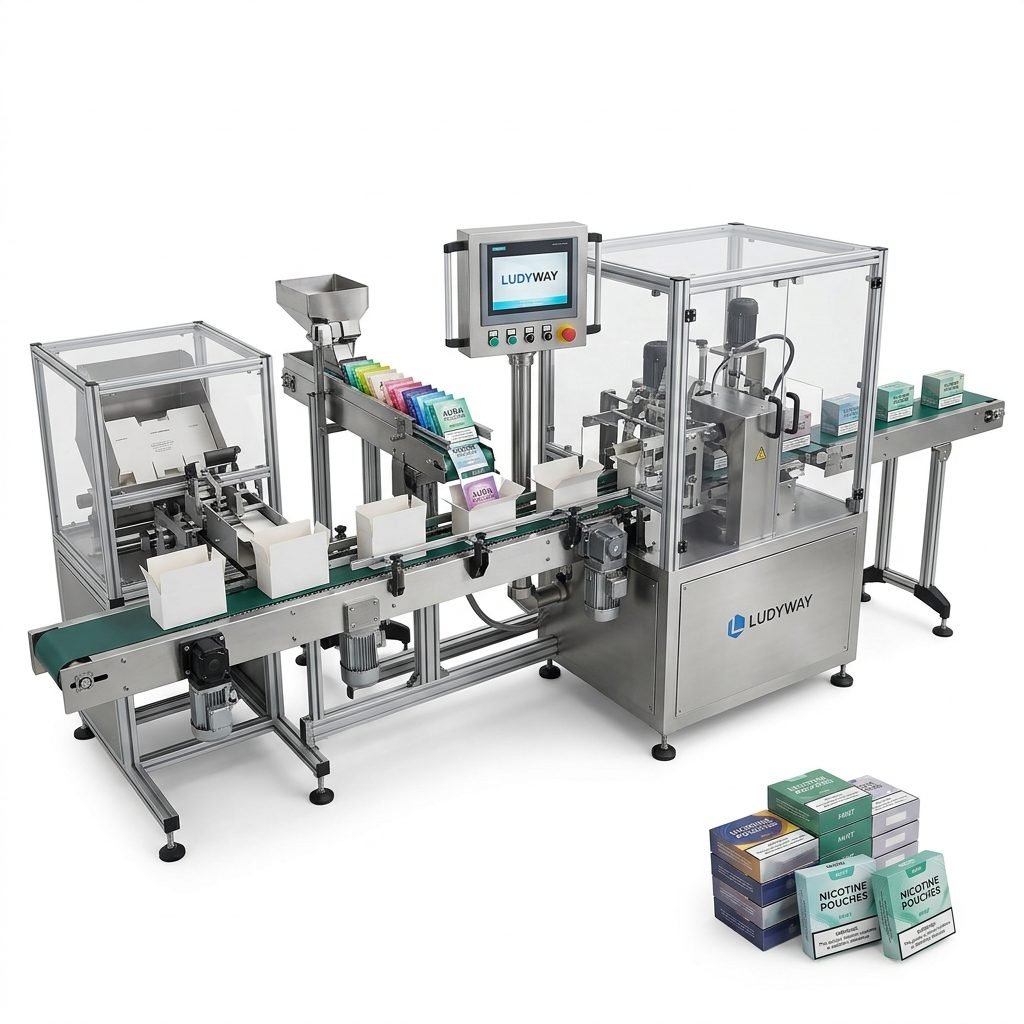
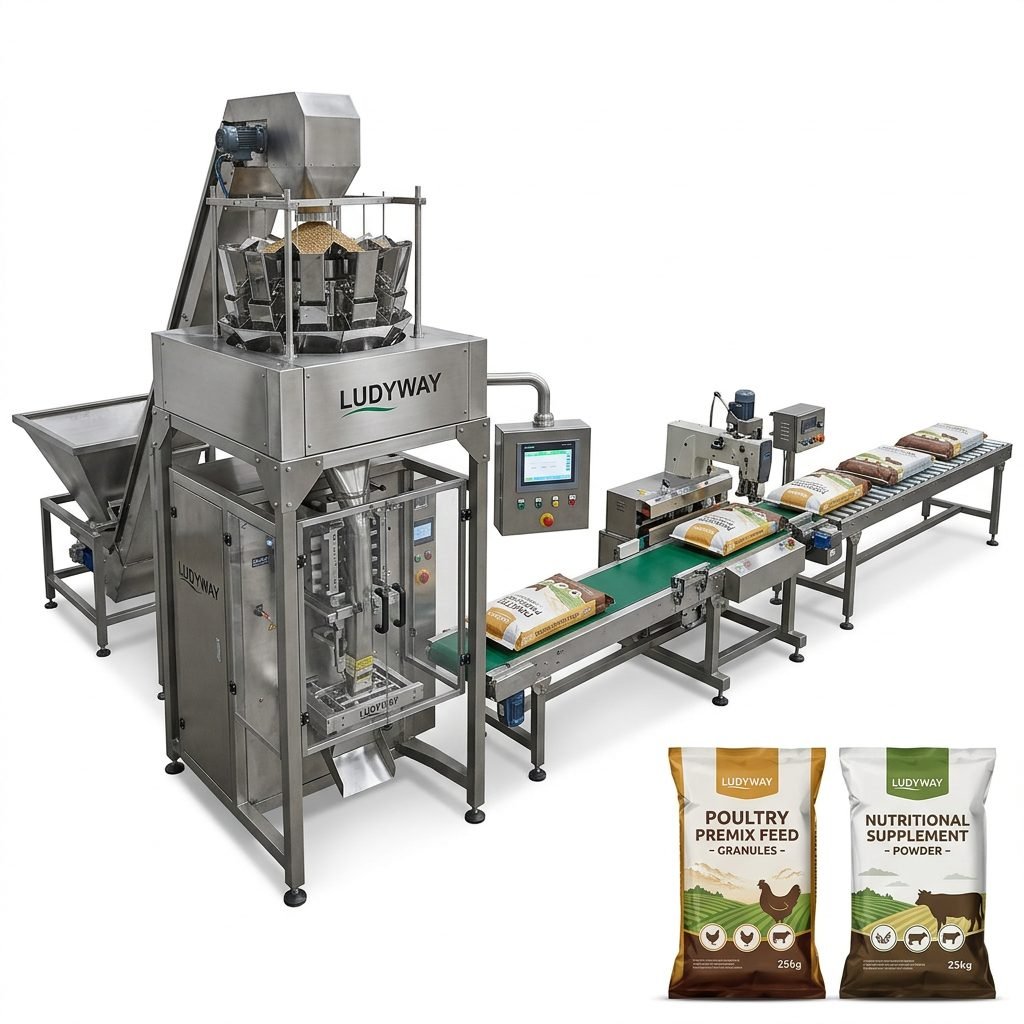
Modern systems are often integrated into complete production lines, working in harmony with upstream and downstream equipment like conveyors, checkweighers, and cartoning machines. This seamless integration is key to achieving a truly automated, end-to-end packaging process. For businesses looking to implement such solutions, partnering with experienced providers like Ludyway Machinery can provide access to tailored systems backed by deep industry knowledge.
Key System Components:
- Bag Forming & Sealing Unit: The heart of the system, which creates the pouch and applies heat or pressure for a secure seal.
- Product Feeding System: A precision mechanism (auger, pump, volumetric cup) that meters the exact product amount.
- Control Panel (HMI): The user interface for setting parameters, monitoring performance, and diagnosing issues.
- Drive System: Servo or mechanical drives that control the machine’s movements and timing.
How to Choose the Right System: A Step-by-Step Guide
Choosing the ideal packaging machinery requires a methodical approach. A misstep here can lead to production bottlenecks, wasted materials, and unmet output goals.
1. Analyze Your Product and Packaging Requirements
This is the foundational step. The physical characteristics of your product dictate the type of machine you need.
→ Product Type: Is it a free-flowing powder, abrasive granule, viscous paste, or delicate solid? Each requires a specific filling technology. For instance, auger fillers are excellent for powders, while liquid pumps handle fluids.
→ Bag Specifications: Determine your required bag size, material (laminate, polyethylene, foil), and seal type (3-side seal, 4-side seal, pillow bag). The machine must be compatible with your chosen packaging film.
2. Define Your Production Speed and Output Goals
Your required output (bags per minute/hour) is a primary driver of cost and machine complexity. Be realistic about your current needs and future growth projections.
Pro Tip: Don’t just buy for today’s volume. Opt for a system with a ~20-30% capacity buffer to accommodate demand spikes and business expansion without requiring another capital investment soon.
3. Evaluate Machine Flexibility and Changeover Time
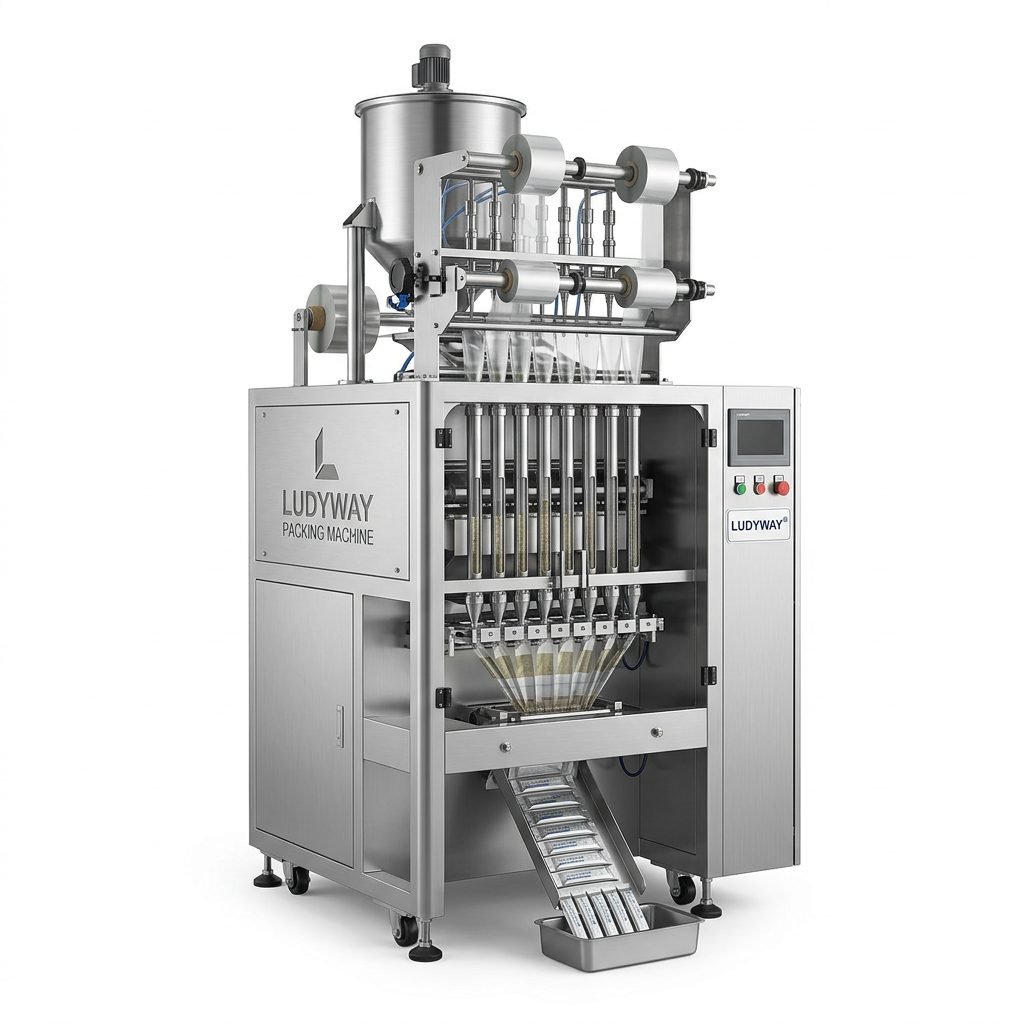
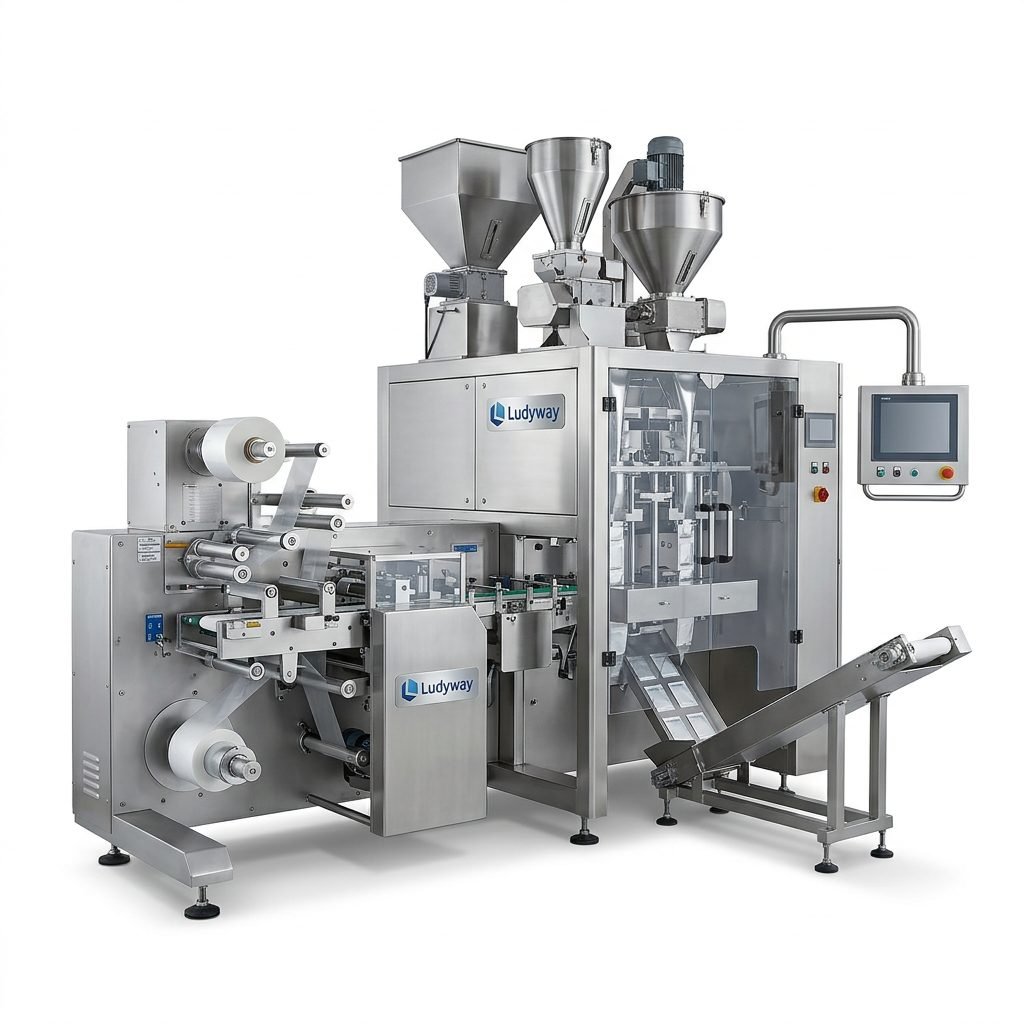
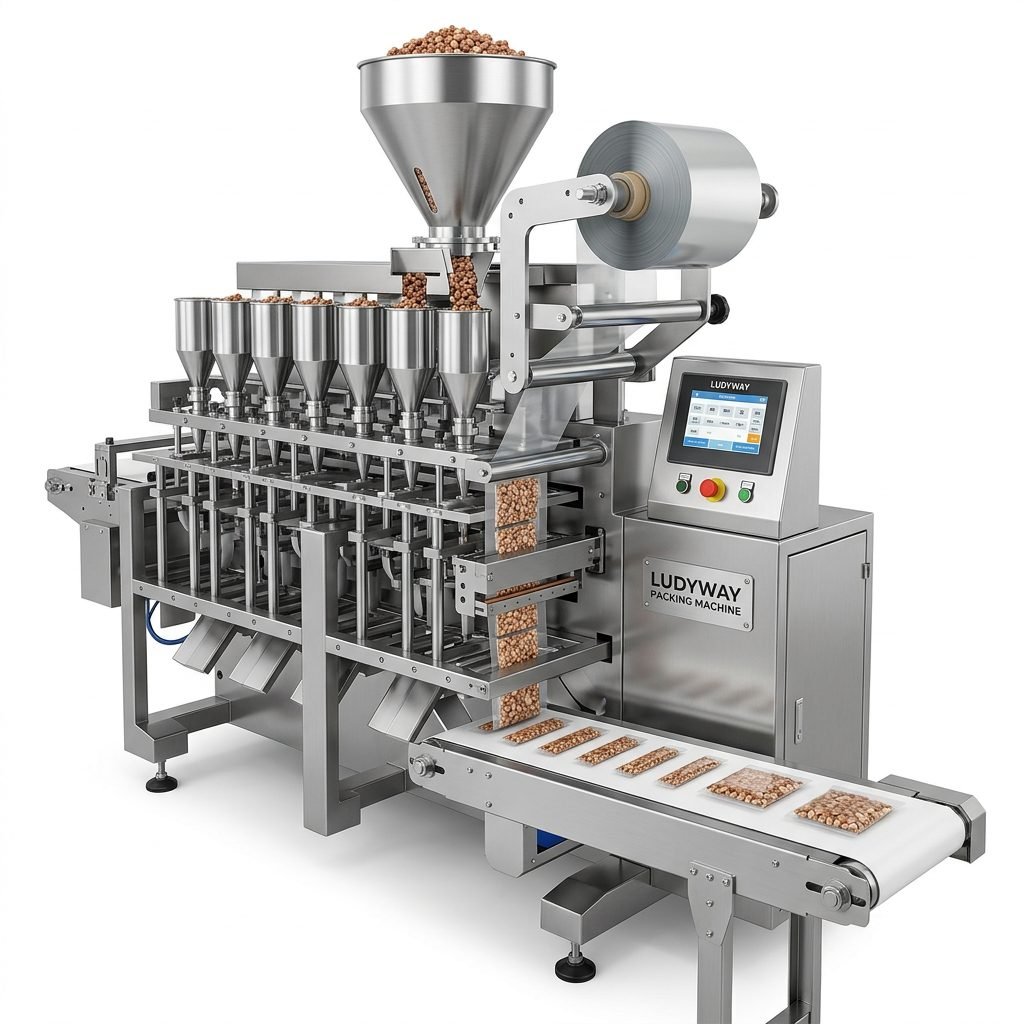
If you run multiple products or bag sizes, quick changeover is crucial for minimizing downtime. Look for systems with tool-less adjustments, recipe storage in the HMI, and easy-access components. Multi-lane machines, such as the multi-lane stick pack machines offered by industry leaders, can dramatically boost output for smaller formats by running several lanes simultaneously.
4. Prioritize Ease of Use and Maintenance
A complex machine that requires specialized technicians for operation and repair creates dependency and high lifetime costs. Prioritize user-friendly HMIs with clear diagnostics, readily available spare parts, and machines designed for easy cleaning and maintenance. This reduces training time and keeps your line running smoothly.
5. Consider Integration and Future-Proofing
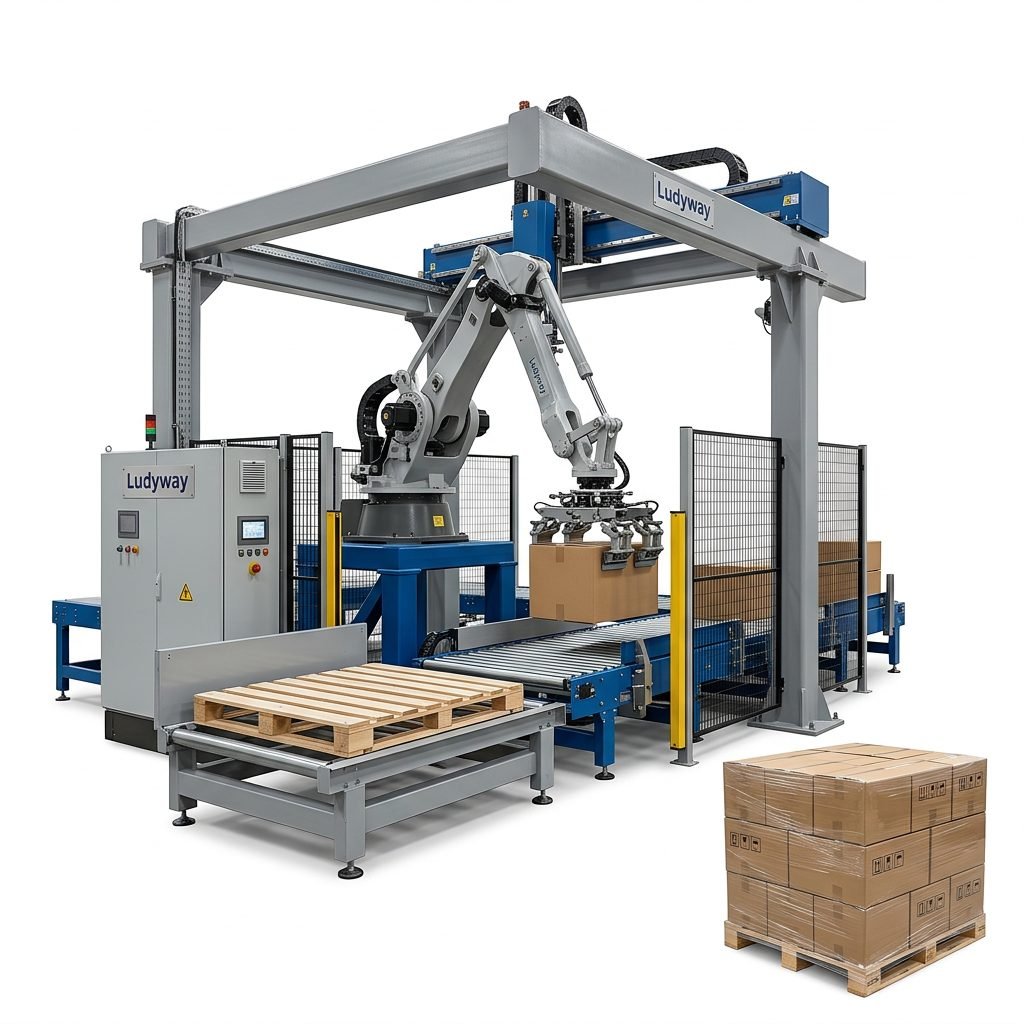
Your packaging machine should not be an island. Consider how it will connect with your existing production line or future additions like vision inspection systems or robotic palletizers. Choosing a supplier with strong engineering capabilities ensures you get a solution that fits into your broader automation strategy and can be upgraded as technology evolves.
6. Assess Total Cost of Ownership (TCO)
Look beyond the initial purchase price. The true cost includes:
• Installation & Training: Costs to get the line operational and your team proficient.
• Energy Consumption: Servo-driven machines often offer significant energy savings.
• Material Waste: High precision filling reduces giveaway, saving product cost.
• Maintenance & Downtime: Reliable machines from reputable brands minimize unplanned stops.
• Supplier Support: Access to timely technical support and service is invaluable.
Boosting Efficiency and Reducing Costs: The Direct Benefits
Implementing the right automated system delivers measurable returns across your operation.
Tangible Efficiency Gains:
→ Higher Output with Fewer Operators: Automation multiplies the output per employee, allowing you to reallocate human resources to more value-added tasks.
→ Consistent Quality & Reduced Waste: Machines provide precise fills and seals every time, drastically reducing product giveaway and rejected bags due to human error.
→ Optimized Floor Space: Modern vertical form-fill-seal (VFFS) machines have a compact footprint, freeing up valuable factory space.
Significant Cost Reductions:
→ Lower Labor Costs: This is often the most immediate and calculable saving, especially in high-wage regions.
→ Decreased Material Costs: Precision filling means using exactly the right amount of product and packaging film, minimizing raw material expenses.
→ Reduced Downtime Costs: Reliable automation means fewer production stoppages, ensuring you meet delivery schedules and sales opportunities.
The Role of a Trusted Supplier
The choice of machinery supplier is as critical as the choice of machine. A partner with proven experience, like Ludyway Machinery with over 30 years in the industry, provides more than just equipment. They offer:
- Customized Solutions: Tailoring the system to your unique product and line layout.
- Comprehensive Support: From installation and training to ongoing maintenance and spare parts.
- Future-Proof Technology: Access to innovative features and upgrades that keep your operation competitive.
This partnership ensures your investment continues to deliver value and adapts to your changing business needs over the long term.
Frequently Asked Questions (FAQs)
1. What is the typical payback period for an automated bag packaging machine?
Payback periods can vary widely based on output, labor costs, and product value. For many operations replacing manual lines, a period of 12 to 24 months is common. High-speed lines handling expensive products can see an even faster return on investment due to material savings and increased output.
2. Can one machine handle different types of products?
Many machines are designed for flexibility. However, switching between vastly different product types (e.g., fine powder to coarse granules) usually requires a change in the filling system (e.g., swapping an auger). It’s essential to discuss your full product range with your supplier to configure a machine that allows for efficient changeovers.
3. How important is after-sales service and technical support?
It is critical. Even the most reliable machinery may require maintenance or encounter issues. A supplier with a responsive, knowledgeable support team and readily available spare parts minimizes costly downtime. Always inquire about the support structure, service contracts, and parts availability before purchasing.
4. What are the key differences between servo-driven and mechanical machines?
Servo-driven machines use independent electric motors for each motion, offering greater precision, flexibility, energy efficiency, and quieter operation. Mechanical machines use cams and gears, which can be robust for very high-speed, single-purpose applications but are less flexible and harder to adjust. Servo technology is generally preferred for its control and adaptability.
5. How do I ensure the machine meets industry safety and hygiene standards?
Reputable manufacturers design machines to comply with international standards (e.g., CE, UL). For food, pharmaceutical, or chemical products, specify requirements for materials in contact with product (often stainless steel), ease of cleaning (CIP/SIP capabilities), and dust extraction. Your supplier should provide documentation and design features that meet the relevant regulations for your industry and target markets.