In the fast-paced world of manufacturing, efficient and reliable bottle packaging is a cornerstone of production lines across numerous industries, from food and beverages to pharmaceuticals and cosmetics. Selecting the right bottle packaging machinery is not merely a purchase; it’s a strategic investment that impacts operational efficiency, product integrity, and ultimately, the bottom line. This guide delves into the various types of bottle packaging systems, their key features, and provides a structured framework to help you choose the perfect system for your specific needs.
Core Types of Bottle Packaging Machinery
The landscape of bottle packaging equipment is diverse, with machines designed for specific stages of the packaging process. Understanding these types is the first step toward making an informed decision.
1. Bottle Filling Machines
These are the workhorses of any packaging line, responsible for accurately dispensing product into containers. They are categorized primarily by the product viscosity they handle.
Liquid Fillers: Ideal for water, juices, oils, and solvents. Common technologies include gravity fillers, piston fillers (for high accuracy with viscous products like sauces or creams), and overflow fillers (for consistent fill levels despite bottle volume variations).
Powder & Granule Fillers: Used for products like spices, protein powders, or instant coffee. Auger fillers use a rotating screw for precise measurement, while cup fillers use volumetric cups.
Paste & Viscous Product Fillers: Piston fillers are often the go-to choice for thick products such as yogurts, pastes, and cosmetic creams.
2. Capping & Sealing Machines
Once filled, bottles must be securely sealed. The type of closure dictates the machine required.
Screw Cappers: Apply threaded caps (e.g., plastic or metal twist-offs) with consistent torque. Spindle cappers are common for this task.
Snap Cappers: Press fit lids (like on sports drink bottles) onto the bottle neck.
Induction Sealers: Apply an airtight, tamper-evident foil liner under a plastic cap using electromagnetic induction, crucial for pharmaceuticals and high-value foods.
Ropp Cappers: Specifically for applying aluminum roll-on pilfer-proof (ROPP) caps, common in the wine and spirits industry.
3. Labeling Machines
These apply product identification, branding, and regulatory information. Key types include:
Wrap-Around Labelers: Apply labels that cover most of the bottle’s circumference. Perfect for round bottles.
Front & Back Labelers: Apply labels to specific sides of the bottle, often used for rectangular or square containers.
Hot Melt Labelers: Use a heated adhesive for a very strong bond, often used in environments where labels might get wet (e.g., breweries).
4. Complete Packaging Lines & Turnkey Systems
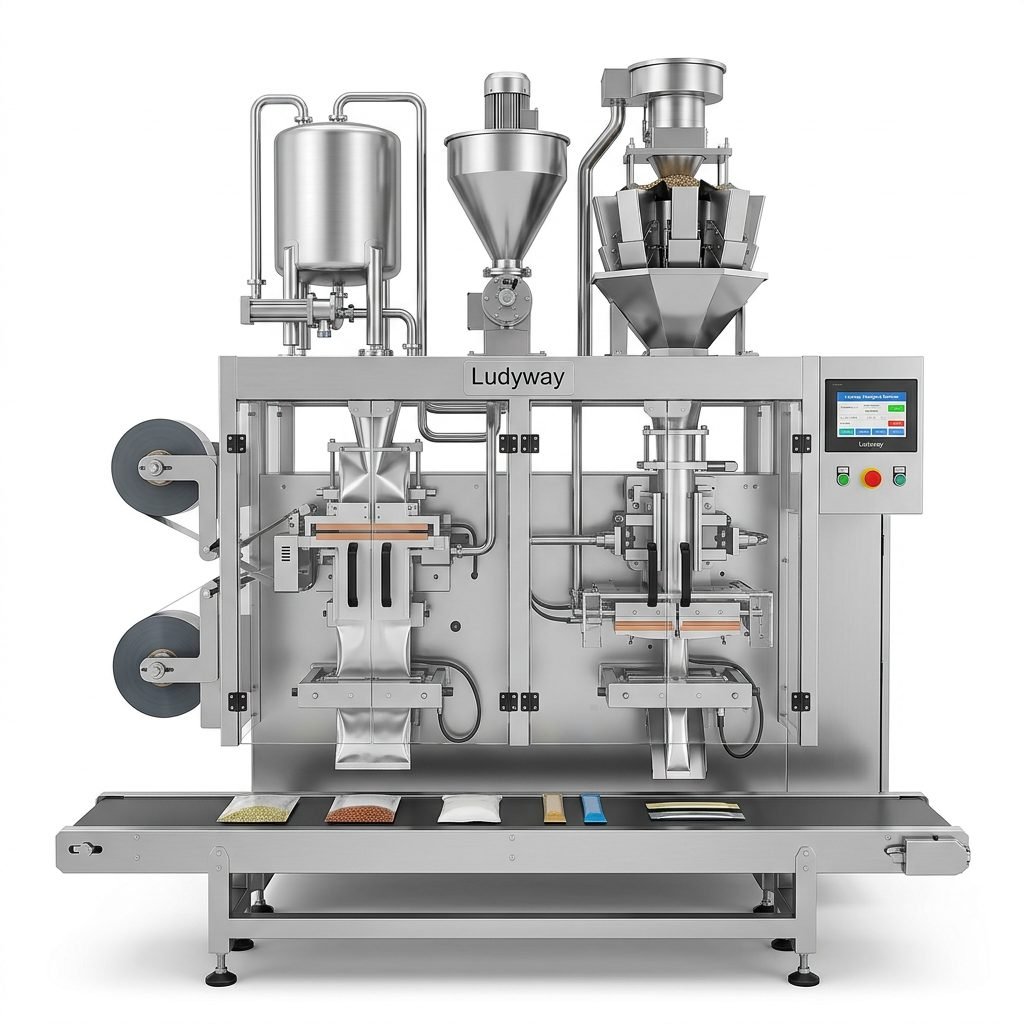
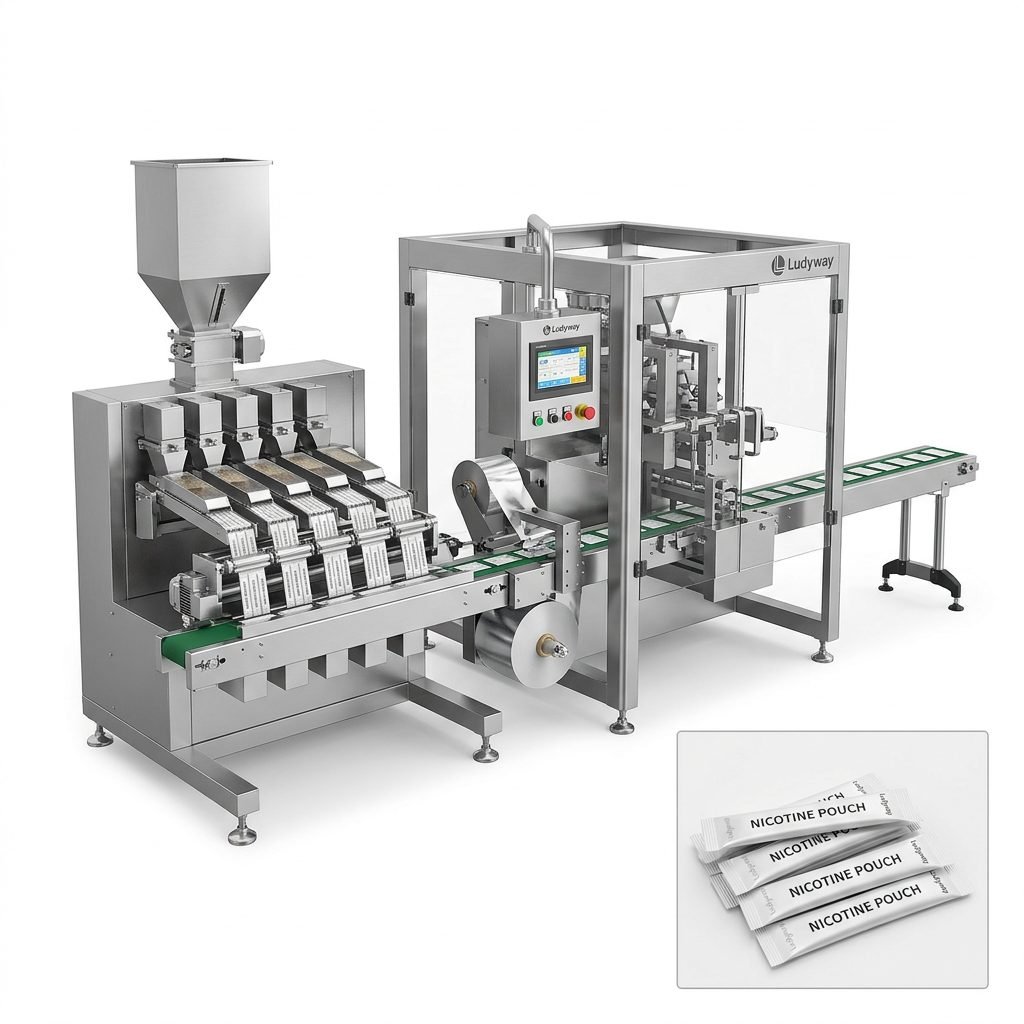
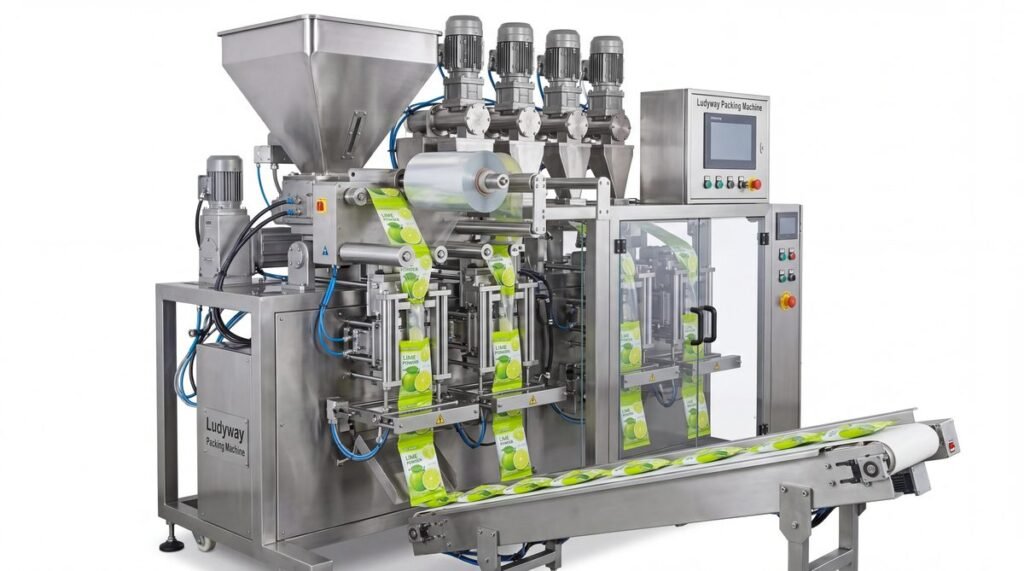
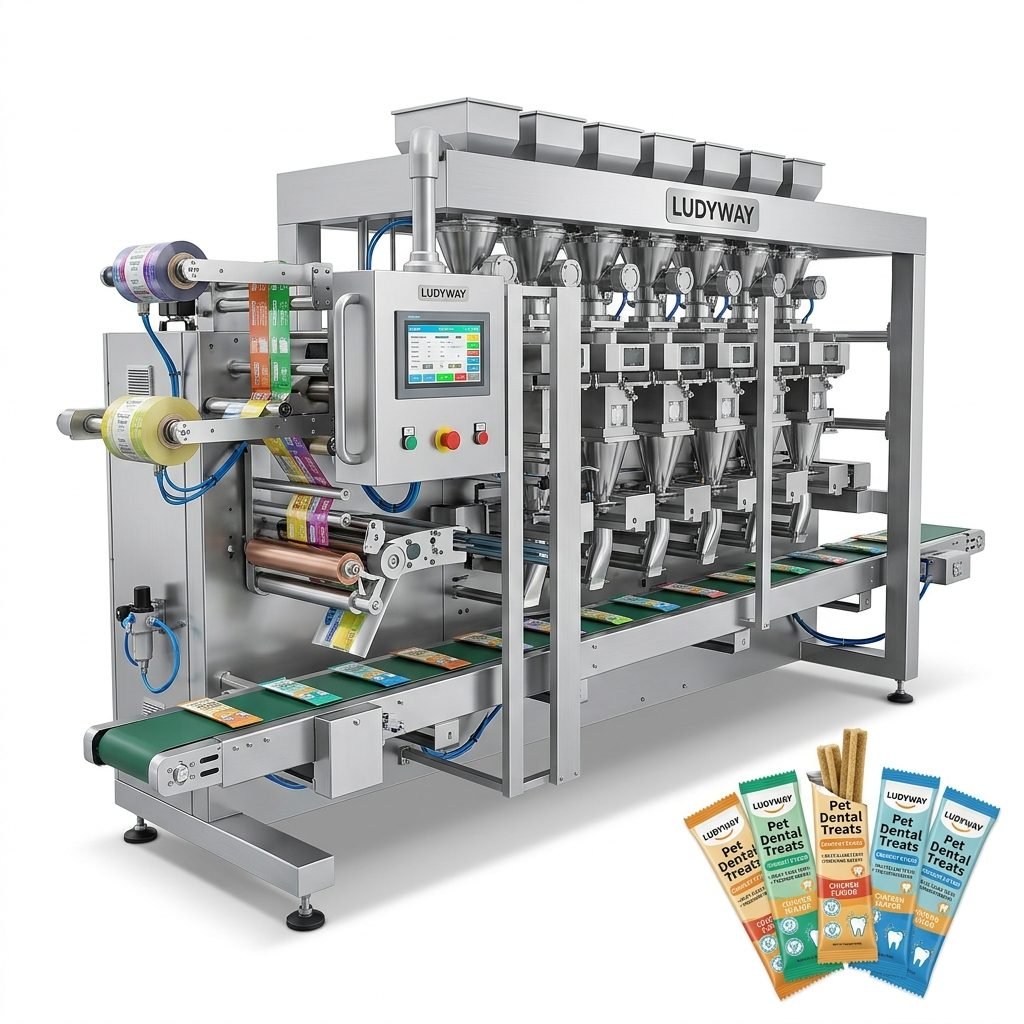
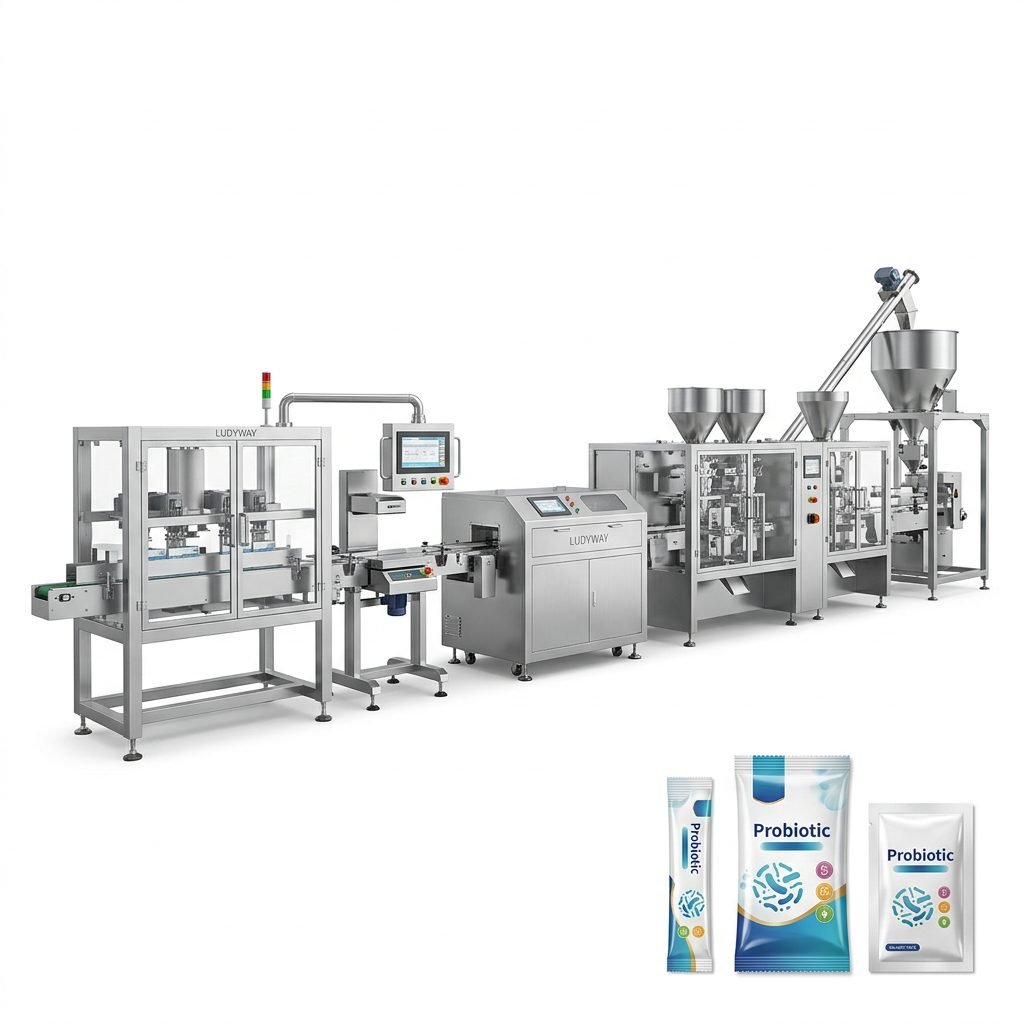
For high-volume production, individual machines are integrated into a synchronized line. A turnkey packaging solution from a provider like Ludyway Machinery encompasses the entire system—from bottle unscrambling and cleaning, through filling, capping, labeling, and finally to case packing. This integrated approach ensures compatibility, optimizes throughput, and minimizes downtime.
Essential Features to Evaluate
Beyond the machine type, several critical features determine performance and suitability.
Accuracy and Speed (Output)
Filling accuracy is non-negotiable for product consistency and regulatory compliance. Speed, measured in bottles per minute (BPM), must align with your production targets. Remember, the slowest machine in your line dictates the overall line speed.
Flexibility and Changeover
Can the machine handle different bottle sizes and shapes? How long does it take to change from one format to another? Look for features like tool-less changeovers, adjustable parts, and programmable settings to maximize flexibility and minimize downtime during production shifts.
Hygiene and Construction
For food, pharmaceutical, or cosmetic applications, hygiene is paramount. Machines should have food-grade contact surfaces (like 316L stainless steel), be designed for easy cleaning (CIP/SIP capabilities), and have minimal crevices where product or bacteria can accumulate.
Automation and Control Level
Modern machines feature Programmable Logic Controllers (PLCs) and touch-screen Human-Machine Interfaces (HMIs). These allow for precise control, recipe storage, production data tracking, and easier troubleshooting. Integration with factory-wide SCADA or MES systems is a plus for Industry 4.0 readiness.
Reliability and Support
Downtime is costly. Investigate the machine’s build quality, the reputation of the manufacturer, and the availability of technical support, spare parts, and service. A provider with deep industry experience, such as one backed by 30+ years in packaging, often translates to more robust and reliable equipment.
How to Choose the Right Bottle Packaging System: A Step-by-Step Guide
Step 1: Define Your Product & Bottle
Start with the basics: What are you packaging? Document the product’s viscosity, acidity, particulate size, and temperature. Simultaneously, finalize your bottle specifications—material (glass, PET, HDPE), shape, size, neck finish, and closure type. The machine must be compatible with both.
Step 2: Determine Your Production Requirements
Calculate your required output (BPM). Consider both current needs and future growth. Define your operational environment: Is it a dry, clean room, or a wet wash-down area? This dictates the required IP rating and construction materials.
Step 3: Assess Your Budget and ROI
Consider the total cost of ownership, not just the purchase price. Factor in installation, maintenance, energy consumption, and potential changeover parts. A slightly higher initial investment in a more efficient, flexible, and reliable machine from a trusted supplier can offer a much faster return on investment through reduced waste, lower labor costs, and higher uptime.
Step 4: Research and Shortlist Suppliers
Look for manufacturers or integrators with proven expertise in your specific industry. Review case studies, request customer references, and examine their service network. A partner that offers comprehensive project management, installation, training, and after-sales support is invaluable.
Step 5: Request Demos and Trials
Never buy based on specifications alone. Insist on a live demonstration or, even better, a production trial using your actual product and bottles. This is the only way to verify performance claims for accuracy, speed, and ease of use.
Choosing the right bottle packaging machinery is a critical decision that requires careful analysis of your product, production goals, and long-term business strategy. By systematically evaluating the types of machines, their key features, and following a structured selection process, you can invest in a system that enhances efficiency, ensures product quality, and scales with your business. Partnering with an experienced provider who can deliver a tailored, reliable turnkey solution is often the key to unlocking seamless and profitable packaging operations.
Frequently Asked Questions (FAQs)
1. What is the main difference between automatic and semi-automatic bottle filling machines?
Automatic fillers are integrated into a full production line, handling bottle handling, filling, and capping with minimal operator intervention, suited for high-volume output. Semi-automatic machines require an operator to place and remove each bottle, making them ideal for lower volumes, pilot batches, or small businesses where flexibility and lower upfront cost are priorities.
2. How do I ensure the packaging machine meets hygiene standards for food or pharmaceuticals?
Look for machines constructed with food-grade stainless steel (AISI 304 or 316L) on all product contact surfaces. The design should allow for easy access and cleaning without tools (sometimes called “clean-in-place” design). Certifications or compliance with standards like EHEDG, FDA, or GMP are strong indicators of a machine built for hygienic applications.
3. Can one machine handle bottles of very different sizes and shapes?
While many machines offer some flexibility, extreme variations often require significant changeover parts (like different sized filling nozzles, capping heads, or bottle grippers). When evaluating a machine, discuss your full range of container specs with the supplier. The goal is to find a machine that can change over between your required formats quickly and with minimal parts.
4. What kind of maintenance do bottle packaging machines typically require?
Routine maintenance includes daily cleaning and lubrication of specific points as per the manual. Periodic maintenance involves checking seals, gaskets, and wear parts. The level of maintenance depends on usage, product abrasiveness, and environment. Choosing a supplier that provides clear manuals, training, and readily available spare parts is crucial for smooth maintenance.
5. Why should I consider a complete turnkey line instead of buying individual machines?
A turnkey line ensures all components (unscrambler, filler, capper, labeler) are perfectly matched for speed and compatibility, eliminating integration headaches. It comes with single-source accountability for performance and service, often includes optimized layout and factory acceptance testing, and can significantly reduce your project timeline and risk.