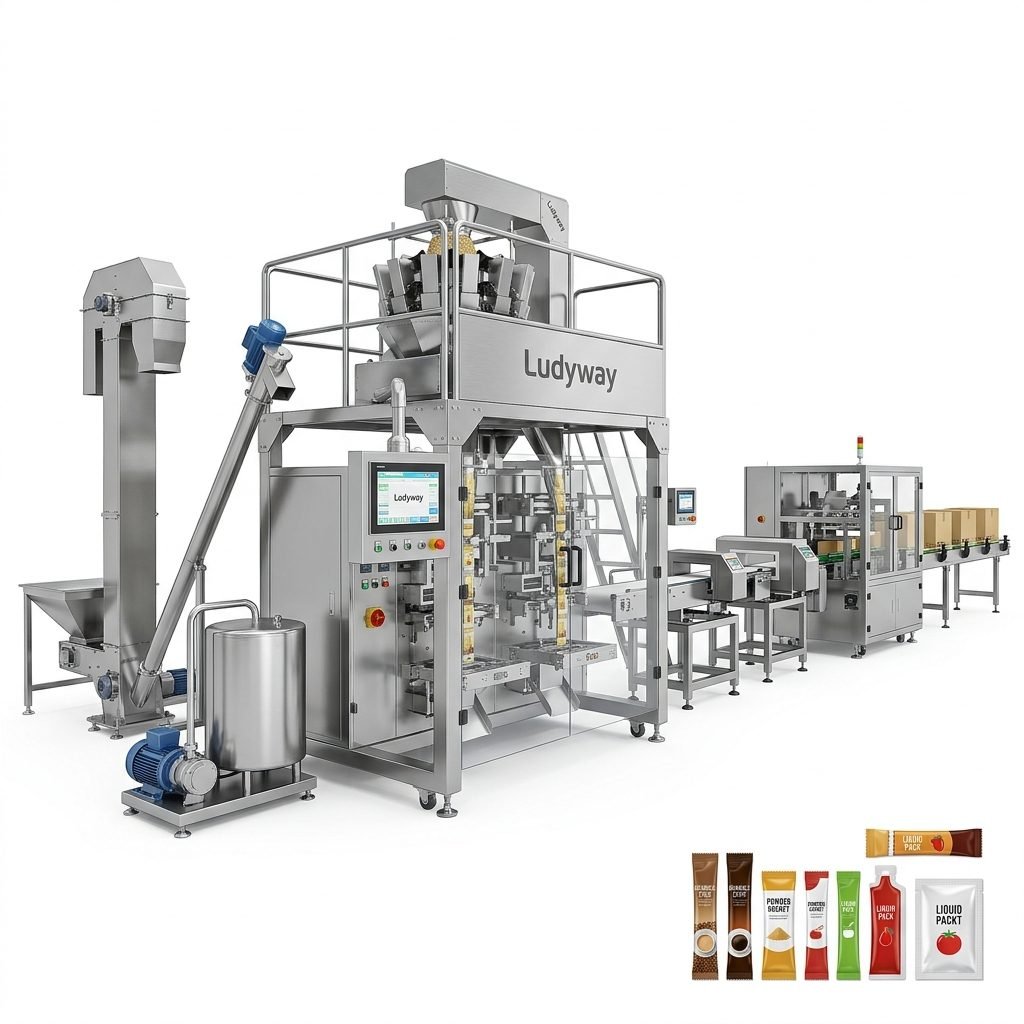
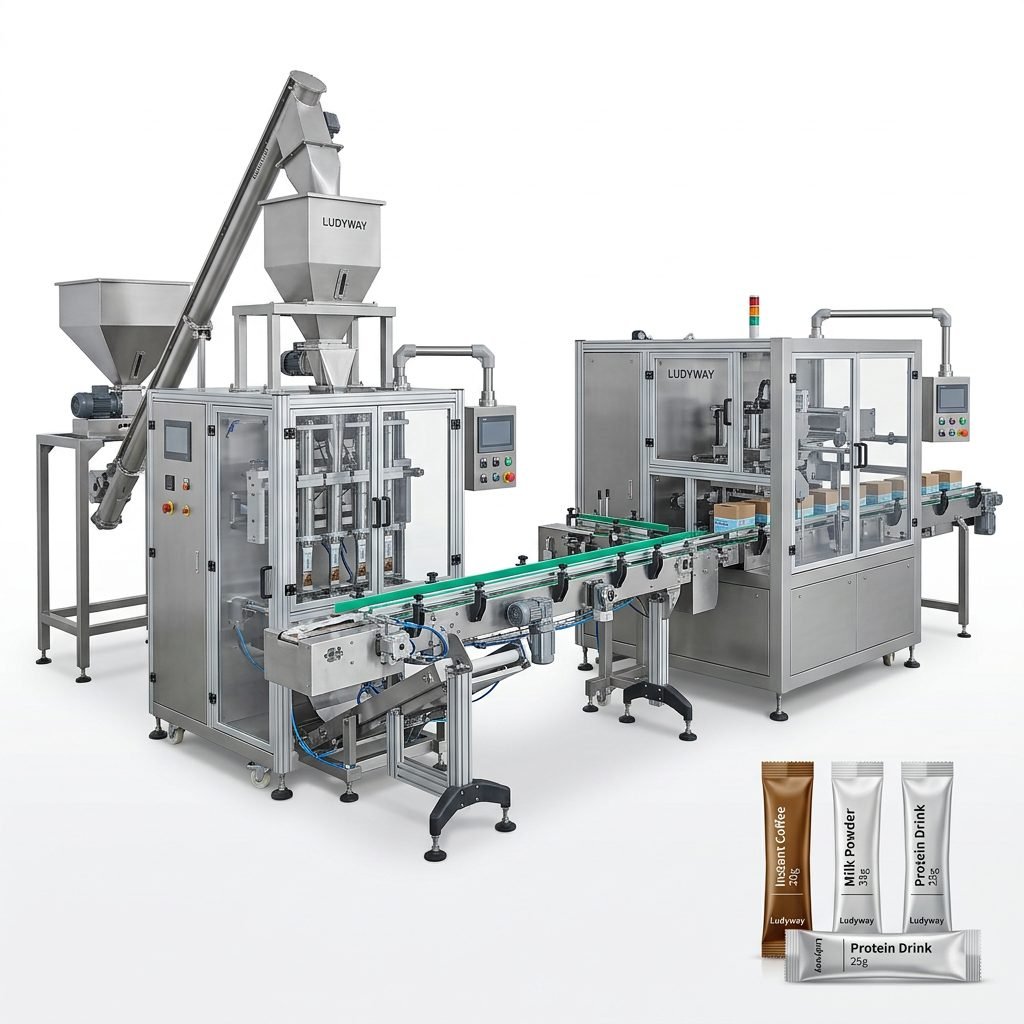
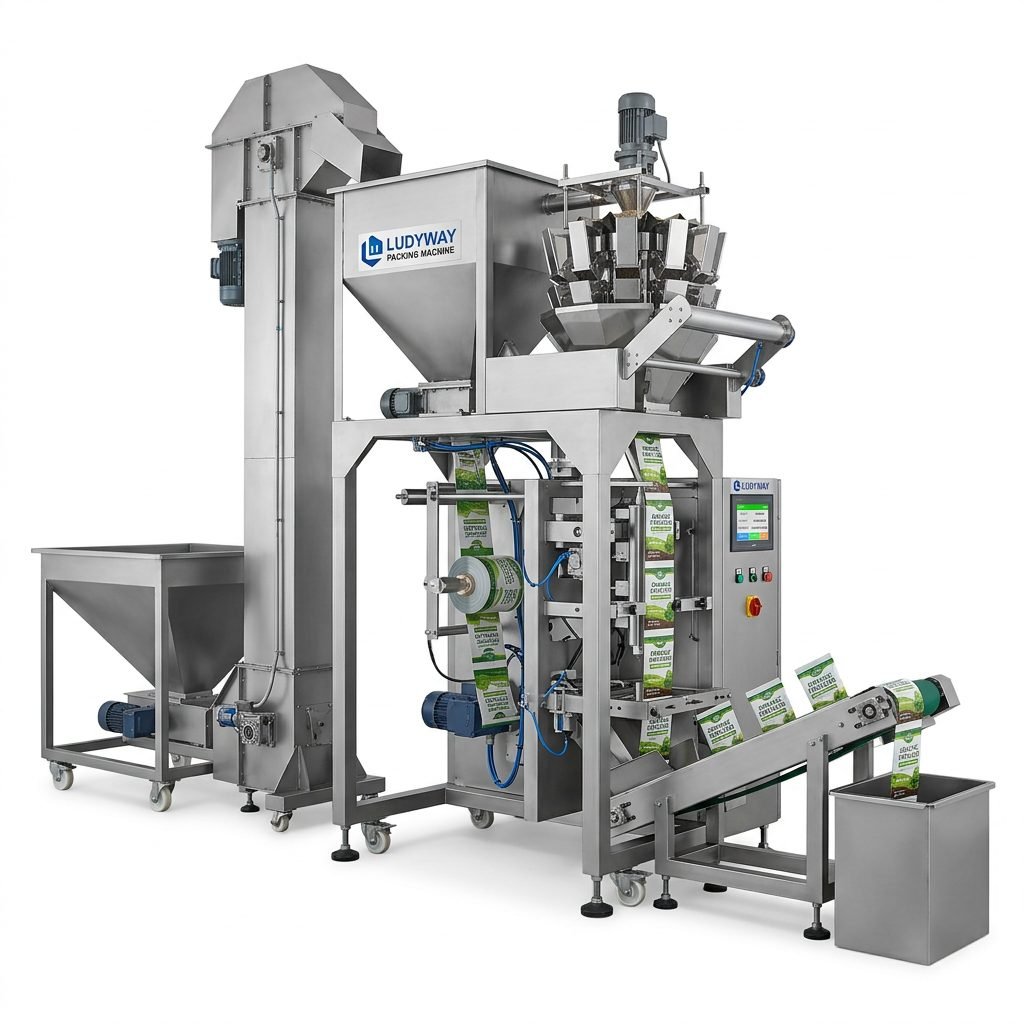
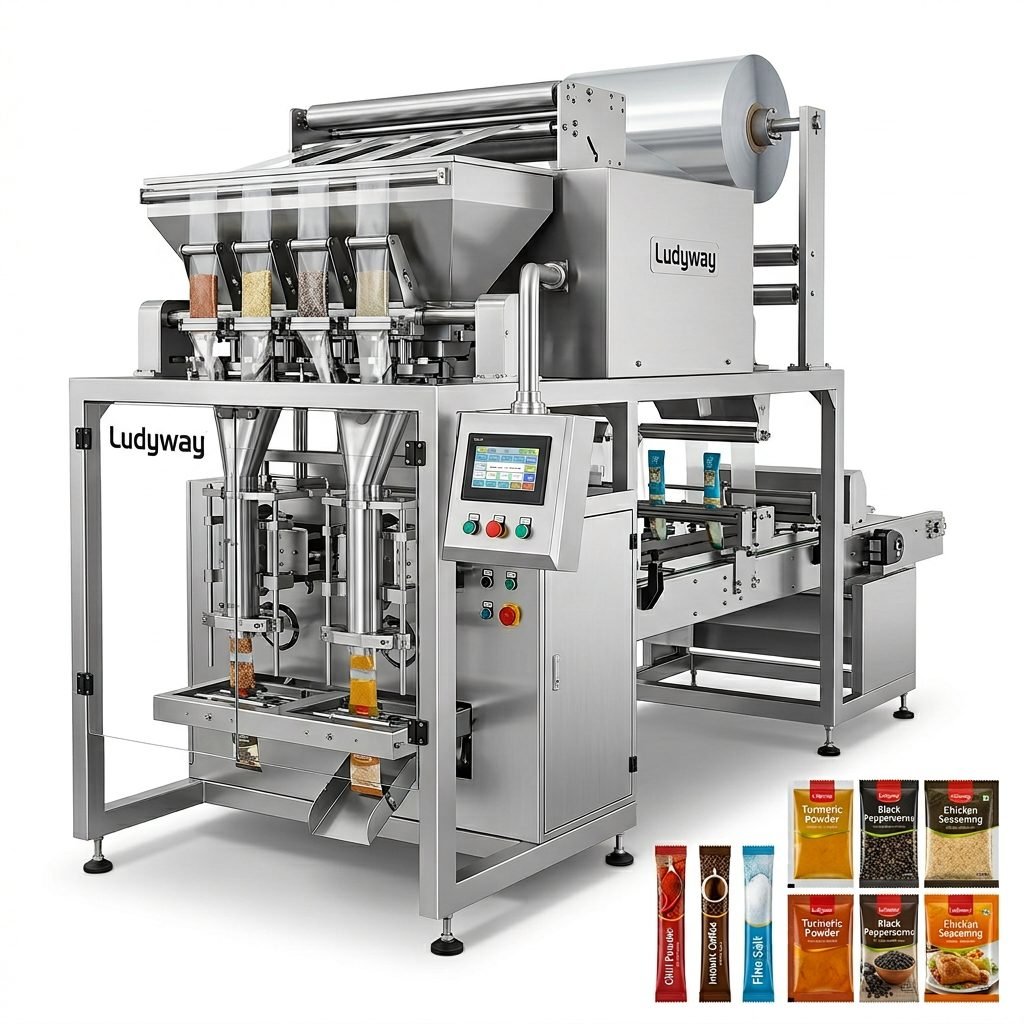
The India packaging machinery market represents a dynamic and rapidly evolving segment of the country’s industrial landscape. Driven by a confluence of economic growth, demographic shifts, and changing consumer habits, the demand for efficient, automated packaging solutions has surged. This market is not merely about wrapping products; it’s a critical component of modern manufacturing, logistics, and retail, deeply intertwined with India’s cultural emphasis on freshness, value, and presentation. From the vibrant streets selling single-serve masala packets to the shelves of modern supermarkets, packaging plays a vital role in preserving quality, ensuring hygiene, and communicating brand value to a diverse consumer base.
Market Size and Current Landscape
The Indian packaging machinery sector is on a robust growth trajectory. Valued at several hundred million USD, the market is projected to expand at a compound annual growth rate (CAGR) significantly above the global average. This growth is fueled by substantial investments across key end-user industries. The food and beverage sector, a cornerstone of the Indian economy, remains the largest consumer of packaging machinery. Following closely are the pharmaceutical and personal care industries, which are experiencing heightened demand for compliant, tamper-evident, and precise packaging solutions. The rise of e-commerce has also introduced a new dimension, necessitating durable and protective secondary packaging systems to withstand complex logistics chains.
Key Market Characteristics:
- Dual-Market Nature: Coexistence of demand for high-speed, fully automated lines for large FMCG players and affordable, semi-automatic machines for MSMEs.
- Import Dependency: A significant portion of high-end machinery is imported, though domestic manufacturing is gaining momentum.
- Regional Hubs: Manufacturing and demand clusters are concentrated in states like Maharashtra, Gujarat, Tamil Nadu, and Uttar Pradesh.
Primary Growth Drivers
Several powerful forces are propelling the packaging machinery market forward in India.
1. Rapid Urbanization and Changing Lifestyles
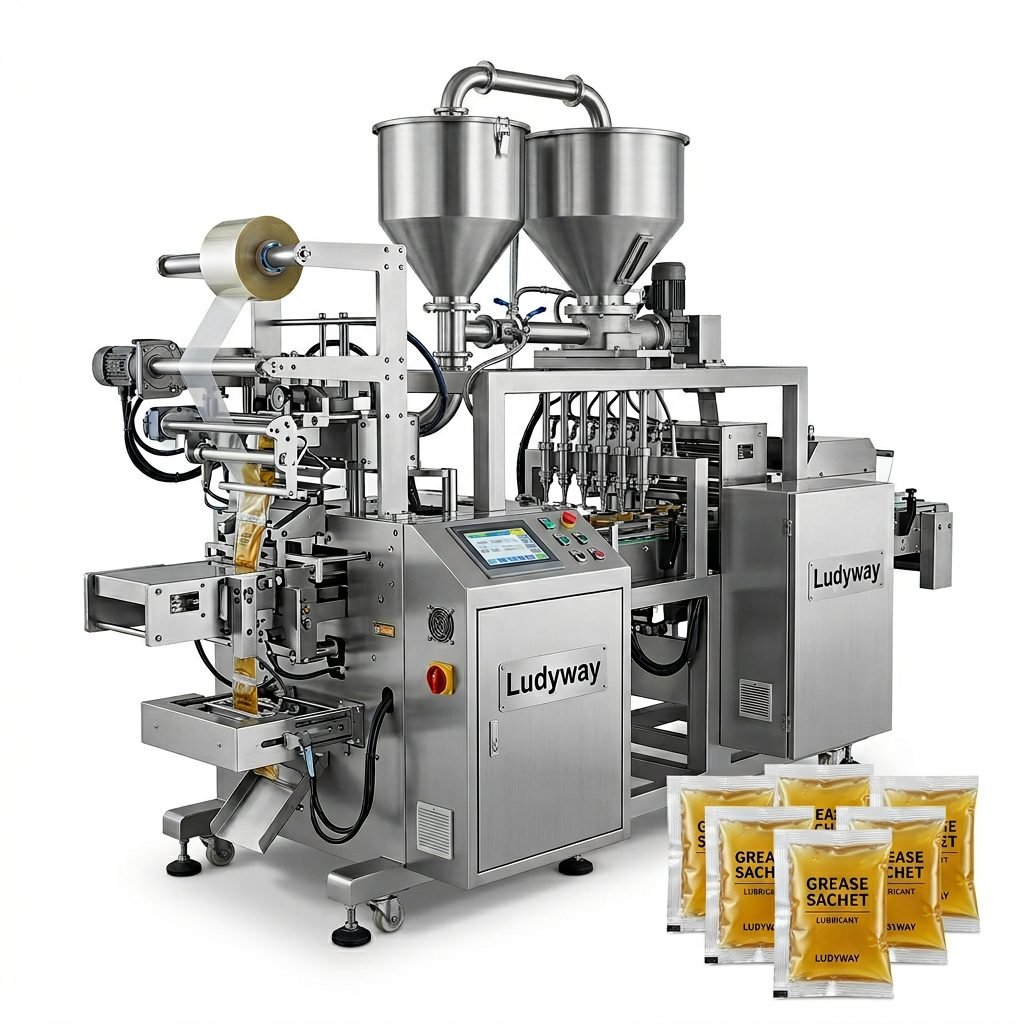
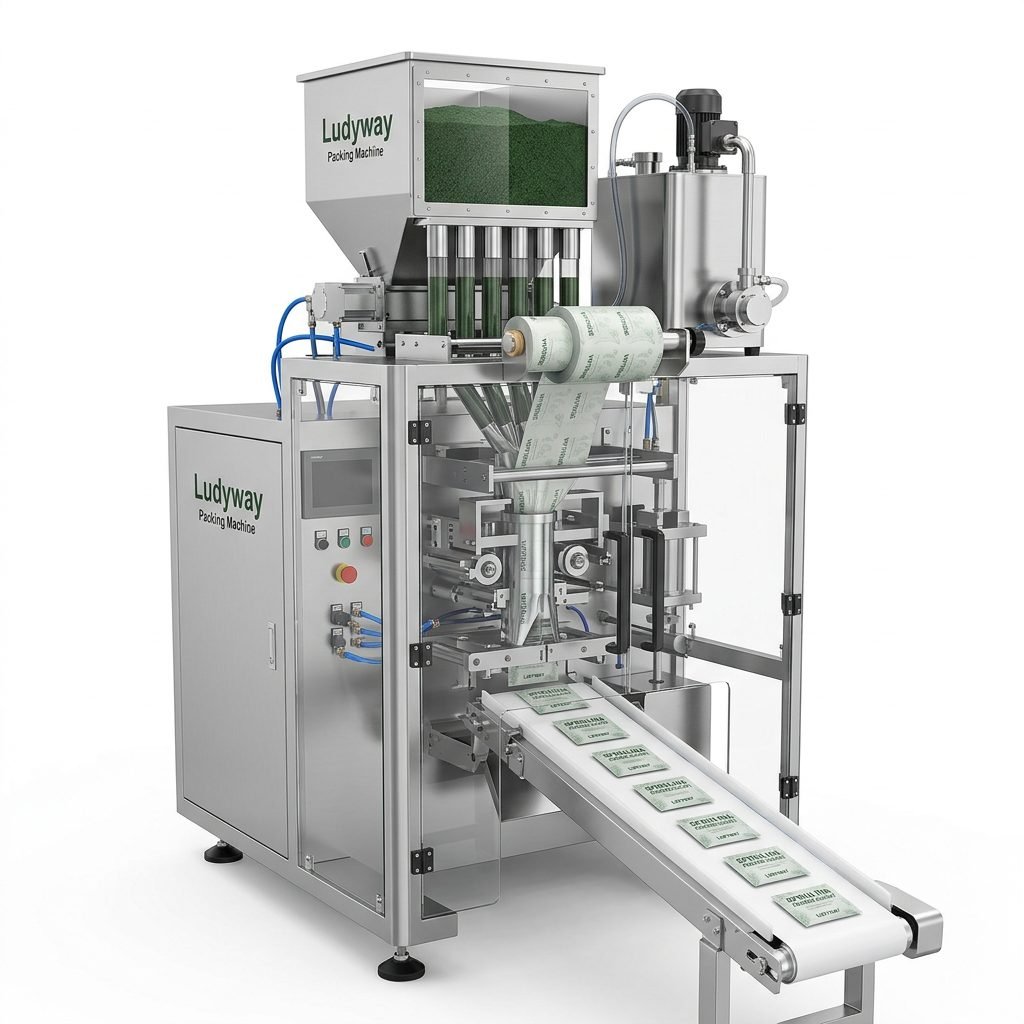
India’s accelerating urbanization is reshaping consumption patterns. The growing middle class, with higher disposable incomes and busier lifestyles, shows a marked preference for convenience. This drives demand for packaged, ready-to-eat foods, single-serve portions, and easy-to-carry formats. The cultural practice of buying small, affordable quantities—from shampoo sachets to daily spices—makes sachet and stick pack packaging machinery particularly relevant and in high demand.
2. Stringent Regulatory Standards
Government regulations, especially in the pharmaceutical and food sectors, are becoming increasingly rigorous. Standards set by the FSSAI (Food Safety and Standards Authority of India) and mandates for track-and-trace systems in pharma compel manufacturers to invest in machinery that ensures accuracy, hygiene, and compliance. This regulatory push is a major driver for upgrading from manual or semi-automatic systems to automated, certified packaging lines.
3. The E-commerce Boom
The explosive growth of online retail has created an unprecedented need for robust secondary and tertiary packaging. Machinery for corrugated box forming, void fill, and automated taping is seeing increased adoption to improve fulfillment center efficiency and reduce product damage during transit—a critical factor for customer satisfaction.
4. Focus on Sustainability
While a developing trend, environmental consciousness is rising among consumers and brands. This is generating interest in machinery capable of handling recyclable, biodegradable, or thinner mono-material films. The ability to reduce material waste through precision dosing and sealing is also becoming a valuable selling point for modern packaging equipment.
Analysis of Key Market Segments
The market can be segmented by machine type, technology, and end-use industry, each showing distinct trends.
By Machine Type
→ Filling Machines: Dominant segment, including liquid fillers for oils and beverages, and powder/granule fillers for spices and detergents. Volumetric and auger fillers are most common.
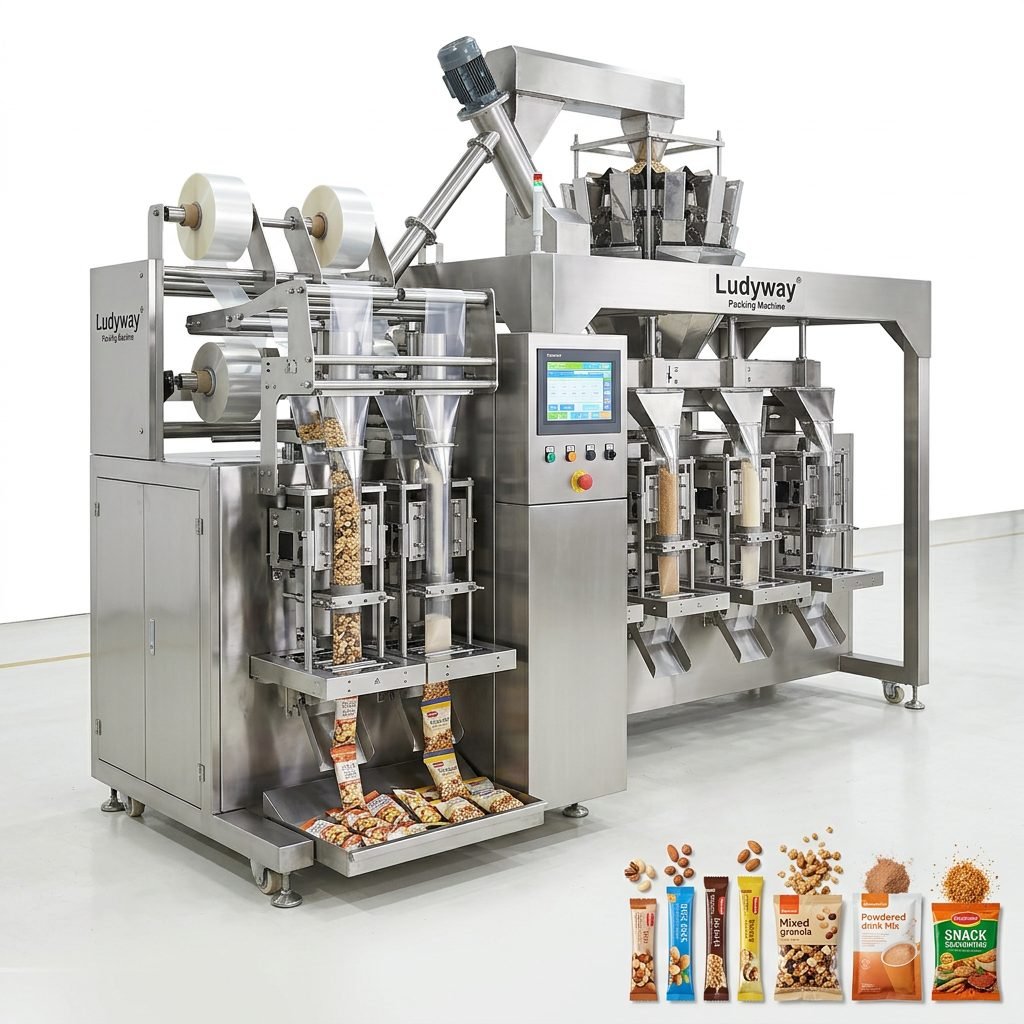
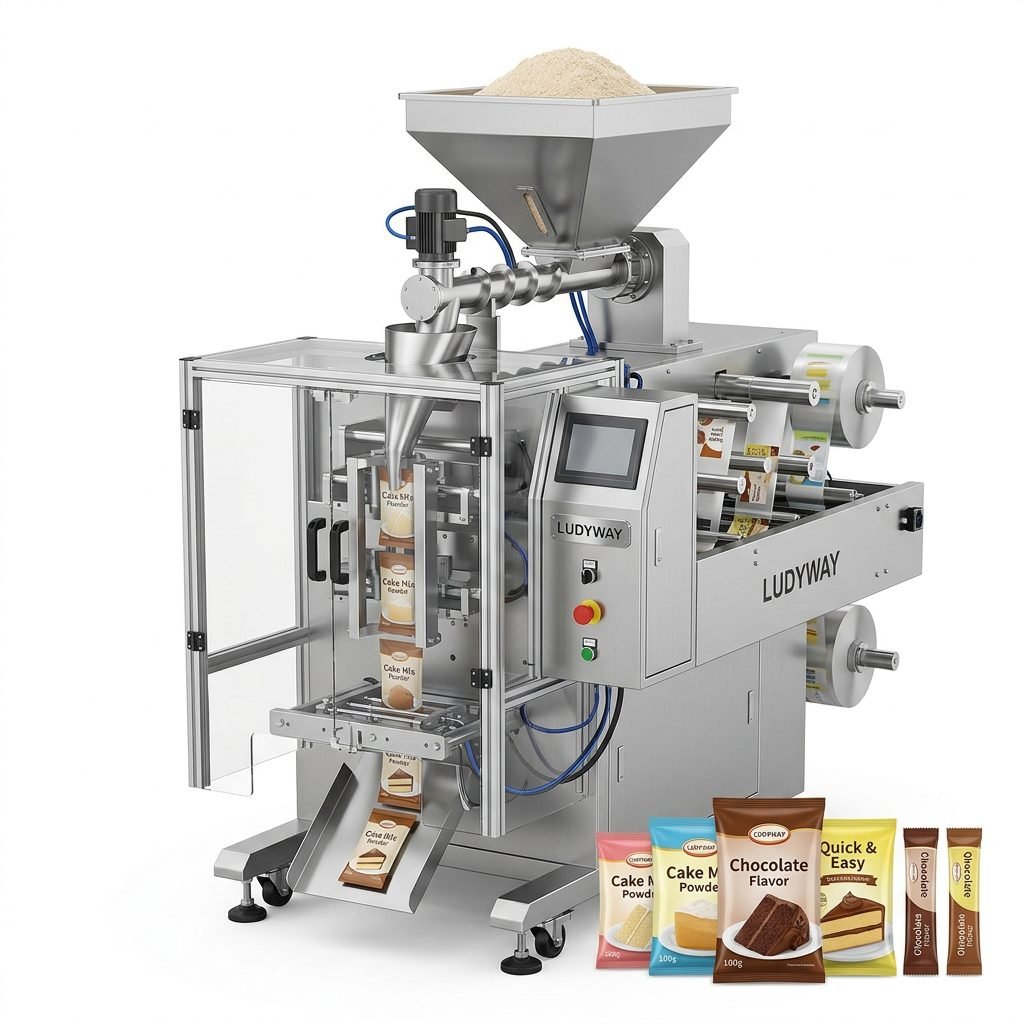
→ Form-Fill-Seal (FFS) Machines: Highly popular for their versatility. Vertical FFS (VFFS) machines are extensively used for packaging snacks, grains, and powders. The demand for horizontal FFS (HFFS) for bar soaps and biscuits is also growing.
→ Labelling and Coding Machines: Essential for compliance and branding. Demand is driven by regulatory need for batch coding, expiry dates, and the growth of product variants requiring quick label changeovers.
→ Cartoning and Palletizing Machines: Gaining traction with the growth of organized retail and e-commerce, automating the final stages of packaging.
By End-Use Industry
Food & Beverage: The largest segment, driven by packaged foods, dairy, and edible oils. Machinery for granule and powder packaging is critical for India’s massive spice and pulse industry.
Pharmaceuticals: Requires high-precision, sterile, and compliant machinery for blister packing, strip packing, and vial filling.
Personal Care & Home Care: Heavily reliant on sachet packaging for shampoos, detergents, and creams to cater to the mass market.
Chemicals & Agriculture: Uses durable packaging solutions for fertilizers, pesticides, and industrial chemicals.
Future Opportunities and Strategic Directions
The future of the India packaging machinery market is bright, laden with opportunities for both domestic manufacturers and international suppliers.
1. Technological Integration and Industry 4.0
The adoption of smart, connected machinery is the next frontier. Machines integrated with IoT sensors for predictive maintenance, real-time monitoring of OEE (Overall Equipment Effectiveness), and seamless data exchange with factory ERP systems will be in high demand. This aligns with the government’s ‘Make in India’ and ‘Industry 4.0’ initiatives to boost manufacturing competitiveness.
2. Customization and Flexibility
Brands are launching more products in smaller batch sizes to test markets. This creates a need for machinery that offers quick changeovers, handles multiple package sizes, and is modular. Suppliers who can provide customized, flexible automation solutions will capture significant value.
3. Serving the MSME Revolution
Micro, Small, and Medium Enterprises (MSMEs) form the backbone of Indian industry. There is a vast, underserved opportunity in providing affordable, rugged, and easy-to-operate semi-automatic and entry-level automatic machines tailored to their scale and skill levels. Financing or leasing models can further accelerate adoption in this segment.
4. After-Sales Service and Local Support
The importance of a strong service network cannot be overstated. Companies that invest in local spare parts inventories, training for customer technicians, and responsive service teams will build lasting loyalty and a competitive moat in the price-sensitive Indian market.
Conclusion
The India packaging machinery market is at an inflection point, driven by deep-rooted consumer habits and modern economic forces. Success in this market requires more than just selling equipment; it demands an understanding of local nuances, a commitment to reliability, and a strategy that supports India’s manufacturing ascent. Companies that align their offerings with the trends of automation, flexibility, and sustainability, while building robust local partnerships, are poised to thrive in this exciting and growing marketplace.
Frequently Asked Questions (FAQs)
What are the most popular types of packaging machines in India?
Vertical Form-Fill-Seal (VFFS) machines for snacks and staples, liquid filling machines for oils and beverages, and sachet packaging machines for personal care and food products are among the most in-demand due to their alignment with high-volume, small-format packaging needs.
How important is after-sales service in the Indian market?
Extremely critical. Given the operational intensity and cost sensitivity, buyers place a premium on reliable technical support, readily available spare parts, and prompt service to minimize downtime. A strong service network is often a key differentiator.
Is the market shifting towards sustainable packaging machinery?
Yes, this is a growing trend. There is increasing interest in machines that can handle recyclable or compostable materials, reduce plastic usage through precision engineering, and support brands’ environmental, social, and governance (ESG) goals, particularly among larger, export-oriented companies.
What is the impact of government regulations like FSSAI on this market?
Regulations are a major growth driver. They compel food and pharmaceutical manufacturers to invest in automated, hygienic, and traceable packaging lines to ensure compliance, directly boosting demand for modern machinery that guarantees accuracy and safety.
Can domestic Indian manufacturers compete with international brands?
Domestic manufacturers are increasingly competitive, especially in the semi-automatic and standard automatic machine segments. They compete effectively on price, customization for local needs, and faster service. However, for highly sophisticated, high-speed lines, international brands still hold a significant share.