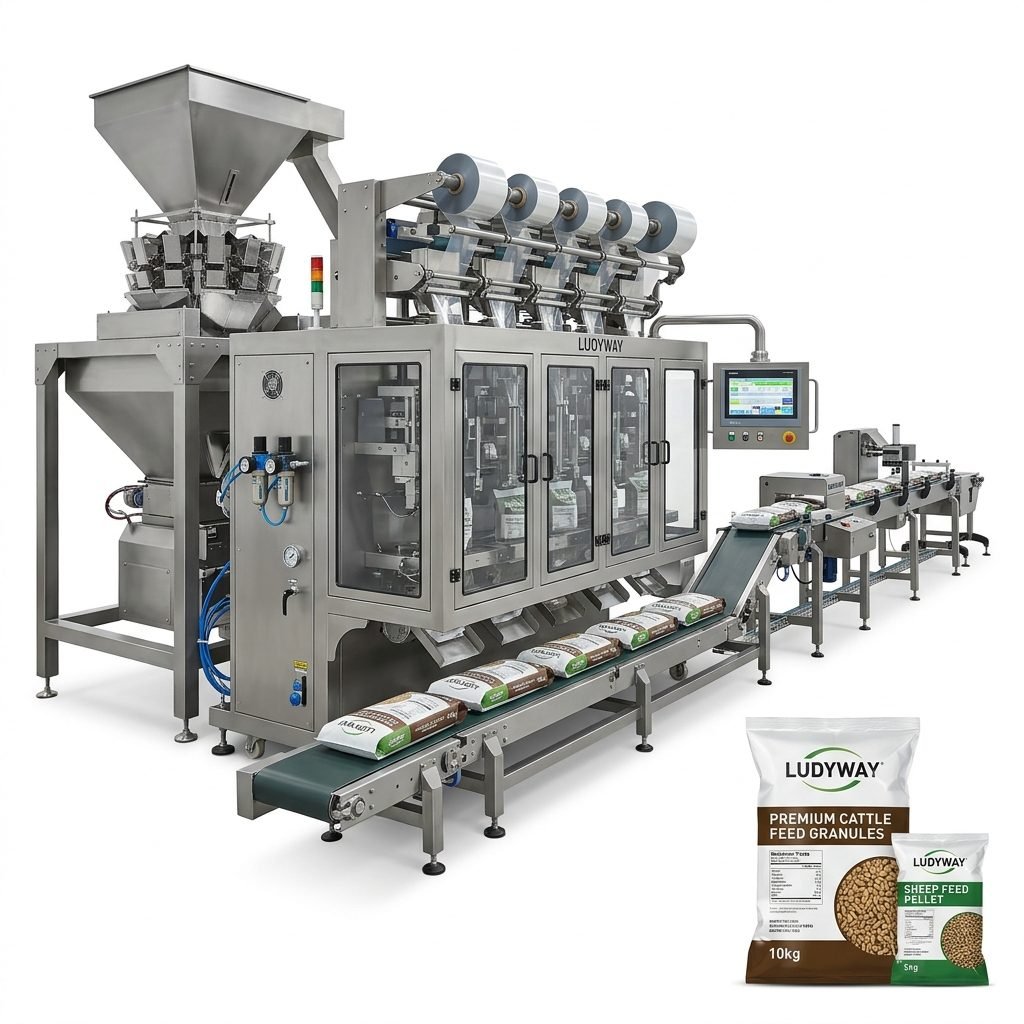
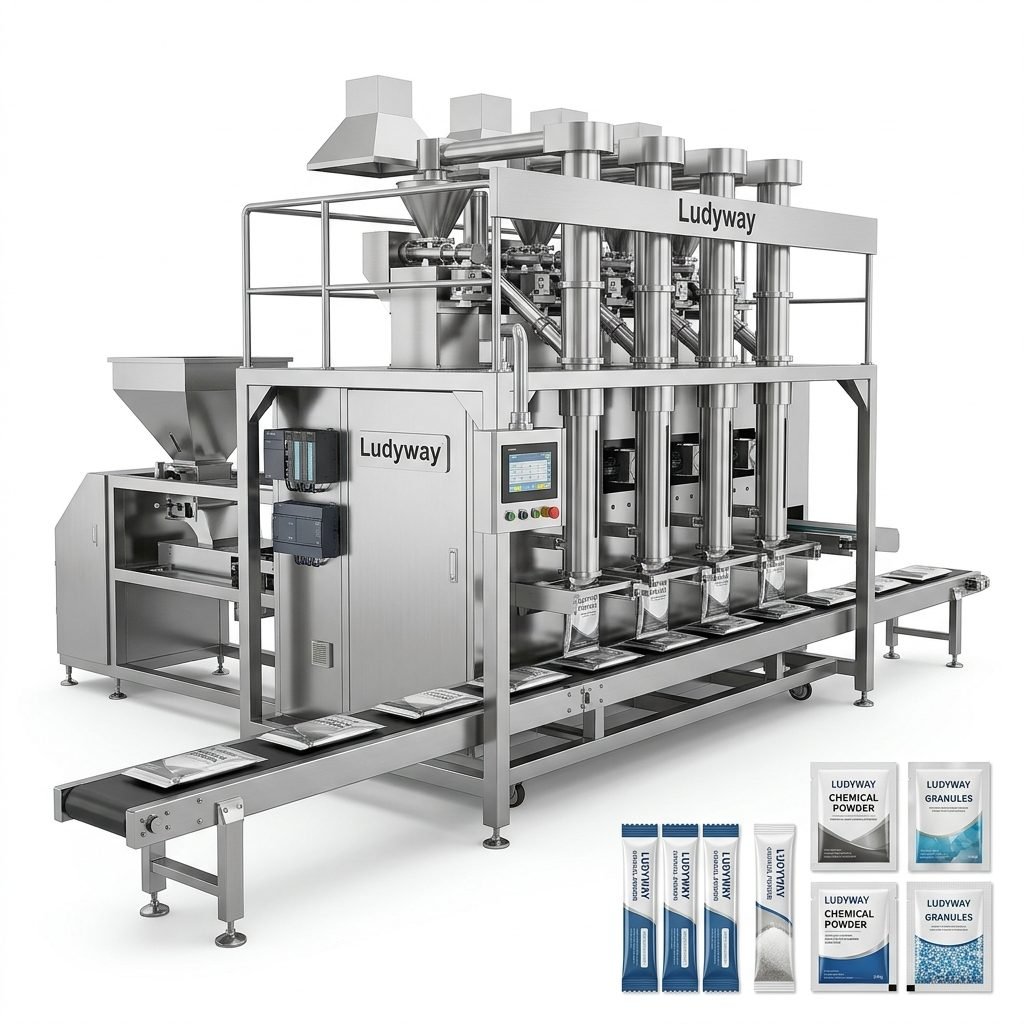
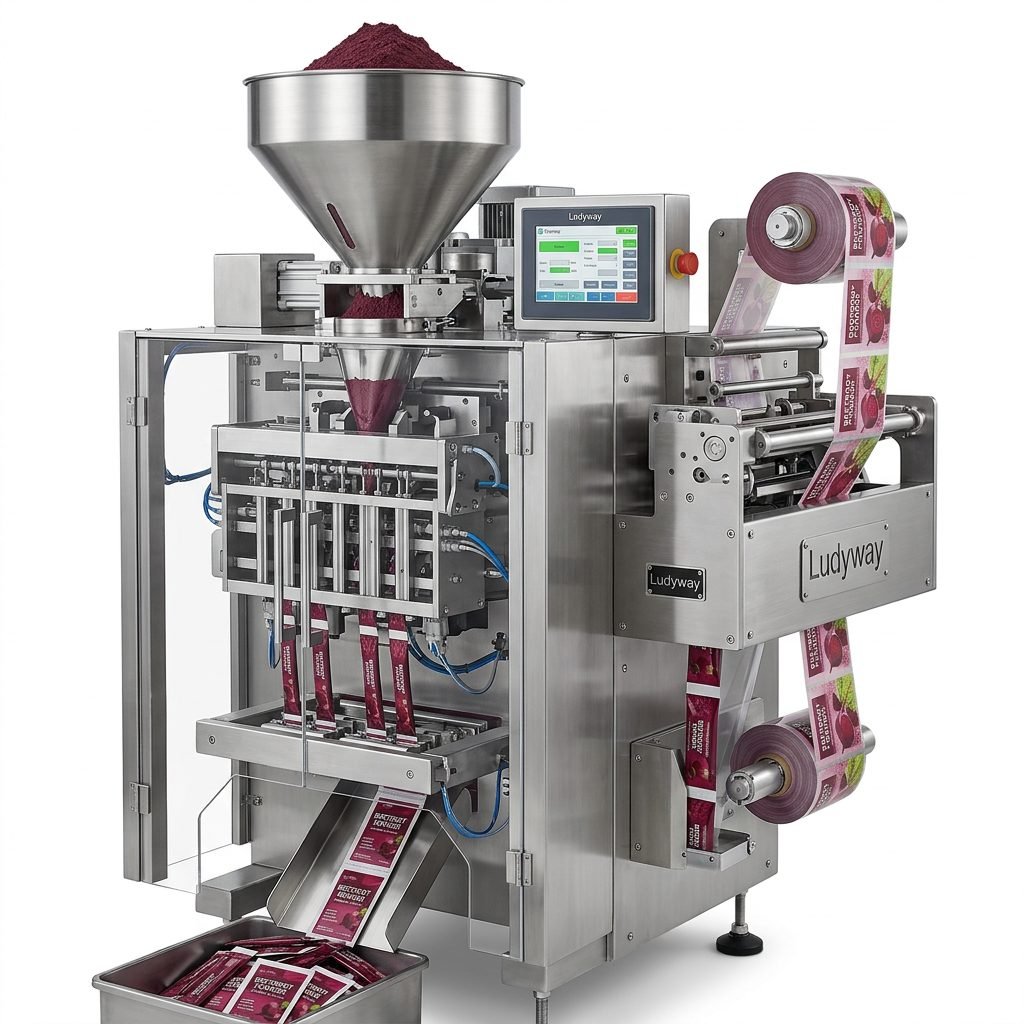
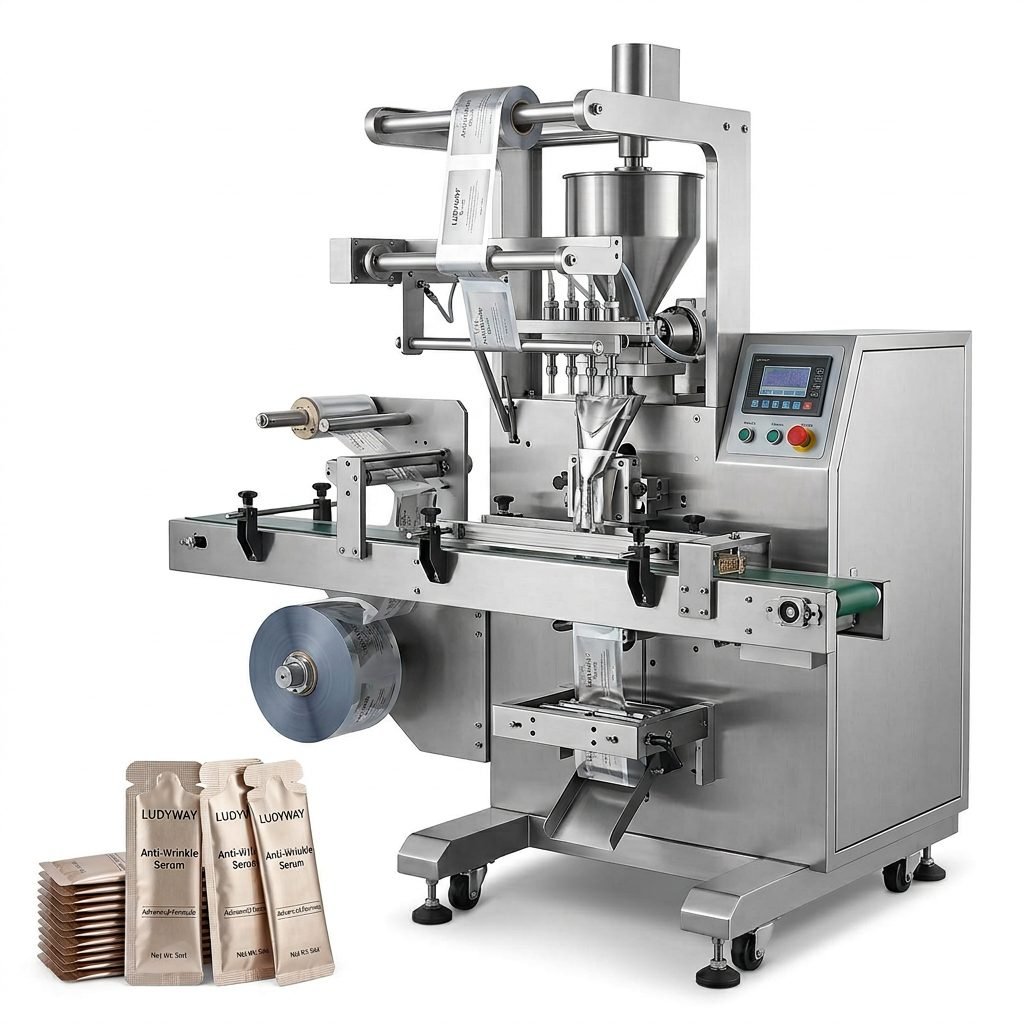
Medical packaging machinery plays a critical role in ensuring the safety, efficacy, and integrity of pharmaceutical products, medical devices, and healthcare supplies. From blister packs for tablets to sterile pouches for surgical tools, the right packaging equipment is vital for compliance, patient safety, and operational efficiency. This guide explores the main types of medical packaging machinery, their applications across the healthcare sector, and provides a framework for selecting the optimal equipment for your specific needs.
Types of Medical Packaging Machinery
The medical packaging landscape utilizes a variety of specialized machines, each designed for specific formats and materials.
Blister Packaging Machines
These machines form, fill, and seal individual doses (like tablets or capsules) into pre-formed plastic/alu alu cavities. They are essential for unit-dose packaging, providing excellent barrier properties, tamper evidence, and patient convenience. Modern versions often integrate with printing and coding systems for lot numbers and expiry dates.
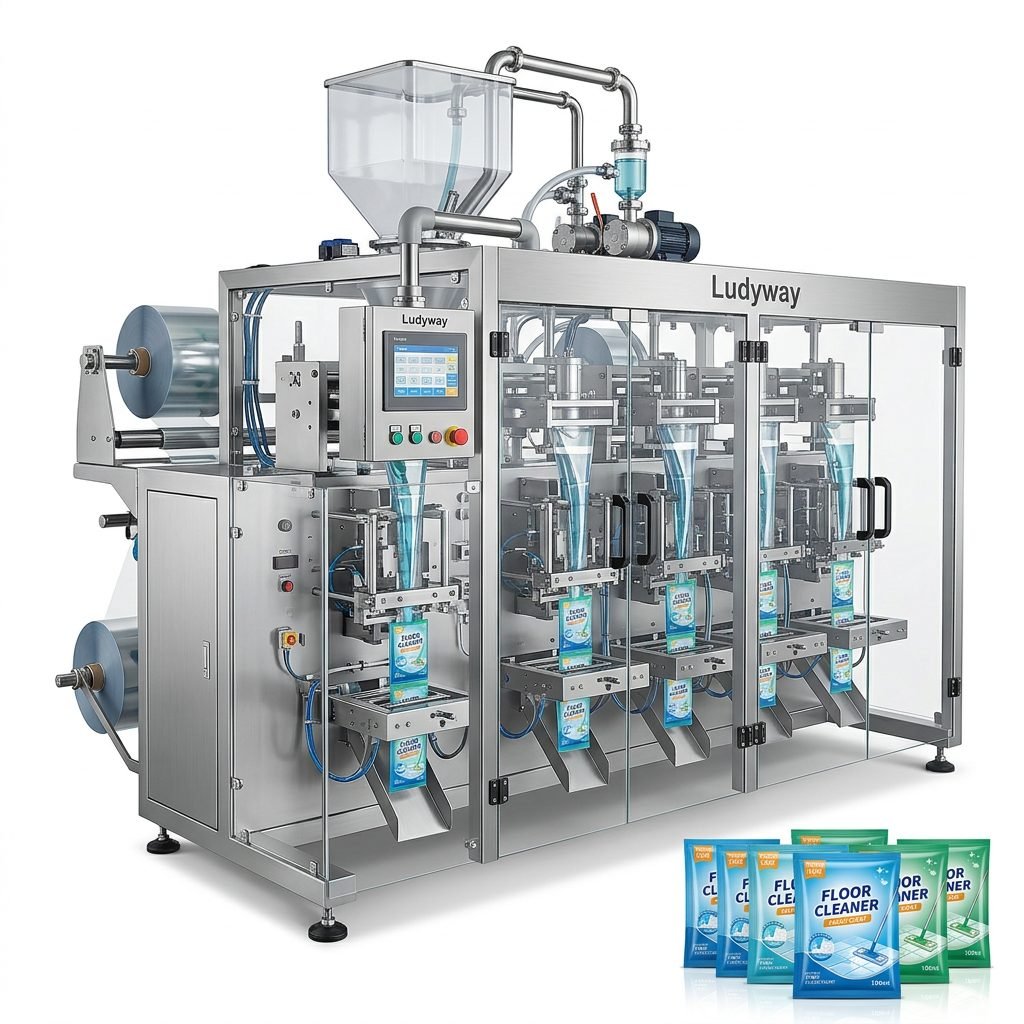
Sachet & Pouch Packaging Machines
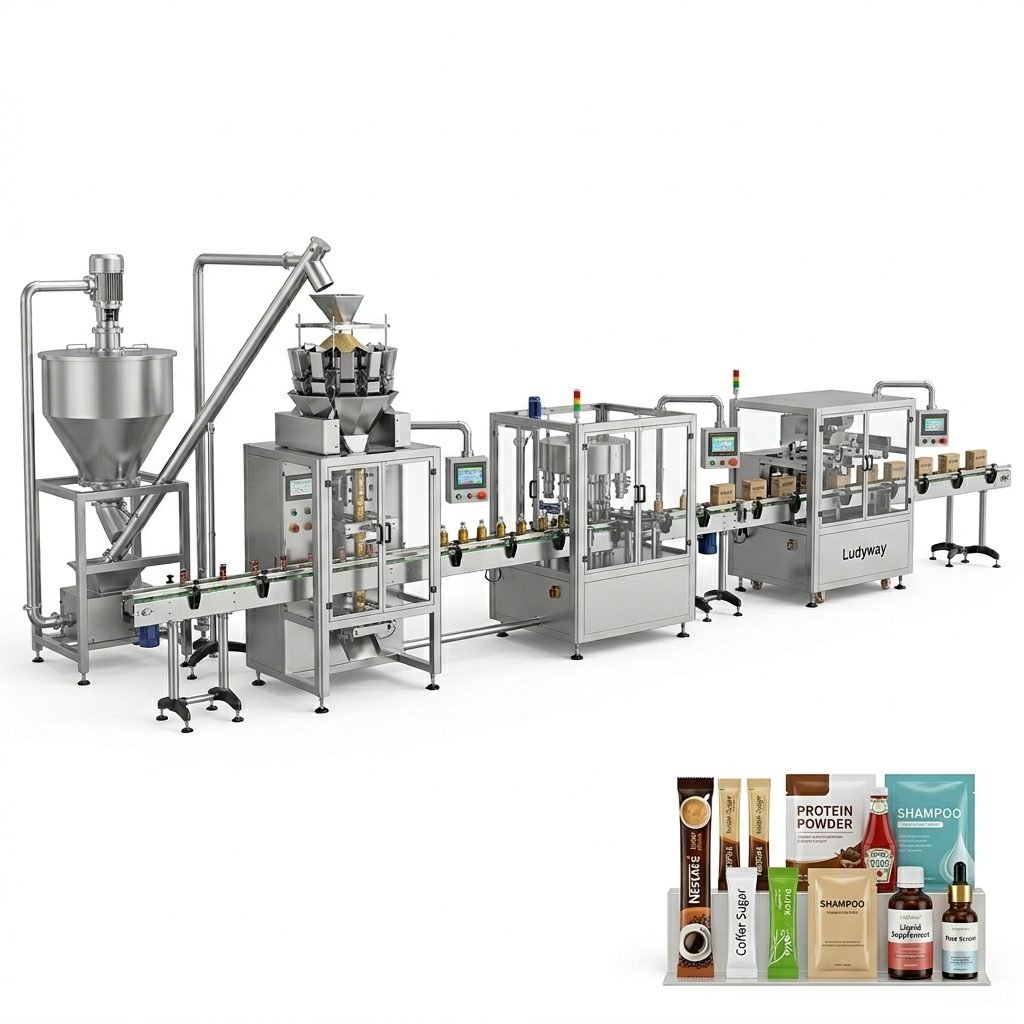
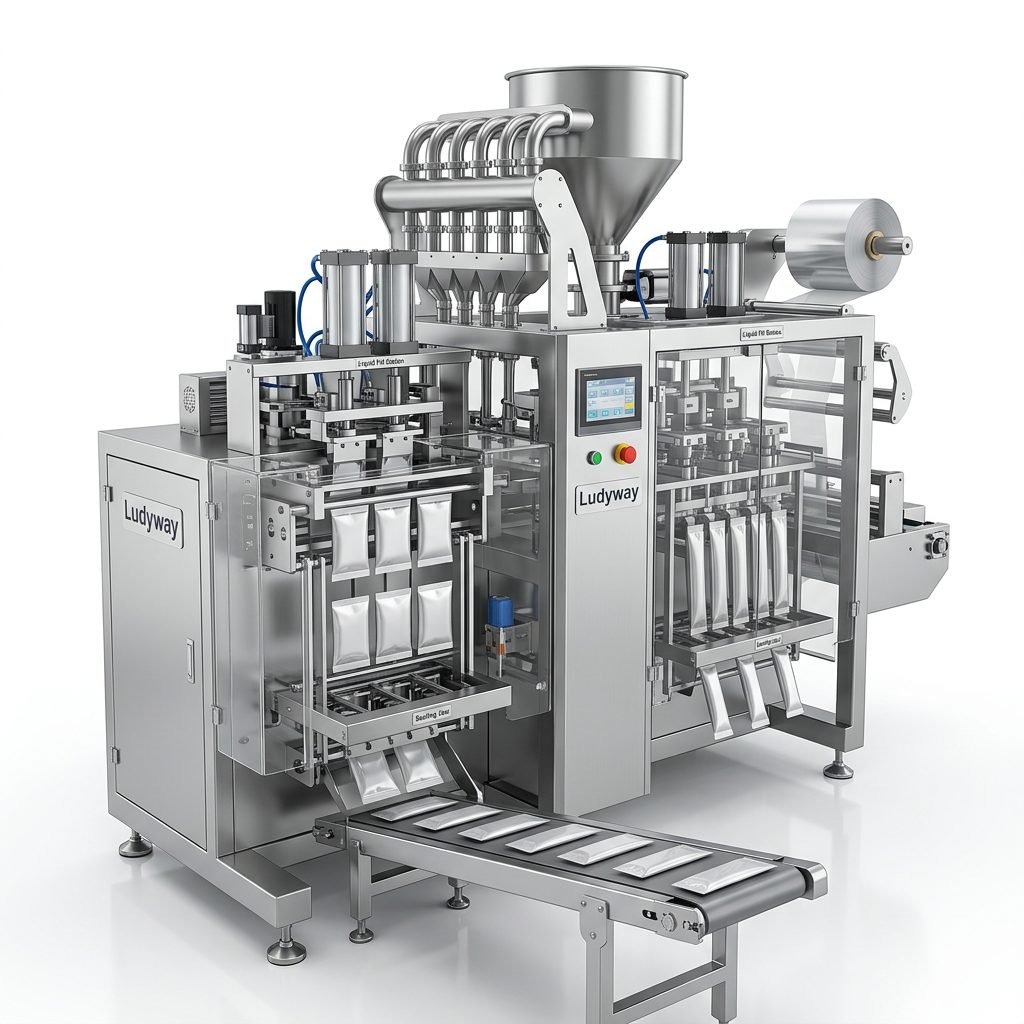
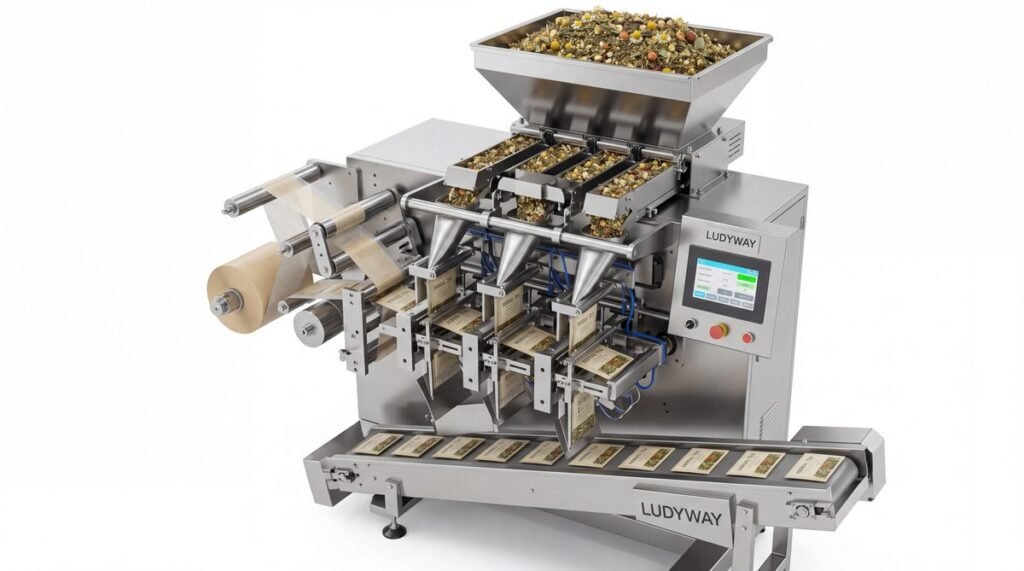
Used for packaging powders, granules, liquids, or ointments in small, sealed flexible pouches. They are common for single-use medical supplies, sample doses, or wound care products. Key features include precise filling, high-speed sealing, and the ability to handle sterile film materials.
Stick Pack Machines
A subset of pouch packaging, these produce long, slender single-serving packs ideal for powdered supplements, electrolytes, or instant medications. Their compact format is suitable for hospital dispensaries or travel kits.
Vial & Ampoule Filling and Sealing Machines
These are high-precision systems for filling liquid injectables (vaccines, sera, antibiotics) into glass or plastic vials/ampoules, followed by hermetic sealing. They operate in often sterile or cleanroom environments and require exceptional accuracy and contamination control.
Thermoform Packaging Machines
Used to create rigid plastic trays or containers for medical devices, kits, or syringes. The process heats a plastic sheet, forms it into a cavity, places the product, and seals it with a lidstock. This provides robust protection and clear visibility of the contents.
Labeling and Overwrapping Machines
Apply primary labels with regulatory information or secondary promotional labels. Overwrapping machines add an external film wrap to bundled products or cartons, providing extra protection, sterility maintenance, or brand uniformity.
Primary Applications in the Medical Sector
Different machinery serves distinct segments of the medical industry.
Pharmaceutical Manufacturing
This is the core application. Blister packs, sachets, and vial filling lines package final drug products for distribution. Machinery must comply with stringent GMP (Good Manufacturing Practice) guidelines, ensure product stability, and incorporate traceability features.
Medical Devices & Consumables
Surgical instruments, implants, catheters, and disposable items (gloves, masks) often use thermoform packaging or sterile pouch machines. Packaging must maintain sterility until point of use, withstand sterilization processes (like gamma irradiation), and provide clear identification.
Nutraceuticals & Dietary Supplements
While bordering healthcare, products like vitamin packs, probiotics, or protein powders use stick pack and sachet machines. Requirements focus on accuracy, shelf-life preservation, and consumer-friendly presentation.
Clinical & Laboratory Samples
Small pouches or vials are used to package diagnostic samples, reagents, or research chemicals. Packaging needs to be leak-proof, chemically resistant, and properly labeled for safe handling.
How to Choose the Right Medical Packaging Equipment
Selecting machinery is a strategic decision. Consider these key factors:
1. Product Characteristics & Format
Define your product’s physical form (solid, powder, liquid), dose size, and required package type (blister, pouch, vial). This narrows down the machine category. Also consider material compatibility – will you use PVC, Aclar, PET, or specialized sterile films?
2. Compliance & Regulatory Requirements
Medical packaging is heavily regulated. Ensure the machine design and outputs meet relevant standards like GMP, FDA 21 CFR Part 211, EU Annex 1, ISO 13485 for devices, or specific country pharmacopeia rules. Features like cleanable surfaces, validated sealing parameters, and audit-ready documentation are crucial.
3. Production Volume & Speed
Match machine throughput (packs per minute/hour) to your current and forecasted demand. High-volume lines may need fully automated, continuous systems with integrated robotics, while low-volume or R&D settings might prioritize flexibility and ease of changeover.
4. Integration & Automation Level
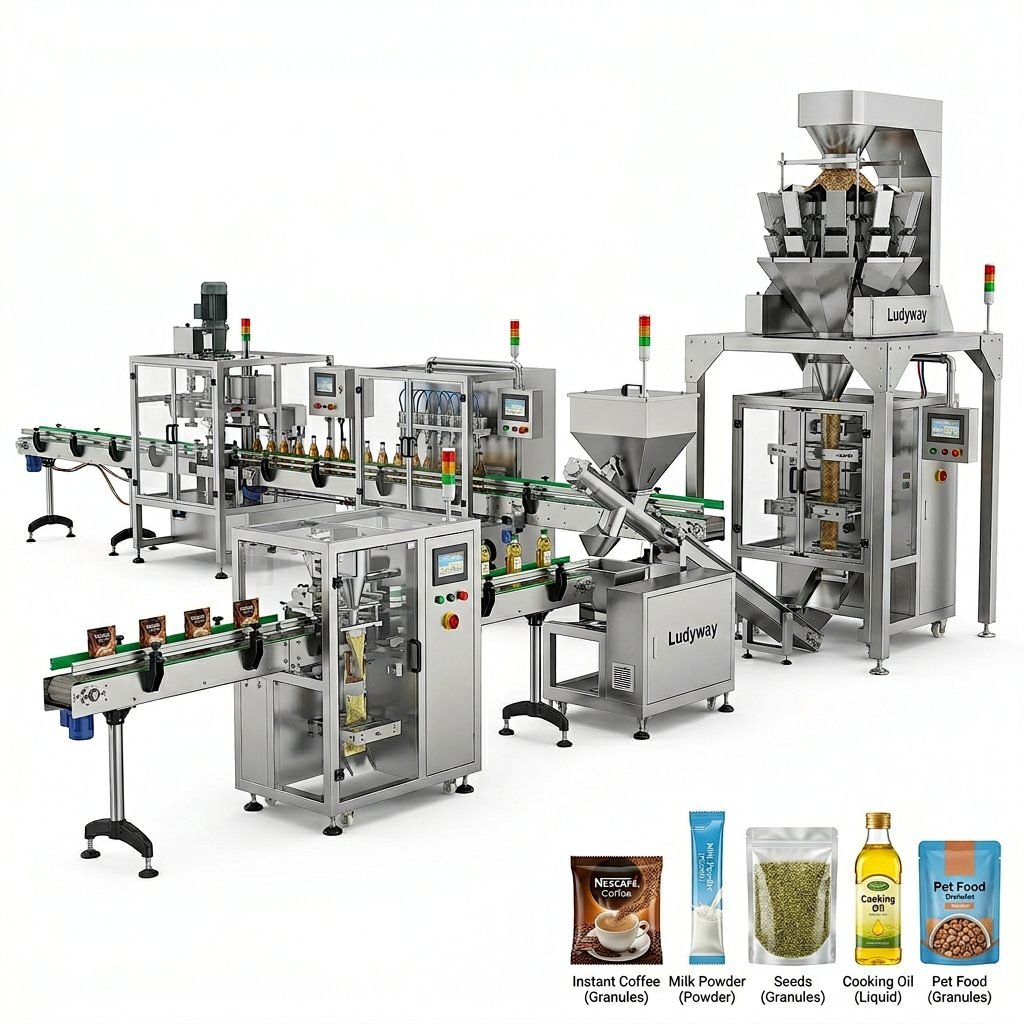
Consider how the machine will fit into your broader line. Does it need to connect with upstream filling or downstream cartoning? Options range from standalone units to fully integrated turnkey packaging lines with PLC control, HMI interfaces, and data logging for OEE (Overall Equipment Effectiveness) tracking.
5. Supplier Expertise & Support
Choose a supplier with proven experience in medical packaging. They should understand regulatory landscapes, offer robust after-sales service, technical training, and spare parts availability. Evaluate their ability to provide validation support (IQ/OQ/PQ protocols) and adapt machinery to future regulatory changes.
6. Budget & Total Cost of Ownership
Beyond initial purchase price, consider operating costs (energy, consumables), maintenance complexity, potential for upgrades, and expected machine lifespan. A reliable, compliant machine that minimizes downtime and rejection rates often provides better long-term value.
Investing in the right medical packaging machinery is fundamental to product quality, regulatory success, and market competitiveness. By thoroughly analyzing your product needs, compliance obligations, production goals, and partnering with a knowledgeable equipment provider, you can establish a packaging operation that safeguards patient health and supports your business growth.
Common Questions (FAQs)
What are the key GMP requirements for medical packaging machinery?
Machinery must be designed for cleanability and prevent cross-contamination. It should provide consistent, validated performance (seal strength, fill accuracy). All critical processes should be controllable and documented, with materials traceability.
Can one machine handle different package formats or sizes?
Some machines, especially pouch or thermoform types, offer quick changeover capabilities for different product sizes or film materials through adjustable tooling or programmable settings. However, significant format changes (e.g., from blister to vial) typically require different specialized machines.
How important is machine validation in medical packaging?
Extremely critical. Installation Qualification (IQ), Operational Qualification (OQ), and Performance Qualification (PQ) are mandatory steps to prove the machine operates correctly within specified parameters under actual production conditions, ensuring consistent, compliant output.
What is the typical lead time for acquiring medical packaging equipment?
Lead times vary from a few months for standard models to over a year for highly customized, complex integrated lines. Factors include machine complexity, customization level, and current supplier manufacturing capacity.
How do I ensure the packaging materials are compatible with my machine?
Work closely with both your material supplier and machine manufacturer. They can conduct compatibility trials, providing data on seal integrity, film feed performance, and stability under machine operating conditions.