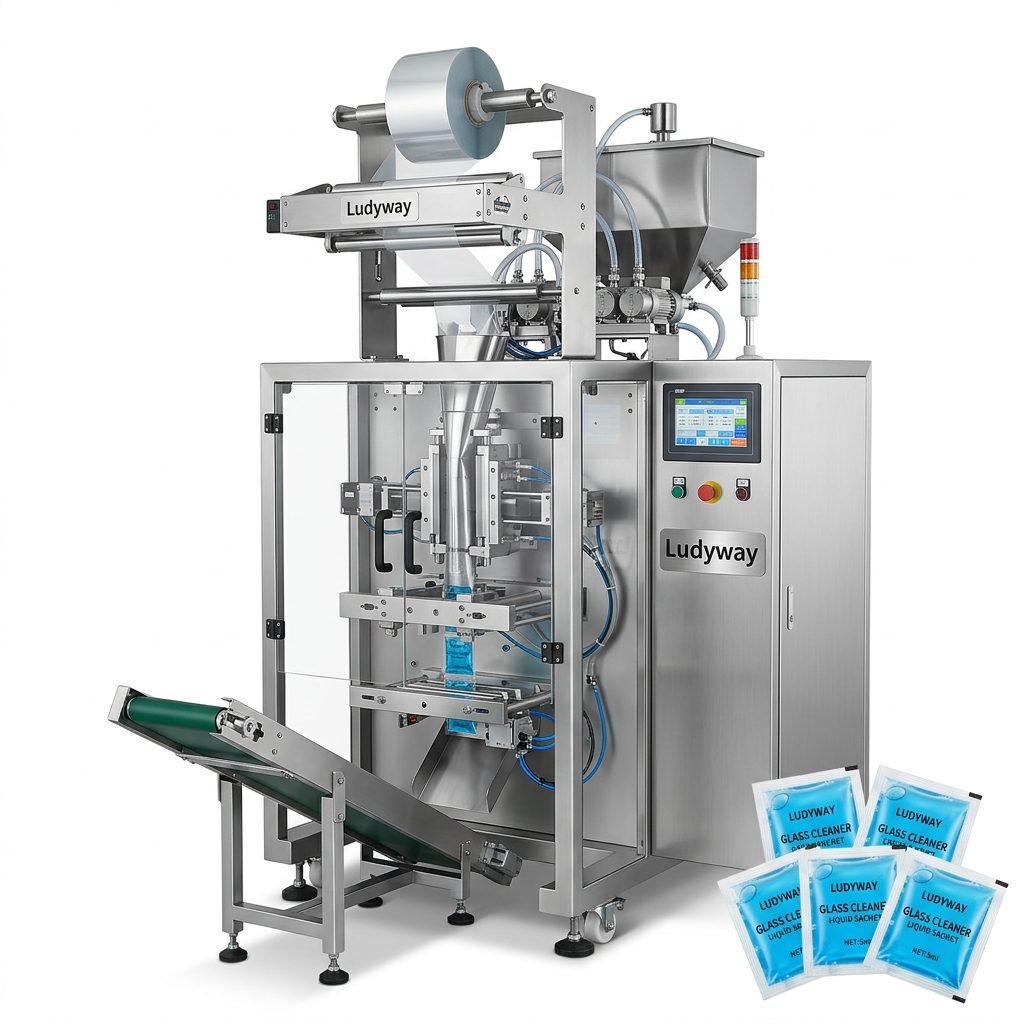
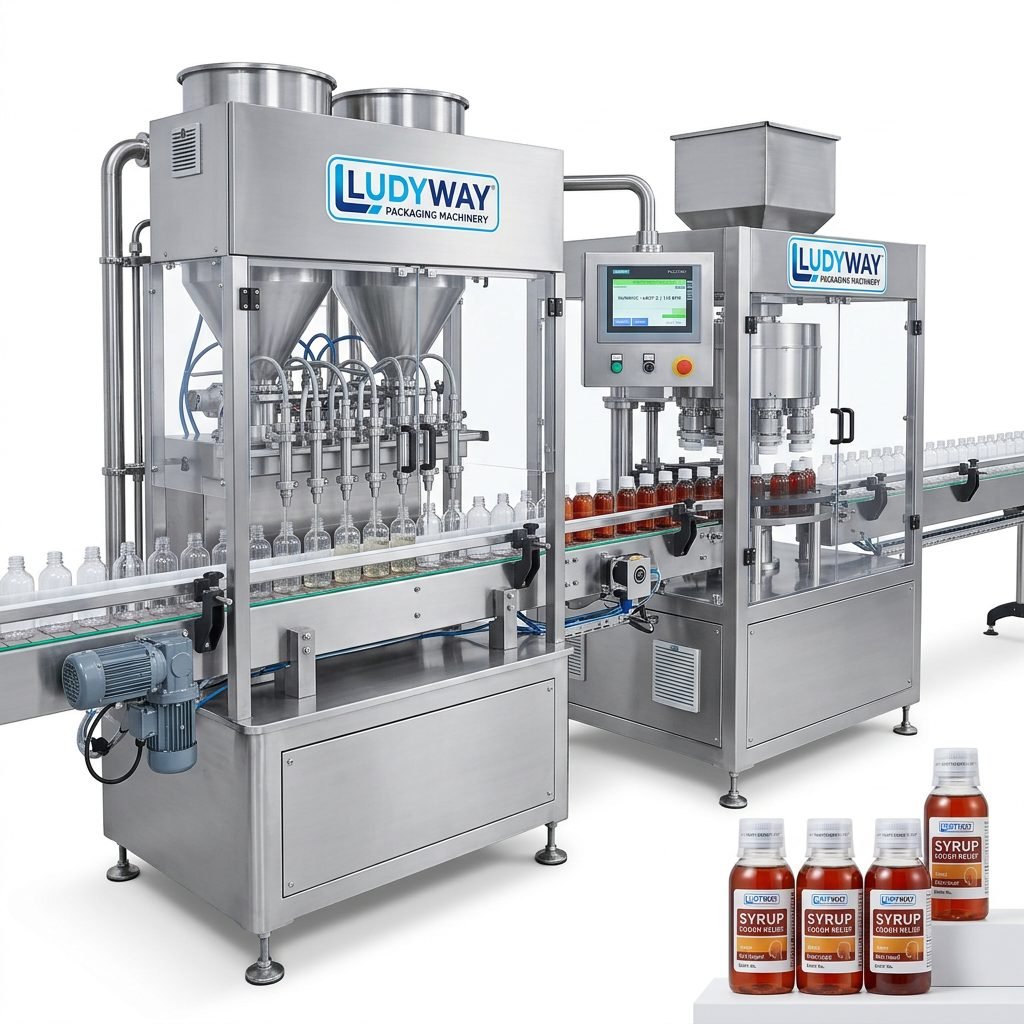
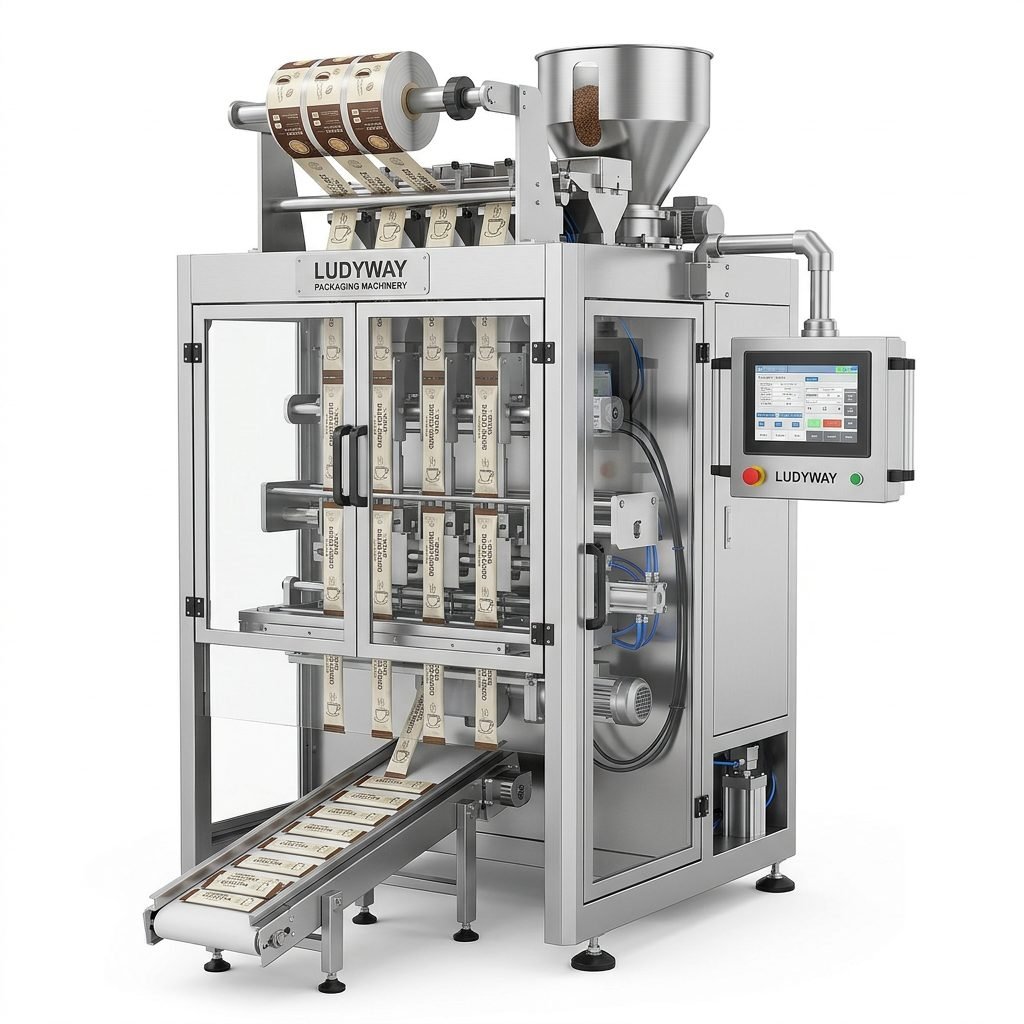
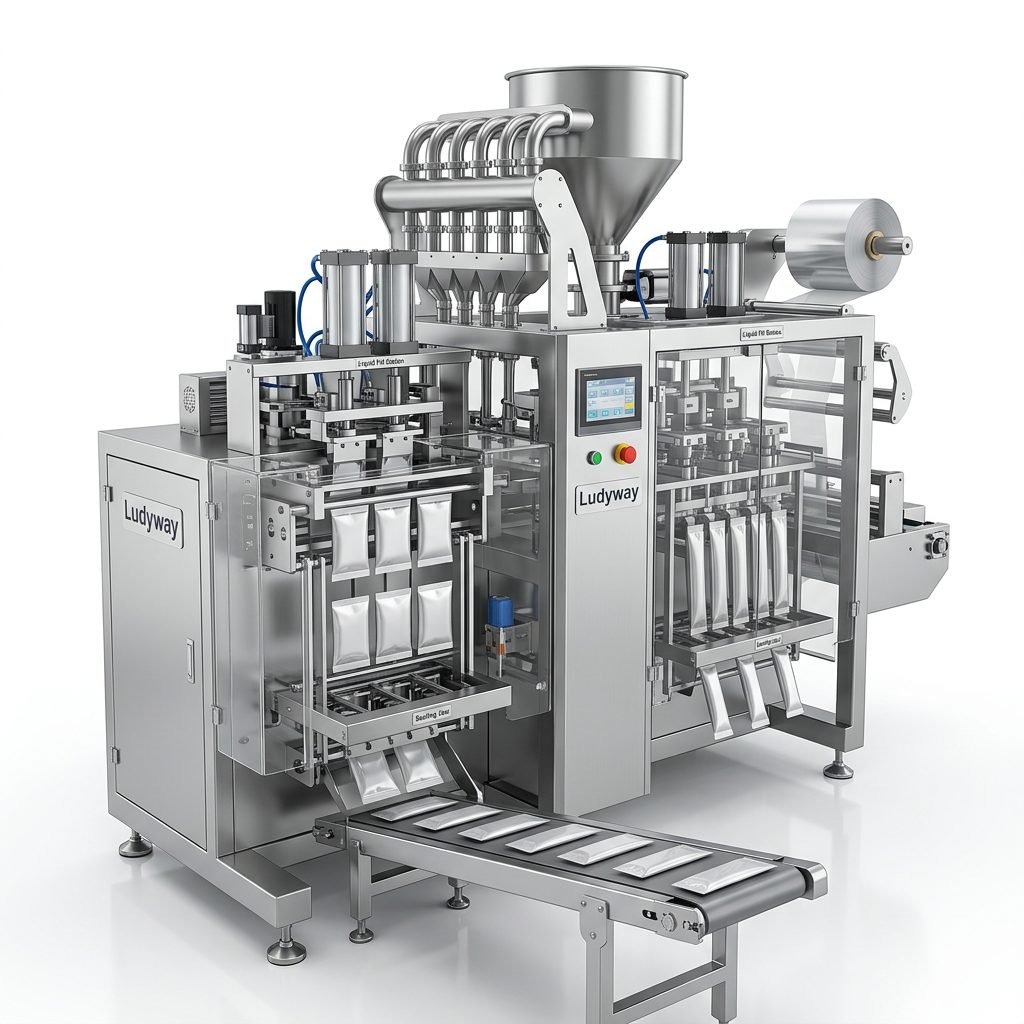
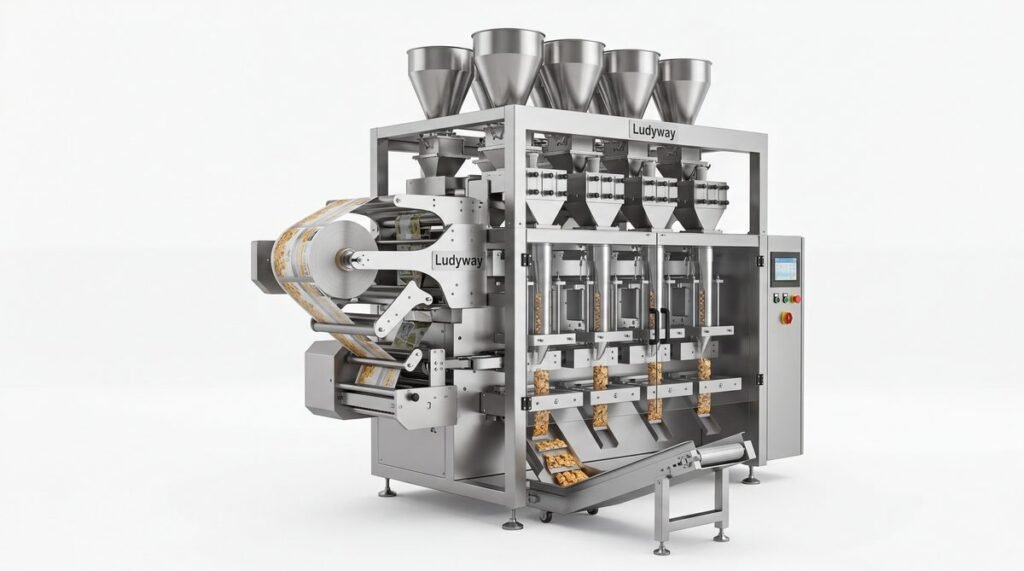
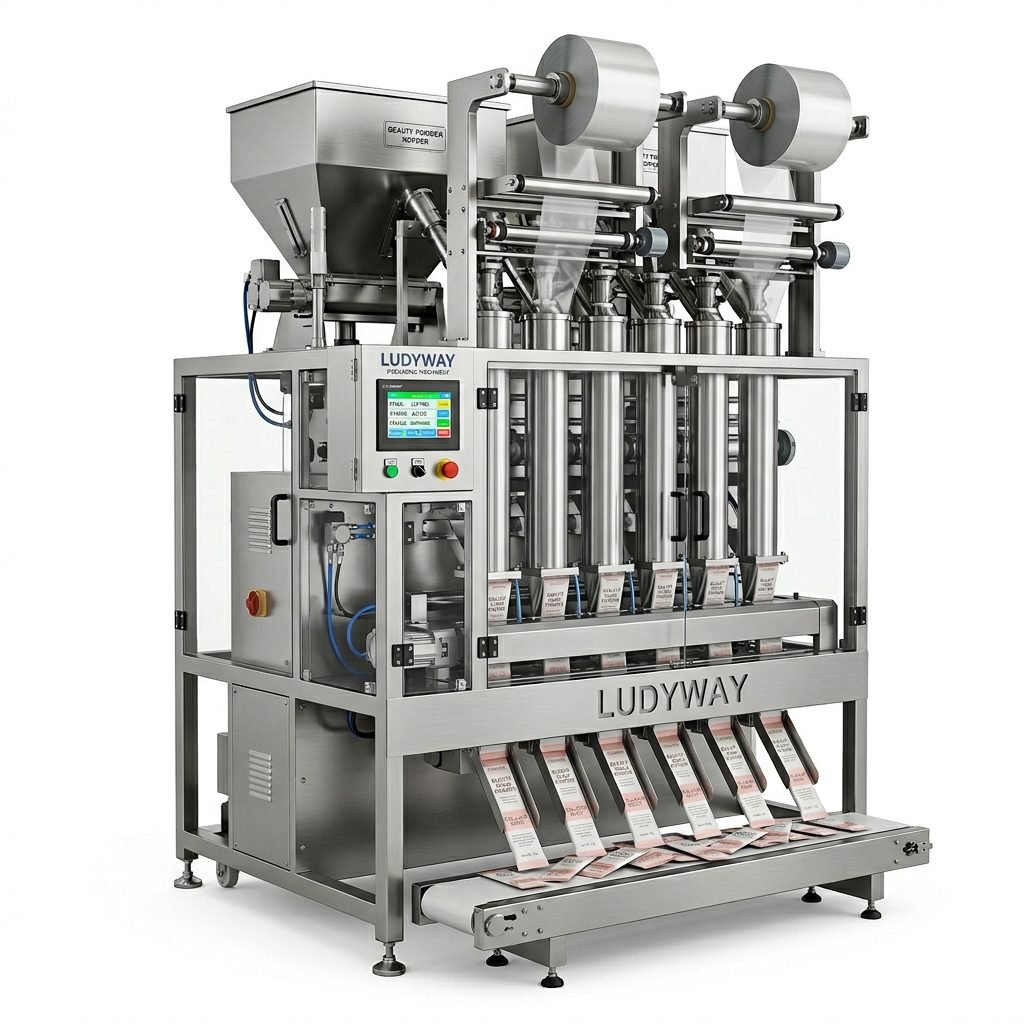
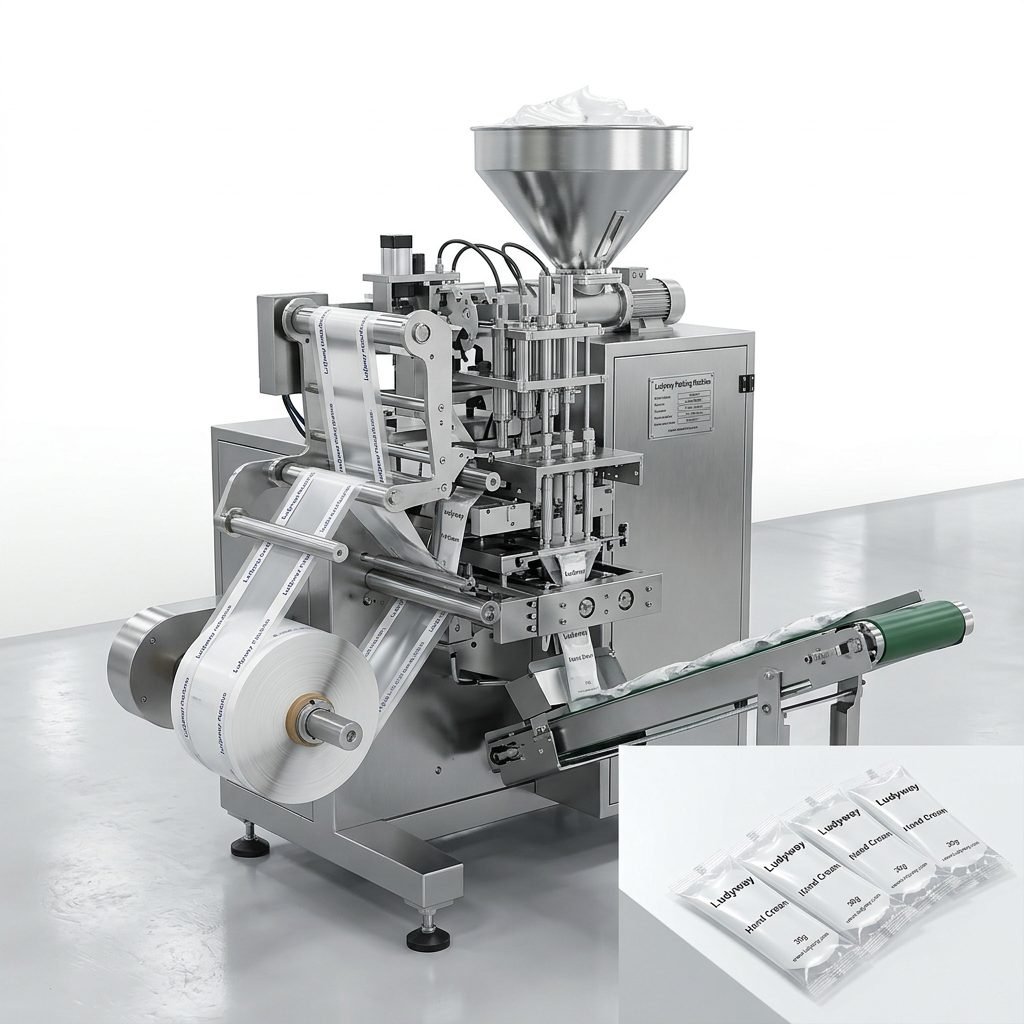
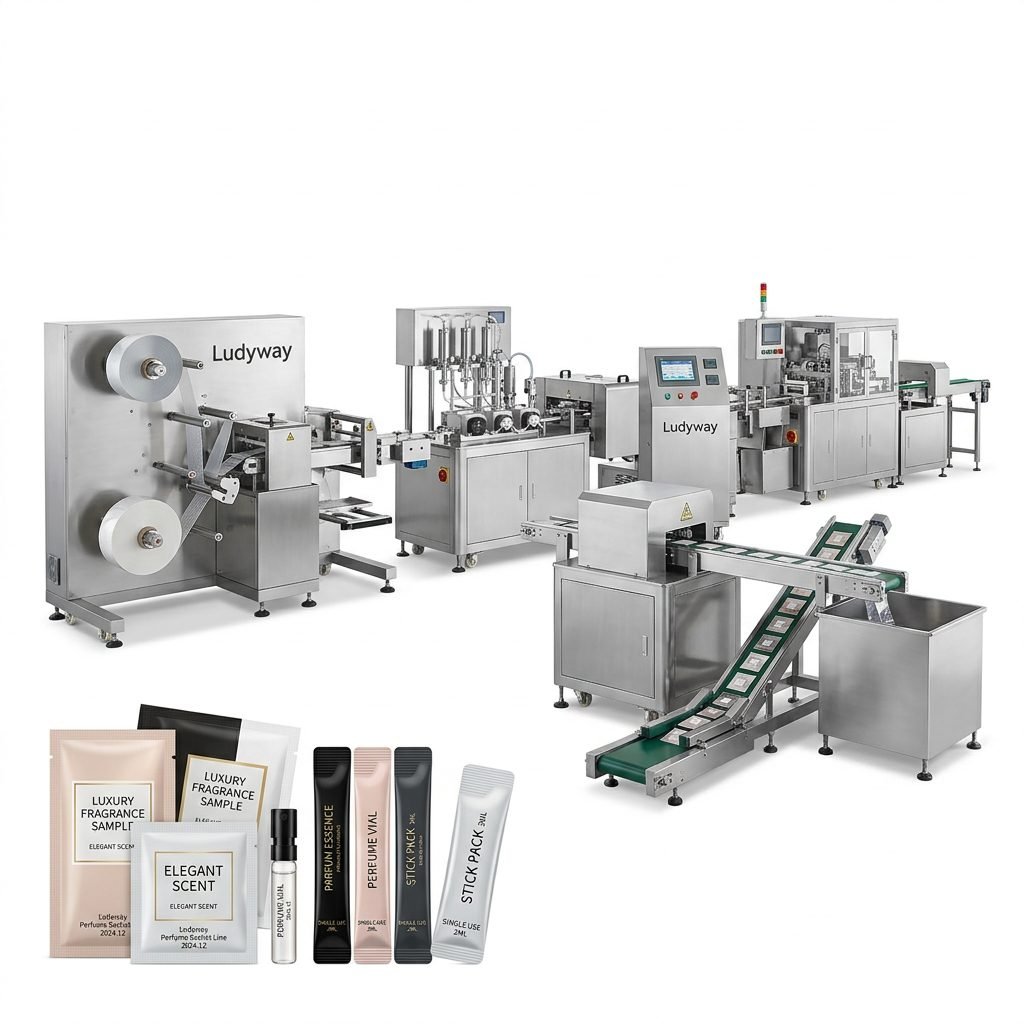
Bag-in-box (BIB) packaging has revolutionized the way liquids and semi-liquids are stored, transported, and dispensed across numerous industries. From fine wines and dairy products to industrial chemicals and foodservice syrups, this efficient system combines the protective qualities of a bag with the structural support of a box. At the heart of this operation lies sophisticated Bag in Box packaging equipment, which automates the filling, sealing, and boxing process with precision and speed. This complete guide will explore the various types of machines, their key features, and provide a clear framework for choosing the right equipment for your production needs.
Understanding Bag-in-Box Packaging Machinery
Bag-in-box packaging equipment refers to the automated systems designed to form, fill, and seal the flexible inner bag and then place it securely into an outer corrugated box. These machines are engineered to handle a wide range of product viscosities and are critical for maintaining hygiene, extending shelf life, and ensuring cost-effective logistics. The core principle involves a multi-stage process: the machine typically forms the bag from a roll of laminated film, fills it with the precise volume of product, hermetically seals it, and then automatically or semi-automatically inserts the filled bag into a pre-erected box, often applying a tap or fitment for dispensing.
Key Takeaway: Modern BIB equipment is not a single machine but an integrated system. It combines several technologies—from volumetric or gravimetric filling to sterile sealing and robotic case packing—into a streamlined production line. This integration is what delivers the high efficiency and low waste that makes bag-in-box packaging so attractive for bulk liquid handling.
Primary Types of Bag-in-Box Packaging Equipment
The market offers several configurations of BIB machines, categorized mainly by their level of automation and the specific stage of the process they handle. Choosing the right type depends heavily on your production volume, budget, and required flexibility.
1. Manual and Semi-Automatic Machines
Ideal for low to medium production volumes or businesses just entering the BIB market. In a semi-automatic setup, operators manually place pre-made bags into a filling station. The machine then automates the filling and sealing process, after which an operator places the filled bag into a box. These systems have a lower initial investment and offer great flexibility for short runs or frequent product changeovers.
2. Fully Automatic Inline Systems
These are the workhorses for high-volume production. A fully automatic line takes in roll stock film, forms it into bags, fills, seals, and boxes the product in one continuous, unattended operation. They are incredibly efficient, minimize labor costs, and ensure consistent, high-quality packaging. Such systems often include automatic bag feeding, precision filling valves, checkweighers, and integrated case erectors and sealers.
3. Aseptic Bag-in-Box Fillers
A specialized and critical type for the food, dairy, and pharmaceutical industries. Aseptic fillers are designed to sterilize both the packaging film and the product filling zone, allowing sterile products to be filled into pre-sterilized bags within a sterile environment. This technology is essential for products requiring extended ambient shelf life without refrigeration, such as UHT milk, liquid eggs, or certain sauces.
4. Post-Mix Beverage Bag Fillers
Specifically tailored for the soft drink and beverage dispensing industry. These machines fill concentrated syrup or beverage bases into bags that are then used in fountain dispensers. They prioritize accuracy in brix (sugar content) and carbonation levels, and often integrate with CO₂ dosing systems.
🔄 Process Flow in an Automatic Line:
- Film Unwinding & Bag Forming: Laminated roll stock is fed and formed into a tube, with the bottom heat-sealed.
- Filling: The product is dispensed into the open bag via a sanitary filler valve with precise volumetric or mass control.
- Gas Flushing (Optional): For oxygen-sensitive products, inert gas (like nitrogen) flushes the headspace before sealing.
- Top Sealing & Fitment Application: The bag top is hermetically sealed. A tap or fitment is often applied simultaneously.
- Bag Placement & Boxing: The finished bag is automatically placed into a pre-erected corrugated box, which is then sealed and coded.
Essential Features to Evaluate
When comparing different Bag in Box machines, looking beyond the basic type is crucial. The following features directly impact performance, product safety, and return on investment.
Filling Accuracy and Technology
This is paramount. Look for machines with precision piston fillers, mass flow meters, or net weight scales. High-end systems offer accuracy within ±0.5% or better, minimizing product giveaway. The filler valve design should be suitable for your product’s viscosity—whether it’s thin like water, viscous like ketchup, or contains particulates.
Sealing System and Integrity
A hermetic seal is non-negotiable for product integrity. Investigate the heat sealing technology (impulse, constant heat, ultrasonic). The system should provide consistent temperature and pressure control across the sealing jaws. For challenging films or high-speed operations, dual sealing jaws or cool-down stations ensure seal strength.
Hygienic Design and Cleanability
Especially for food and pharmaceutical applications, the machine must have a sanitary, stainless steel construction with smooth, crevice-free surfaces. Features like CIP (Clean-in-Place) capabilities for the product contact parts drastically reduce downtime for cleaning and changeover.
Automation and Control System
A modern, user-friendly PLC-based HMI (Human-Machine Interface) is essential. It should allow for easy recipe storage (for different bag sizes and products), provide real-time production data (OEE, output counts), and feature comprehensive diagnostic alerts. Integration with factory MES or ERP systems is a plus for Industry 4.0 readiness.
Flexibility and Changeover
How quickly can the machine switch between different bag sizes (e.g., 3L, 5L, 20L) or box dimensions? Machines with tool-less changeover or quick-release mechanisms for forming tubes, fill heads, and boxing stations maximize uptime and are ideal for contract packers or producers with a diverse SKU portfolio.
How to Choose the Right Machine for Your Operation
Selecting the ideal Bag in Box packaging equipment is a strategic decision. A systematic approach ensures you invest in a system that meets your current needs and supports future growth.
Step 1: Define Your Product and Output Requirements
Start with the basics: What are you packaging? Document the product’s full characteristics: viscosity, acidity (pH), particulate content, temperature during filling, and whether it requires aseptic handling. Next, determine your required production speed in bags per hour or shifts per day. Be realistic about both your peak and average demands.
Step 2: Assess Your Facility and Infrastructure
The machine must fit your space. Consider footprint, ceiling height, and utility requirements (electrical power, compressed air, water for cooling, drainage). Ensure your facility can support the machine’s needs, or budget for the necessary upgrades. Also, evaluate the availability of technical personnel for operation and maintenance.
Step 3: Analyze Total Cost of Ownership (TCO)
Look beyond the initial purchase price. Calculate the TCO by factoring in:
• Operational Costs: Energy consumption, compressed air usage, required consumables (film, boxes, taps).
• Maintenance & Downtime: Cost and availability of spare parts, expected service intervals.
• Labor Impact: How much will the machine reduce manual labor? A more expensive automatic machine may pay for itself in under two years through labor savings and reduced waste.
Step 4: Prioritize Supplier Support and Service
The machine is only as good as the company behind it. Choose a supplier with a proven track record and strong after-sales support. Inquire about installation supervision, comprehensive operator training, warranty terms, and the availability of local service engineers or spare parts. A reliable partner like Ludyway Machinery, with deep industry experience, can provide invaluable guidance and ensure your line runs smoothly for years.
Step 5: Request a Product Test and See References
Never buy based on specifications alone. Arrange a factory acceptance test (FAT) or a production trial using your actual product and packaging materials. This is the best way to verify filling accuracy, seal integrity, and overall machine performance. Additionally, ask the supplier for customer references in a similar industry to hear about their real-world experience.
Final Checklist Before Purchase:
- ✅ Machine speed matches your required output with buffer capacity.
- ✅ Filling accuracy meets your product and cost control standards.
- ✅ Sealing system is validated for your specific film material.
- ✅ Hygienic design is appropriate for your product category (e.g., food-grade).
- ✅ Control system is intuitive and provides necessary production data.
- ✅ Supplier offers a clear service plan and training program.
- ✅ Total cost of ownership aligns with your financial model.
Investing in the right Bag in Box packaging equipment is a significant step toward optimizing your liquid packaging operations. By thoroughly understanding the different machine types, critically evaluating key features, and following a structured selection process, you can secure a system that enhances efficiency, ensures product quality, and provides a strong return on investment. The goal is to find a reliable machine from a trusted partner that grows with your business, helping you meet market demands with confidence and consistency. With over 30 years of industry experience, experts in the field understand that the right equipment is the foundation of a successful packaging line.
Frequently Asked Questions (FAQs)
What is the typical production speed of an automatic bag-in-box machine?
Speeds vary widely based on bag size and machine configuration. For standard 3-5 liter bags, fully automatic systems can range from 600 to over 2,000 bags per hour. Smaller bag sizes (e.g., 1L) can be filled faster, while larger industrial sizes (20L+) operate at slower speeds. It’s essential to discuss your specific target output with the machine supplier.
Can one machine handle different bag sizes and products?
Yes, most modern machines are designed for flexibility. However, the ease and speed of changeover differ. High-flexibility machines feature tool-less adjustments for forming tubes, fill heads, and boxing stations, allowing changeovers in 15-30 minutes. For frequent changes, prioritize machines with this capability and easy-to-store digital recipes.
How important is gas flushing (nitrogen injection) in BIB packaging?
Gas flushing is critical for oxygen-sensitive products like wines, certain juices, and liquid dairy products. By replacing the oxygen in the bag’s headspace with inert nitrogen, it significantly slows oxidation, preserving flavor, color, and nutritional value, and extending shelf life. If your product is sensitive to oxygen, this feature is a must-have.
What are the main maintenance requirements for this equipment?
Regular maintenance is key to longevity. Daily tasks include cleaning product contact parts and basic inspections. Weekly or monthly maintenance involves lubricating moving parts, checking seal jaw alignment and temperature sensors, and inspecting pneumatic components. Following the manufacturer’s planned maintenance schedule and using genuine spare parts prevents unexpected downtime.
What packaging film materials are used for bag-in-box?
The inner bag is typically a multi-layer laminated film. Common structures include metallized polyester/PE for light and oxygen barrier, or aluminum foil/PE for an excellent barrier against oxygen and light, crucial for long-shelf-life products. The choice depends on the product’s sensitivity and required shelf life. Your machine supplier can recommend compatible films.