In the highly regulated and precision-driven pharmaceutical industry, packaging is far more than just a final step in production. It is a critical component that directly impacts product safety, efficacy, stability, and patient compliance. The selection of appropriate packaging equipment is therefore a strategic decision, balancing regulatory compliance, operational efficiency, product protection, and cost-effectiveness. This article delves into the various types of packaging machinery used in pharmaceutical manufacturing, their specific applications, and the essential factors to consider when selecting the right equipment for your operations.
Core Types of Pharmaceutical Packaging Equipment
The pharmaceutical packaging process is typically segmented into primary, secondary, and tertiary packaging, each requiring specialized machinery.
Primary Packaging Equipment
This equipment handles the first layer of material that has direct contact with the pharmaceutical product. Its primary function is to contain, protect, and preserve the drug’s integrity.
Key Consideration: Materials used in primary packaging (e.g., blister foil, vial glass) must be inert and compatible with the drug formulation to prevent leaching or adsorption.
- Blister Packaging Machines: These are ubiquitous for solid oral dosage forms like tablets and capsules. They form a cavity (blister) from a thermoformable plastic web, place the product into it, and seal it with a lidding material (often aluminum foil). They offer excellent product visibility, unit-dose integrity, and tamper evidence.
- Bottle Filling and Capping Lines: Used for liquids (syrups, suspensions), powders, and tablets/capsules in bulk. The line typically integrates a cleaning station, a filling machine (volumetric, auger, or pump-based), a cottoning machine (for tablets), a capping or sealing machine (screw capping, snap-on, induction sealing), and a labeling unit.
- Ampoule, Vial, and Syringe Filling & Sealing Machines: Critical for sterile injectables and biologics. These high-speed, aseptic machines operate in cleanroom environments (often ISO 5/Class 100). They wash, sterilize (via depyrogenation tunnel), fill with precise liquid volumes, and hermetically seal (by melting the glass neck for ampoules or placing stoppers/caps on vials).
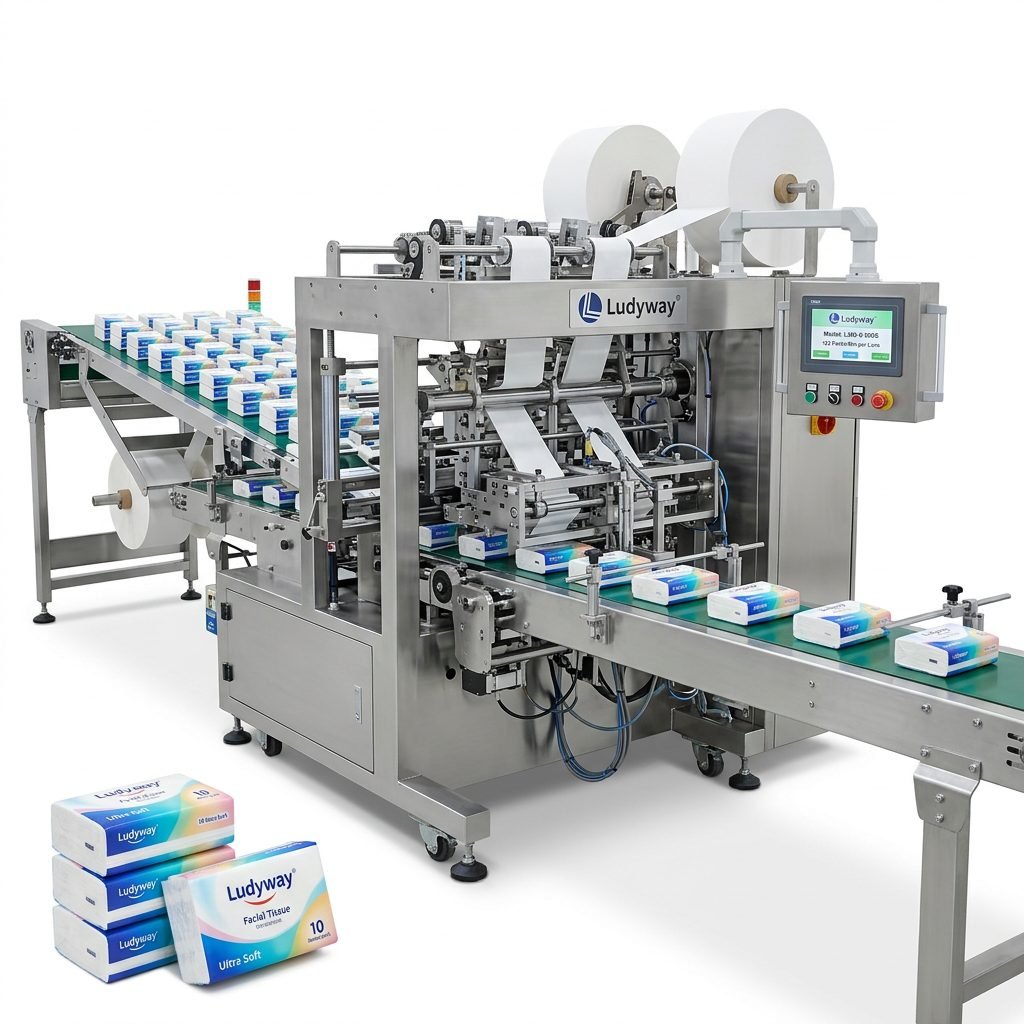
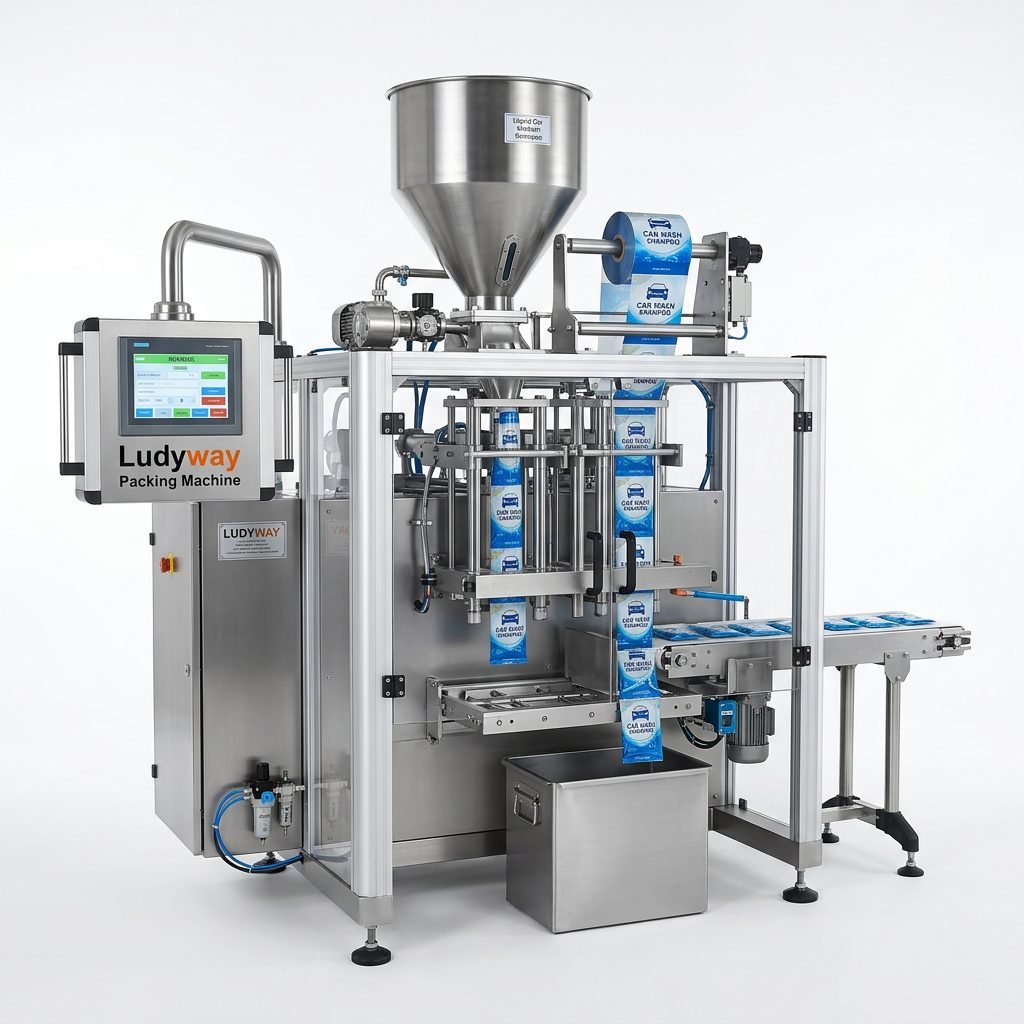
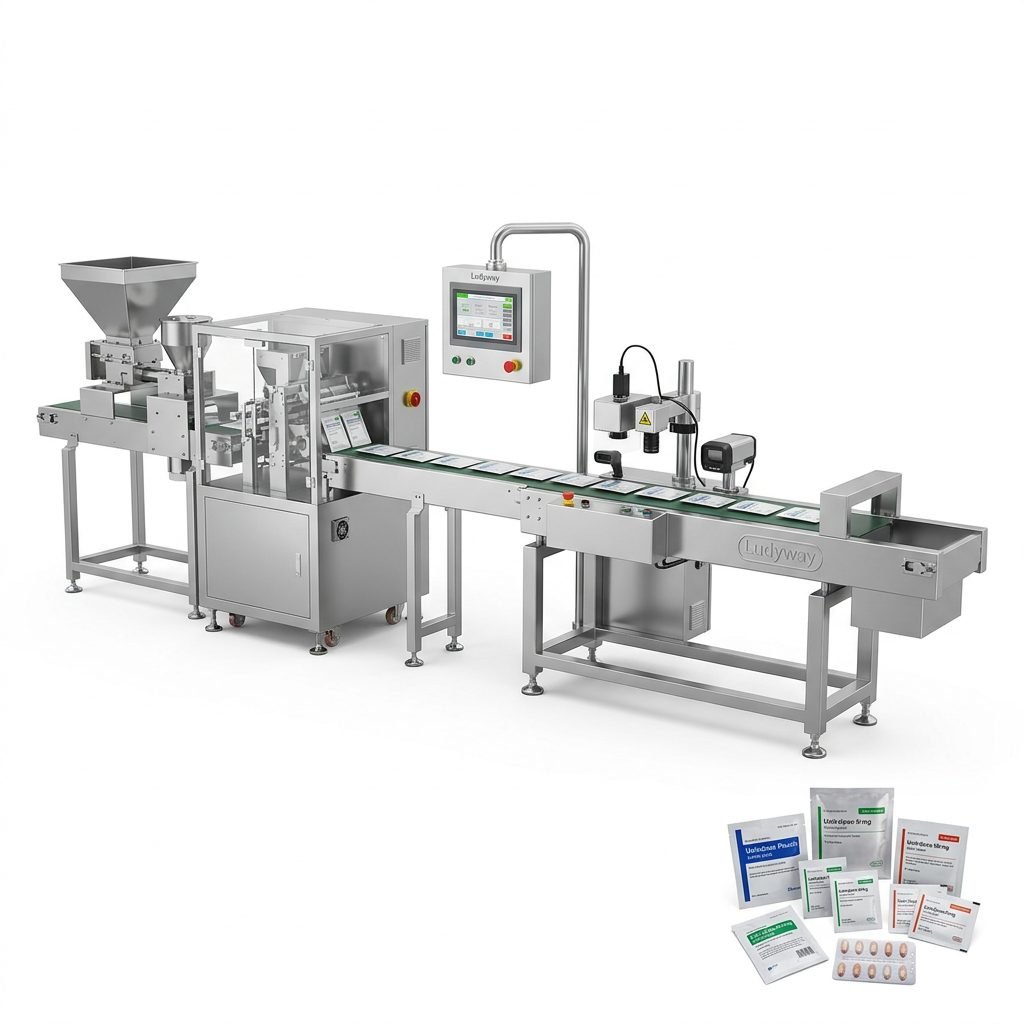
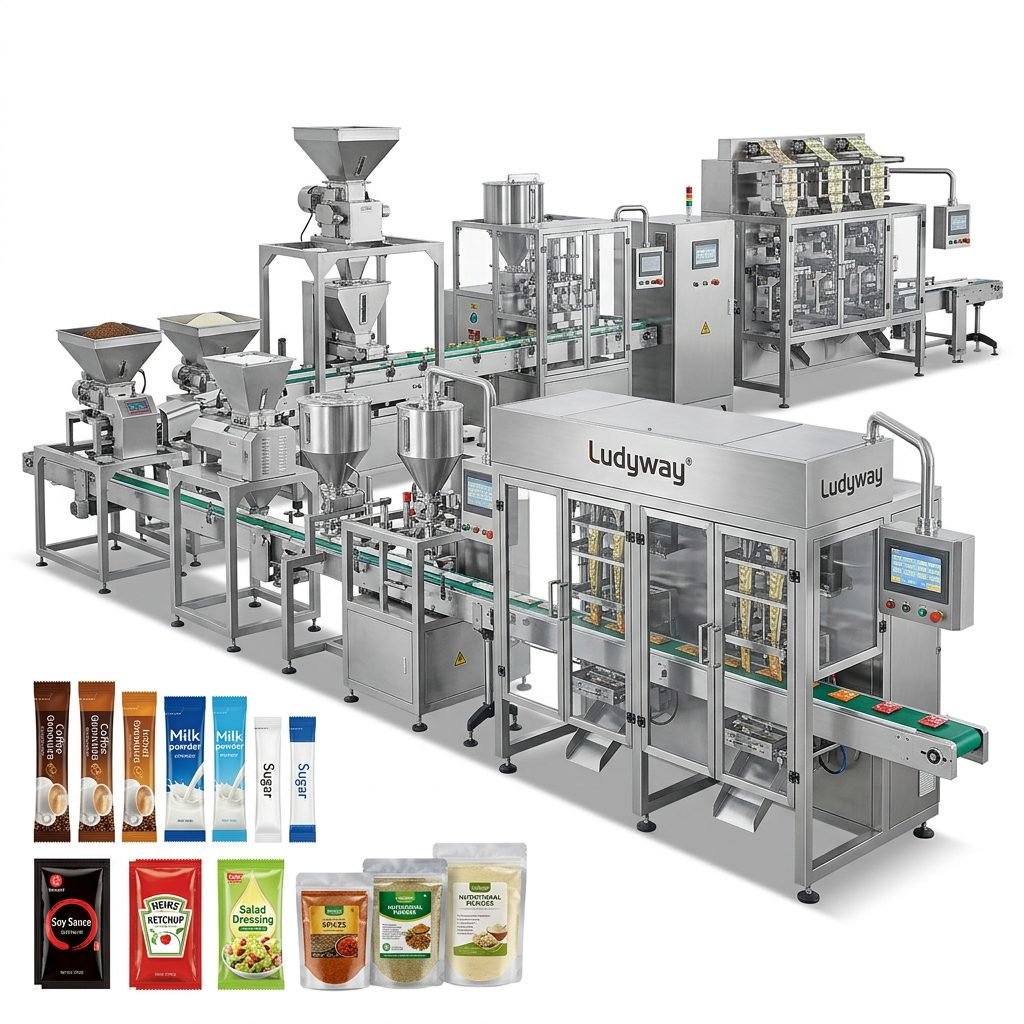
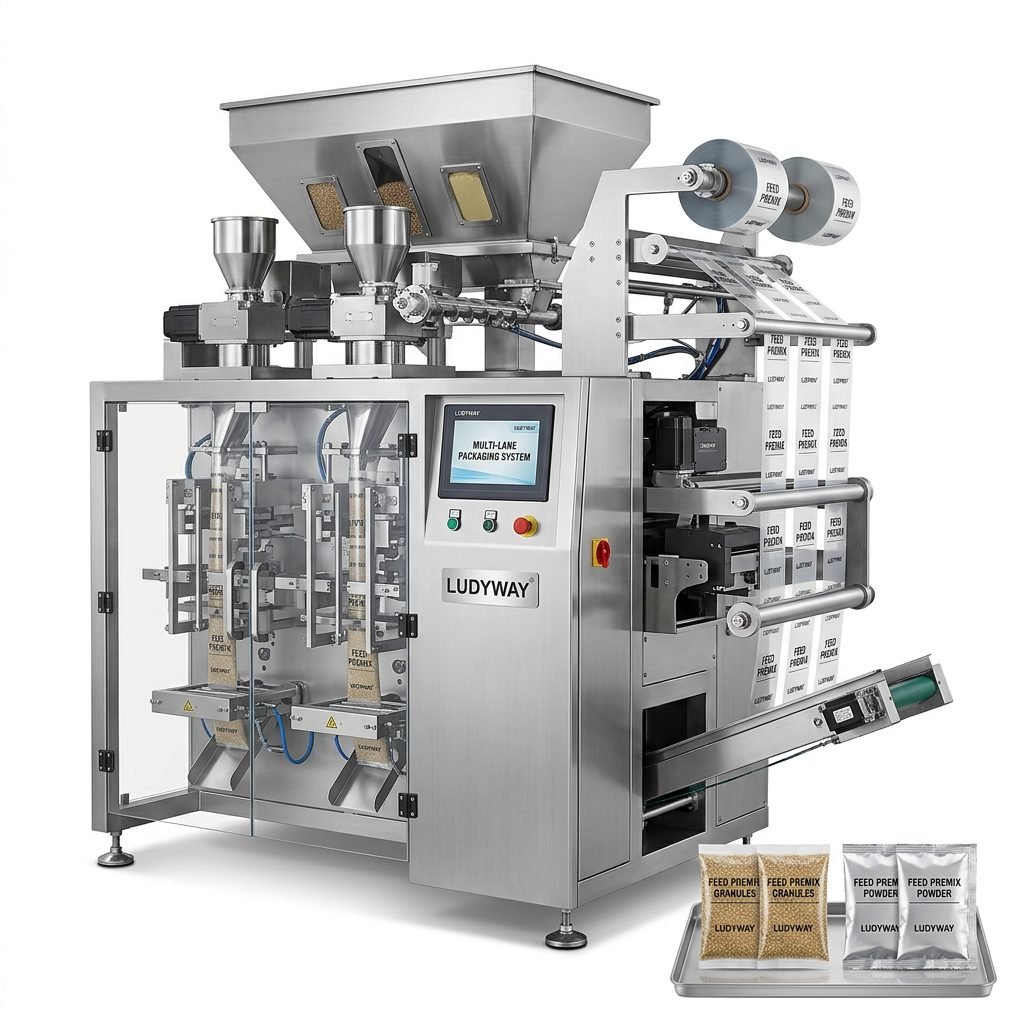
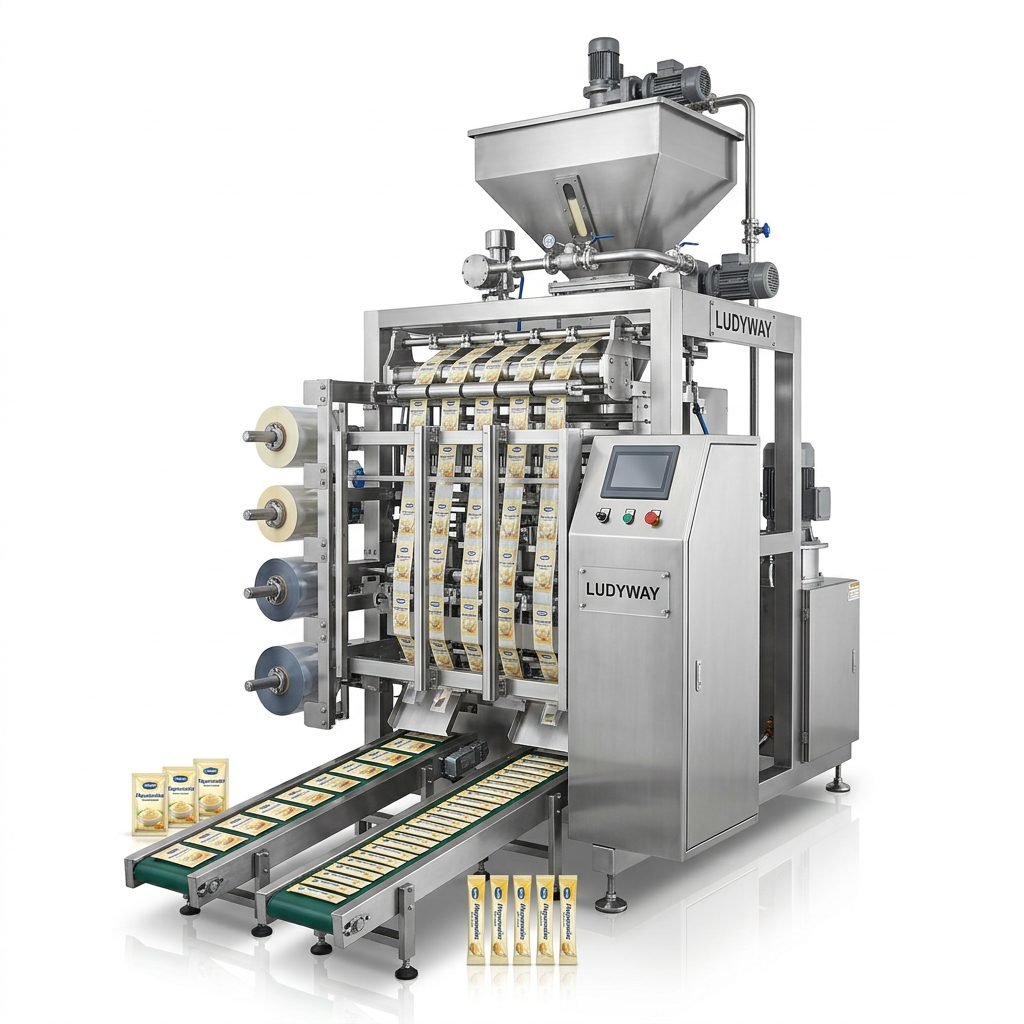
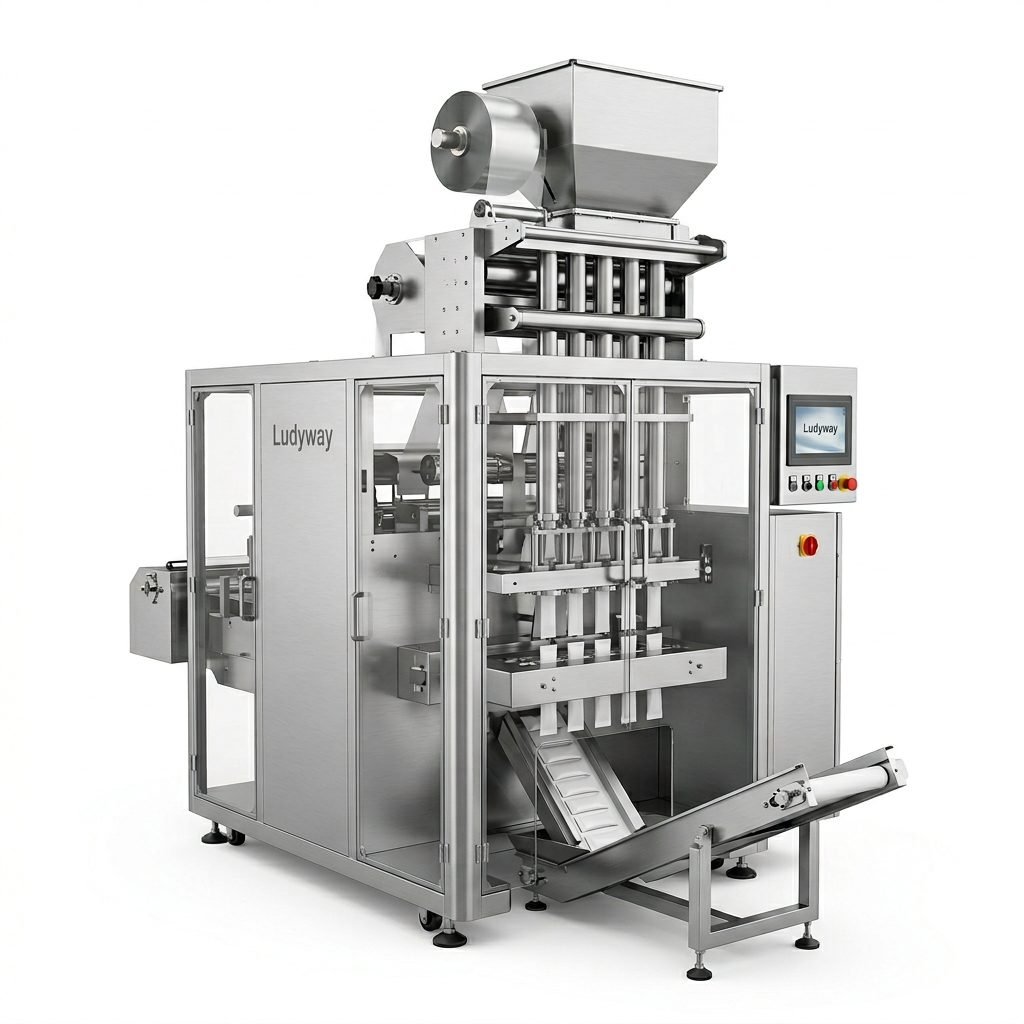
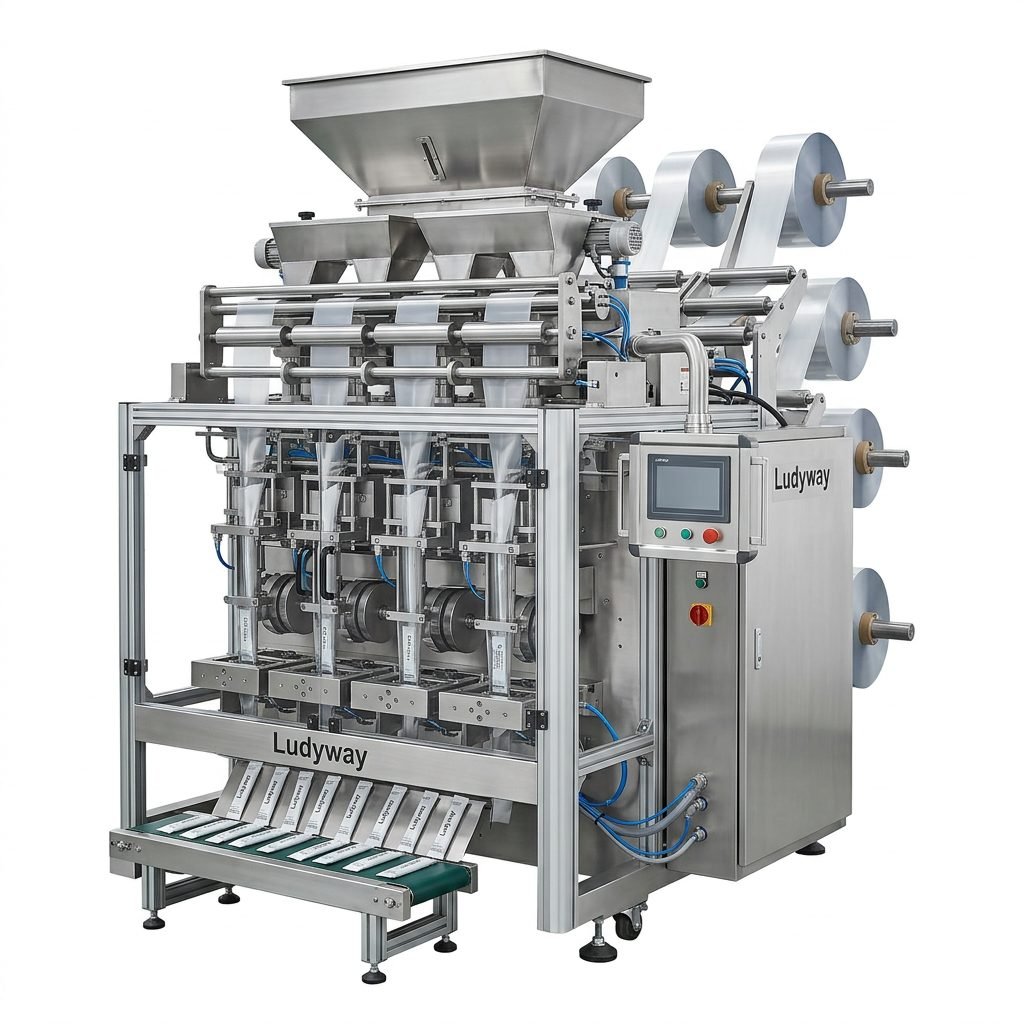
- Sachet and Stick Pack Machines: Increasingly popular for unit-dose powders (e.g., antibiotics, electrolytes, nutraceuticals). They form, fill, and seal single-serving packets from a roll of laminated film, offering convenience, accurate dosing, and improved moisture barrier compared to some bulk containers.
Secondary and Tertiary Packaging Equipment
This machinery handles the external packaging that contains the primary packages, facilitating handling, storage, distribution, and providing essential information.
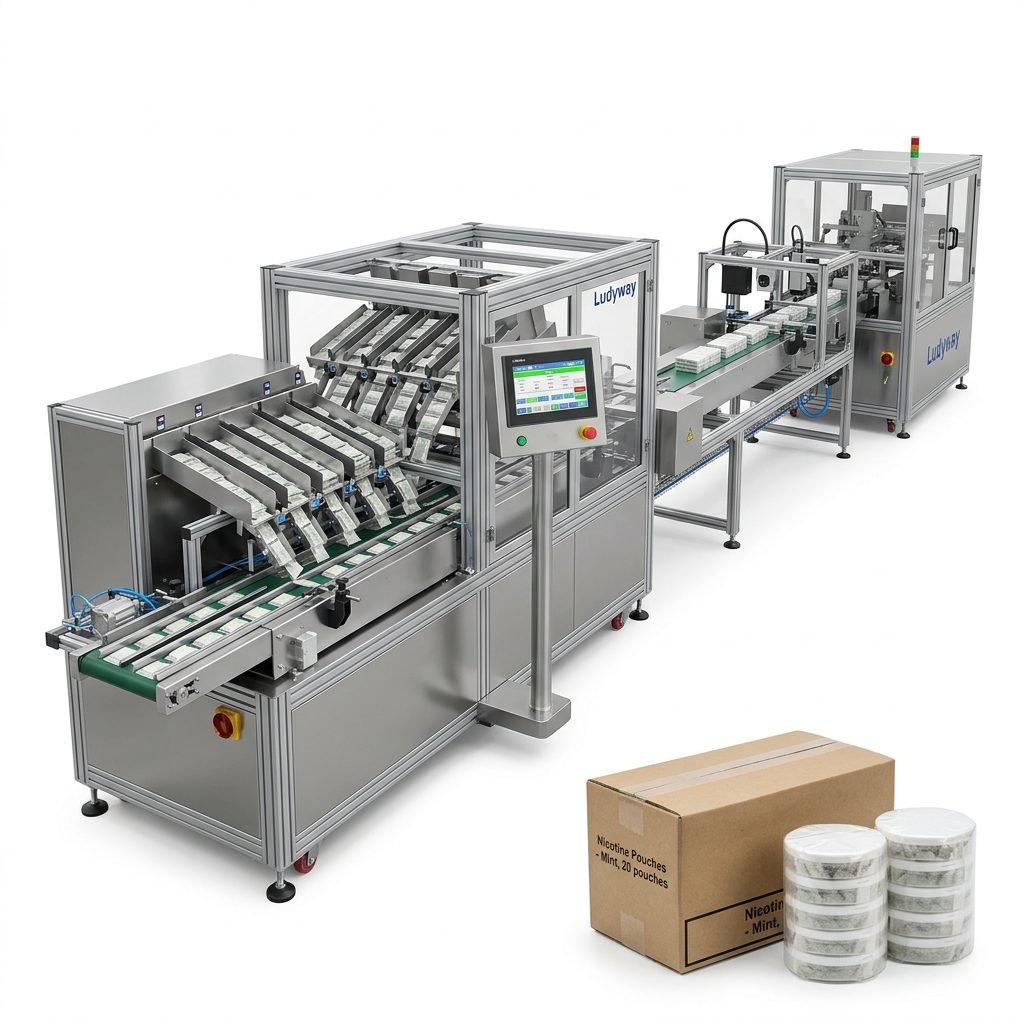
- Cartoning Machines: Automatically erect cartons, insert primary packages (blister packs, bottles, leaflets), and close them. They can include features for lot and expiry date printing and tamper-evident glue patterns.
- Case Packers and Palletizers: For tertiary packaging. Case packers automatically load finished cartons into shipping cases, which are then sealed. Palletizers robotically or mechanically stack cases onto pallets for stable transport.
- Bundling and Shrink Wrapping Machines: Used to group multiple primary or secondary packages together (e.g., bundling 10 blister packs) using shrink film, providing stability and tamper evidence for multi-packs.
Specialized Uses and Applications
Beyond basic containment, modern packaging equipment addresses specific pharmaceutical needs.
Enhancing Patient Safety and Compliance
Equipment is increasingly integrated with serialization and aggregation capabilities to meet global track-and-trace regulations (e.g., DSCSA, EU FMD). This involves printing unique codes (like 2D Data Matrix) on each saleable unit and creating parent-child logistical relationships between bundles, cases, and pallets.
Machinery for child-resistant (CR) and senior-friendly (SF) packaging is vital for certain medications, requiring specific folding, locking, or closure mechanisms that are difficult for children to open but manageable for adults.
For clinical trials and niche markets, flexible packaging solutions like sachet and stick pack machines are ideal. They allow for small batch runs, minimize product waste, and are perfectly suited for personalized medicine or sample doses. Companies like Ludyway Packing Machine specialize in providing such versatile and intelligent packaging systems that can be tailored for low to medium-volume production needs.
Key Selection Factors for Pharmaceutical Packaging Machinery
Choosing the right equipment requires a multi-faceted evaluation beyond just the purchase price.
1. Regulatory Compliance and Validation
This is non-negotiable. Equipment must be designed for easy cleaning and sanitization (with sanitary finishes like 316L stainless steel in product contact zones). It should support Installation Qualification (IQ), Operational Qualification (OQ), and Performance Qualification (PQ) protocols. Documentation, including a detailed User Requirement Specification (URS) and machine history file, is critical.
2. Product Characteristics and Compatibility
- Physical Form: Is it a tablet, powder, liquid, or sterile injectable? This dictates the filling technology (e.g., auger filler for powders, peristaltic pump for sensitive liquids).
- Sensitivity: Does the product require protection from light, moisture, or oxygen? The machine must be compatible with high-barrier packaging materials and potentially allow for gas flushing (nitrogen purging).
- Aseptic Requirements: For sterile products, equipment must be capable of integration into isolator or Restricted Access Barrier System (RABS) environments.
3. Operational Efficiency and Flexibility
Evaluate changeover time between different product formats or pack sizes. Quick-change parts and recipe-driven PLC controls are major advantages. Consider the machine speed (UPH – Units Per Hour) in relation to your required output and future growth. Flexibility to handle multiple package types (e.g., a machine that can run both sachets and stick packs) can be a significant asset for contract manufacturers or companies with diverse portfolios.
Partnering with a supplier known for decades of industry experience and strong engineering capabilities ensures access to equipment designed for reliable, long-term performance and adaptability.
4. Integration and Lifecycle Costs
The machine should integrate seamlessly into your existing line with standard communication protocols (e.g., OPC UA, Ethernet/IP). Consider the Total Cost of Ownership (TCO):
↳ • Initial capital investment.
↳ • Cost of consumables and spare parts.
↳ • Energy consumption.
↳ • Maintenance requirements and service support availability.
A supplier with a global service network and proven project delivery can minimize downtime and lifecycle costs.
5. Supplier Reliability and Support
The manufacturer’s reputation is paramount. Assess their experience in the pharmaceutical sector, quality management certifications (ISO 9001, cGMP alignment), and after-sales support structure. Availability of training, comprehensive documentation, and responsive technical service are crucial for maintaining continuous production.
Conclusion
Selecting the optimal packaging equipment in the pharmaceutical industry is a complex but vital process that intertwines engineering, regulation, and business strategy. From ensuring the sterility of a lifesaving injectable to providing a child-resistant package for a common analgesic, the right machinery safeguards the product and the patient. By thoroughly understanding the different equipment types, their specialized applications, and rigorously evaluating selection factors—compliance, product fit, efficiency, total cost, and supplier partnership—manufacturers can build robust, compliant, and efficient packaging operations that support both patient health and business success.
Frequently Asked Questions (FAQs)
What is the most critical factor when choosing packaging equipment for sterile products?
The paramount factor is the machine’s ability to operate within and maintain the required aseptic environment. This includes design for clean-in-place (CIP) or steam-in-place (SIP) procedures, use of sanitary materials, and compatibility with isolators or RABS. Validation support for aseptic processing is also non-negotiable.
How important is equipment flexibility for a pharmaceutical manufacturer?
Flexibility is increasingly important due to smaller batch sizes for niche drugs, personalized medicine, and frequent product launches. Equipment with quick changeover capabilities and the ability to handle multiple package formats (e.g., different sachet sizes) can significantly reduce downtime and increase overall equipment effectiveness (OEE), providing a better return on investment.
What are the main cost considerations beyond the initial machine purchase?
The Total Cost of Ownership (TCO) includes ongoing costs for validated spare parts, specialized tooling for changeovers, preventive maintenance contracts, energy consumption, operator training, and potential costs associated with machine downtime. A slightly higher initial investment in a more reliable and efficient machine often results in a lower TCO.
Why is serialization integration a key feature in modern packaging lines?
Serialization (printing unique identifiers on each saleable unit) and aggregation (linking serialized units to their cases and pallets) are legally mandated in many major markets (USA, EU, China, etc.) to combat counterfeit drugs and ensure supply chain integrity. Packaging equipment must either have built-in serialization modules or easily interface with external ones to ensure compliance.
Can the same packaging machine be used for both pharmaceutical and nutraceutical products?
Potentially, but with critical caveats. The machine’s design and construction materials must meet pharmaceutical cGMP standards. A thorough cleaning and changeover procedure must be validated to prevent cross-contamination. It is often more straightforward to use dedicated equipment for pharmaceutical products to eliminate any risk of regulatory non-compliance.