Selecting the right parts packaging equipment is a critical decision for manufacturers across industries. The efficiency, reliability, and adaptability of your packaging system directly impact production speed, product integrity, and overall operational costs. This guide explores the primary types of parts packaging equipment, their applications, and provides a framework for choosing the optimal system for your specific needs.
Primary Types of Parts Packaging Equipment
Understanding the machinery categories is the first step toward an informed selection.
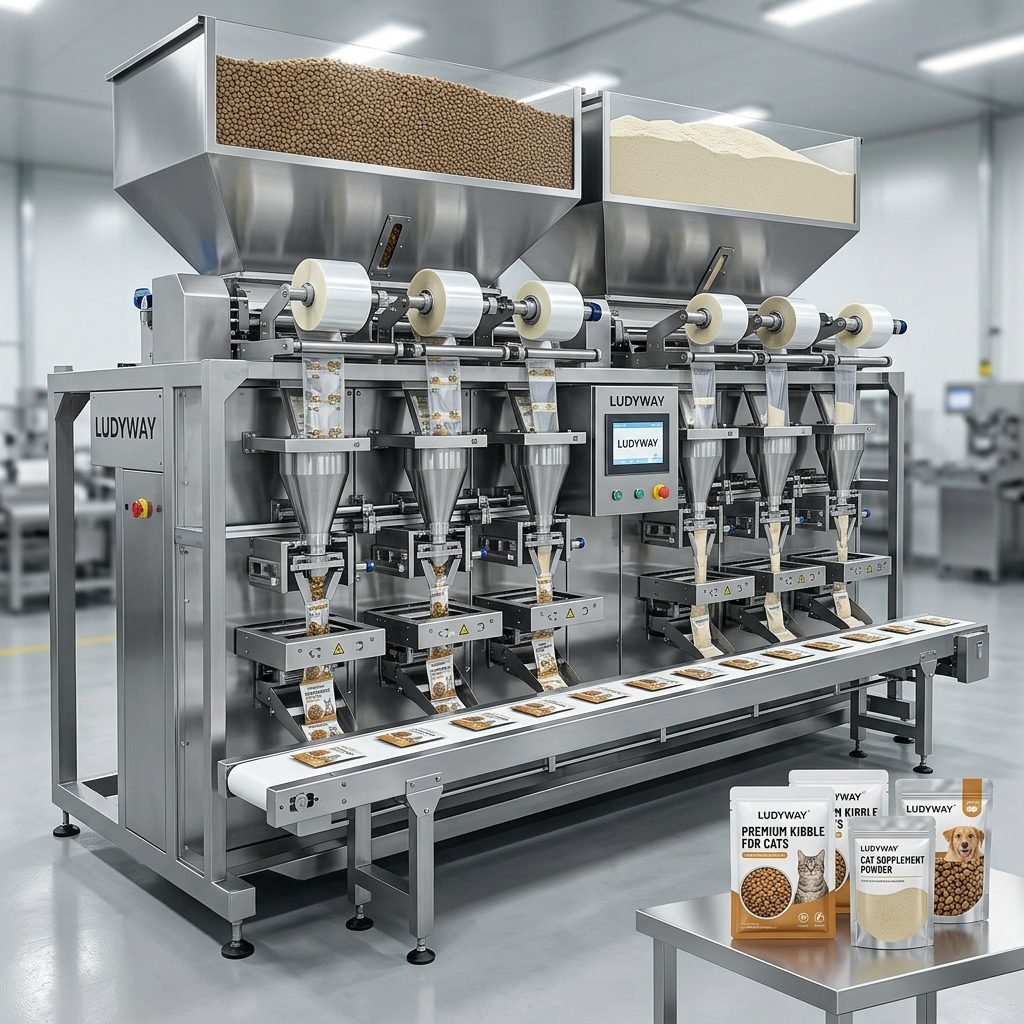
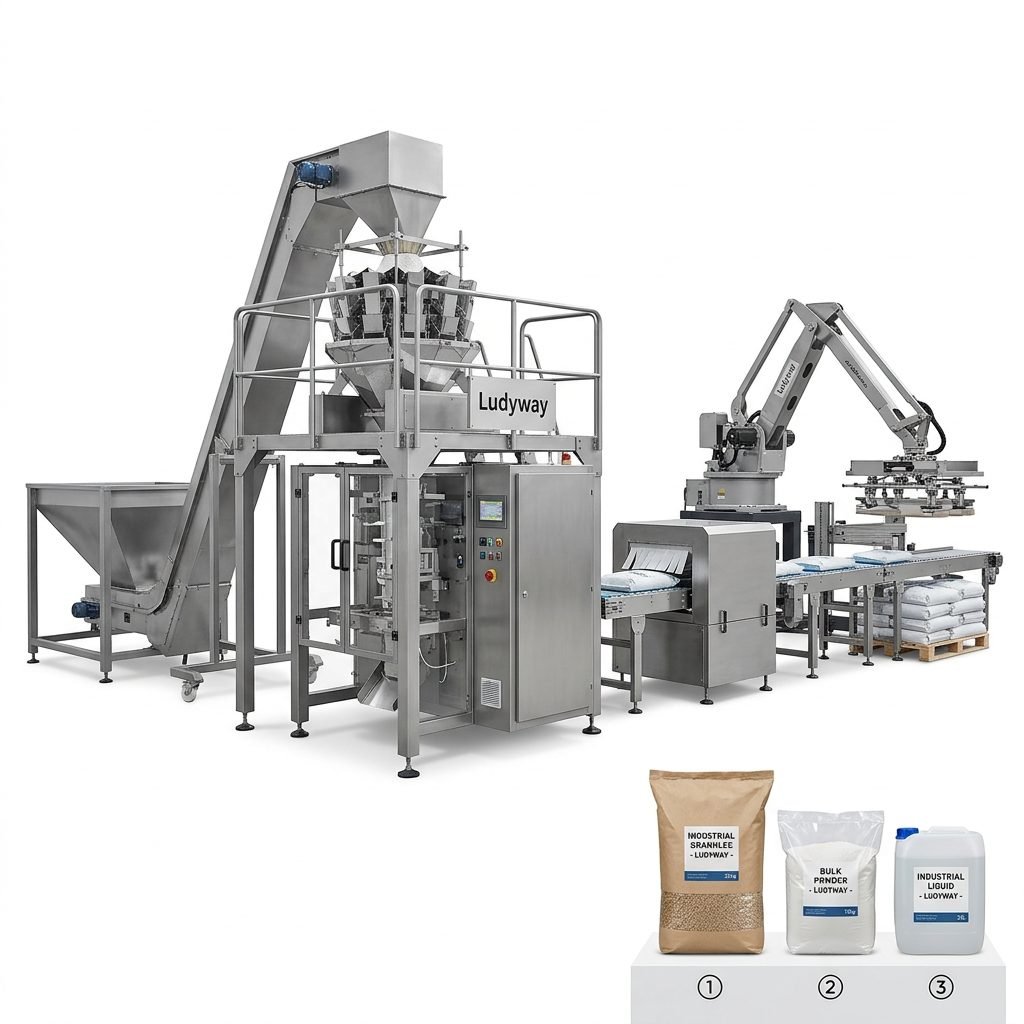
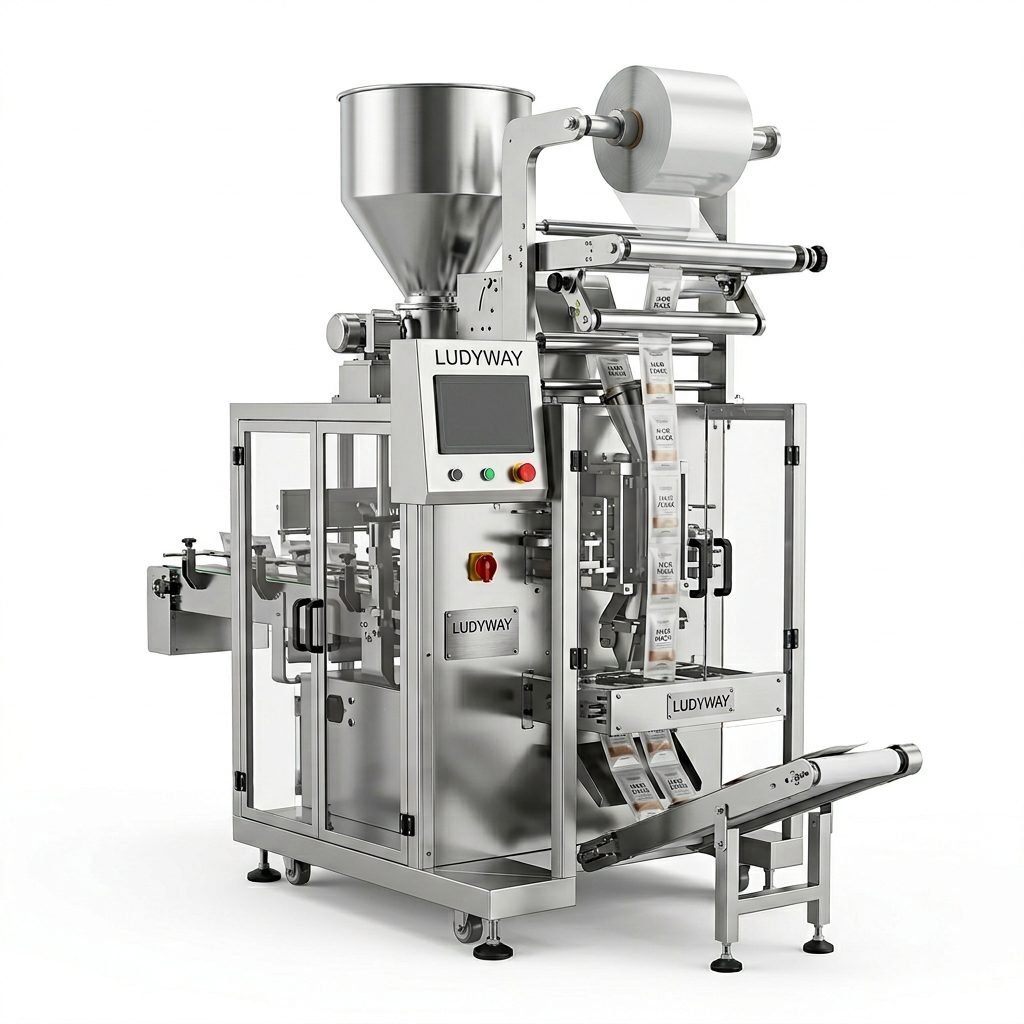
1. Automated Bagging & Sacking Systems
These systems are designed for packaging loose parts into bags or sacks. They often include automated weighing, filling, sealing, and labeling modules. High-speed variants can handle thousands of units per hour, making them ideal for bulk commodities like hardware components, fasteners, or agricultural parts.
2. Blister & Clamshell Packaging Machines
This equipment forms a transparent plastic blister over a part seated on a cardboard backing (clamshell). It provides excellent product visibility and protection against dust and handling. Common applications include retail-ready electronic components, medical device kits, and consumer goods where display and security are paramount.
3. Cartoning & Case Packing Systems
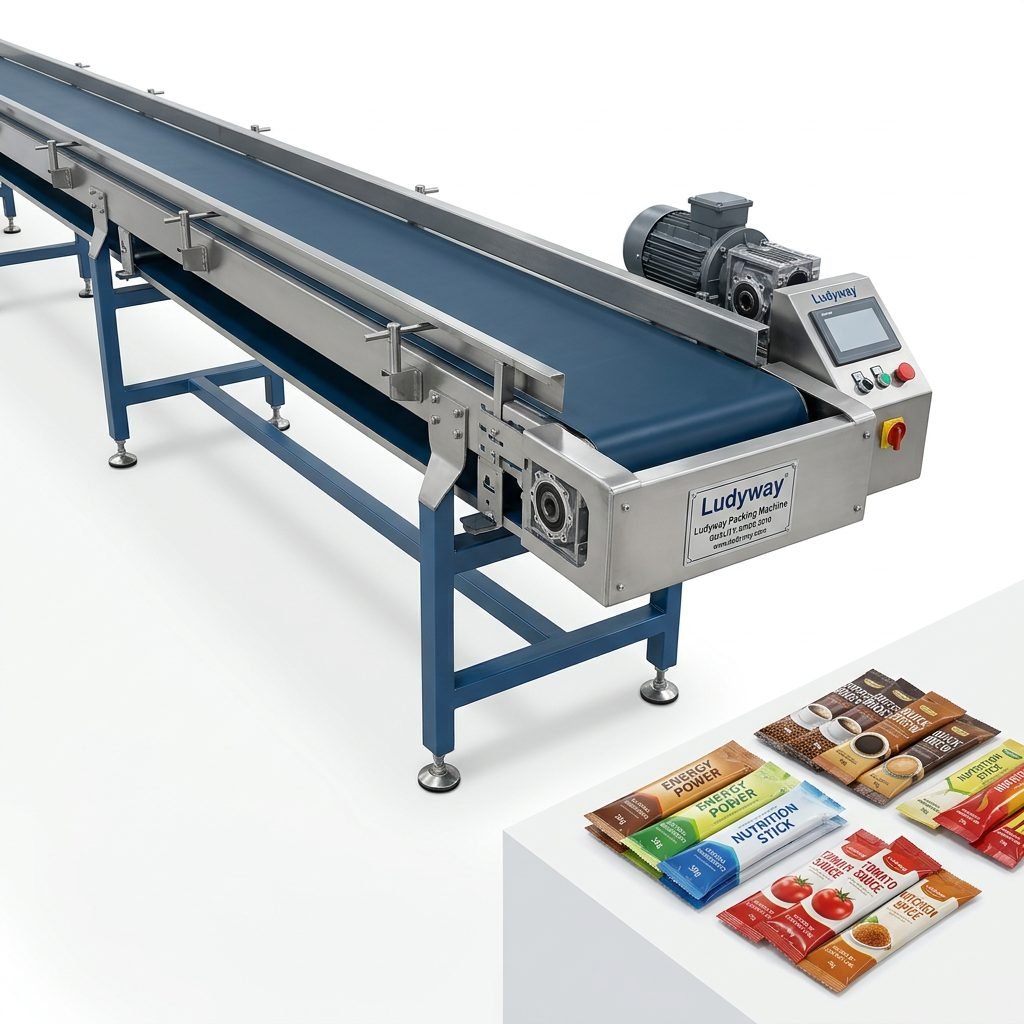
These machines automatically erect cartons or cases, insert the packaged parts (often from a secondary bagging or blister line), and seal them. They range from simple semi-automatic machines to fully integrated robotic loading systems. They are essential for final distribution-ready packaging in logistics and warehousing.
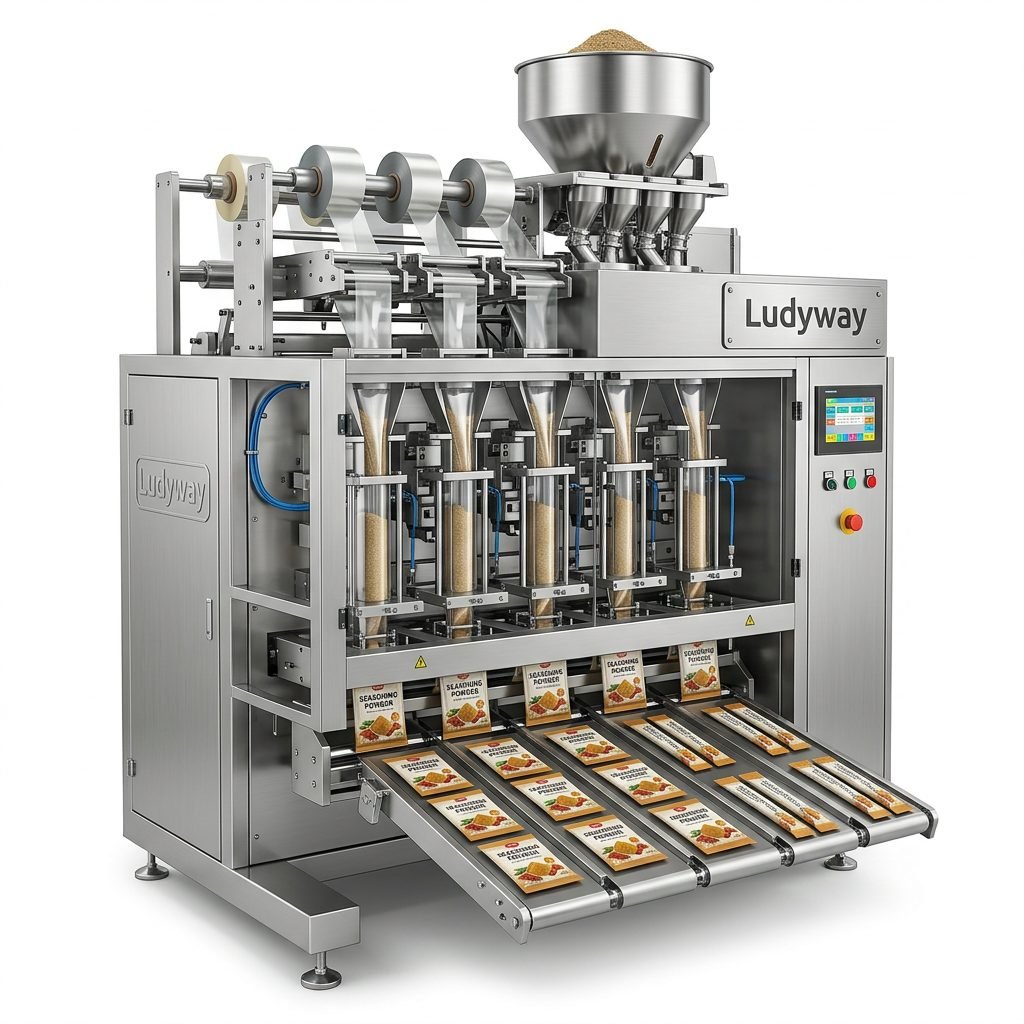
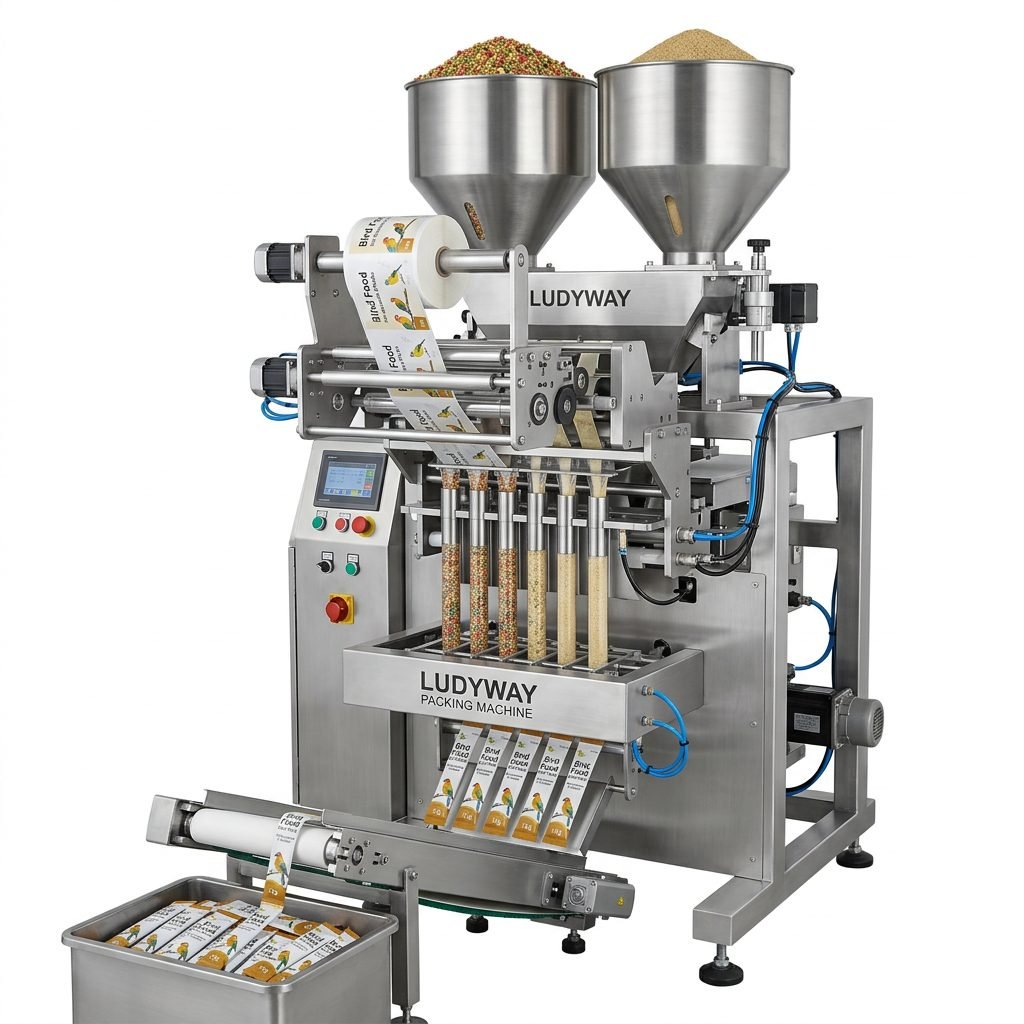
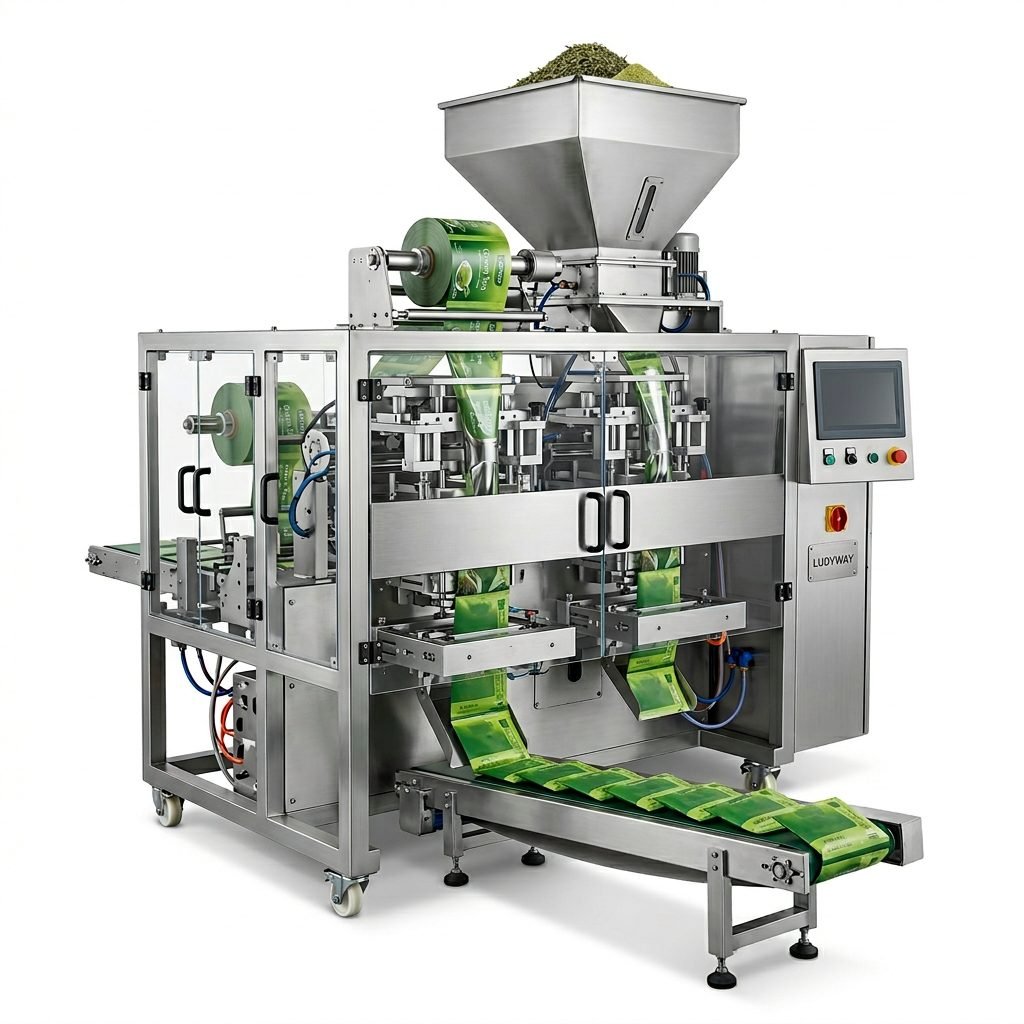
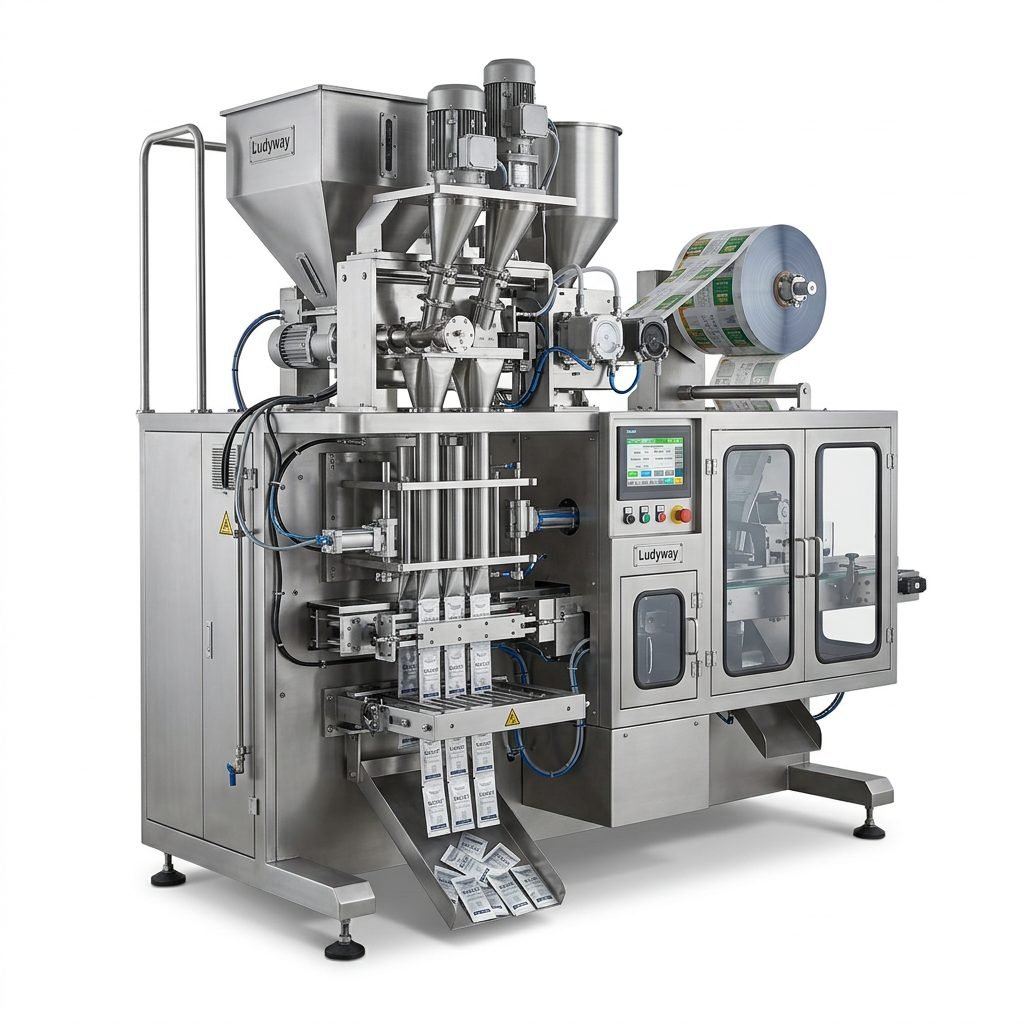
4. Multi-Lane Stick Pack & Sachet Machines
While traditionally used for granular foods or powders, advanced models are increasingly used for small, precise parts like micro-electronic components, seeds, or chemical samples. They create individual, sealed stick packs or sachets, offering unit-dose convenience and excellent contamination barrier.
Key Applications Across Industries
The choice of equipment heavily depends on the industry sector and the nature of the parts.
Automotive & Industrial Manufacturing
Here, packaging often focuses on protection during transit and efficient handling in assembly plants. Robust bagging systems for bolts and gaskets, or specialized cartoning for sensitive sensors, are typical. Speed and durability of the equipment are critical due to high-volume production runs.
Electronics & Semiconductor
This sector demands ultra-clean, precise, and often anti-static packaging. Blister packs with custom-formed cavities protect delicate circuits. Stick pack machines can be used for packaging individual microchips or connectors in a controlled environment. The equipment must often integrate with cleanroom protocols.
Pharmaceutical & Medical Devices
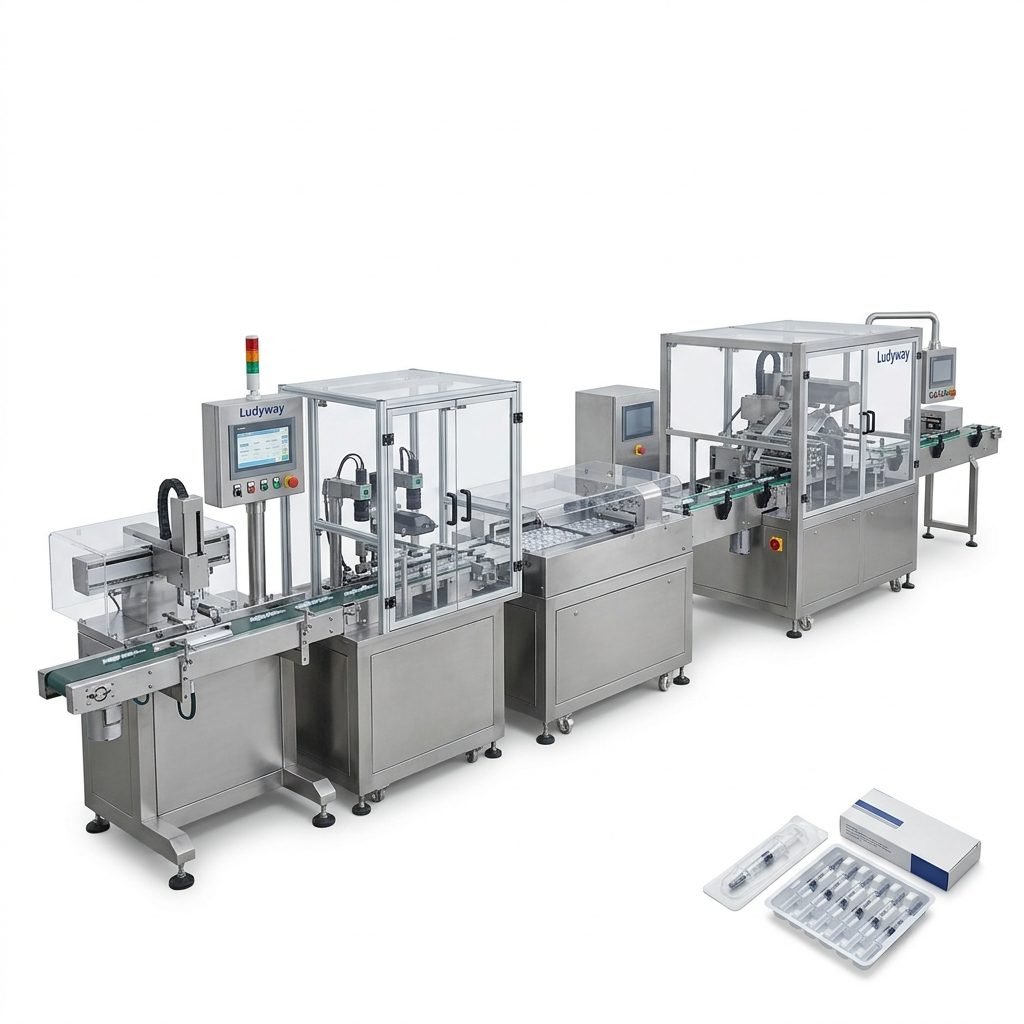
Beyond product protection, packaging must comply with stringent regulatory standards for sterility and traceability. Equipment often includes features for serial number printing, tamper-evident sealing, and validation documentation. Blister and sachet machines are prevalent for unit-dose packaging.
Consumer Goods & Retail
The focus shifts to marketing and consumer experience. Clamshell packaging showcases the product. Equipment needs to handle diverse part shapes and incorporate attractive graphics. Flexibility to change packaging designs frequently is a valuable feature.
How to Choose the Right Packaging System
A systematic approach ensures your investment meets long-term operational goals.
Step 1: Analyze Your Product & Requirements
Define your part’s physical characteristics (size, weight, fragility, material), required packaging materials, and output speed (parts per minute/hour). Also consider any special needs like humidity control, light blocking, or regulatory compliance.
Step 2: Evaluate Production Volume & Scalability
Match the machine’s capacity to your current and projected future volumes. A modular system that allows for adding lanes or functions can be more cost-effective than a massive, fixed-capacity machine for a growing business.
Step 3: Assess Integration with Existing Lines
The new equipment must seamlessly integrate with upstream (part production) and downstream (labeling, palletizing) processes. Consider communication protocols (PLC, SCADA), physical layout, and material flow compatibility.
Step 4: Prioritize Reliability & Service Support
Investigate the manufacturer’s reputation for machine durability and mean time between failures (MTBF). Availability of local or responsive technical support, spare parts, and comprehensive training is crucial for minimizing downtime.
Step 5: Consider Flexibility & Changeover Time
If you package multiple part types or frequently update packaging designs, equipment with quick changeover features—like adjustable forming tools, easy programming interfaces, and rapid material reel changes—is essential.
Step 6: Analyze Total Cost of Ownership (TCO)
Look beyond the initial purchase price. Calculate costs for energy consumption, required consumables (films, adhesives), maintenance, potential floor space, and operator training. A slightly more expensive but efficient and reliable machine often has a lower TCO.
By meticulously following these steps, you can narrow down the equipment options to those that truly align with your technical, operational, and financial parameters. Engaging with experienced suppliers like Ludyway Machinery, who can provide tailored solutions and real-world application insights, is highly recommended. They offer a range of over 50 models, from standard machines to customized turnkey production lines, backed by substantial engineering and manufacturing expertise.
Common Questions (FAQs)
What is the typical lead time for installing a new parts packaging system?
Lead times vary from a few weeks for standard, off-the-shelf machines to several months for fully customized, integrated turnkey lines. Factors include machine complexity, customization level, and current manufacturer backlog.
Can one machine handle parts of vastly different sizes and shapes?
Some versatile machines are designed with adjustable tooling and wide parameter ranges to handle a family of similar parts. However, extreme size differences usually require dedicated tooling or separate machines for optimal efficiency and quality.
How important is automation versus semi-automation for small batches?
For low-volume, high-variability production, semi-automatic machines offer lower upfront cost and greater operator control for changeovers. Full automation becomes economically justified with higher volumes, consistent part shapes, and the need to reduce labor costs and errors.
What are the key maintenance routines for these machines?
Daily cleaning, weekly lubrication of specific points, and periodic inspection of seals, sensors, and moving parts are standard. The manufacturer’s manual provides a detailed schedule. Predictive maintenance using IoT sensors is becoming more common on advanced equipment.
How do I ensure the packaging meets international shipping standards?
Choose equipment that can utilize materials tested for durability (e.g., puncture-resistant films) and integrate with sealing methods that meet ISTA (International Safe Transit Association) or similar protocol requirements. Your supplier should have experience in packaging for export.