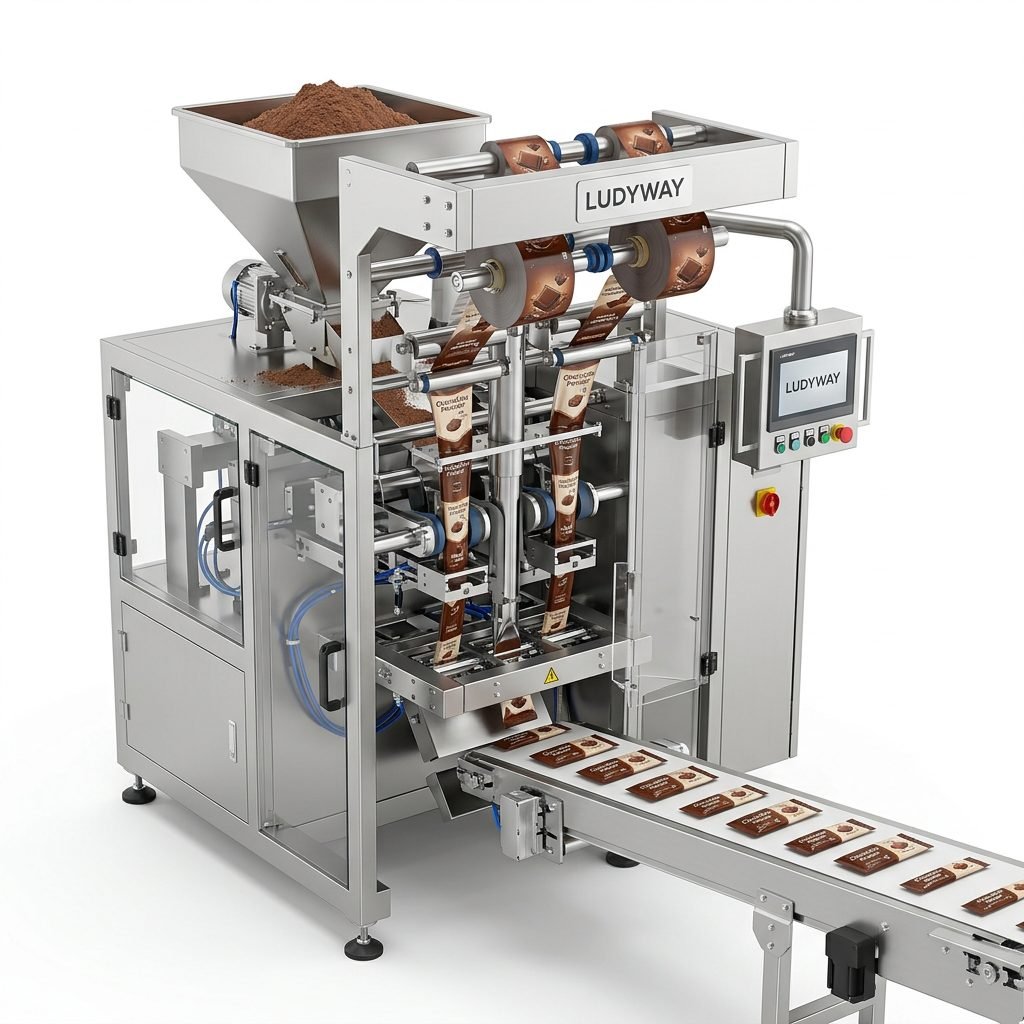
In today’s fast-paced manufacturing landscape, efficiency and reliability are paramount. For businesses in the food, beverage, and industrial sectors, packaging is not merely the final step but a critical component of the production process that directly impacts product integrity, shelf appeal, and operational costs. High-efficiency packaging machines, like the advanced ABC series, have become indispensable assets, enabling manufacturers to meet stringent quality standards, adapt to market demands, and maintain a competitive edge.
The Core Advantage: Precision & Speed
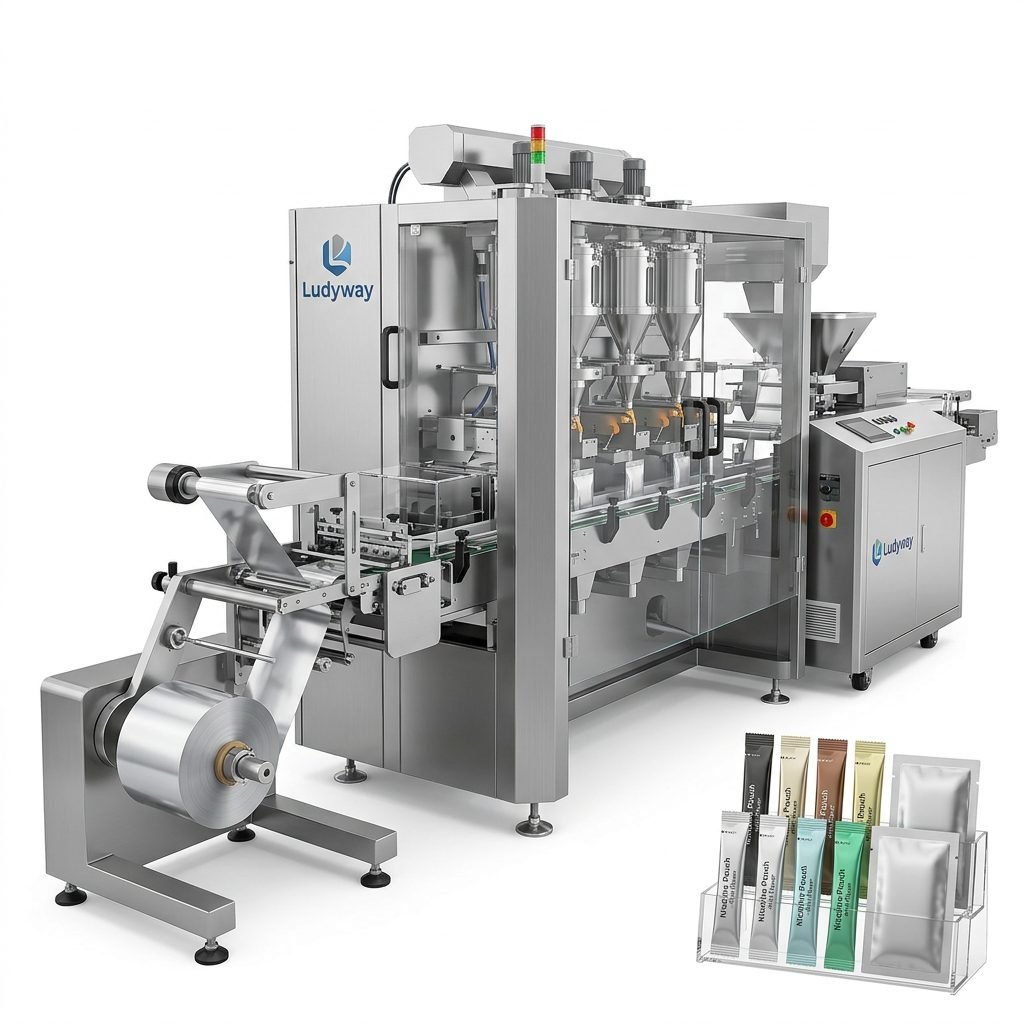
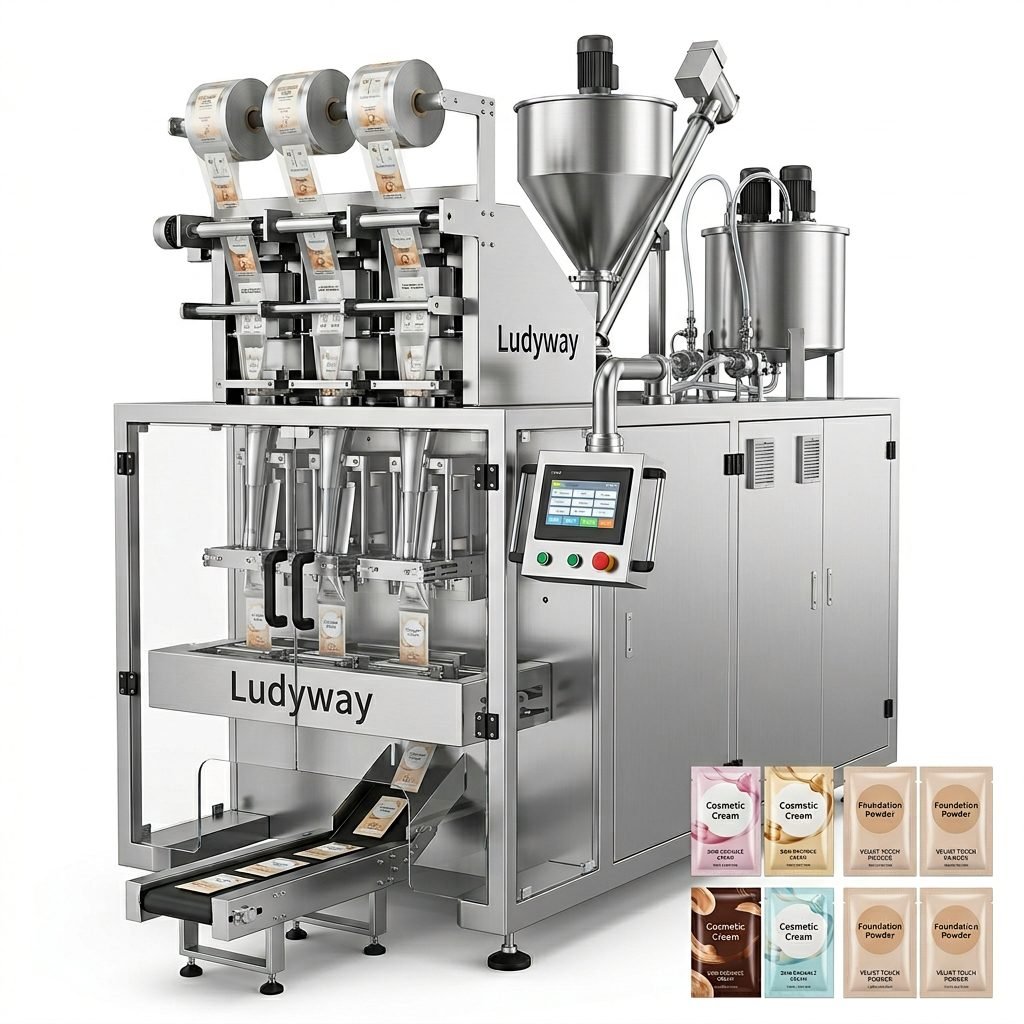
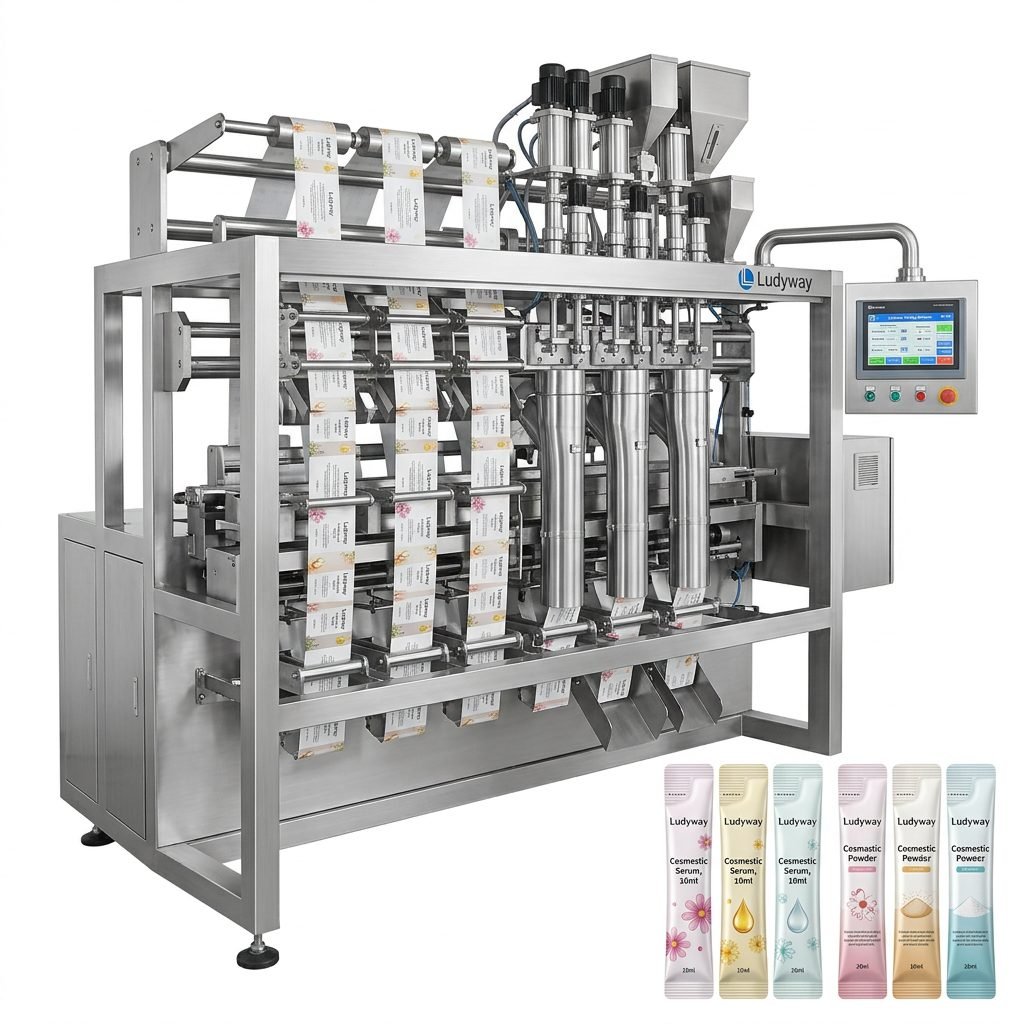
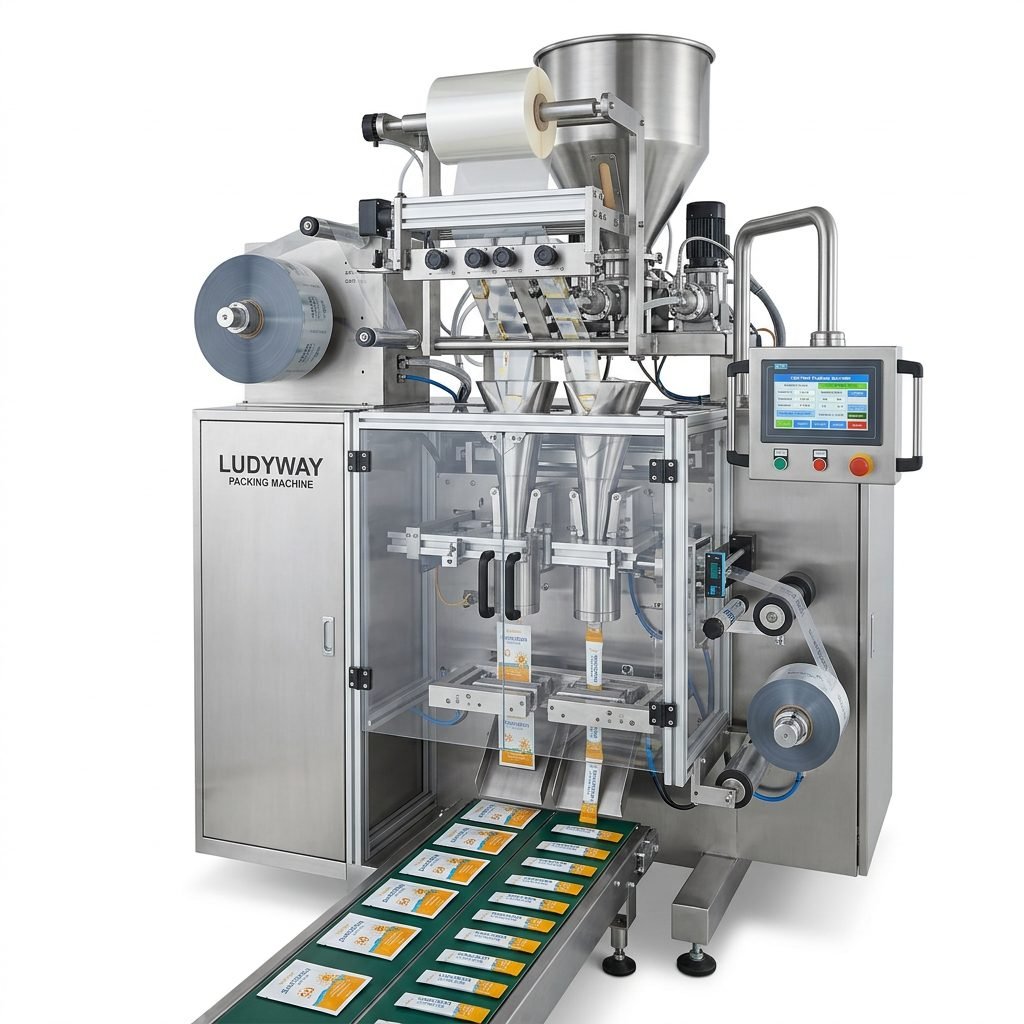
The defining characteristic of high-efficiency machines is their ability to merge unparalleled precision with remarkable speed. In food packaging, for instance, maintaining consistent fill weights for products like spices, instant drink mixes, or sauces is non-negotiable for both cost control and regulatory compliance. Modern multi-lane stick pack and sachet packaging systems achieve this through sophisticated servo-driven technology, ensuring each unit is identical. This precision drastically reduces product giveaway—a significant source of waste and lost revenue—while the high-speed operation maximizes output, allowing production lines to scale effectively with demand.
Transforming Food & Beverage Production
The food and beverage industry presents unique challenges, including hygiene, freshness preservation, and often, the handling of diverse product consistencies—from fine powders to viscous liquids. High-efficiency packaging machines are engineered to address these specifics head-on.
Adapting to Product Diversity
Whether it’s portion-controlled sugar sticks for coffee shops, single-serve condiment sachets for quick-service restaurants, or powdered nutritional supplements, flexibility is key. Advanced machines allow for quick changeovers between different packaging formats and product types. This agility enables manufacturers to run shorter, more customized batches without sacrificing efficiency, catering to the growing trend of product variety and personalized consumer options.
Ensuring Safety and Extending Shelf Life
Beyond speed, these systems incorporate features critical for food safety. Many models are constructed with food-grade stainless steel and designed for easy cleaning and sanitation (CIP/SIP systems in some advanced units). Furthermore, they can be seamlessly integrated with modified atmosphere packaging (MAP) technology. By replacing the air inside a package with a protective gas mix, MAP significantly extends shelf life, reduces preservative use, and preserves the taste, texture, and nutritional value of fresh products like cheeses, snacks, and prepared meals.
! Key Industrial Applications Beyond Food
The principles of high-speed, reliable packaging are equally vital in industrial production. Sectors such as:
- Pharmaceuticals: Packaging single-dose powders, granules, or liquids with absolute accuracy and in controlled environments.
- Chemicals & Agrochemicals: Safely packaging detergents, fertilizers, or pesticides into durable, sealed sachets.
- Hardware & DIY: Portioning screws, adhesives, or lubricants into user-friendly packs.
In these fields, the robustness of the machinery and its ability to handle sometimes abrasive or corrosive materials with perfect seal integrity is just as important as speed.
The Role of Automation and Smart Integration
True high-efficiency transcends the mechanical. The latest generation of packaging equipment is defined by its intelligence. Integrated PLC controls and HMI touchscreens provide operators with intuitive command over every parameter—from film tension and seal temperature to production counts and fault diagnostics. This connectivity is the gateway to Industry 4.0.
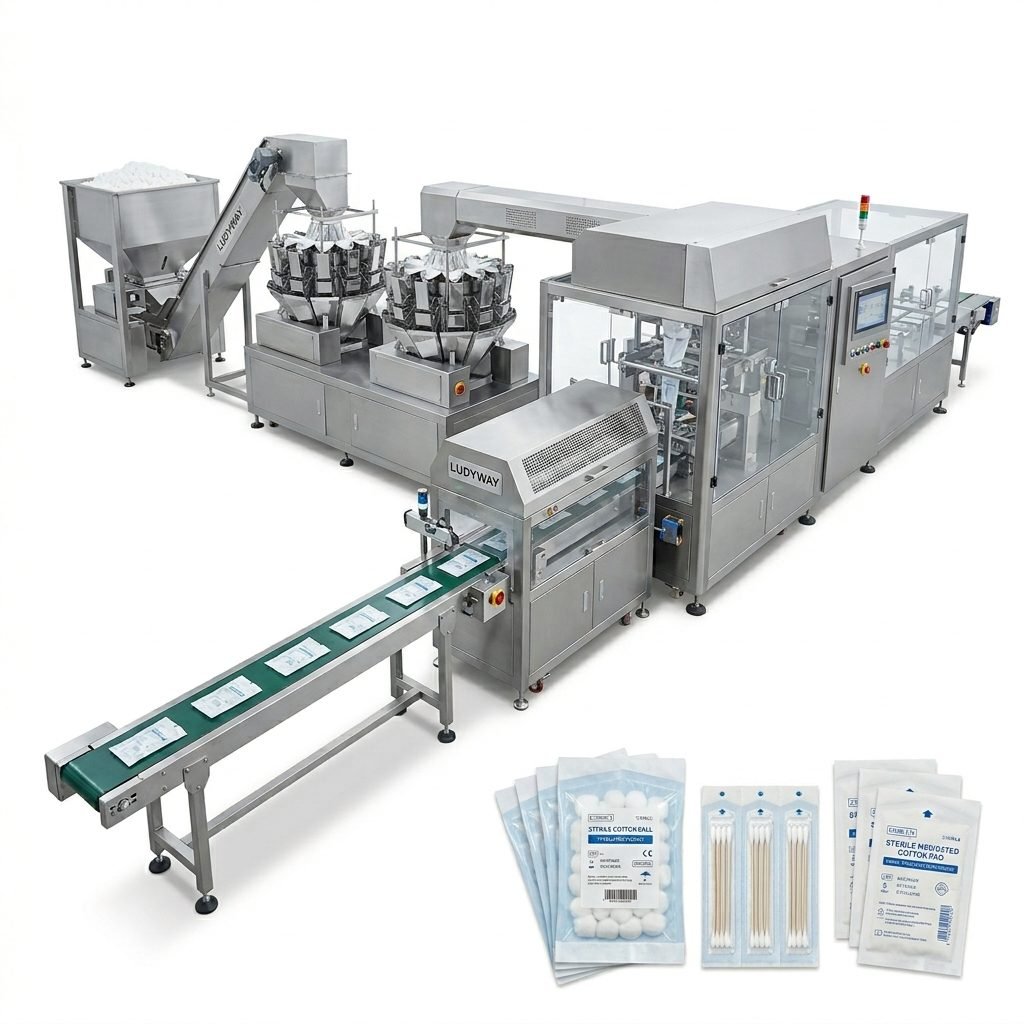
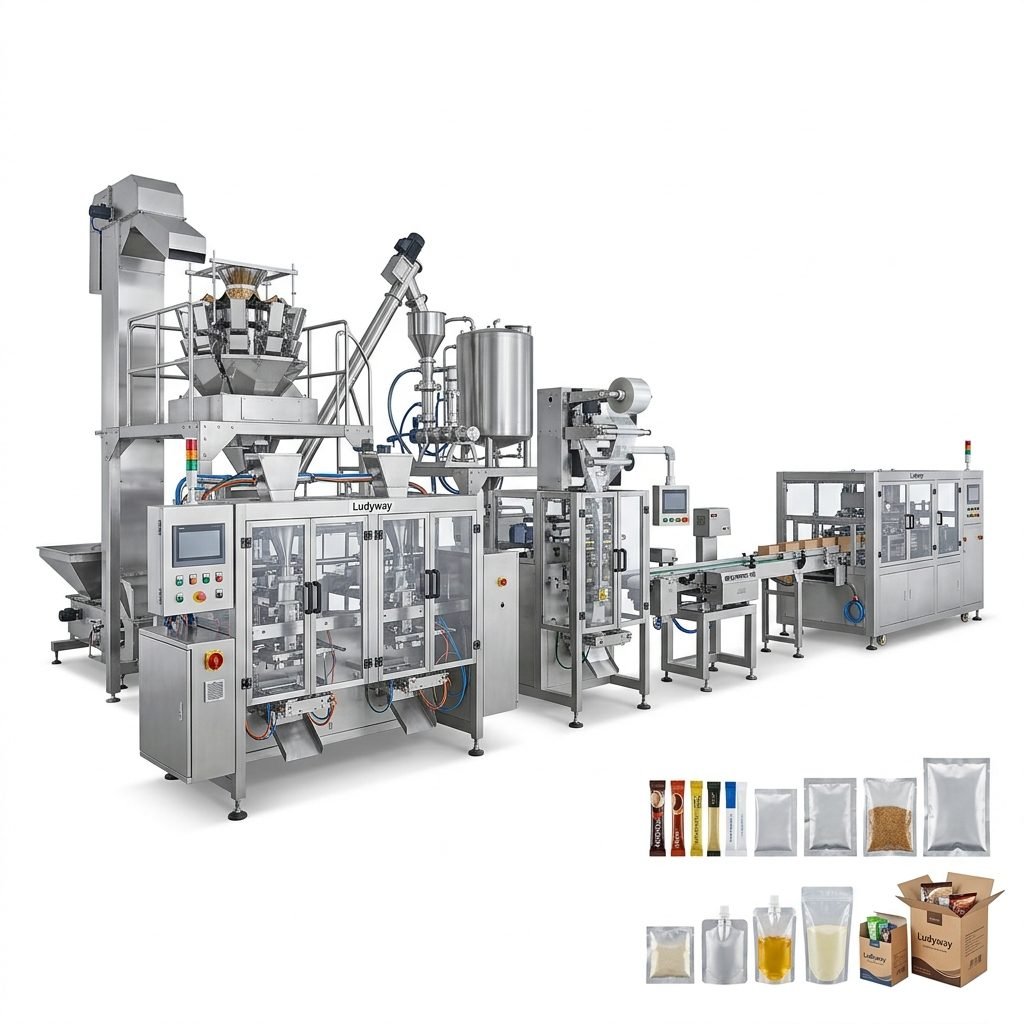
Machines can feed real-time performance data into centralized Manufacturing Execution Systems (MES), enabling predictive maintenance, detailed OEE (Overall Equipment Effectiveness) tracking, and seamless coordination with upstream and downstream equipment like mixers, fillers, and cartoners. This creates a synchronized, streamlined production line that minimizes downtime and optimizes the entire workflow.
Choosing the Right Partner for Your Packaging Needs
Investing in high-efficiency packaging technology is a strategic decision. The choice of equipment provider is crucial. Look for a partner with proven expertise and a commitment to innovation. For example, Ludyway Machinery, with its foundation in 2010, has built a reputation by focusing on the specific needs of the food, pharmaceutical, and health industries. A partner with deep industry experience understands not just the machinery, but the challenges of your production environment.
Beyond the Machine: Total Support Matters
A high-quality machine is only one part of the solution. Comprehensive support ensures its value is realized over its entire lifecycle. This includes:
Customization: The ability to tailor machine functions to your unique product and line layout.
Training & Documentation: Empowering your team to operate and maintain the equipment confidently.
Technical Service & Spare Parts: Ensuring rapid response and minimal disruption in case of need, a hallmark of a globally oriented supplier.
Ultimately, high-efficiency ABC packaging machines represent more than an equipment upgrade; they are a catalyst for operational transformation. By delivering consistent quality at higher speeds, reducing waste, and integrating into smarter production ecosystems, they empower food, beverage, and industrial producers to build more resilient, profitable, and future-ready operations. In a market where adaptability and efficiency define success, the right packaging technology is not an expense—it’s a powerful strategic investment.
Frequently Asked Questions (FAQs)
1. What are the main benefits of upgrading to a high-efficiency packaging machine?
The primary benefits include significantly increased production output (speed), improved accuracy in filling which reduces product giveaway, enhanced packaging quality and consistency, greater flexibility for different products and pack sizes, and better integration capabilities for automated production lines, leading to lower long-term operational costs.
2. Can these machines handle both food and industrial products?
Yes, but configuration is key. Many high-efficiency platforms are designed to be adaptable. For food-grade applications, machines feature food-contact safe materials and easier sanitation. For industrial chemicals or abrasive materials, they can be outfitted with more resistant components. It is essential to discuss your specific product characteristics with the supplier to ensure the correct machine specification.
3. How difficult is it to change packaging formats (e.g., from stick packs to sachets)?
Modern machines prioritize quick changeover. While switching between fundamentally different formats may require a change of parts (like forming tubes), changes within a format—such as sachet size or sealing pattern—are often managed digitally through the machine’s control panel, taking minutes rather than hours, which maximizes production uptime.
4. What kind of maintenance do these automated machines require?
Regular preventive maintenance is crucial for sustained efficiency. This typically includes daily cleaning, lubrication of moving parts as per the manual, and inspection of critical components like sealing jaws and cutting blades. Advanced machines with smart diagnostics can even alert operators to impending maintenance needs, preventing unexpected breakdowns.
5. Is technical training and support provided with the machinery?
Reputable suppliers provide comprehensive training for your operators and maintenance technicians upon installation. This is often complemented by detailed manuals and video guides. Ongoing technical support—via phone, email, or remote diagnostics—and reliable access to genuine spare parts are critical services to confirm before purchase.