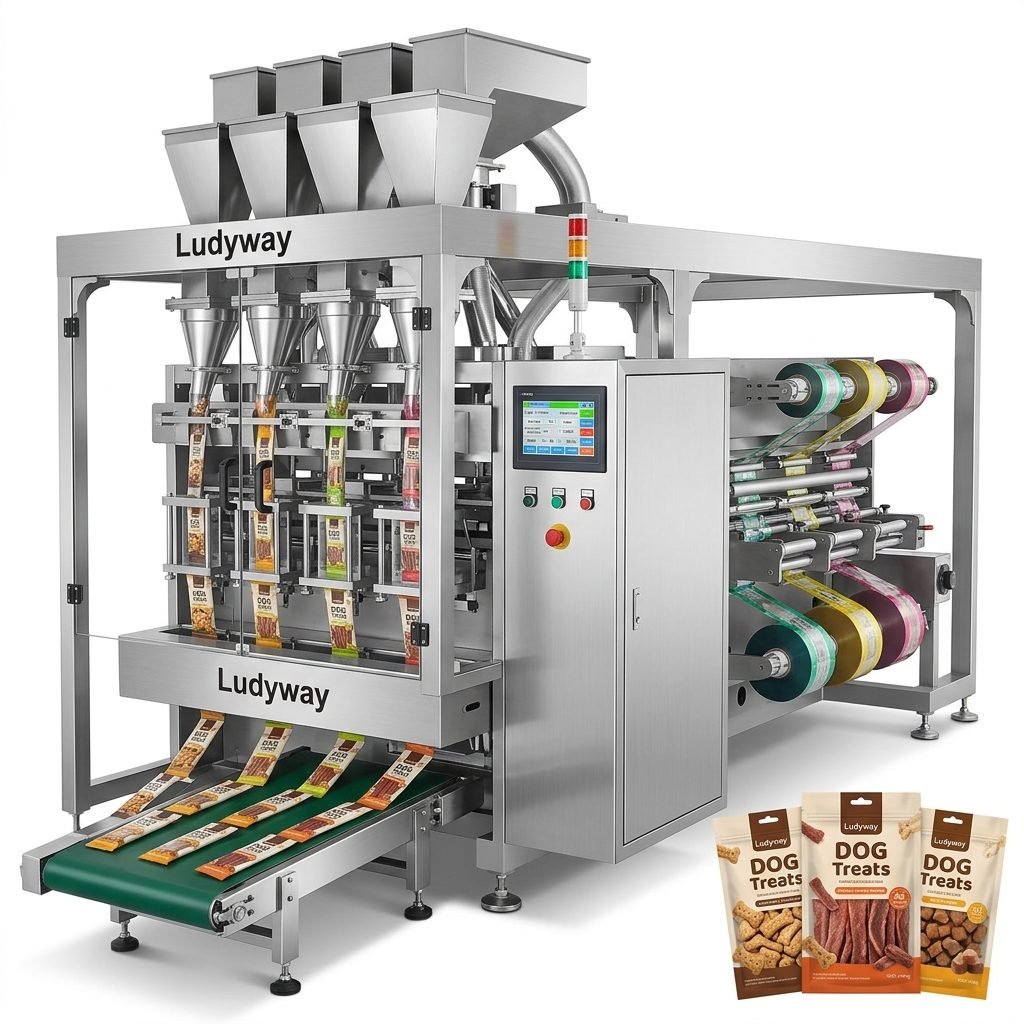
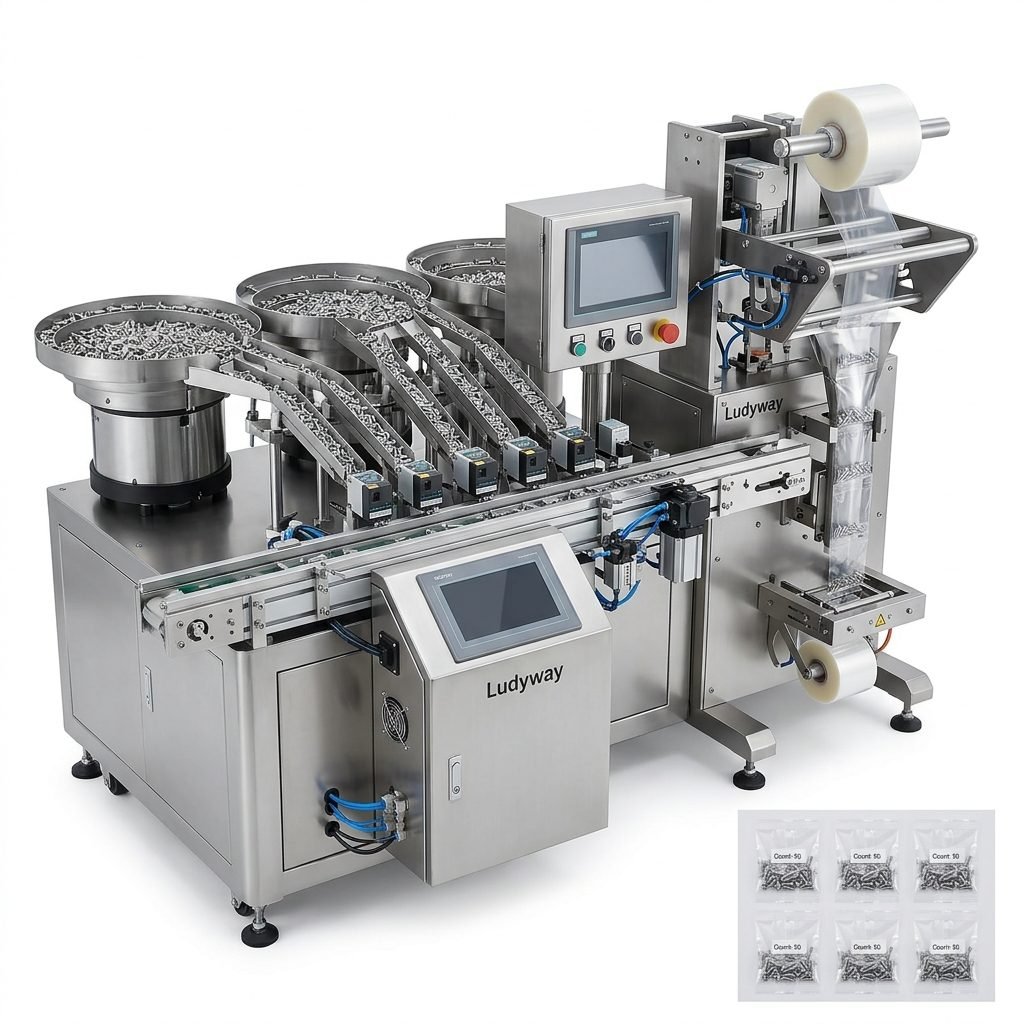
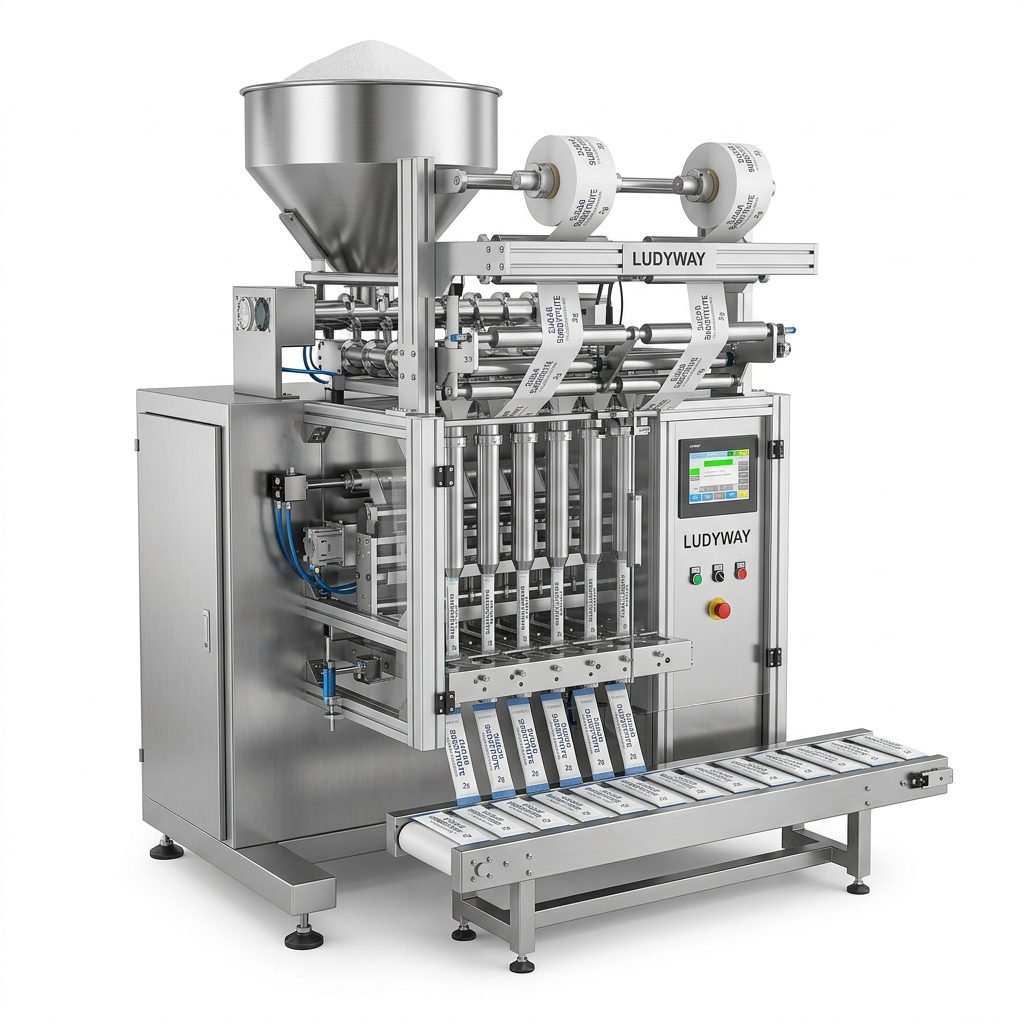
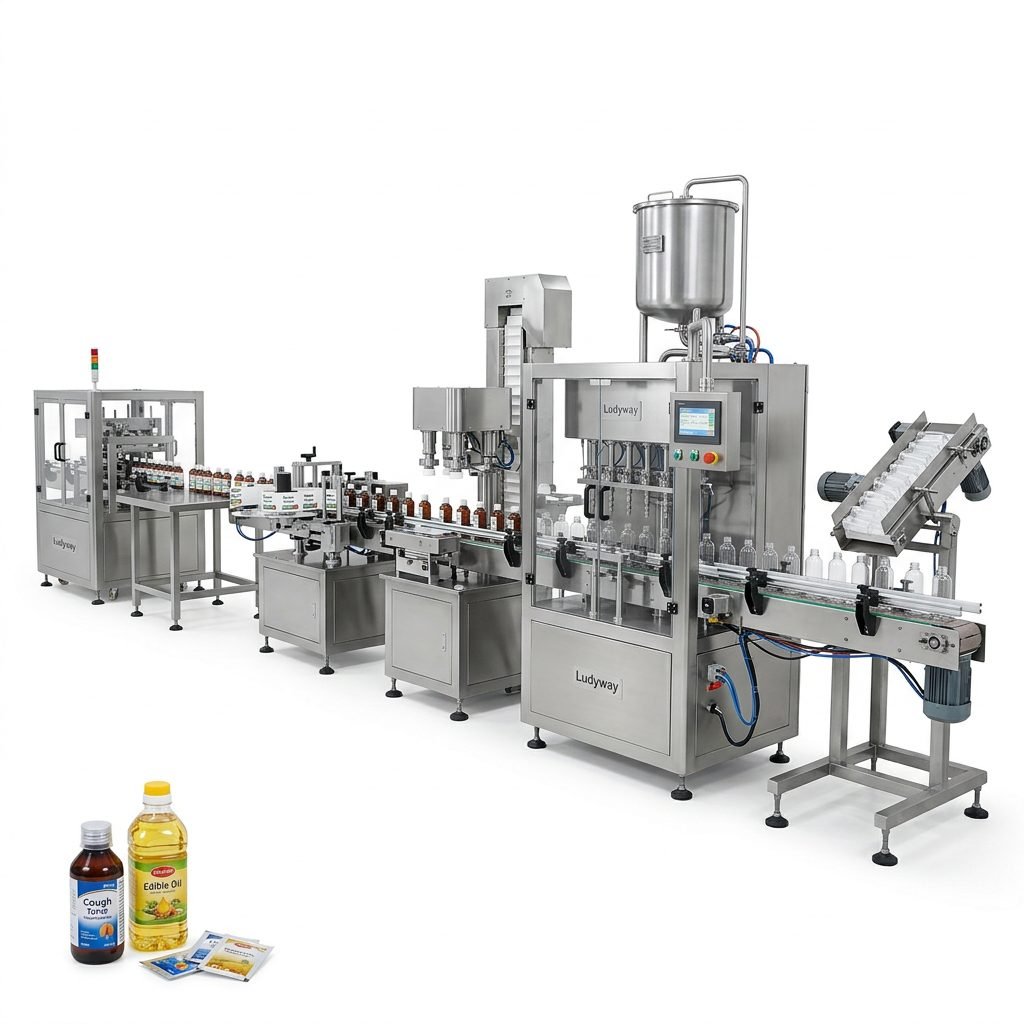
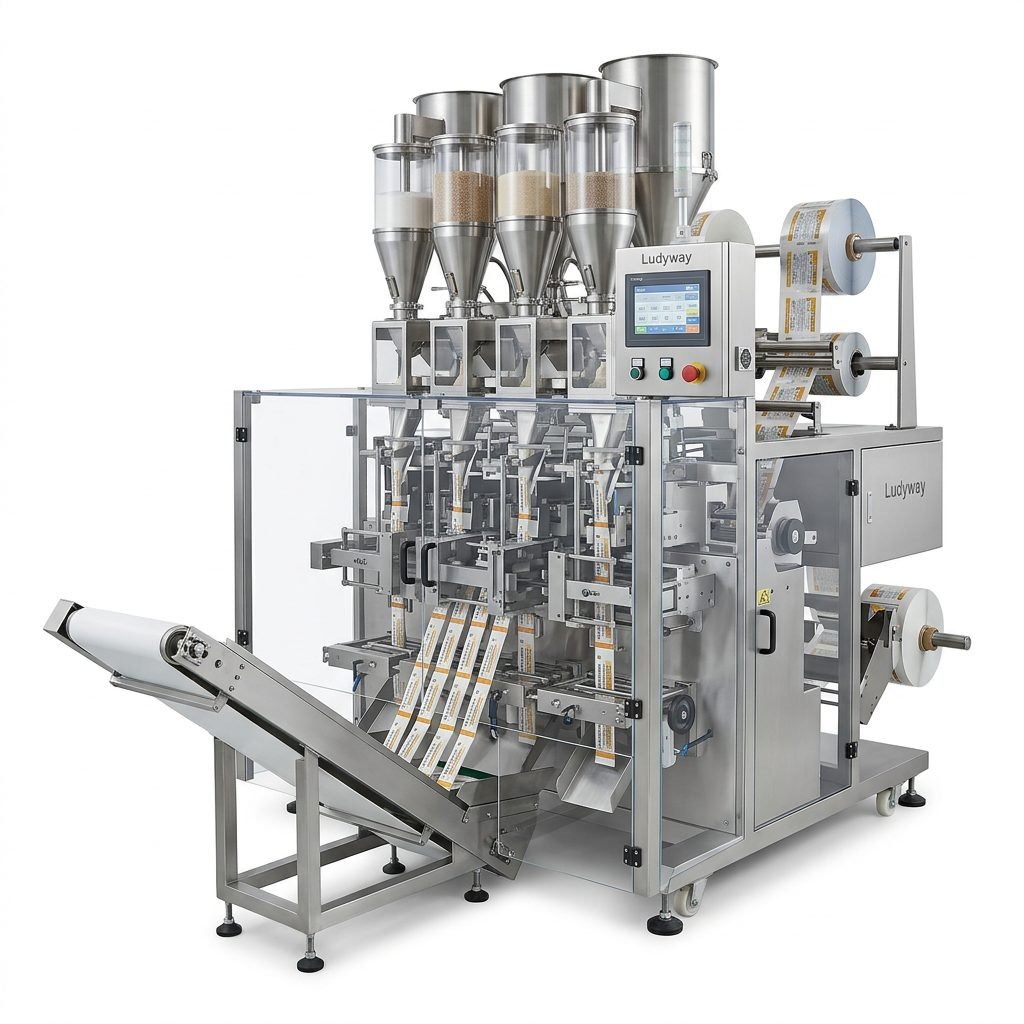
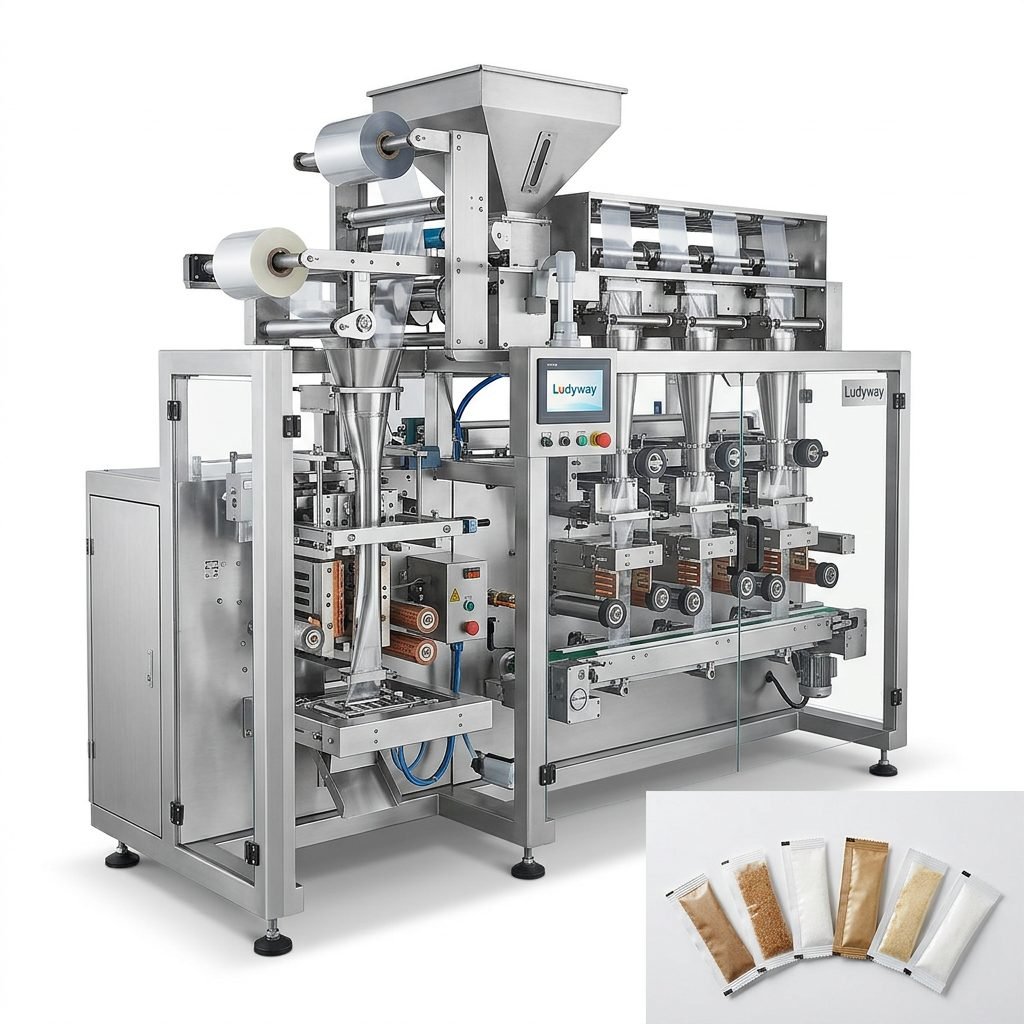
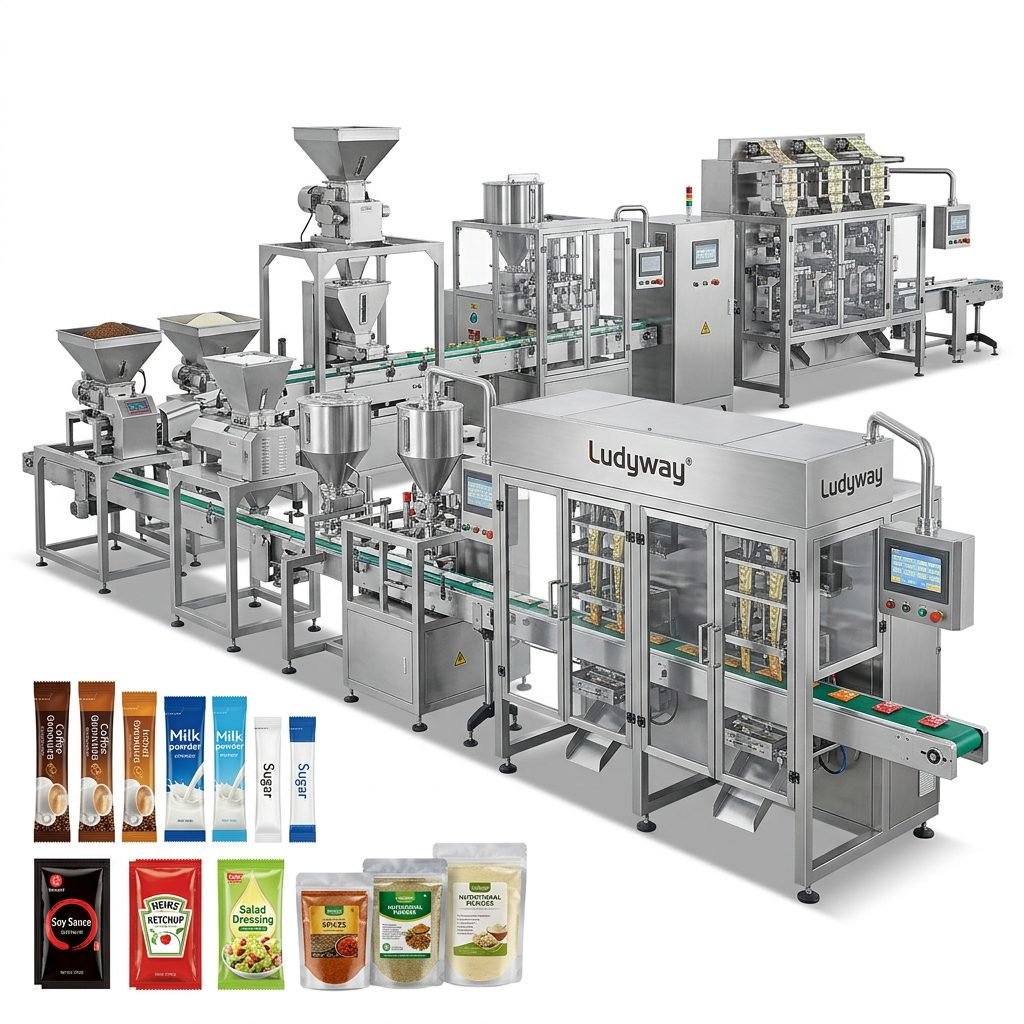
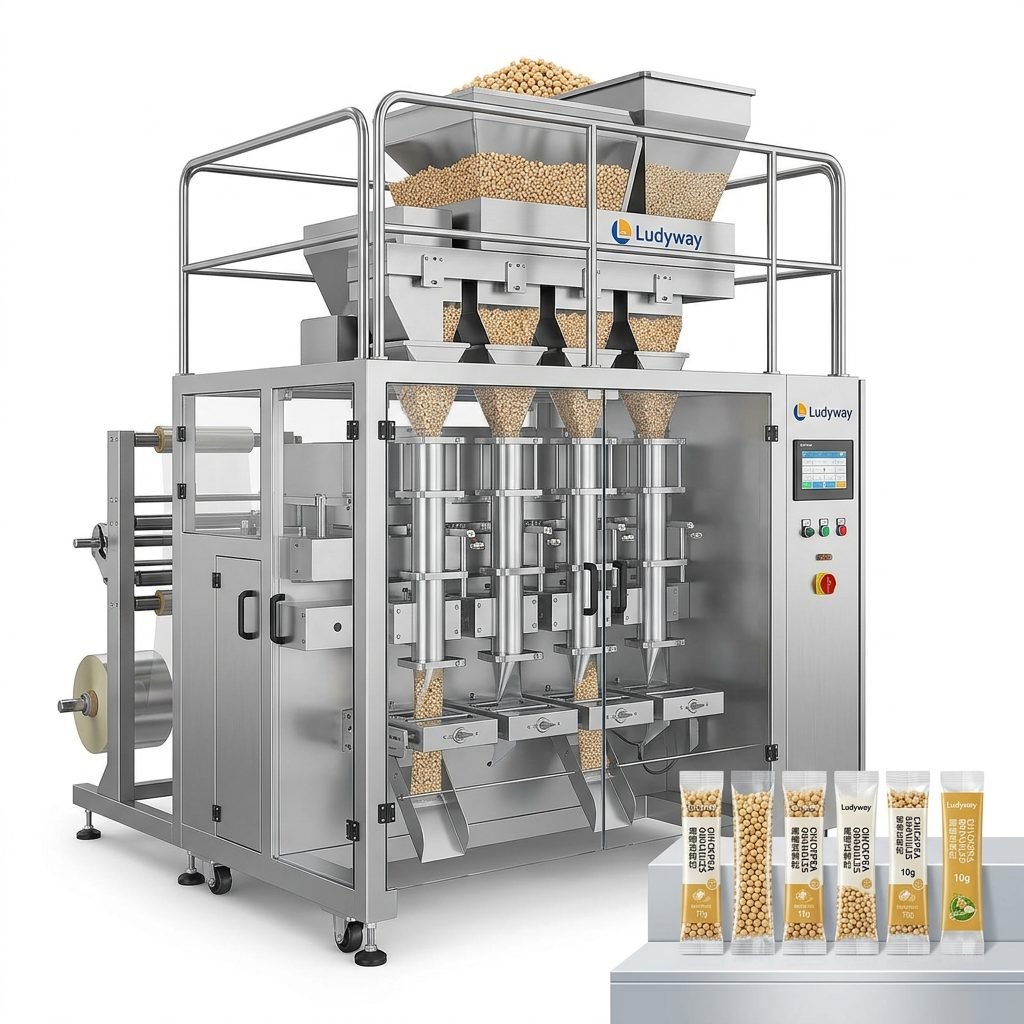
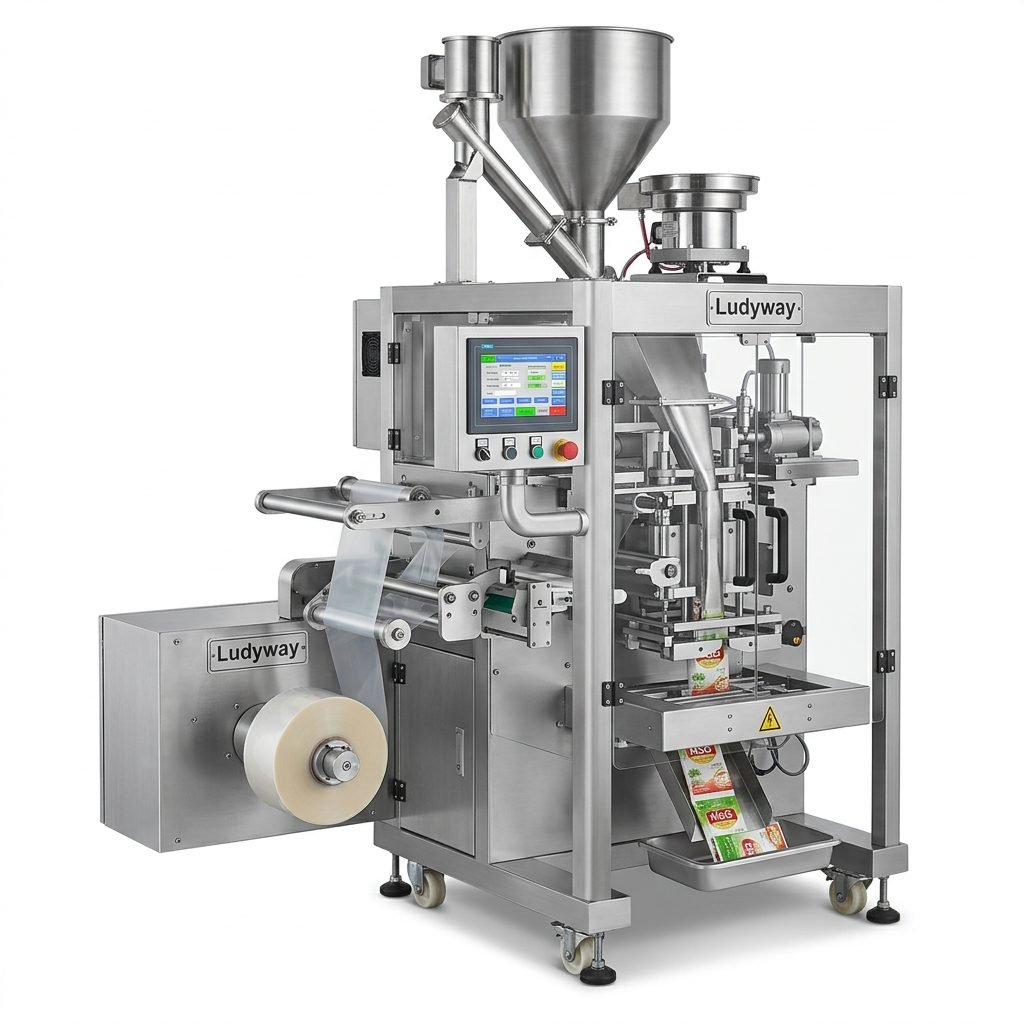
Bubble packaging machines are essential for businesses that need to protect their products during shipping and handling. Choosing the right bubble wrap machine can significantly impact your operational efficiency, packaging quality, and overall costs. This guide will walk you through the key factors to consider when selecting a bubble wrap machine for your business needs.
Understanding Bubble Wrap Machine Types
Not all bubble wrap machines are created equal. The first step in choosing the right equipment is understanding the different types available on the market.
Common Bubble Machine Varieties
Automatic Bubble Bag Making Machines: These high-speed systems automatically produce sealed bubble bags from rolls of bubble film. Ideal for medium to large-scale operations with consistent bag sizes.
Manual/Semi-Automatic Sealers: These machines require operator involvement to place items between bubble layers before heat sealing. Perfect for smaller businesses or operations with diverse product sizes.
Bubble Wrapping Machines: Designed to wrap products in bubble film rather than creating bags. Excellent for protecting irregularly shaped items before boxing.
Inline Packaging Systems: Integrated systems that combine bubble wrapping with other packaging processes like boxing and labeling for complete automation.
Key Factors for Machine Selection
Selecting the perfect bubble wrap machine requires careful evaluation of several critical factors that align with your specific business requirements.
Production Volume and Speed Requirements
Your daily or weekly packaging output is perhaps the most important consideration. A machine that’s too slow creates bottlenecks, while an overly powerful machine represents unnecessary capital expenditure.
- ✓ Low Volume (Under 500 packages/day): Manual or semi-automatic machines offer sufficient capacity with lower investment.
- ✓ Medium Volume (500-5,000 packages/day): Semi-automatic or entry-level automatic machines provide the right balance of speed and cost.
- ✓ High Volume (5,000+ packages/day): Fully automatic systems with multiple lanes and high-speed operation are essential for efficiency.
Product Characteristics and Size Range
The nature of your products directly influences the type of bubble machine you need. Consider these product-specific factors:
Product Dimensions: Measure your smallest and largest products. Your machine must accommodate this entire range, either through adjustable settings or multiple machine configurations.
Product Fragility: Delicate items may require double-layer bubble or specialized film types. Ensure your chosen machine can handle the required film thickness and layering.
Product Shape: Irregularly shaped items often benefit from wrapping machines rather than bag-making machines, as they provide more customizable protection.
Bubble Film Material Compatibility
Different machines work with specific types of bubble film. Compatibility issues can lead to poor seals, jams, or complete machine failure.
Film Thickness: Machines have minimum and maximum thickness specifications. Standard bubble film typically ranges from 3/16″ to 1/2″ bubble size, with varying gauges.
Film Composition: Standard polyethylene film is most common, but some applications require anti-static, conductive, or coated films for specialized protection.
Roll Size Capacity: Consider the maximum roll diameter and core size the machine can handle. Larger rolls mean fewer changeovers but require more storage space.
Technical Specifications and Features
Beyond basic functionality, several technical aspects determine a machine’s long-term performance and reliability.
Heating and Sealing System
The quality of the heat seal determines the integrity of your bubble packaging. Look for machines with:
- Precise temperature control (±5°C or better)
- Even heat distribution across the sealing bar
- Quick heat-up time (under 10 minutes for most applications)
- Durable heating elements with easy replacement access
Control System and Automation Level
Modern bubble machines offer varying degrees of automation and control sophistication:
Basic Controls: Manual machines with simple on/off and temperature adjustment.
Programmable Logic Controllers (PLCs): Allow storage of multiple packaging programs for different products.
Touchscreen Interfaces: User-friendly operation with visual feedback and troubleshooting guides.
Integration Capabilities: Machines that can connect with scales, labelers, or conveyor systems for complete line automation.
Machine Construction and Durability
A well-built machine ensures consistent performance and minimizes downtime. Evaluate:
Frame Material: Steel frames offer greater stability than aluminum for high-speed operation.
Component Quality: Industrial-grade motors, bearings, and sensors last longer than commercial-grade components.
Accessibility: Easy access to critical components simplifies maintenance and cleaning.
Cost Considerations and ROI Analysis
The purchase price is just one component of your total investment. A comprehensive cost analysis should include:
Initial Investment Breakdown
Machine Purchase Price: Varies from $2,000 for basic manual sealers to $50,000+ for fully automatic systems.
Installation and Setup: Professional installation ensures optimal performance and may be required for warranty validation.
Initial Training: Operator training costs, either included or as an additional service.
Accessories and Tooling: Custom sealing dies, special guides, or additional film holders.
Ongoing Operational Costs
Bubble Film Consumption: The largest recurring expense. More efficient machines minimize film waste through precise cutting and sealing.
Energy Consumption: Heating elements and motors contribute to electricity costs. Energy-efficient designs offer savings over time.
Maintenance and Parts: Regular maintenance costs and the price/availability of replacement parts.
Labor Requirements: More automated machines reduce labor costs but may require more skilled operators.
Calculating Return on Investment
To justify your investment, calculate potential savings in:
- Reduced labor costs per package
- Decreased film waste through more efficient sealing
- Lower product damage rates from consistent packaging quality
- Increased throughput allowing business growth without additional hires
Most businesses achieve ROI within 6-24 months, depending on volume and previous packaging methods.
Supplier Selection and Support Services
Choosing the right equipment supplier is as important as choosing the right machine. A reliable partner like Ludyway Machinery provides value beyond the initial sale.
Manufacturer Experience and Reputation
With over 30 years of industry experience, established suppliers understand the practical challenges of packaging operations. They’ve refined their machines based on real-world feedback from numerous installations.
Look for suppliers with proven experience in your specific industry. Packaging requirements differ significantly between electronics, pharmaceuticals, food items, and industrial components.
Technical Support and Training
Comprehensive support services ensure your machine operates optimally throughout its lifespan:
Installation Support: Professional installation by factory-trained technicians prevents setup issues.
Operator Training: Thorough training for all personnel who will interact with the machine.
Technical Documentation: Clear manuals, troubleshooting guides, and maintenance schedules.
Remote Support Availability: Quick problem resolution through phone, email, or remote connection services.
Warranty and After-Sales Service
Warranty Coverage: Standard warranties typically cover 1-2 years for parts and labor. Some critical components may have longer coverage.
Spare Parts Availability: Ensure commonly replaced parts are readily available with reasonable lead times.
Service Network: Local or regional service technicians can provide faster response than international support.
Preventive Maintenance Programs: Scheduled maintenance visits help prevent unexpected downtime.
Implementation and Optimization
Successfully integrating a new bubble wrap machine into your operations requires careful planning and ongoing optimization.
Site Preparation Requirements
Before your machine arrives, ensure your facility meets these requirements:
Space Allocation: Adequate space for the machine itself, plus access for operation, maintenance, and film loading.
Power Requirements: Correct voltage, phase, and amperage with dedicated circuits if specified.
Environmental Conditions: Appropriate temperature, humidity, and cleanliness levels for optimal machine performance.
Material Handling: Space for bubble film storage and handling equipment like roll lifters or racks.
Workflow Integration
Maximize efficiency by integrating your bubble machine into your overall packaging workflow:
- Position the machine logically within your packaging line sequence
- Ensure smooth material flow to and from the machine
- Implement quality checkpoints after the bubble packaging stage
- Train personnel on both upstream and downstream processes
Performance Monitoring and Continuous Improvement
Once operational, track key performance indicators to identify improvement opportunities:
Output Rate: Compare actual production against machine specifications and your requirements.
Film Utilization: Measure film waste percentage and look for reduction opportunities.
Quality Metrics: Track seal failure rates and product damage incidents attributable to packaging.
Downtime Analysis: Record reasons for machine stoppages to address recurring issues.
Future-Proofing Your Investment
Consider not just your current needs, but how your requirements might evolve over the machine’s lifespan.
Scalability and Upgrade Options
Select machines that can grow with your business:
Modular Designs: Machines that allow adding features like automatic film splicing, imprinters, or additional sealing stations.
Speed Adjustability: Machines operating well below maximum capacity have room for increased production demands.
Software Upgrades: Machines with updatable software can gain new features without hardware changes.
Technology Trends in Bubble Packaging
Stay informed about emerging technologies that might affect your packaging operations:
Sustainable Materials: Increasing demand for recyclable or biodegradable bubble films may require material compatibility.
Smart Packaging Integration: Machines that can incorporate RFID tags or other tracking technologies within the packaging.
Advanced Automation: Integration with robotics for loading/unloading or connection to warehouse management systems.
Energy Efficiency: Newer machines often feature improved energy recovery systems and more efficient heating elements.
Frequently Asked Questions
What is the typical lifespan of a bubble packaging machine?
With proper maintenance, a quality bubble packaging machine should last 7-15 years. Industrial-grade machines used in single-shift operations often exceed 10 years, while those running 24/7 may require major component replacement around the 7-year mark. Regular maintenance is the most significant factor affecting machine longevity.
How much space do I need for a bubble wrap machine installation?
Space requirements vary significantly by machine type. Small manual sealers might need only 2×3 feet of floor space, while fully automatic systems with conveyors can require 10×15 feet or more. Always allow additional space for operator access, film loading, and maintenance activities. Your supplier should provide detailed floorplan requirements before purchase.
Can one machine handle multiple bubble film types and sizes?
Most machines can accommodate a range of film widths within their design specifications, but changeovers require adjustment time. Switching between significantly different film types (like standard polyethylene to anti-static film) may require temperature adjustments and potentially different sealing parameters. Some advanced machines store settings for different materials for quick changeovers.
What maintenance does a bubble wrap machine require?
Daily cleaning of sealing surfaces, weekly inspection of moving parts and sensors, monthly lubrication of specified components, and annual comprehensive inspection by qualified technicians. The heating elements and sealing bars typically require the most attention, as residue buildup affects seal quality. Always follow the manufacturer’s specific maintenance schedule.
How do I calculate the right machine speed for my business?
Calculate your average daily packaging requirement, then divide by your operational hours to determine packages per hour needed. Add 20-30% capacity for peak periods and future growth. For example, if you need 2,000 packages in an 8-hour shift, you need 250 packages/hour minimum. A machine rated for 300-350 packages/hour would provide adequate capacity with room for growth.