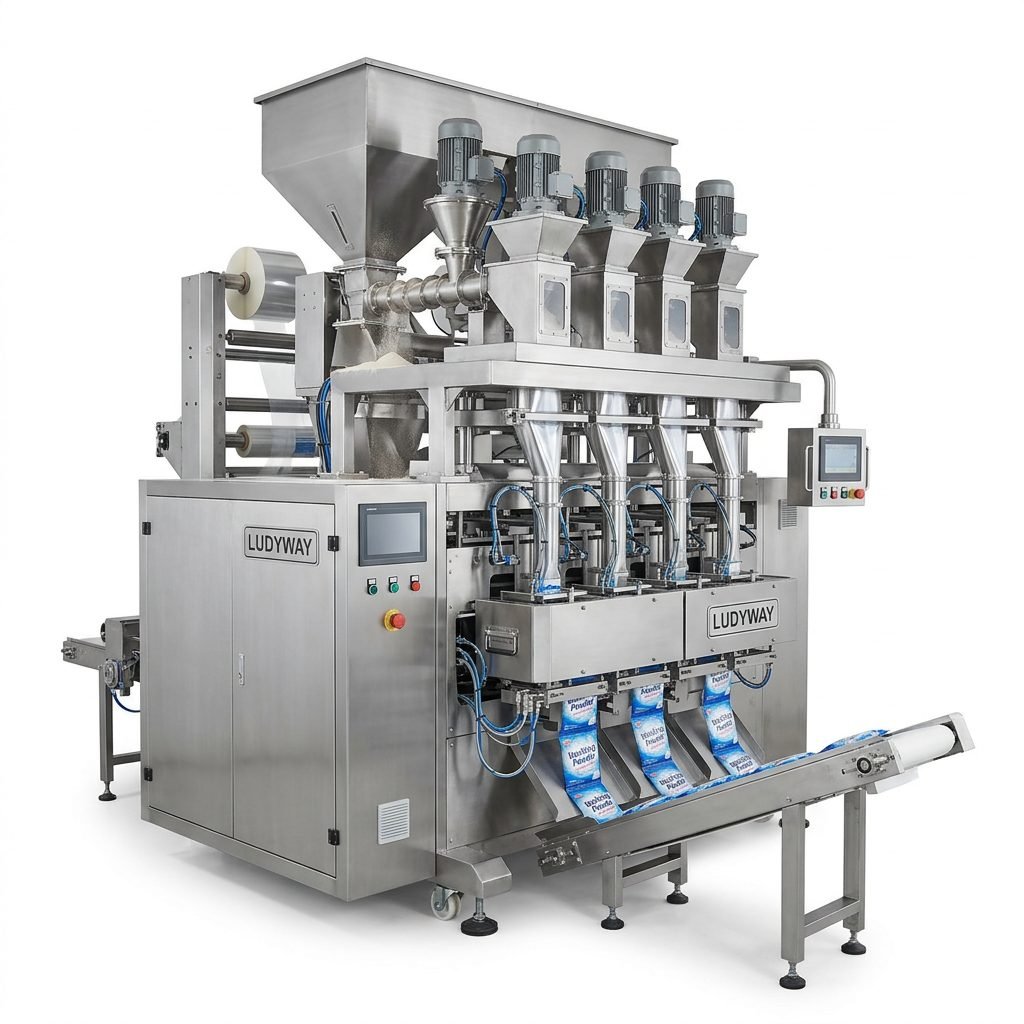
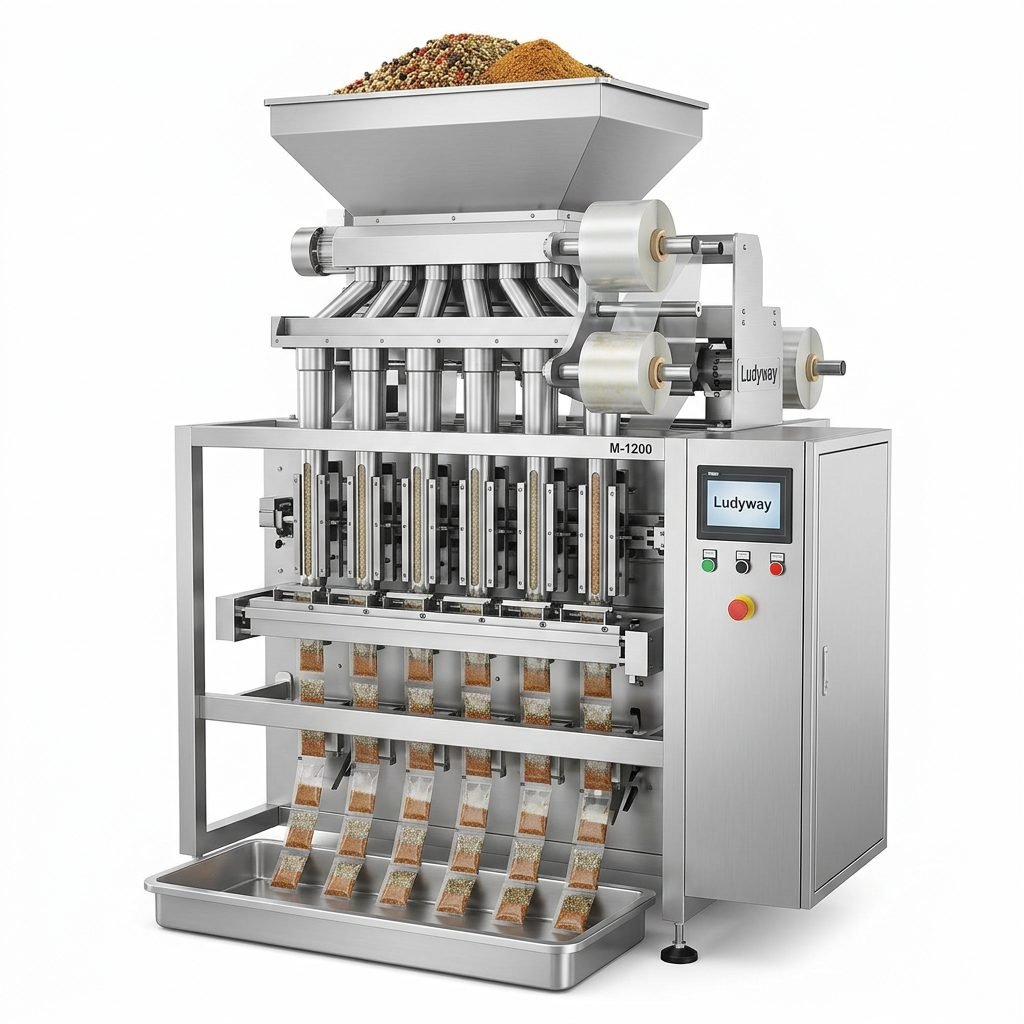
Selecting the right chewing gum packaging machine is a critical decision for manufacturers, directly impacting production efficiency, product presentation, and overall profitability. This comprehensive guide explores the various types of machines available, their key features, and provides a detailed framework to help you choose the best equipment for your specific needs.
Primary Types of Chewing Gum Packaging Machines
The packaging process for chewing gum varies significantly based on product form (stick, pellet, slab, coated) and market requirements. Here are the main machine categories:
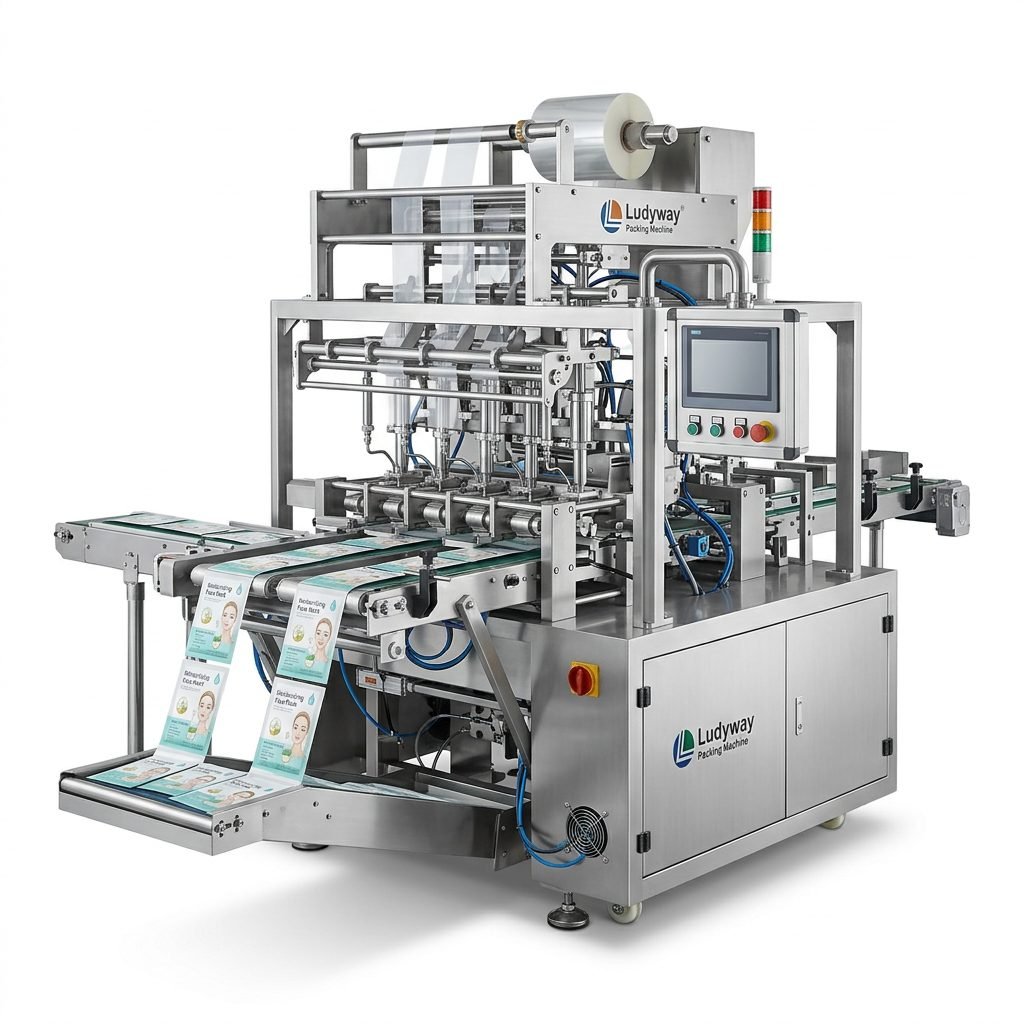
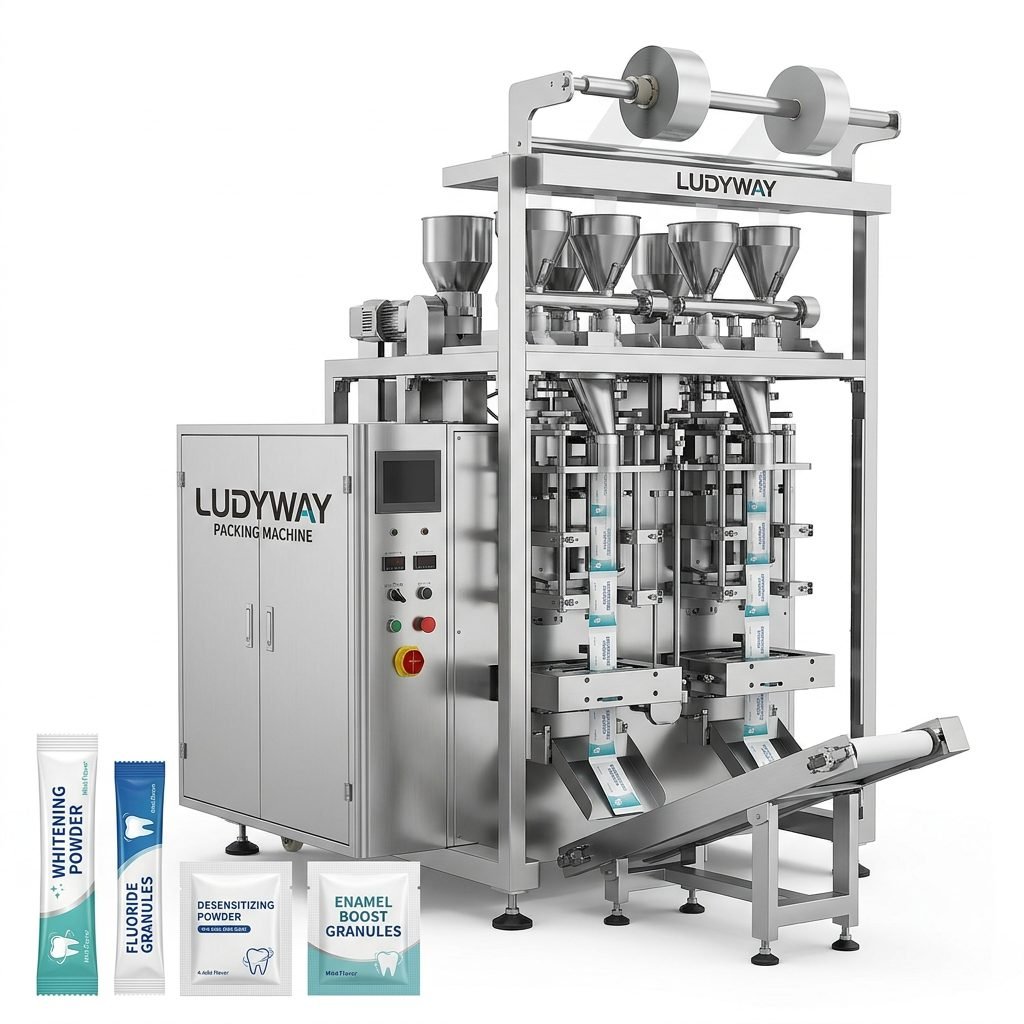
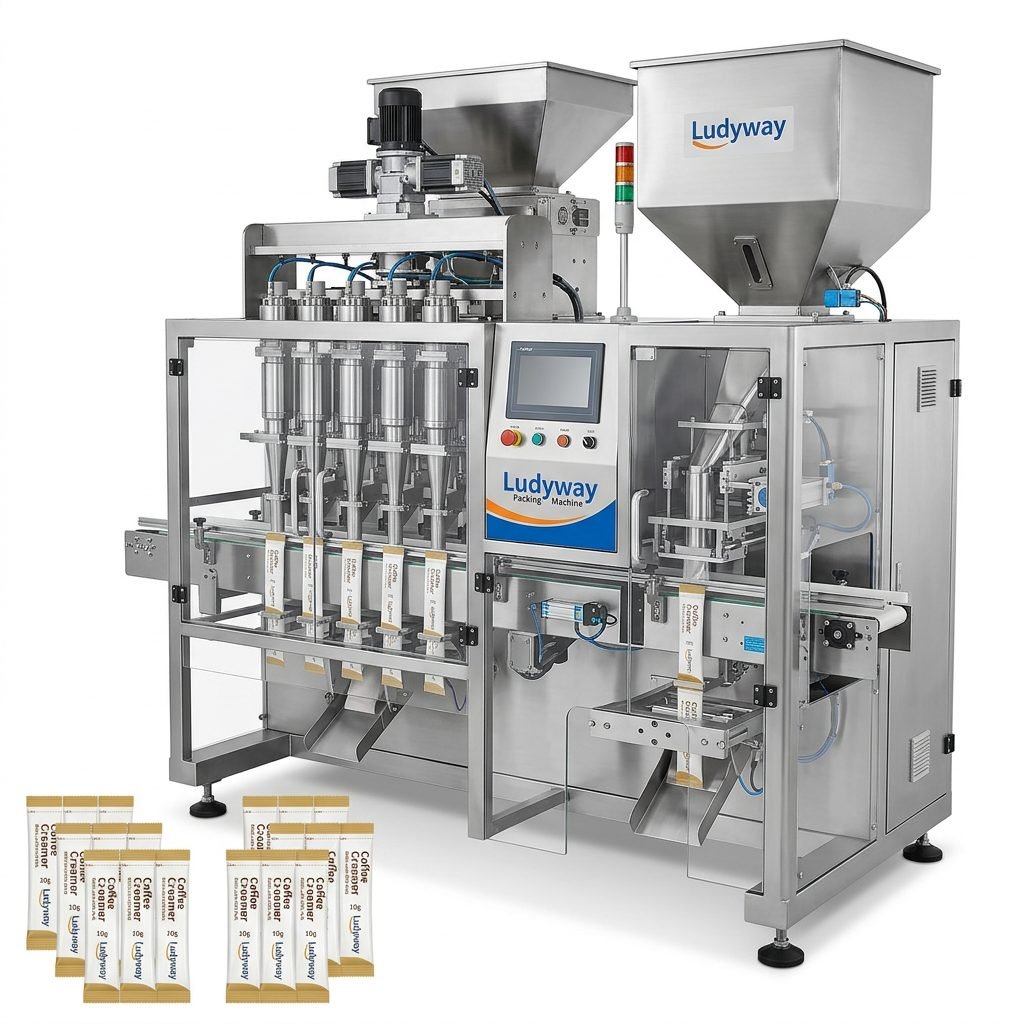
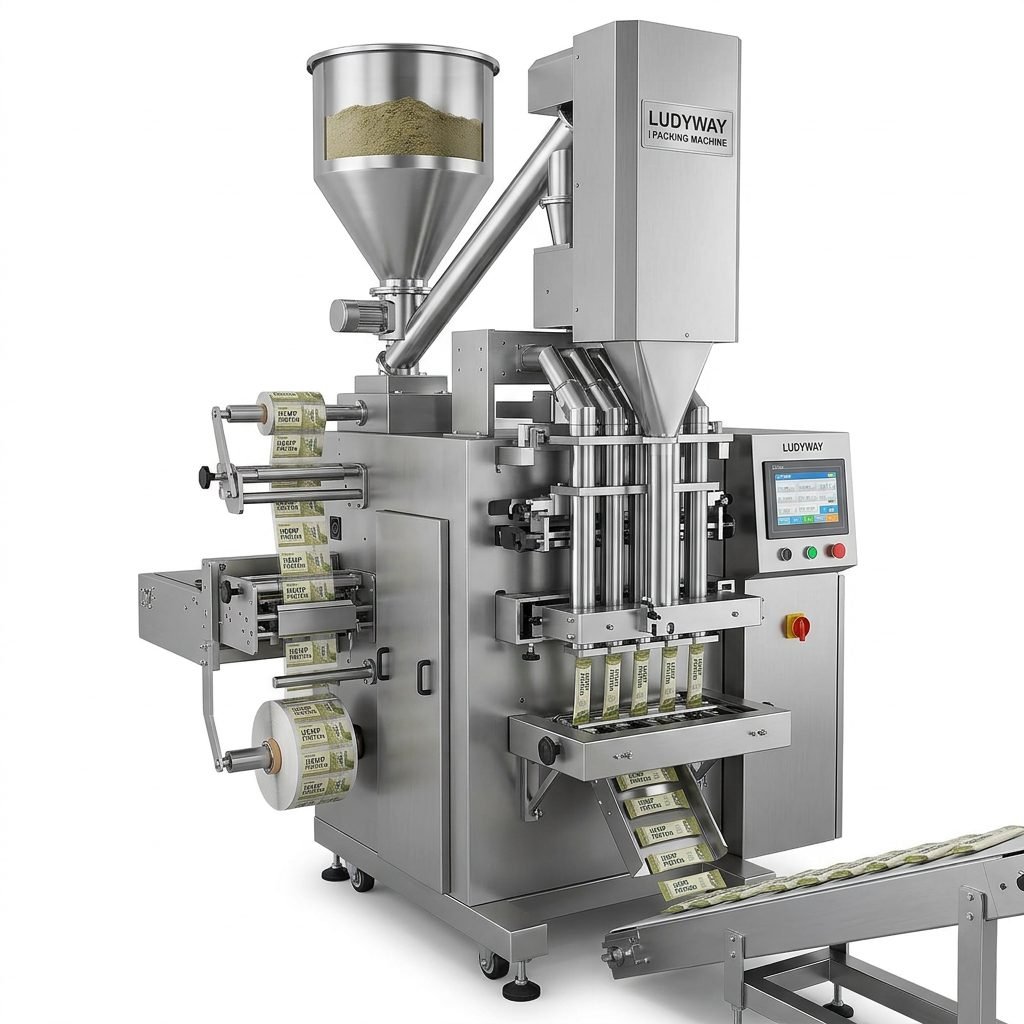
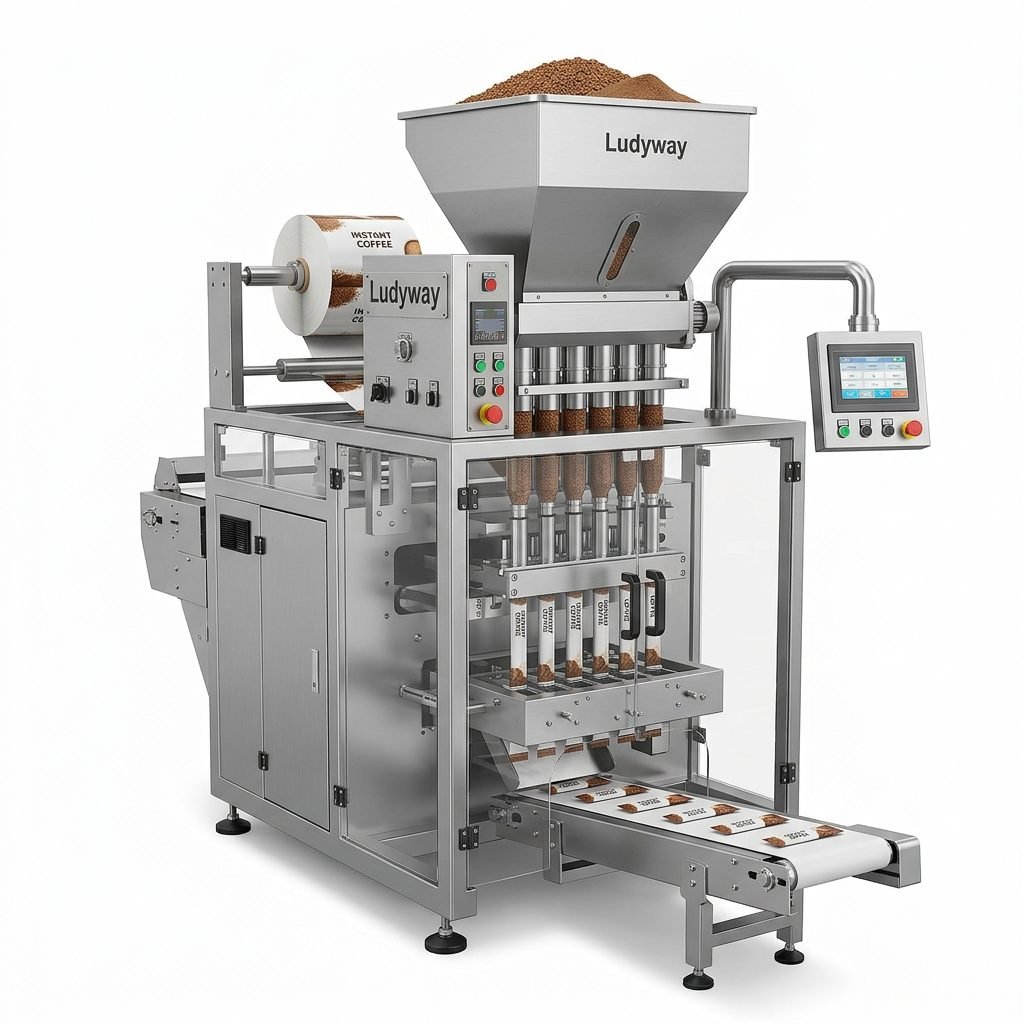
Stick Pack Packaging Machines
These are the most common machines for wrapping individual sticks of gum. They form, fill, and seal a continuous roll of packaging material into precise stick packs. Modern multi-lane stick pack machines can produce several rows of sticks simultaneously, dramatically increasing output. They are ideal for standard sugar-free or sugar-coated chewing gum sticks sold in multi-packs.
Key Application: Perfect for high-volume production of standard stick gum for retail blister packs or flow-wrapped bundles.
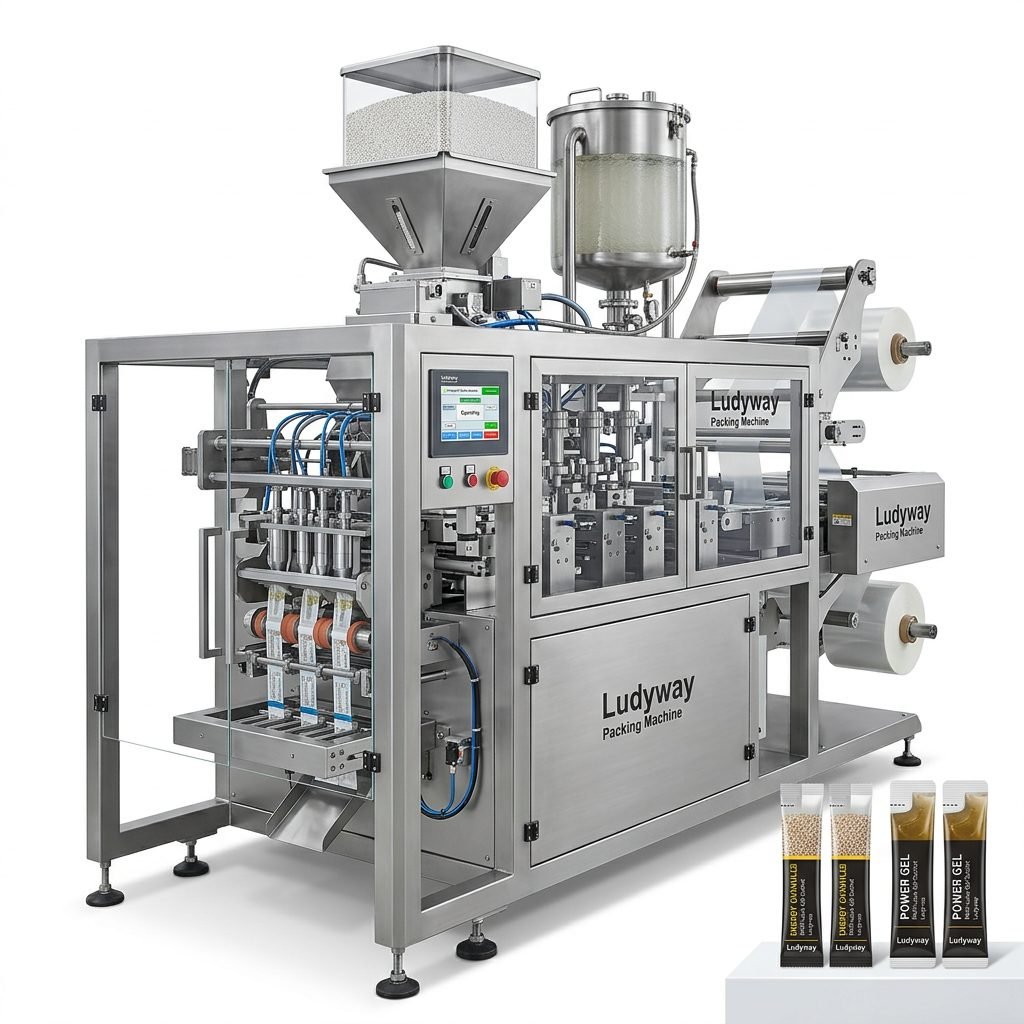
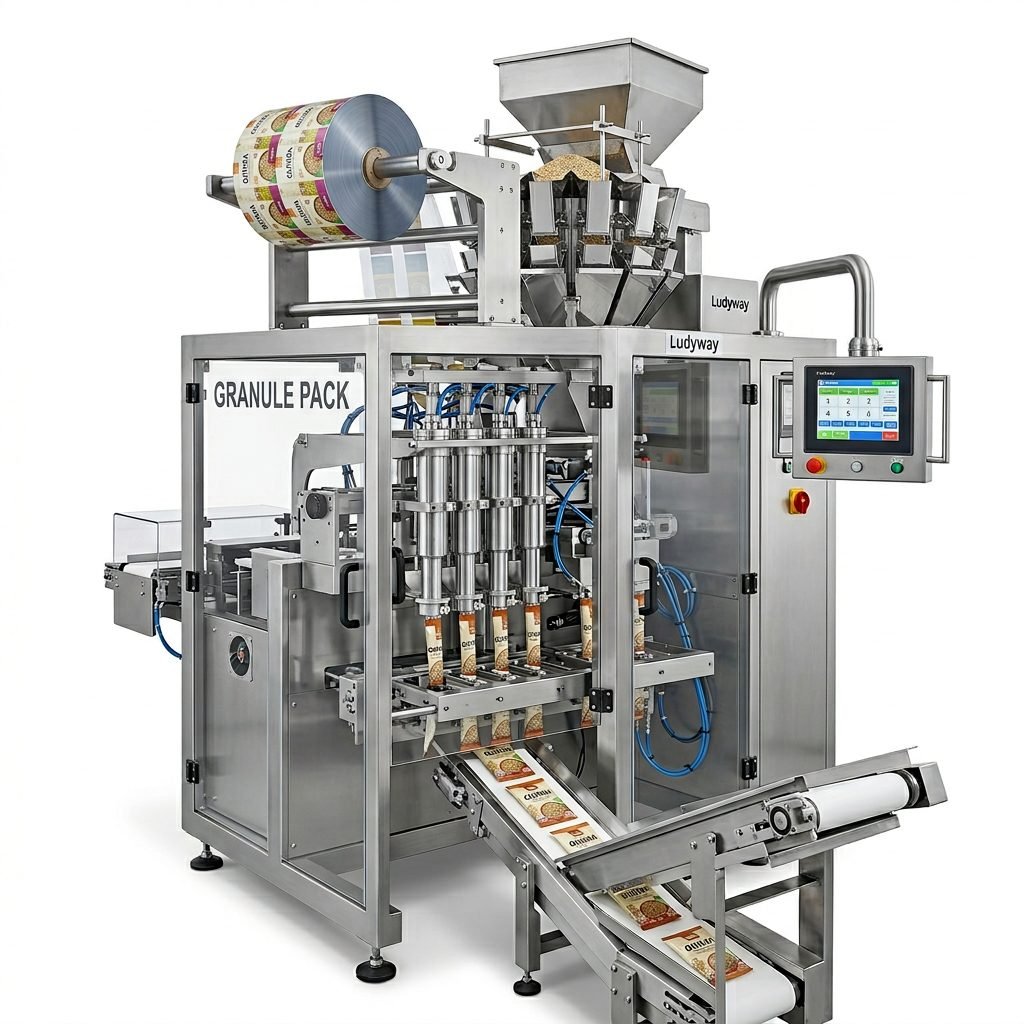
Sachet (Pouch) Packaging Machines
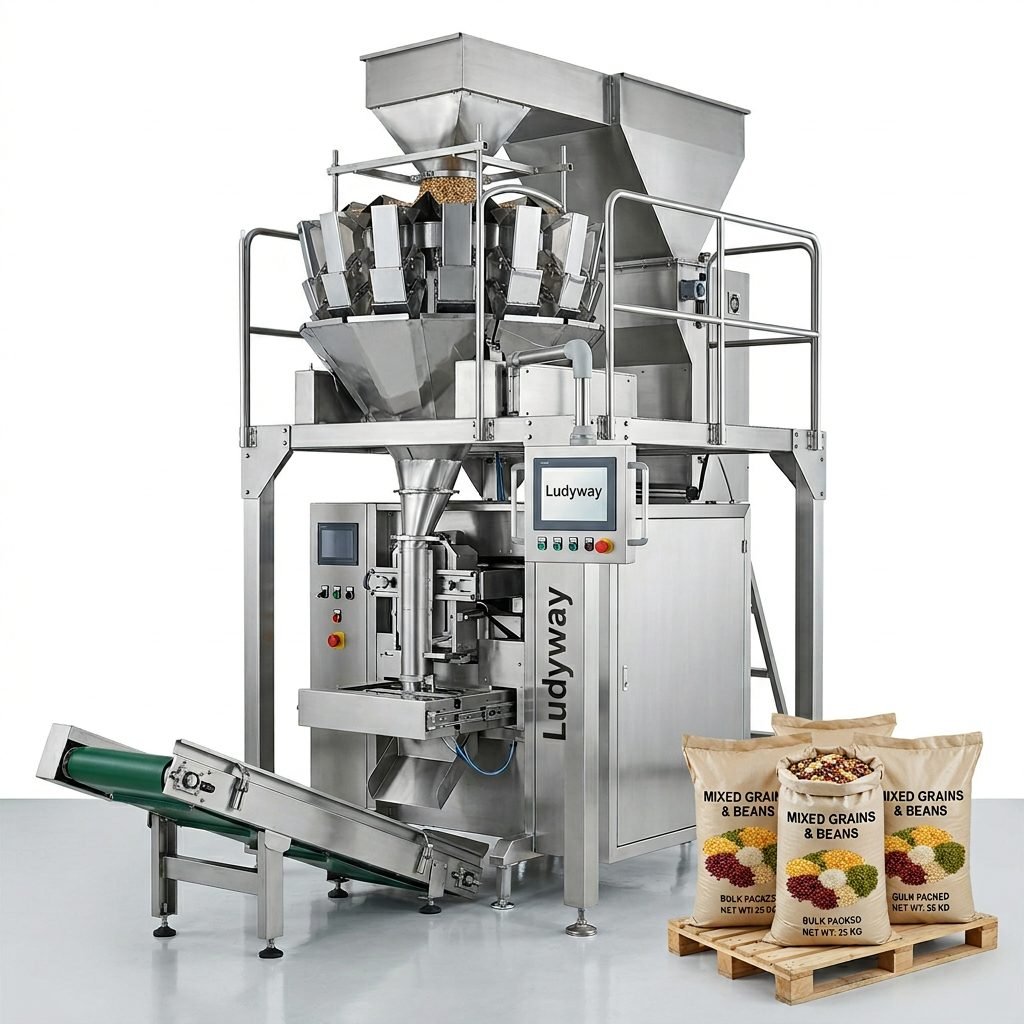
Used for packaging pellet gum, gum balls, or smaller pieces. They create small, sealed pouches from roll stock. These machines offer great flexibility in pouch size and shape and can incorporate features like tear-notches or resealable zippers. Vertical form-fill-seal (VFFS) machines are a popular type in this category.
Key Application: Best suited for pellet gum, bubble gum balls, or promotional single-serve packs that require a small, sealed pouch.
Blister Packaging Machines
These machines create the familiar plastic-and-foil blister packs commonly seen for stick gum in cardboard boxes. The process involves forming a plastic blister cavity, placing the gum sticks inside, and sealing a lidding material (usually foil) on top. This type of packaging offers excellent product visibility and protection.
Flow Wrapping Machines
Also known as fin-seal wrappers, these machines are used for the secondary packaging of multiple stick packs or blister packs into an outer bundle or box wrap. They provide a tight, secure, and professional finished look for the final retail product.
Essential Features & Technological Considerations
Beyond the basic type, several features define a machine’s capability, efficiency, and suitability for your production line.
Automation Level & Speed
Machines range from semi-automatic (requiring some manual feeding) to fully automatic, integrated lines. Speed is measured in packs per minute (PPM). A professional packaging expert can help you match machine speed with your required output to avoid bottlenecks or over-investment.
Flexibility & Changeover
Can the machine handle different gum sizes, shapes, and pack counts? Quick-change systems for forming tools and film reels minimize downtime when switching products, which is crucial for manufacturers with diverse SKUs.
Packaging Material Compatibility
The machine must be compatible with your chosen packaging films—whether it’s standard laminates, high-barrier materials for extended freshness, or recyclable mono-material structures. The sealing system (heat, ultrasonic, cold seal) must be appropriate for the material.
Integrated Inspection & Quality Control
Look for features like missing product detection, weight check systems, and vision systems to inspect print registration or seal integrity. This ensures every pack leaving your line meets quality standards.
Hygienic Design & Ease of Cleaning
Food-grade stainless steel contact parts, smooth surfaces without crevices, and easy access for cleaning are mandatory for food safety compliance and maintaining product quality.
How to Choose the Best Chewing Gum Packaging Machine: A Step-by-Step Guide
1. Define Your Product & Output Requirements
Start with clarity on what you are packaging and how much. List all current and planned gum products (size, shape, weight). Calculate your required output in packs per minute/hour/shift, considering both current demand and projected growth for the next 3-5 years.
2. Determine Your Packaging Format & Materials
Decide on the primary pack (stick pack, sachet, blister) and the secondary packaging (flow-wrapped bundle, carton). Select your packaging materials in advance, as this will directly influence the type of machine and sealing technology you need.
3. Evaluate Machine Suppliers Thoroughly
Not all suppliers are equal. Prioritize those with proven industry experience in confectionery and gum packaging. Assess their engineering support, availability of spare parts, and service network. Request references and, if possible, visit their production facility or see the machine running at a customer site.
4. Request a Product Test Run
Avoid buying based on specifications alone. Always send your actual gum product and packaging materials to the supplier for a live test run. This demonstrates the machine’s real-world performance, efficiency, and the quality of the finished pack.
5. Consider Total Cost of Ownership (TCO)
Look beyond the initial purchase price. Factor in operational costs (energy consumption, material waste rate), maintenance costs, expected lifespan, and the potential cost of downtime. A slightly more expensive, reliable machine often has a lower TCO than a cheaper, less robust option.
6. Plan for Integration & Future-Proofing
Consider how the new machine will integrate with your existing upstream (mixers, extruders) and downstream (cartoning, case packing) equipment. Choose a modular or scalable design that allows for future upgrades or integration with robotics and Industry 4.0 data systems.
Frequently Asked Questions (FAQs)
What is the typical production speed for a chewing gum stick pack machine?
Speeds vary widely. A standard single-lane stick pack machine may run at 100-200 sticks per minute, while advanced multi-lane machines can exceed 1,000 sticks per minute. The right speed depends entirely on your production volume requirements.
Can one machine package different shapes and sizes of gum?
Many modern machines are designed for flexibility. With quick-change parts (like forming tubes and jaws), you can switch between different stick lengths or pellet sizes. However, significant format changes (e.g., from sticks to pellets) usually require a different type of machine.
How important is the choice of packaging film for machine performance?
It is critical. The machine’s sealing parameters (temperature, pressure, time) are tuned for specific materials. Using an incompatible or lower-quality film can lead to poor seals, jams, and increased waste. Always consult with your machine supplier on the optimal material specifications.
What kind of maintenance do these machines require?
Regular daily cleaning is essential. Scheduled maintenance includes lubrication, inspection of wear parts like sealing jaws and cutters, and calibration of sensors. A reliable supplier will provide a detailed maintenance schedule and training for your operators.
Can packaging machines handle sugar-free and sugar-coated gum equally well?
Generally, yes. However, sugar-coated gum can sometimes be more abrasive or create dust, which may require more frequent cleaning of the feeding systems. The packaging material may also need higher barrier properties for sugar-free gum to maintain moisture and freshness.