In the fast-paced world of manufacturing and product distribution, efficient and reliable packaging is a cornerstone of success. For businesses handling granular, powdered, or liquid products, selecting the right packaging machinery is a critical operational decision. This guide provides a comprehensive overview of Doboy packaging machines, exploring their various types, underlying working principles, diverse applications, and essential tips for making an informed purchase. Understanding these facets empowers businesses to enhance their production lines, ensure product integrity, and ultimately meet market demands with confidence.
Exploring the Different Types of Doboy Packaging Machines
The term “Doboy packaging machine” often refers to a category of high-performance, automated packaging equipment known for durability and precision. These machines are engineered to handle a wide array of packaging formats and materials, catering to different industry needs.
Vertical Form-Fill-Seal (VFFS) Machines
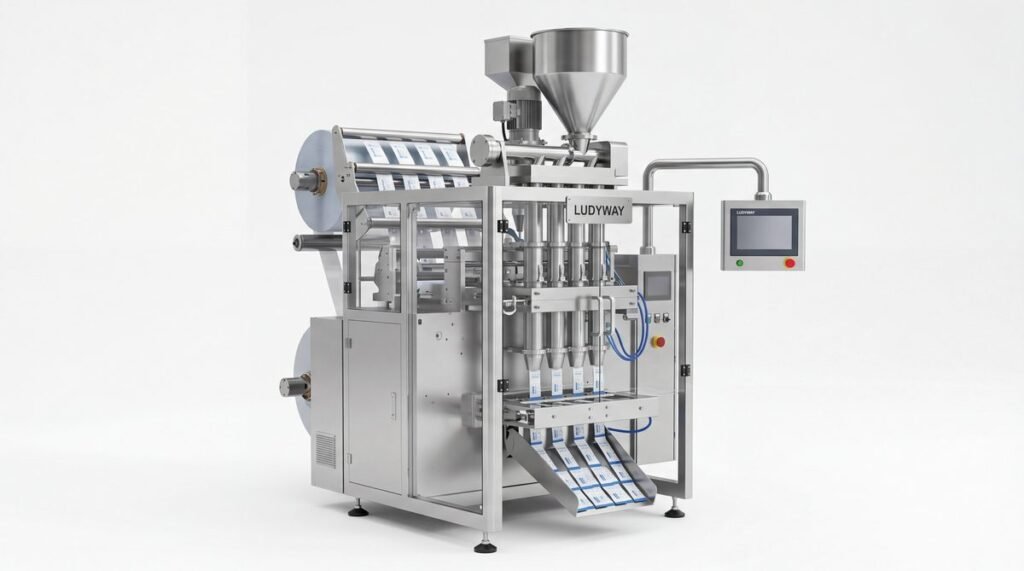
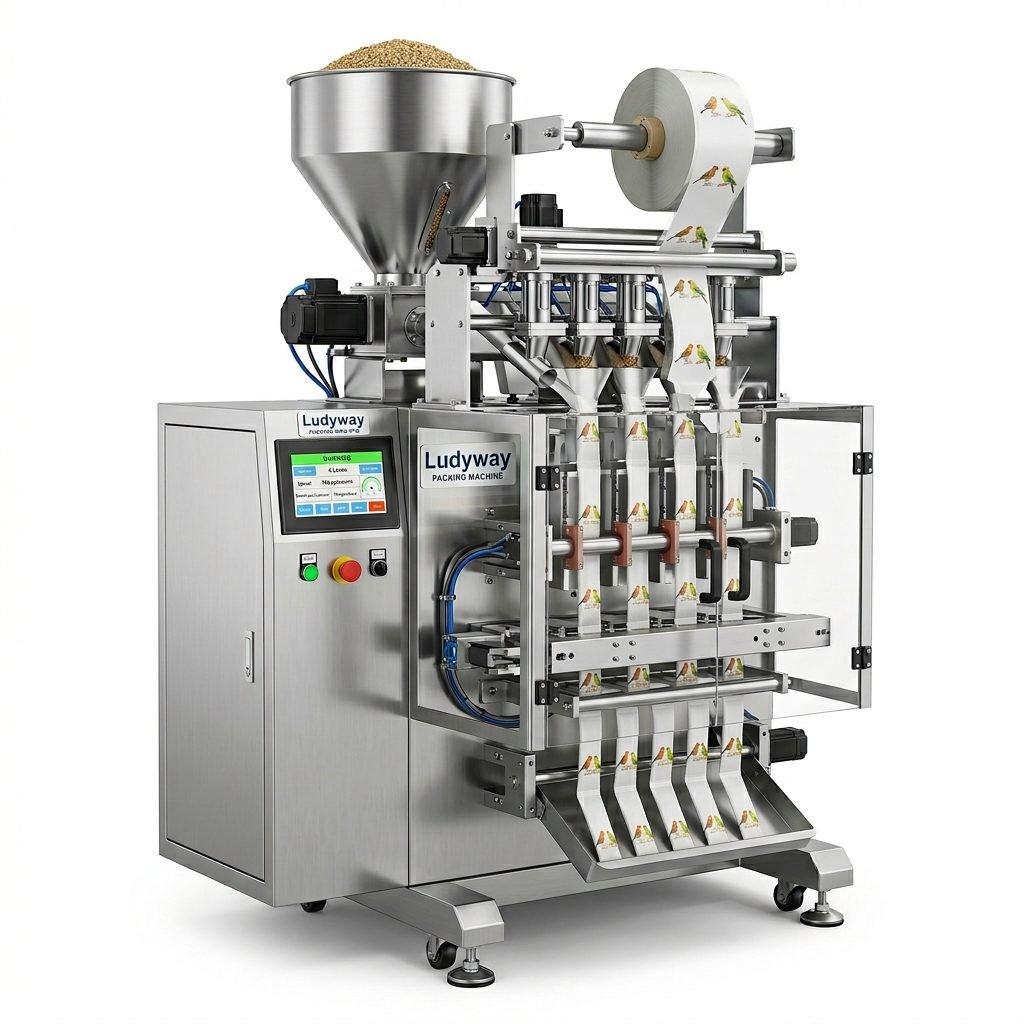
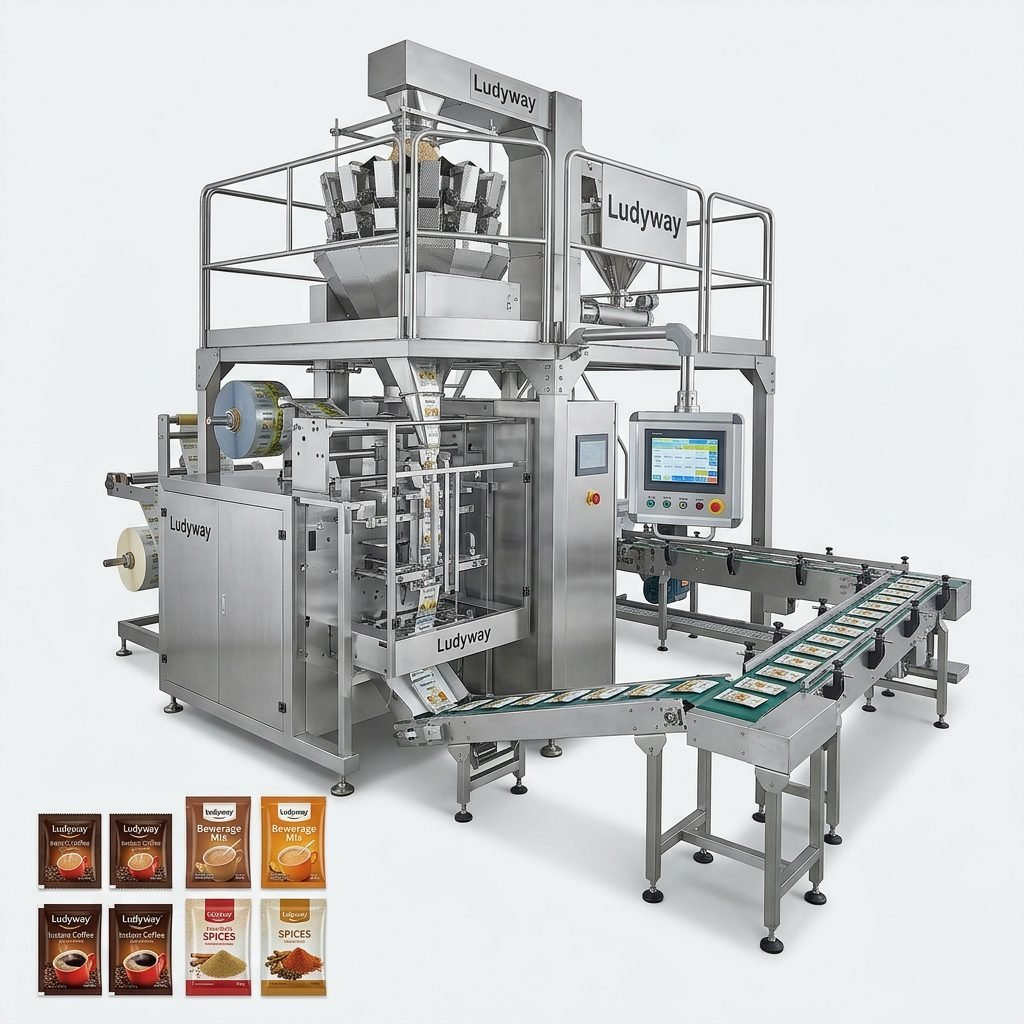
These are among the most common and versatile packaging systems. A VFFS machine forms a bag from a roll of flat packaging film, fills it with a pre-measured amount of product, and then seals it—all in a continuous vertical motion. They are ideal for packaging granules (like coffee, seeds, or nuts), powders (such as milk powder, spices, or flour), and small solid items.
Horizontal Form-Fill-Seal (HFFS) Machines
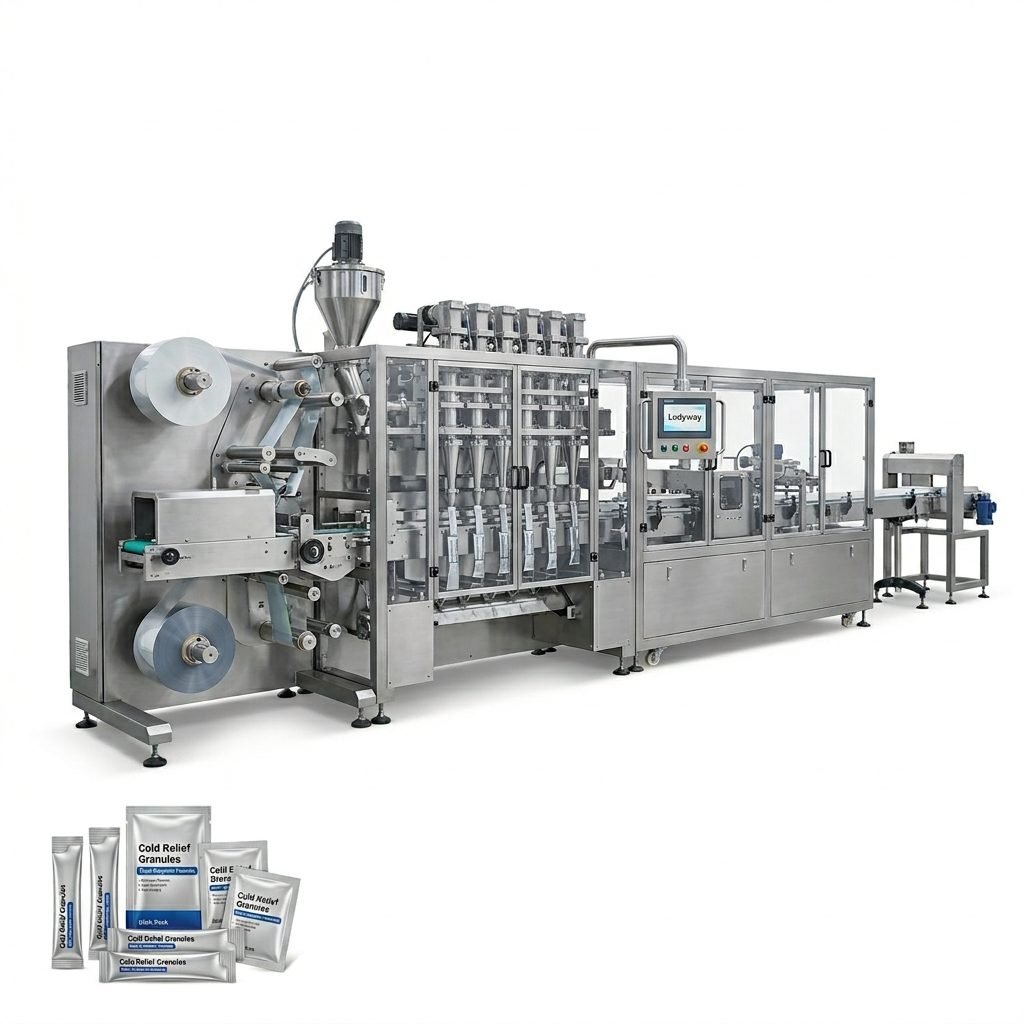
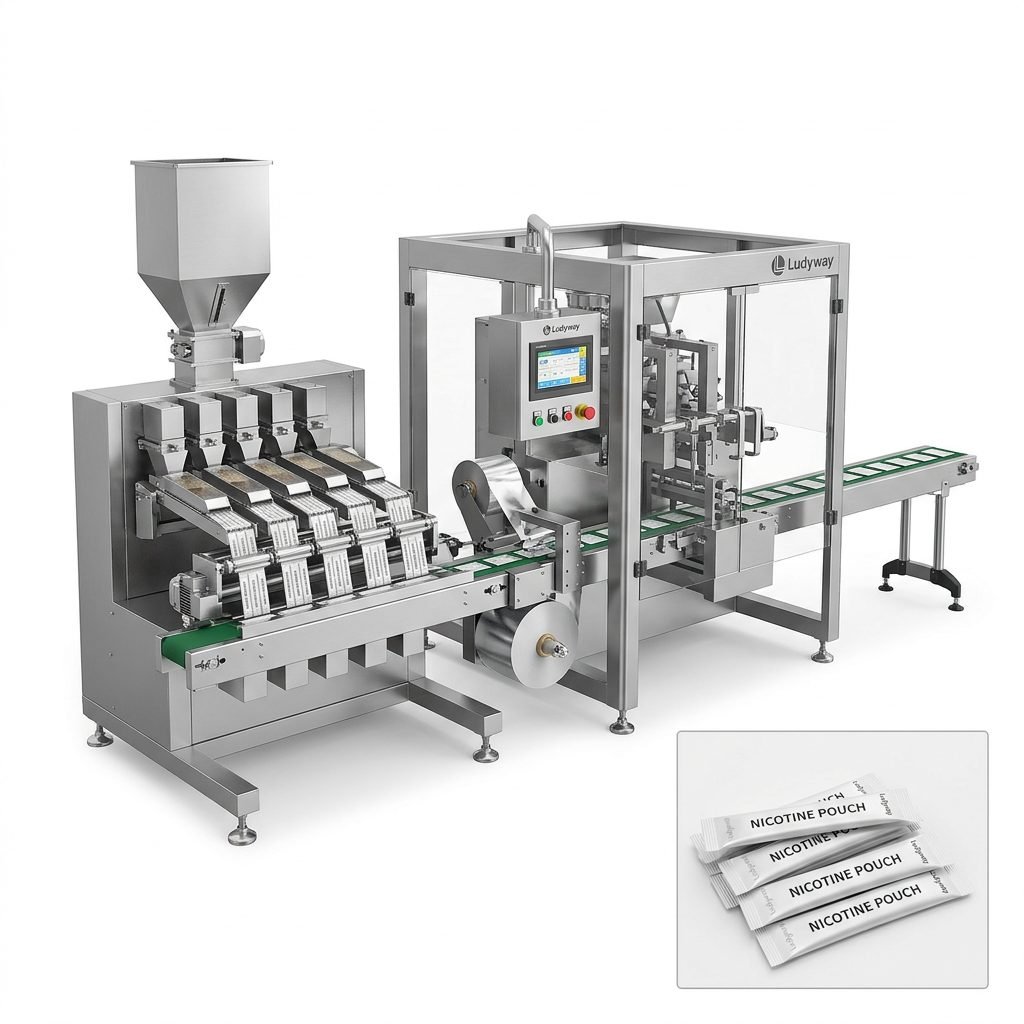
Operating on a horizontal plane, these machines are typically used for creating more complex pouch styles. They are excellent for producing stand-up pouches, four-side seal bags, and stick packs. HFFS machines are widely used in the food industry for snacks, confectionery, and single-serve condiments, as well as in pharmaceuticals for powder sachets.
Cartoning Machines
Doboy also offers robust cartoning solutions. These machines automate the process of erecting cardboard cartons, inserting the primary packaged product (like a pouch or bottle), and closing/sealing the carton. They are crucial for creating retail-ready packaging and ensuring products are protected during shipping and handling.
Specialized Machines: Stick Pack and Sachet Packers
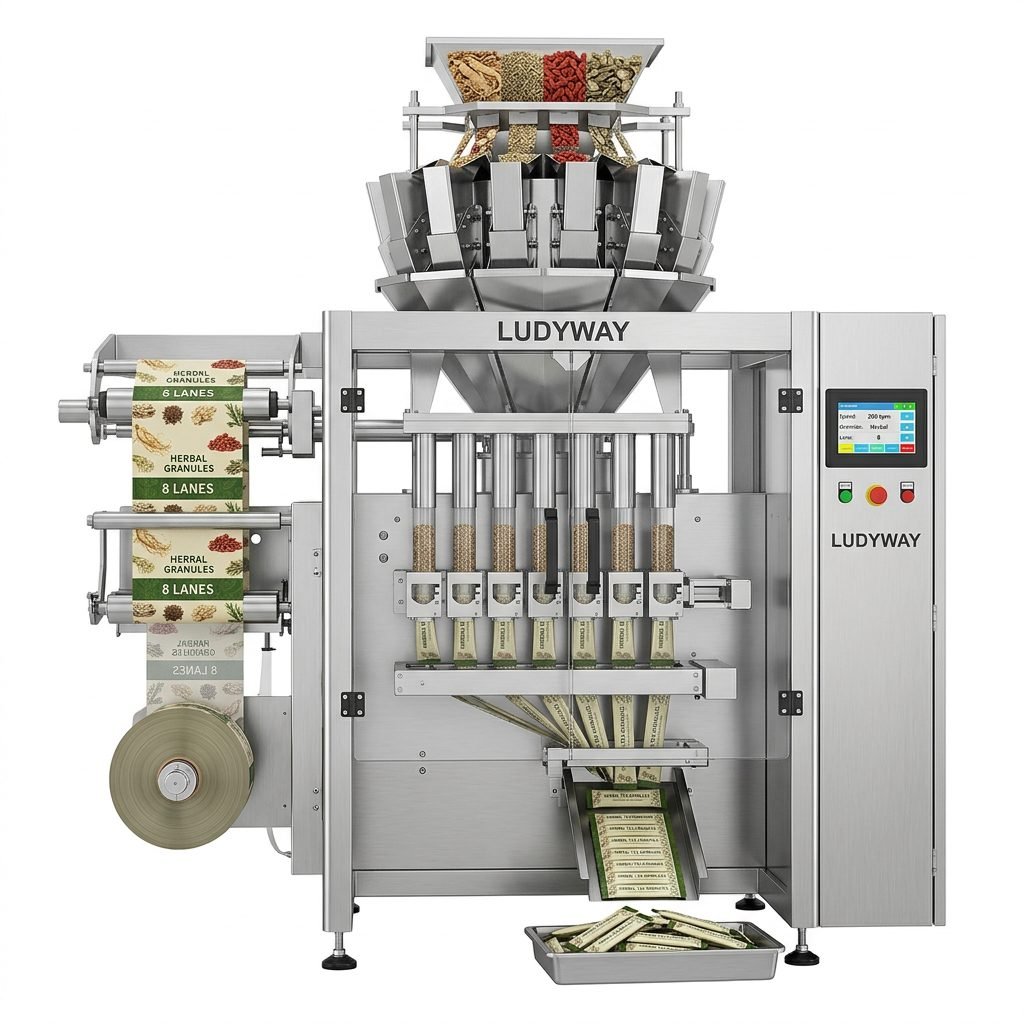
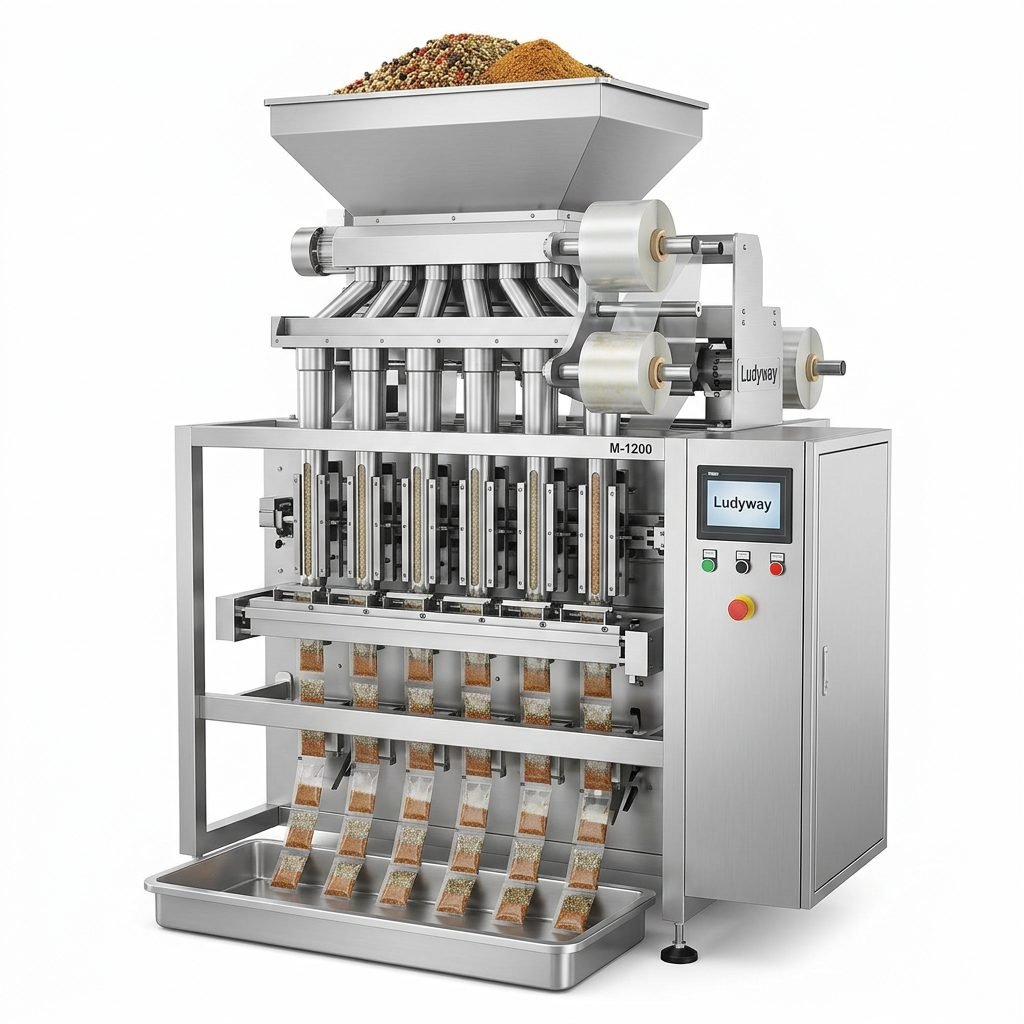
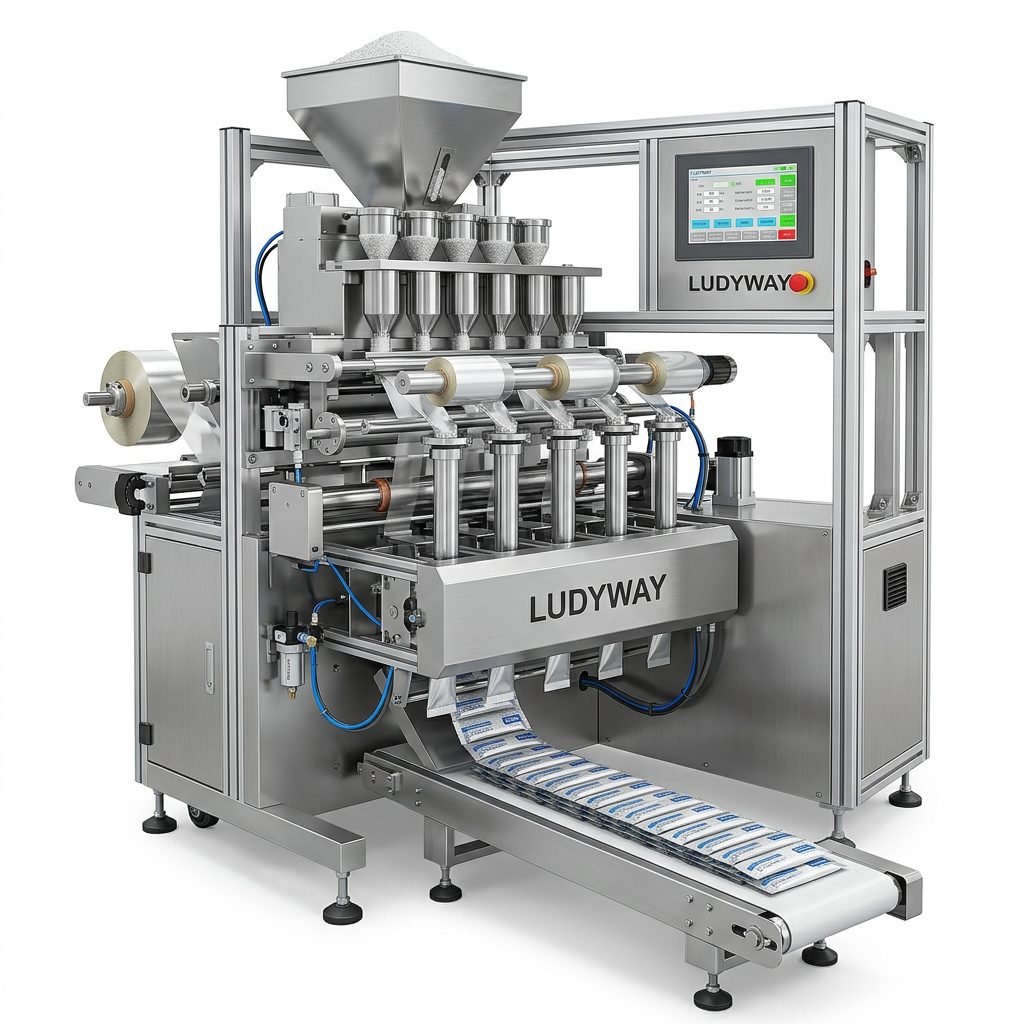
For single-serve and sample-sized products, specialized machines like stick pack and sachet packaging systems are indispensable. They are designed for high-speed, precise filling of small volumes of powder, granules, or liquids. These are extremely popular in the food & beverage (instant drink mixes, sugar), pharmaceutical (oral rehydration salts, supplements), and cosmetic industries (shampoo, lotion samples).
Core Working Principles: How Doboy Machines Operate
Understanding the fundamental mechanics behind these machines demystifies their operation and highlights their engineering sophistication. While specific details vary by model, the core principles remain consistent across most automated packaging systems.
The Forming Process
The journey begins with a roll of packaging material (laminate or film). This material is fed through a forming mechanism—a forming tube in VFFS machines or a series of forming plates and rollers in HFFS machines. This process shapes the flat film into the desired bag or pouch structure.
The Precision Filling Stage
Accuracy is paramount. Product is delivered from a hopper into a precise measuring system. For powders and granules, this could be a auger filler (using a rotating screw) or a volumetric cup filler. For liquids, a piston pump is commonly used. The measured product is then discharged into the newly formed package at the exact moment it is positioned below the filler.
The Sealing and Cutting Mechanism
This is where the package is sealed for freshness and separated. Heated sealing jaws apply pressure and heat to the packaging film, creating a hermetic seal. Immediately after sealing, a cutting device—often integrated into the jaws—trims the individual package from the film web. The result is a neatly sealed, finished pouch ready for collection.
Integration with Control Systems
Modern Doboy machines are governed by sophisticated Programmable Logic Controllers (PLCs) and Human-Machine Interfaces (HMIs). These systems control every parameter: film feed speed, sealing temperature, fill weight, and production count. They ensure consistency, allow for quick changeovers between products, and provide diagnostic information for maintenance.
Diverse Applications Across Key Industries
The versatility of Doboy packaging machines makes them valuable assets in numerous sectors. Their ability to maintain hygiene, ensure accuracy, and operate at high speeds addresses the core packaging challenges of these industries.
Food and Beverage Industry
This is the largest application area. Machines package everything from snacks and cereals to spices and tea leaves. Liquid filling machines handle oils, sauces, and dairy products. The emphasis here is on maintaining product freshness, preventing contamination, and creating attractive, shelf-stable packaging that appeals to consumers.
Pharmaceutical and Nutraceutical Sector
In this highly regulated field, precision and cleanliness are non-negotiable. Packaging machines must comply with strict standards (like cGMP). They are used to package powdered medicines, herbal supplements, and effervescent tablets into single-dose sachets or stick packs. Accuracy in fill weight is critical for dosage consistency.
Chemical and Agricultural Products
From detergent powders and pool chemicals to seeds and fertilizers, these industries require robust machines that can handle sometimes abrasive or corrosive materials. The packaging film used is often heavier-duty to provide a strong barrier and prevent leakage.
Cosmetics and Personal Care
Single-use samples of shampoo, conditioner, lotion, and face cream are frequently packaged using sachet machines. The aesthetic quality of the seal and the ability to handle viscous liquids are important considerations in this market.
Essential Buying Tips for Your Packaging Machine
Investing in a packaging machine is a significant decision. Careful evaluation of your specific needs will lead to a more satisfactory and profitable purchase. Here are key factors to consider.
1. Precisely Define Your Product and Packaging Needs
Start with the basics. What is your product type (granule, powder, liquid, solid)? What are its characteristics (hygroscopic, abrasive, viscous)? Determine your desired packaging format (stand-up pouch, flat pouch, stick pack) and material. Also, calculate your required production speed (pouches per minute) to match machine capability with your output goals.
2. Prioritize Machine Flexibility and Changeover Time
If you plan to package multiple products or different package sizes, machine flexibility is crucial. Inquire about the time and tools required for changeovers. Machines with quick-change parts and digital recipe storage can drastically reduce downtime when switching products, increasing overall line efficiency.
3. Evaluate Build Quality, Reliability, and Support
Examine the construction materials (e.g., stainless steel contact parts for food/pharma). Research the brand’s reputation for reliability. Crucially, assess the supplier’s after-sales support. Ensure they offer comprehensive technical support, readily available spare parts, and operator training. A reliable partner like Ludyway Packing Machine, with deep industry experience, can be invaluable for long-term operational success.
4. Consider Total Cost of Ownership (TCO)
Look beyond the initial purchase price. Factor in operating costs (energy consumption, compressed air usage), maintenance costs, and the potential cost of downtime. A slightly more expensive machine with higher reliability and better energy efficiency often has a lower TCO over its lifespan.
5. Request a Live Product Test
Never buy based on specifications alone. Always request a live test run using your actual product and packaging materials. This is the only way to verify the machine’s performance regarding fill accuracy, sealing quality, and operational speed. It also allows your operators to get a feel for the machine.
Conclusion: Making an Informed Investment
Choosing the right Doboy packaging machine is a strategic investment that impacts your production efficiency, product quality, and bottom line. By thoroughly understanding the types of machines available, their working principles, and their applications, you can narrow down the options that fit your industry. Applying the practical buying tips outlined—focusing on your specific needs, machine flexibility, supplier support, and total cost—will guide you toward a decision that enhances your packaging line’s performance for years to come. Partnering with an experienced provider ensures you get not just a machine, but a complete packaging solution tailored to your challenges.
Frequently Asked Questions (FAQs)
What is the main difference between VFFS and HFFS packaging machines?
The primary difference lies in the orientation of package formation. A Vertical Form-Fill-Seal (VFFS) machine creates bags in a vertical direction and is best for simple pillow-type bags of granules, powders, and small solids. A Horizontal Form-Fill-Seal (HFFS) machine forms packages on a horizontal plane and is better suited for more complex pouch styles like stand-up pouches, four-side seal bags, and stick packs, often used for snacks and liquids.
Can one packaging machine handle both powder and liquid products?
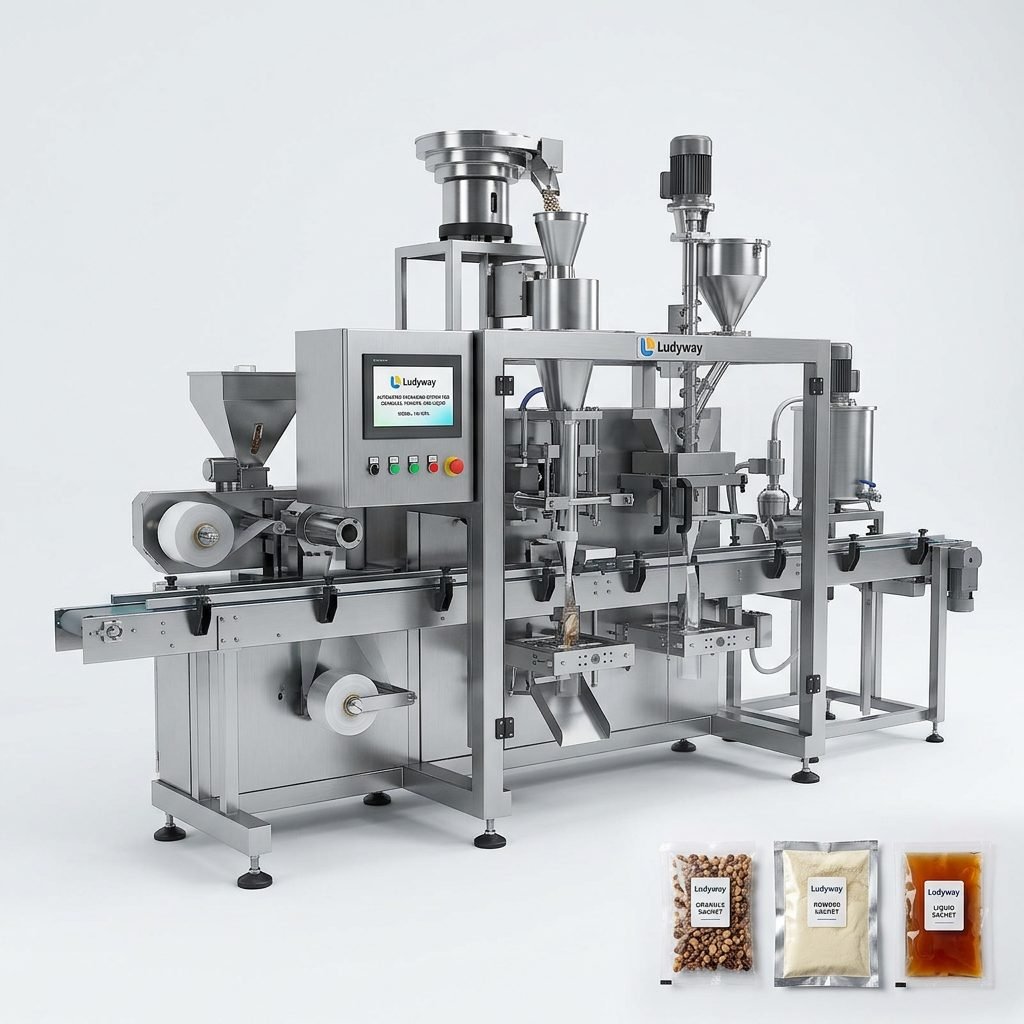
Generally, machines are specialized. While the core forming and sealing principles are similar, the filling systems are different. Powder products typically require an auger filler, while liquids need a piston pump filler. Some advanced modular machines allow for the swapping of filling systems, but this is a specific feature to inquire about, not a standard capability.
How important is after-sales service when buying a packaging machine?
Extremely important. Packaging machines are complex mechanical systems that require maintenance, occasional repairs, and part replacements. A supplier with strong after-sales support—offering prompt technical assistance, a comprehensive spare parts inventory, and operator training—minimizes costly downtime and ensures your machine remains productive throughout its lifecycle. Evaluating service should be a top priority alongside the machine specifications.
What key factors affect the speed of a packaging line?
Line speed is influenced by several factors: the machine’s maximum mechanical cycle speed, the product characteristics (free-flowing products fill faster than sticky ones), the packaging format (smaller pouches can often be made faster than large ones), and the upstream/downstream equipment integration (like product feeders and cartoners). The claimed maximum speed is usually under ideal conditions with a specific product.
Are automated packaging machines difficult for operators to learn?
Modern machines with user-friendly touchscreen HMIs (Human-Machine Interfaces) are designed for intuitive operation. Basic tasks like starting, stopping, and monitoring production are straightforward. However, more complex procedures like mechanical changeovers for different package sizes, deep cleaning, and troubleshooting require proper training. A good supplier will provide comprehensive training to ensure your team can operate and maintain the machine effectively.