In the fast-paced world of product manufacturing, packaging is a critical final step that directly impacts shelf appeal, product protection, and operational efficiency. For countless products—from food seasonings and pharmaceuticals to cosmetics and hardware items—flexible pouches offer a versatile, cost-effective, and consumer-friendly solution. The heart of creating these pouches lies in the flexible pouch packaging machine. This comprehensive guide will delve into the different types of machines, explain their working process, and provide a clear framework for choosing the perfect model for your production needs.
Understanding Flexible Pouch Packaging Machines
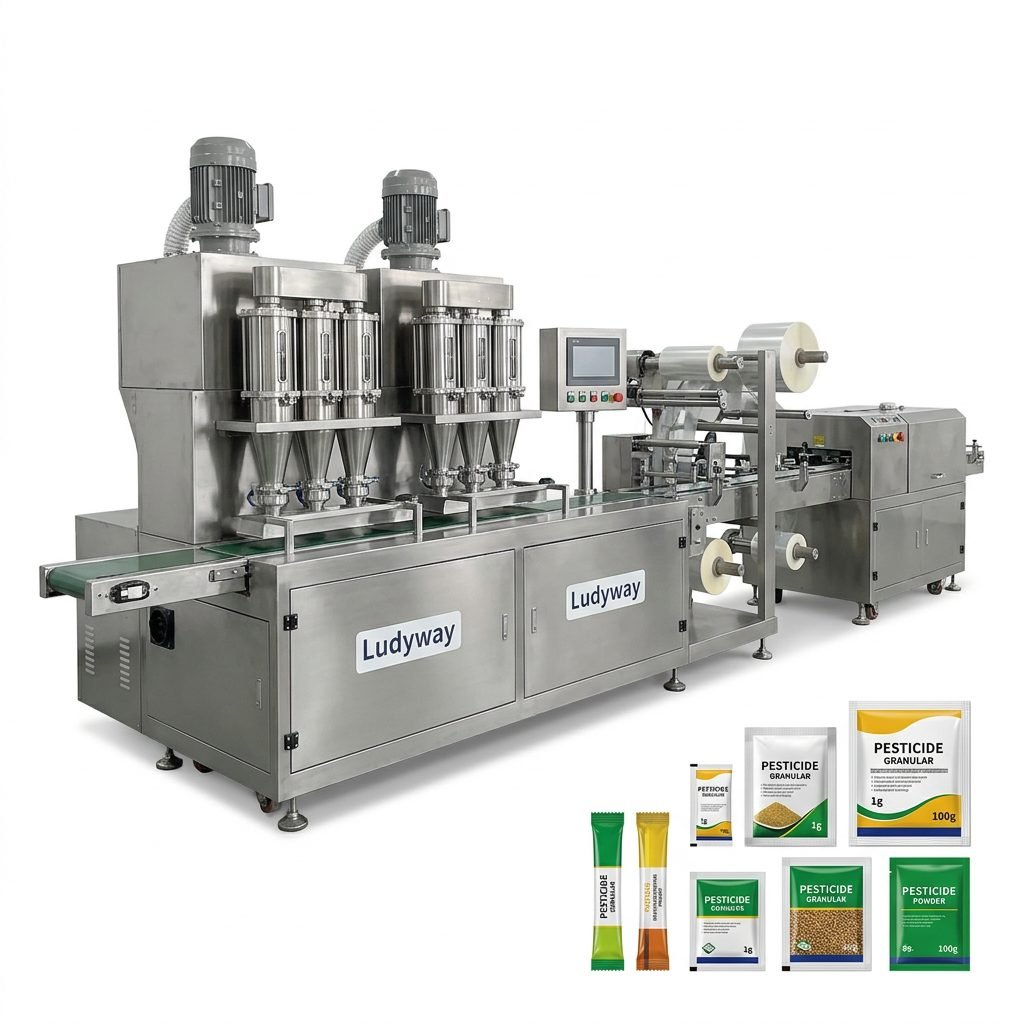
A flexible pouch packaging machine is an automated system designed to form, fill, and seal pouches from a roll of packaging film. This process, often abbreviated as FFS (Form-Fill-Seal), streamlines packaging into a single, continuous operation, significantly boosting output while minimizing material waste and labor costs. These machines are the backbone of modern packaging lines for a vast array of dry, liquid, and viscous products.
→ Key Advantage: The primary benefit of using an FFS machine is the integration of multiple packaging steps. It eliminates the need for pre-made bags, separate filling stations, and manual sealing, creating a leaner, faster, and more hygienic production environment.
Core Types of Flexible Pouch Packaging Machines
Selecting the right machine starts with understanding the fundamental types available. They are primarily categorized by their pouch forming style and the number of packaging lanes.
1. Vertical Form-Fill-Seal (VFFS) Machines
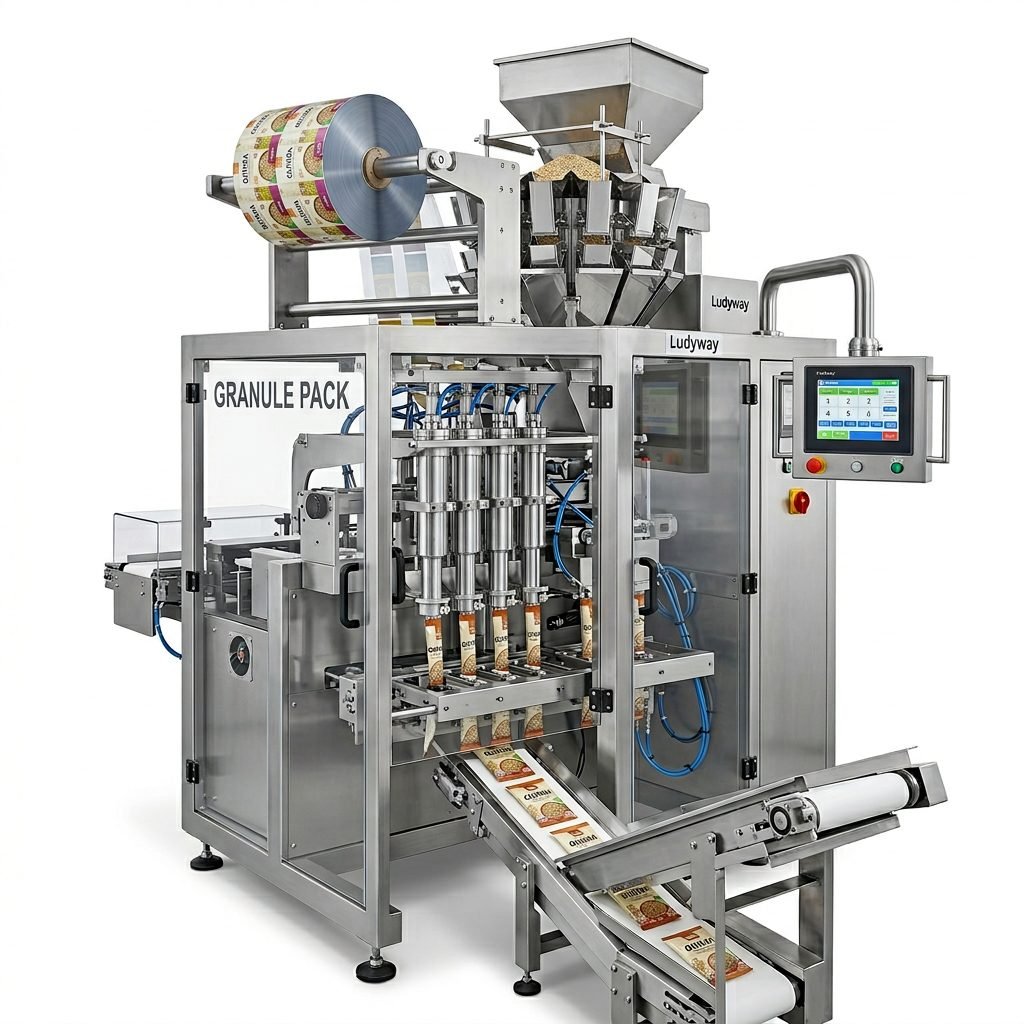
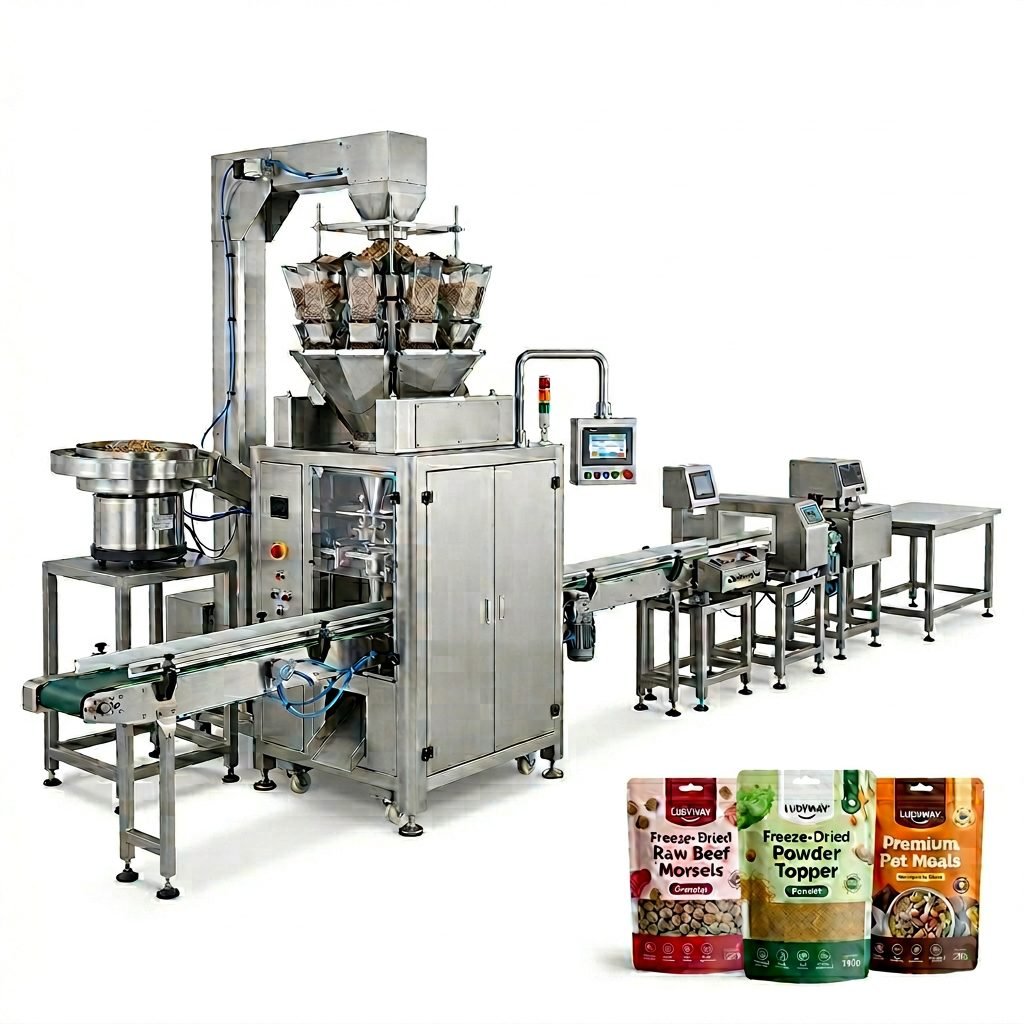
Vertical machines are among the most common and versatile. The film travels vertically downward, forming a tube that is sealed at the bottom, filled with product, and then sealed at the top before being cut off. They are ideal for free-flowing products like granules, powders, seeds, and liquids.
- ✓ Best For: Snacks, coffee, powdered drinks, pet food, hardware items (screws, nails).
- ✓ Space-Saving: Has a relatively small footprint.
- ✓ High Speed: Capable of very high output rates.
2. Horizontal Form-Fill-Seal (HFFS) Machines
In horizontal machines, the film moves horizontally. Pouches are formed side-by-side on a single web of film before being filled and sealed. This design is exceptionally well-suited for complex pouch shapes and products that require precise placement.
- ✓ Best For: Liquid condiments (ketchup, sauce), shampoo sachets, wet wipes, medical devices.
- ✓ Design Flexibility: Excellent for creating stand-up pouches (Doypack), zipper pouches, and spouted pouches.
- ✓ Gentle Handling: Ideal for fragile or non-free-flowing products.
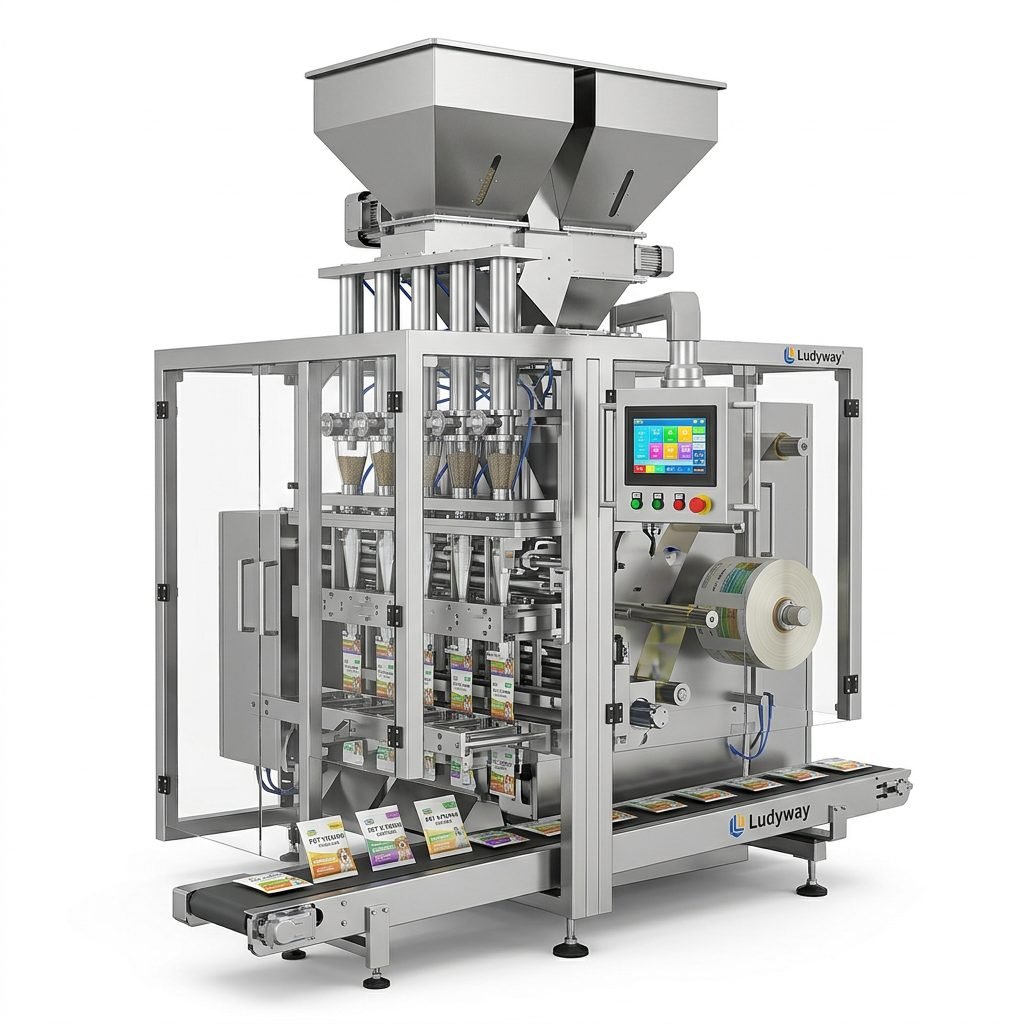
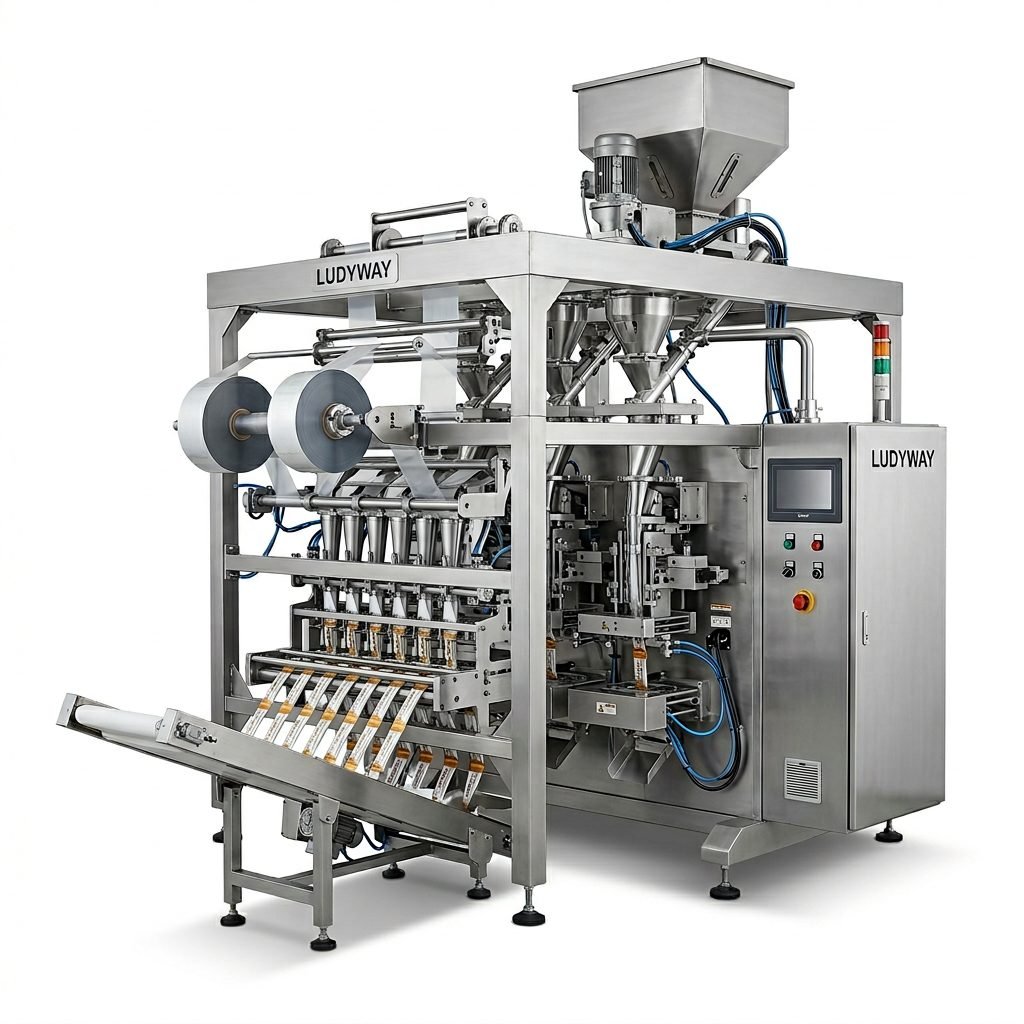
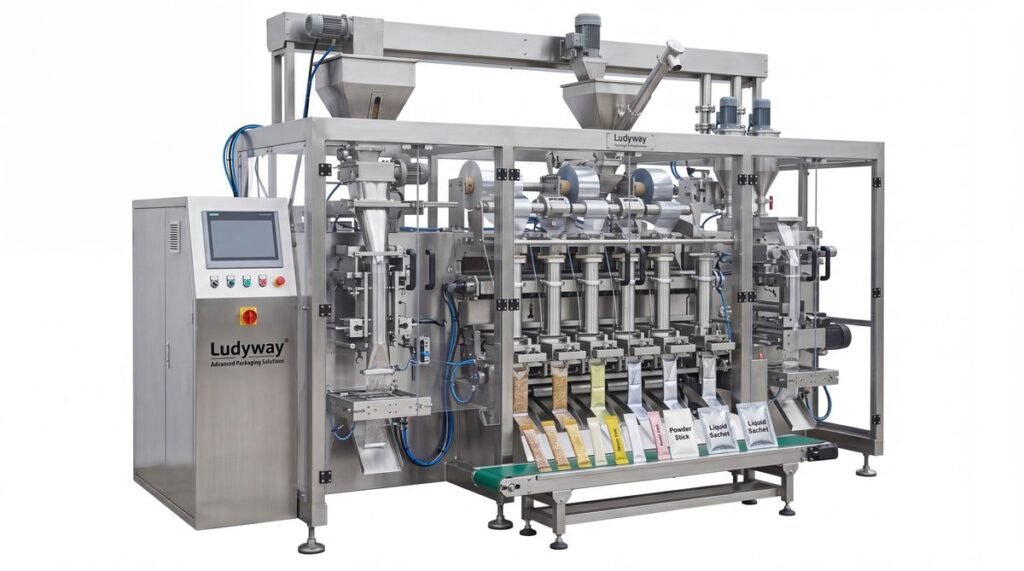
3. Multi-Lane Stick Pack & Sachet Machines
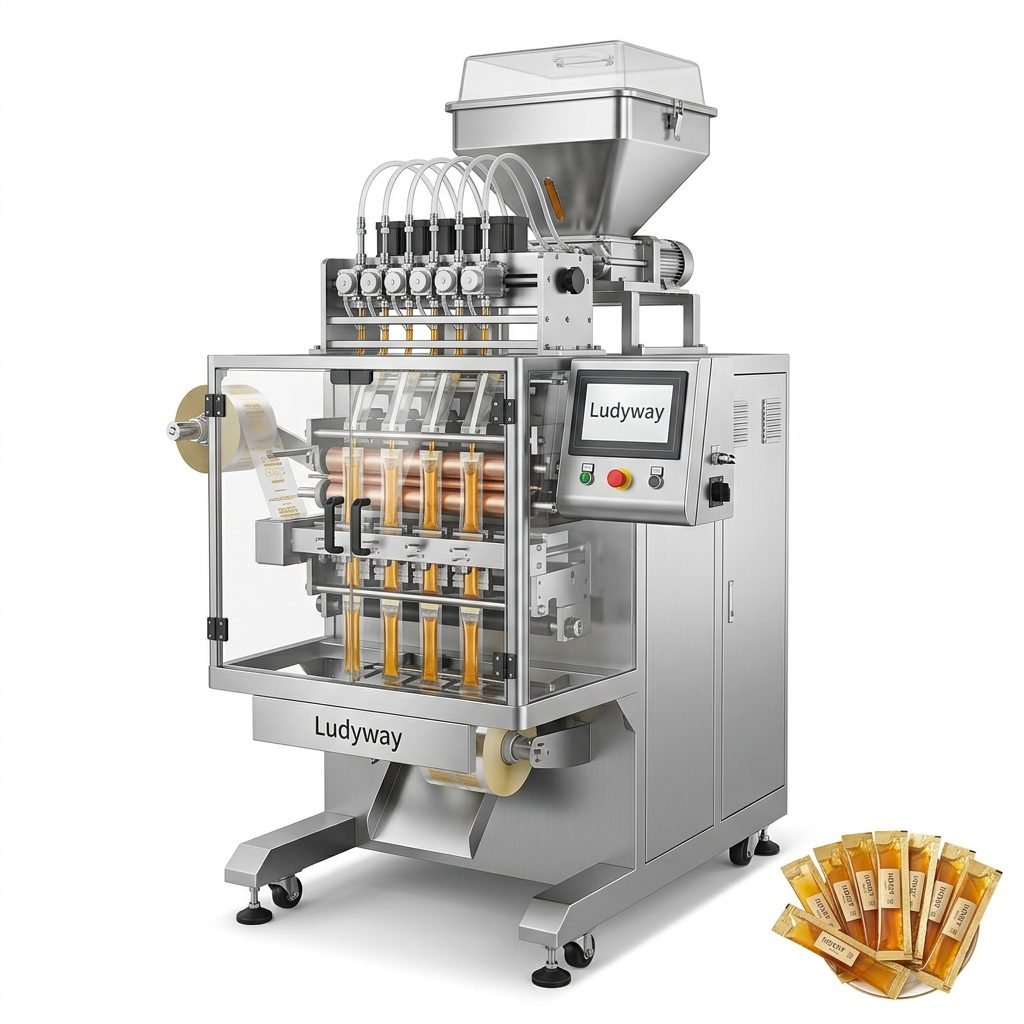
This is a specialized category designed for high-volume production of small, single-serve packages like stick packs for sugar, instant coffee, or pharmaceutical powders. Multiple lanes operate in parallel from a single film roll, dramatically multiplying output.
Industry Insight: For brands targeting markets with high consumption of on-the-go products, such as Southeast Asia or busy urban centers worldwide, multi-lane sachet machines are indispensable for meeting demand cost-effectively.
The Working Process: From Film Roll to Finished Pouch
The automation of a pouch packaging machine is a marvel of precision engineering. Here’s a step-by-step breakdown of a typical VFFS process:
- Film Unwinding & Guidance: A roll of laminated packaging film is loaded and fed through a series of tensioners and guides to ensure smooth, aligned travel.
- Pouch Forming: The film is pulled over a forming collar, which shapes it into a vertical tube. The longitudinal (back) seal is made here, creating a continuous tube.
- Cross Sealing & Bottom Seal: A pair of heated sealing jaws close to create the horizontal bottom seal of the first pouch and the top seal of the previous pouch simultaneously.
- Product Filling: The formed pouch is positioned under the fill head. Pre-measured product—via auger, volumetric cup, pump, or scale—is discharged into the pouch.
- Top Sealing & Cutting: The sealing jaws close again above the product to create the pouch’s top seal and separate the finished pouch from the film tube above. The pouch then drops onto a conveyor for collection.
How to Choose the Right Model: A Strategic Guide
Investing in the right machine requires careful analysis of your specific needs. Use this checklist to guide your decision-making process.
1. Define Your Product Characteristics
This is the most critical starting point. The machine must be compatible with your product.
- Physical State: Is it a powder, granule, liquid, paste, or solid piece?
- Flowability: Does it flow freely like rice, or is it sticky like honey or grease?
- Abrasiveness/Corrosiveness: Some products require specialized, wear-resistant filling systems.
2. Determine Packaging Specifications
Your market and brand identity dictate the package.
- Pouch Type & Size: Simple pillow bag, stand-up pouch (with or without gusset), zipper pouch, spout pouch? What are the dimensions and weight range?
- Film Material: The machine must be able to handle your chosen laminate (e.g., PET/AL/PE, OPP/CPP) and create a strong, hermetic seal.
- Production Speed (Output): Calculate your required bags-per-minute (BPM) based on daily/weekly targets. Remember to factor in future growth.
3. Evaluate Machine Features & Automation Level
Look beyond basic functionality to features that enhance efficiency and quality.
→ Critical Considerations:
- Filling System Accuracy: For expensive or dosage-critical products (e.g., pharmaceuticals, premium spices), a precision weigh scale filler is non-negotiable.
- Changeover Time: How quickly can you switch pouch sizes or products? Look for machines with quick-change parts and recipe memory in the PLC.
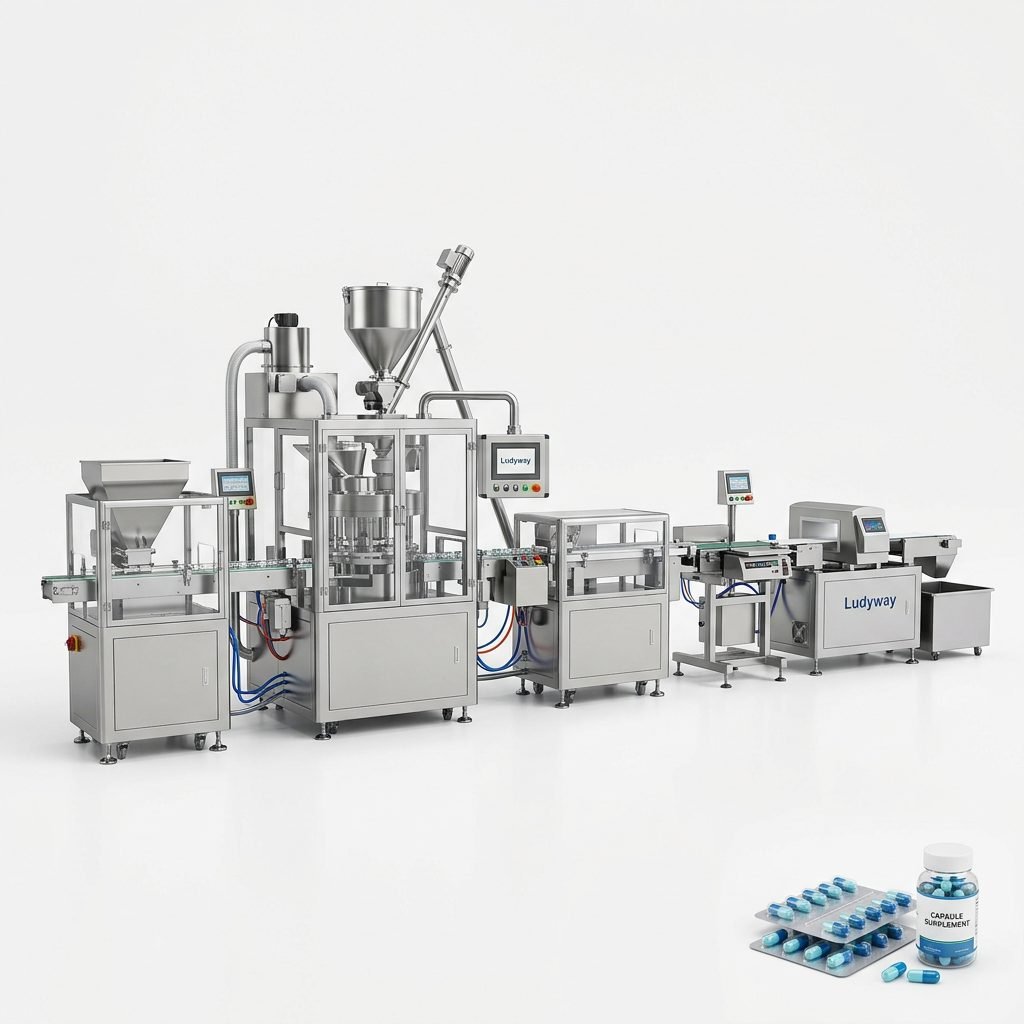
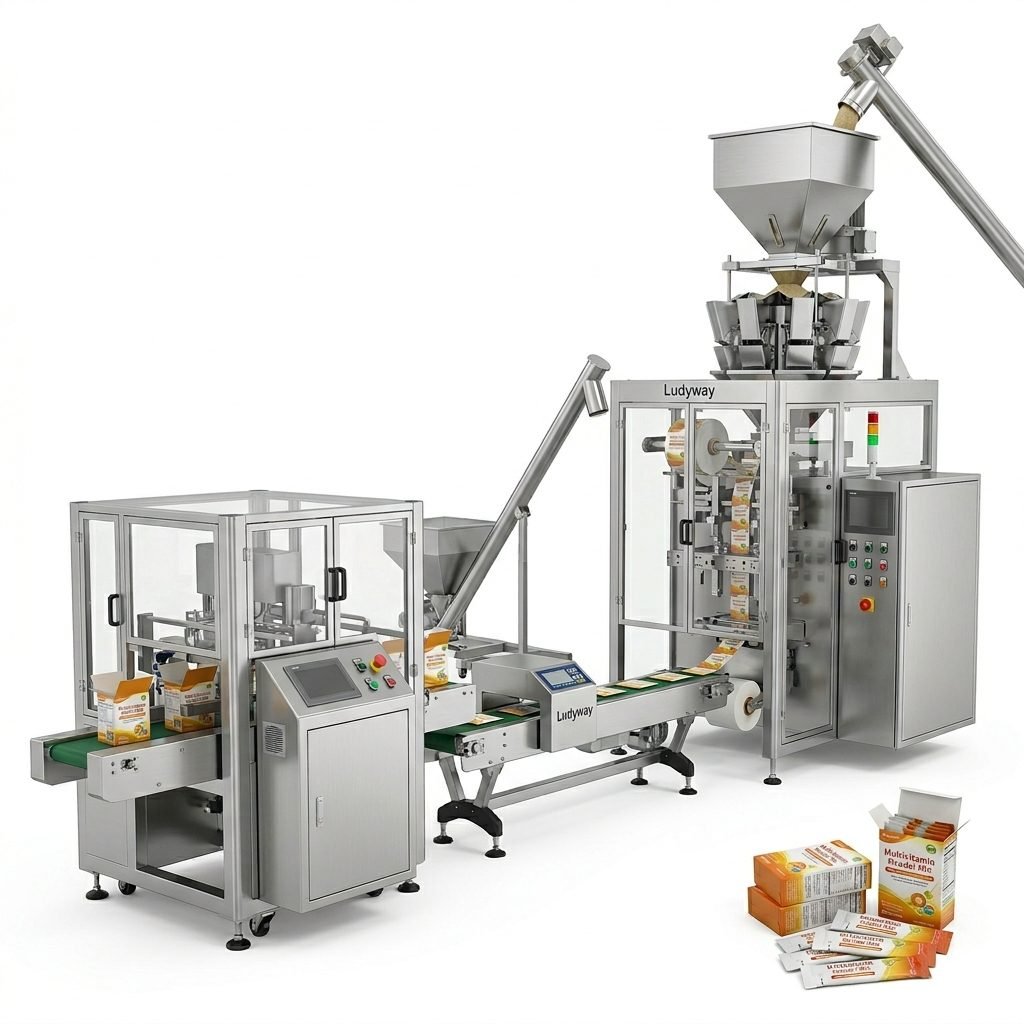
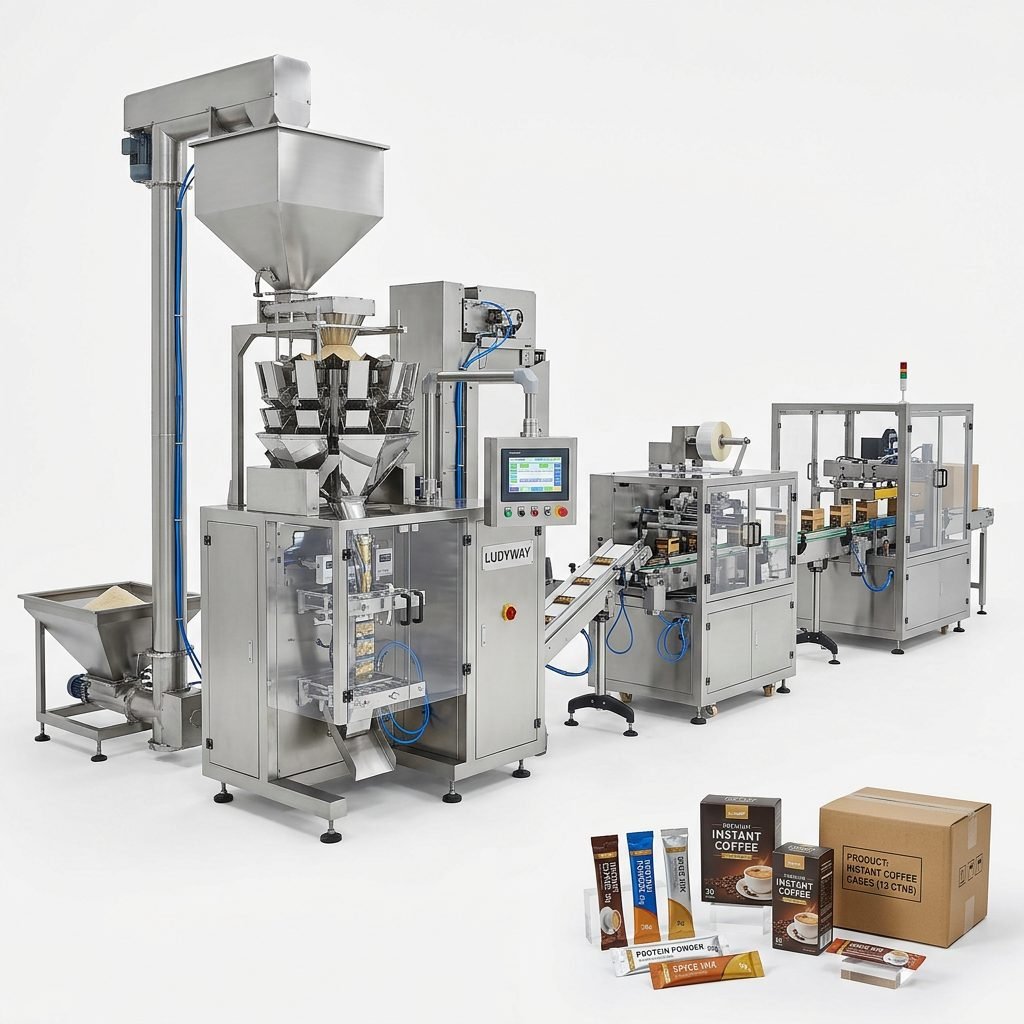
- Integration Capability: Can the machine easily connect to upstream (e.g., feeders) and downstream (e.g., cartoners, case packers) equipment for a full turnkey production line?
4. Assess Supplier Credibility and Support
The machine is a long-term investment. The supplier partnership is crucial.
Choose a partner with proven industry experience and a solid track record. They should offer comprehensive services including factory acceptance testing (FAT), installation supervision, operator training, and readily available spare parts. A supplier with strong engineering capabilities can also provide valuable customization to meet unique requirements.
Conclusion
Selecting the optimal flexible pouch packaging machine is a strategic decision that balances product needs, packaging goals, production targets, and total cost of ownership. By thoroughly understanding the types of machines available, the intricacies of their operation, and systematically evaluating your requirements against machine capabilities, you can make an investment that drives efficiency, ensures product quality, and scales with your business growth for years to come.
Frequently Asked Questions (FAQs)
1. What is the main difference between VFFS and HFFS machines?
The core difference is the direction of film travel and pouch formation. VFFS machines form pouches vertically and are best for free-flowing products packed into simple pillow bags or basic stand-up pouches. HFFS machines form pouches horizontally and excel at creating complex pouch styles (like spouted or zippered pouches) and handling liquids or fragile items that require precise placement.
2. How do I know what production speed (BPM) I need?
Calculate based on your shift patterns and output goals. For example: If you need 50,000 pouches per 8-hour shift, you need a minimum speed of ~104 BPM (50,000 / 480 minutes). Always add a 15-20% buffer for efficiency losses and choose a machine that can exceed your current needs to accommodate future demand.
3. Can one machine handle different types of products?
Yes, but with considerations. Many machines are designed for quick changeover. However, switching between vastly different products (e.g., fine powder to oily granules) may require a thorough cleaning and possibly a change of the filling system components (like augers or funnels) to prevent cross-contamination and ensure accurate filling.
4. What kind of maintenance do these machines require?
Regular preventive maintenance is key. Daily tasks include cleaning and checking for debris. Weekly/monthly tasks involve lubricating moving parts, checking seal jaw alignment and temperature, and inspecting wear parts like cutting blades. Always follow the manufacturer’s maintenance schedule provided in the manual.
5. Is operator training difficult?
Modern machines with user-friendly PLC (Programmable Logic Controller) touchscreens are designed for intuitive operation. Reputable suppliers always provide comprehensive training covering machine operation, basic troubleshooting, changeover procedures, and safety protocols. A well-trained operator is essential for maximizing uptime and machine life.