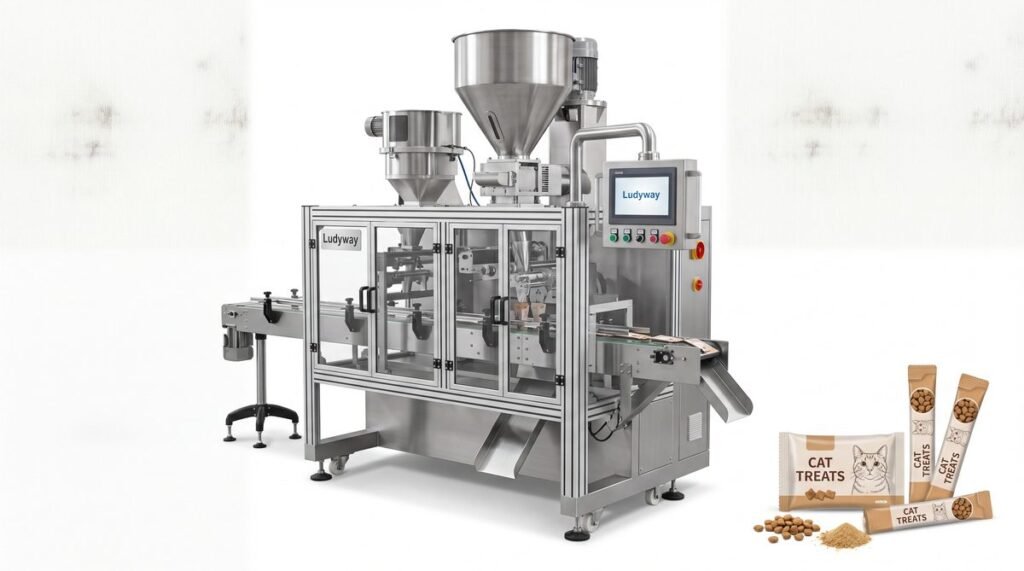
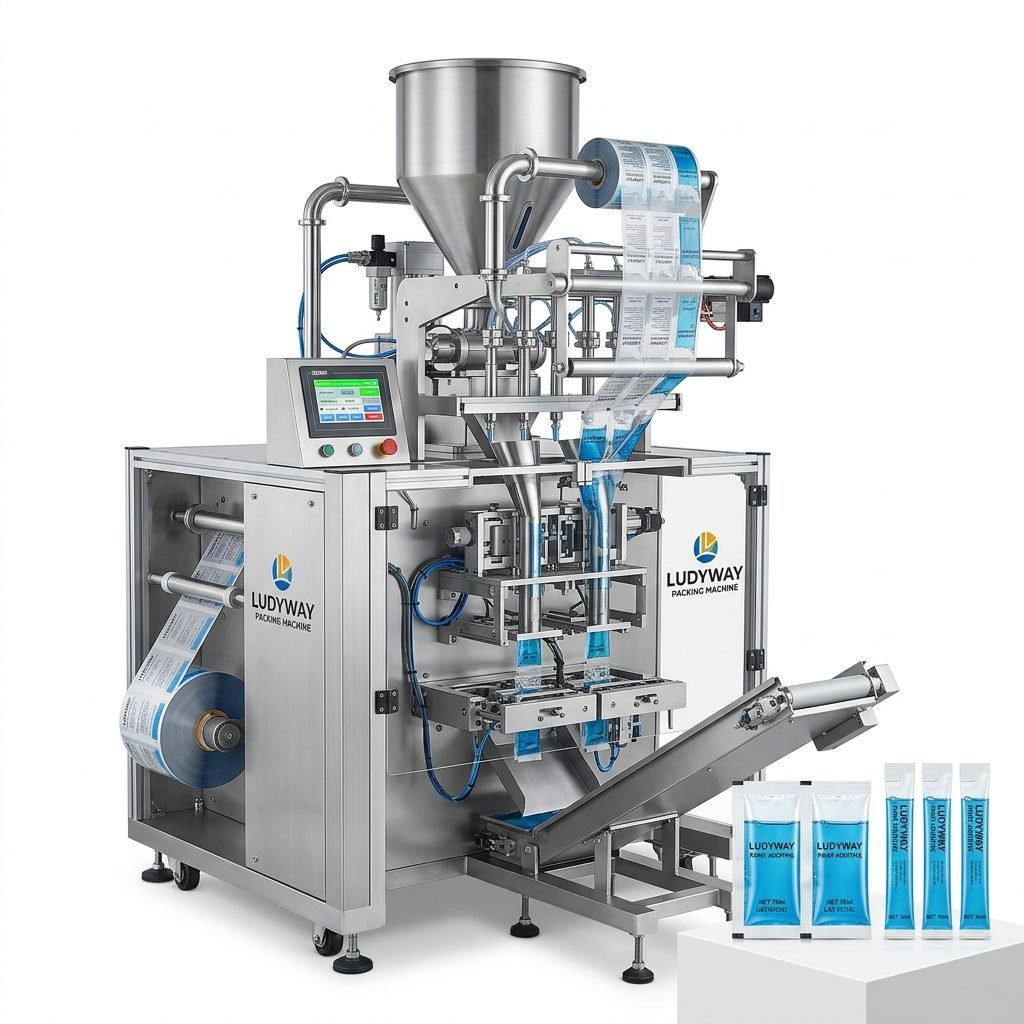
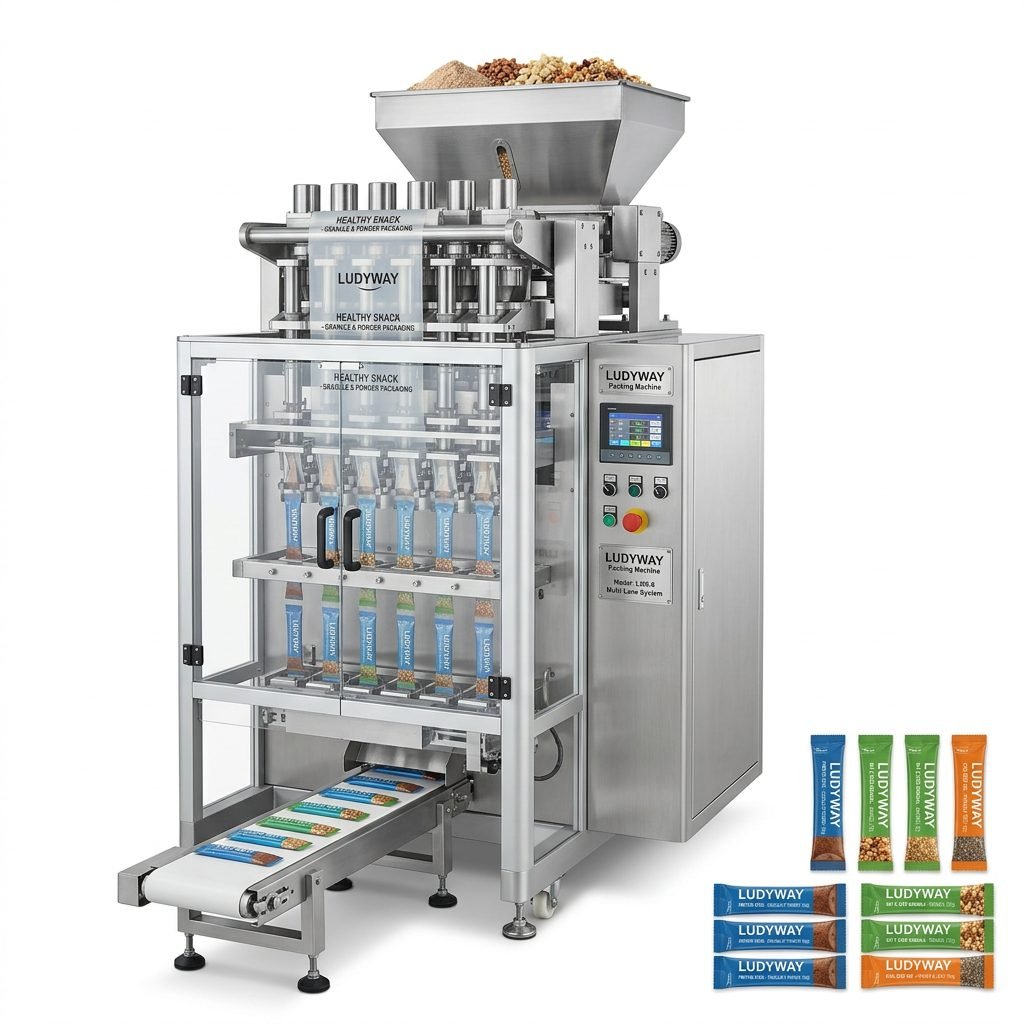
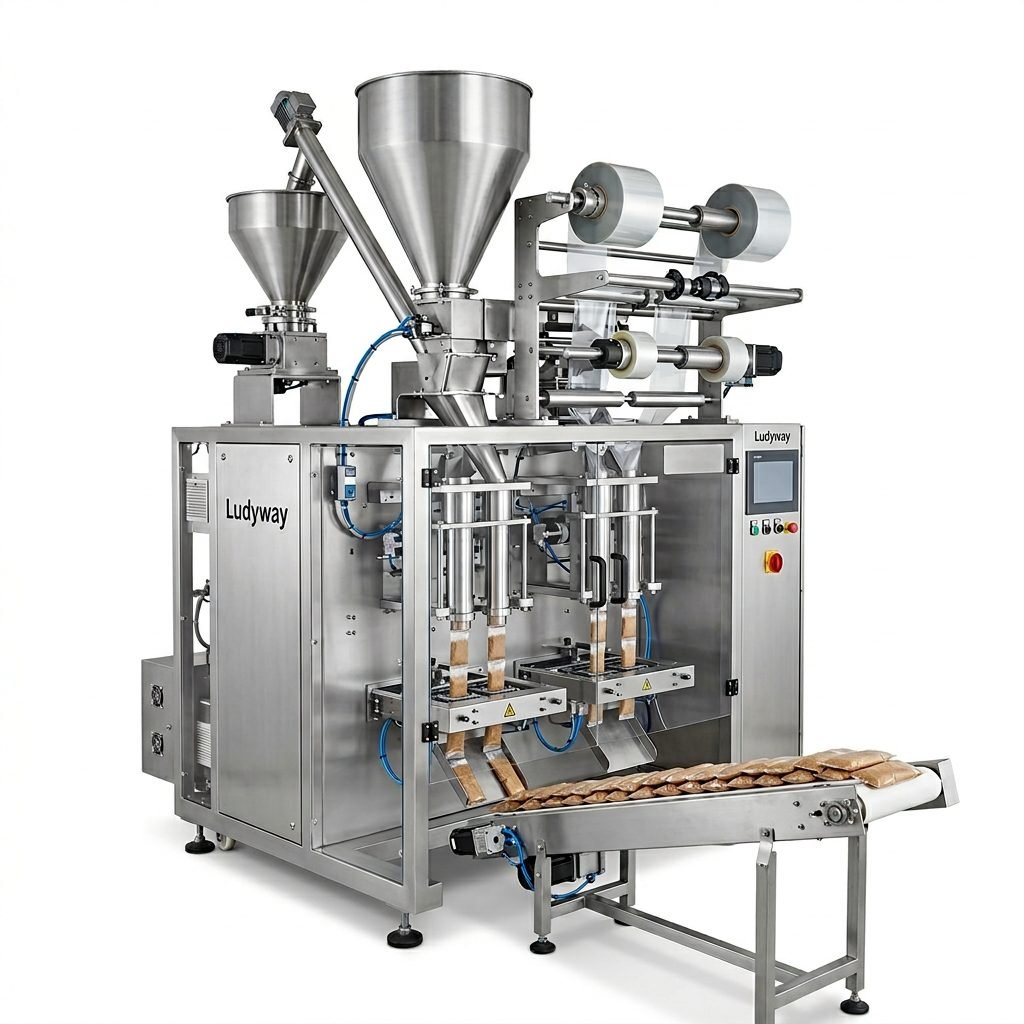
In the competitive world of food and seasoning production, efficiency and presentation are paramount. The right seasoning packaging machine is not just a piece of equipment; it’s a critical investment that impacts your product’s shelf appeal, freshness, and overall brand perception. Choosing the ideal machine involves navigating a landscape of different technologies, each suited to specific product types and production goals. This guide will walk you through the essential types of seasoning packaging machines, their key features, and a structured approach to selecting the best one for your business needs.
Understanding the Core Types of Seasoning Packaging Machines
The first step in your selection journey is understanding the primary machine categories. The type of seasoning you package—be it fine powder, coarse granules, flakes, or liquid blends—largely dictates the suitable machine technology.
Vertical Form-Fill-Seal (VFFS) Machines
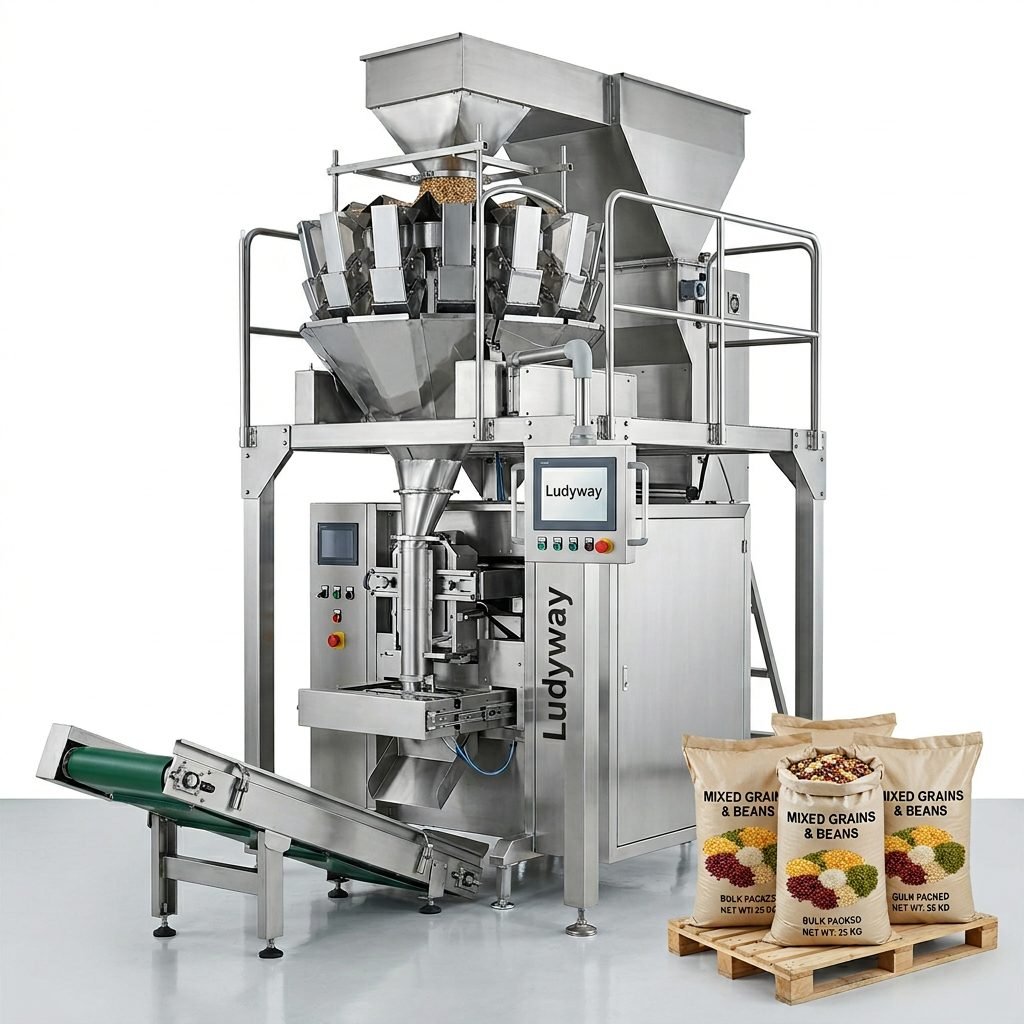
These are the workhorses of the seasoning industry. VFFS machines form bags from a roll of film, fill them with product, and seal them in a continuous vertical process. They are incredibly versatile and efficient for medium to high-volume production.
- Best For: Granular seasonings (like pepper, salt crystals), small pasta, herb blends, and powdered mixes.
- Key Advantage: High speed, low film waste, and the ability to create various bag styles (pillow, gusseted, stand-up pouches).
Pre-Made Pouch Machines
These systems use pre-manufactured, flat pouches that are automatically opened, filled, and sealed. This method is ideal for applications where packaging aesthetics and material properties are critical.
- Best For: High-value seasoning blends, gift sets, or products requiring complex, high-barrier laminated films for superior freshness.
- Key Advantage: Excellent graphic presentation, support for unique pouch shapes (doypack, spouted), and often gentler handling of delicate products.
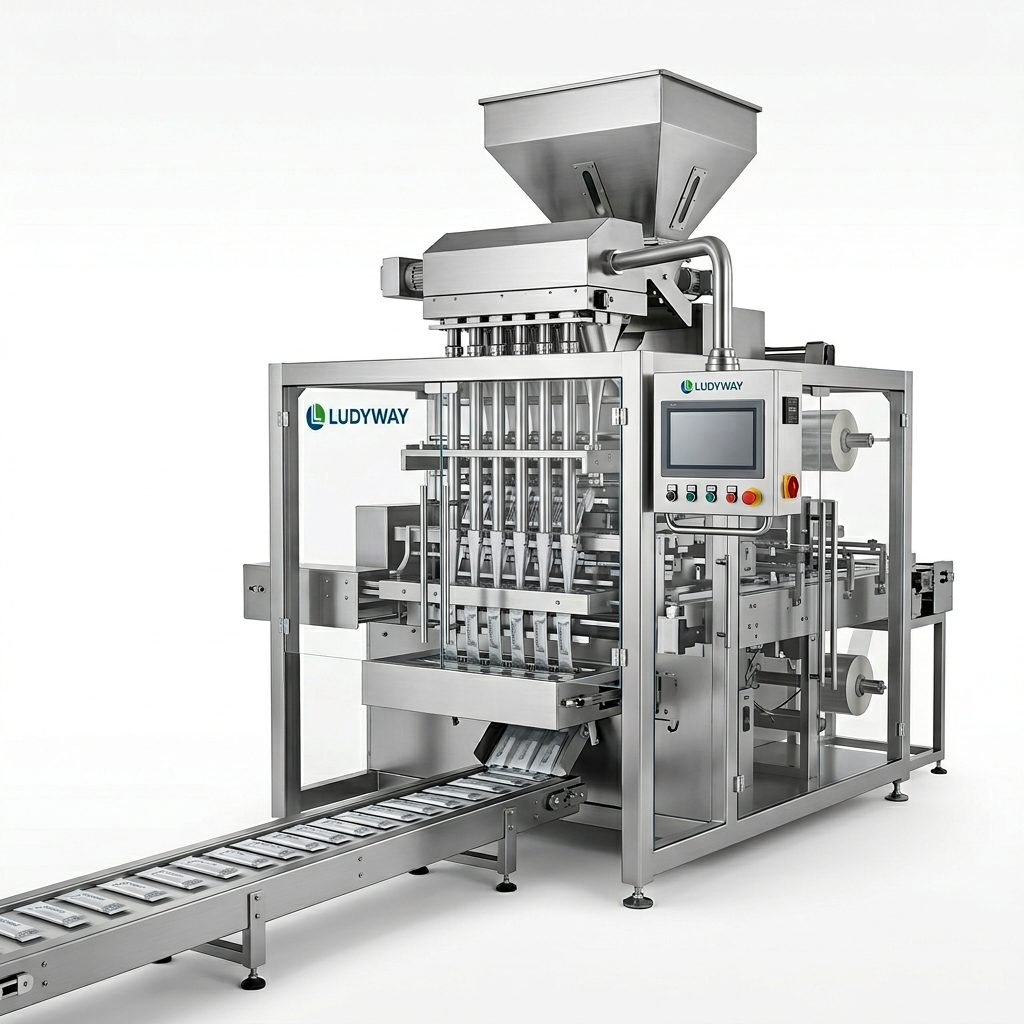
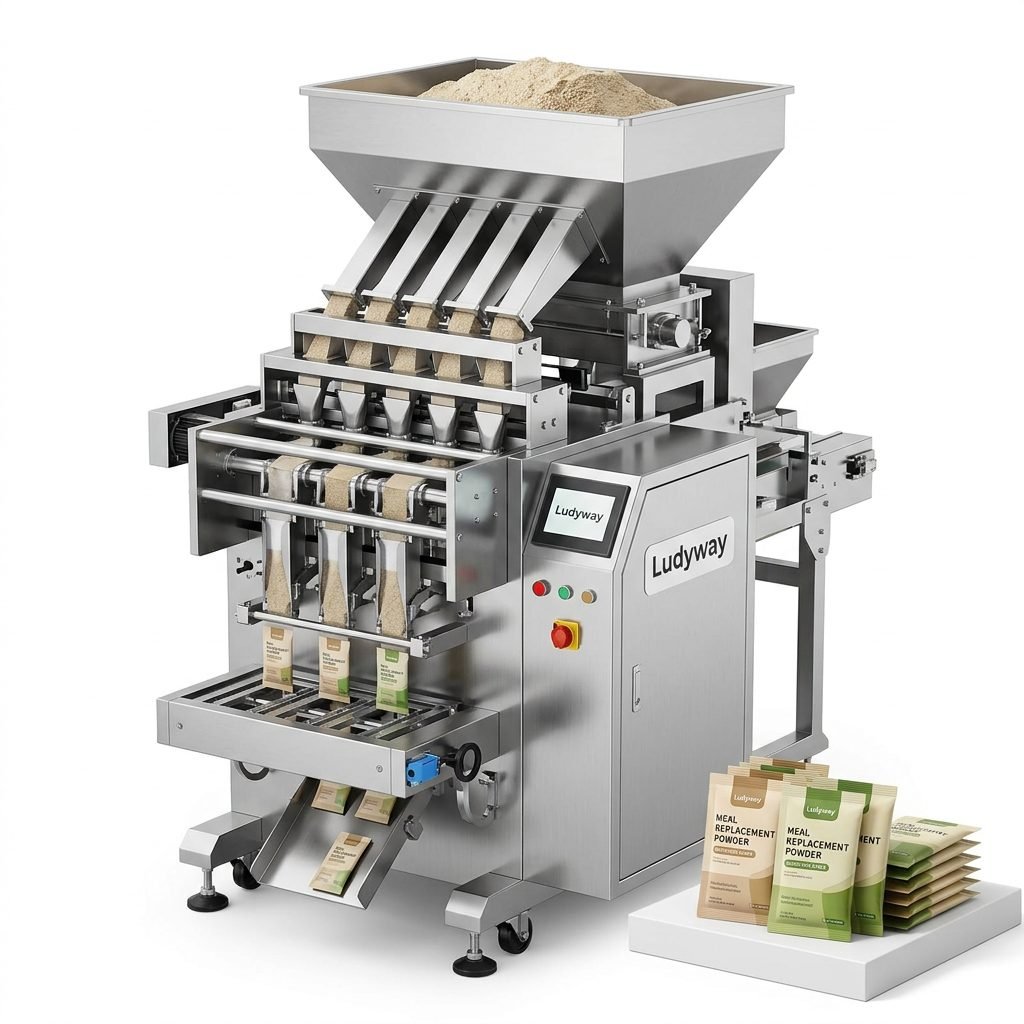
Stick Pack & Sachet Packaging Machines
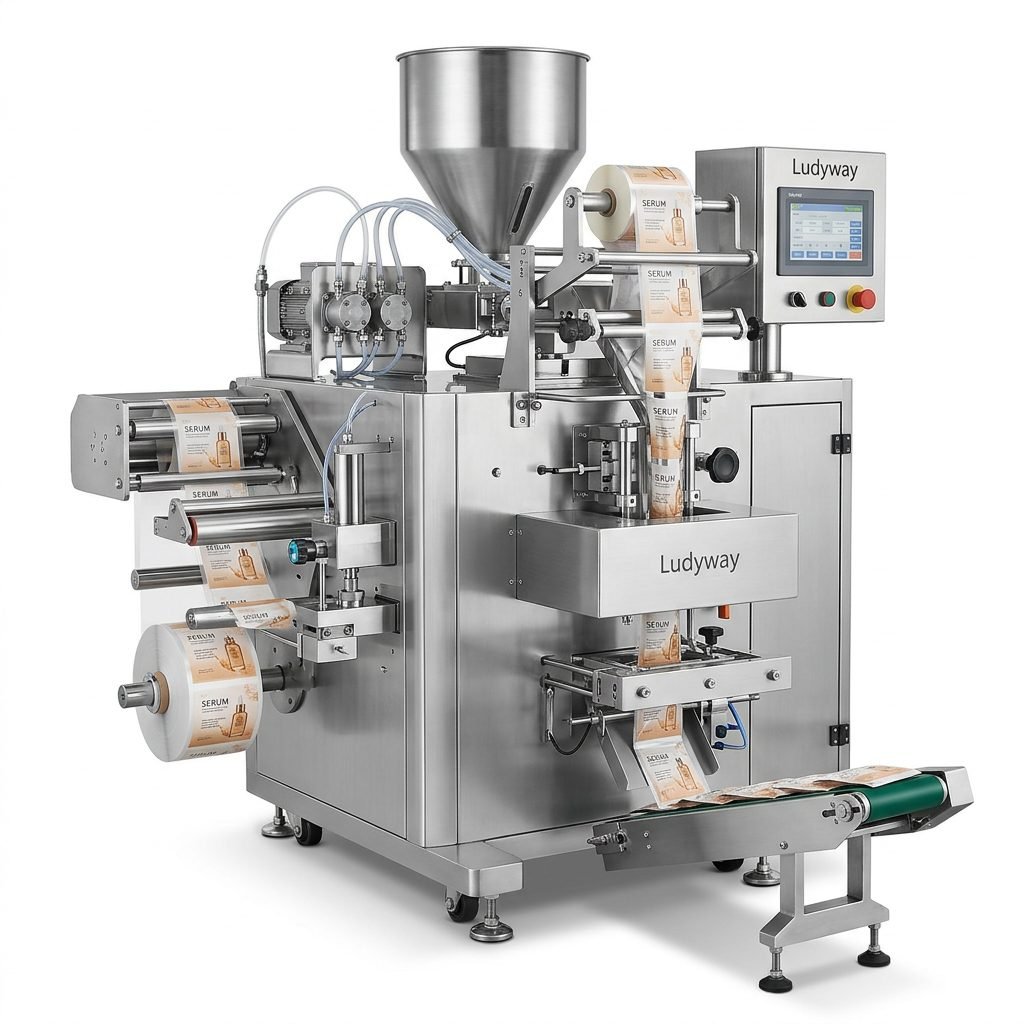
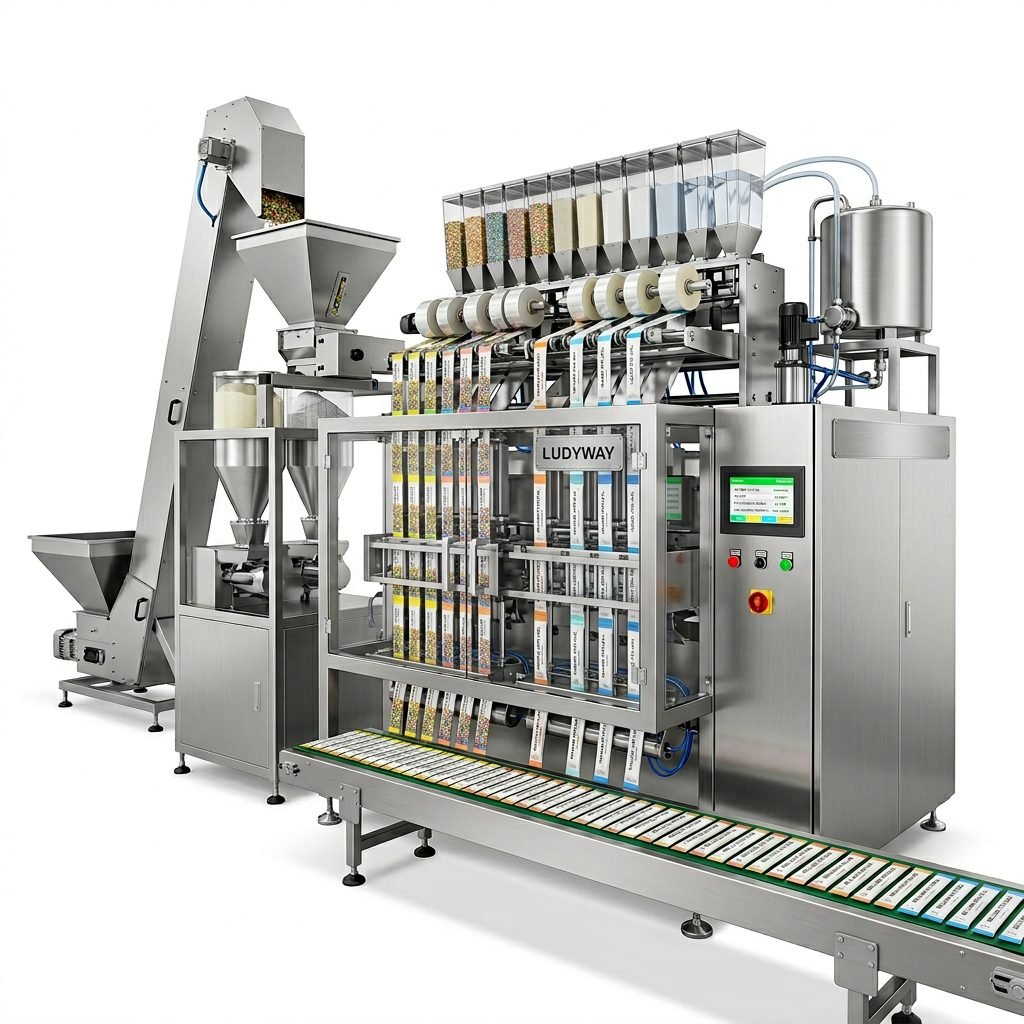
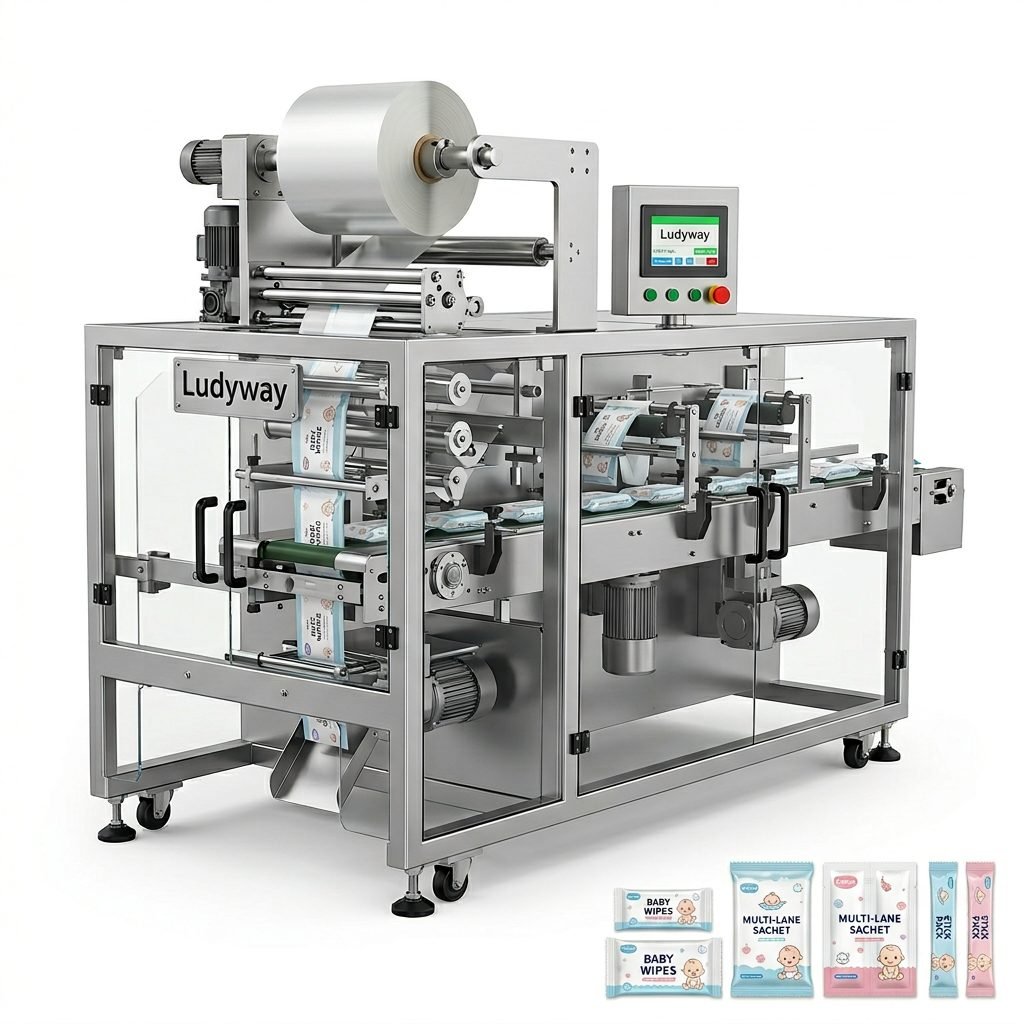
Designed for single-serve portions, these machines are perfect for creating the small packets found in instant noodles, meal kits, or restaurant takeout. They operate on a horizontal form-fill-seal principle, creating slim, elongated packets.
- Best For: Powdered drink mixes, sauce powders, bouillon, and small quantities of dried herbs or spices.
- Key Advantage: Compact, portion-controlled packaging that is convenient for end-users and reduces product waste.
Auger Filling Systems
This refers to the filling technology, often integrated into VFFS or pouch machines. An auger—a helical screw—rotates within a hopper to dispense a precise volume of product. The design of the auger and its flighting is crucial for accuracy.
- Best For: Powders and fine granules that are prone to dusting or bridging (like garlic powder, chili powder, flour-based mixes).
- Key Advantage: High precision filling, essential for maintaining consistent weight and complying with regulatory standards.
Essential Features to Evaluate
Beyond the basic type, several features differentiate a good machine from a great one. Prioritize features that align with your specific operational challenges and quality standards.
Weighing and Dosing Accuracy: This is non-negotiable. Look for machines with high-precision load cells or auger systems paired with advanced servo motors. Consistent weight ensures customer satisfaction and legal compliance, avoiding costly giveaways or underweight penalties.
Material Compatibility & Sealing Integrity: Your machine must handle the specific laminate or film you plan to use, whether it’s a simple polyethylene or a complex multi-layer barrier film. Evaluate the sealing system—constant heat, impulse, or ultrasonic—to ensure it creates strong, airtight seals that lock in freshness and aroma.
Changeover Flexibility
If you produce multiple seasoning SKUs, the speed and simplicity of changing from one product or package size to another is a major productivity factor. Machines with quick-change parts, recipe storage in the PLC, and tool-less adjustments can drastically reduce downtime.
Hygiene and Cleanability: Food-grade construction is a must. Stainless steel contact parts, smooth surfaces without crevices, and designs that allow for easy disassembly for cleaning (CIP/SIP options for some models) are critical for maintaining food safety standards.
Automation and Connectivity: Modern machines offer features like automatic film splicing, reject systems for faulty packages, and integration with checkweighers or metal detectors. Industry 4.0 connectivity for data collection on OEE (Overall Equipment Effectiveness), production counts, and maintenance alerts can provide valuable insights for optimizing your line.
A Step-by-Step Guide to Choosing Your Best Machine
Making the final decision requires a systematic assessment of your own requirements. Follow this framework to narrow down your options.
1. Define Your Product and Packaging Specifications
- Product Characteristics: Is it free-flowing, sticky, dusty, or abrasive? Particle size and flowability directly affect the choice of filling system.
- Packaging Format & Size: Determine your desired bag style, dimensions, and weight range. Do you need a zipper, tear notch, or hang hole?
- Production Volume & Speed: Calculate your required output in bags per minute (BPM) or per shift. Be realistic about your peak and average needs.
2. Assess Your Operational Environment
- Factory Space: Measure the available footprint for the machine and any upstream/downstream equipment.
- Available Utilities: Check power requirements (voltage, phase), compressed air needs, and any network connections for data.
- Operator Skill Level: Consider the technical expertise of your staff. Complex machines may require more training.
3. Research and Shortlist Reputable Suppliers
Look for manufacturers with proven experience in the food and seasoning sector. A supplier like Ludyway Packing Machine, with deep industry knowledge, can offer more than just hardware—they provide tailored solutions. Evaluate their support structure: availability of spare parts, technical service, and installation support. Request references and, if possible, visit a machine in operation.
4. Request a Product Test
Never buy based on specifications alone. Always conduct a live test using your actual product and packaging material at the supplier’s facility or a demo center. This is the only way to verify speed, accuracy, seal quality, and overall performance.
5. Analyze Total Cost of Ownership (TCO)
Look beyond the initial purchase price. Factor in:
- Long-term maintenance costs and part availability.
- Energy and compressed air consumption.
- Potential film waste rates (film is an ongoing cost).
- Training and potential future upgrade costs.
A slightly higher initial investment in a robust, efficient, and reliable machine from a partner like Ludyway often leads to a lower TCO and greater ROI over years of operation.
Partnering for Success: Beyond the Machine
Choosing the right equipment is the foundation, but a successful packaging operation relies on a strong partnership. A supplier that acts as a true partner will offer comprehensive turnkey solutions, including system integration, factory layout planning, and ongoing technical support. They understand that your goal is uninterrupted, efficient production, and they commit to helping you achieve it with reliable, high-quality automated packaging solutions tailored to global production needs.
Frequently Asked Questions (FAQs)
What is the most common type of machine for packaging dry seasoning?
The Vertical Form-Fill-Seal (VFFS) machine is the most prevalent and versatile choice for dry seasonings. Its ability to handle a wide range of products from powders to granules at high speeds makes it the industry standard for many producers.
How do I prevent powder dust from contaminating the seals on my packages?
Dust contamination is a common challenge. Solutions include using machines with effective dust extraction systems at the filling point, choosing augers designed for your specific powder, and ensuring the film web path is designed to minimize exposure to airborne particles before sealing.
Can one machine handle both powdered and granular seasonings?
Many machines, especially versatile VFFS models, can handle both, but often require different filling heads or augers. The key is to work with a supplier who can configure a machine with quick-change tooling, allowing you to switch between product types with minimal downtime.
What maintenance does a seasoning packaging machine typically require?
Daily cleaning and inspection of seals, wiping down surfaces, and checking for film debris are essential. Regular maintenance includes lubricating moving parts (with food-grade lubricants), checking drive belt tension, and calibrating the weighing system as recommended by the manufacturer. A proactive maintenance schedule is crucial for longevity.
How important is after-sales service when selecting a supplier?
Extremely important. Packaging machines are long-term investments. Reliable, responsive after-sales service for technical support, spare parts, and preventative maintenance is critical to minimizing production downtime. A supplier’s commitment to service is as important as the quality of the machine itself.