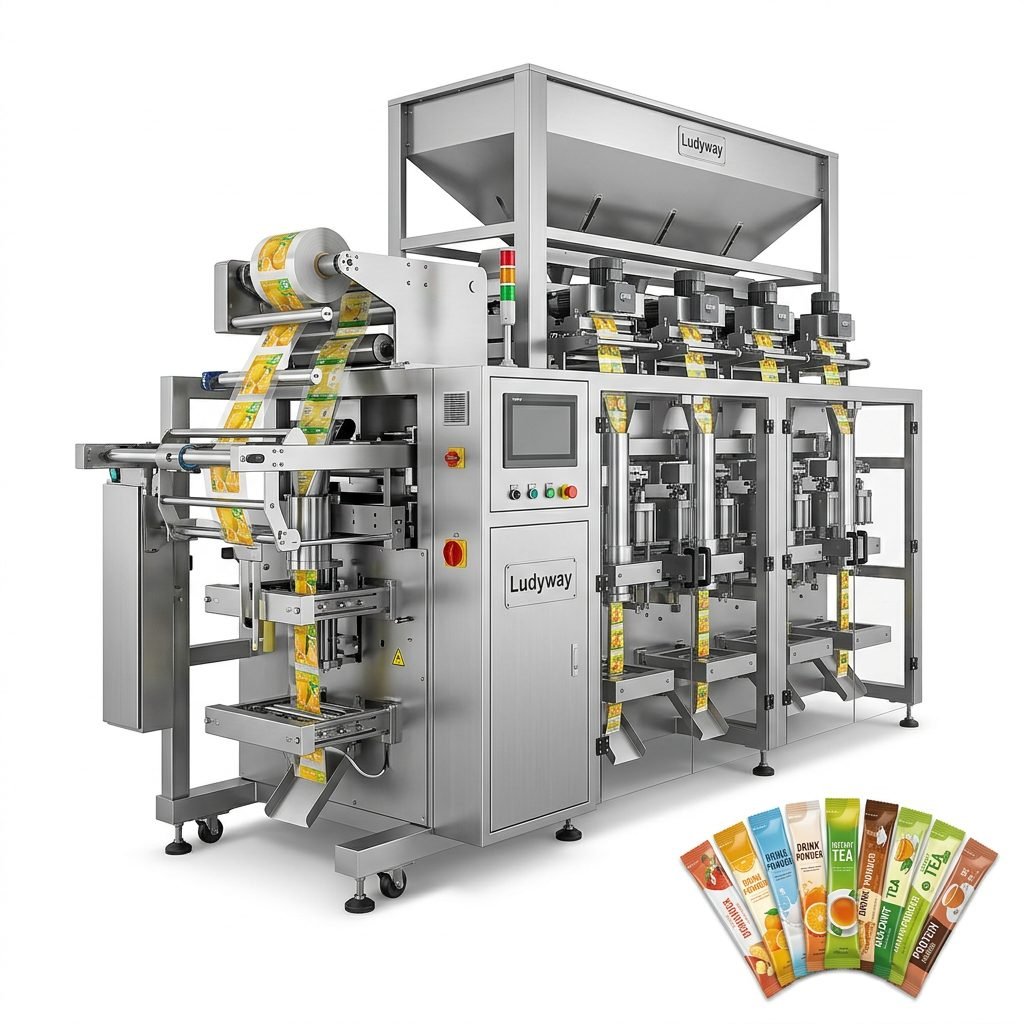
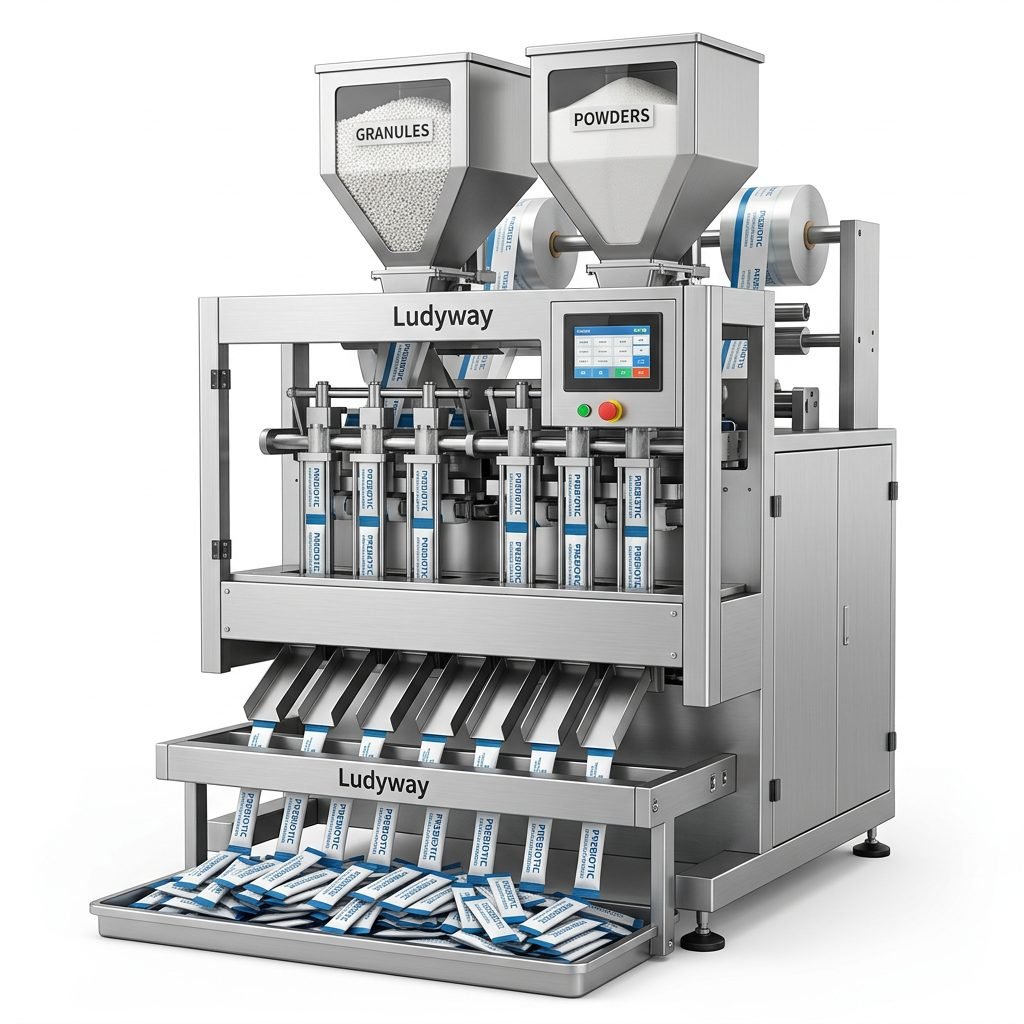
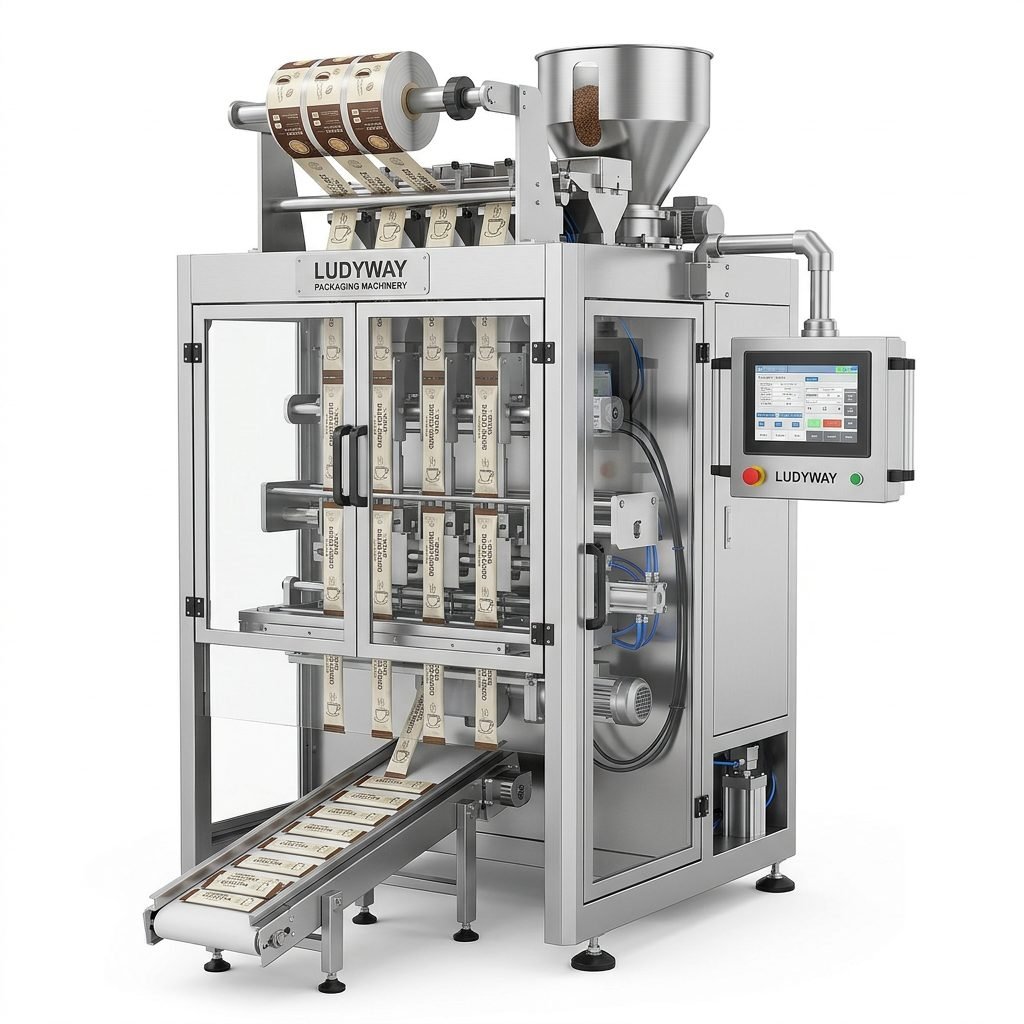
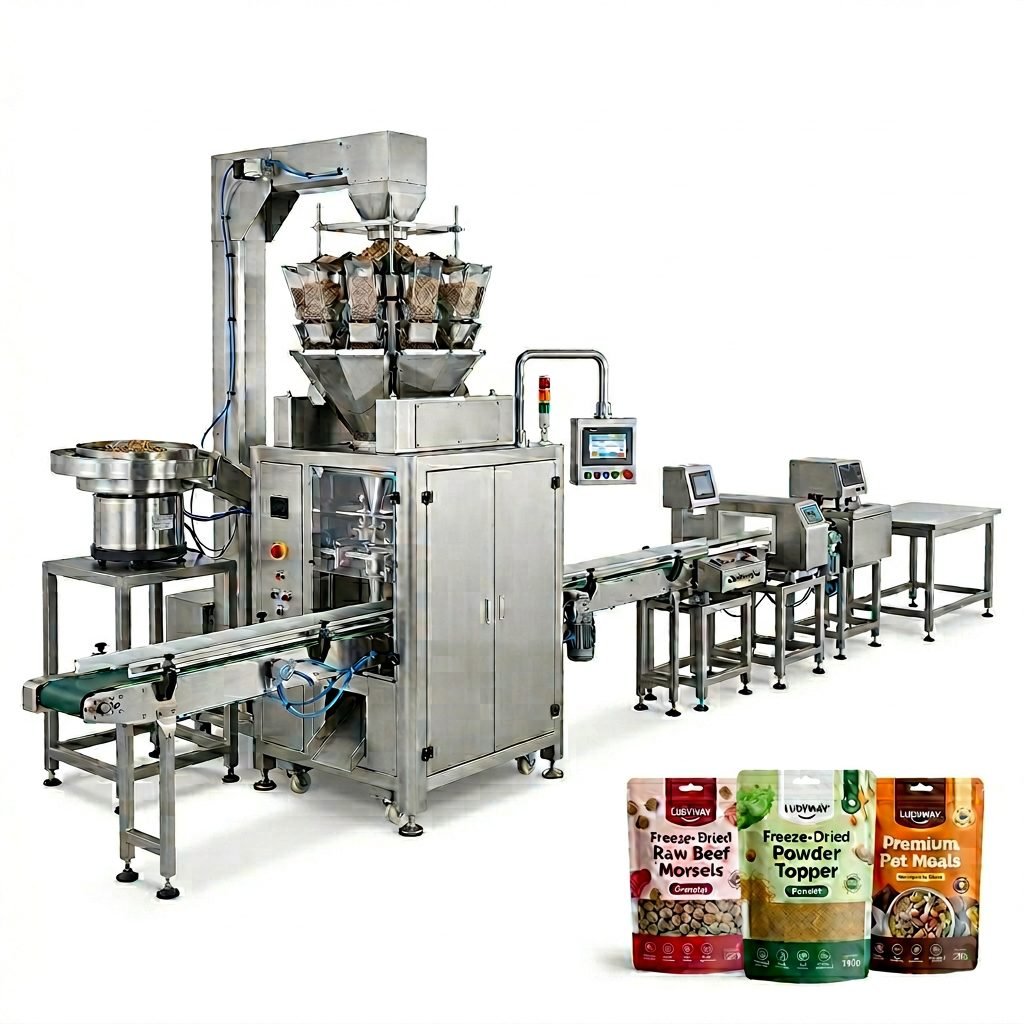
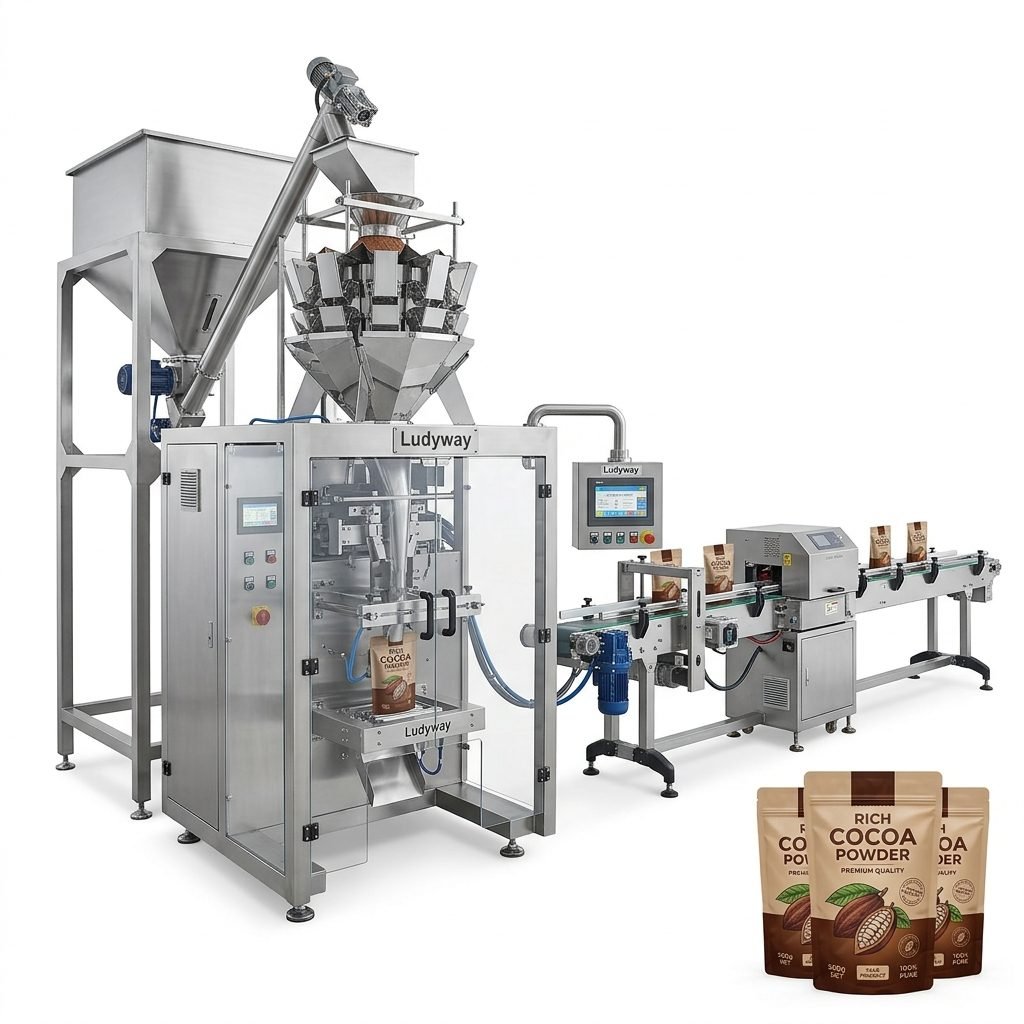
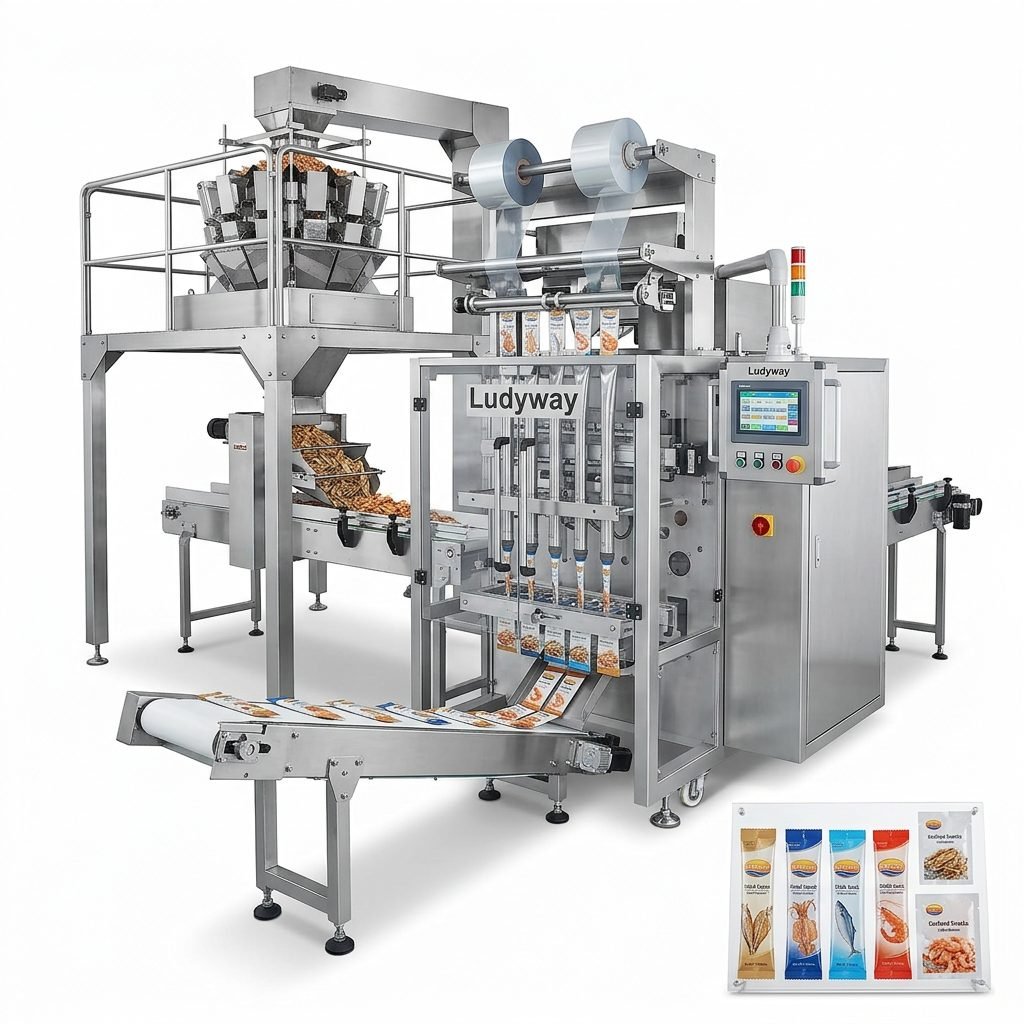
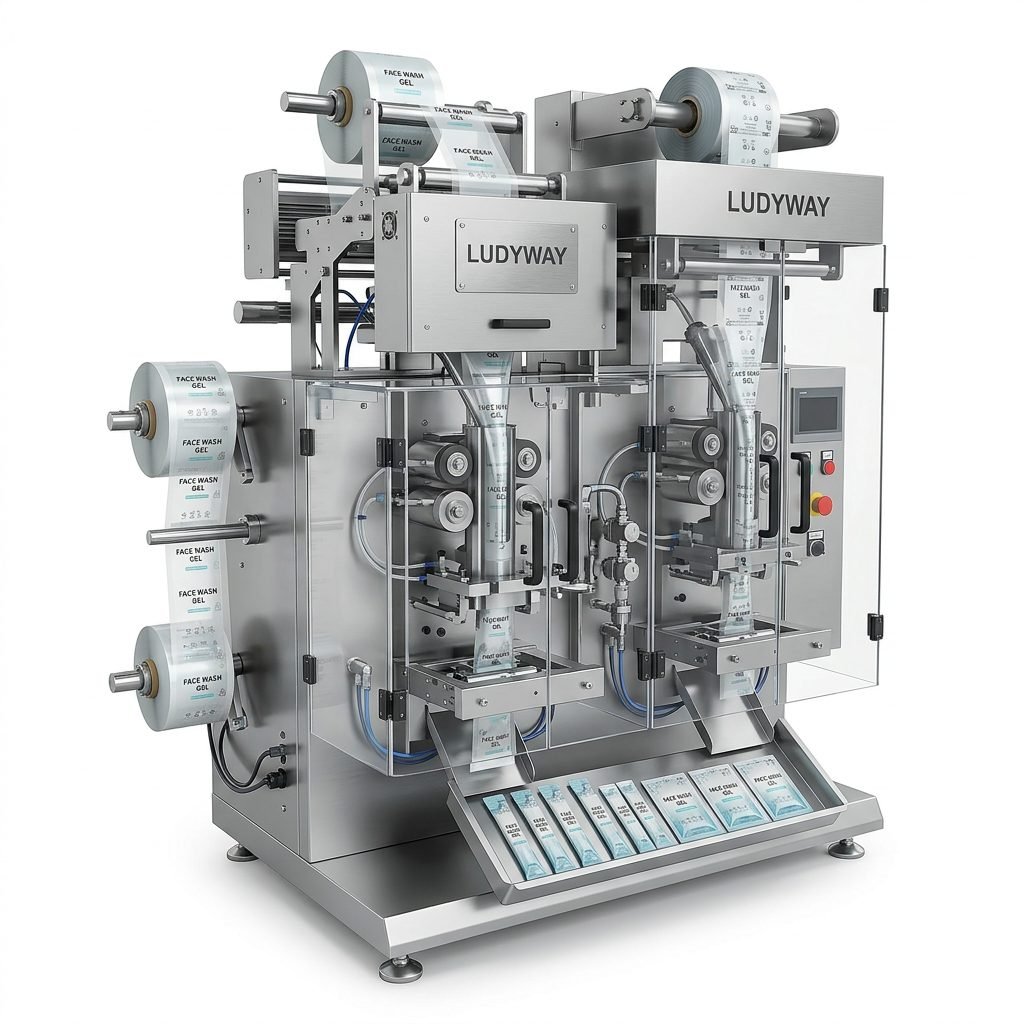
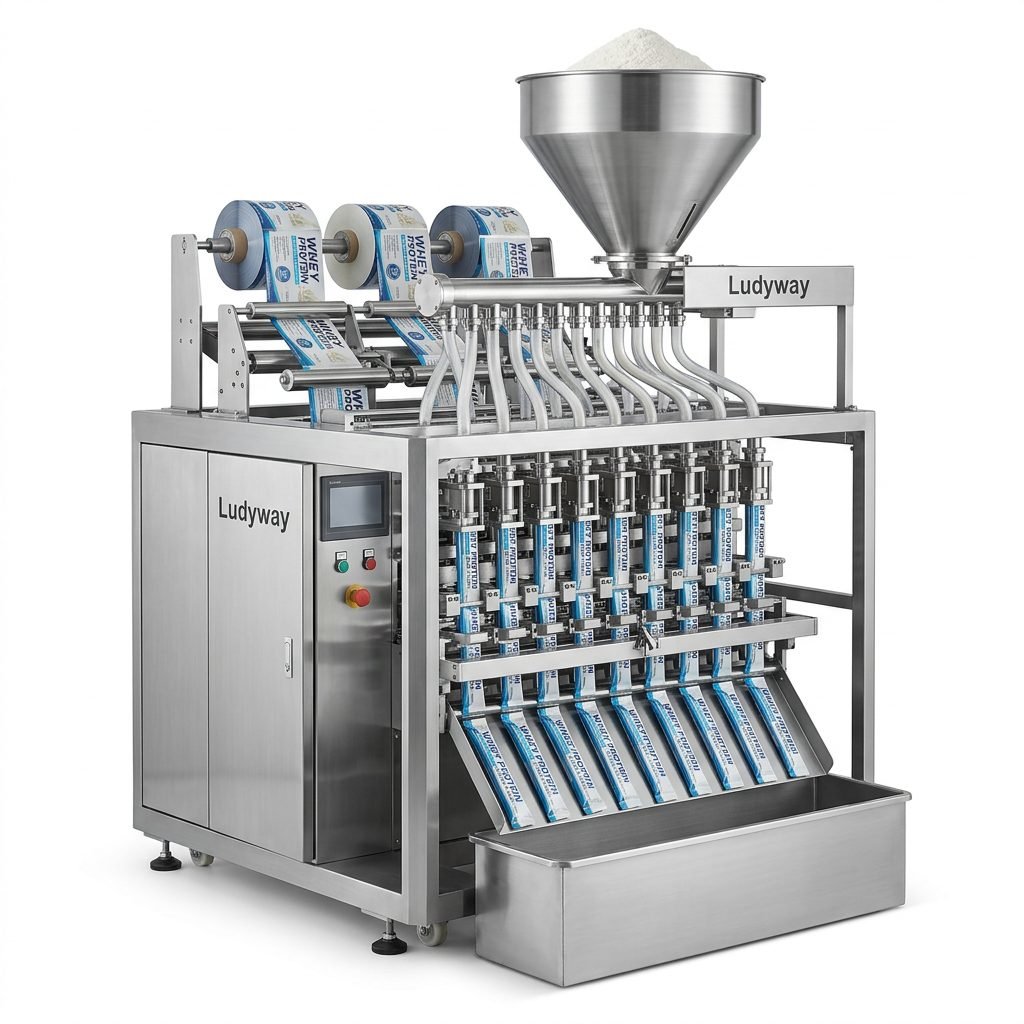
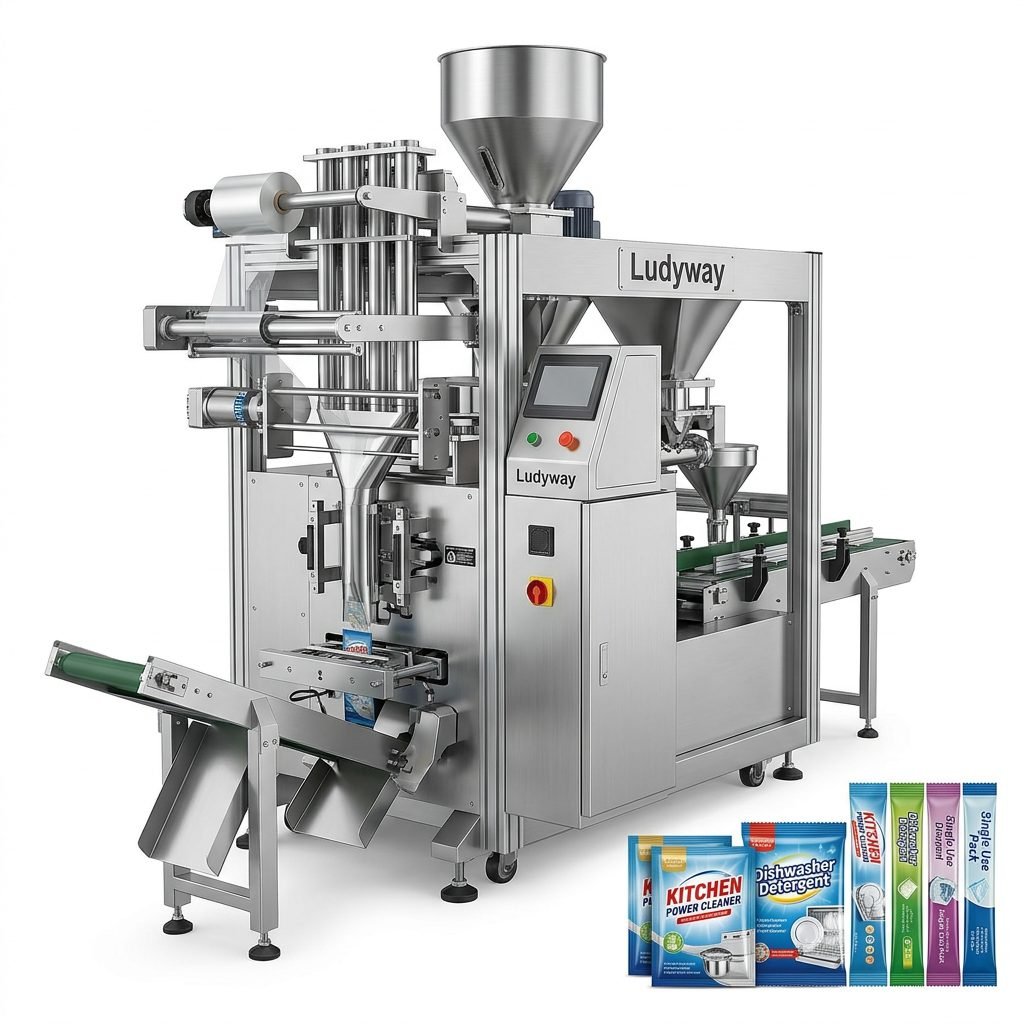
Label packaging machines are essential equipment in modern manufacturing, enabling efficient, accurate, and high-speed application of labels to various products and containers. This guide provides a comprehensive overview of these machines, covering their types, working principles, key applications, and essential buying considerations to help you make an informed decision for your production line.
Understanding Label Packaging Machines
A label packaging machine automates the process of applying labels to products, packages, or containers. This automation is crucial for maintaining consistency, improving speed, and reducing labor costs in production environments. The core function involves precisely dispensing a label from a roll or stack and accurately applying it to a specific position on the target item.
Key Benefit: The primary advantage is the significant increase in production throughput while ensuring every product has a perfectly aligned, wrinkle-free label, which is vital for brand presentation and regulatory compliance.
Main Types of Label Packaging Machines
The market offers several types of labelers, each suited for different applications, container shapes, and production speeds.
1. Pressure-Sensitive (PS) Labelers
These are the most common type. They use pre-printed labels with a pressure-sensitive adhesive backing. The machine peels the label from its liner and applies it directly onto the product. They are highly versatile.
- ◆ Wrap-Around Labelers: Apply labels that wrap completely around a container, like bottles or cans.
- ◆ Front & Back / Panel Labelers: Apply labels to specific panels (front, back, or sides) of flat or rectangular packages.
- ◆ Top Labelers: Precisely place labels on the top surface of products or boxes.
2. Glue-Based Labelers (Cold Glue or Hot Melt)
These machines apply wet glue to plain paper labels before attaching them to containers, commonly used in beverage industries for glass bottles.
3. Sleeve Labelers (Shrink or Stretch)
These apply a pre-formed sleeve or tube of film over a container. The container then passes through a heat tunnel, causing the film to shrink or stretch tightly to its contours, creating a 360-degree label.
4. RFID & Smart Label Applicators
Specialized machines designed to handle and apply labels embedded with RFID chips or other smart technology for tracking and authentication.
How Label Packaging Machines Work: Core Principles
The working principle, while varying by type, generally follows a consistent sequence for automatic pressure-sensitive labelers:
- Label Dispensing: The label roll is loaded. A peel plate or edge sharpens the angle, causing the label to separate from its silicone-backed liner.
- Product Sensing & Positioning: A sensor (optical, proximity, etc.) detects the incoming product and signals the applicator head to trigger at the exact moment.
- Label Application: The exposed adhesive side of the label is presented. An applicator pad, tamp brush, or blow-air mechanism presses the label onto the product with precise placement and pressure.
- Liner Rewind: The spent liner paper is neatly rewound onto a separate core for disposal.
Precision in the synchronization between product movement and label dispensing is the most critical factor determining application accuracy. Modern machines use servo motors and advanced PLC controls to achieve this.
Key Industries and Applications
Label packaging machines are ubiquitous across manufacturing. Here are some primary sectors:
- Food & Beverage: Labeling bottles, jars, cans, pouches, and boxes with nutritional info, barcodes, and branding. Crucial for batch coding and expiry dates.
- Pharmaceutical & Healthcare: Applying labels to medicine bottles, vials, syringes, and medical device packaging. Demands extreme accuracy and often involves serialization for track-and-trace compliance.
- Cosmetics & Personal Care: Labeling luxury bottles, tubes, and cosmetic containers where aesthetic perfection is non-negotiable.
- Chemicals & Household Goods: Labeling containers with hazard warnings, usage instructions, and ingredient lists.
- Logistics & Warehousing: Applying shipping labels, barcodes, and tracking information to cartons and parcels.
For businesses looking to integrate such automation, partnering with a specialist like Ludyway Machinery can provide access to tailored solutions that match specific production line requirements.
Essential Buying Tips for Your Labeling Machine
Selecting the right machine requires careful evaluation of your needs. Consider these factors:
1. Assess Your Product and Container
Shape, Size, and Material: Is your product round, flat, irregular? What is it made of (glass, plastic, metal)? The container’s characteristics dictate the applicator method (tamp, blow, wipe-on).
Label Specifications: Consider label size, material (paper, PP, PE, vinyl), adhesive type, and roll core size. The machine must be compatible.
2. Determine Required Speed and Accuracy
Production Speed (CPM): Calculate your required output in containers per minute. Choose a machine that meets or slightly exceeds this to allow for future growth.
Placement Accuracy: How precise does the label placement need to be? Pharmaceutical applications may require sub-millimeter accuracy, while others may have more tolerance.
3. Evaluate Integration and Flexibility
Line Integration: Will the labeler integrate with existing conveyors, fillers, or cappers? Check interface compatibility and footprint.
Changeover Ease: If you run multiple products, how quickly can you change label rolls and adjust settings? Look for machines with quick-release mechanisms and recipe memory.
4. Consider Controls and Software
Modern machines feature user-friendly HMI (Human-Machine Interface) touchscreens. Advanced software allows for easy setup, batch counting, fault diagnostics, and connectivity for Industry 4.0 data collection.
5. Plan for Support and Service
The supplier’s reputation is key. Inquire about warranty, availability of spare parts, technical support, and training. A reliable partner with a strong track record, such as Ludyway Machinery with over a decade of industry experience, ensures long-term operational success and minimizes downtime.
Exploring the company profile of your potential machinery provider can give insights into their manufacturing capabilities and commitment to quality.
Frequently Asked Questions (FAQs)
1. What is the difference between automatic and semi-automatic label applicators?
Automatic labelers are integrated into a production conveyor line. Products are fed automatically, and the machine labels them at high speed without operator intervention for each item. Semi-automatic machines require an operator to manually present each product to the applicator head, which then applies the label. They are suitable for lower-volume or multi-SKU operations.
2. How do I maintain a label packaging machine?
Regular maintenance includes cleaning optical sensors and the peel plate, lubricating moving parts as per the manual, checking for worn belts or rollers, and ensuring label web paths are clear. Always follow the manufacturer’s specific maintenance schedule to ensure longevity and consistent performance.
3. Can one machine handle different label and product sizes?
Yes, many machines are designed for quick changeover. They feature adjustable guide rails, repositionable sensors, and programmable memory to store settings (recipes) for different products. The ease and speed of changeover vary by model, so this is a critical feature to discuss with your supplier.
4. What are common labeling problems and their solutions?
Common issues include:
• Label Wrinkling/Bubbling: Often caused by improper label material for the surface, incorrect application pressure, or misaligned peel plate.
• Misalignment: Usually due to incorrect sensor timing, product positioning issues, or worn mechanical parts.
• Poor Adhesion: Can result from using the wrong adhesive type for the container material or surface contamination (dust, oil).
5. What future trends are shaping label packaging technology?
Key trends include the integration of AI and machine vision for 100% inspection, increased use of IoT for predictive maintenance and data analytics, greater demand for sustainable labeling solutions (recyclable films, water-based adhesives), and the growth of digital printing integration for on-demand, variable data labeling.