Choosing the right pillow cover packaging machine is a critical decision for manufacturers in the home textile and bedding industry. This guide provides a comprehensive overview of the different types of machines available, their key features, pricing considerations, and a step-by-step framework to help you select the optimal equipment for your production line.
Understanding the Different Types of Pillow Cover Packaging Machines
The market offers several machine types, each suited to specific production volumes, packaging styles, and levels of automation. Understanding these categories is the first step in making an informed choice.
Vertical Form-Fill-Seal (VFFS) Machines
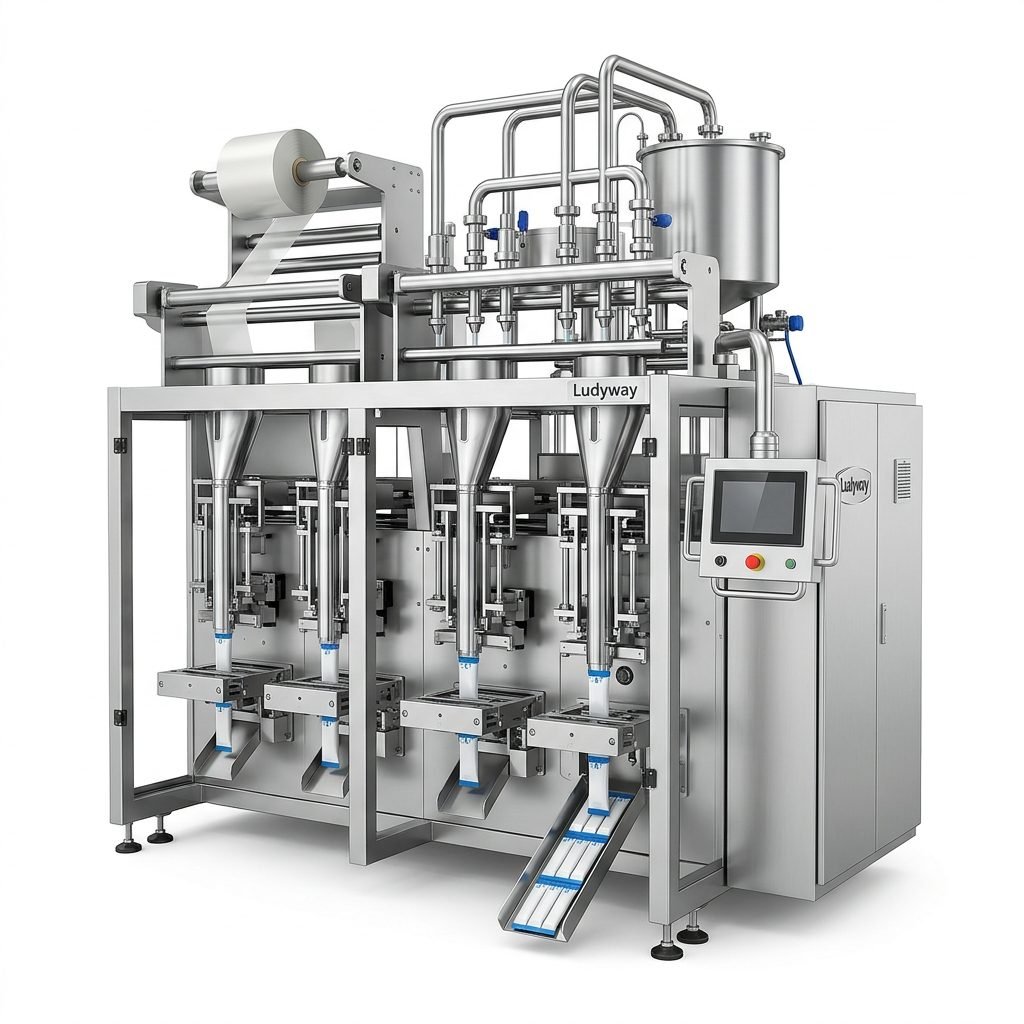
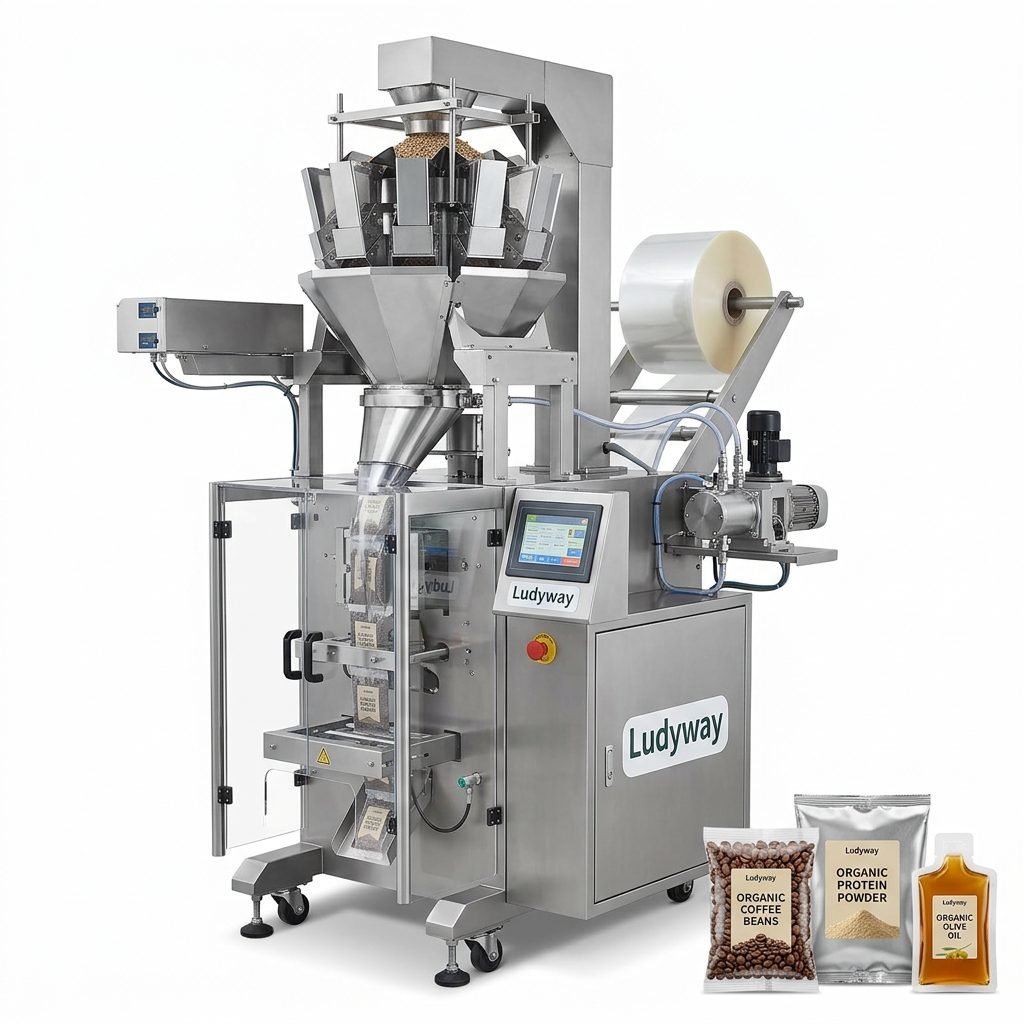
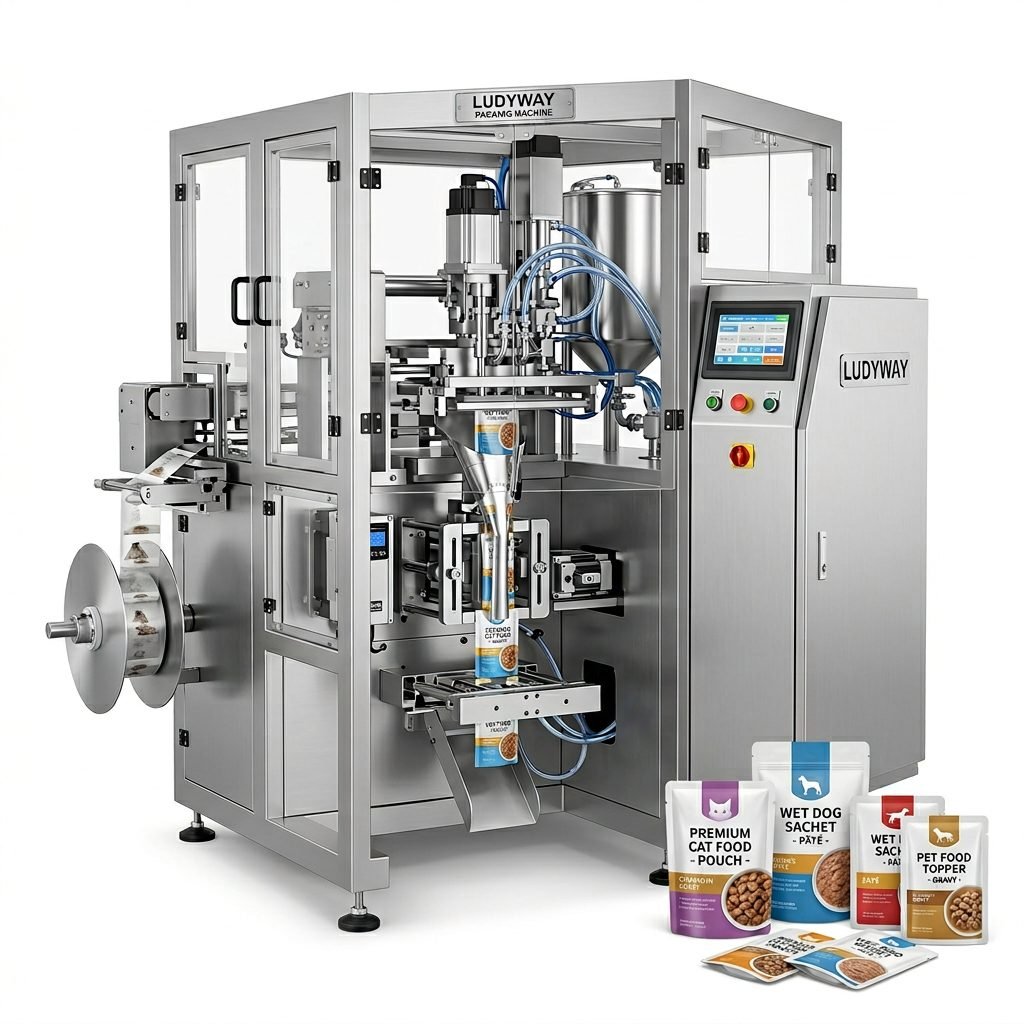
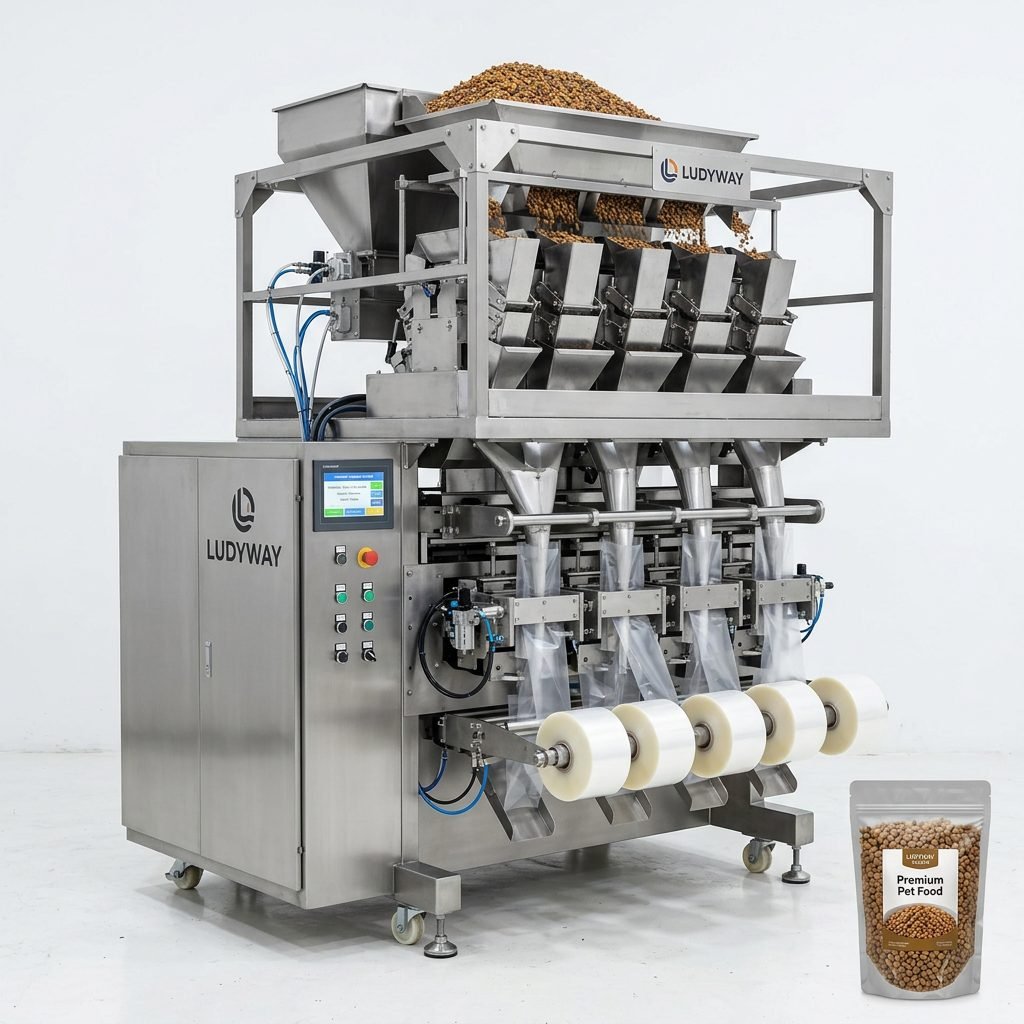
These are the most common machines for packaging pillow covers in individual poly bags. A roll of flat packaging film is formed into a tube, filled with the folded pillow cover, and then sealed and cut. VFFS machines are highly versatile and efficient for medium to high-volume production runs.
Key Advantage: Excellent speed and efficiency for standard pouch packaging. They can integrate with automated feeding systems for a fully streamlined process.
Horizontal Flow Wrappers
Ideal for creating a neat, “overwrap” style package where the film is wrapped around the product and sealed on the underside. This style is often used for premium pillow covers or multi-packs where a sleek, retail-ready presentation is desired. The product is conveyed horizontally through the wrapping and sealing stages.
Shrink Wrapping Systems
This system involves placing the pillow cover into a loose bag or sleeve, which then passes through a heat tunnel. The film shrinks tightly around the product, creating a secure, tamper-evident, and dust-proof package that conforms to the product’s shape. It’s excellent for bundling multiple pillow covers together.
Automated Bagging Machines
These systems use pre-made bags. The machine automatically opens the bag, places the pillow cover inside (often with the help of robotic arms or suction cups), and then seals it. This method is suitable for a wide range of bag sizes and materials, including zipper bags for reusable packaging.
Essential Features and Technological Considerations
Beyond the basic type, several features define a machine’s capability, reliability, and suitability for your operation.
1. Sealing System
The heart of the packaging machine. Common types include:
• Heat Sealing: The standard for poly bags, using heated jaws to melt and fuse the film.
• Impulse Sealing: Good for thicker or laminated materials.
• Cold Sealing: Uses pressure-sensitive adhesive films, ideal for heat-sensitive packaging.
2. Control System & HMI
A user-friendly, PLC-based touchscreen interface is crucial. It allows for easy parameter setting (seal time, temperature, length), recipe storage for different product sizes, and provides diagnostic information. Look for machines with clear, multilingual displays.
3. Film Feeding and Tension Control
Consistent, jitter-free film feeding is essential for producing clean, professional seals and accurate package lengths. Servo-driven systems offer superior precision and control over the film web compared to simpler mechanical systems.
4. Integration Capabilities
Consider how the machine will fit into your line. Does it have interfaces for upstream equipment (like folding machines or conveyors) and downstream systems (like labeling or cartoning)? Seamless integration is key to automation.
Pro Tip: For pillow covers, a machine with a gentle product handling system (soft pushers, padded belts) is important to avoid snagging or damaging the fabric during the packaging process.
5. Safety and Construction
Robust construction from stainless steel or anodized aluminum ensures durability and hygiene. Essential safety features include emergency stop buttons, protective guarding, and safety interlocks to protect operators.
Pricing Factors and Investment Guide
The price of a pillow cover packaging machine varies widely, from tens of thousands to several hundred thousand dollars, influenced by multiple factors.
Machine Type and Automation Level
A basic semi-automatic tabletop bag sealer is the most affordable option. A fully automated, servo-driven VFFS machine with integrated checkweigher and vision system represents a significant, but productivity-justified, investment. Companies with deep industry expertise often provide the best value across this spectrum.
Production Speed (Output)
Speed directly correlates with cost. A machine rated for 60 bags per minute (bpm) will cost less than one capable of 120 bpm. Accurately assess your current and future output needs to avoid over- or under-spending.
Customization and Special Features
Requirements like unique bag shapes (e.g., with a die-cut handle), custom print registration, nitrogen flushing for preservation, or specific sealing patterns will add to the base machine cost.
Brand, Quality, and After-Sales Support
Established brands with a proven track record and comprehensive support networks (installation, training, spare parts, service) often command a premium. This support, however, minimizes costly downtime and is a critical part of the total cost of ownership. Investing in a machine from a supplier known for reliable solutions and strong engineering pays off in the long run.
How to Choose the Right Machine: A Step-by-Step Framework
Follow this structured approach to narrow down your options and make a confident purchase decision.
Step 1: Analyze Your Product and Packaging
Define the specifics: Pillow cover dimensions (folded), packaging material (polyethylene, polypropylene, laminated film), bag style (pouch, gusseted, with header), and any special features like tear notches or resealable zippers.
Step 2: Determine Your Production Requirements
Calculate your required output in bags per minute/shift. Consider seasonality and projected growth for the next 3-5 years. This will dictate the necessary machine speed and durability.
Step 3: Evaluate Your Factory Environment
Assess available floor space, power supply (voltage, phase), and compressed air availability. Ensure the machine’s footprint and utility requirements align with your facility.
Step 4: Set a Realistic Budget
Factor in the total cost: machine price, shipping, installation, initial spare parts, and potential costs for auxiliary equipment (like a compressed air dryer or film stand).
Step 5: Research and Shortlist Suppliers
Look for suppliers with specific experience in soft goods or textile packaging. Review case studies, request customer references, and scrutinize their after-sales service structure. A partner with long-term experience in international markets can be invaluable.
Step 6: Request a Product Sample Test
The most critical step. Send your actual pillow covers and packaging film to the shortlisted suppliers. A live machine trial will demonstrate packaging quality, speed, ease of changeover, and handling gentleness. It’s the only way to truly verify performance.
Frequently Asked Questions (FAQs)
What is the typical speed range for an automated pillow cover packaging machine?
Speeds vary by machine type. Standard vertical form-fill-seal machines for pillow covers typically range from 40 to 120 bags per minute. The optimal speed depends on your production volume, bag size, and the level of automation in the feeding system.
Can one machine handle different sizes of pillow covers?
Yes, most modern machines are designed for quick changeover. This is achieved through mechanical adjustments (like changing forming tubes and sealing jaws) and saved recipes in the PLC. The time and complexity of changeover should be a key point during your machine trial.
What packaging films are most suitable for pillow covers?
Low-density polyethylene (LDPE) is common for its clarity, flexibility, and good sealability. For a more premium look or higher durability, cast polypropylene (CPP) or laminated films (e.g., BOPP/LLDPE) are excellent choices. The selected film must be compatible with your machine’s sealing system.
How important is after-sales service when purchasing this equipment?
Extremely important. Packaging machines are long-term investments. Reliable access to technical support, readily available spare parts, and prompt service minimizes production downtime. Prioritize suppliers with a strong, responsive service network in your region.
Is it worth investing in a fully automated line versus a semi-automatic machine?
The decision hinges on your labor costs and output goals. A semi-automatic machine requires an operator to place each pillow cover, limiting speed and consistency. A fully automated line, with an automatic feeder, can dramatically increase output, reduce labor costs, and improve packaging uniformity, offering a faster return on investment for medium to high-volume producers.