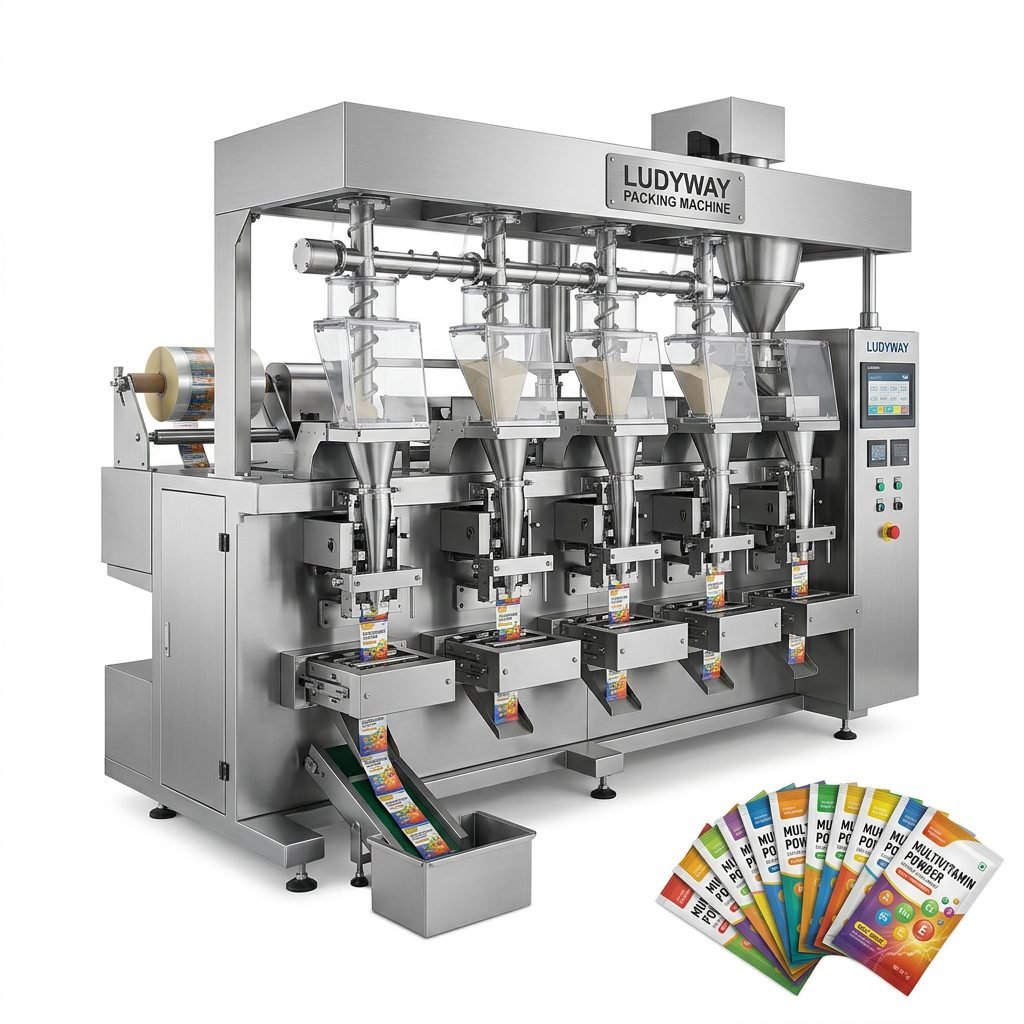
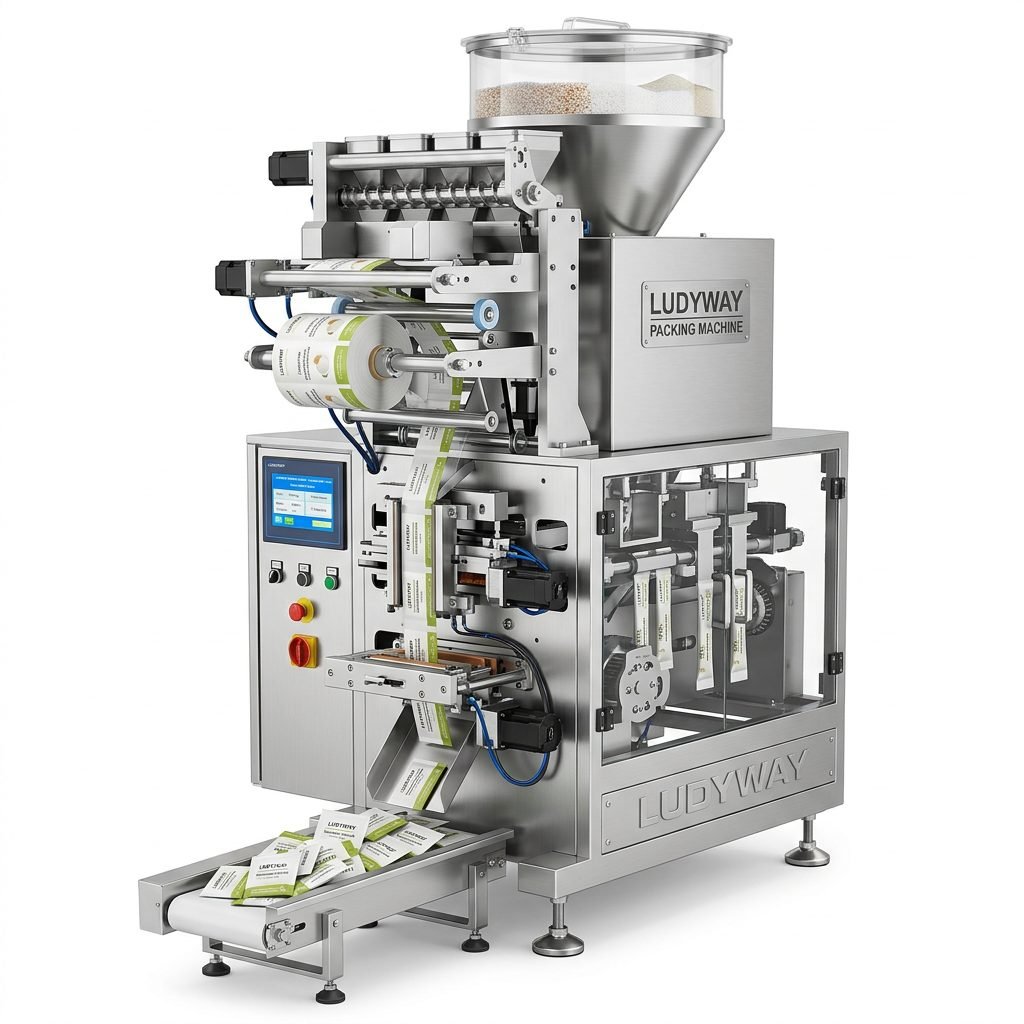
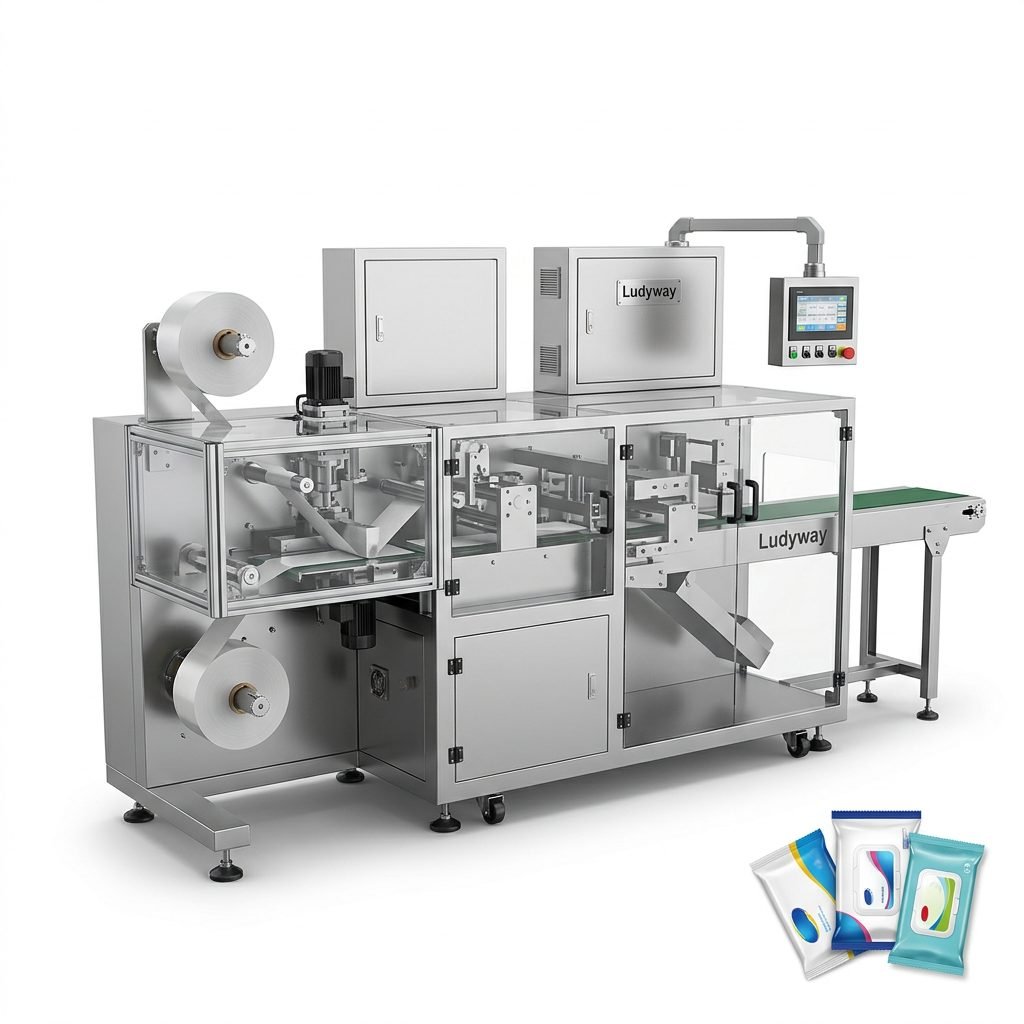
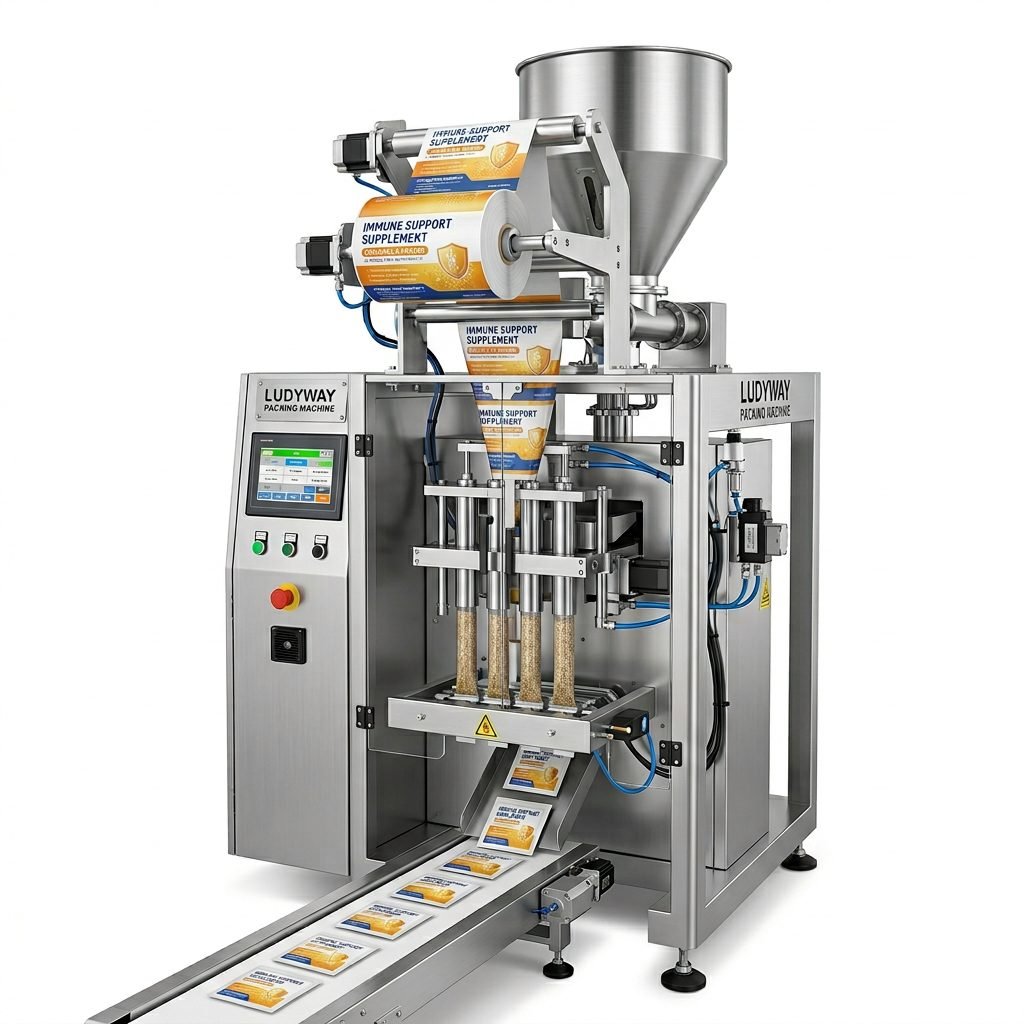
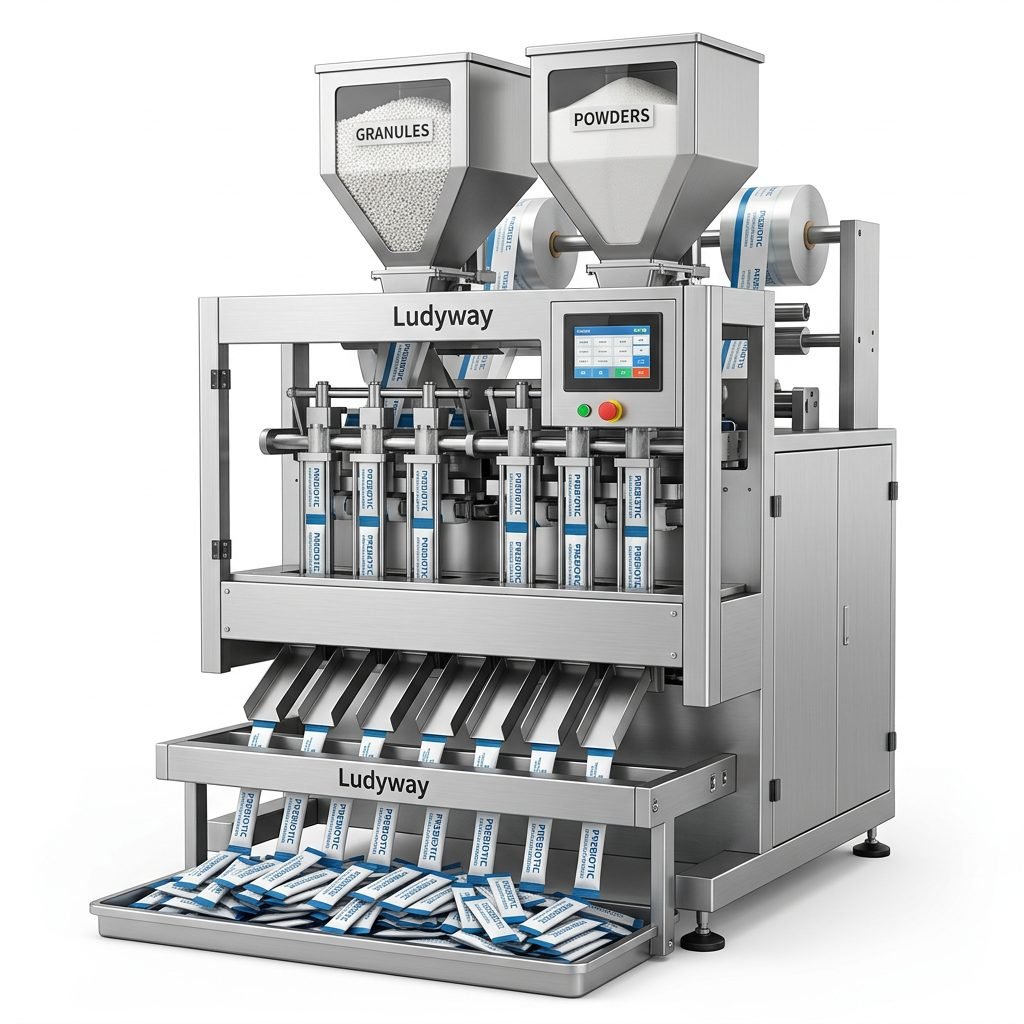
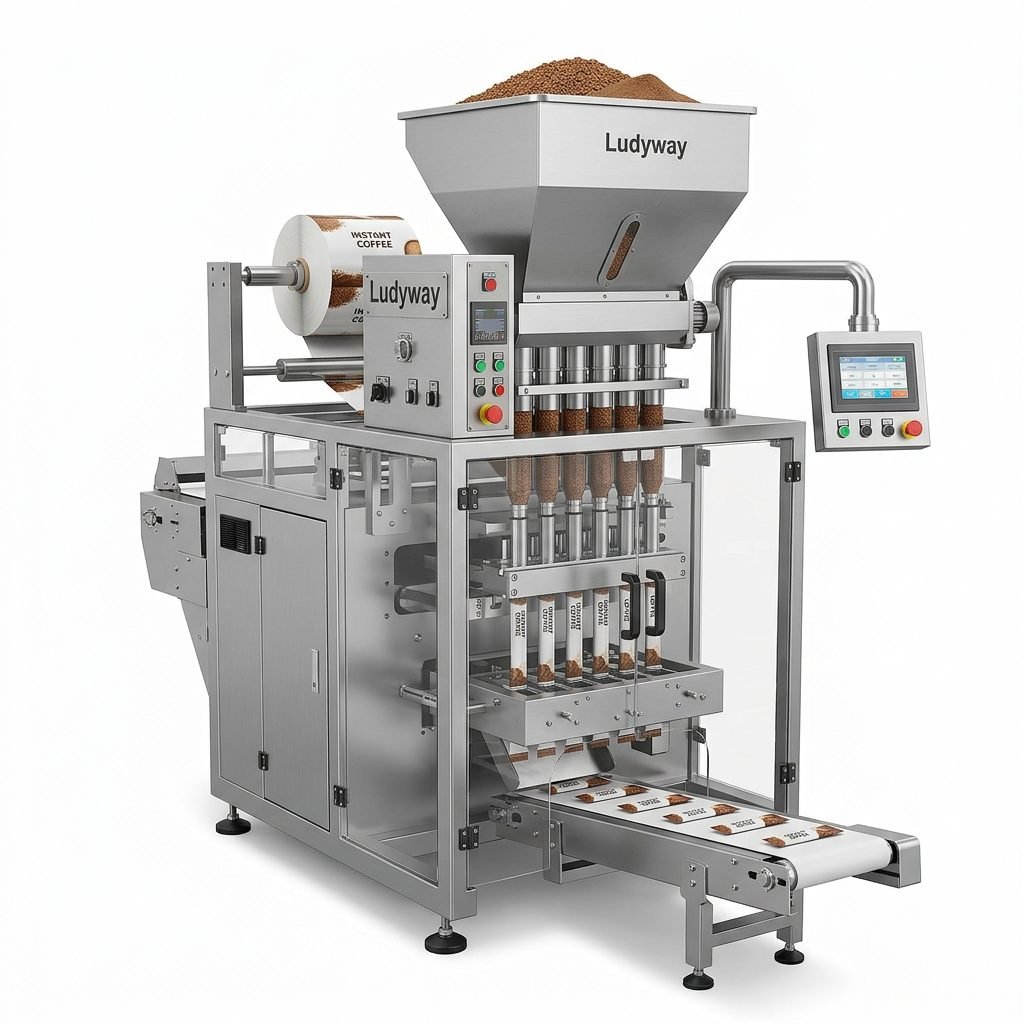
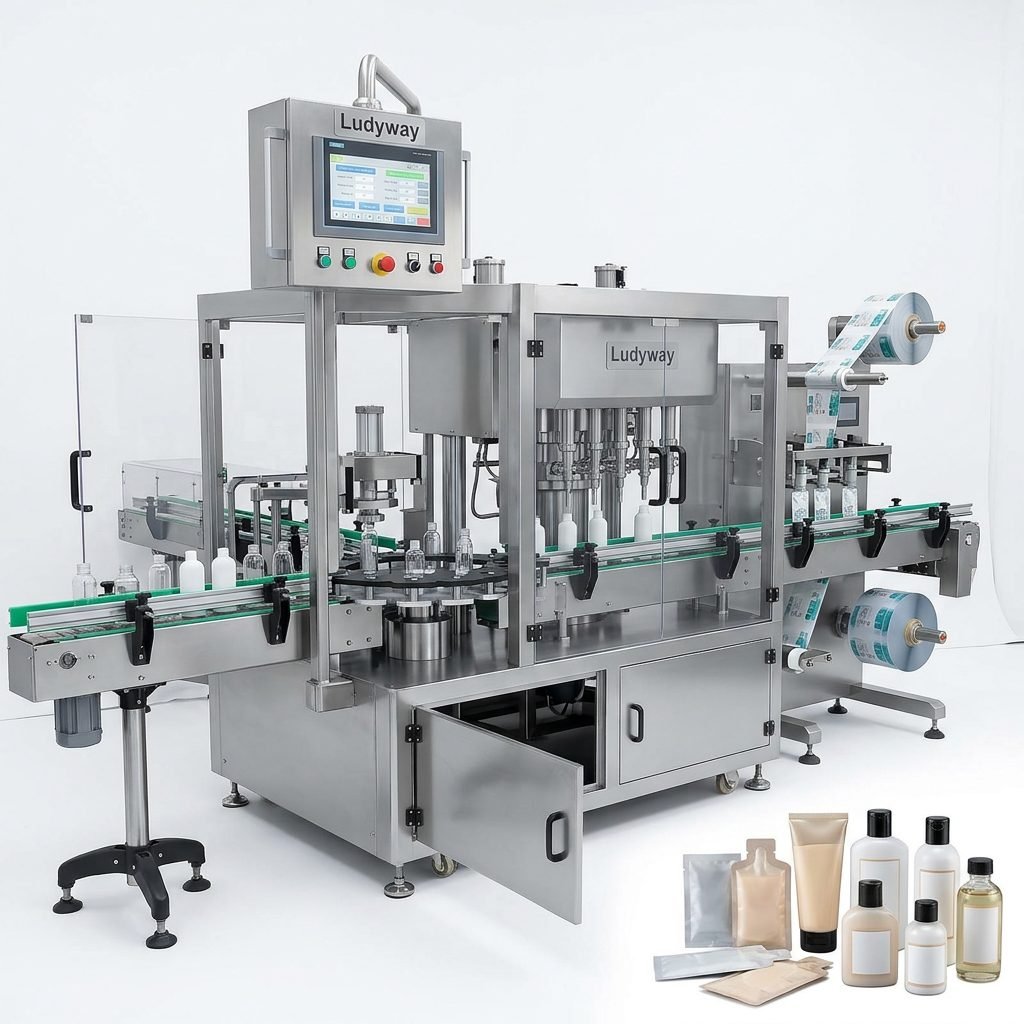
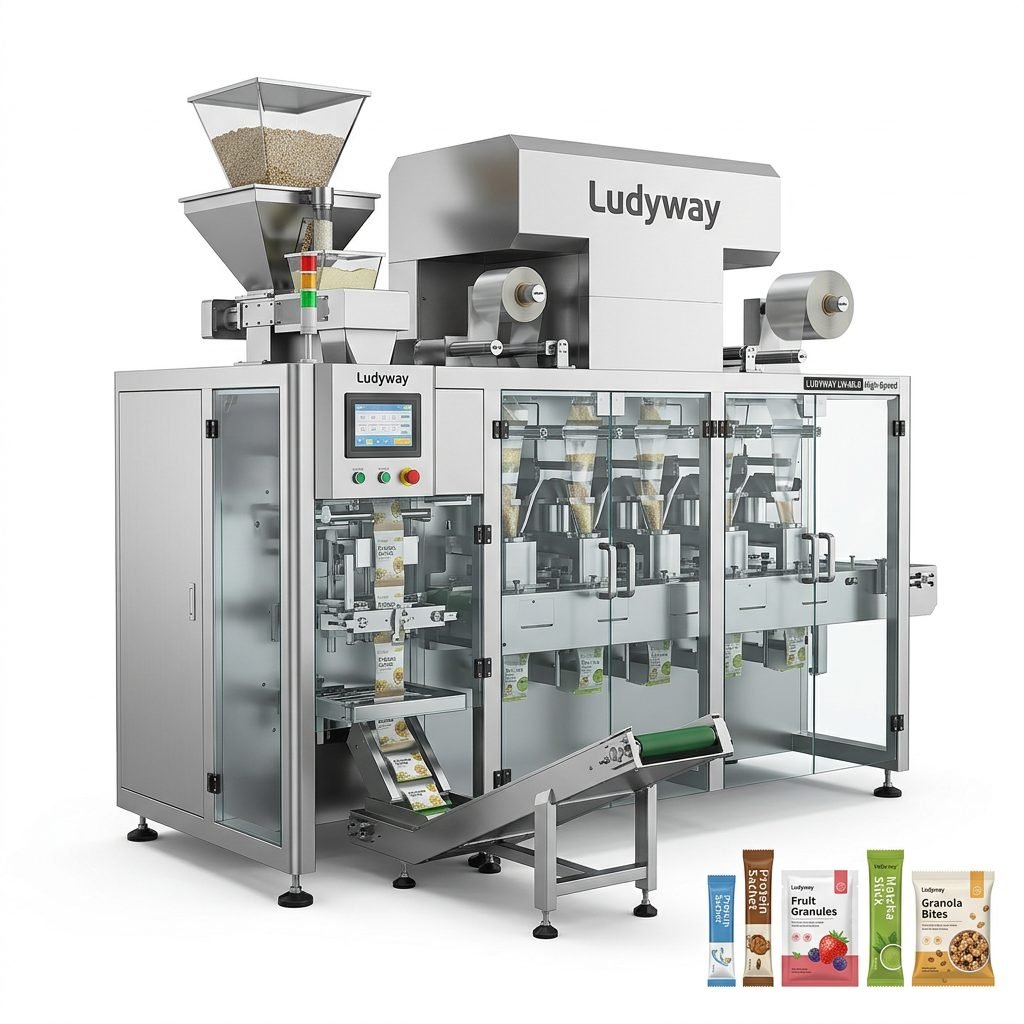
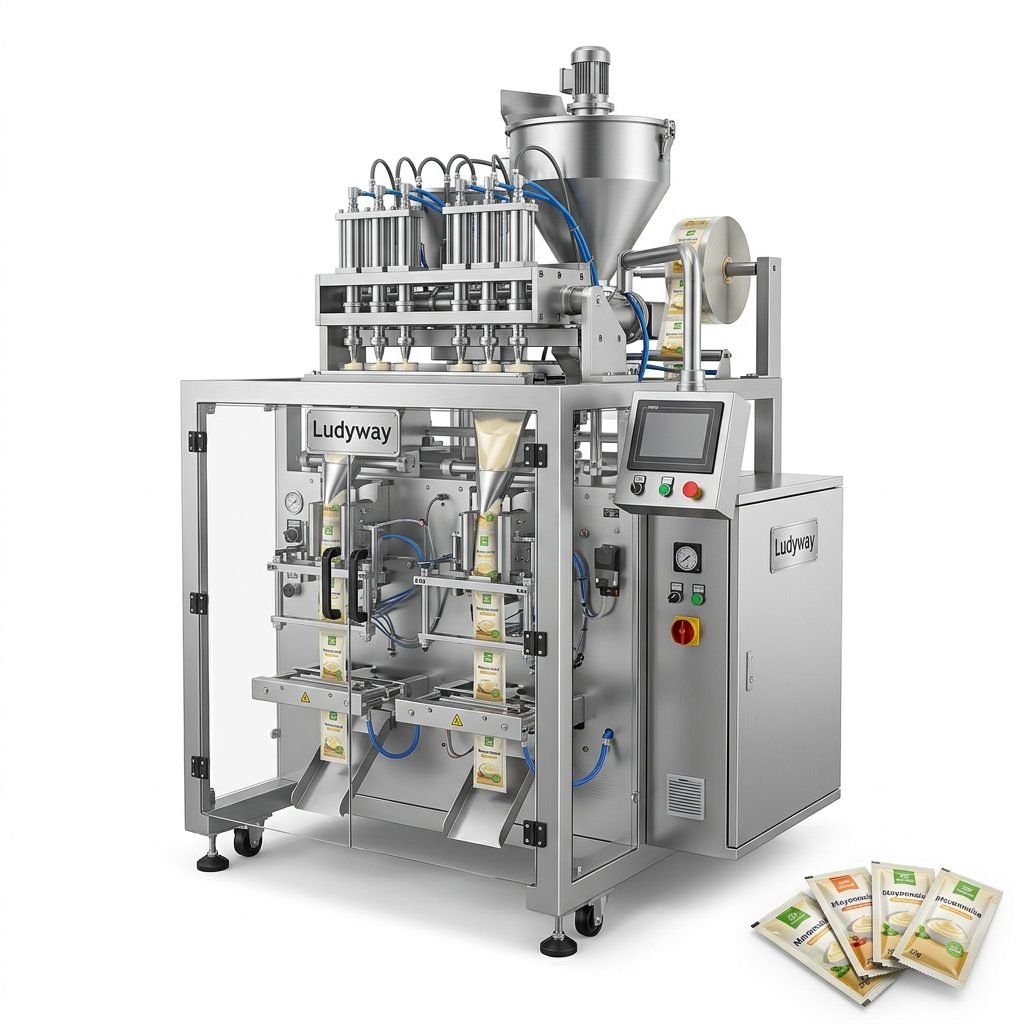
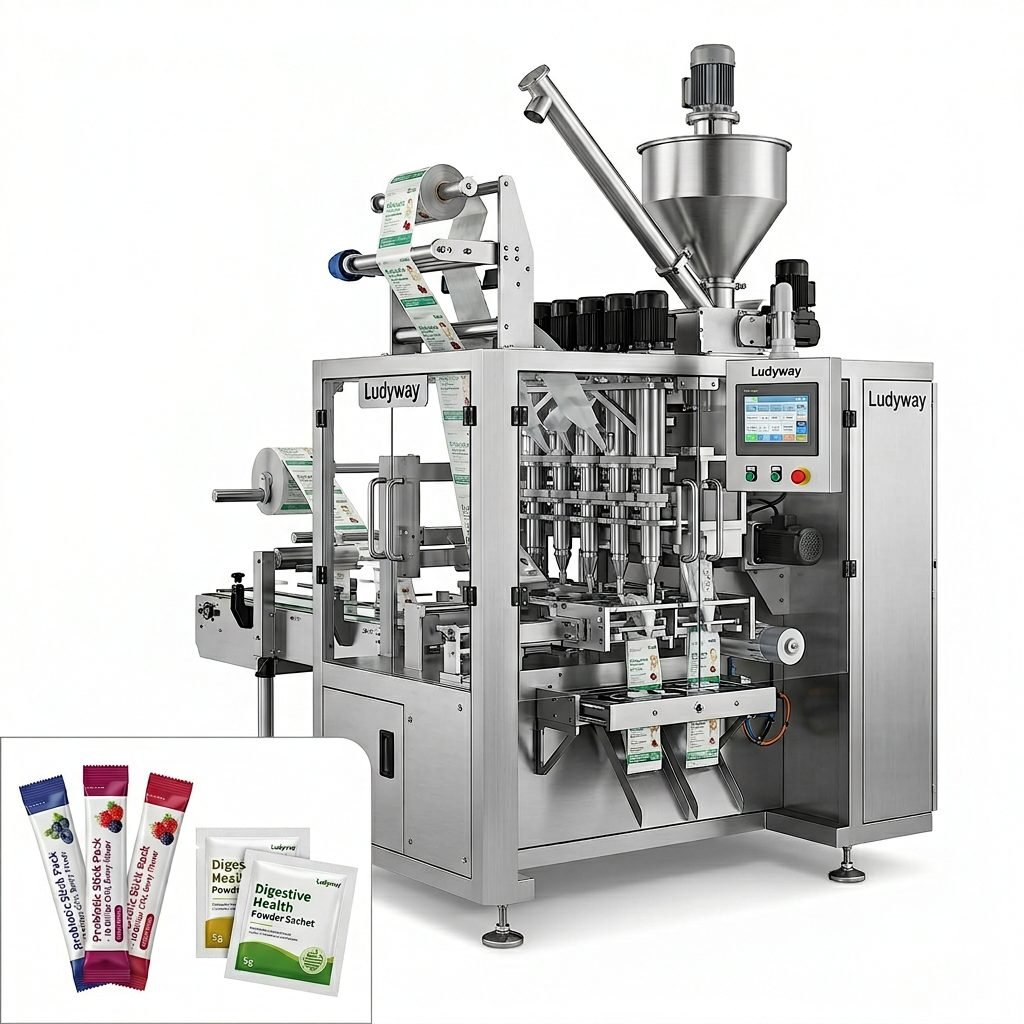
For businesses in the food, condiment, and FMCG sectors, finding the right packaging solution for liquid and semi-liquid products is crucial. Sauce pouch packaging machines have become a cornerstone of modern production lines, offering efficiency, versatility, and brand appeal. This comprehensive guide will walk you through the different types of sauce pouch packaging machines, their significant benefits, and the key factors to consider when choosing the best solution for your operation.
Understanding Sauce Pouch Packaging Machines
At their core, sauce pouch packaging machines are automated systems designed to form, fill, and seal single-serve or multi-serve pouches with various liquid and viscous products. Think of ketchup sachets at a fast-food restaurant, soy sauce packets with takeout, or gourmet dressing pouches in meal kits. These machines handle a wide viscosity range, from thin oils and vinegar to thick pastes, mayonnaise, and chutneys.
The process typically involves feeding a roll of packaging film (often a multi-layer laminate for barrier properties), forming it into a pouch shape, precisely dosing the product, and then sealing the pouch before cutting it into individual units. Advanced systems integrate nitrogen flushing or vacuum sealing to extend shelf life and maintain product quality.
Core Function & Application
These machines are engineered for high-speed, accurate, and hygienic packaging of liquid/semi-liquid goods. They are indispensable in:
- Food Service: Producing condiment sachets (ketchup, mustard, mayo, dressings).
- Consumer Packaged Goods (CPG): Packaging cooking sauces, syrup, edible oils, and baby food.
- Pharmaceutical & Cosmetic: Filling single-dose liquid medications, serums, or gels.
Primary Types of Sauce Pouch Packaging Machines
Selecting the right machine type is the first step. The choice largely depends on your production volume, pouch style, and budget.
1. Vertical Form-Fill-Seal (VFFS) Machines
The most common and versatile type. A roll of flat film is fed vertically, formed into a tube around a filling pipe, sealed longitudinally, filled with product, and then sealed and cut horizontally to create individual pouches.
✓ Best For: Medium to high-volume production. Ideal for creating stand-up pouches (doypack), pillow pouches, and gusseted pouches from a single roll of film.
2. Horizontal Form-Fill-Seal (HFFS) Machines
Here, the film is fed horizontally. Pre-formed pouches or a flat web are presented, opened, filled, and then sealed. This type is often used for more complex pouch structures or when placing premade spouts.
✓ Best For: Complex pouch shapes, spouted pouches, or when using pre-printed laminate rolls where precise graphic registration is critical.
3. Pre-Made Pouch Fillers
These machines do not form pouches. Instead, they automatically feed, open, fill, and seal pouches that have been pre-manufactured. This separates the pouch converting process from the filling process.
✓ Best For: Lower volume runs, premium products with intricate pre-made pouch designs, or businesses that want to outsource pouch manufacturing.
Comparison at a Glance
VFFS: High speed, cost-effective film use, great flexibility in pouch size. Requires robust film for forming.
HFFS: Excellent for complex shapes/spouts, superior print registration. Can be less flexible on size changes.
Pre-Made Filler: Simplifies operation, ideal for specialty pouches. Higher per-pouch material cost.
Key Benefits of Automating with a Pouch Machine
Investing in an automated sauce pouch packaging system delivers tangible returns across your operation.
Enhanced Production Efficiency & Speed
Manual filling is slow and inconsistent. Automated machines can produce hundreds, even thousands, of pouches per minute, drastically increasing output and reducing labor costs per unit.
Superior Product Consistency & Hygiene
Precision servo-driven pumps and augers ensure each pouch receives the exact same amount of product, minimizing giveaway and ensuring compliance with net content regulations. The closed, automated process also significantly reduces the risk of contamination compared to manual handling.
Reduced Material Waste & Operational Costs
VFFS and HFFS machines use roll stock film, which is more cost-effective than pre-made pouches. Precise sealing and cutting minimize film waste. Over the long term, the savings on materials and labor far outweigh the initial investment.
Greater Brand Versatility & Shelf Appeal
Modern machines allow for attractive pouch designs with high-quality printing. You can easily create eye-catching stand-up pouches for retail or convenient tear-notch sachets for food service, enhancing your brand presence on the shelf or in the delivery bag. For more on creating effective packaging lines, explore our insights on turnkey packaging solutions.
How to Choose the Best Sauce Pouch Packaging Solution
Making the right choice requires a careful evaluation of your specific needs. Here’s a step-by-step framework.
Step 1: Analyze Your Product & Production Needs
- Product Characteristics: Viscosity, acidity, particulate content, and required shelf life determine the type of filling system (piston, pump, auger) and film barrier properties needed.
- Required Output (Speed): Calculate your current and future required pouches-per-minute (PPM) to select a machine with appropriate capacity.
- Pouch Specifications: Define size, shape (pillow, stand-up, gusseted), and desired features (tear notch, hang hole, spout).
Step 2: Evaluate Machine Features & Technology
Look for modern features that ensure reliability and ease of use:
- Servo-Driven Motors: For precise control, faster changeovers, and energy efficiency.
- User-Friendly HMI (Human-Machine Interface): Touchscreen controls for easy recipe storage and operation.
- Quick-Change Parts: Tool-less changeovers for pouch size adjustments to minimize downtime.
- Robust Construction: Stainless steel contact parts and a sturdy frame for durability and compliance with food safety standards.
Step 3: Consider Supplier Support & Service
The machine is just one part of the solution. Your supplier’s support is critical for long-term success. A partner like Ludyway Machinery, with over 30 years of industry experience, offers more than just equipment. Consider their ability to provide:
- Comprehensive Training: For your operators and maintenance staff.
- Local Spare Parts Availability: To minimize downtime in case of a breakdown.
- Technical Support: Reliable, responsive after-sales service for troubleshooting and maintenance. Learn about our commitment to customer success through our company history and expertise.
Step 4: Plan for Integration & Future Growth
Think about how the machine will fit into your existing line. Does it need to integrate with upstream mixers or downstream cartoning machines? Also, choose a scalable solution that can accommodate future increases in demand or new product launches without requiring a complete machine replacement.
Conclusion & Final Recommendations
Selecting the optimal sauce pouch packaging machine is a strategic decision that impacts your productivity, product quality, and bottom line. Start by thoroughly understanding your product and output requirements. Prioritize machines with robust, servo-driven technology for accuracy and flexibility. Most importantly, partner with a reputable and experienced supplier who can provide not only a reliable machine but also the ongoing support, training, and spare parts essential for uninterrupted operation. By carefully weighing the types, benefits, and selection criteria outlined here, you can invest in a packaging solution that drives efficiency and growth for years to come.
Frequently Asked Questions (FAQs)
What types of sauces can be packaged with these machines?
These machines are highly versatile and can handle a wide range of viscosities, from thin liquids like vinegar and soy sauce to thick, viscous products like tomato paste, mayonnaise, curry sauce, and even products with small particulates. The key is matching the product with the correct type of filling pump (e.g., piston pump for thick pastes, gear pump for oils).
How fast can a typical sauce pouch machine operate?
Speed varies greatly by machine type and pouch size. Entry-level machines may produce 40-80 pouches per minute (PPM), while high-speed multi-lane VFFS systems can exceed 1,000 PPM for small sachets. Your required output is a primary factor in selecting the right machine model.
What packaging film material is best for sauce pouches?
Sauces often require barrier films to prevent oxygen and moisture transfer, preserving flavor and extending shelf life. Common structures include PET/AL/PE or PET/MET/PE laminates. The exact material should be chosen based on your product’s acidity, oil content, and required shelf life in consultation with your film supplier and machine provider.
Can one machine produce different pouch sizes and styles?
Yes, most modern machines are designed for quick changeover. By switching out the forming collar, filling nozzle, and sealing jaws, and loading a new film roll, you can produce different pouch sizes and styles (e.g., switching from a 10g sachet to a 200ml stand-up pouch). Machines with servo drives and recipe storage make this process faster and more precise.
What is the importance of after-sales service when buying a machine?
Exceptional after-sales service is crucial for maximizing your investment. It ensures minimal downtime through quick access to technical support and genuine spare parts, provides operator training for optimal performance, and helps with future maintenance and upgrades. Always evaluate a supplier’s service network and reputation before purchasing. For a partner dedicated to long-term support, consider providers with a proven track record like Ludyway’s professional packaging expertise.