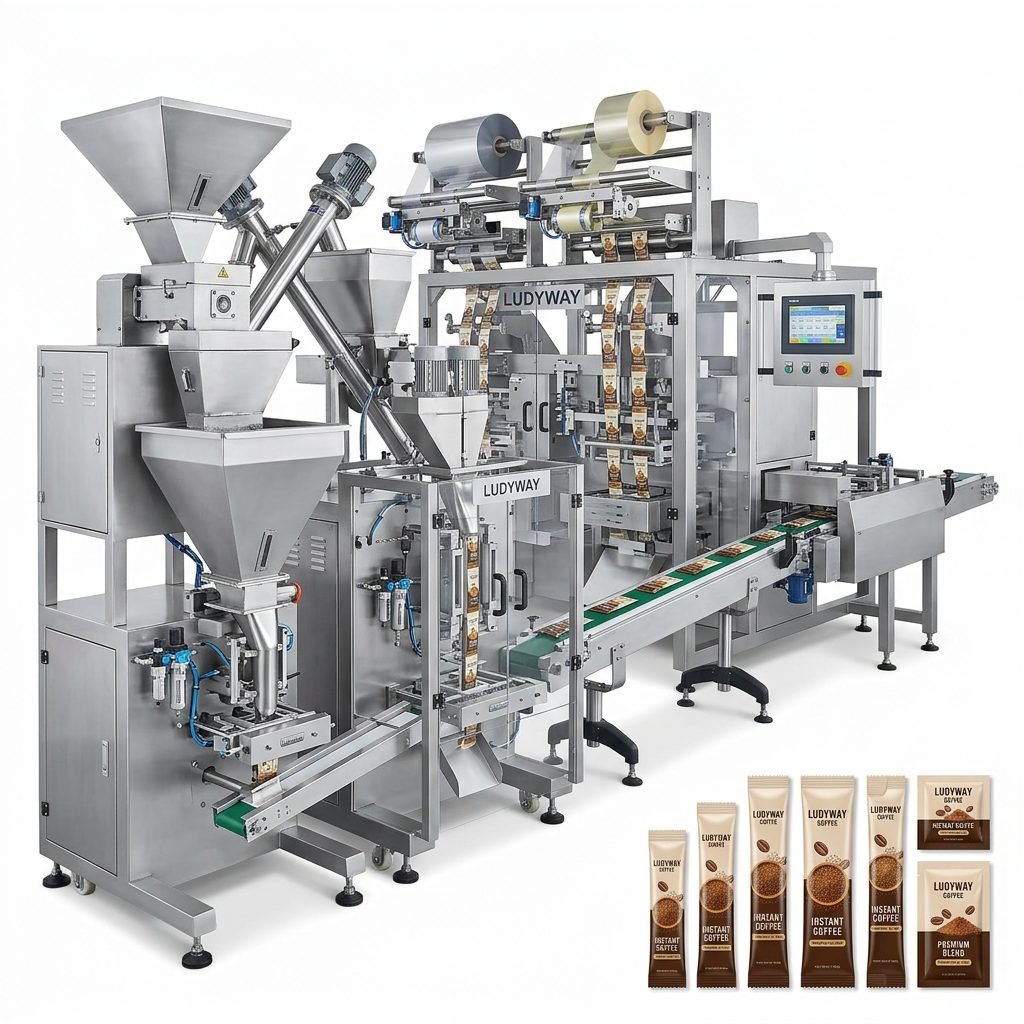
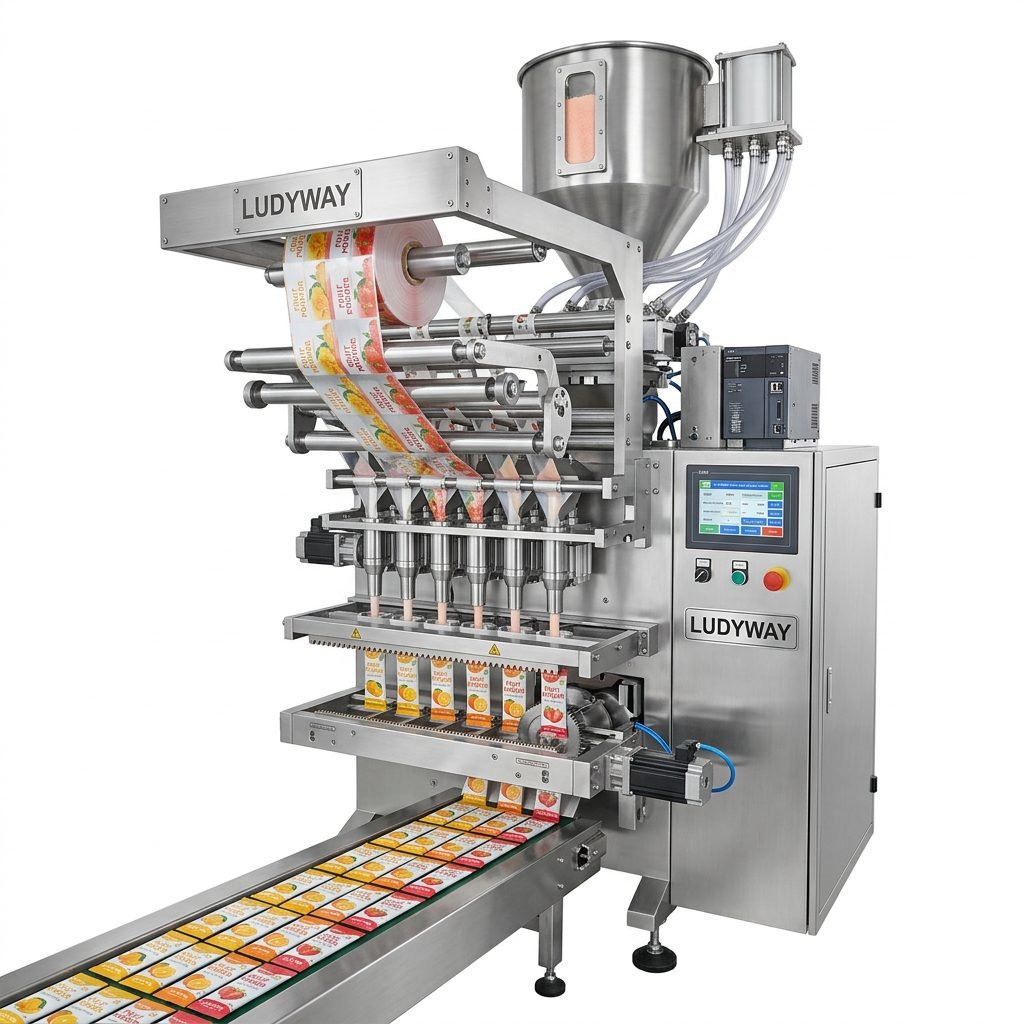
Tube packaging is a critical process for efficiently and hygienically filling a wide range of products, from cosmetics and pharmaceuticals to adhesives and food pastes. Selecting the right tube packaging machine is essential for operational efficiency, product integrity, and cost-effectiveness. This comprehensive guide explores the different types of tube fillers, their working principles, and key factors to consider when choosing the optimal model for your production line.
Core Types of Tube Packaging Machines
The market offers various tube packaging machines, each designed for specific production volumes, tube materials, and product characteristics. Understanding these types is the first step in making an informed decision.
1. Manual & Semi-Automatic Tube Fillers
Ideal for low to medium production, these machines require operator involvement for tube placement, and sometimes for sealing. They offer a lower initial investment and are highly flexible for short runs or frequent product changeovers.
2. Automatic Tube Filling and Sealing Machines
These are the workhorses of high-volume production. Fully automatic machines handle the entire process: tube feeding, orientation, filling, sealing (via heat, ultrasonic, or laser), coding, and ejection. They maximize output and minimize labor costs.
3. Aseptic Tube Packaging Machines
Critical for pharmaceutical, medical, and certain food products, aseptic fillers operate in a sterile environment. They often include sterilization tunnels for tubes and use laminar airflow hoods to prevent contamination during the filling process.
4. Specialized Machines by Tube Material
- Laminated Tube Fillers: Designed for handling multi-layer laminate tubes (e.g., aluminum/plastic). They typically use ultrasonic sealing or induction sealing for a strong, contamination-proof closure.
- Plastic Tube Fillers: Optimized for polyethylene (PE) or polypropylene (PP) tubes, often using heat sealing for the tube tail.
- Metal Tube Fillers: For traditional aluminum or tin tubes, utilizing folding and crimping mechanisms for closure.
How Tube Packaging Machines Work: Key Principles
The operational sequence of an automatic tube packaging machine follows a precise, coordinated cycle to ensure accuracy and hygiene.
Stage 1: Tube Feeding and Orientation
Tubes are loaded into a magazine or hopper. A sorting mechanism (like a rotary wheel or pick-and-place system) orients them correctly—cap down, open end up—and places them into pockets on a indexing conveyor or rotary turret.
Stage 2: Filling and Dosing
This is the core of the process. As each tube indexes to the filling station, a precise volume of product is dispensed. Common filling methods include:
- Piston Fillers: Highly accurate for creams, gels, and pastes. A piston draws product from a hopper and pushes it into the tube.
- Peristaltic Pump Fillers: Excellent for shear-sensitive products. A roller compresses a flexible tube, pushing product forward without contact with pump parts.
- Time-Pressure/Gravity Fillers: Often used for low-viscosity liquids. Product flows by gravity or pressure for a controlled time.
Accuracy at this stage is paramount. Modern machines integrate check-weighing systems to automatically reject under or over-filled tubes, ensuring compliance and reducing waste.
Stage 3: Closing and Sealing
The filled tube moves to the sealing station. The method depends on the tube material:
- Heat Sealing (Plastic Tubes): Jaws apply heat and pressure to melt the inner layer of the tube laminate, creating a hermetic seal.
- Ultrasonic Sealing (Laminate Tubes): High-frequency vibrations generate localized heat to bond the laminate layers without excessive external heat.
- Induction Sealing (Laminate Tubes with foil layer): An electromagnetic field heats a thin aluminum foil layer inside the tube cap, bonding it to the tube mouth for a tamper-evident seal.
- Folding & Crimping (Metal Tubes): The tube end is folded over multiple times and crimped for a secure closure.
Stage 4: Coding, Discharge, and Secondary Packaging
Finally, the sealed tube may pass through an inkjet or laser coder for batch/expiry dates. It is then ejected onto a conveyor for collection, cartoning, or case packing.
Choosing the Right Tube Packaging Machine: A Strategic Guide
Selecting a machine is a significant investment. Here are the critical factors to evaluate to ensure it meets your current and future needs.
1. Analyze Your Product and Tube
The product’s physical properties dictate the filling technology. High-viscosity toothpaste requires a robust piston filler, while a watery serum might use a peristaltic pump. Simultaneously, the tube material (laminate, PE, aluminum) determines the necessary sealing technology. Always conduct product trials with the machine supplier.
2. Define Your Production Requirements
- Output Speed (Tubes/Minute or Hour): Match the machine’s speed to your required daily/weekly volume, allowing for maintenance and changeover time.
- Flexibility: Will you run multiple tube sizes, shapes, or products? Look for machines with quick-change parts and recipe memory to minimize downtime.
- Footprint: Measure your available factory space. Rotary machines are compact for their output, while in-line machines might be longer.
3. Prioritize Accuracy, Hygiene, and Compliance
For pharmaceuticals, cosmetics, and food, precision and cleanliness are non-negotiable. Ensure the machine offers the required filling accuracy (±1% or better) and is constructed with appropriate materials (e.g., stainless steel contact parts, easy-clean design). Compliance with standards like cGMP, FDA, or CE is essential for regulated industries.
4. Evaluate Automation and Integration Level
Consider your labor strategy. A fully automatic machine with automatic tube feeding and cartoning reduces operator dependency. Check integration capabilities with upstream (tube unscramblers) and downstream (cartoners, case packers) equipment for a seamless line. Modern machines with PLC controls and HMI touchscreens offer easier operation and diagnostics.
5. Assess Total Cost of Ownership (TCO)
Look beyond the purchase price. Factor in:
- Energy Consumption: Sealing methods have different power needs.
- Maintenance & Spare Parts: Availability and cost of wear parts (sealing jaws, pistons, pumps).
- Changeover Time & Material Waste: Efficient machines reduce product loss during startup.
Partnering with an experienced supplier like Ludyway Machinery is invaluable. With over 30 years of industry experience and a portfolio of over 50 intelligent packaging models, they provide not just equipment but tailored solutions. Their expertise in turnkey production lines ensures the machine integrates perfectly into your operation, backed by reliable technical support and a commitment to long-term partnership, helping you navigate these complex choices effectively.
6. After-Sales Support and Service
Robust technical support, training, and readily available spare parts are crucial for minimizing downtime. Choose a supplier with a proven global service network and a reputation for reliability.
Frequently Asked Questions (FAQs)
1. What is the main difference between ultrasonic and induction sealing for tubes?
Ultrasonic sealing uses high-frequency vibrations to create heat within the laminate layers, bonding them together. Induction sealing uses an electromagnetic field to heat a thin foil layer located under the cap, bonding it to the tube mouth. Induction is often used for a tamper-evident, leak-proof seal, while ultrasonic is a strong closure method for the tube body itself.
2. How do I determine the right filling speed (tubes per minute) for my business?
Calculate your required daily output. Divide this by your operational hours (minus changeover and maintenance time) to get your average hourly rate. Choose a machine whose maximum speed is 15-20% higher than this rate to provide a buffer and allow for future growth without running the machine at its absolute limit.
3. Can one machine handle different tube sizes and shapes?
Yes, many automatic machines are designed for flexibility. However, changing tube formats requires changing parts like the tube pockets/clamps, filling nozzles, and sometimes sealing jaws. The key factor is the “changeover time.” Look for machines with quick-change systems to switch formats in under 30 minutes.
4. What are the hygiene considerations for cosmetic or pharmaceutical tube filling?
Machines for these industries should have a sanitary design: easy-to-clean stainless steel surfaces, minimal crevices, and often CIP (Clean-in-Place) capabilities. For sterile products, an aseptic filling chamber with HEPA filtration is necessary. Always verify the machine’s compliance with relevant industry standards (e.g., cGMP, FDA 21 CFR Part 211).
5. Why is a check-weigher important in a tube packaging line?
A check-weigher is a critical quality control device. It automatically weighs every filled tube after sealing and rejects any that fall outside your preset weight tolerance. This ensures regulatory compliance (preventing under-filling), reduces product giveaway (from over-filling), and provides real-time data on filling performance for process optimization.