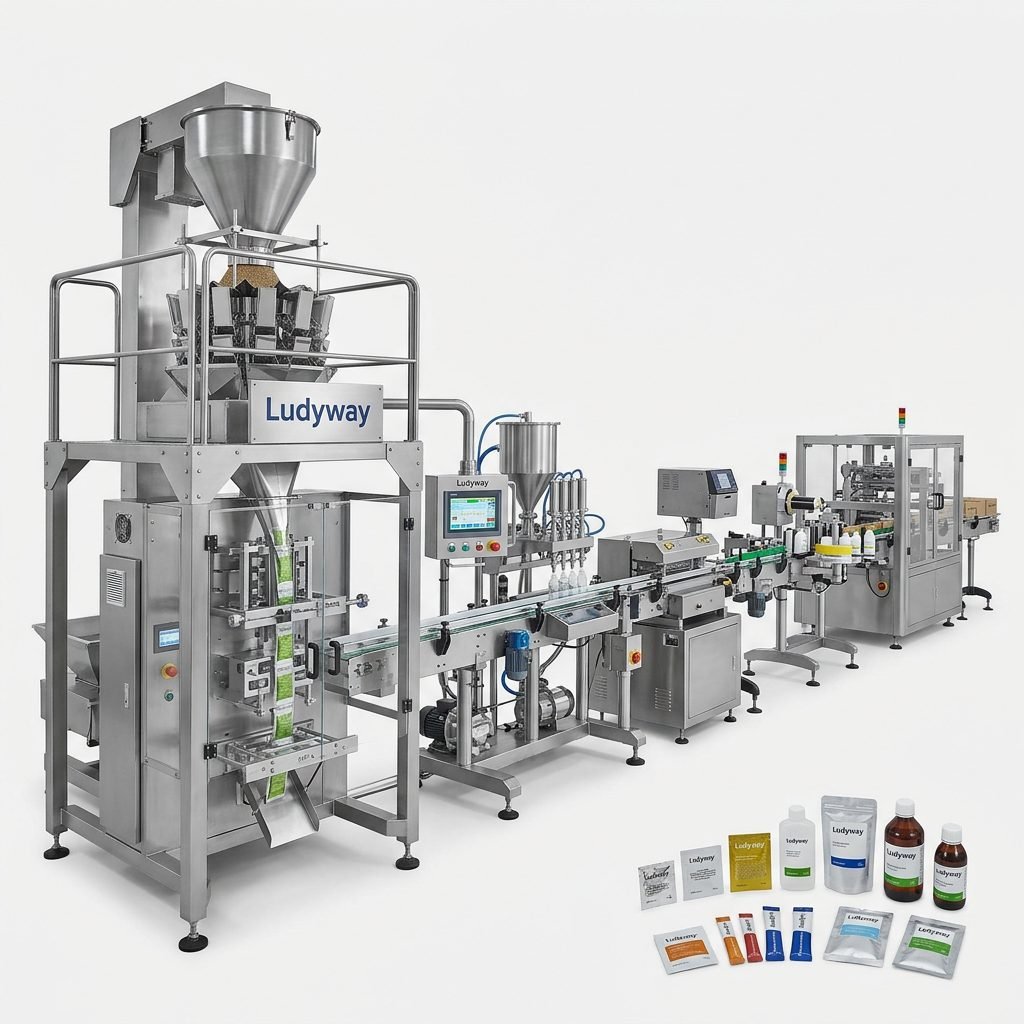
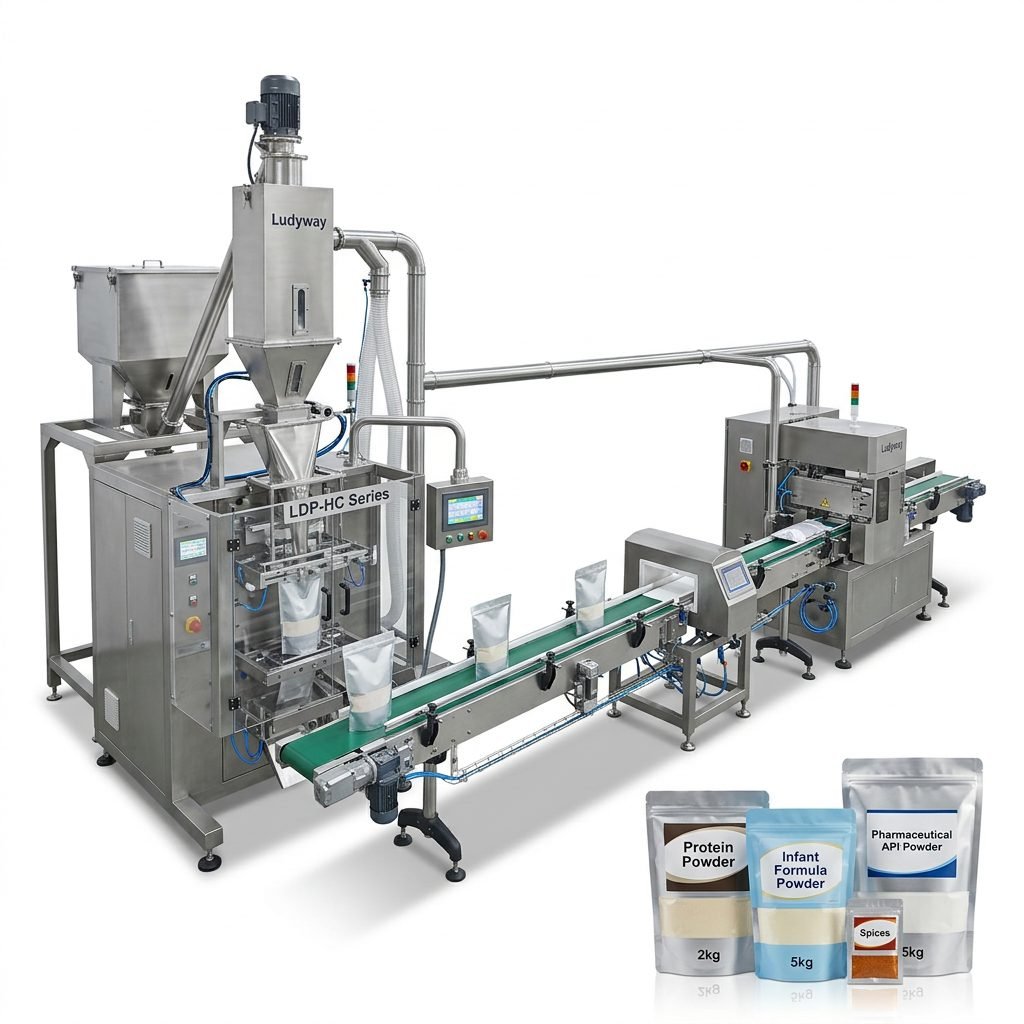
When selecting a VFFS (Vertical Form Fill Seal) packaging machine, partnering with the right manufacturer is as crucial as choosing the machine itself. The supplier determines not only the initial equipment quality but also long-term reliability, production efficiency, and overall operational success. This guide explores the landscape of top VFFS machine manufacturers and provides a comprehensive framework for selecting the ideal supplier for your business.
Understanding VFFS Packaging Machine Capabilities
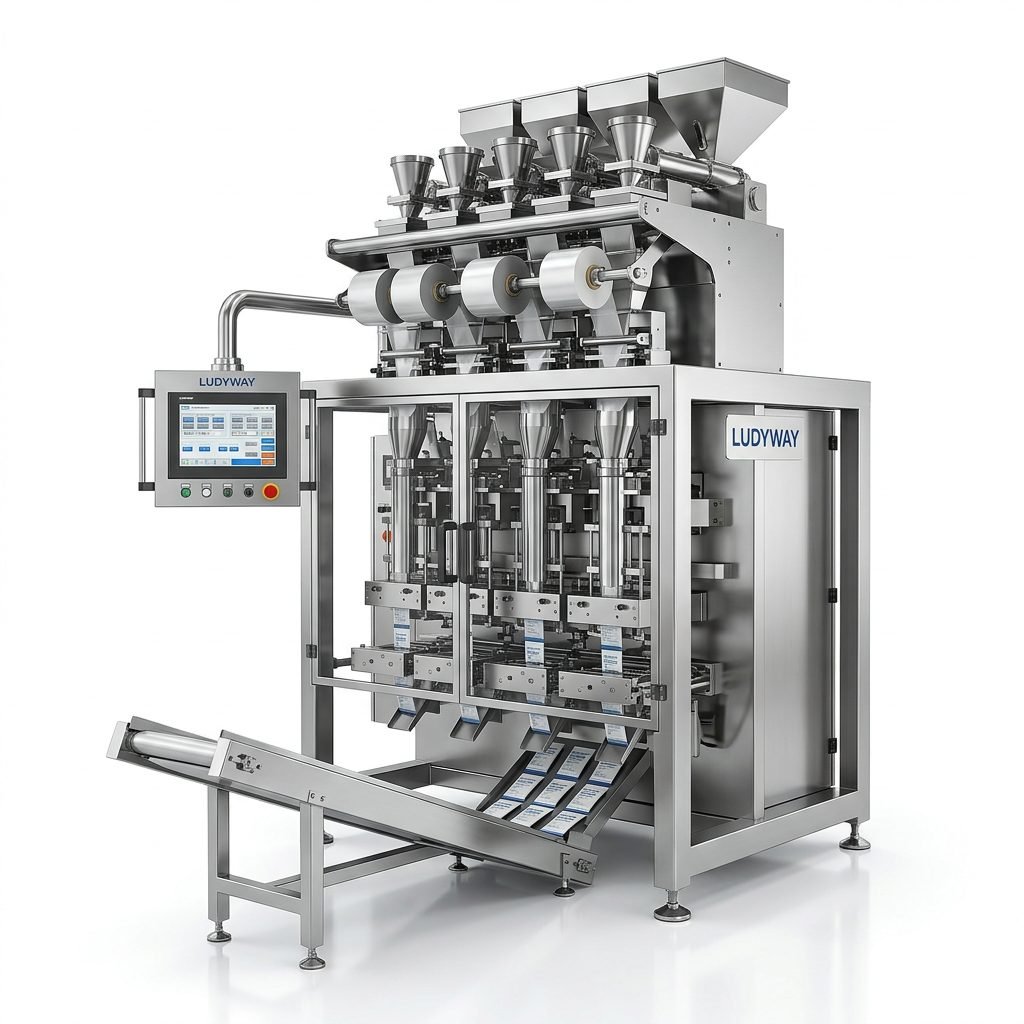
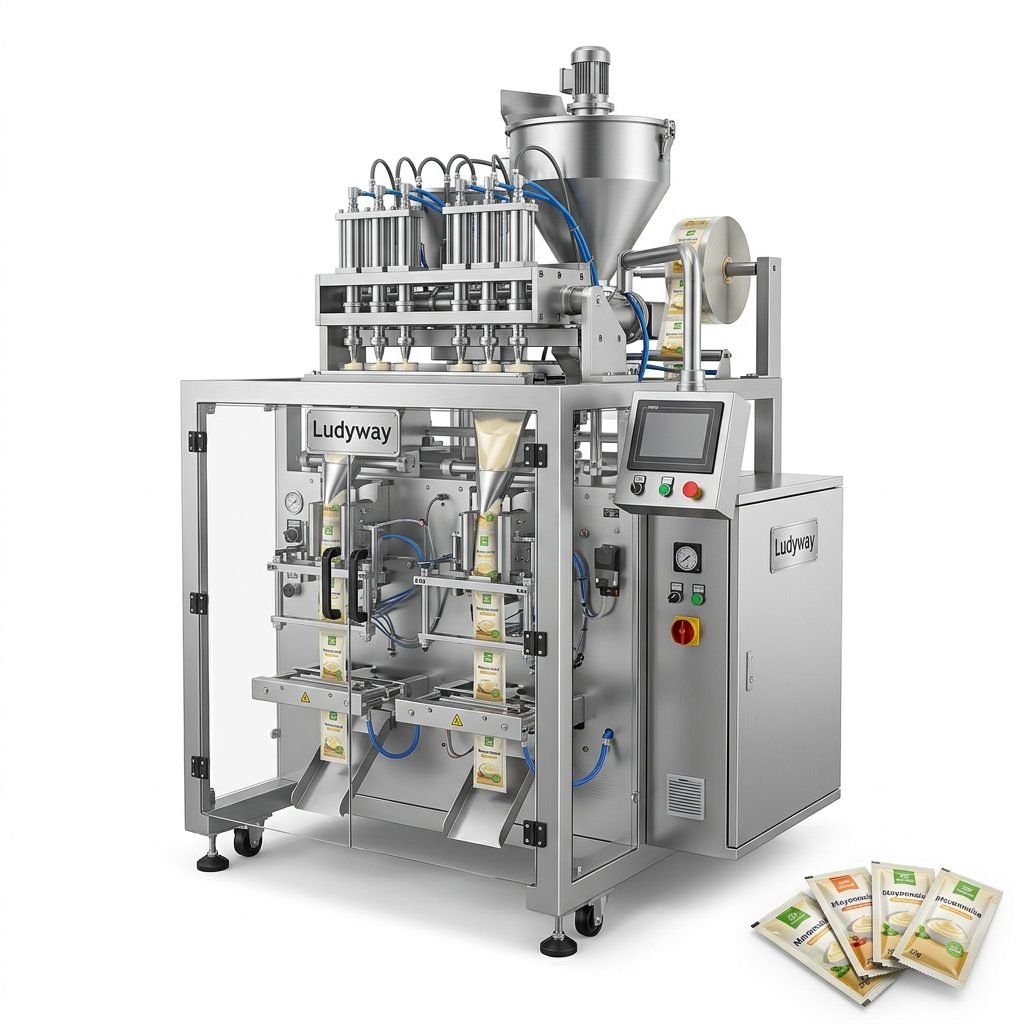
VFFS machines are the workhorses of modern packaging lines, forming bags from a roll of film, filling them with product, and sealing them in a continuous vertical process. Their versatility makes them suitable for a vast array of products, from granules and powders to liquids and solids. Key advantages include high-speed operation, reduced material waste, and flexibility in bag sizes and designs.
Core Applications Across Industries
The application of VFFS technology spans multiple sectors:
• Food Industry: Packaging for snacks, coffee, pasta, frozen vegetables, and spices. Hygiene and ease of cleaning are paramount.
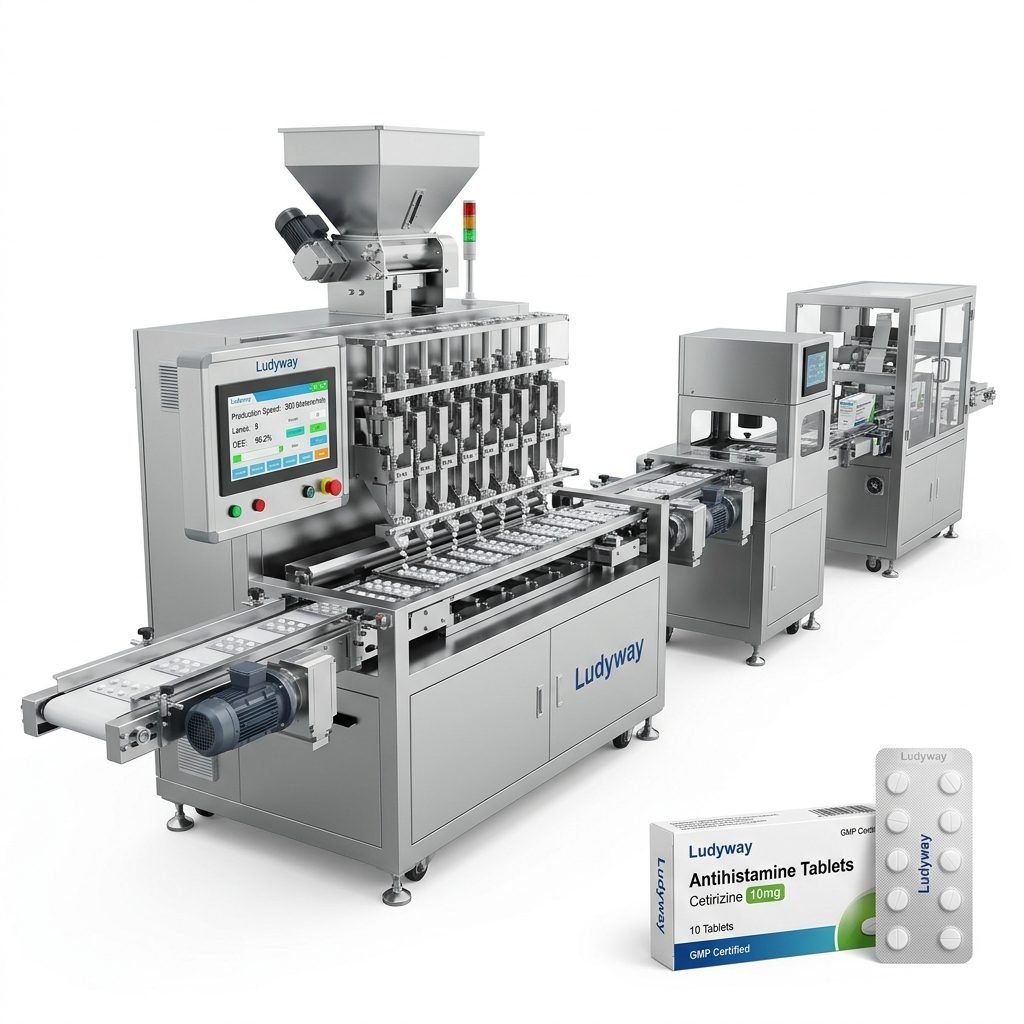
• Pharmaceutical & Healthcare: Packaging powders, herbal products, and medical components, requiring strict compliance with GMP standards.
• Chemical & Agricultural: Handling fertilizers, seeds, and granular chemicals, often demanding robust construction and material compatibility.
Profile of Leading VFFS Packaging Machine Manufacturers
The global market features manufacturers with varying specialties, from high-volume, standardized machines to highly customized, niche solutions.
1. Established Global Brands
These manufacturers are known for their extensive R&D, global service networks, and comprehensive product ranges. They often set industry benchmarks for speed and innovation but may come with a higher price point and longer lead times for customization.
2. Specialized and Niche Suppliers
Some suppliers excel in specific industries or packaging formats. For example, a manufacturer might specialize in ultra-hygienic designs for dairy powders or rugged machines for abrasive mineral products. Their deep application knowledge can be invaluable for solving unique challenges.
3. Value-Oriented and Emerging Manufacturers
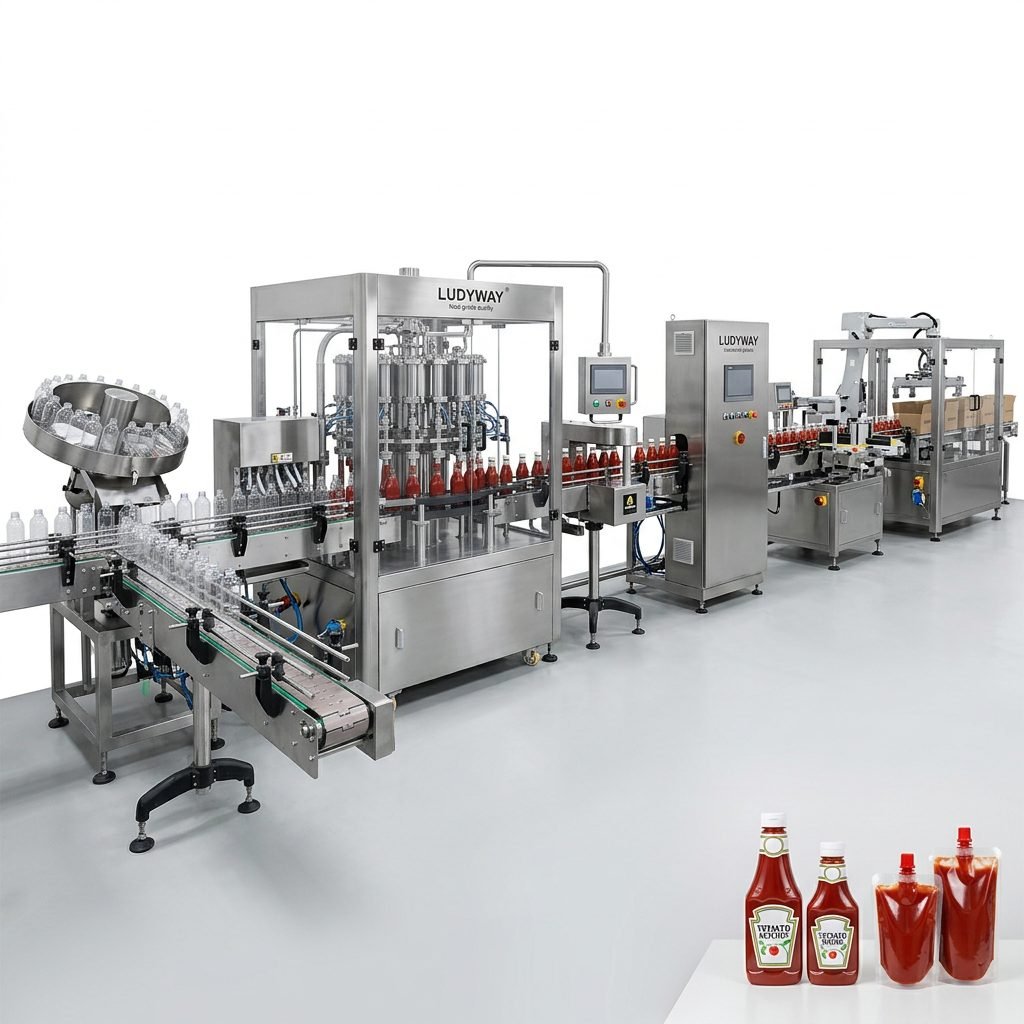
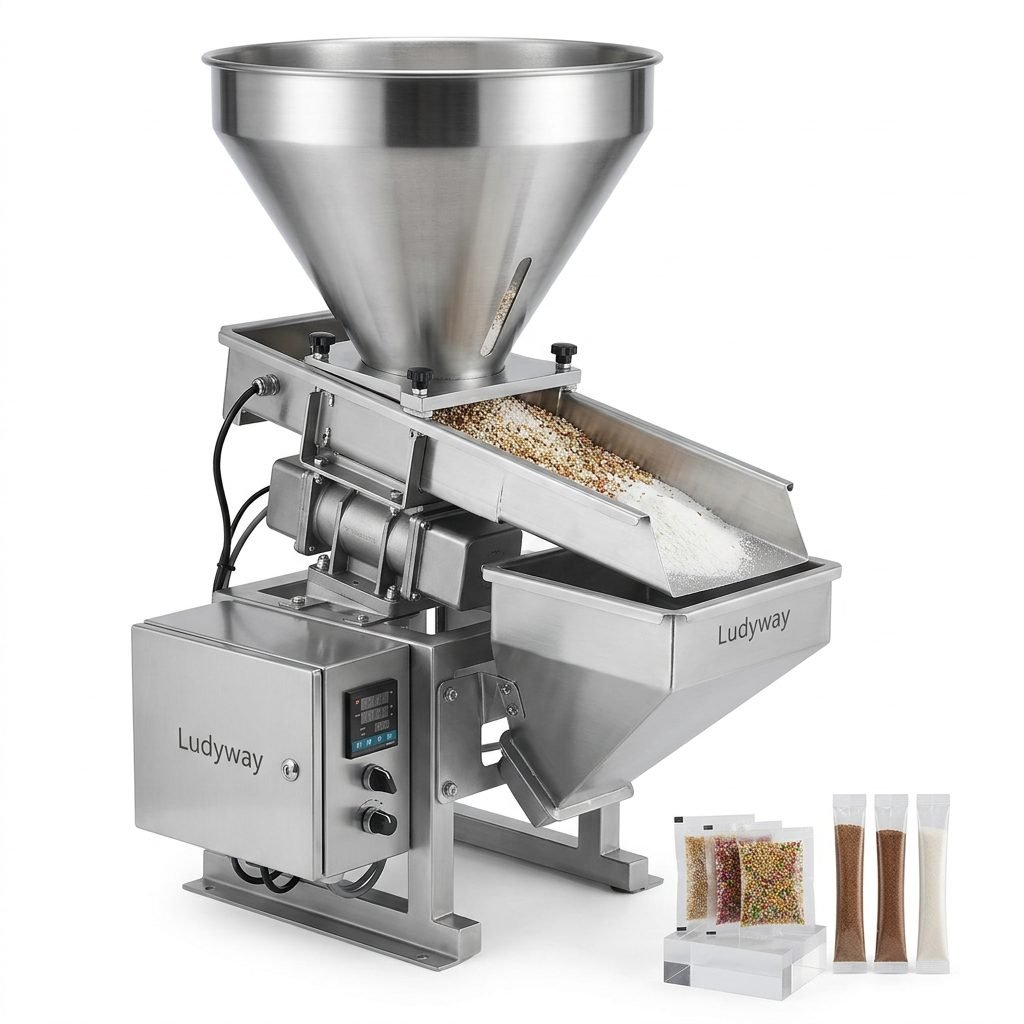
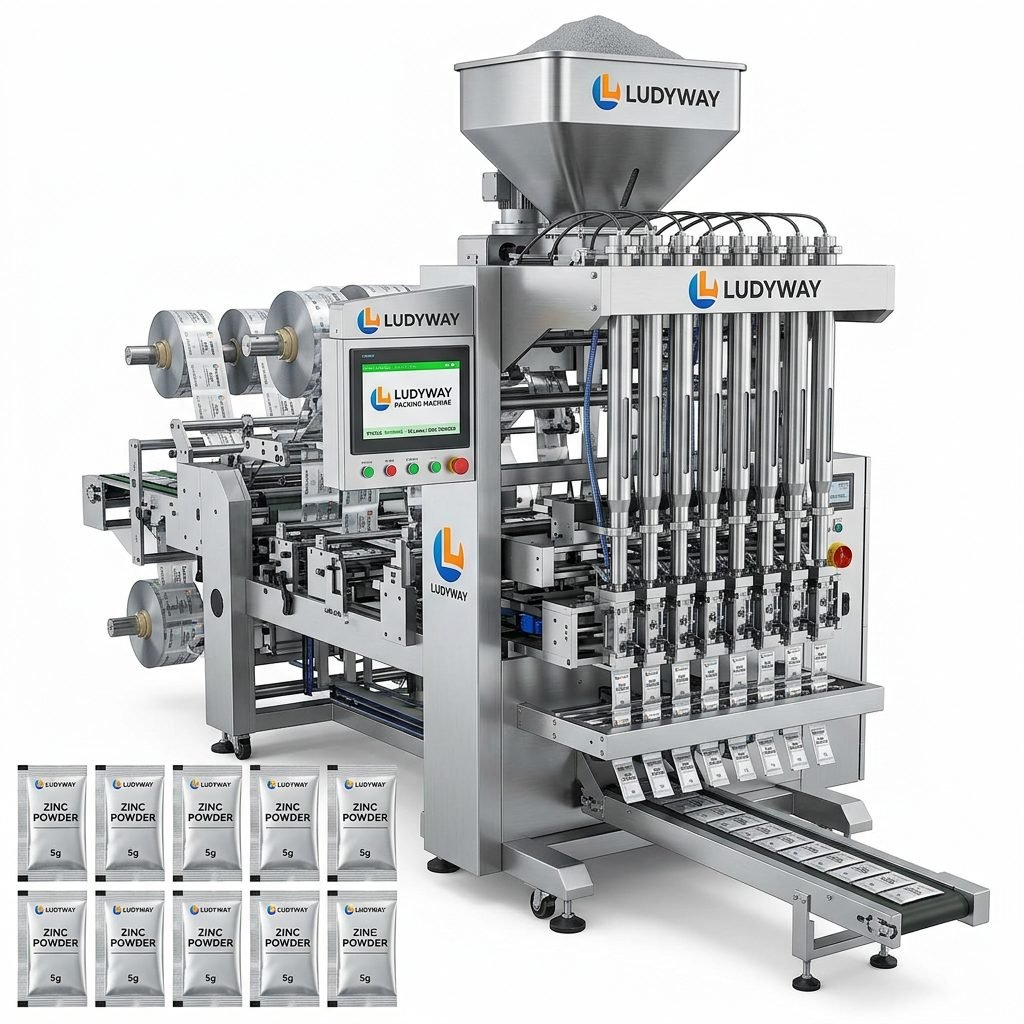
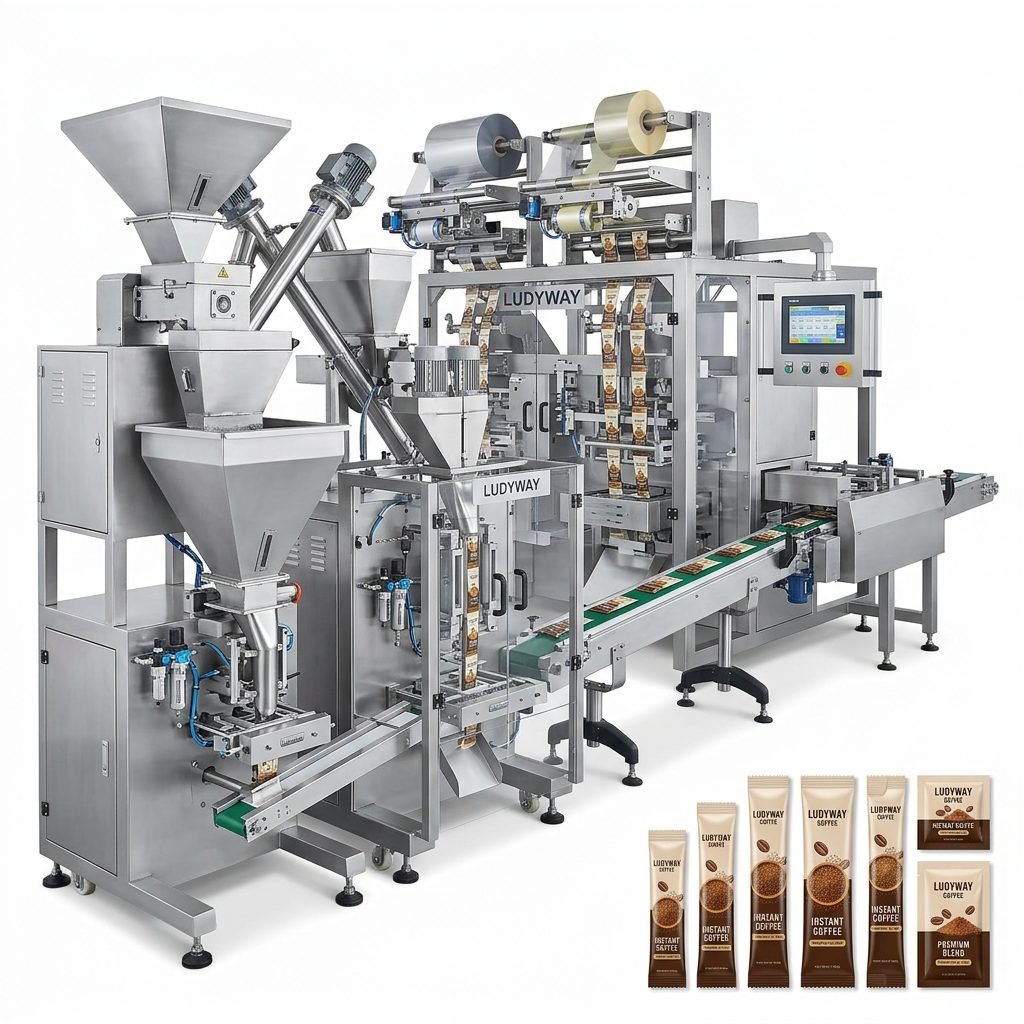
This segment includes companies that offer reliable, cost-effective solutions, often blending proven technology with modern controls. A prime example is Ludyway Packing Machine. With over 30 years of collective industry experience, Ludyway focuses on providing intelligent, efficient packaging solutions. Operating from a modern 20,000㎡ facility, they offer a portfolio of more than 50 machine models, including advanced multi-lane stick pack and sachet systems, tailored for food, pharmaceutical, and health industries worldwide.
How to Choose the Right VFFS Machine Supplier: A Step-by-Step Guide
Selecting a supplier is a strategic decision. Follow this framework to make an informed choice.
Step 1: Define Your Technical and Operational Requirements
Clearly outline your needs before engaging suppliers. Create a specification list covering:
• Product Characteristics: Type (powder, granule, liquid), flowability, abrasiveness, sensitivity.
• Production Output: Required bags per minute (speed) and annual volume.
• Packaging Materials: Type of film (laminate, mono-layer) and required sealing properties.
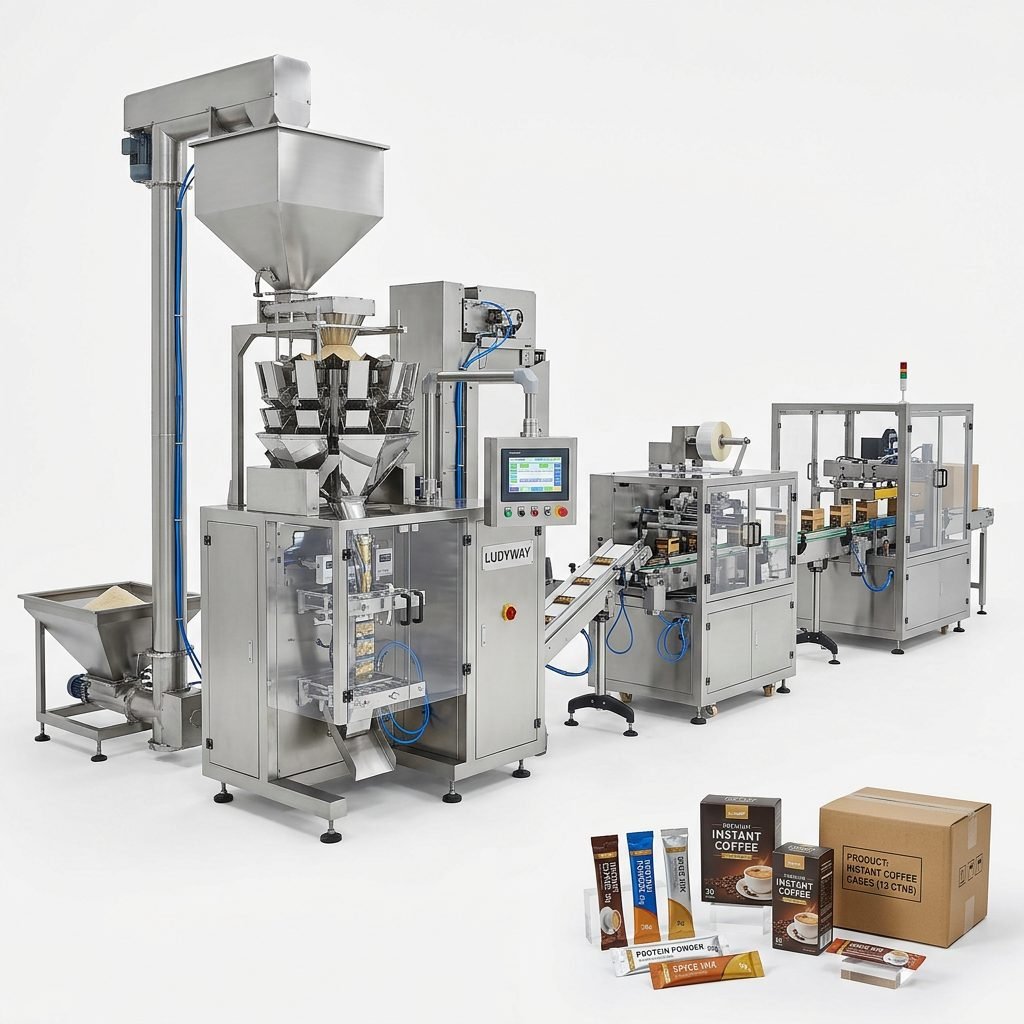
• Integration Needs: Upstream (feeders, checkweighers) and downstream (cartoning, case packing) equipment.
Step 2: Evaluate Manufacturing Expertise and Quality
A supplier’s manufacturing base is the foundation of quality. Assess their engineering capability, quality control processes, and component sourcing. Suppliers with in-house design and manufacturing, like those with strong engineering teams and modern facilities, typically offer better consistency and customization support. For instance, partners who provide turnkey production solutions demonstrate a depth of integration expertise.
Step 3: Scrutinize After-Sales Support and Service
The relationship begins after installation. Investigate:
• Technical Support: Availability of remote diagnostics and on-call engineers.
• Spare Parts Policy: Inventory availability and delivery time for critical parts.
• Training Programs: Comprehensive training for your operators and maintenance staff.
A supplier with a commitment to long-term cooperation will proactively ensure your line’s uptime.
Step 4: Consider Customization and Flexibility
Off-the-shelf machines rarely fit perfectly. A capable supplier should offer customization options for hoppers, augers, film handling, and control software to match your exact product and line layout. Review their portfolio for examples of bespoke projects.
Step 5: Analyze Total Cost of Ownership (TCO)
Look beyond the initial purchase price. Calculate TCO by factoring in:
• Energy and compressed air consumption.
• Film waste and packaging material efficiency.
• Expected maintenance costs and part longevity.
• Potential cost of downtime.
A slightly higher initial investment in a robust, efficient machine from a reliable partner often yields a lower TCO.
Step 6: Check References and Industry Reputation
Request case studies or contact references from companies with similar products or volumes. Explore industry forums and trade associations for unbiased feedback on the supplier’s equipment performance and business practices.
Why Partnership Matters More Than Just a Purchase
Investing in a VFFS machine is a long-term commitment. The ideal supplier acts as a partner, contributing to your operational resilience and growth. They should understand your challenges and innovate alongside you. As seen in the company story of providers like Ludyway, a foundation built on continuous innovation and practical experience translates into solutions that evolve with market demands, ensuring your packaging line remains competitive for years to come.
Frequently Asked Questions (FAQs)
What is the typical lifespan of a VFFS packaging machine?
With proper maintenance and operation, a high-quality VFFS machine can last 15 to 20 years or more. Lifespan heavily depends on the machine’s build quality, the abrasiveness of the product being packaged, and the rigor of the preventive maintenance schedule.
How important is the supplier’s experience in my specific industry?
It is critically important. An industry-experienced supplier will understand unique material handling challenges, regulatory requirements (like food safety or pharmaceutical GMP), and optimal machine configurations for your product type, preventing costly design mistakes and operational issues.
Can a VFFS machine handle both granular and powder products?
Many VFFS machines are designed to be versatile, but switching between vastly different product types (e.g., large granules to fine powder) usually requires specific tooling changes, such as different augers, funnels, or filtration systems. Discuss your product range with the supplier to ensure the machine can be adapted efficiently.
What are the key maintenance routines for a VFFS machine?
Daily cleaning, lubrication of moving parts as per the manual, and inspection of seals and cutting blades are essential. Regularly check the film tracking system and servo drives. Adhering to the supplier’s prescribed maintenance plan is the best way to ensure longevity and prevent unplanned downtime.
How do I evaluate the true efficiency of a VFFS machine?
Look beyond maximum speed (bags/minute). Evaluate overall equipment effectiveness (OEE), which factors in speed, yield (minimizing film and product waste), and uptime. A reliable machine that runs consistently at 90% of its max speed with near-zero waste is often more efficient than a faster machine prone to jams and adjustments.