Finding the best packaging machinery near you is a critical step for any manufacturing or production business. Whether you are in the food, pharmaceutical, health, or chemical industry, the right packaging equipment is essential for efficiency, product integrity, and brand presentation. The search for “packaging machinery near me” often leads to a complex decision-making process involving local suppliers, service quality, and long-term reliability.
Understanding Your Local Packaging Machinery Landscape
Before diving into supplier lists, it’s crucial to assess your specific needs. Local markets can vary significantly in their offerings. Some regions might have a high concentration of suppliers specializing in food-grade packaging, while others might focus on pharmaceutical or industrial applications. Understanding the dominant industry in your area can help narrow down potential suppliers who have relevant experience and a proven track record with businesses similar to yours.
Key Consideration: A local supplier with experience in your specific industry sector (e.g., food, pharmaceuticals) will already understand the regulatory compliance, hygiene standards, and material requirements you face. This shared context can streamline communication and solution design.
Criteria for Evaluating Local Suppliers
Choosing a reliable partner goes beyond a simple Google search. Here are the core areas to investigate:
1. Technical Expertise and Product Range
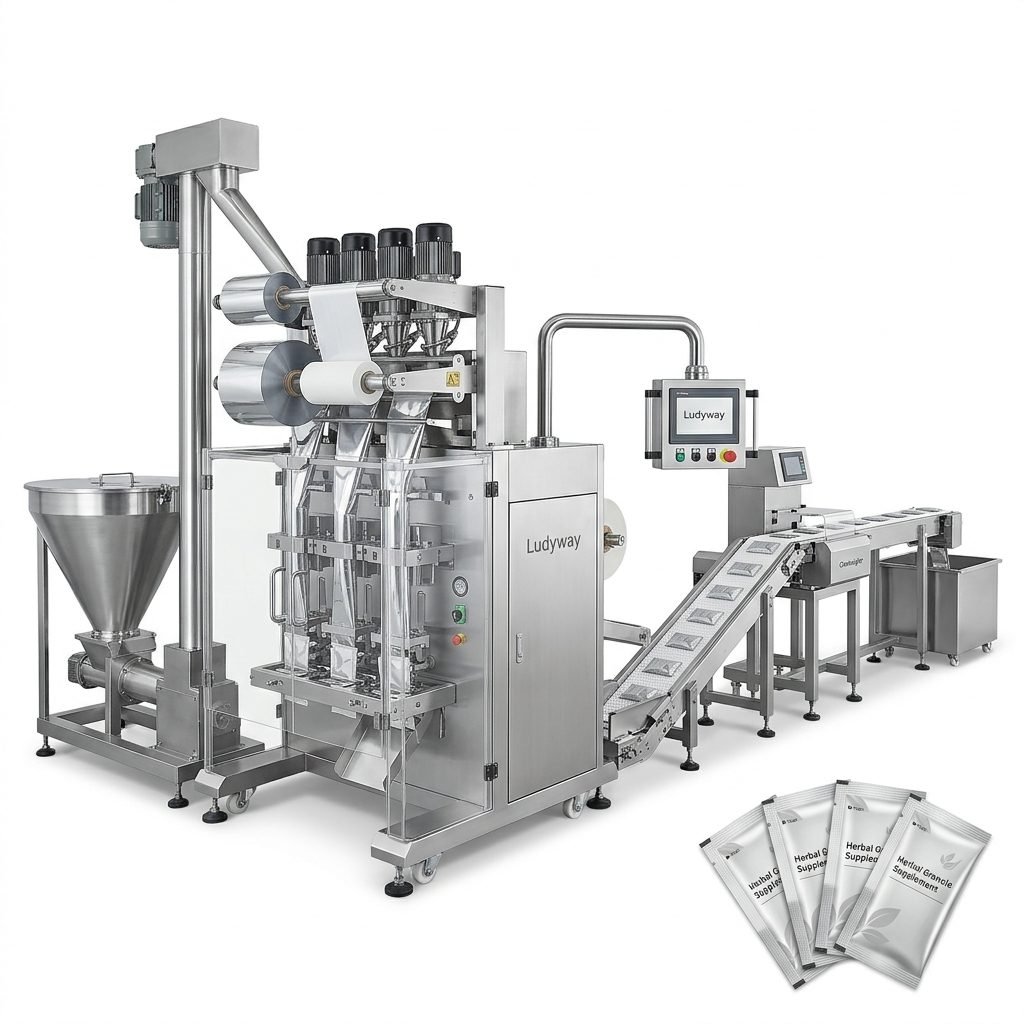
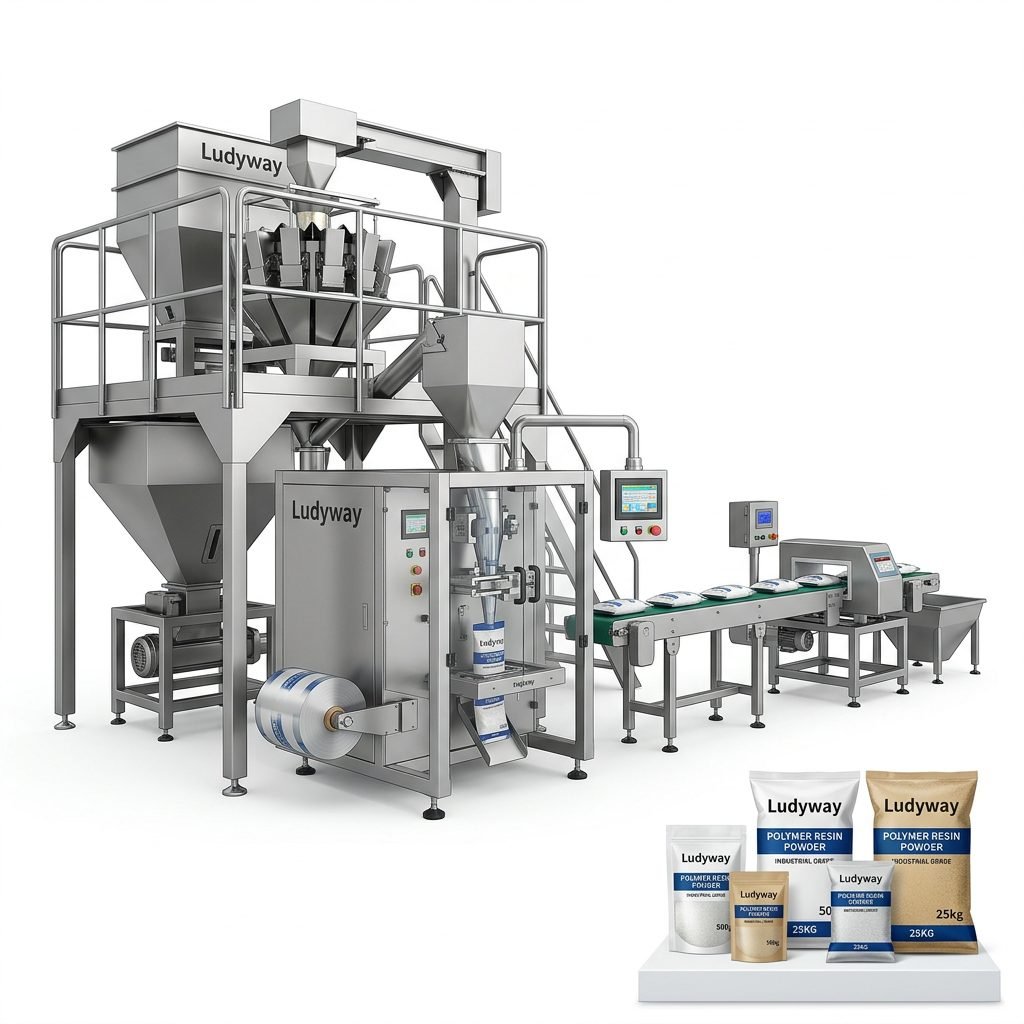
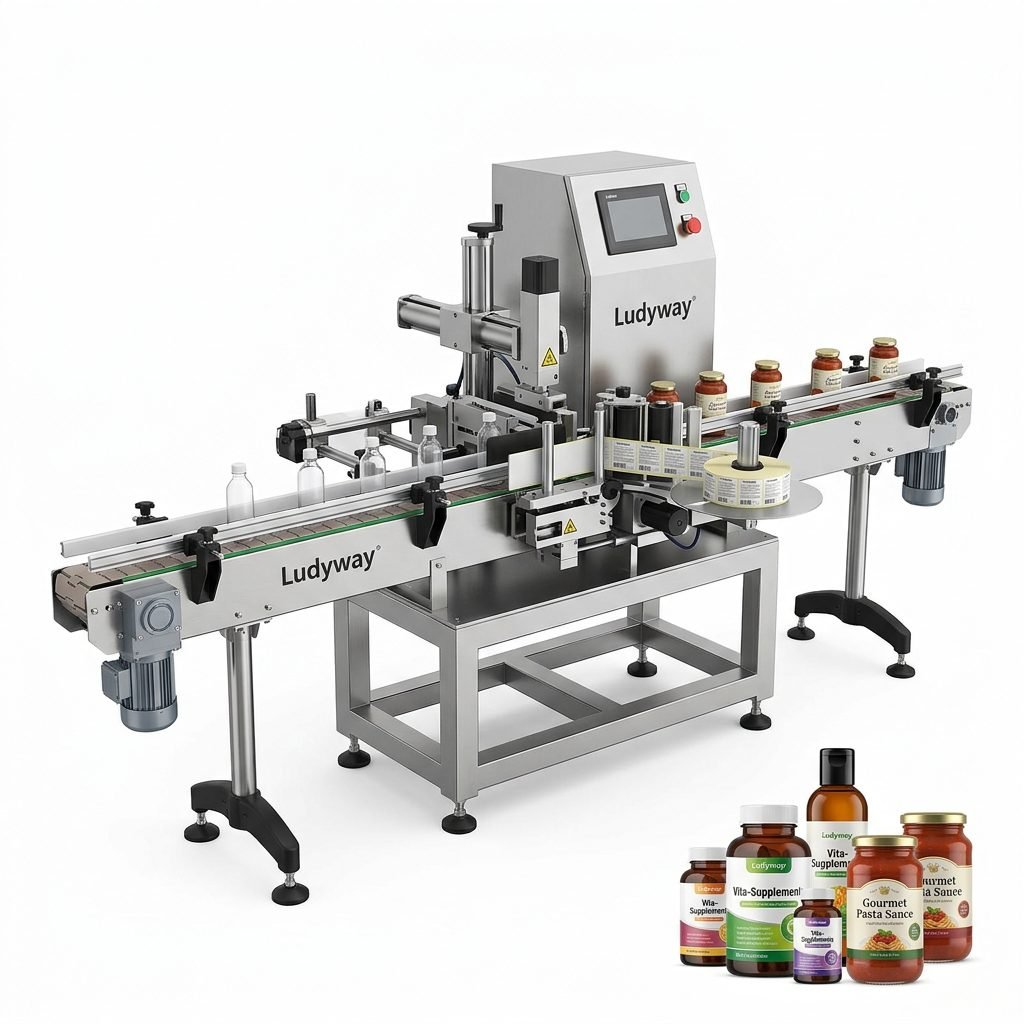
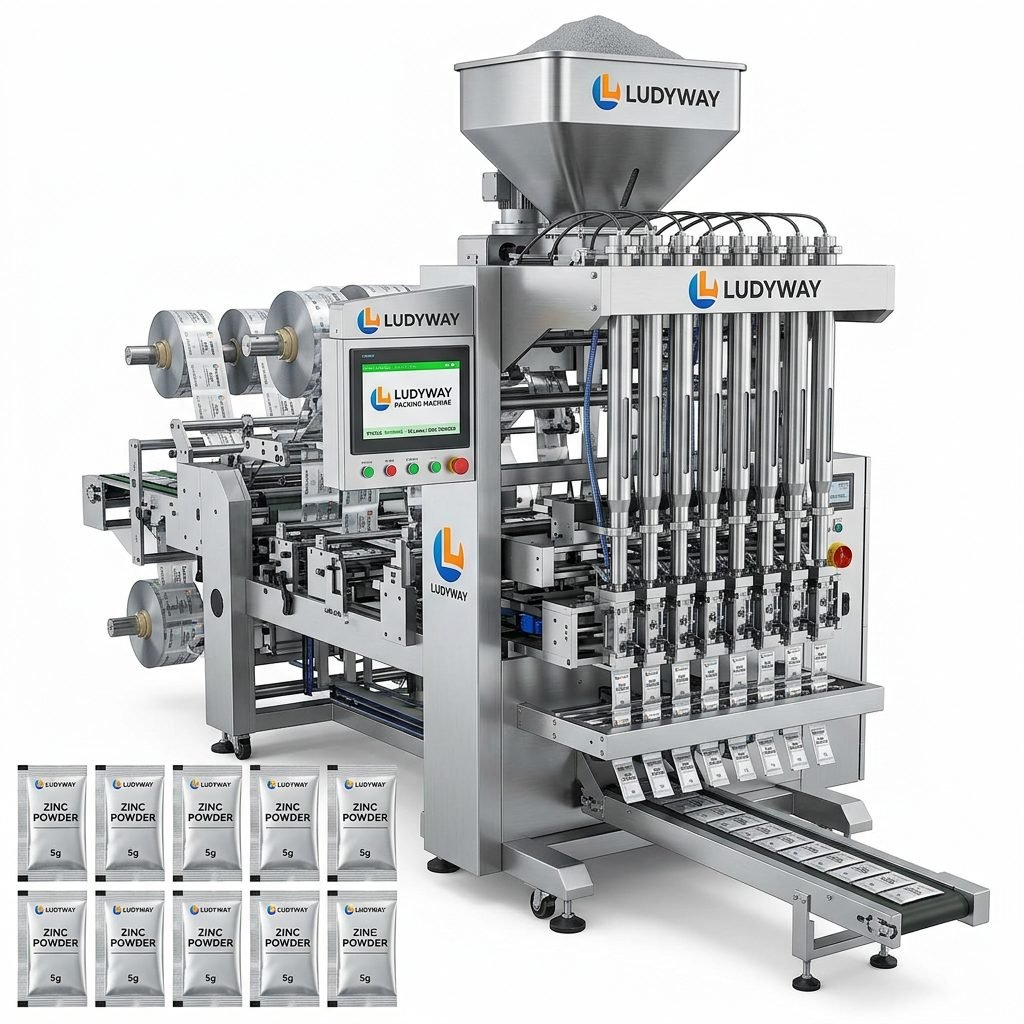
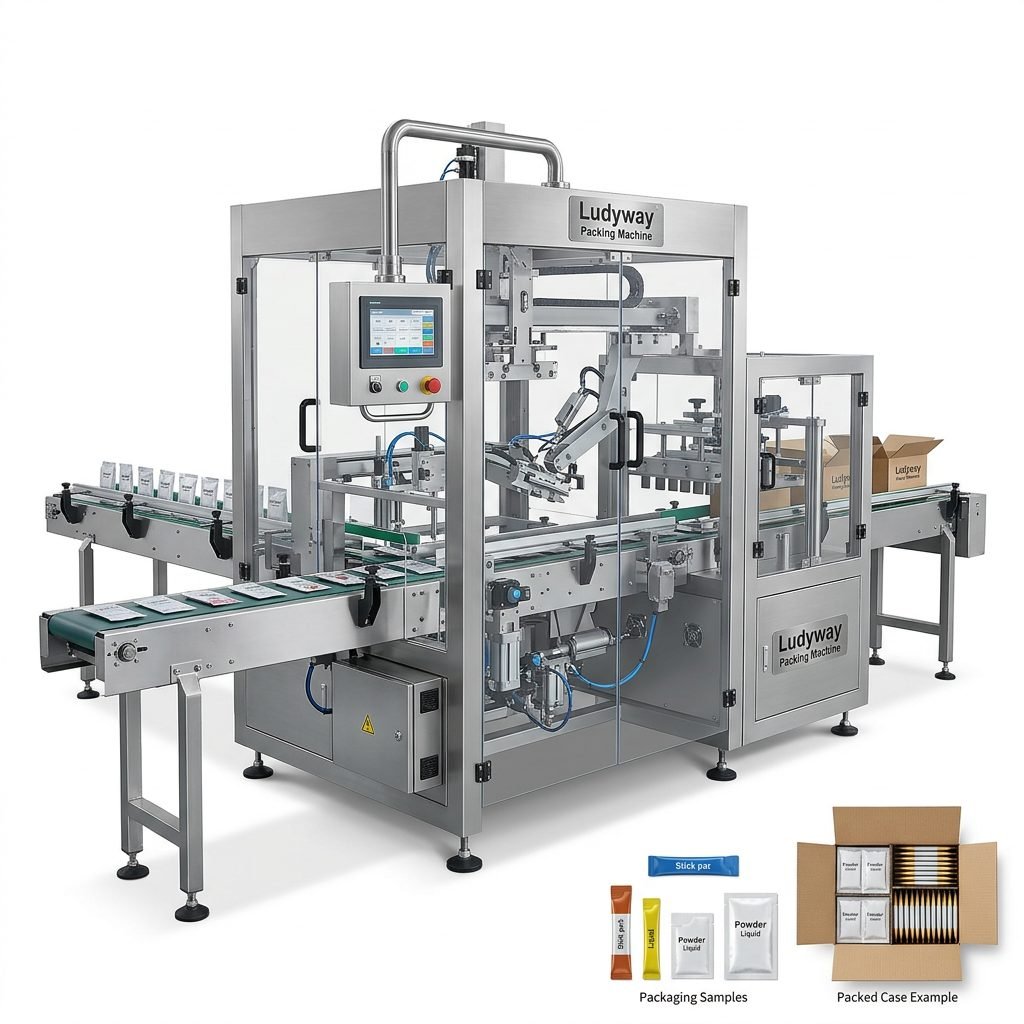
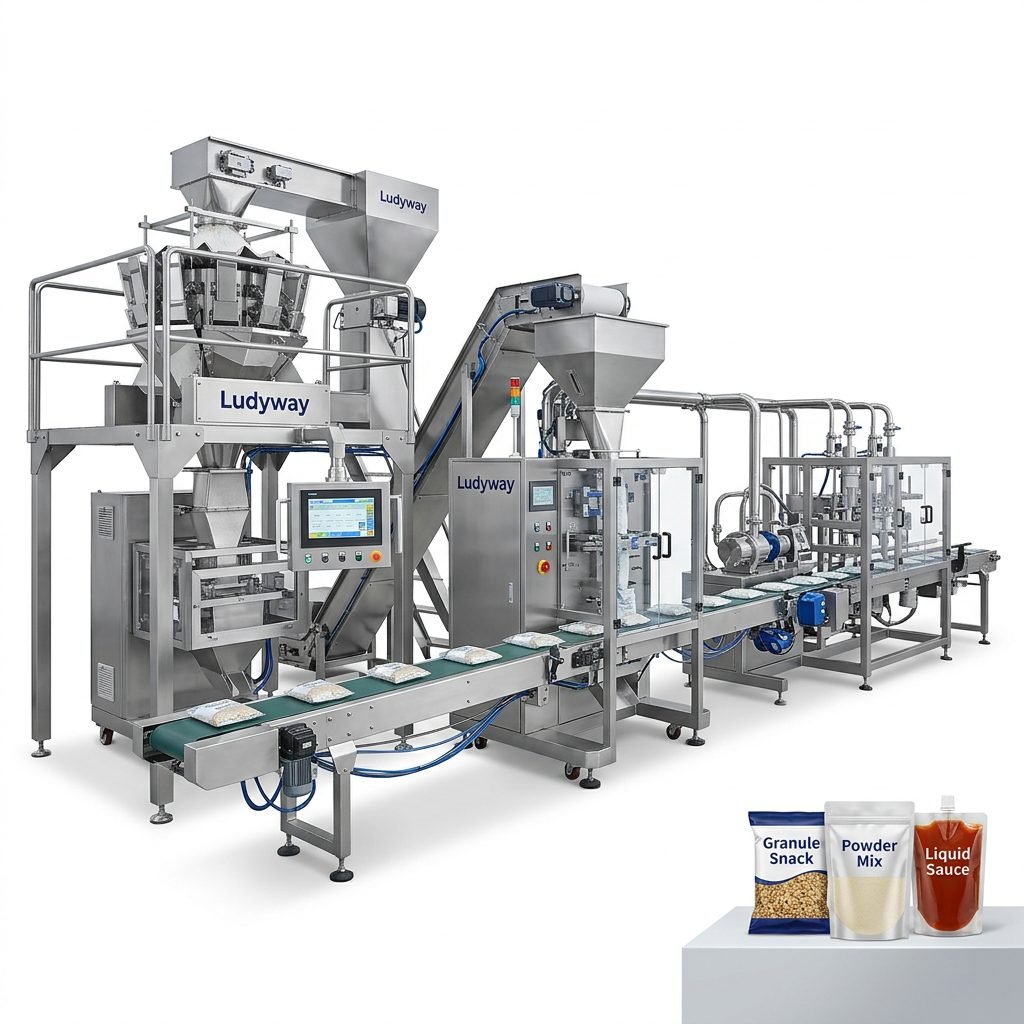
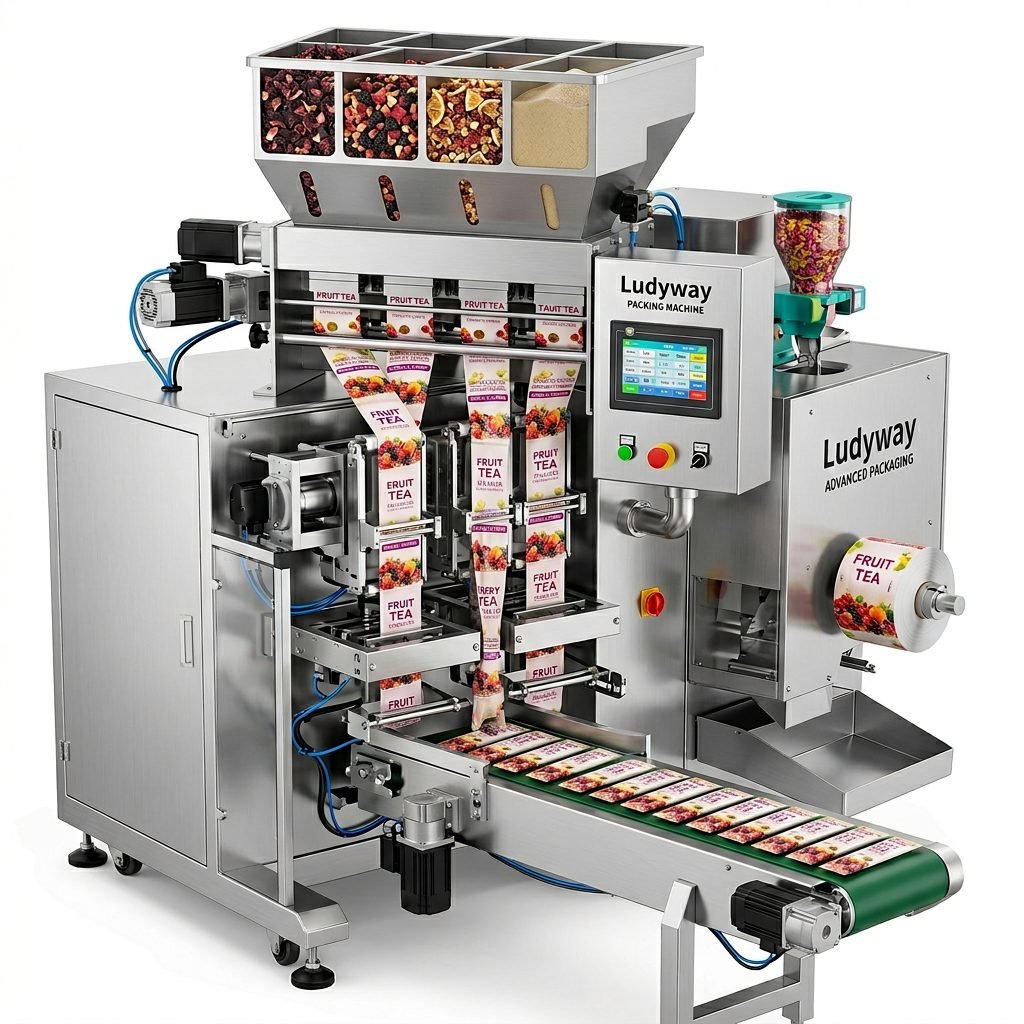
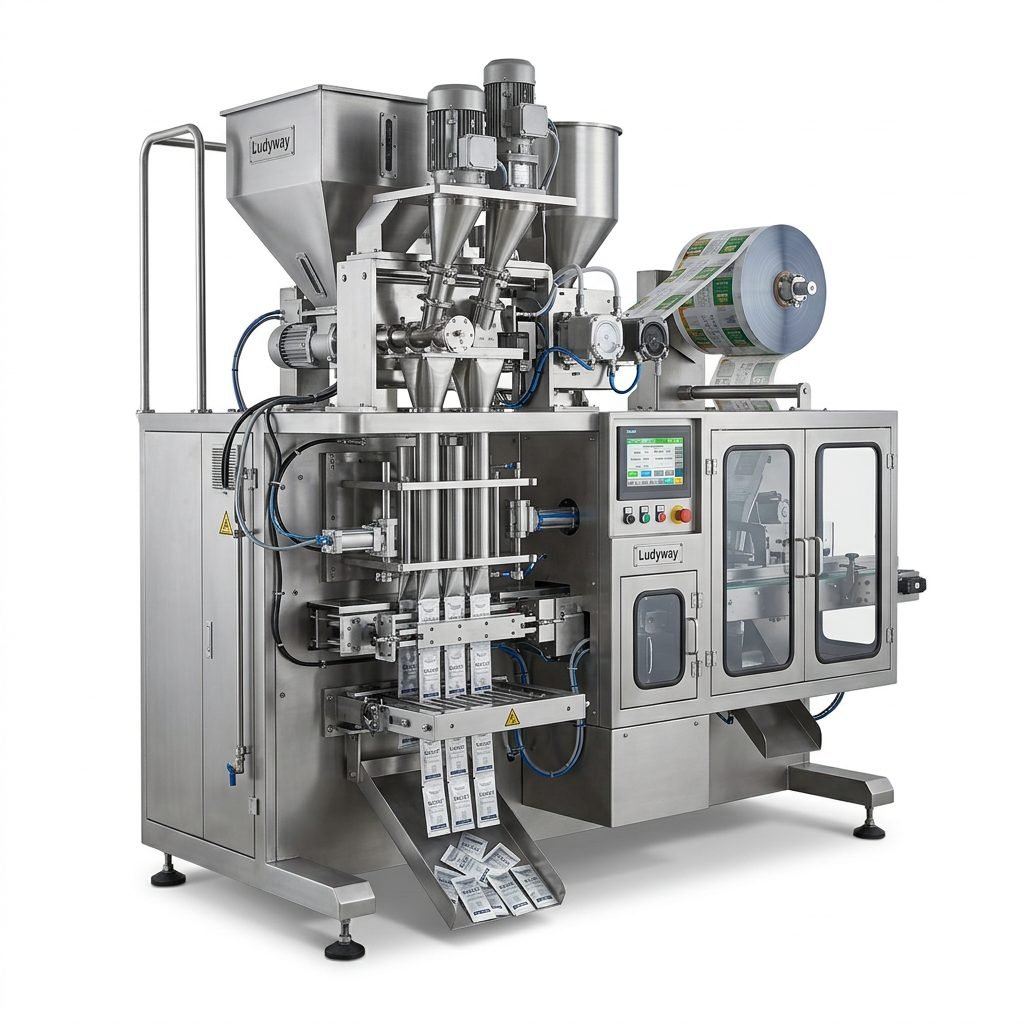
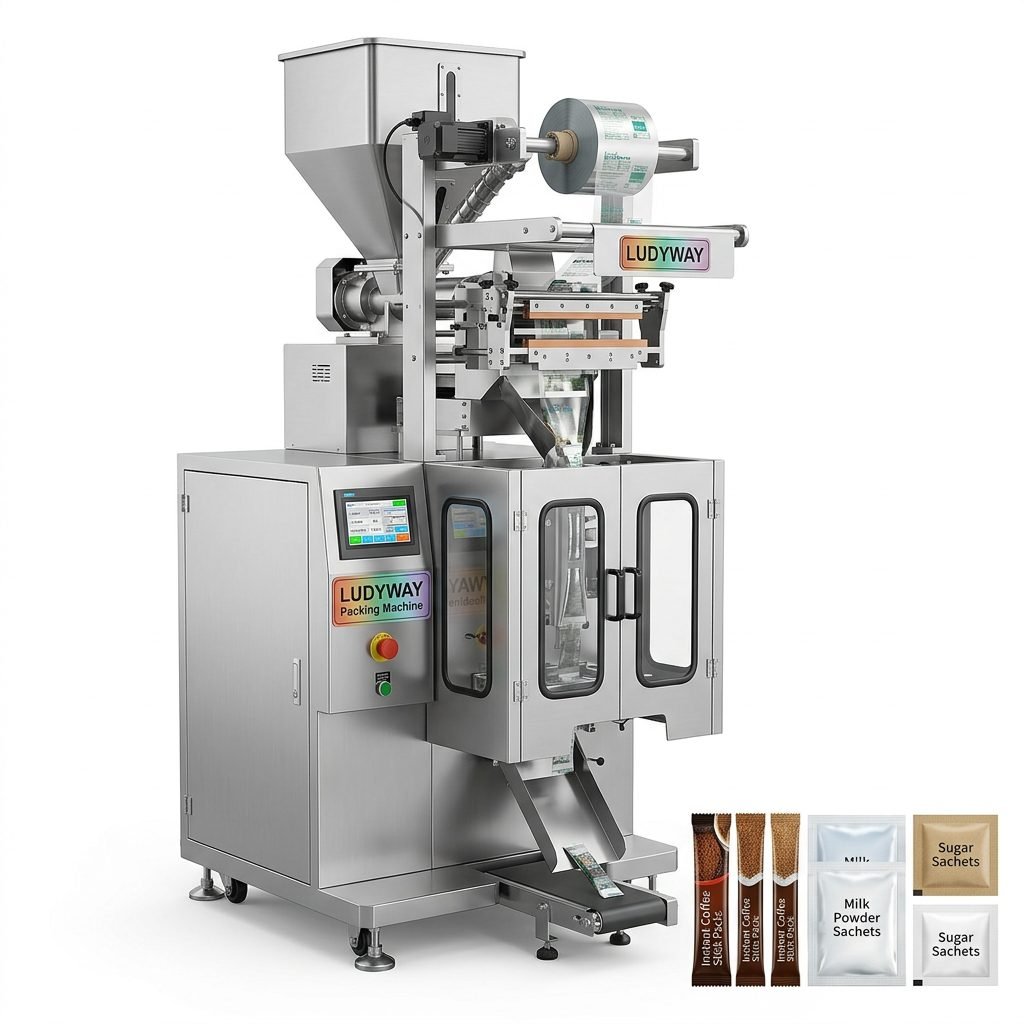
A reputable supplier should offer a diverse range of machinery. Look for companies that provide solutions for different packaging forms like sachets, stick packs, granule fillers, powder dosers, and liquid filling machines. For instance, a brand like Ludyway Packing Machine exemplifies this with a portfolio of over 50 intelligent packaging machine models, catering to various production scales and product types. This breadth indicates deep engineering capabilities and the ability to provide a tailored solution rather than a one-size-fits-all machine.
2. Manufacturing Capability and Quality Control
The physical infrastructure of your supplier matters. Do they operate from a modern production facility? A substantial manufacturing footprint, such as a 20,000㎡ facility, often correlates with better quality control, in-house R&D, and the capacity for customization. It also suggests stability and a commitment to the business, ensuring they will be around to support you in the long run.
🔍 On-Site Visit Tip:
Whenever possible, arrange a visit to the supplier’s factory or showroom. This allows you to see the build quality of their machinery firsthand, observe their production processes, and gauge their operational professionalism. It’s an invaluable step that online research cannot replace.
3. Service and Support Network
This is arguably the most critical factor for local sourcing. The promise of “near me” is hollow without robust after-sales support. Inquire about:
- Installation & Training: Do they provide on-site installation and comprehensive operator training?
- Technical Support: What are their response times for technical issues? Is support available in your local language and time zone?
- Spare Parts Inventory: Do they maintain a local stock of common spare parts to minimize your machine downtime?
A supplier with over 30 years of industry experience typically has refined their service protocols and understands the true cost of equipment downtime for their clients.
4. Reputation and Client References
Research the supplier’s reputation within your local business community. Ask for case studies or references from clients in your region or industry. A history of successful projects and long-term partnerships, like those built by companies focusing on global production needs, is a strong positive indicator. Online reviews and industry forums can also provide unfiltered insights.
The Advantage of Local Partnerships in a Global Context
Choosing a local supplier does not mean limiting yourself to basic technology. Many local suppliers, such as Ludyway Machinery, act as partners for international engineering brands, offering advanced packaging equipment and turnkey production solutions. This model gives you the best of both worlds: global technological expertise coupled with localized service, communication, and logistical support. It bridges the gap between innovative automation and practical, accessible maintenance.
These partners often provide customized production solutions because they have the technical depth to modify standard machines to fit your unique product, line speed, or factory layout. This level of customization is far more manageable and cost-effective when your supplier is geographically and culturally proximate.
Making the Final Decision
After shortlisting potential suppliers, create a weighted scorecard based on the criteria above. Factor in not just the initial machine cost, but the Total Cost of Ownership (TCO), which includes maintenance, potential downtime, part costs, and energy efficiency. A slightly higher upfront cost from a more reliable, service-oriented local supplier often leads to significantly lower long-term costs and higher overall productivity.
💡 Final Checklist Before You Buy:
✓ Machine demonstration with your own product (or a close substitute).
✓ Clarity on warranty terms and service level agreements (SLAs).
✓ Detailed quotation outlining all costs, including delivery, installation, and training.
✓ Verification of compliance with your industry’s safety and quality standards.
By thoroughly vetting local suppliers against these practical and strategic criteria, you move beyond a simple geographic search to form a genuine partnership. This partnership will provide not just a machine, but a reliable solution that enhances your operational efficiency, protects your product quality, and supports your business growth for years to come. The goal is to find a supplier whose success is intrinsically linked to your own, ensuring they are invested in your long-term performance. For insights into building such a partnership, exploring a company’s history and core values can be very revealing.
Frequently Asked Questions (FAQs)
1. What are the main benefits of sourcing packaging machinery locally?
The primary benefits include faster delivery and installation, easier access to technical service and spare parts, clearer communication in your local language and time zone, and the ability to visit the supplier’s facility. It also often simplifies logistics and reduces import-related costs and complexities.
2. How important is it for a supplier to have industry-specific experience?
It is very important. Packaging requirements differ drastically between industries (e.g., food safety vs. chemical containment). A supplier familiar with your industry’s regulations, materials, and common challenges can provide more accurate machine recommendations, ensure compliance, and suggest optimal packaging formats, leading to a smoother implementation.
3. Should I prioritize the machine price or the supplier’s service reputation?
While budget is always a constraint, prioritizing service reputation is usually wiser for critical production equipment. A reliable, responsive service team can prevent costly extended downtime. The Total Cost of Ownership (TCO) over 5-10 years is often lower with a reputable supplier, even if their initial price is slightly higher.
4. What does a “turnkey production solution” mean?
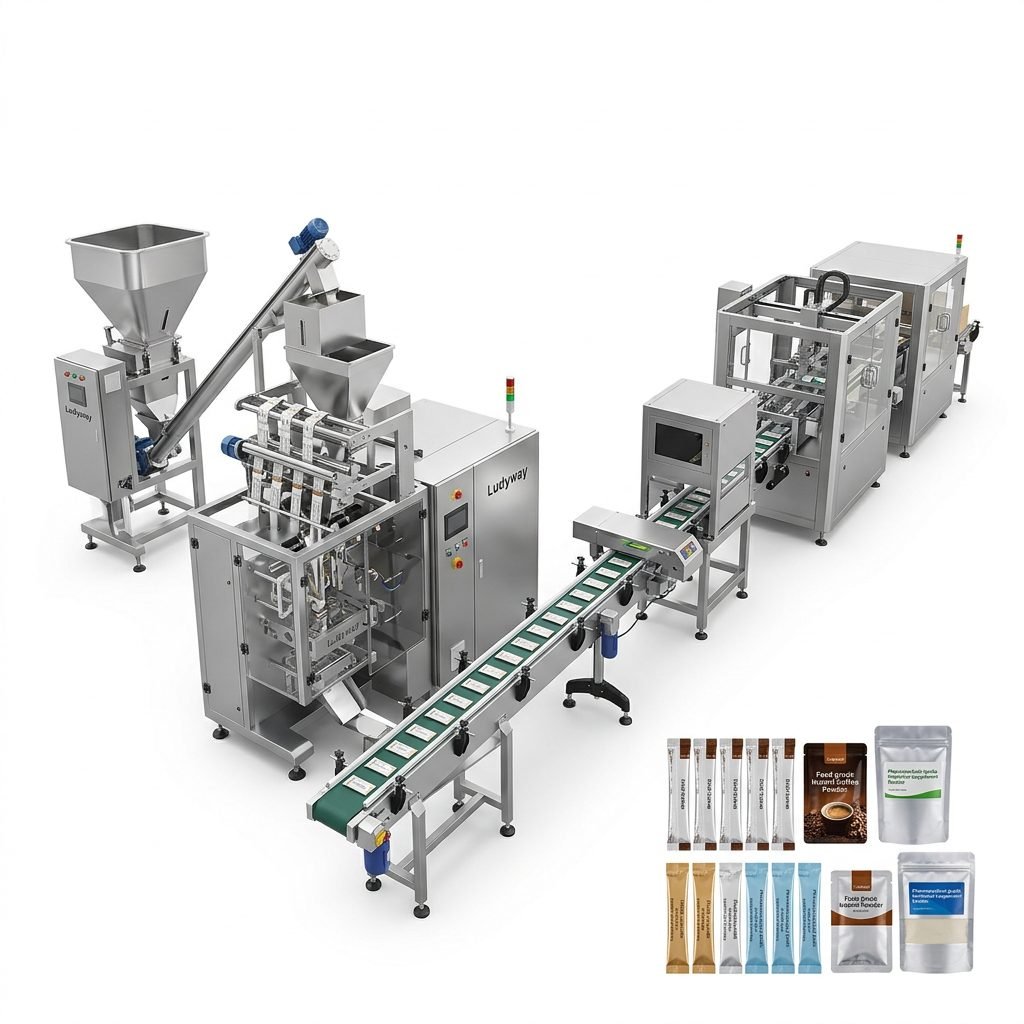
A turnkey solution means the supplier takes responsibility for delivering a complete, ready-to-operate packaging line. This goes beyond selling a single machine and can include system design, integration of multiple machines (e.g., filler, sealer, labeler), installation, commissioning, and comprehensive operator training. It provides a single point of accountability.
5. How can I verify a local supplier’s claims about their capabilities?
Request and actually contact client references, especially those in a similar business. Ask for videos or case studies of their machines in action. Insist on a live demonstration using a product similar to yours. Finally, an on-site visit to their manufacturing facility is the most effective way to assess their operational scale, quality processes, and technical expertise.