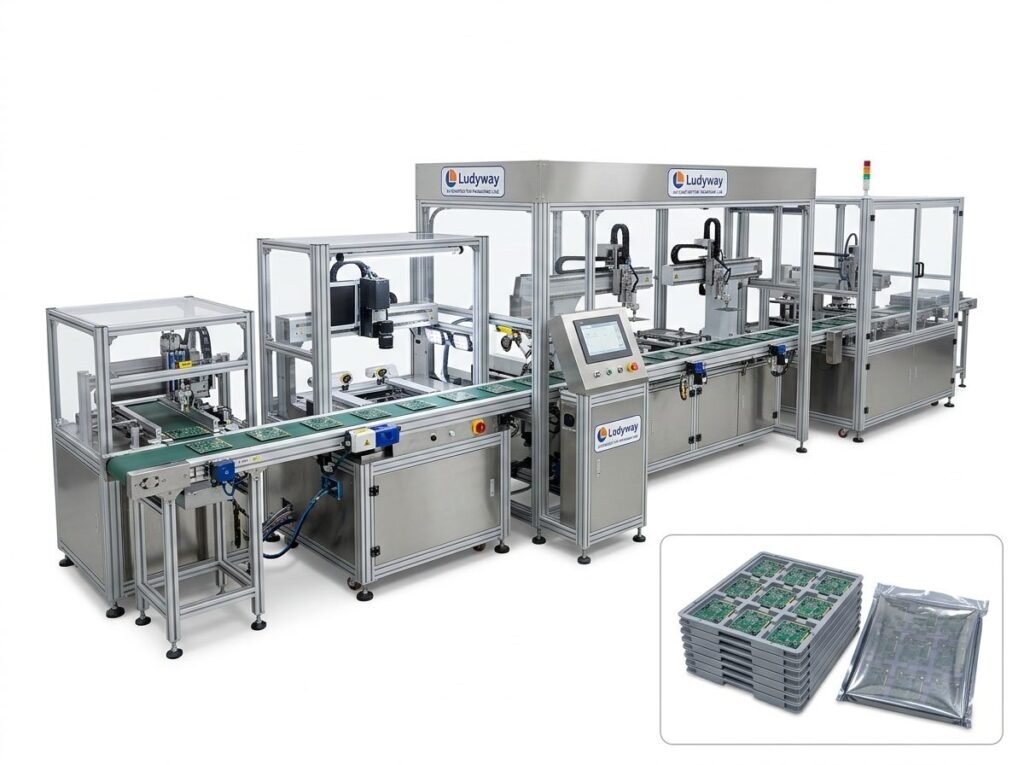
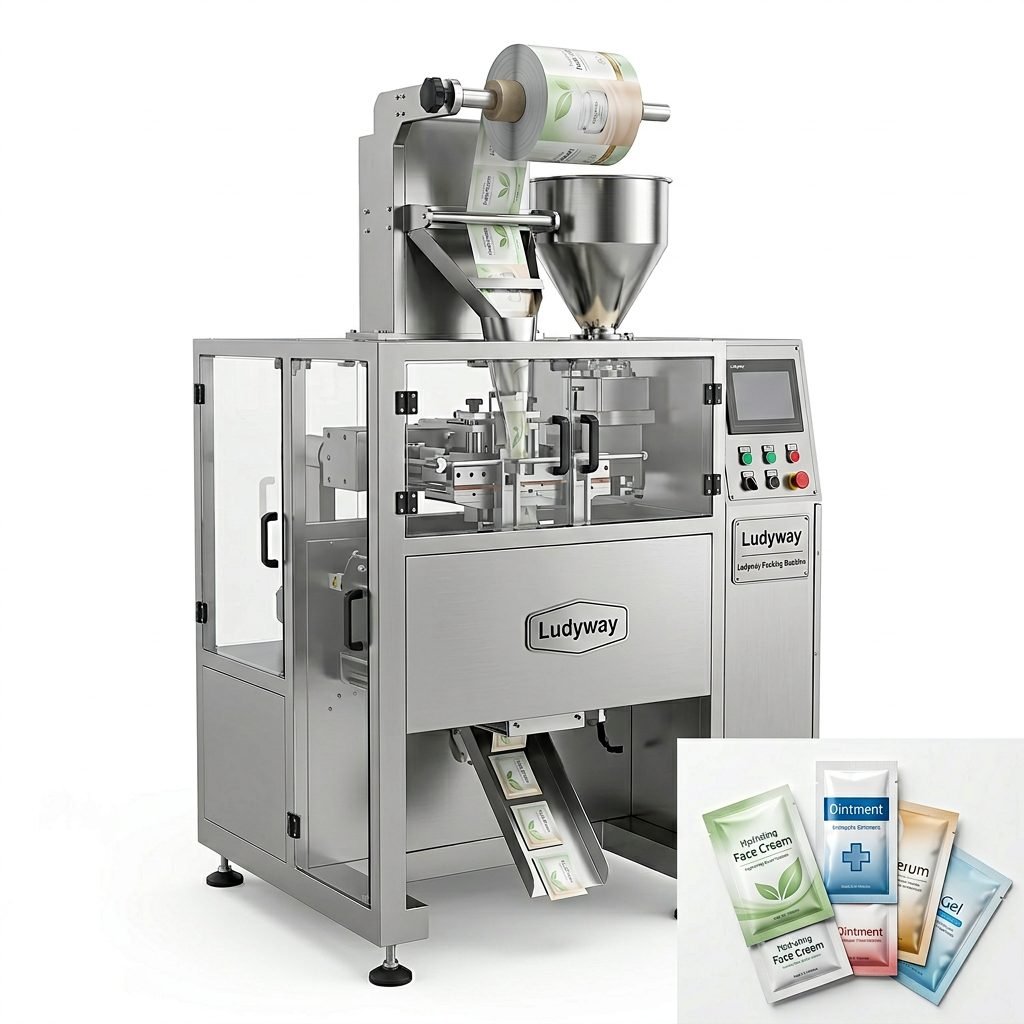
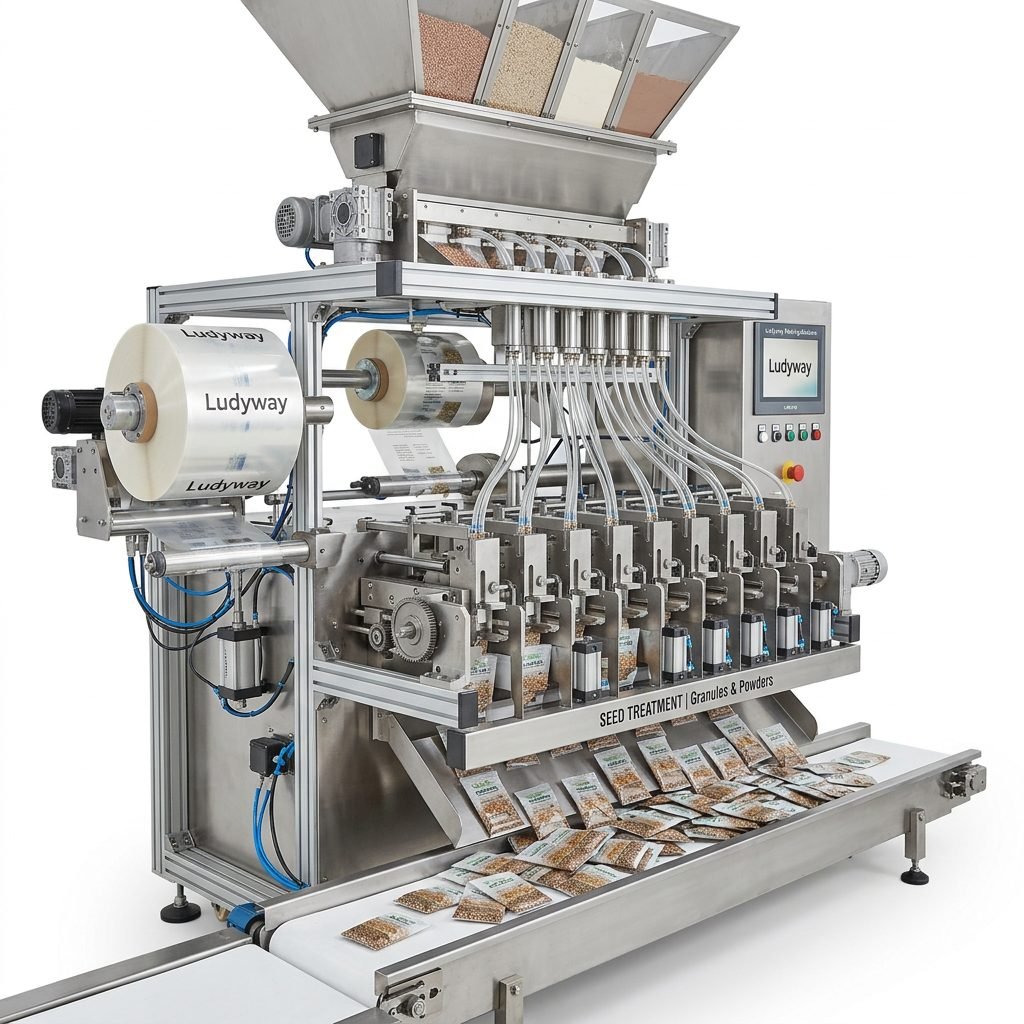
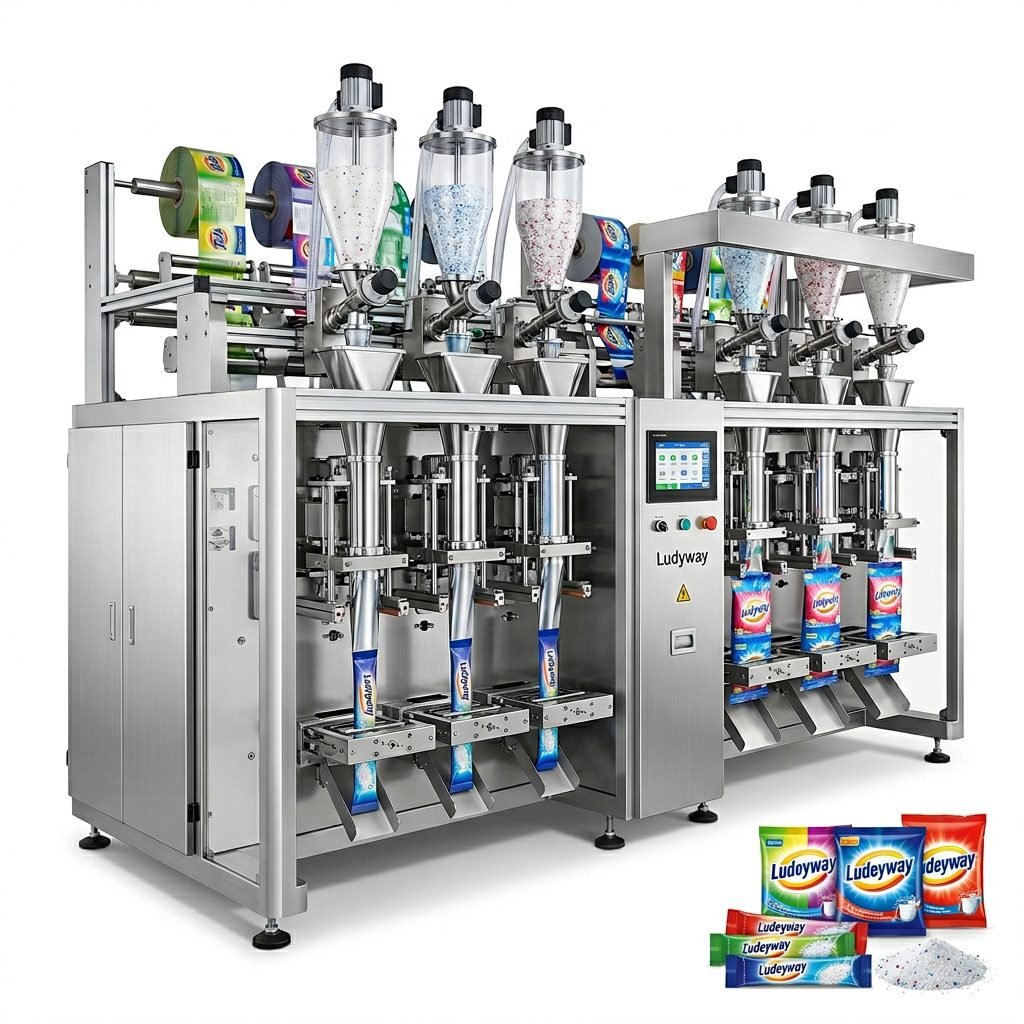
The global pharmaceutical packaging machinery market stands as a critical pillar supporting the safe, efficient, and compliant delivery of medicines worldwide. As the pharmaceutical industry navigates complex challenges—from stringent regulatory demands and the rise of biologics to the growing need for patient-centric packaging—the machinery that forms, fills, seals, and labels these products is undergoing a significant transformation. This article delves into the current market size, uncovers key growth opportunities, analyzes prevailing trends, and examines the competitive landscape shaping this vital sector.
Market Size and Projected Trajectory
The pharmaceutical packaging machinery market has demonstrated robust resilience and consistent growth, driven by the evergreen demand for pharmaceuticals and the continuous evolution of drug formats. Current valuations place the market in the multi-billion-dollar range, with a compound annual growth rate (CAGR) projected to remain healthy over the coming decade. This growth is not uniform but is particularly concentrated in regions with expanding healthcare infrastructure, aging populations, and strong generic drug manufacturing bases.
Primary growth catalysts include the increased outsourcing of packaging operations to contract manufacturers, the need for machinery that ensures serialization and track-and-trace compliance, and the relentless drive for higher production efficiency and lower operational costs. The post-pandemic emphasis on supply chain robustness has further accelerated investments in modern, flexible packaging lines.
Key Market Segments Driving Value
The market is broadly segmented by machine type, packaging type, and geography. In terms of machine functionality, filling and dosing equipment, blister packaging machines, cartoning machines, and labeling & serialization systems represent high-value segments. The demand for aseptic filling machines for vials and syringes is witnessing a notable surge, paralleling the growth in biologic and injectable drugs.
Growth Opportunities on the Horizon
Beyond the core market, several high-potential opportunities are emerging that promise to redefine the industry’s future.
1. Adoption of Industry 4.0 and Smart Machinery
The integration of the Internet of Things (IoT), artificial intelligence (AI), and advanced robotics is creating a new generation of “smart” packaging lines. These systems offer predictive maintenance, real-time quality monitoring, and seamless data integration with Manufacturing Execution Systems (MES), minimizing downtime and maximizing Overall Equipment Effectiveness (OEE).
2. Sustainability-Driven Innovation
Environmental concerns are pushing manufacturers to develop machinery capable of handling recyclable and mono-material plastics, paper-based blisters, and reduced packaging formats. Machinery that minimizes material waste during changeovers and operates with greater energy efficiency is becoming a key purchasing criterion.
3. Flexibility for Small Batch & Personalized Medicine
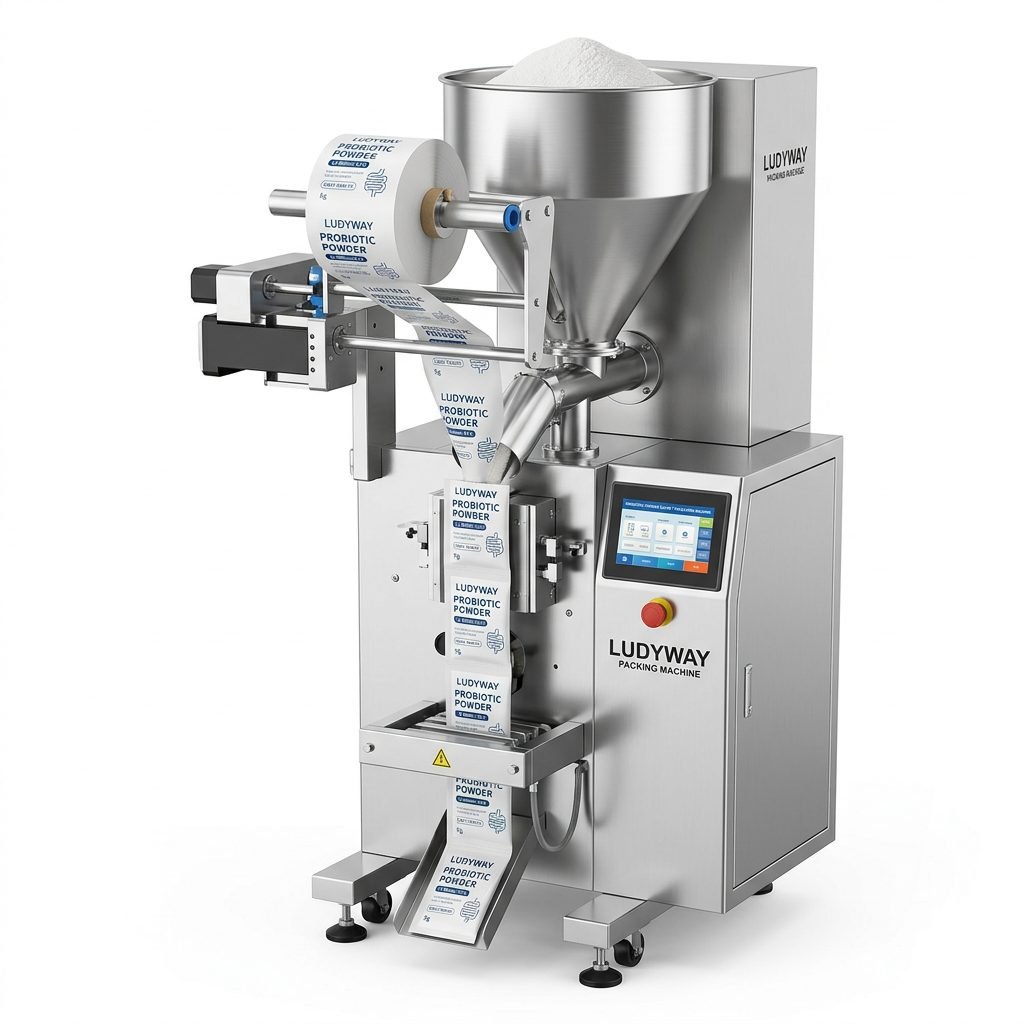
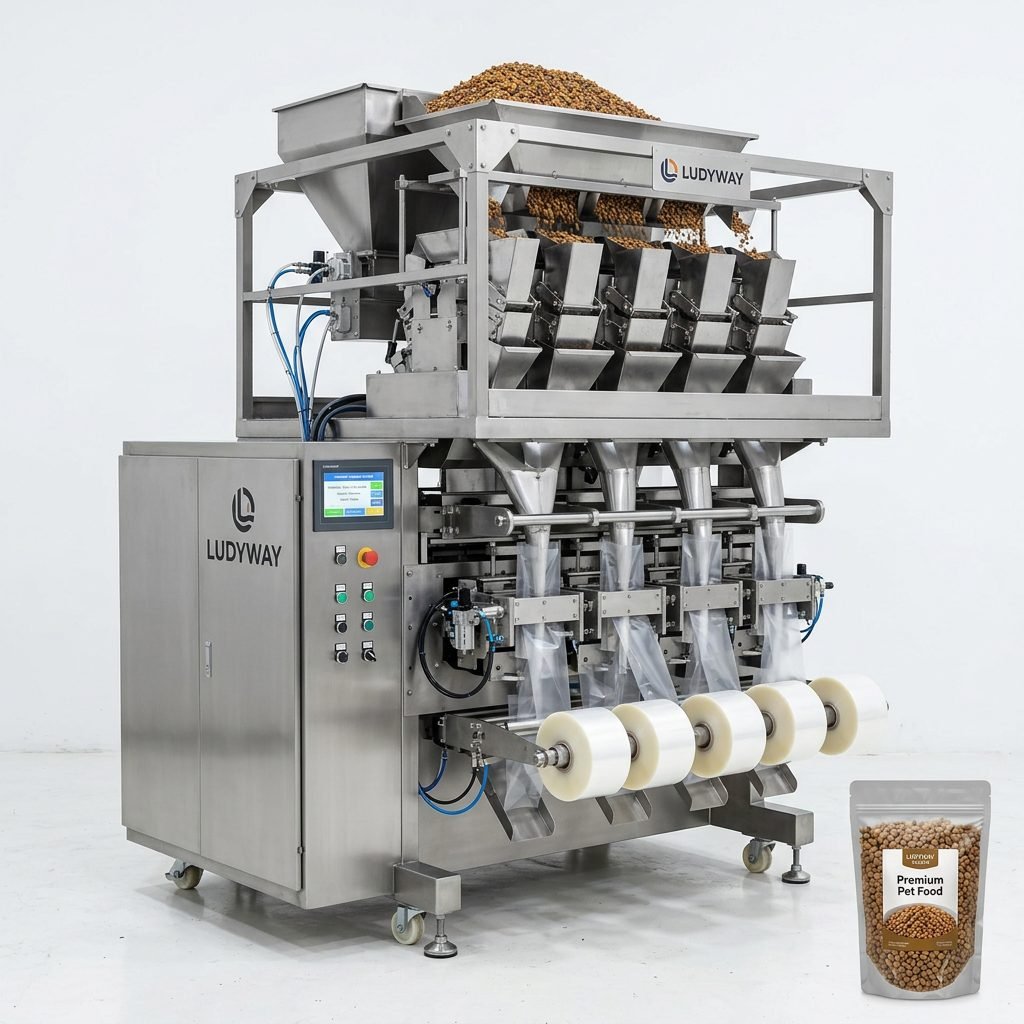
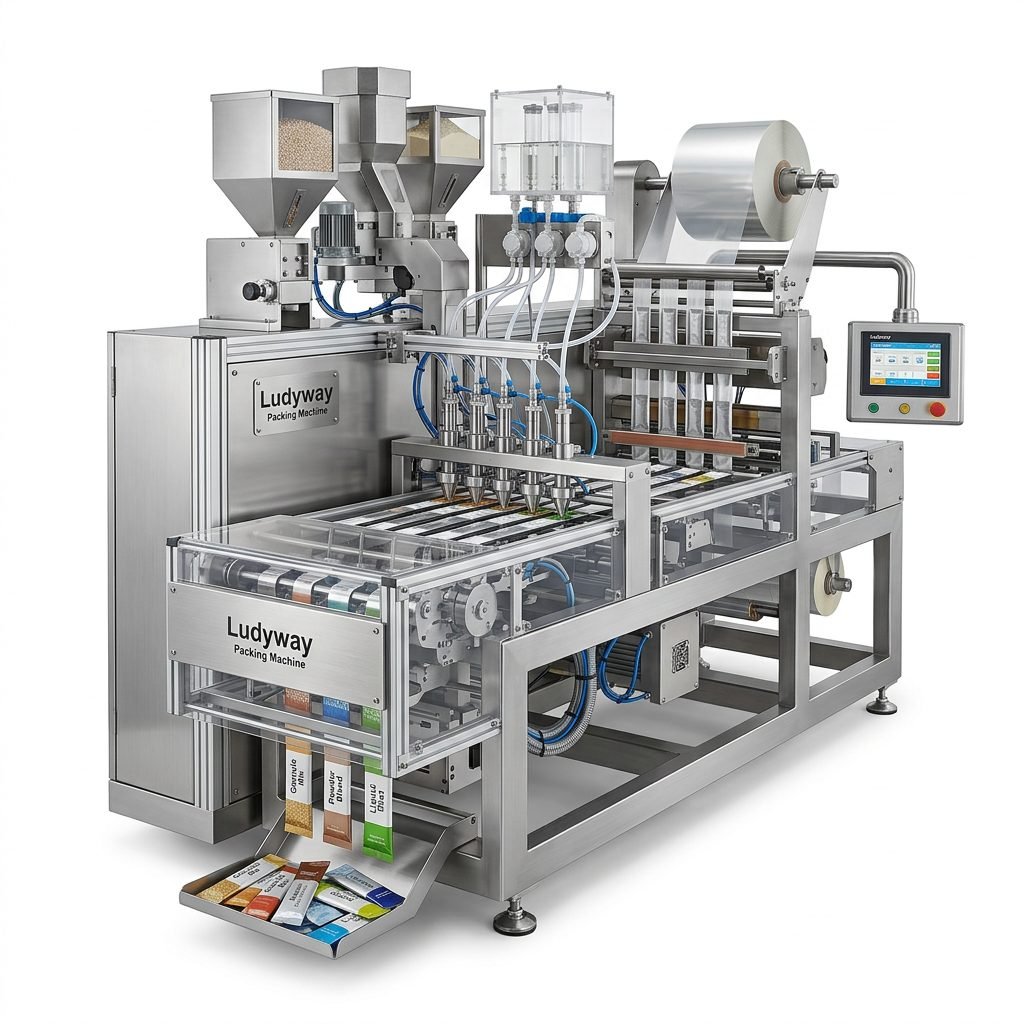
The trend towards personalized medicine and orphan drugs requires packaging machinery that is highly flexible and quick to change over. The market opportunity lies in modular machines that can efficiently handle small, variable batches without compromising speed or compliance, a challenge where companies like Ludyway Packing Machine are focusing their engineering expertise.
Dominant Trends Reshaping the Industry
Several interconnected trends are currently dictating the direction of machinery development and procurement.
→ Regulatory Compliance as a Core Feature: Machinery is no longer just about mechanical operation; it must have compliance “baked in.” Features supporting serialization (e.g., GS1 standards), aggregation, and tamper-evidence are now standard requirements in most regions, not optional add-ons.
→ The Rise of Integrated Turnkey Solutions: Pharmaceutical companies increasingly prefer suppliers who can deliver complete, validated packaging lines rather than individual machines. This demands that machinery providers have strong project management capabilities and can offer end-to-end solutions from design to commissioning.
→ Advanced Aseptic Processing: With the growth of complex injectables, the demand for advanced aseptic filling and closing technologies, often within isolator or Restricted Access Barrier System (RABS) environments, is a critical trend. This places a premium on precision engineering and contamination control.
Navigating the Competitive Landscape
The pharmaceutical packaging machinery market features a mix of large, multinational conglomerates and specialized, agile manufacturers. Competition is intense and revolves around technological innovation, service support, total cost of ownership, and the ability to offer customized solutions.
Leading Players often compete on their global service networks, extensive R&D budgets, and broad product portfolios that cover almost every packaging process. They set the benchmark for high-speed, high-volume applications.
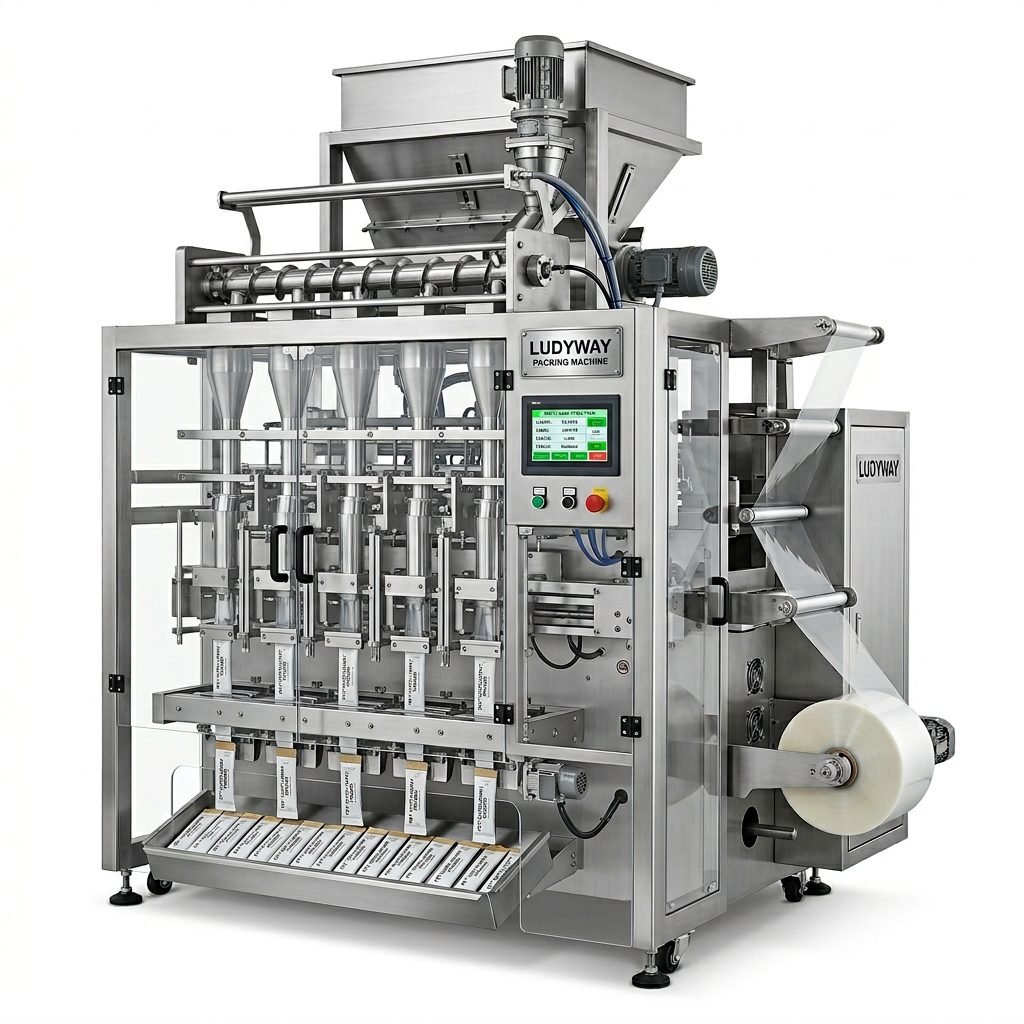
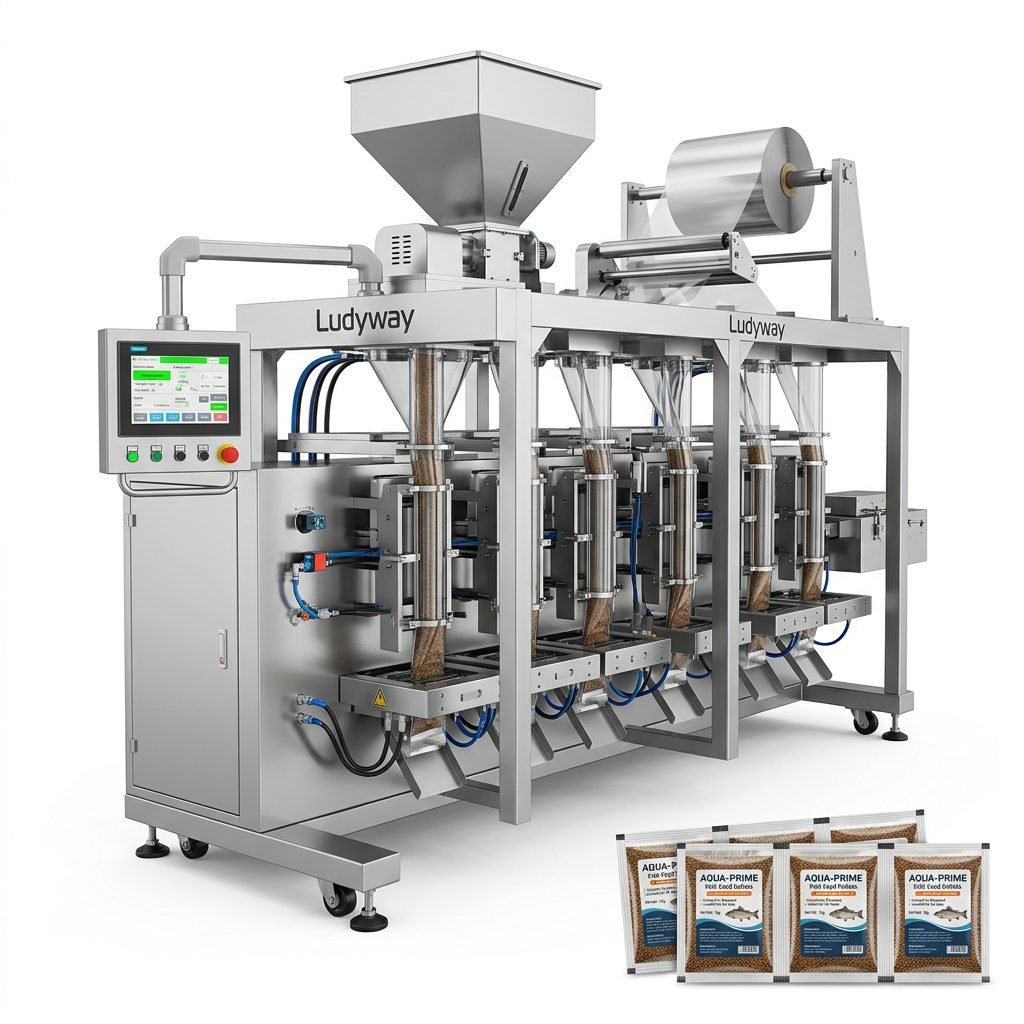
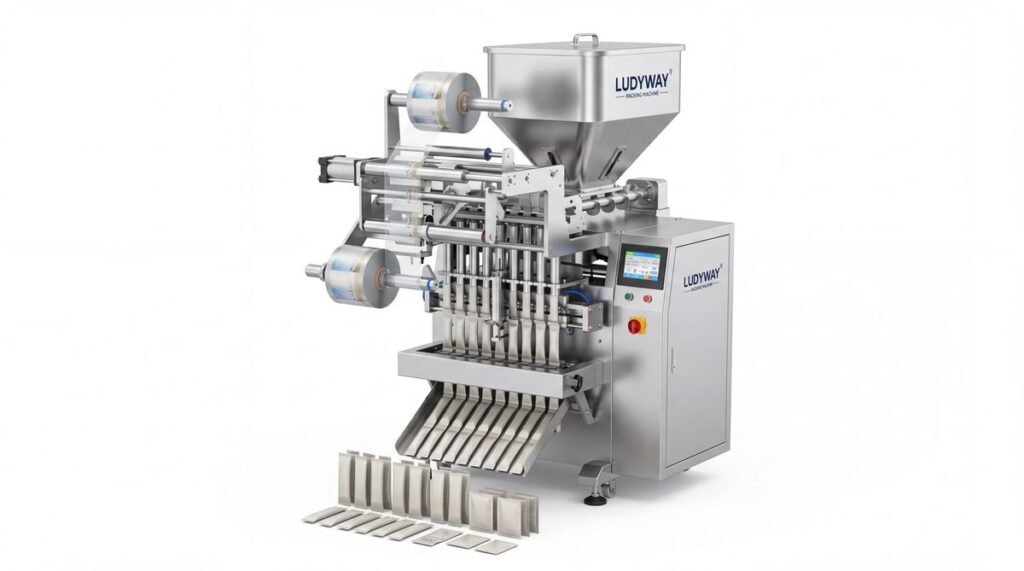
Specialized and Regional Manufacturers compete by offering deep expertise in niche areas (e.g., stick pack for powder supplements, sachet for liquids), greater flexibility for customization, and often more competitive pricing. Their success hinges on deep customer relationships and understanding specific regional or application-based challenges. For instance, a provider like Ludyway Machinery, with its focus on intelligent packaging systems for granules, powders, and liquids, exemplifies this segment by combining focused innovation with practical industry experience.
The competitive dynamic is further influenced by strategic partnerships, where packaging machine manufacturers collaborate with material suppliers and automation specialists to create superior integrated solutions.
Future Outlook and Strategic Imperatives
The future of the pharmaceutical packaging machinery market is inextricably linked to the evolution of pharmaceuticals themselves. The ongoing development of cell and gene therapies, wearable drug delivery devices, and connected “smart” packaging will demand entirely new machinery paradigms. Success for manufacturers will depend on continuous R&D investment, cultivating digital capabilities, and fostering a deep, collaborative partnership with pharmaceutical clients to anticipate and solve the packaging challenges of tomorrow.
Frequently Asked Questions (FAQs)
Q1: What is the biggest challenge for pharmaceutical packaging machinery buyers today?
A: Balancing the need for absolute regulatory compliance (like serialization) with the demand for operational flexibility, high efficiency, and a low total cost of ownership. Finding a machine that excels in all these areas is the primary challenge.
Q2: How important is sustainability in machinery selection now?
A: Extremely important. Beyond corporate social responsibility goals, sustainable machinery that reduces energy consumption, minimizes material waste, and can handle eco-friendly substrates is becoming a critical factor in purchasing decisions and can provide a significant competitive edge.
Q3: What should a company look for in a machinery supplier beyond the machine itself?
A: Comprehensive after-sales support, availability of spare parts, training programs, validation support documentation, and the supplier’s ability to provide future upgrades and retrofits are crucial for ensuring long-term line productivity and compliance.
Q4: Is there a trend towards more automated packaging lines?
A: Yes, automation is accelerating. This includes not only the primary packaging processes but also downstream functions like inspection, case packing, and palletizing. The goal is to create a seamless, lights-out operation with maximum data traceability.
Q5: Can existing packaging lines be upgraded to meet new regulations like serialization?
A> In many cases, yes. Many machinery providers offer retrofitting solutions to integrate serialization coding, verification, and aggregation equipment into existing lines. However, the feasibility and cost-effectiveness depend on the age and design of the current machinery.