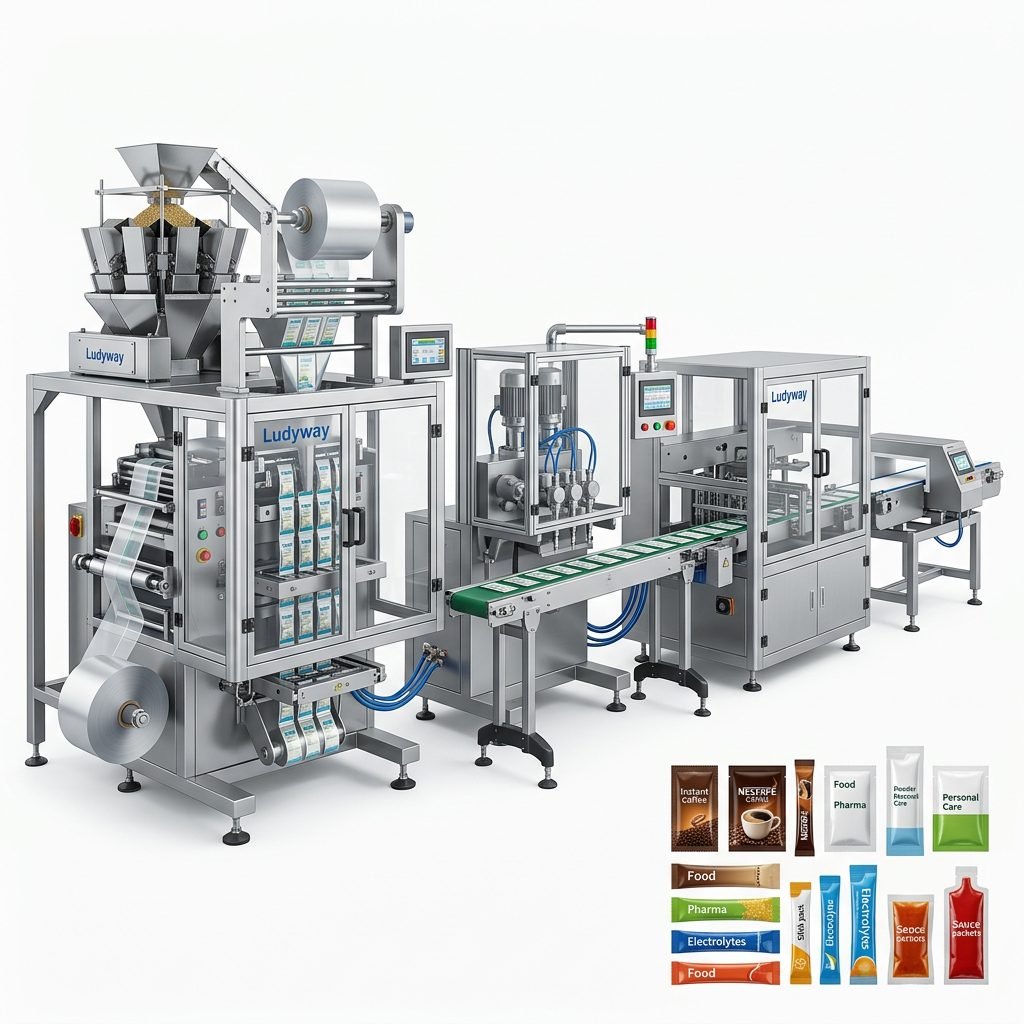
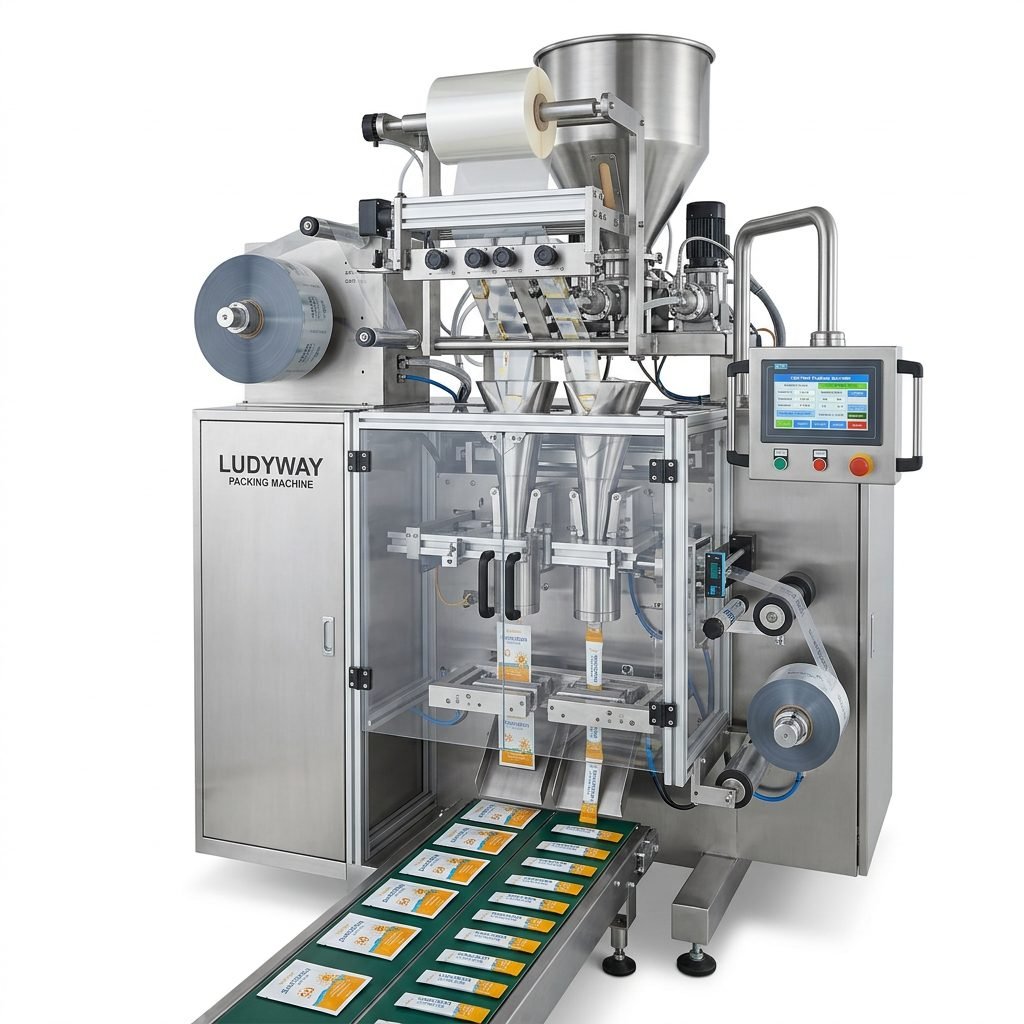
In today’s educational landscape, ensuring the health and well-being of students extends far beyond the classroom curriculum. School meal programs play a pivotal role in this mission, directly impacting children’s nutrition, concentration, and overall development. However, the journey from kitchen to cafeteria tray involves critical steps where safety, efficiency, and nutritional integrity must be preserved. This is where specialized school nutrition packaging machinery becomes an indispensable partner for educational institutions and their food service providers.
Core Challenge: How can schools efficiently deliver safe, healthy, and appealing meals to hundreds or thousands of students daily while managing strict budgets, complying with nutritional guidelines, and minimizing waste?
The answer lies in leveraging automated packaging solutions designed specifically for the unique demands of school nutrition programs. These systems are engineered to handle a variety of food types—from dry snacks and granola to pureed fruits, yogurt, and portion-controlled condiments—with speed and precision that manual processes cannot match.
The Critical Role of Packaging in School Meal Safety & Efficiency
Food safety is non-negotiable in any setting, but it carries heightened importance in schools. Proper packaging acts as the final barrier of defense, protecting meals from contamination, spoilage, and physical damage during storage and distribution.
Key Safety & Hygiene Benefits:
- ➤ Airtight Sealing: Modern machinery creates hermetic seals that lock out air and moisture, significantly extending shelf life and preventing bacterial growth. This is crucial for items prepared in advance for weekly meal programs.
- ➤ Contamination Barrier: Automated packaging minimizes human contact with the food product from the point of filling to the point of sealing, reducing the risk of cross-contamination.
- ➤ Tamper-Evidence: Many packaging formats provide clear evidence if a package has been opened or compromised, offering an extra layer of security for parents and administrators.
- ➤ Accurate Portion Control: Automated fillers ensure each package contains the exact, predetermined amount of food. This is vital for complying with national school nutrition standards that specify serving sizes for different age groups, ensuring every child receives the correct nutritional intake.
Operational Efficiency: Doing More with Less
School nutrition departments often operate under significant pressure, needing to produce high volumes of meals within tight timeframes and limited labor budgets. Specialized packaging machinery transforms this challenge.
Efficiency Gains at a Glance:
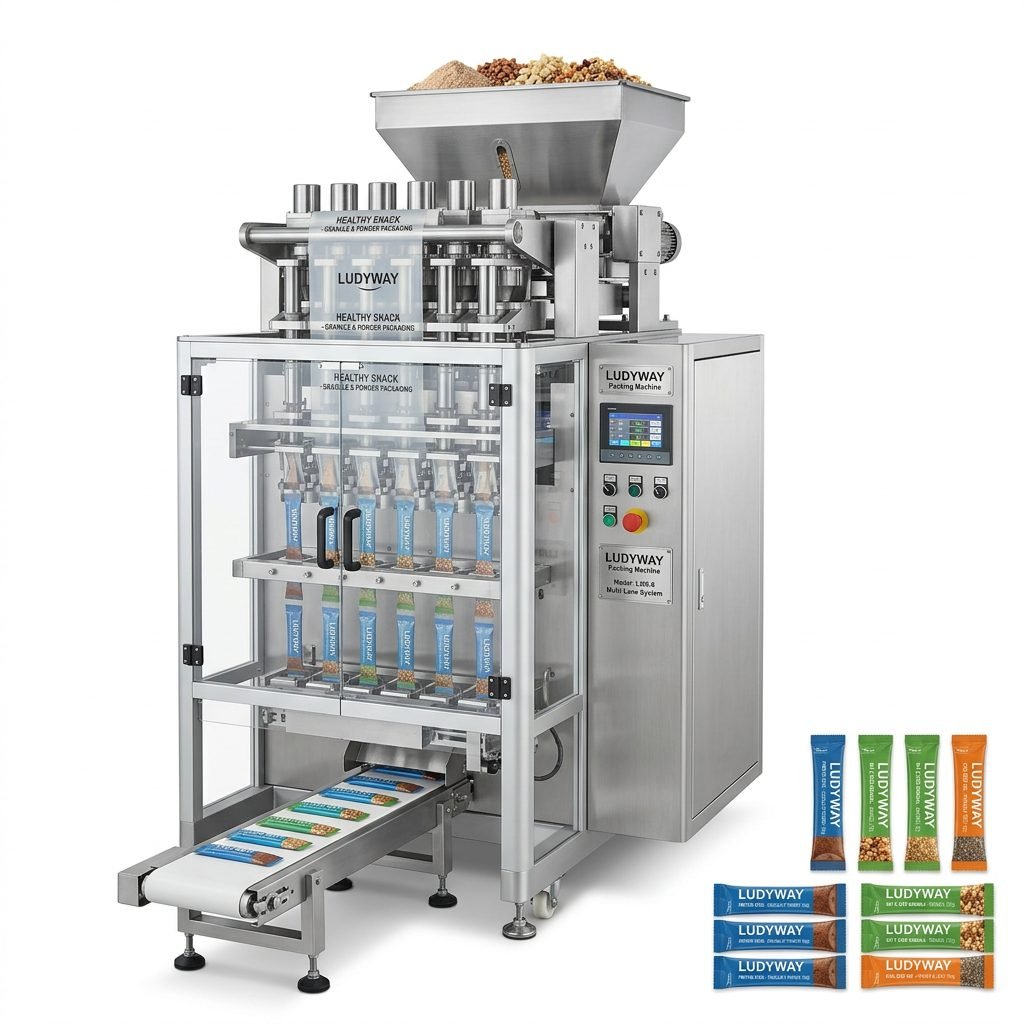
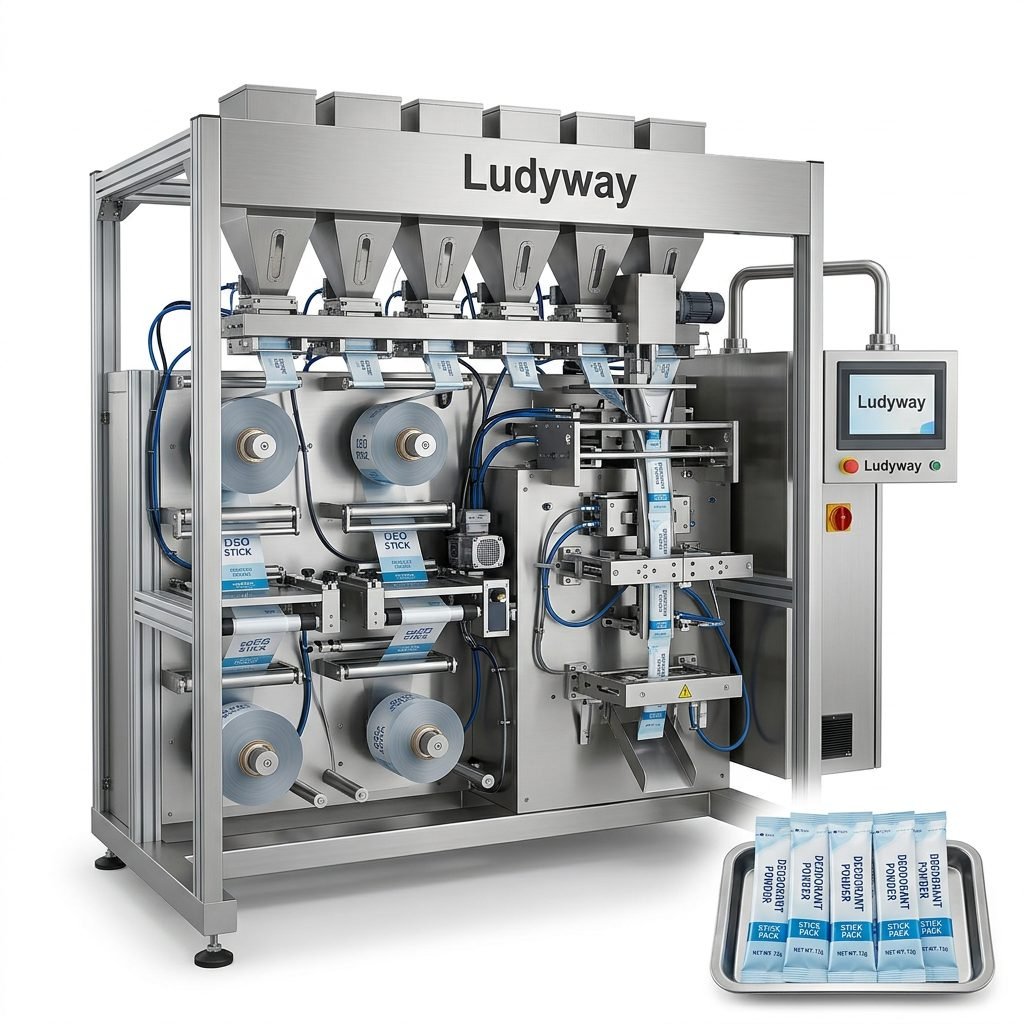
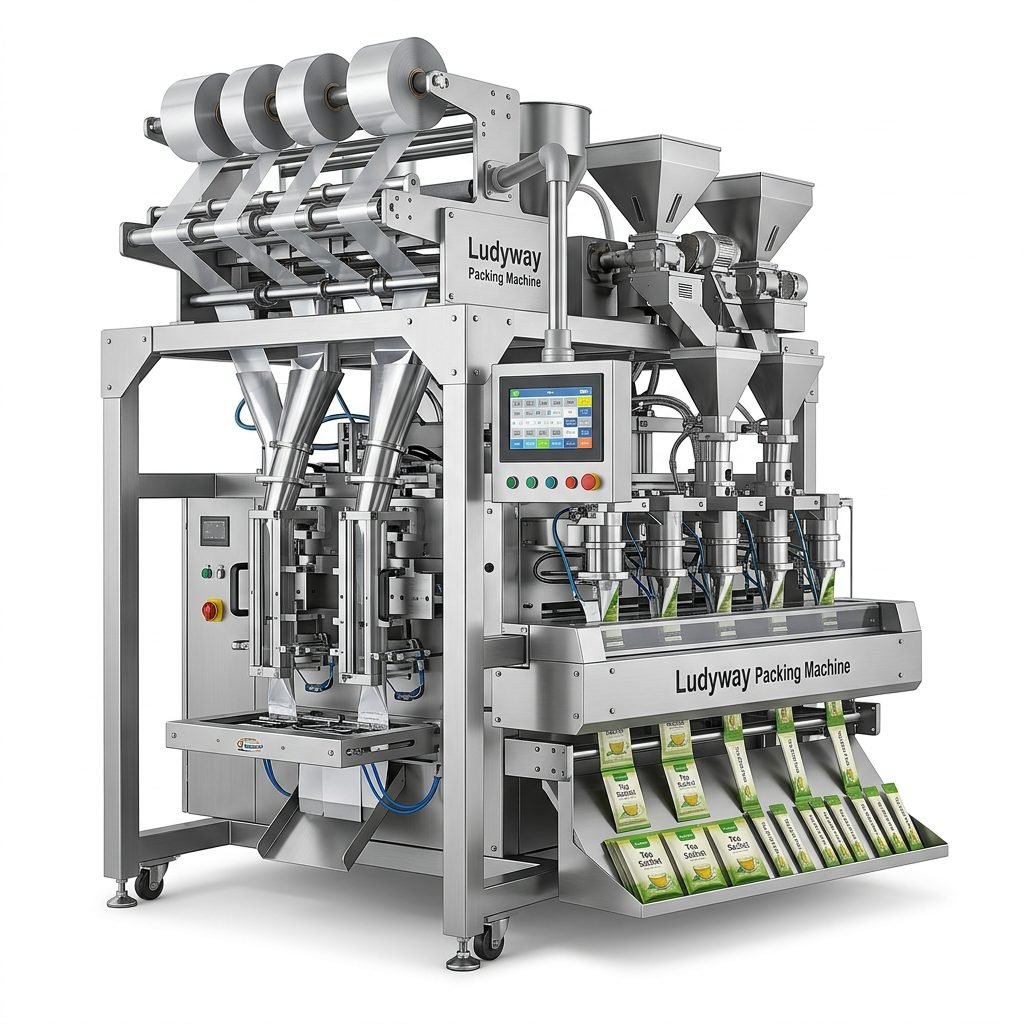
High-Speed Output: Machines like multi-lane stick pack or sachet systems can package hundreds, even thousands, of units per hour, effortlessly scaling to meet the demands of large school districts.
Labor Optimization: Automation reduces the need for manual scooping, weighing, and sealing, freeing up staff to focus on food preparation, quality control, and student interaction.
Reduced Food Waste: Precise filling and sealing mean less product is lost to spillage or improper packaging. Consistent package quality also reduces the number of rejected items.
Inventory & Distribution Simplicity: Uniform, durable packages are easier to count, store, stack, and transport from central kitchens to individual schools.
Adapting to Diverse Menu Needs
A successful school meal program offers variety. Packaging machinery must be versatile enough to handle this diversity. Modern solutions are designed for quick changeovers between different products and package sizes.
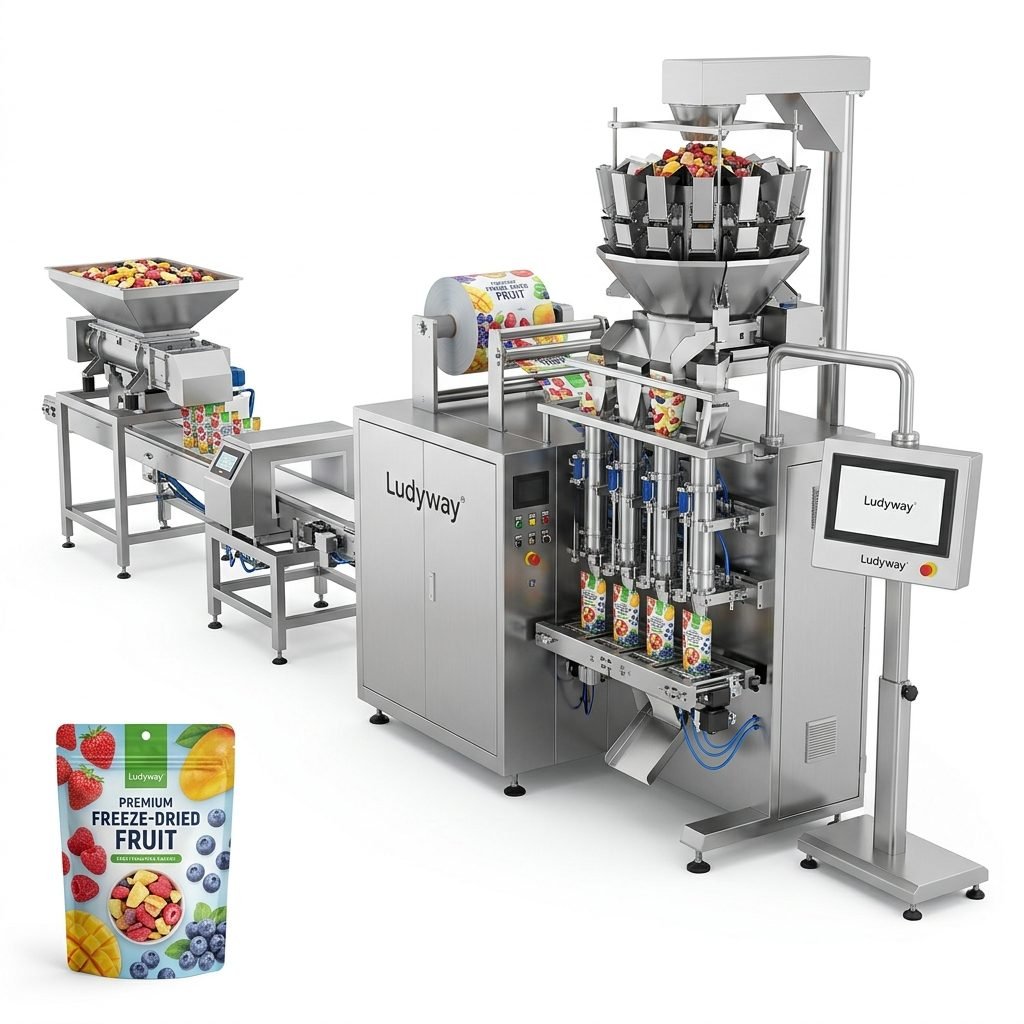
- Dry Goods: Ideal for packaging nuts, crackers, whole-grain snacks, or dried fruit in single-serving stick packs or sachets.
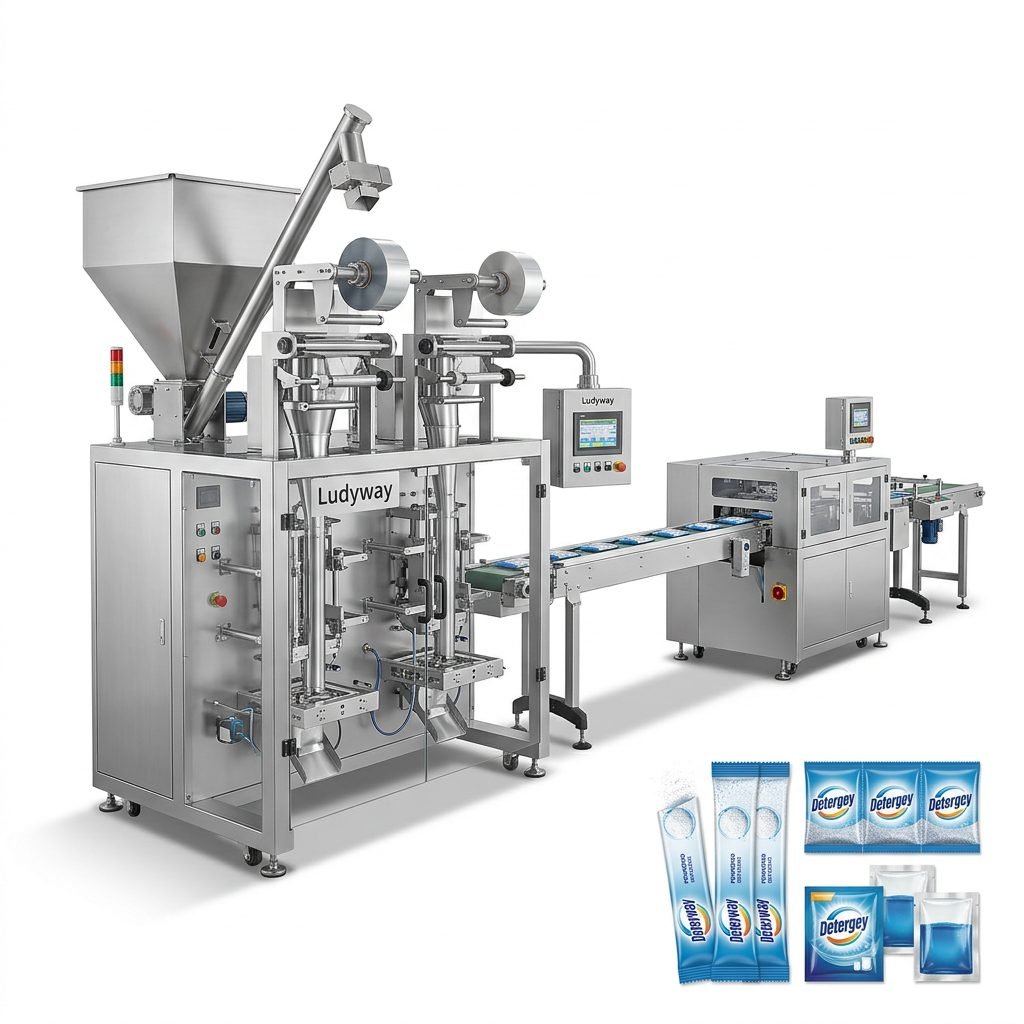
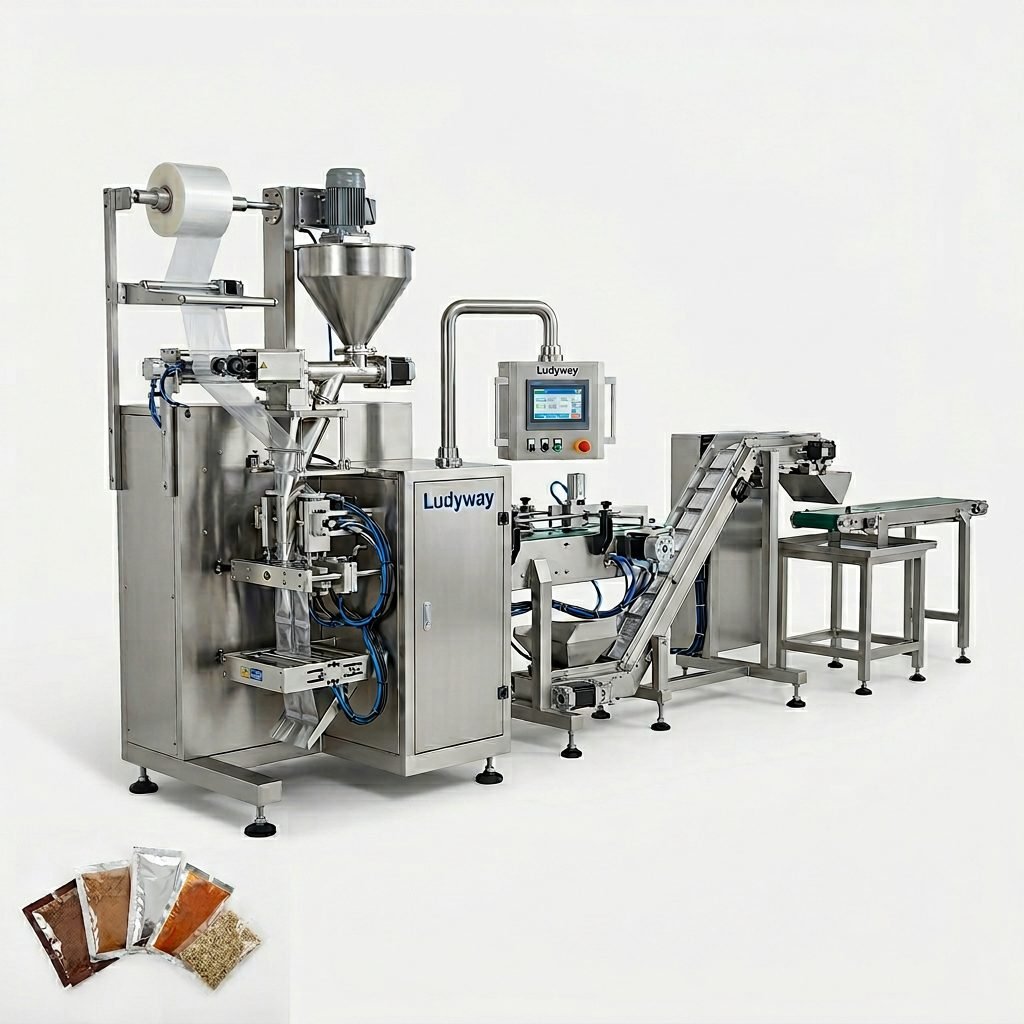
- Powders & Granules: Perfect for drink mixes, oatmeal, protein powder supplements, or seasoning packets.
- Semi-Liquids & Pastes: Advanced machines can handle sauces, yogurts, apple sauce, or fruit purees in portion-controlled cups or squeezable pouches.
This flexibility allows schools to maintain a rotating, appealing menu without investing in multiple, single-purpose machines. Partnering with an experienced provider like Ludyway Machinery ensures access to a range of equipment and the expertise to configure it for specific applications.
Enhancing the Student Experience
Ultimately, the goal is for students to actually eat and enjoy the healthy food provided. Packaging plays a subtle but significant role in this.
Visual Appeal: Bright, clean, and professional-looking packaging is more enticing to children than a messy or unidentifiable serving.
Convenience & Functionality: Easy-open features, re-closable options, and formats suitable for little hands (like spouted pouches) make meals more accessible and less messy, encouraging independent eating.
Branding & Communication: Packaging offers space for school logos, fun graphics, and, most importantly, clear nutritional information and ingredient lists, fostering transparency and trust with parents.
Building a Future-Proof Program
Investing in the right packaging technology is an investment in the program’s long-term sustainability. Reliable machinery from a trusted supplier reduces downtime and maintenance costs. Scalable solutions allow the program to grow. Most importantly, it creates a system where safety, efficiency, and quality are consistently delivered, day after day, building a reputation for excellence that benefits the entire school community.
For districts looking to upgrade their operations, exploring turnkey packaging solutions that include machine selection, installation, and training can streamline the transition and ensure optimal results from the start.
Frequently Asked Questions (FAQs)
1. What types of food are most suitable for automated packaging in schools?
Automated packaging is highly versatile. It excels with dry snacks (crackers, trail mix), powders (drink mixes, oatmeal), granules (cereal, seeds), and semi-liquids (yogurt, applesauce, sauces). The key is to match the food’s viscosity and characteristics with the appropriate machine type, such as a vertical form-fill-seal machine for powders or a liquid filler for pouches.
2. How does automated packaging help schools comply with nutritional guidelines?
It ensures strict portion control. By volumetrically or gravimetrically filling each package to a precise weight or volume, schools can guarantee each serving meets the specific calorie and nutrient portion sizes mandated by programs like the National School Lunch Program. This removes human error and provides accurate data for compliance reporting.
3. Is the initial investment in packaging machinery justified for a school district’s budget?
While there is an upfront cost, the return on investment (ROI) is realized through significant long-term savings: reduced labor hours, minimized food waste from spillage and over-portioning, lower costs for pre-packaged commercial items, and improved operational efficiency. A detailed cost-benefit analysis typically shows a clear payback period.
4. Can the same machine package different items, or do we need separate equipment?
Many modern machines are designed for quick changeover. By switching the packaging film reel and making simple adjustments to the filling system (e.g., changing a funnel or pump), a single machine can often run multiple products. This flexibility is a core feature to look for when selecting equipment.
5. What support should we expect from the machinery supplier?
A reputable supplier should provide comprehensive support including installation supervision, thorough operator and maintenance training, readily available spare parts, and responsive technical service. Look for a partner with proven experience in the food and institutional sectors, like providers with decades of industry knowledge, who can offer reliable ongoing support.