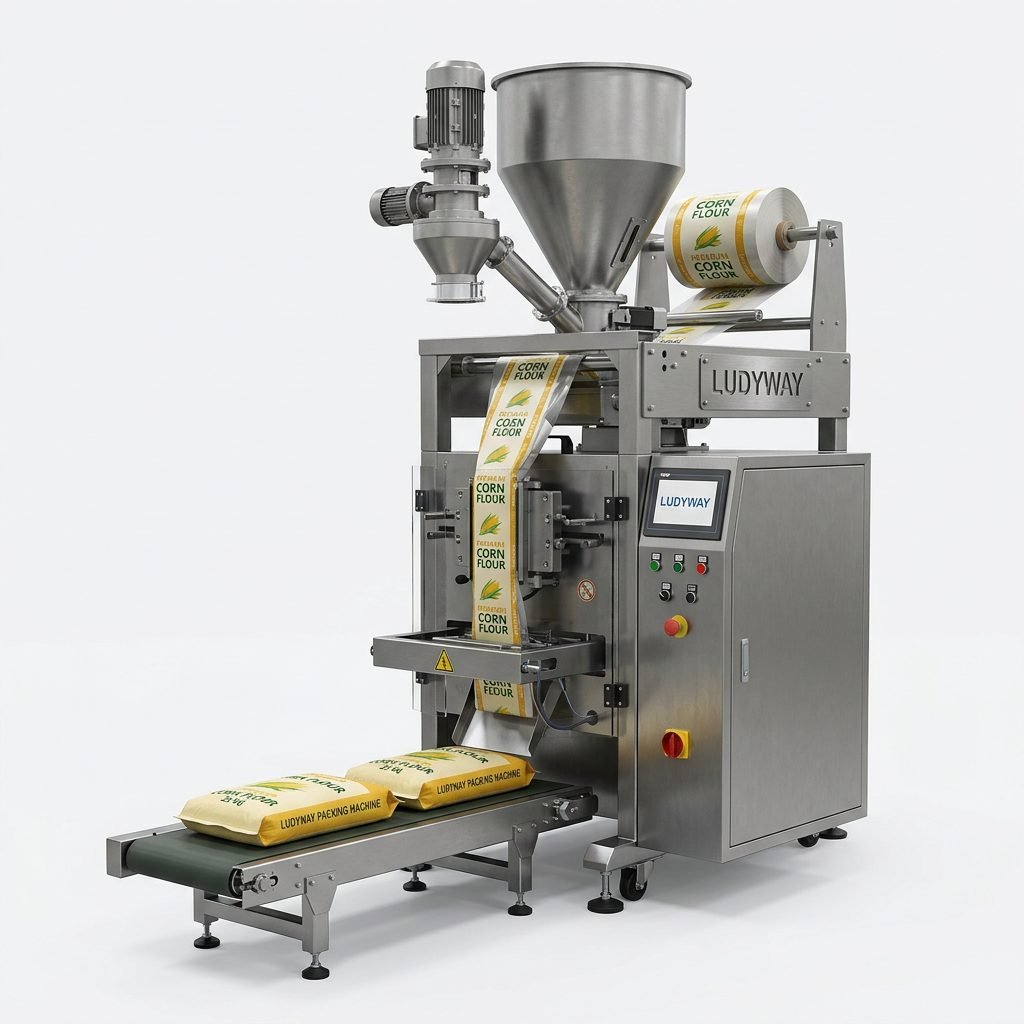
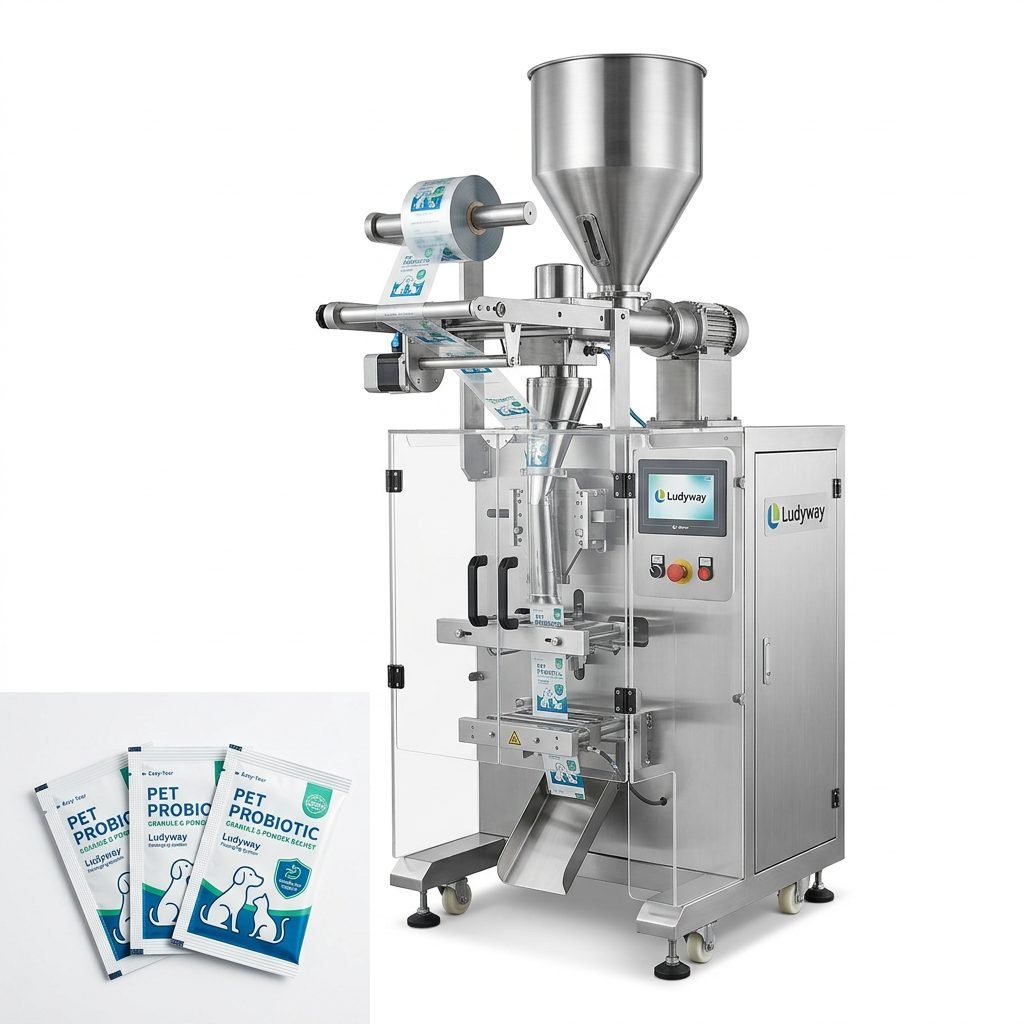
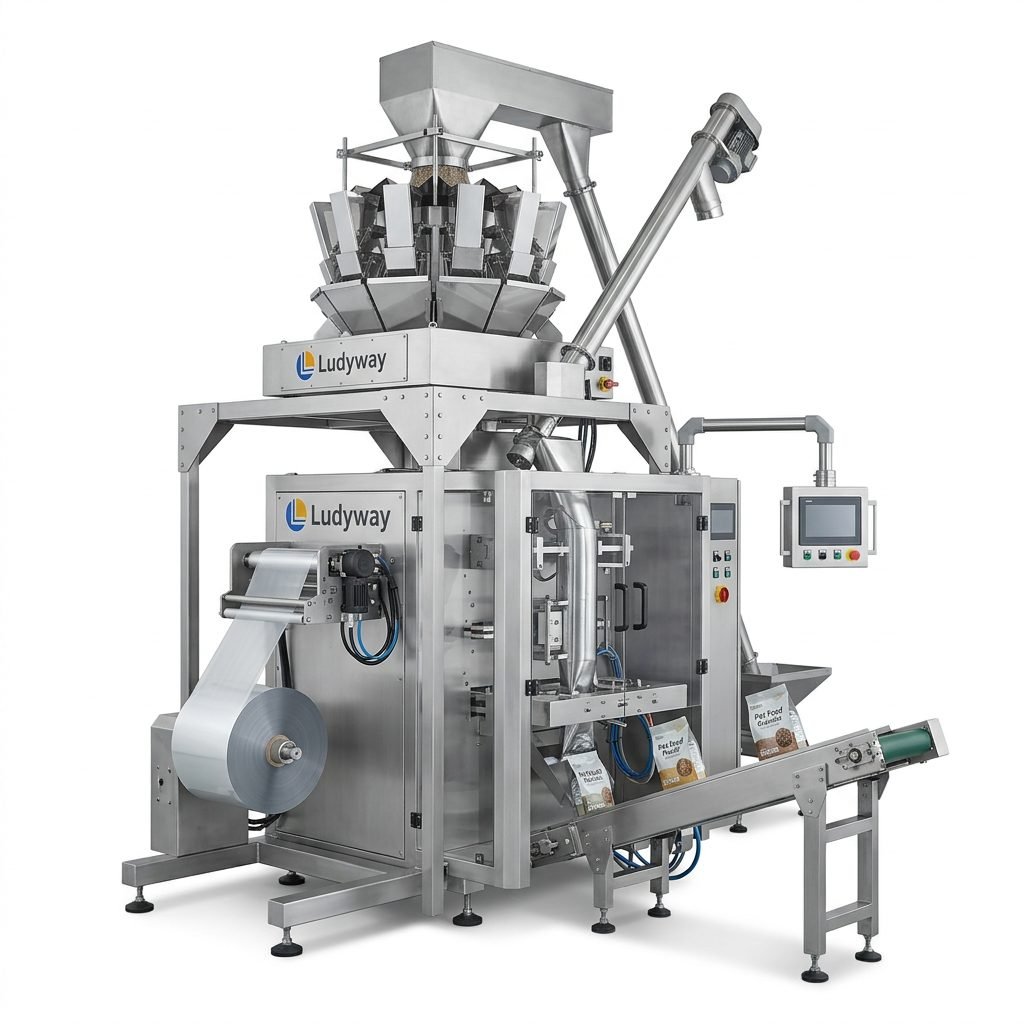
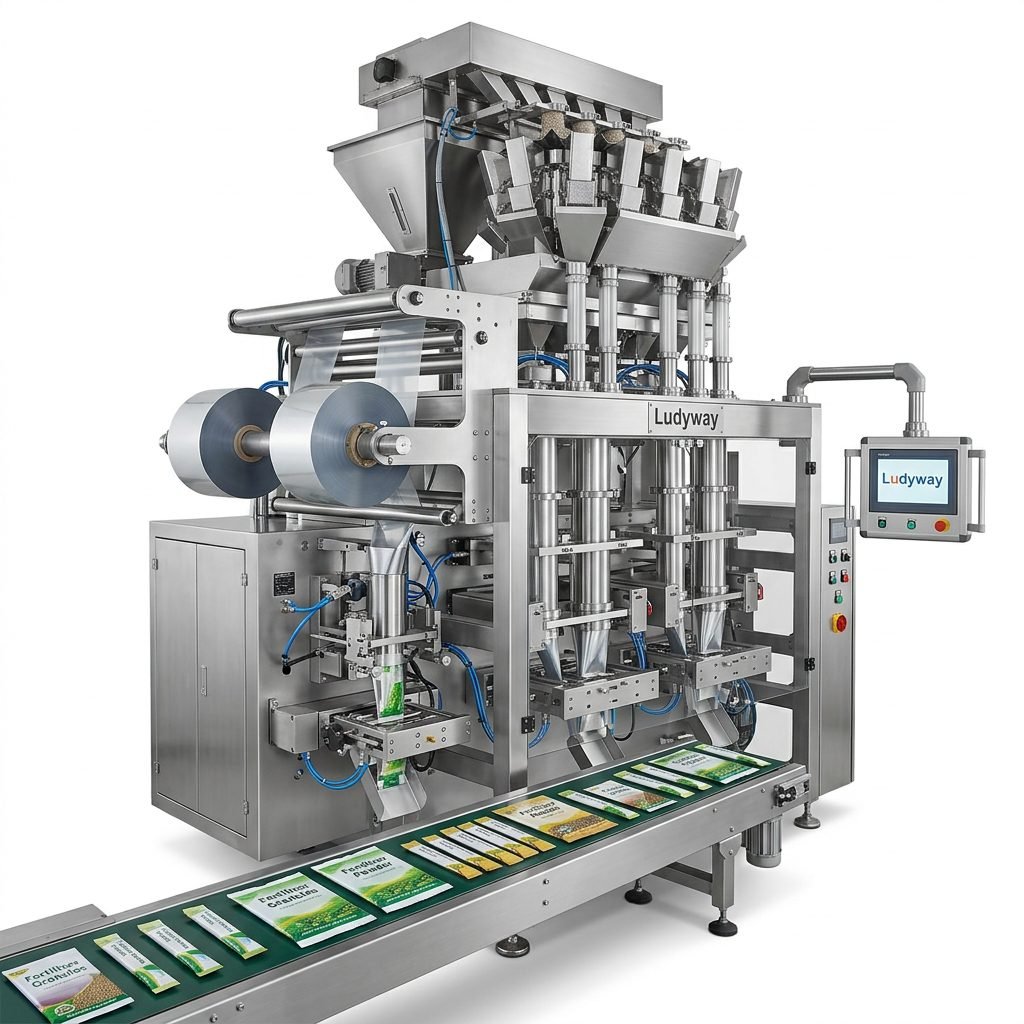
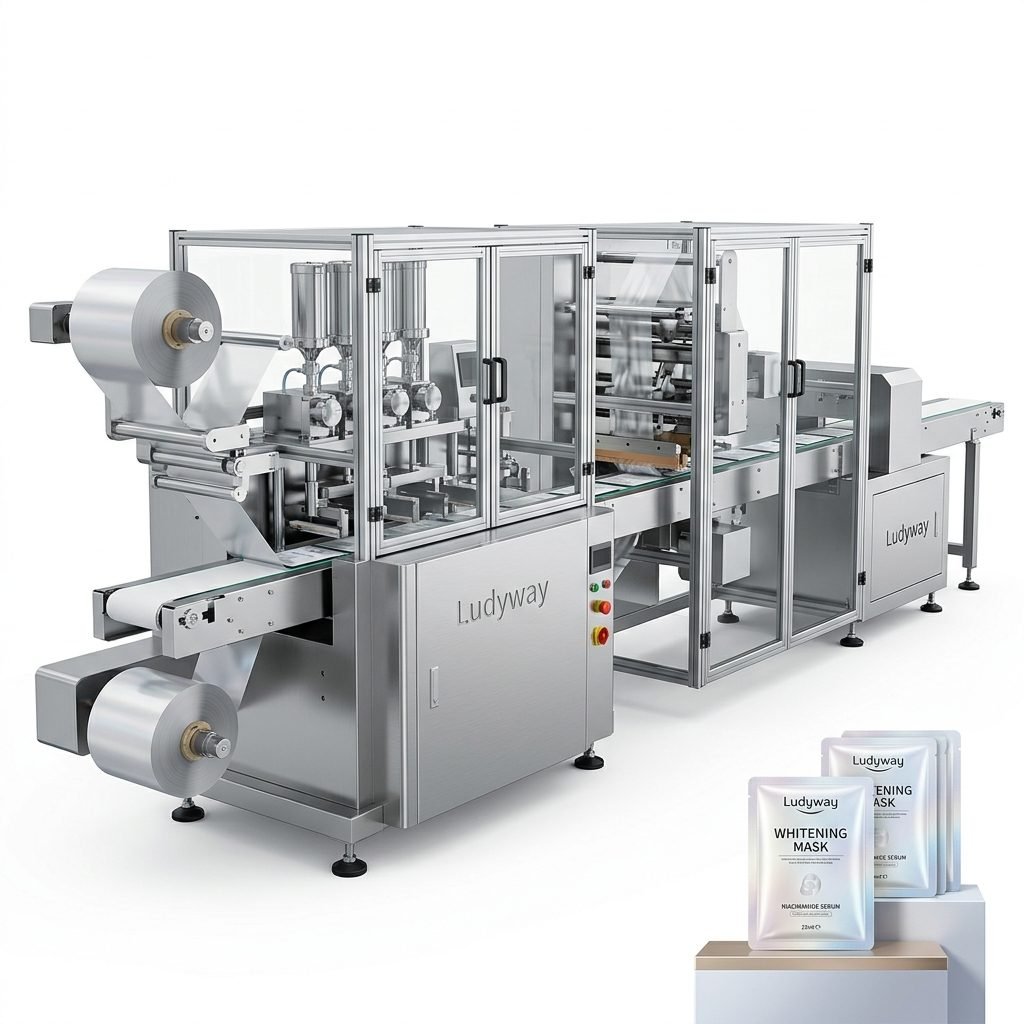
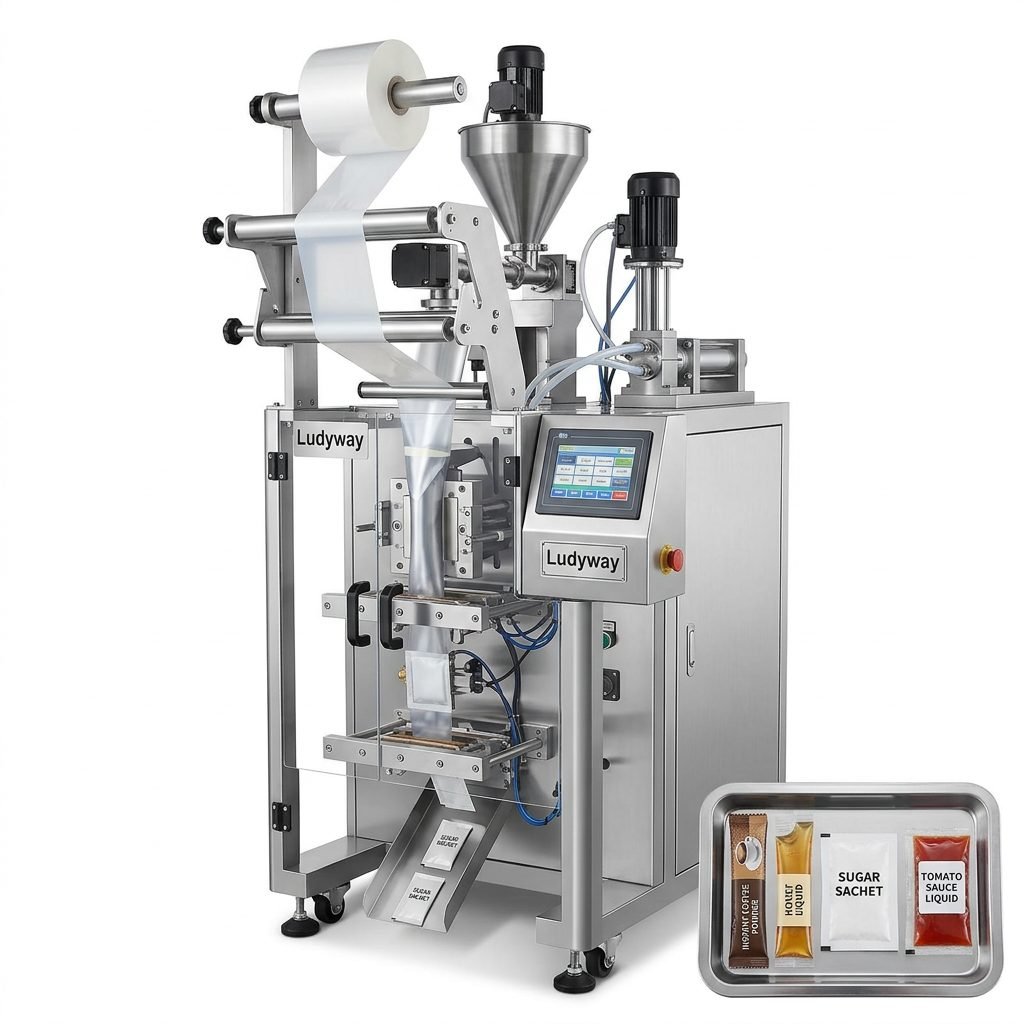
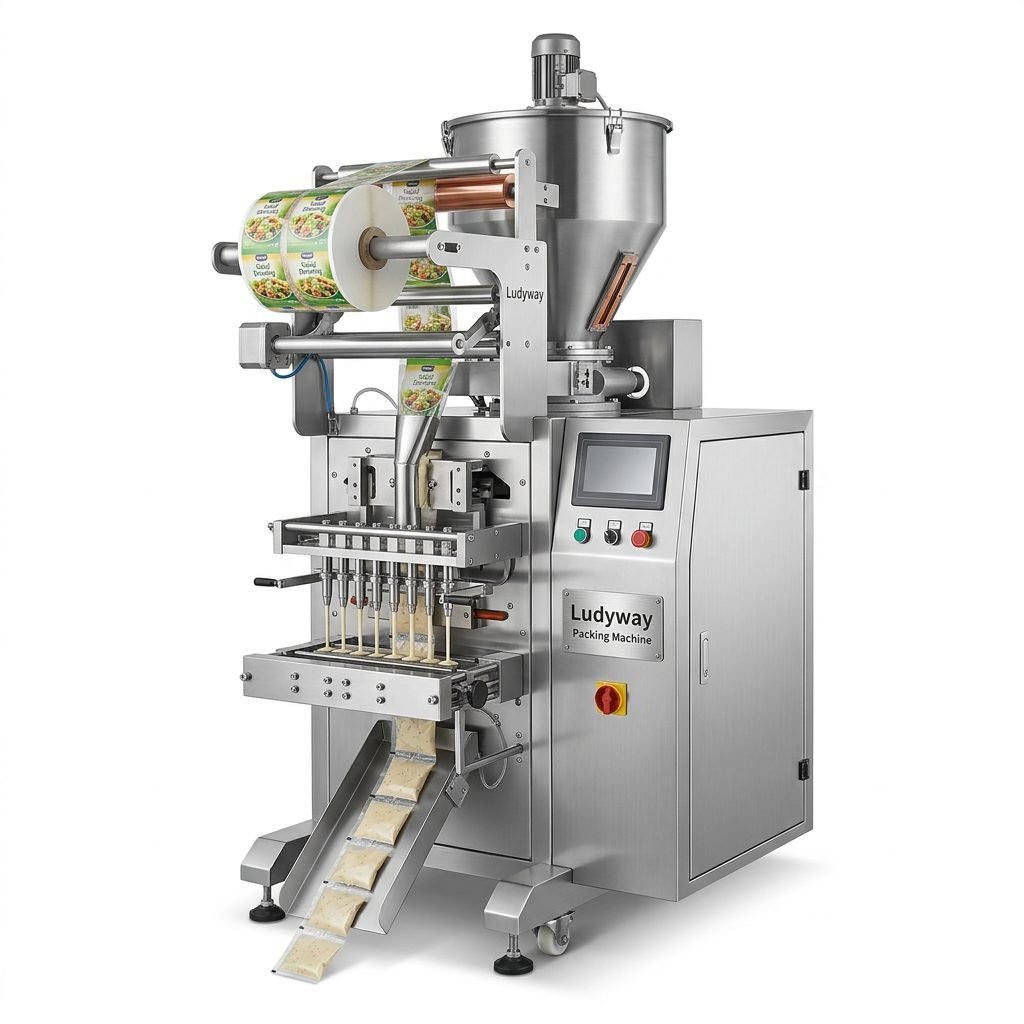
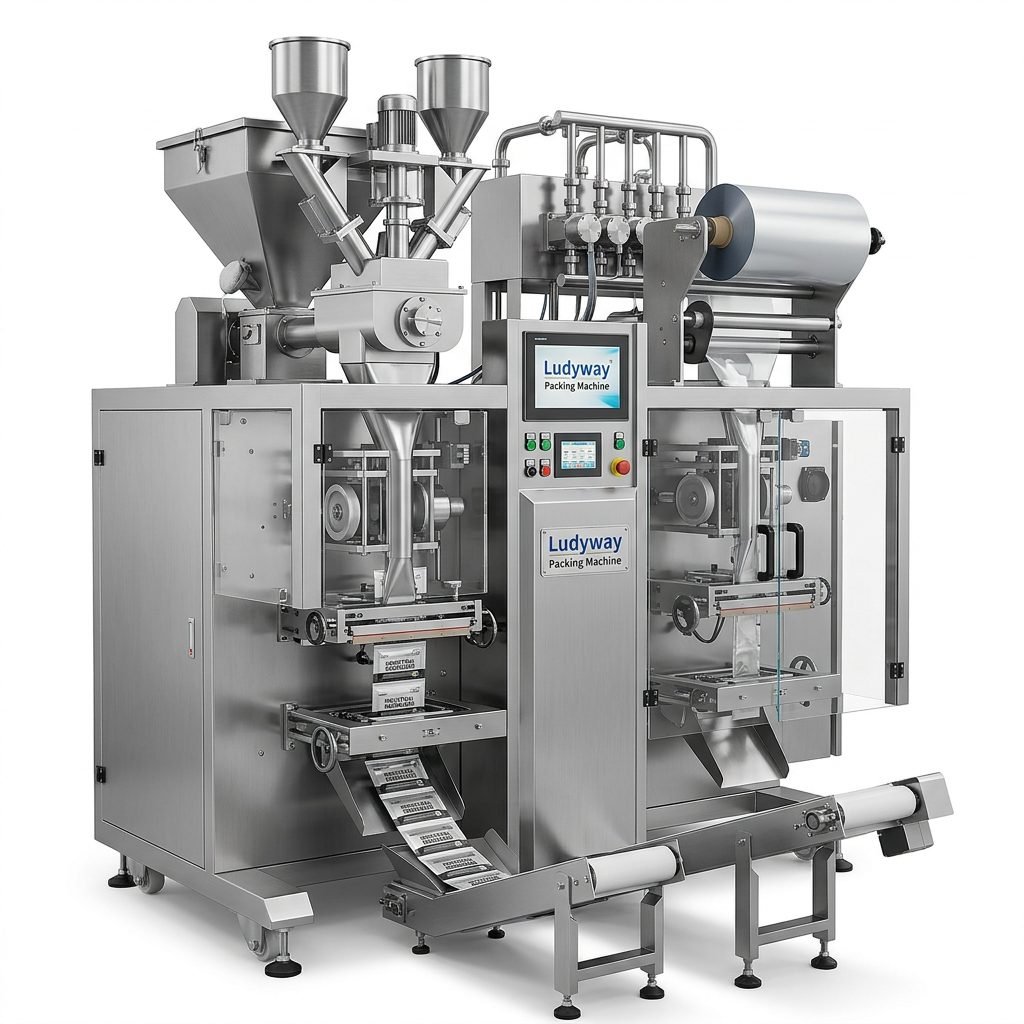
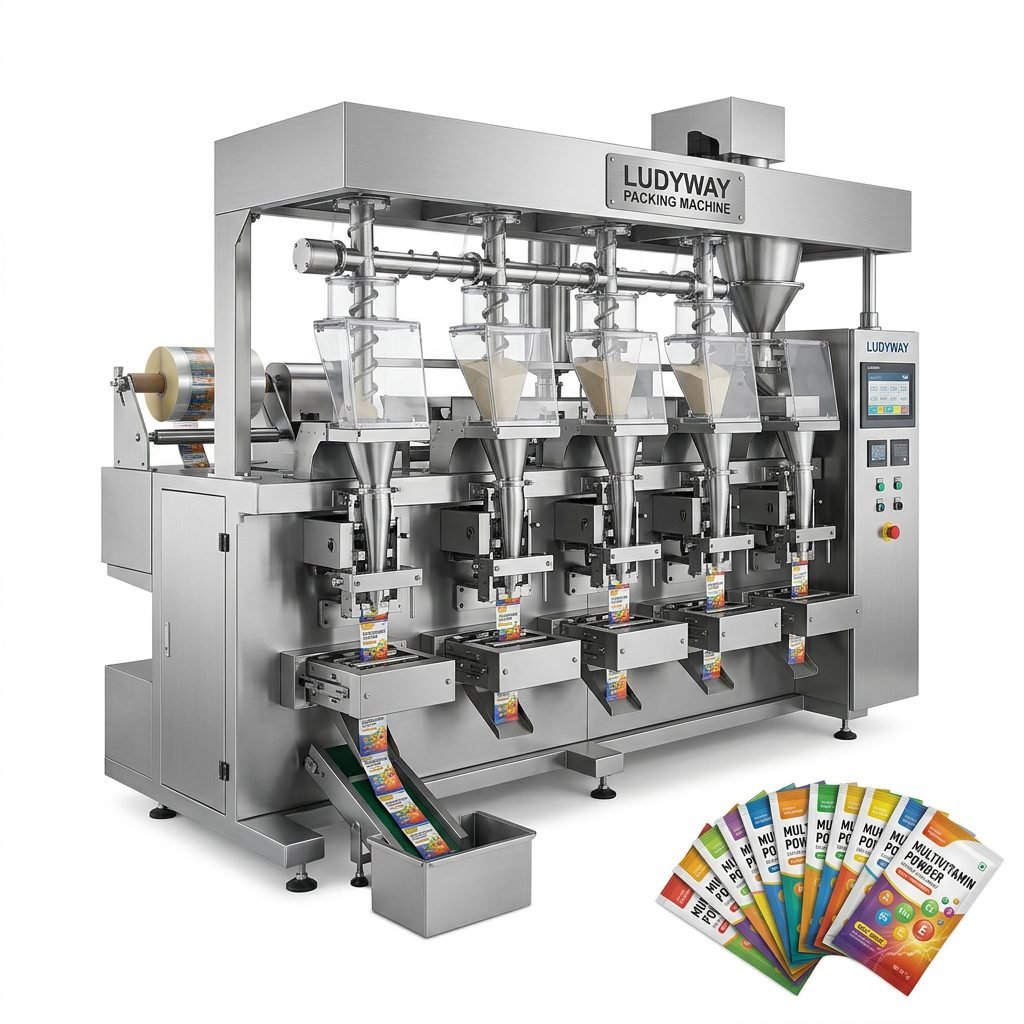
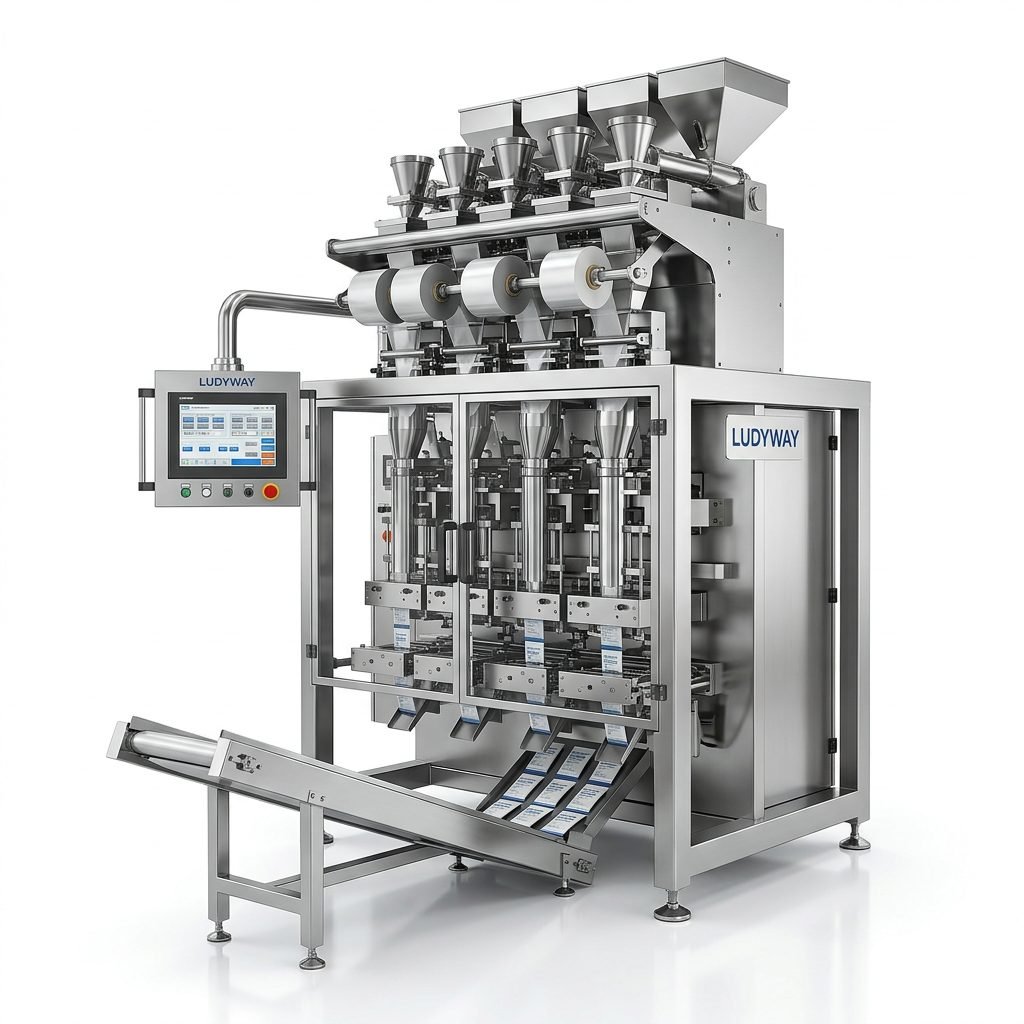
Selecting the right folding carton packaging equipment is a critical decision for manufacturers across various industries, from pharmaceuticals and cosmetics to food and electronics. The efficiency, speed, and reliability of your packaging line directly impact product quality, operational costs, and market competitiveness. This comprehensive guide will explore the different types of folding carton machines, their key features, and provide a structured approach to help you choose the perfect equipment for your specific production needs.
Understanding Folding Carton Packaging Equipment
Folding carton packaging equipment automates the process of forming, loading, and sealing paperboard cartons. These machines handle a wide range of carton styles, including straight tuck, reverse tuck, auto-bottom, and four- or six-corner seal boxes. The automation ranges from semi-automatic systems, which require some manual intervention, to fully integrated high-speed lines that form, fill, and seal cartons with minimal human oversight.
Core Function: The primary role of this equipment is to transform flat, die-cut paperboard blanks into three-dimensional cartons, insert the product, and securely close the carton—all at speeds far exceeding manual capabilities.
Primary Types of Folding Carton Machines
The market offers several machine configurations, each suited to different production volumes, carton styles, and levels of automation.
1. Semi-Automatic Cartoners
These machines require an operator to manually place the product into the pre-formed carton. The machine then automatically closes and seals the flaps. They are ideal for low to medium production volumes, short runs, or products that are delicate or irregularly shaped and difficult to handle automatically.
- Best for: Start-ups, pilot production, seasonal products.
- Advantage: Lower initial investment, flexibility for quick changeovers.
2. Automatic Horizontal Cartoners
Product is fed horizontally into the carton as it moves along a conveyor. This is one of the most common and versatile types. They can handle a wide variety of products like bottles, blisters, pouches, and trays. Integration with upstream equipment like blister packers or liquid fillers is common.
↳ Key Feature: Horizontal loading is gentle on products and allows for easy visual inspection during the process.
3. Automatic Vertical Cartoners
Product is dropped vertically (gravity-fed) into an upright carton. This style is typically used for free-flowing items like granulated products, tea bags, sachets, or stacked items. They are known for their very high speeds and compact footprint.
- Best for: High-volume packaging of granular, powdered, or small unit-dose items.
4. Wrap-Around Cartoners
Instead of using a pre-glued carton blank, these machines form the carton directly around a product or a group of products (like a beverage multi-pack) from a roll of paperboard. This method is highly efficient and reduces material waste.
Essential Features and Technological Considerations
Beyond the basic type, several features define a machine’s capability and suitability for your line.
Drive System
Servo-driven machines are now the industry standard. They offer superior precision, quieter operation, easier changeovers via digital settings, and higher energy efficiency compared to traditional mechanical cam-driven systems.
Changeover and Flexibility
How quickly can you switch from one carton size to another? Look for machines with tool-less or quick-change adjustments. Digital servo settings that recall previous job parameters drastically reduce downtime, a crucial factor for manufacturers with diverse SKUs.
Control System & HMI
A user-friendly, graphical Human-Machine Interface (HMI) is vital. It should allow for easy setup, monitoring of production speed and counts, diagnostics, and access to maintenance guides. Modern systems offer connectivity for Industry 4.0 data collection and analysis.
↠ Integration Capability
The machine must communicate and synchronize seamlessly with your upstream filler/capper/labeler and downstream case packer or palletizer. Check compatibility protocols (e.g., PLC communication) and ensure physical interfaces (conveyor height, speed) are matched.
Safety and Construction
Robust construction (stainless steel or high-grade aluminum for food/pharma) ensures longevity. Full safety guarding, interlocks, and emergency stops compliant with international standards (CE, UL) are non-negotiable for protecting operators.
How to Choose the Right Folding Carton Machine: A Step-by-Step Guide
Making an informed choice requires a systematic evaluation of your current and future needs.
Step 1: Analyze Your Product and Carton
Define your product’s physical characteristics (size, weight, fragility) and your carton specification (style, board grade, size range, print registration requirements). This is the foundation for machine selection.
Step 2: Determine Your Production Requirements
- Speed (Cartons Per Minute – CPM): Calculate based on your annual volume, shifts, and desired efficiency. Add a 15-20% buffer for future growth.
- Uptime & Reliability: Research the machine builder’s reputation. High uptime is more valuable than a marginally higher top speed.
Step 3: Evaluate the Level of Automation
Balance your labor costs and availability against capital investment. A fully automatic line may have a higher upfront cost but lower long-term operational cost and higher consistent output.
Step 4: Consider the Total Cost of Ownership (TCO)
Look beyond the purchase price. Factor in:
• Energy consumption
• Expected maintenance costs and spare part availability
• Required operator skill level and training
• Potential for future upgrades
Step 5: Assess Supplier Support and Service
The machine is only as good as the support behind it. A reliable supplier like Ludyway Packing Machine offers comprehensive services. Inquire about:
• Installation and commissioning support
• Training programs for your engineers and operators
• Availability of spare parts and field service technicians
• Warranty terms and after-sales support structure
Partnering with an experienced provider ensures you get not just a machine, but a complete packaging solution tailored to your goals.
Step 6: Request a Product Test
Always insist on a live or video test run using your actual product and carton blanks. This is the only way to verify performance, gentle product handling, and final package quality before purchase.
Common Questions (FAQs)
Q: What is the typical lead time for a new folding carton machine?
A: Lead times vary based on complexity and customization. For standard models from established suppliers, expect 12-20 weeks from order to delivery. Always confirm this during the quotation process.
Q: Can one machine handle a very wide range of carton sizes?
A: While most machines have a defined size range, there is a trade-off. A machine built for an extremely wide range may require more complex adjustments during changeover. It’s better to define your realistic size spread and choose a machine optimized for that range.
Q: How important is after-sales service when choosing a supplier?
A: It is critically important. Fast access to technical support, spare parts, and qualified service engineers minimizes costly downtime. Investigate the supplier’s service network, response time commitments, and customer references. A partner like Ludyway builds its reputation on reliable long-term support.
Q: What are the key trends in folding carton equipment technology?
A: Major trends include increased use of servo technology for flexibility, smarter HMIs with predictive maintenance alerts, integration of vision systems for 100% quality check, and connectivity for data analytics to optimize Overall Equipment Effectiveness (OEE).
Q: Are there sustainable packaging options compatible with this equipment?
A: Yes. Modern cartoners can handle boards with high recycled content, lighter-weight grades, and coatings that are recyclable or compostable. Discuss your sustainability goals with your machine supplier and carton supplier early in the project to ensure compatibility. Exploring innovative packaging solutions can open new market opportunities.