Purchasing packaging equipment is a significant investment for any business involved in manufacturing, processing, or distributing products. The right machinery can dramatically enhance your operational efficiency, product consistency, and overall profitability. However, navigating the vast market of packaging machines, features, and suppliers can be a daunting task. This comprehensive guide is designed to walk you through the critical steps of selecting the perfect packaging equipment for your specific needs, ensuring you make an informed and cost-effective decision.
Understanding Your Core Packaging Requirements
Before you even begin to look at specific machines or suppliers, you must have a crystal-clear understanding of your own requirements. This foundational step will guide every subsequent decision.
Key Questions to Ask Yourself:
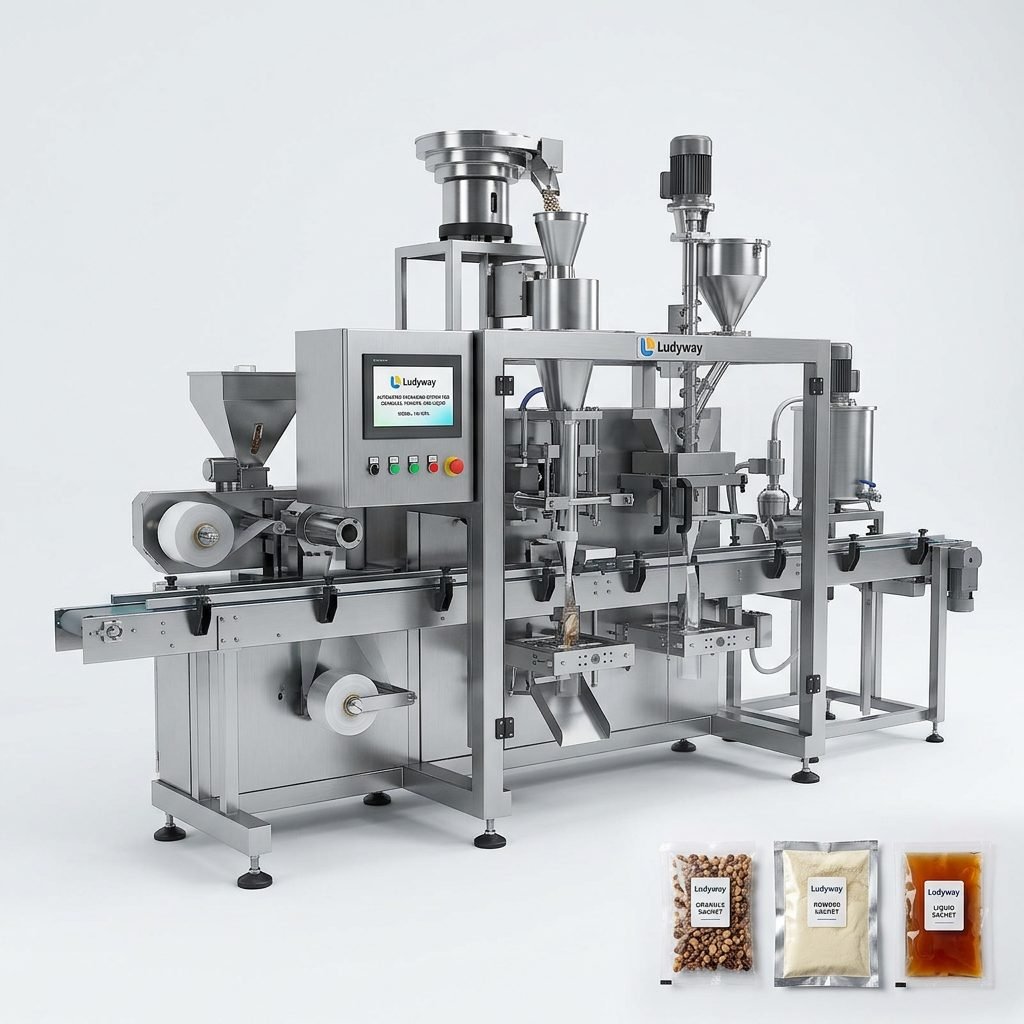
→ Product Characteristics: What are you packaging? Is it a granule (like coffee, seeds), a powder (like milk powder, spices), or a liquid (like sauce, shampoo)? The physical state dictates the machine type.
→ Production Speed & Volume: What is your current and projected output? Calculate your required bags-per-minute (BPM) or units-per-hour to determine the necessary machine speed.
→ Packaging Materials: What type of film or laminate will you use? The machine must be compatible with your chosen material, whether it’s PET/AL/PE, OPP/CPP, or paper composites.
→ Budget & ROI: Establish a realistic budget that includes not just the machine purchase, but also installation, training, and maintenance. Consider the return on investment through increased output and reduced labor.
Choosing the Right Type of Packaging Machine
With your requirements defined, you can now explore the primary categories of packaging equipment. Each is suited for different applications and product forms.
Vertical Form Fill Seal (VFFS) Machines
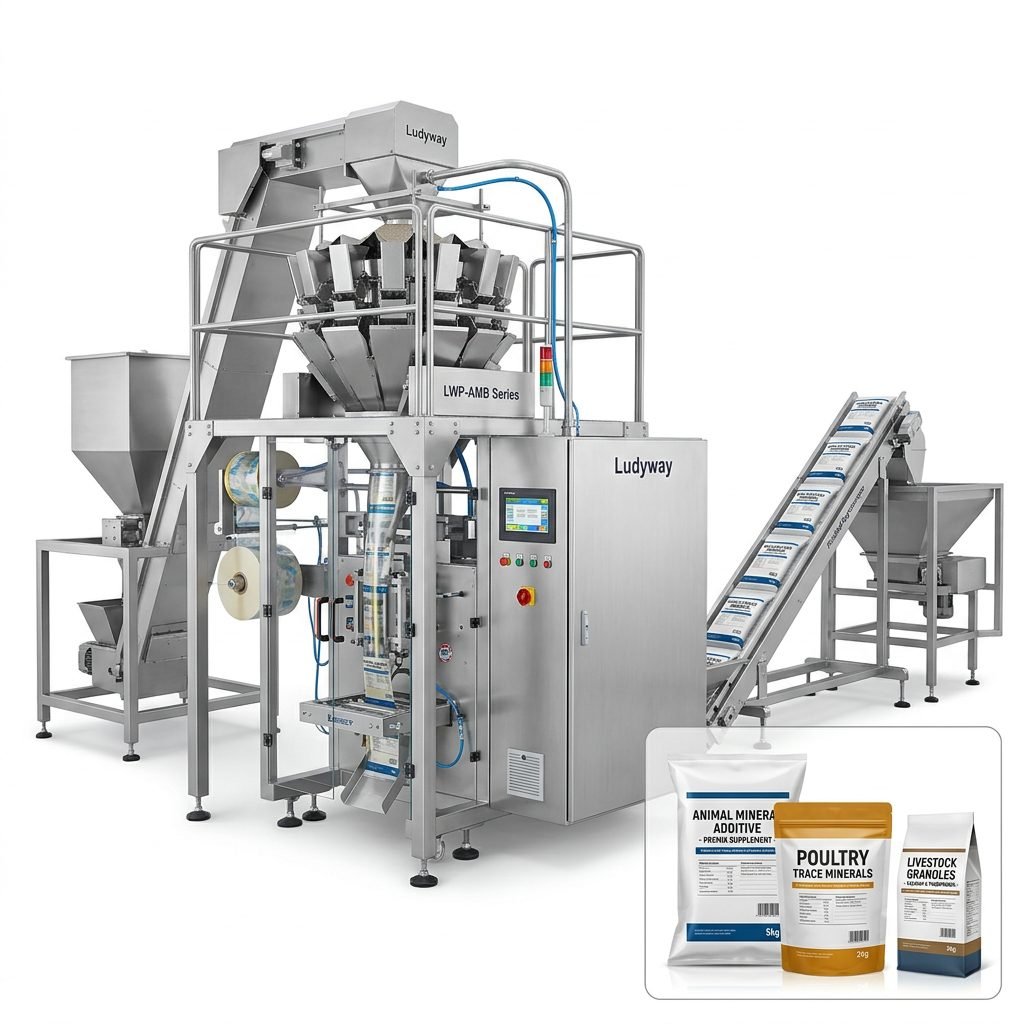
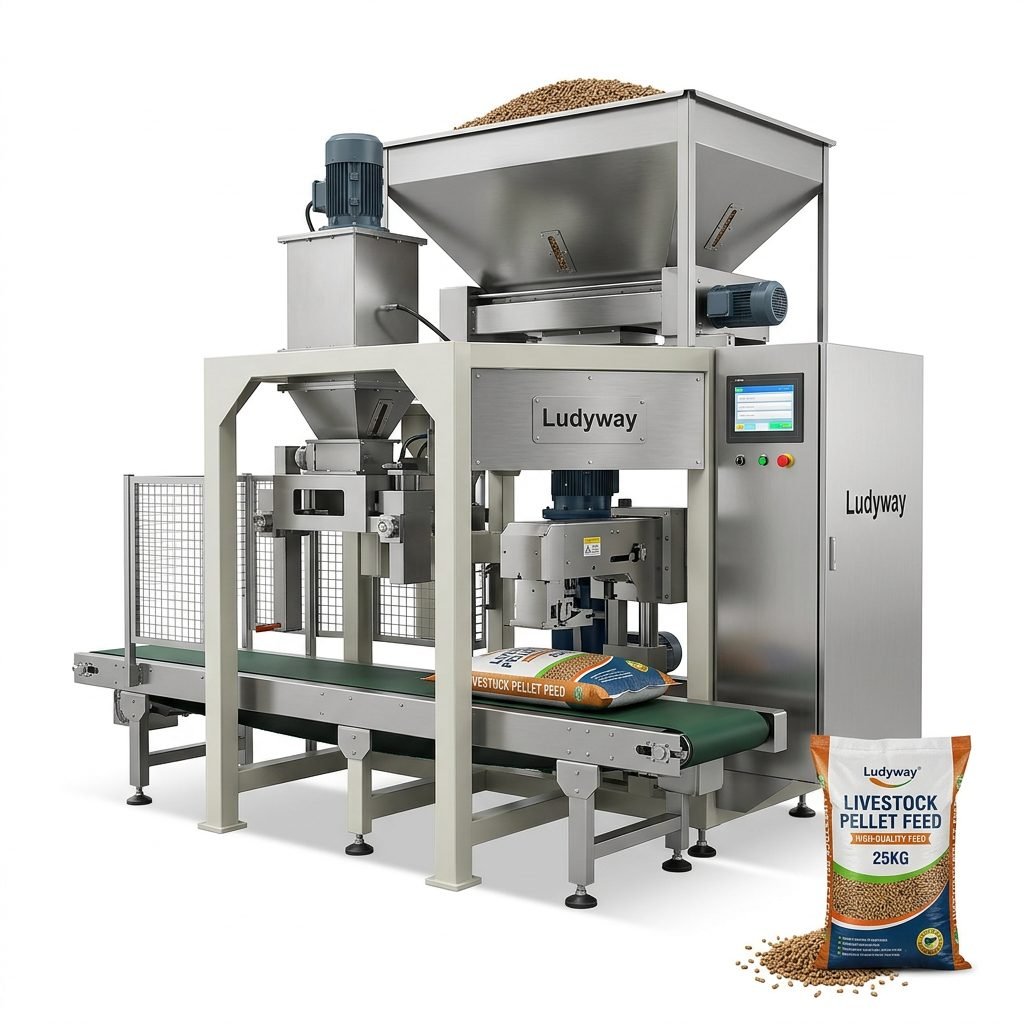
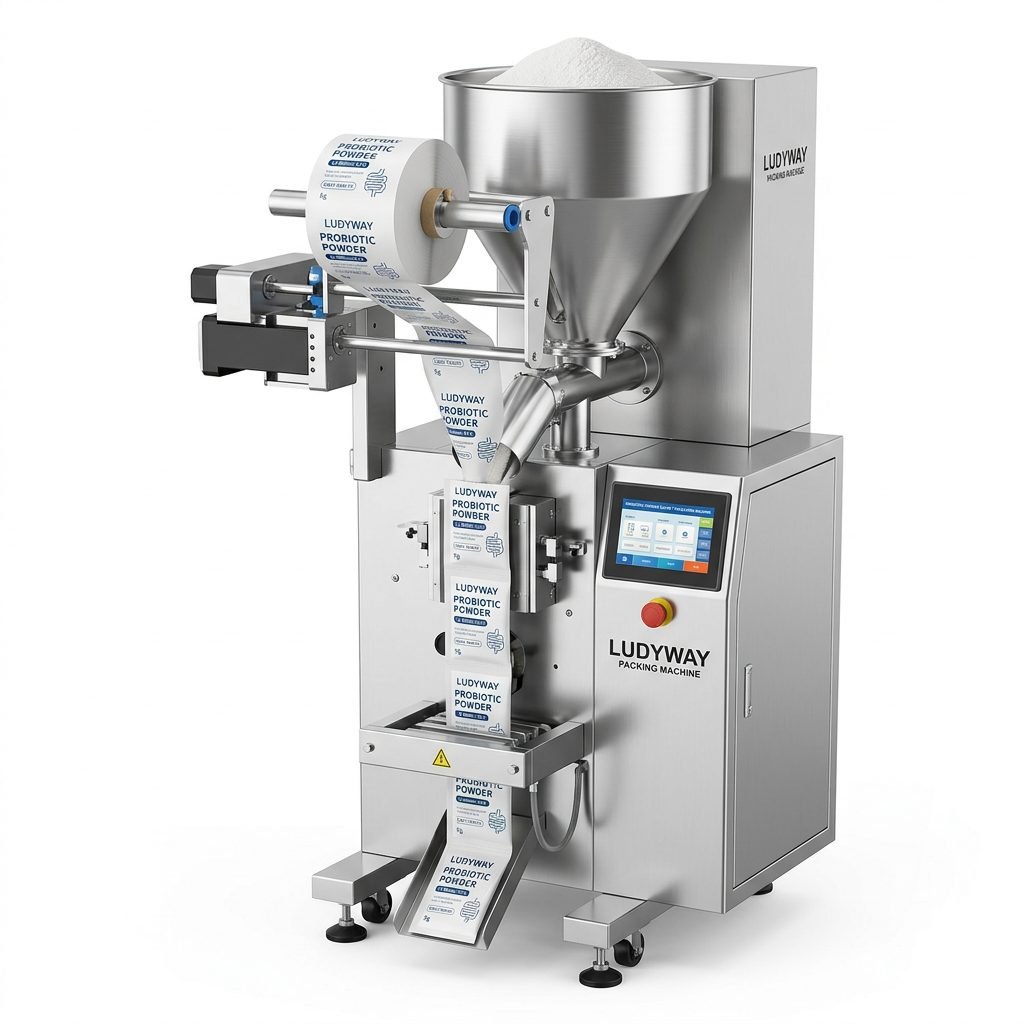
These are the workhorses of the industry, ideal for granules, powders, and small solid items. They form a bag from a roll of film, fill it with product, and seal it—all in a continuous vertical motion. They are highly versatile and efficient for medium to high-volume production.
Horizontal Form Fill Seal (HFFS) Machines
Typically used for solid products, biscuits, bars, or multiple items that need to be placed in a tray or formed pouch. They operate on a horizontal plane and are excellent for creating attractive retail-ready packaging.
Sachet & Stick Pack Machines
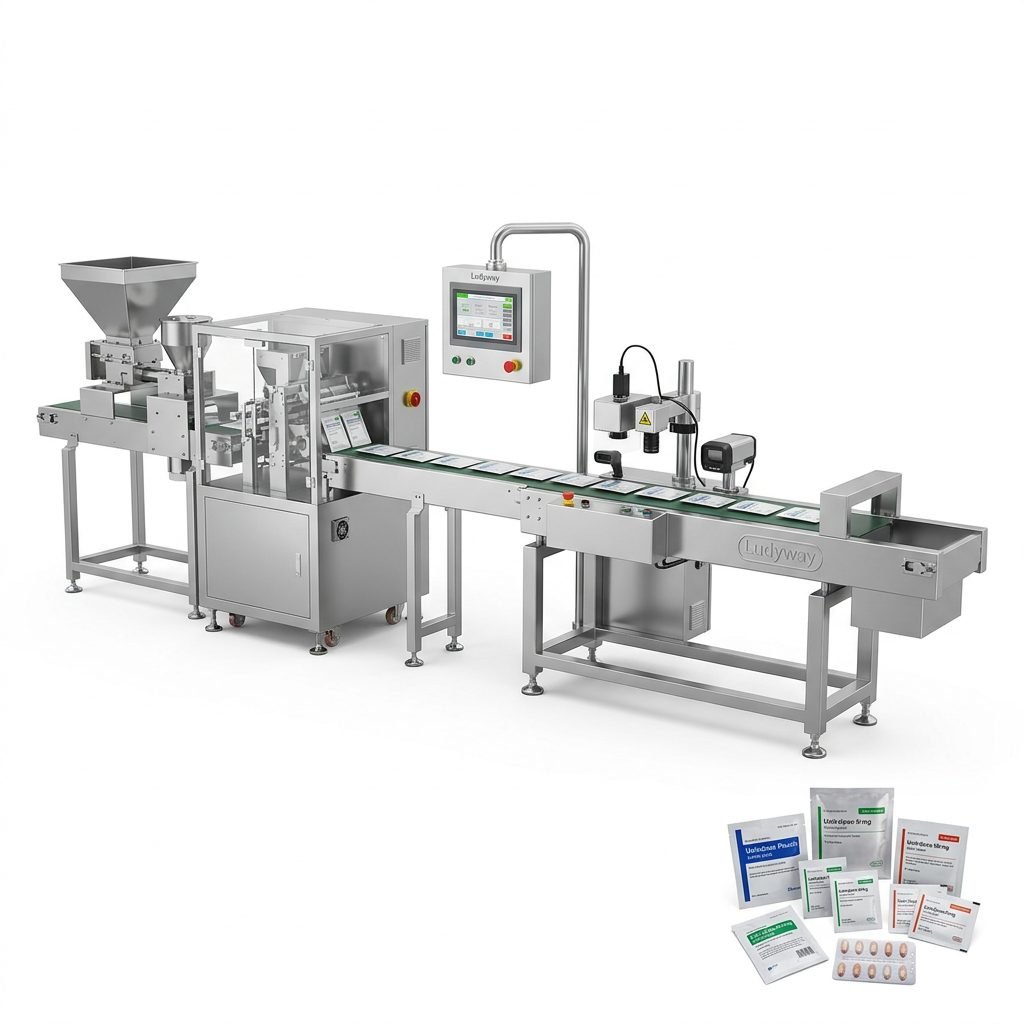
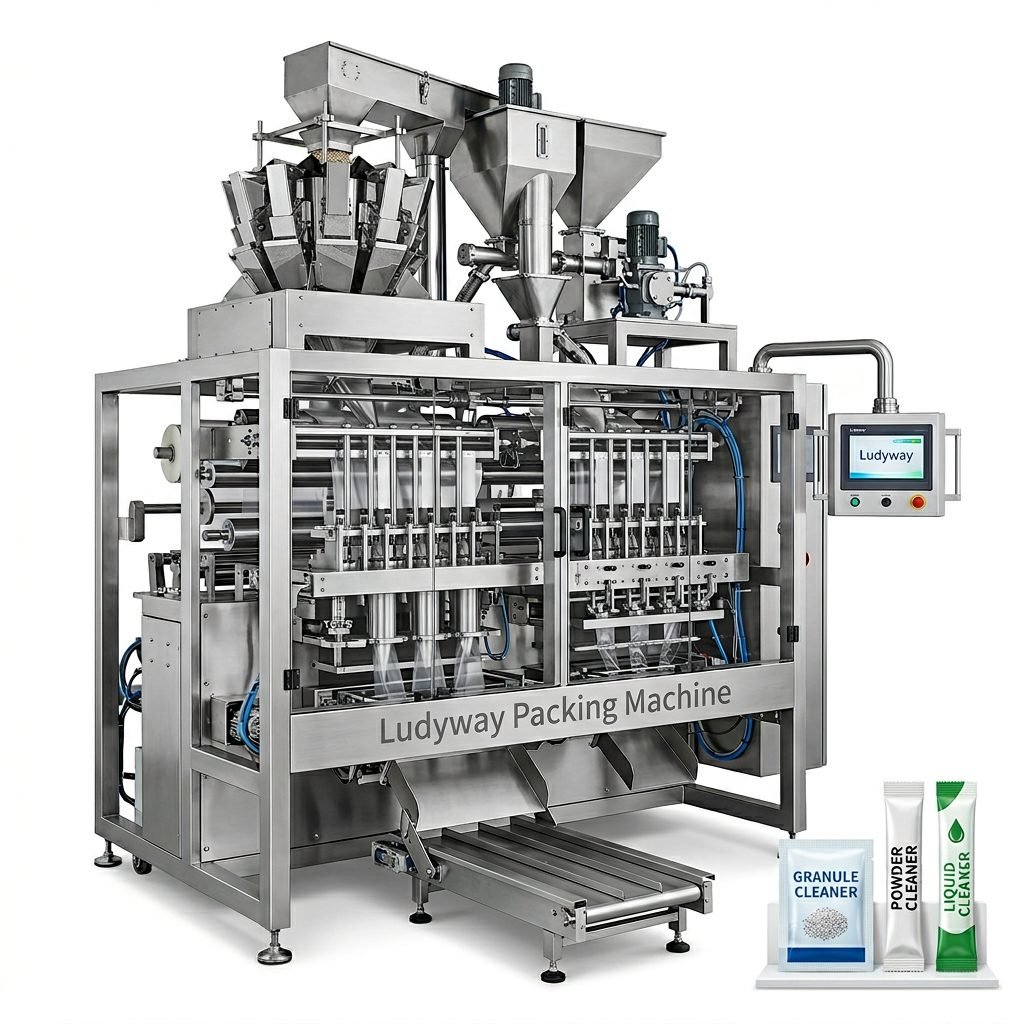
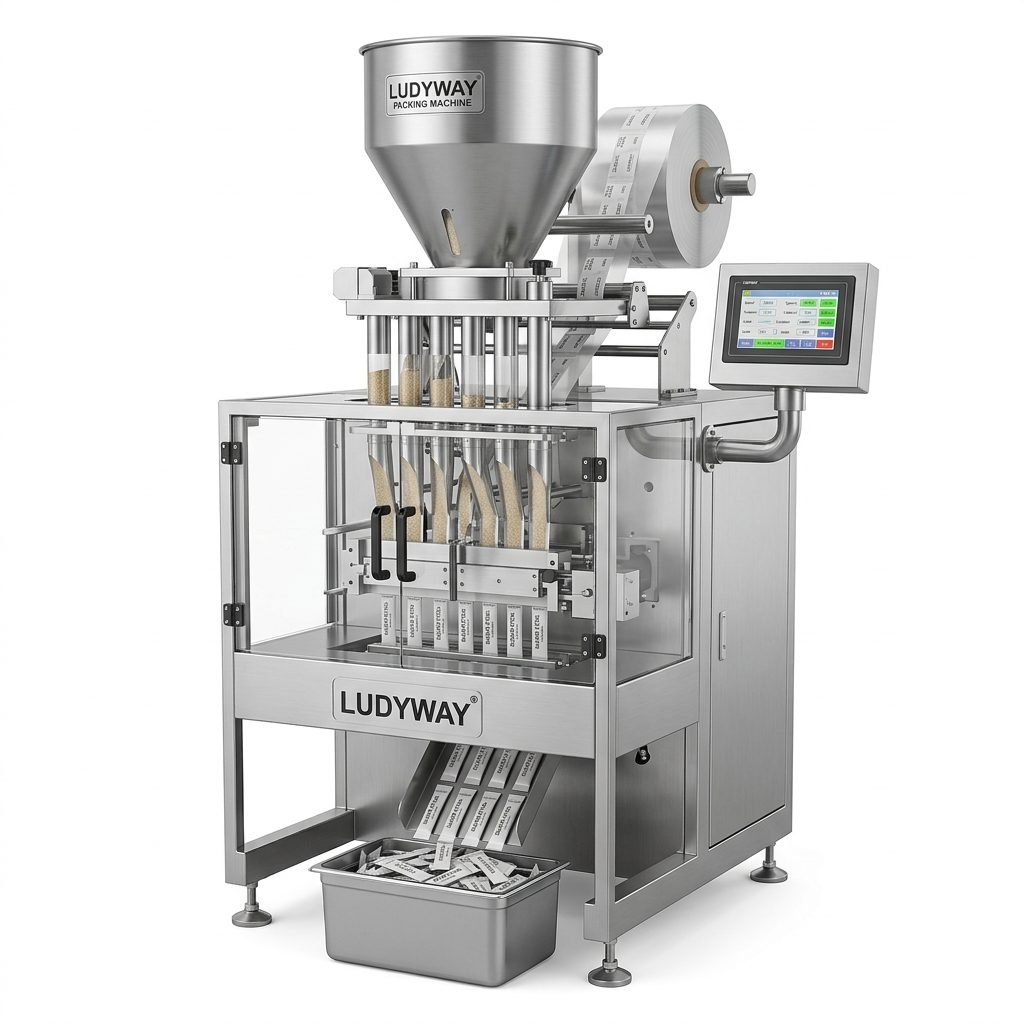
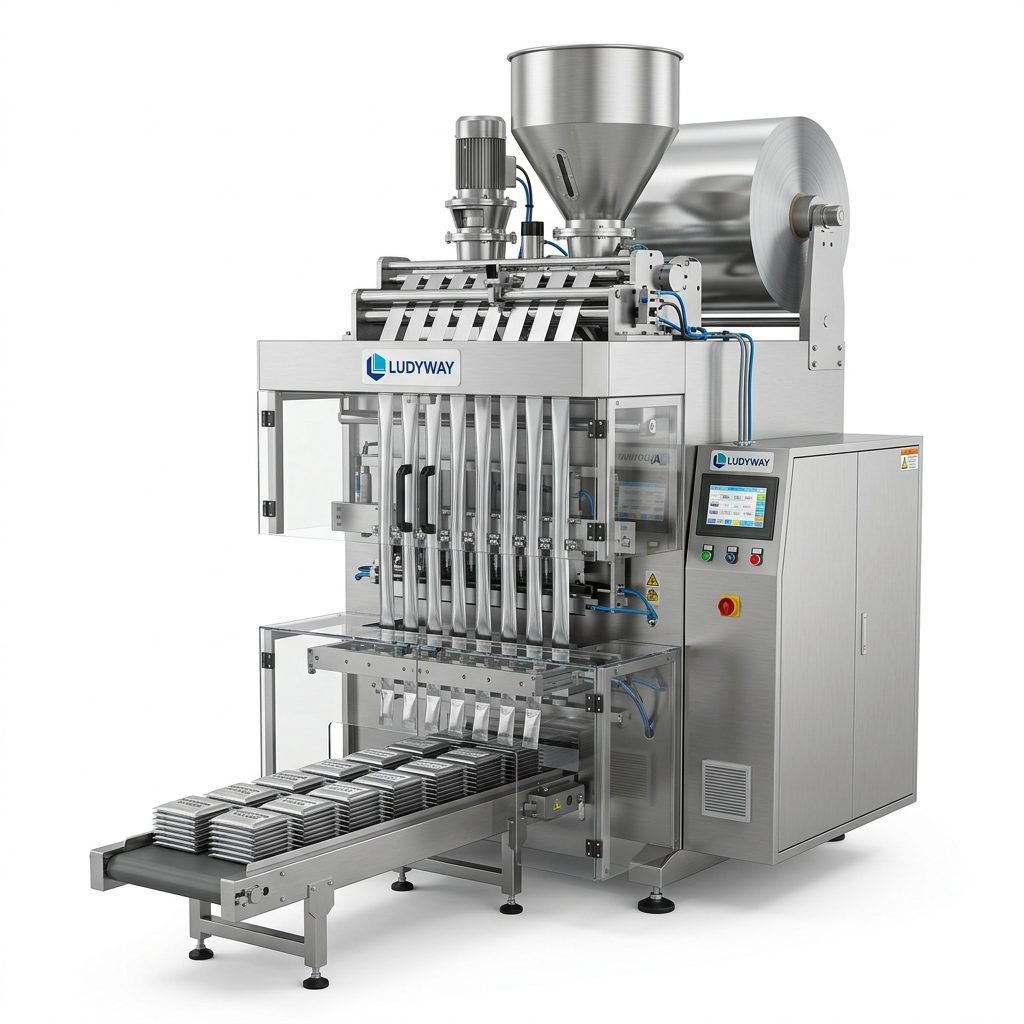
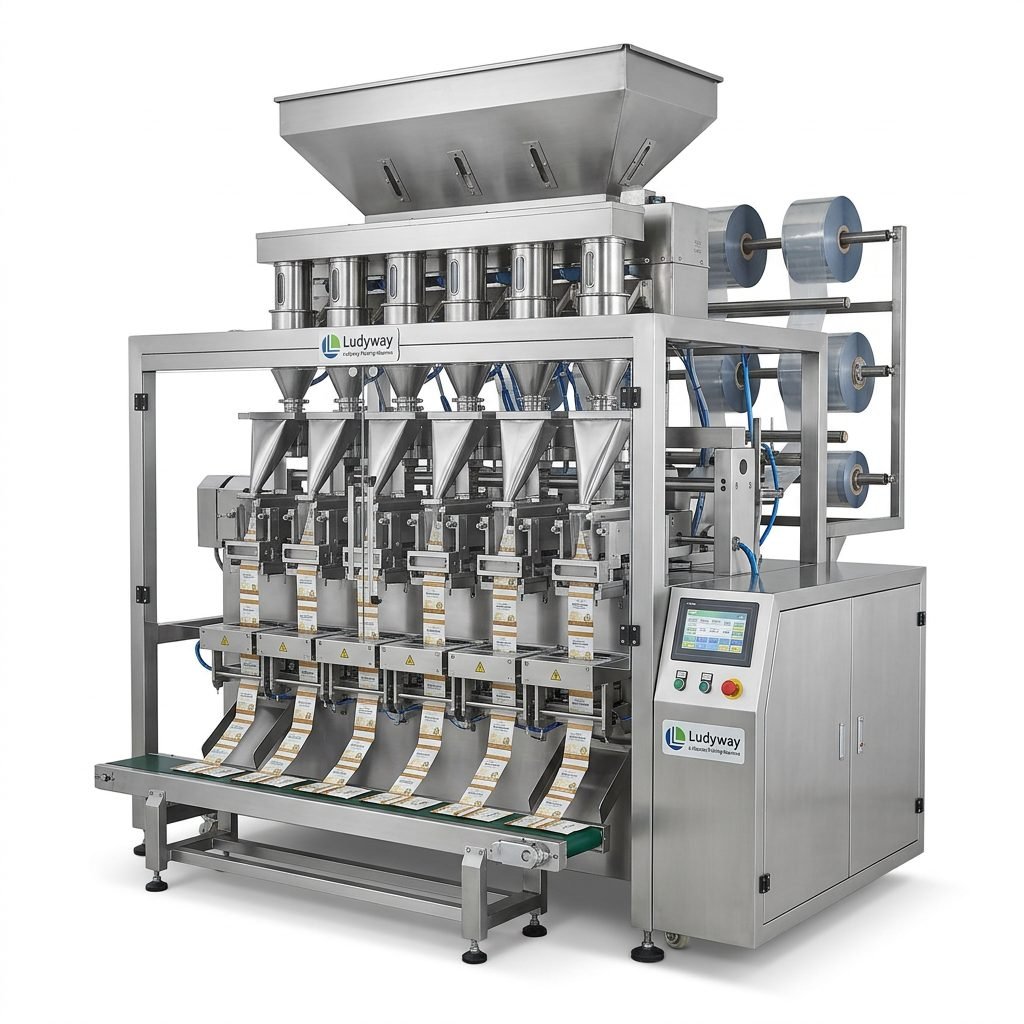
Designed specifically for creating small, single-serve pouches for products like condiments, sugar, instant coffee, or pharmaceutical powders. Modern multi-lane systems can produce dozens of sachets simultaneously, offering incredible output for their footprint.
Liquid & Pasty Filling Machines
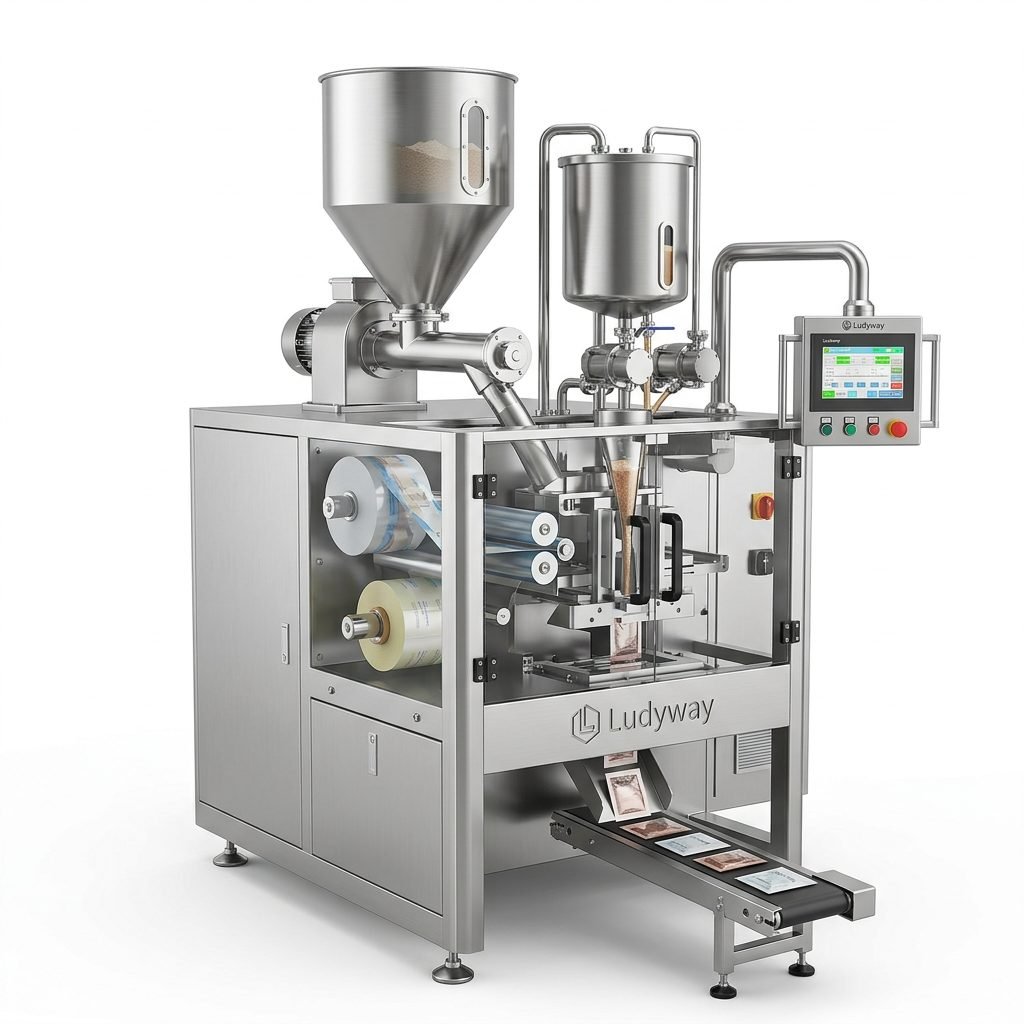
These machines handle viscous products like sauces, oils, creams, and pastes. They often incorporate precise piston or pump fillers to ensure accurate dosing and prevent leakage, paired with robust sealing systems.
Essential Features and Technological Considerations
Beyond the basic type, the features and technology level of a machine determine its performance, ease of use, and longevity.
Must-Have Features for Modern Packaging Lines
Precision Weighing & Dosing: Look for machines with high-accuracy load cells or volumetric fillers. Consistent fill weight is critical for customer satisfaction and regulatory compliance, especially in food and pharmaceutical packaging.
User-Friendly PLC/HMI Interface: A clear touchscreen interface allows for easy recipe changes, speed adjustments, and troubleshooting. It reduces operator training time and minimizes errors.
Robust Construction & Food-Grade Materials: The frame should be solid stainless steel or powder-coated carbon steel. Contact parts must be food-grade (e.g., 304 or 316L stainless steel) for hygiene and durability.
Quick Changeover Capability: If you run multiple products or package sizes, the ability to change forming tools, fillers, and film reels quickly is a massive productivity booster.
Integrated Safety Features: Emergency stops, safety guards, and interlock systems are non-negotiable for protecting your operators and complying with workplace safety standards.
The Role of Automation and Integration
For higher-volume operations, consider how the machine integrates into a full line. An automated system might include upstream equipment like product elevators or mixers and downstream equipment like cartoners or case packers. Choosing a supplier who can provide a complete turnkey solution ensures compatibility and smoother project execution.
Evaluating and Selecting a Reliable Supplier
The supplier you choose is as important as the machine itself. A reliable partner provides not just a product, but long-term support and peace of mind.
Supplier Credentials and Experience
Look for a supplier with a proven track record. Ludyway Packing Machine, for instance, brings over 30 years of industry experience to the table, specializing in solutions for the food, pharmaceutical, and health industries. This depth of experience means they understand the nuanced challenges of different sectors.
Examine their company profile. Do they have a modern production facility? A strong in-house engineering team? For example, a 20,000㎡ manufacturing facility indicates significant production capacity and quality control capabilities.
After-Sales Support and Service
This is often the most critical differentiator. Inquire about:
→ Warranty period and terms.
→ Availability of spare parts and typical delivery times.
→ Technical support: Is it remote, on-site, or both?
→ Availability of operator and maintenance training programs.
A supplier with a history of long-term cooperation, like one that has built partnerships since its founding in 2010, is likely committed to your success beyond the initial sale.
Requesting a Product Test or Demo
Never buy based on specifications alone. Always request to run your actual product on the machine. A live demonstration or factory acceptance test (FAT) will reveal the machine’s true performance, filling accuracy, and ease of operation. It’s the best way to validate your choice.
Finalizing Your Purchase and Implementation
Once you’ve selected the machine and supplier, careful planning for implementation is key to a successful launch.
Site Preparation: Ensure your facility has the correct power supply, compressed air, and floor space with proper access. Review the supplier’s installation requirements thoroughly.
Training: Schedule comprehensive training for your operators and maintenance technicians. Knowledgeable staff prevent misuse and enable quick minor fixes.
Production Run-in: Plan for a gradual ramp-up. Start at slower speeds to fine-tune settings and build operator confidence before pushing for maximum output.
Frequently Asked Questions (FAQs)
1. What is the most important factor when choosing a packaging machine?
The single most important factor is matching the machine’s capabilities to your specific product and production requirements. A machine perfect for coffee beans may fail miserably with flour. Define your needs for product type, speed, and bag style first.
2. How do I know if I need a single machine or a full automated packaging line?
This depends entirely on your volume and labor goals. For lower volumes or new product lines, a single machine is sufficient. If you have high, consistent output and want to minimize manual handling between packaging, cartoning, and palletizing, investing in an integrated automated line becomes cost-effective.
3. What should I look for in a supplier’s after-sales service?
Prioritize suppliers who offer clear warranty terms, readily available spare parts, and responsive technical support (both remote and on-site). Ask for customer references to hear firsthand about their service reliability and problem-solving speed.
4. Can one machine handle different types of products?
Many machines are versatile, but with limits. A Vertical Form Fill Seal (VFFS) machine can often handle different granule sizes or powders with appropriate tooling and setting changes. However, switching from granules to liquids typically requires a completely different machine type. Discuss your product range with the supplier.
5. How long does it typically take from purchase to operational installation?
The timeline varies based on machine complexity and customization. For a standard model, lead time can be 8-12 weeks for manufacturing, followed by 1-2 weeks for installation and commissioning. Highly customized or full turnkey lines will have a longer project timeline, which your supplier should outline in detail.