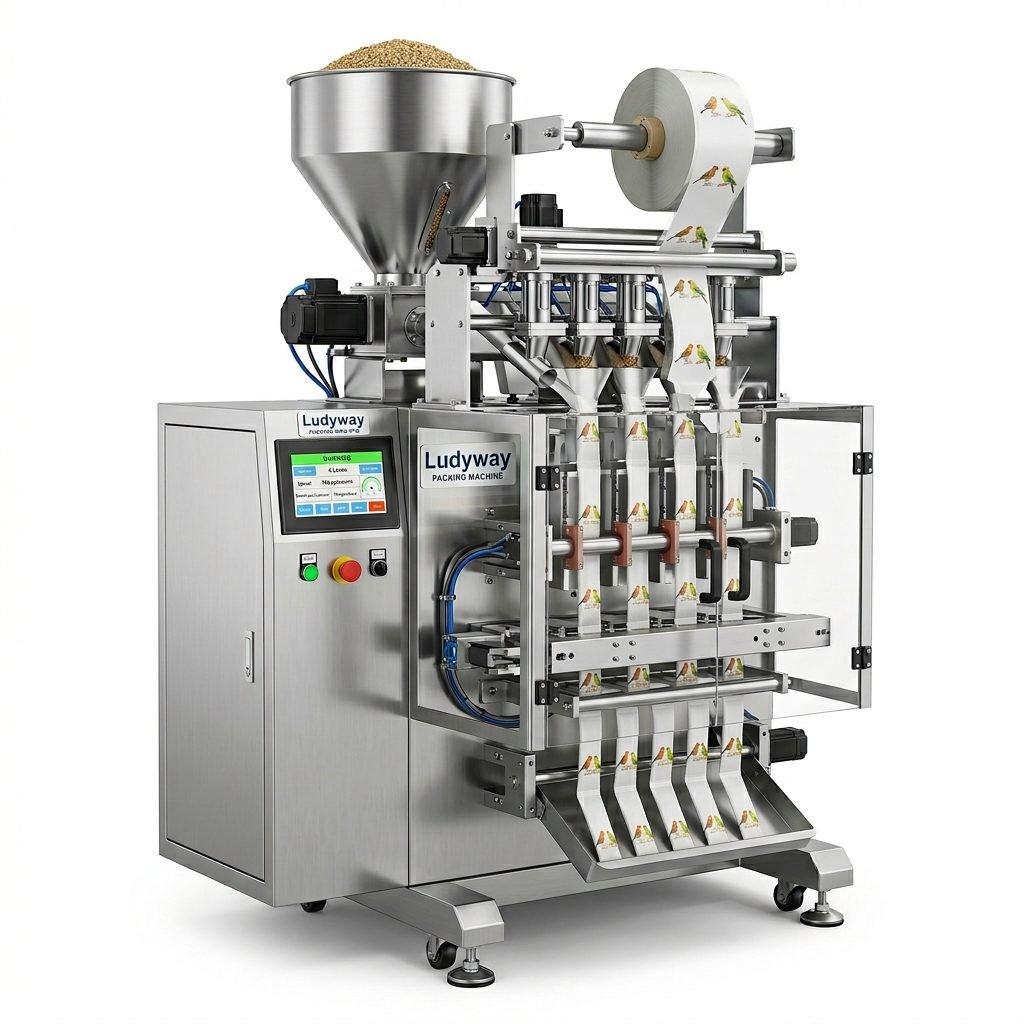
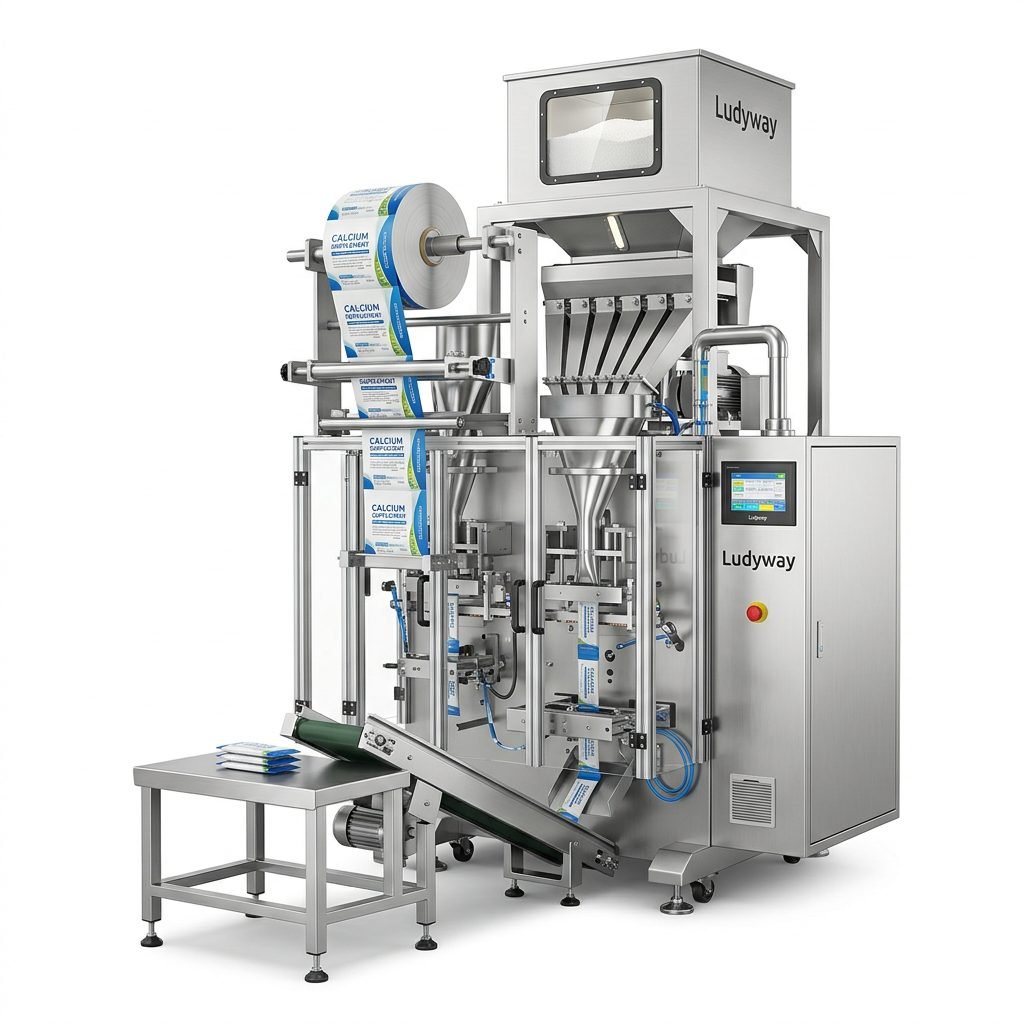
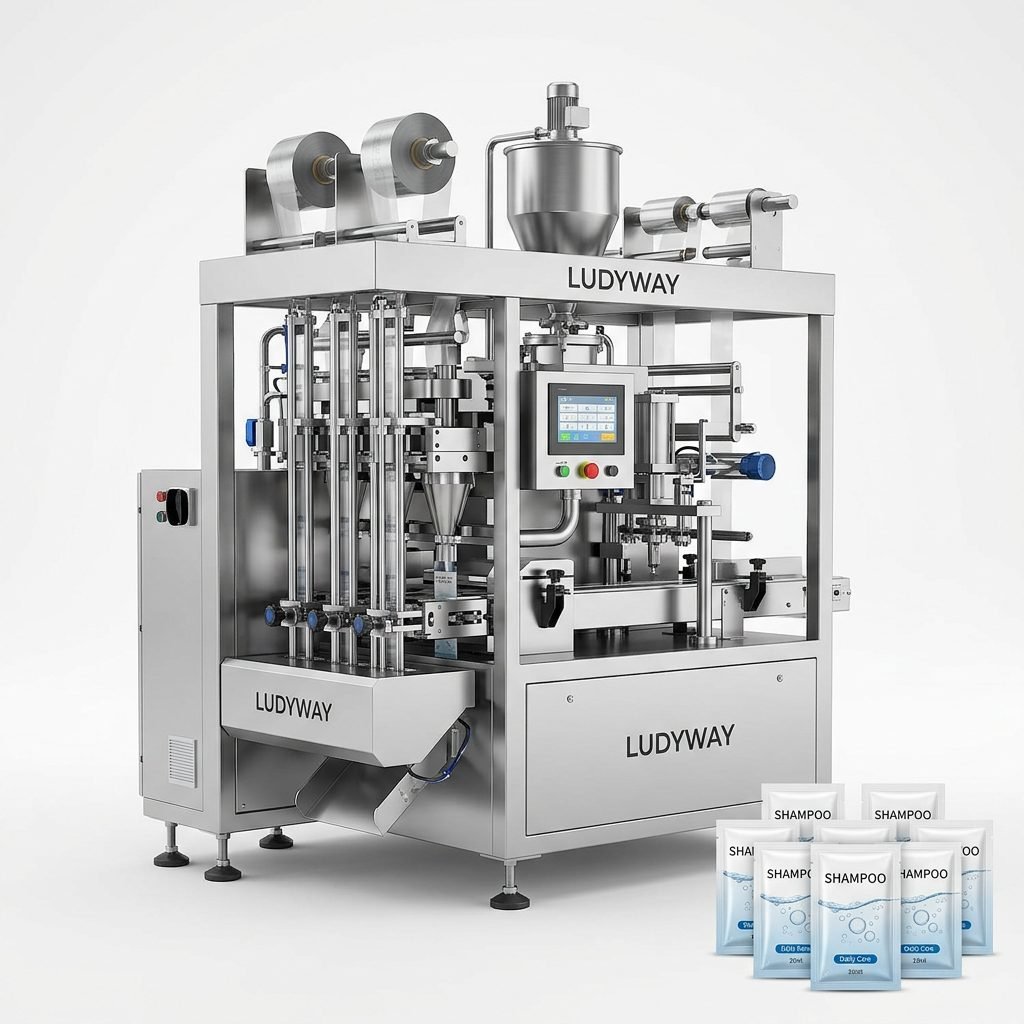
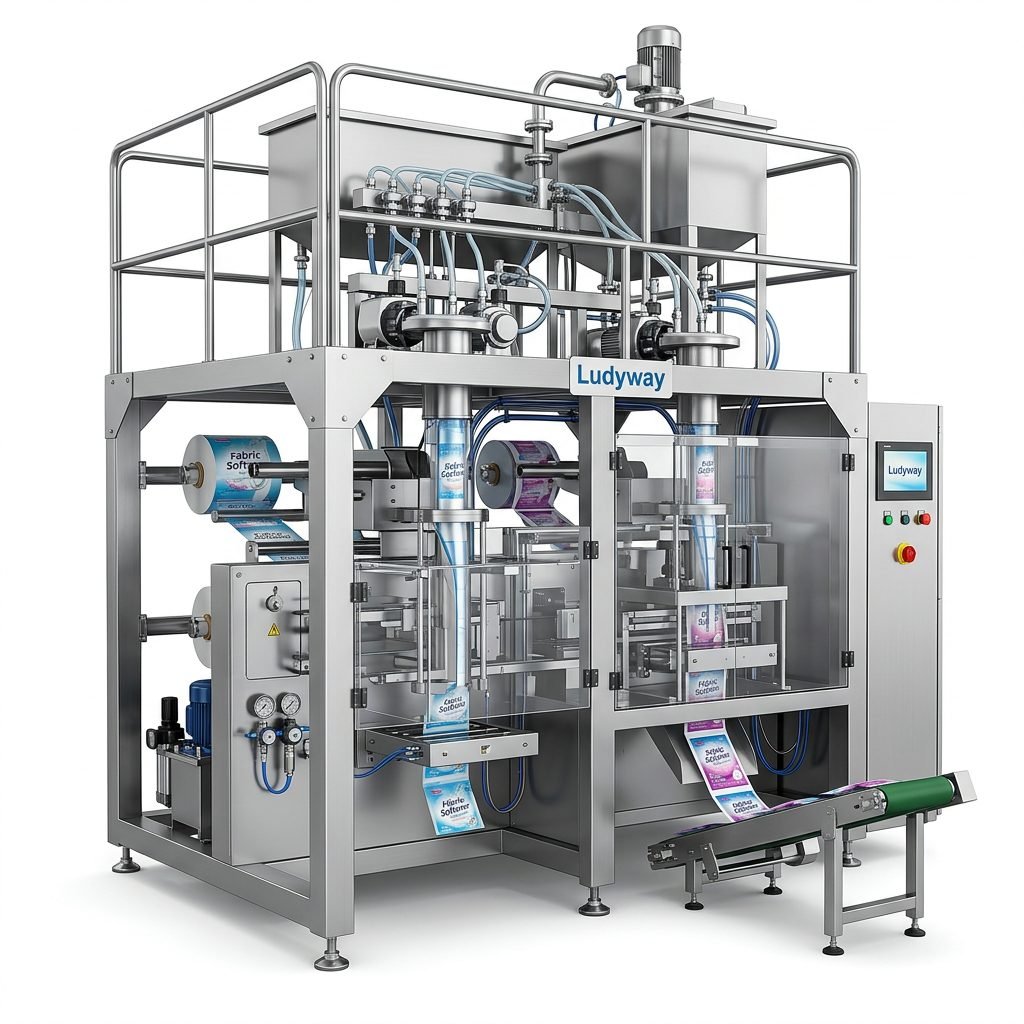
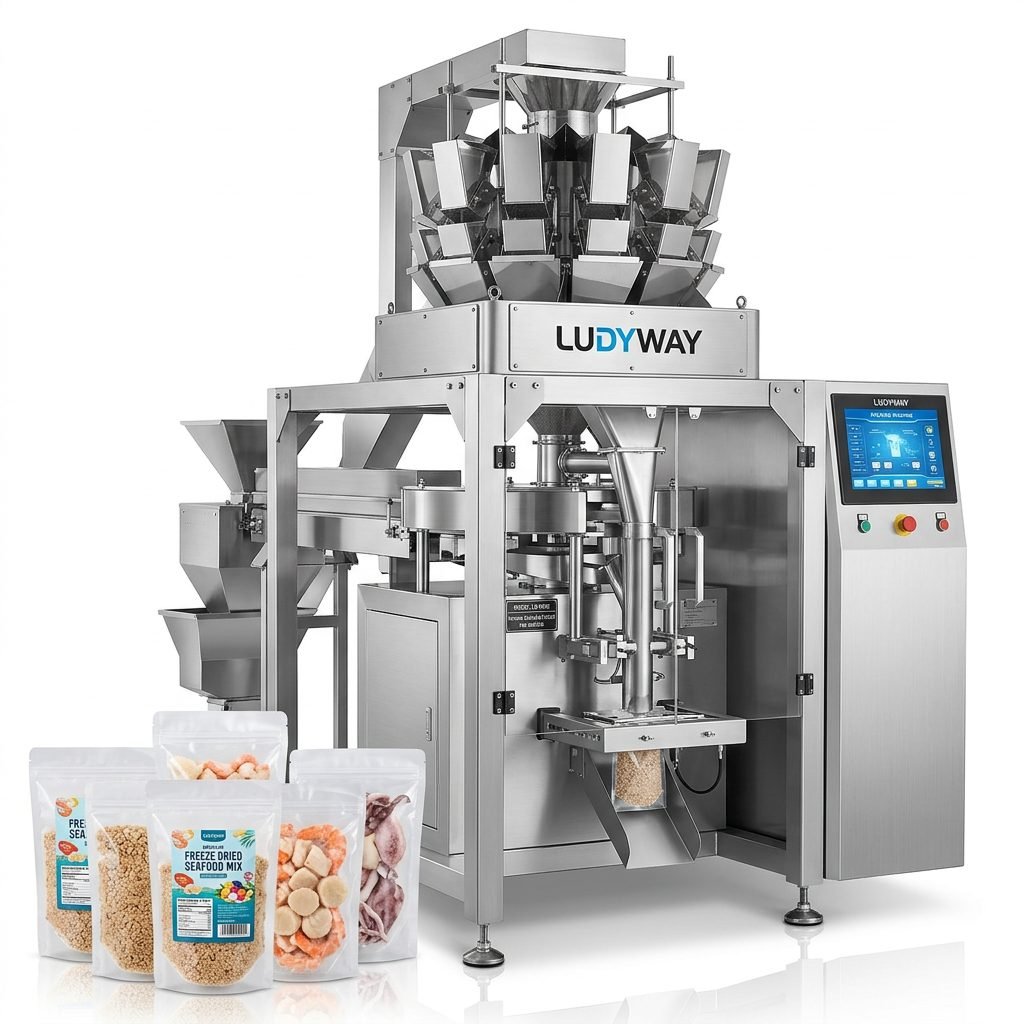
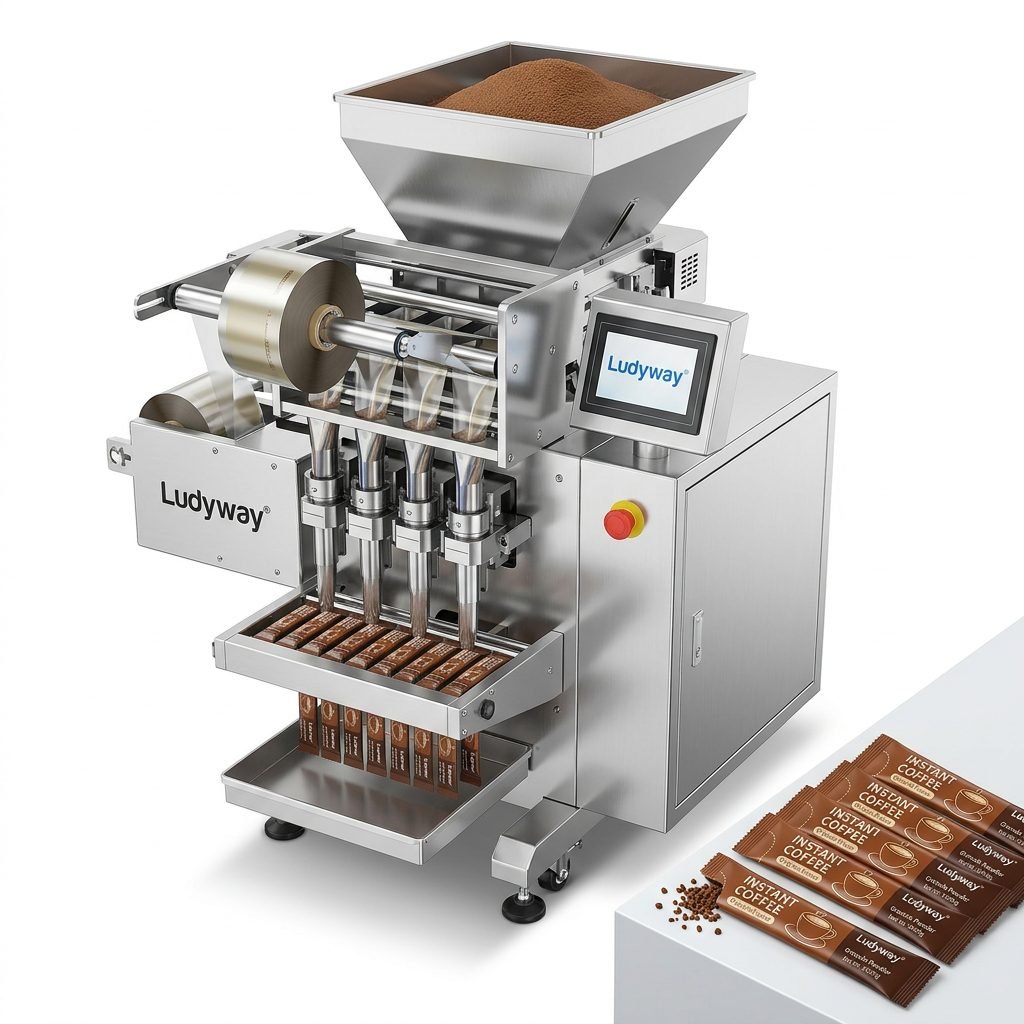
In today’s fast-paced manufacturing environment, the ability to adapt quickly to changing production demands is not just an advantage—it’s a necessity. Packaging lines often face the challenge of frequent product changes, varying batch sizes, and evolving market trends. This is where the flexibility of your packaging equipment becomes a critical lever for operational success. Flexible packaging machinery allows you to switch between different products, package sizes, and materials with minimal downtime, directly boosting overall productivity and slashing costly changeover periods.
Understanding Packaging Equipment Flexibility
Packaging equipment flexibility refers to a machine’s or system’s capability to handle a variety of tasks without requiring extensive mechanical reconfiguration or lengthy setup times. It encompasses several key dimensions:
• Product Flexibility: The ability to package different types of products (e.g., granules, powders, liquids, solids) on the same line.
• Size Flexibility: The ease with which the machine can adjust to accommodate various package sizes, from small sachets to larger pouches or stick packs.
• Material Flexibility: Compatibility with different packaging films, laminates, or materials without major adjustments.
• Operational Flexibility: Features that allow for quick cleaning, simplified maintenance, and easy integration with upstream and downstream equipment.
The Direct Impact on Productivity and Changeover
Rigid, single-purpose machines create bottlenecks. Every product changeover can take hours—involving manual adjustments, tool changes, and lengthy testing. Flexible systems, however, are designed for agility. By integrating servo-driven components, smart HMI controls, and quick-change parts, changeover time can be reduced from hours to minutes. This directly increases equipment uptime and overall equipment effectiveness (OEE), allowing you to produce more, respond faster to orders, and run smaller, more economical batches.
Key Strategies to Enhance Packaging Machine Flexibility
1. Invest in Servo-Driven Technology
The heart of modern flexible packaging lies in servo motors. Unlike traditional mechanical systems driven by cams and gears, servo-driven machines use software-controlled motors for each axis of motion (e.g., film feed, forming, sealing, cutting).
Benefit: Changeovers become a matter of selecting a new recipe from the touchscreen. Parameters like film length, sealing time, and cut-off length are changed digitally, eliminating manual mechanical adjustments. This is a cornerstone of intelligent packaging machine design.
2. Implement Quick-Change Tooling and Parts
Design your packaging line with standardized, quick-release mechanisms for crucial components. This includes:
• Quick-Change Forming Tubes & Funnels: For switching between granular, powder, or liquid products.
• Modular Sealing Jaws: Interchangeable jaws for different package widths or sealing patterns.
• Snap-On Film Guides & Unwind Shafts: To accommodate different reel sizes and film materials rapidly.
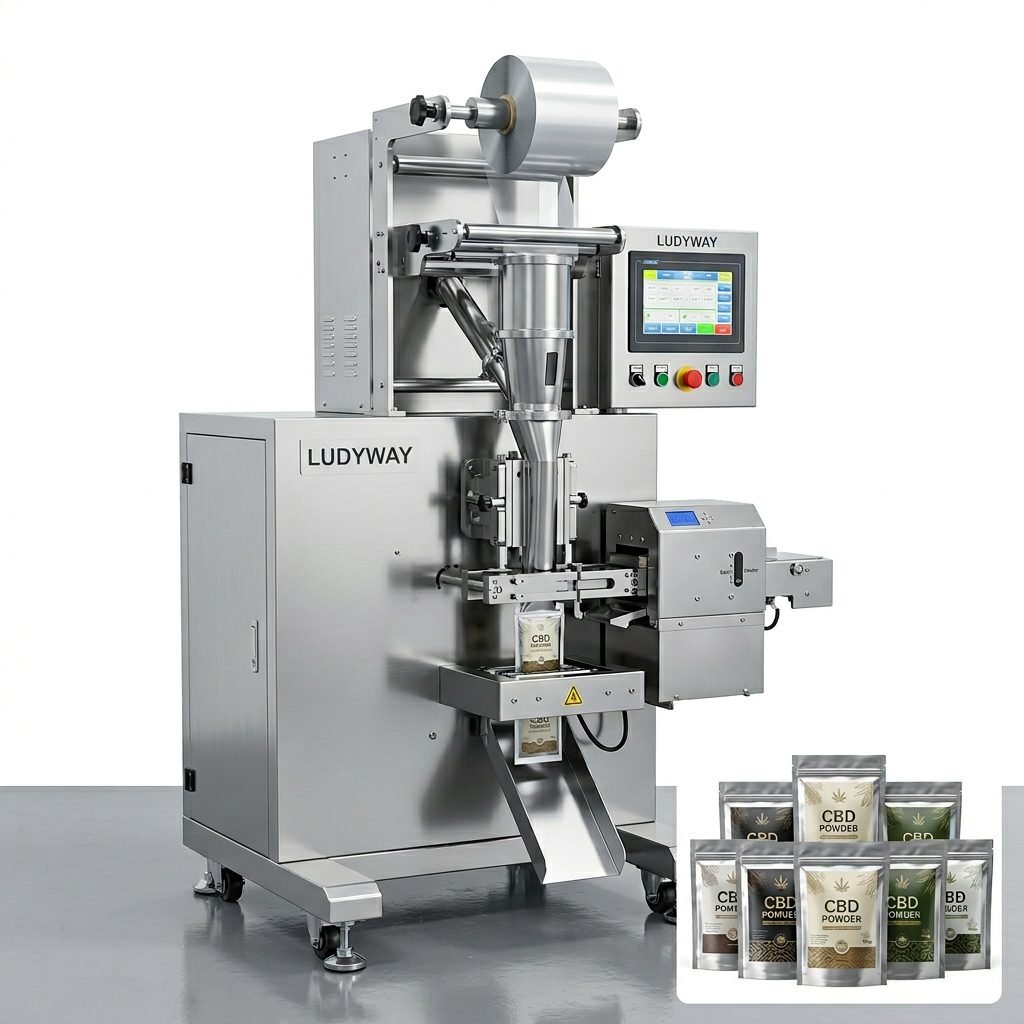
3. Leverage Advanced Human-Machine Interface (HMI) with Recipe Management
A sophisticated HMI is the command center for flexibility. Look for systems that offer:
• Recipe Storage: Save all machine parameters (speeds, temperatures, dimensions) for each product. Operators can recall a recipe with one touch.
• Guided Changeover Procedures: The HMI can display step-by-step instructions, diagrams, or even videos to guide operators through the process, reducing errors and training time.
• Remote Monitoring & Support: Connectivity features allow for remote diagnostics and parameter adjustments, further minimizing downtime.
4. Adopt a Modular System Design
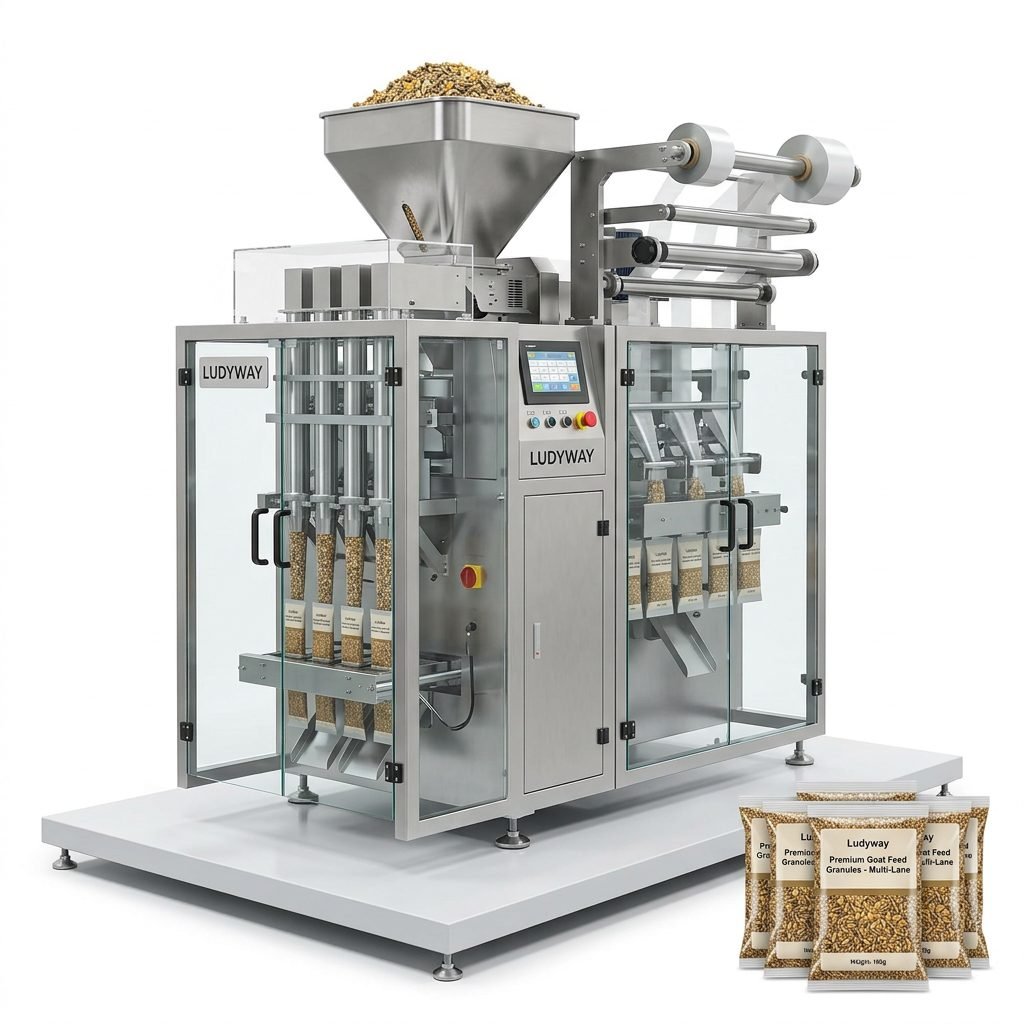
Instead of a single, monolithic machine, consider a modular packaging system. A modular vertical form-fill-seal (VFFS) machine, for instance, can be easily reconfigured with different feeders (auger, volumetric, pump), scales, or gas flushing units based on the product. This approach future-proofs your investment, allowing you to add capabilities as your product line evolves.
5. Standardize on Versatile Packaging Formats
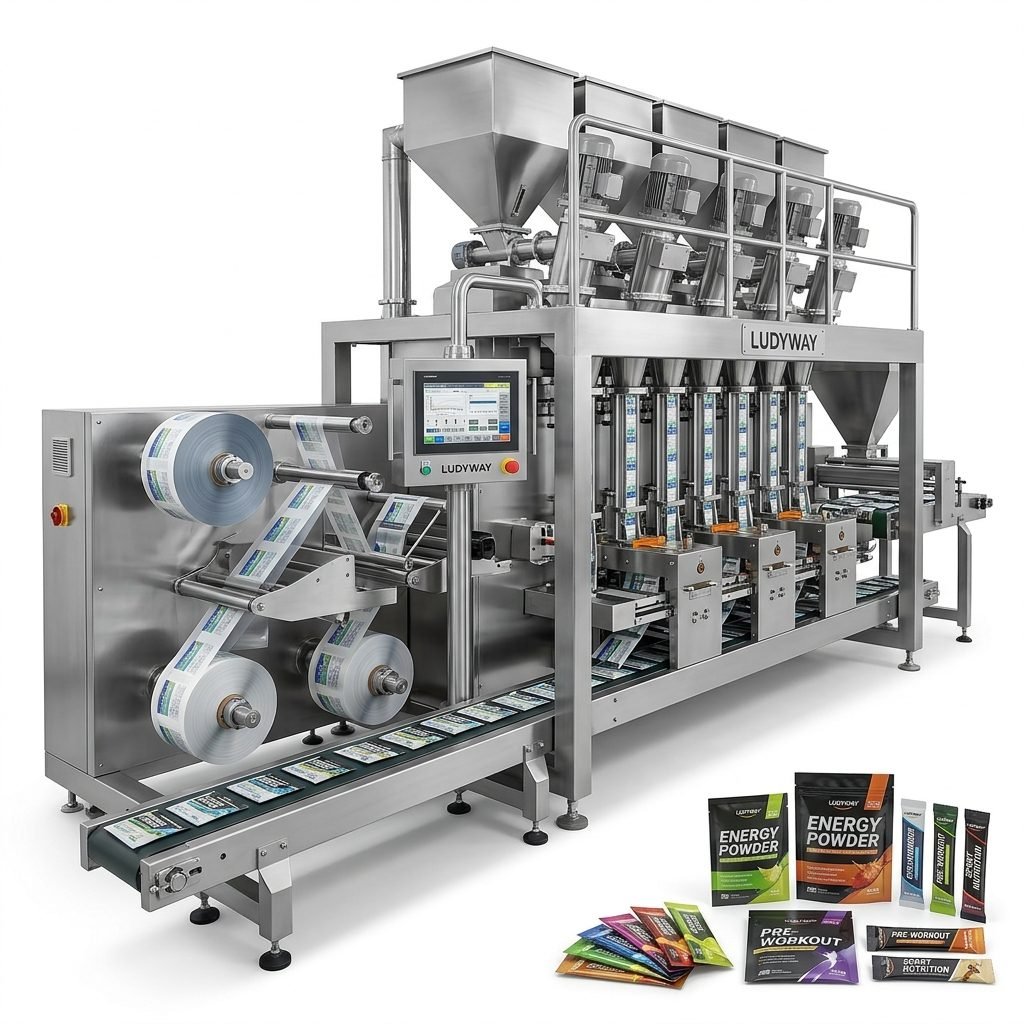
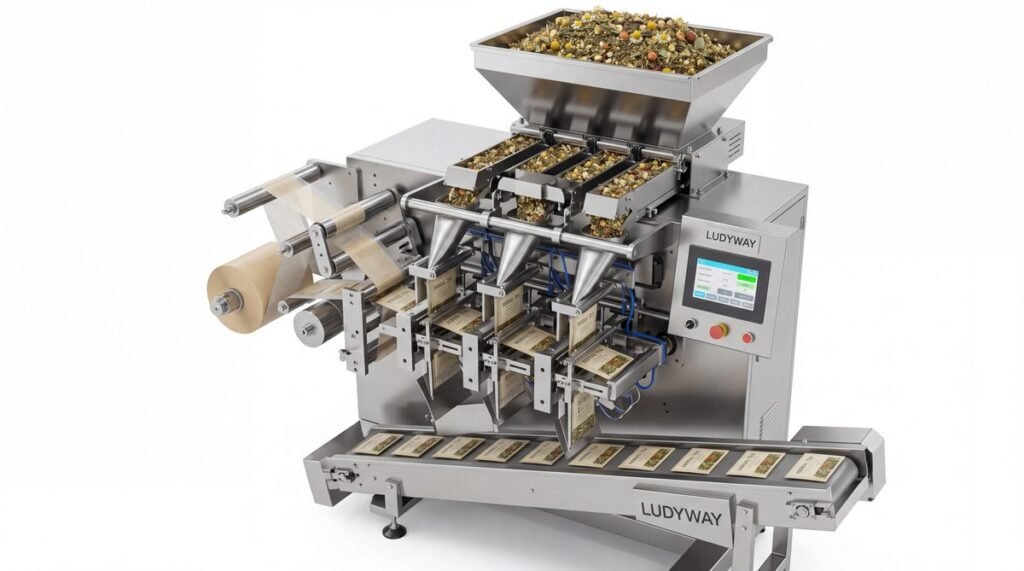
Choose machine platforms capable of producing multiple, in-demand formats. For example, a multi-lane stick pack machine can efficiently produce single-serving portions for food, pharmaceuticals, or supplements. Similarly, a sachet machine that can handle both 3-side and 4-side seals offers more options for your marketing and product development teams.
Real-World Flexibility in Action: Ludyway’s Approach
With over 30 years of industry experience, experts at Ludyway understand that true flexibility is engineered into the machine from the start. Their range of over 50 intelligent packaging models is built on principles of modularity and servo control. For instance, their solutions for the food and pharmaceutical industries often feature tool-less changeover components and centralized HMI recipe control, enabling producers to switch between product runs with exceptional speed and repeatability, directly translating to higher productivity.
Measuring the ROI of Improved Flexibility
The investment in flexible equipment pays back through tangible metrics:
• Reduced Changeover Time (C/O): Track the average time from the last good pack of Product A to the first good pack of Product B. Aim for reductions of 50-70%.
• Increased Overall Equipment Effectiveness (OEE): Higher availability (less downtime for changeovers) directly boosts OEE.
• Lower Minimum Order Quantity (MOQ): With cheaper changeovers, producing small batches becomes economically viable.
• Reduced Inventory: The ability to produce “just-in-time” reduces finished goods inventory holding costs.
Conclusion
Improving your packaging equipment’s flexibility is a strategic move that goes beyond mere machine specification. It’s about building an agile, responsive, and efficient production capability. By focusing on servo technology, quick-change parts, intelligent controls, and modular design, you can dramatically reduce changeover time, boost productivity, and gain a significant competitive edge in a market that demands variety and speed. Partnering with a provider that has deep experience in turnkey production solutions can ensure your flexibility goals are met with reliable, proven technology.
Frequently Asked Questions (FAQs)
1. How much can flexible packaging equipment actually reduce changeover time?
With fully servo-driven machines and quick-change tooling, changeovers that traditionally took 1-2 hours can often be reduced to 15-30 minutes or less. The exact savings depend on the complexity of the change, but reductions of 50-80% are commonly achieved.
2. Is flexible equipment more expensive to purchase upfront?
Yes, flexible, servo-based machines typically have a higher initial capital cost than simpler mechanical models. However, the total cost of ownership is often lower due to massive savings in labor, downtime, and material waste during changeovers, leading to a strong and fast return on investment (ROI).
3. Can I retrofit my existing packaging machine to make it more flexible?
Limited retrofits are possible, such as adding a new HMI with recipe control or specific quick-change parts. However, core flexibility features like servo-driven axes usually require a new machine design. A consultation with a packaging engineer is the best way to assess your options.
4. What industries benefit the most from flexible packaging lines?
Industries with high product variety, seasonal items, or short production runs see the greatest benefit. This includes food & beverage (snacks, coffee, sauces), pharmaceuticals (sample sachets, clinical trial batches), nutraceuticals, and cosmetics. It’s also crucial for contract packagers who handle many different client products.
5. How do I ensure my operators can manage the more complex flexible equipment?
Modern HMIs with intuitive, guided workflows are designed for ease of use. Comprehensive training from the supplier is essential. The key is that while the machine’s technology is complex, the operator’s task is simplified—often to selecting a product recipe and following on-screen prompts for any physical component swaps.