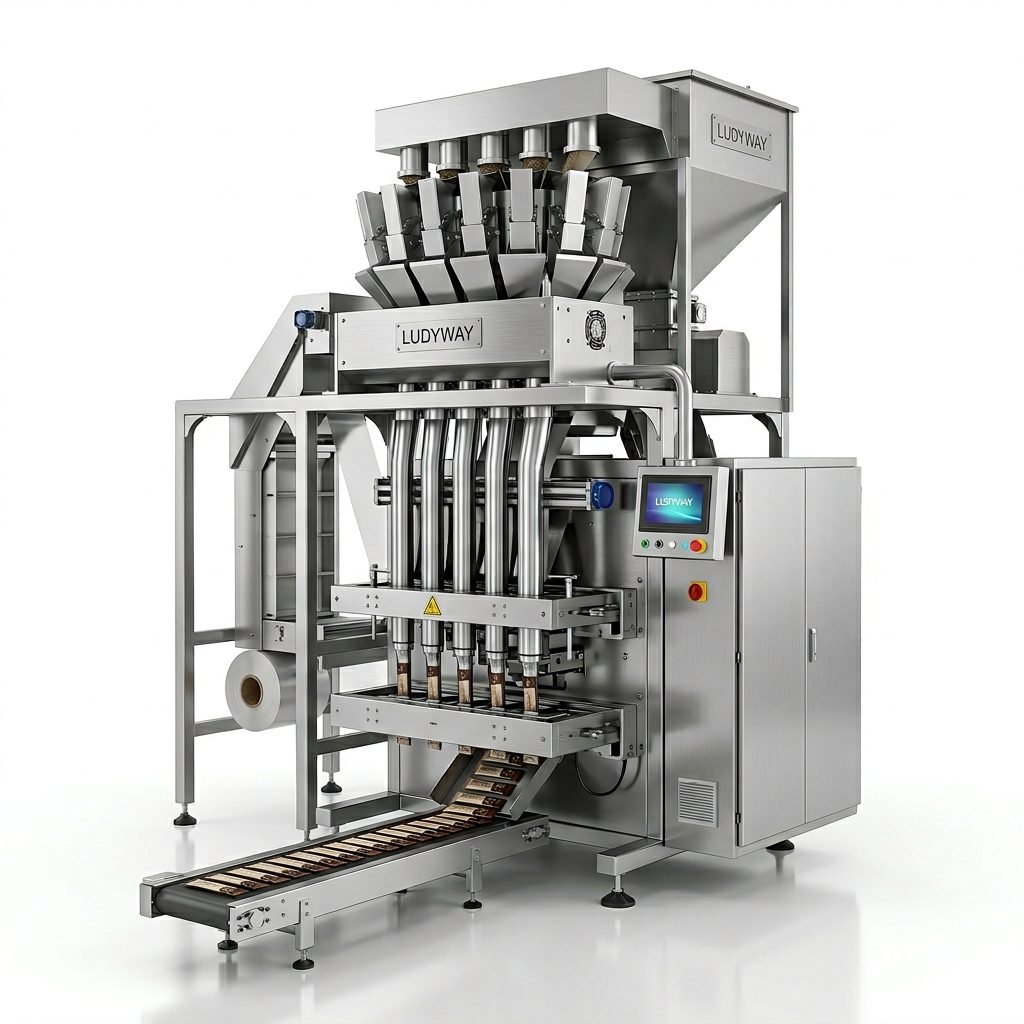
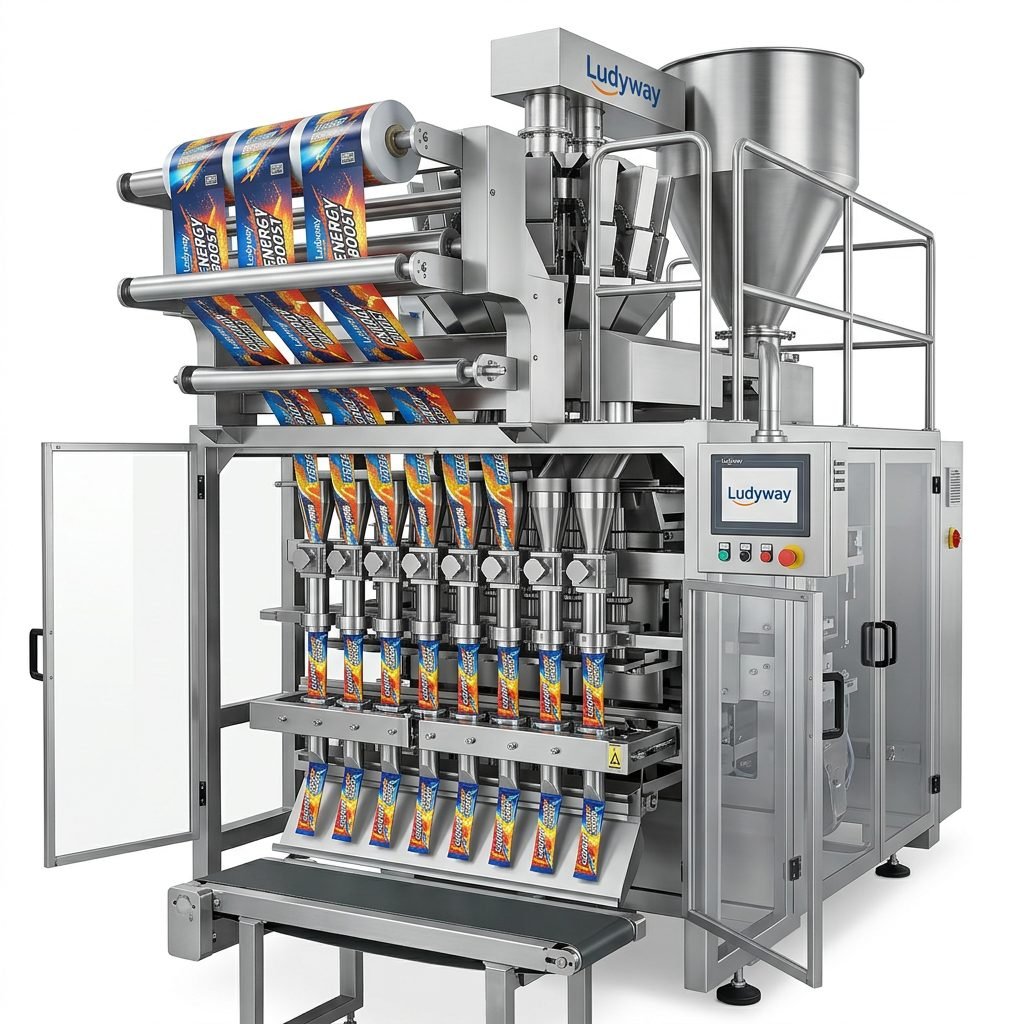
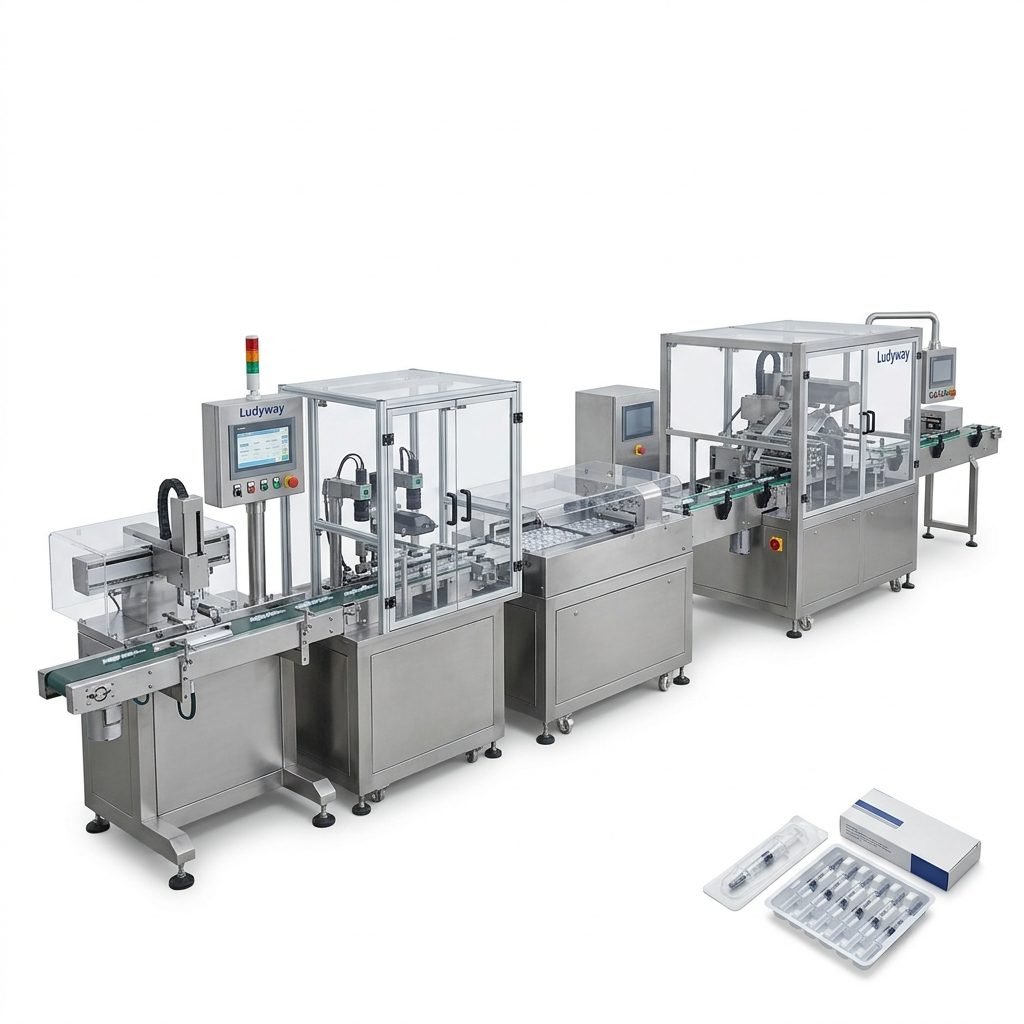
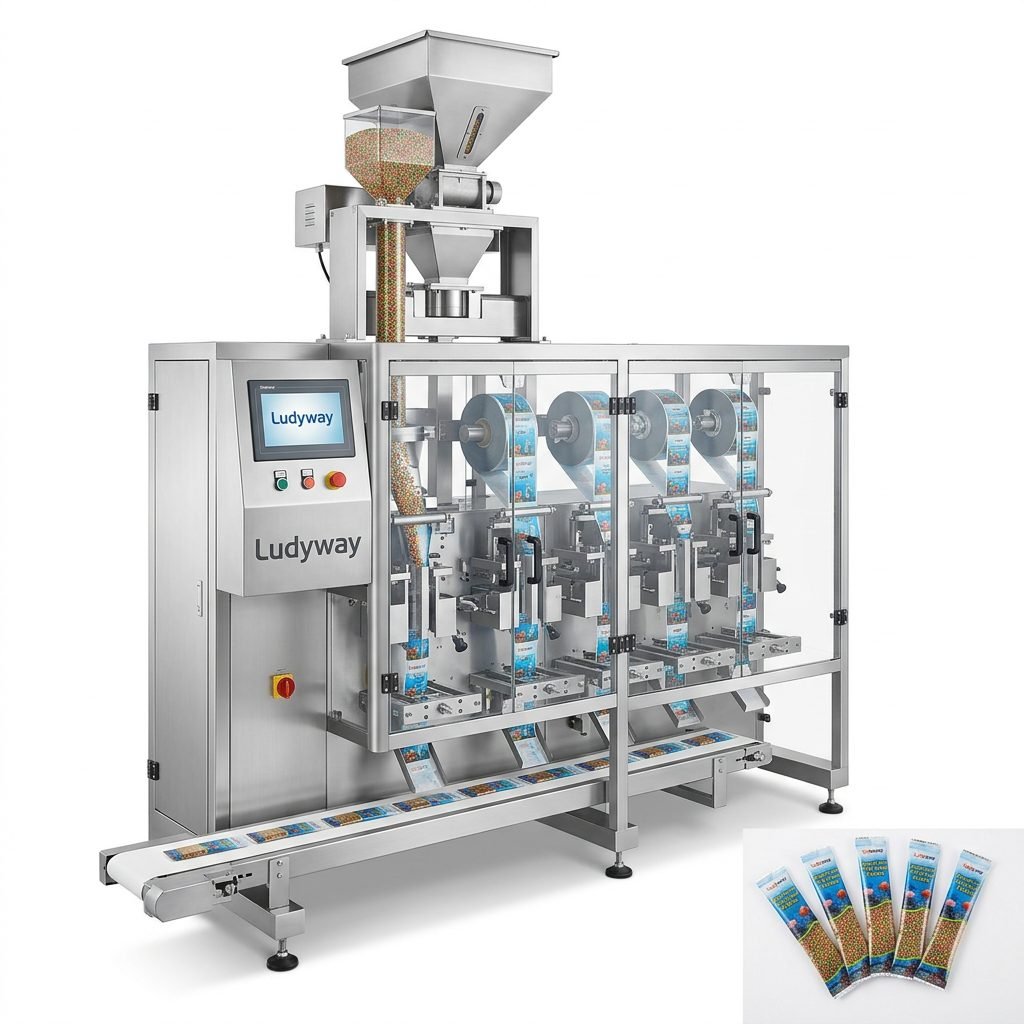
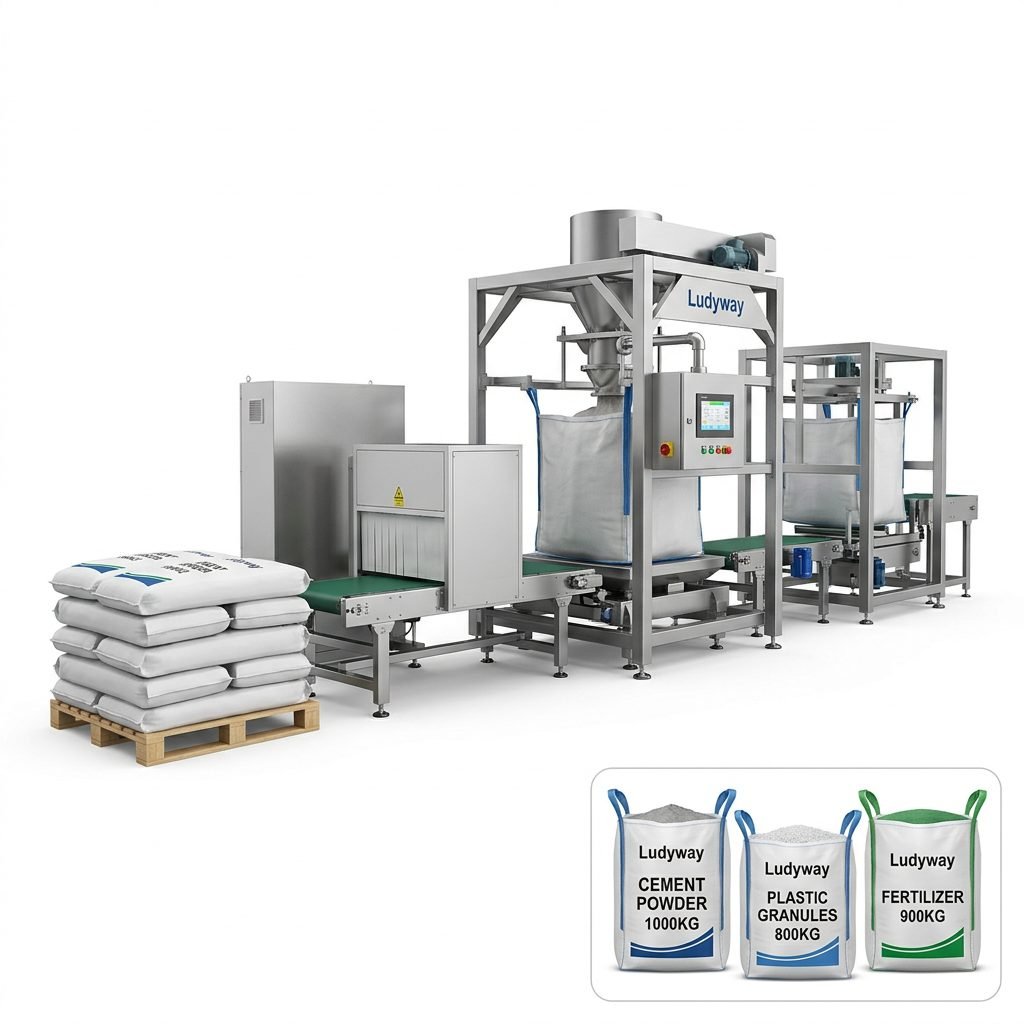
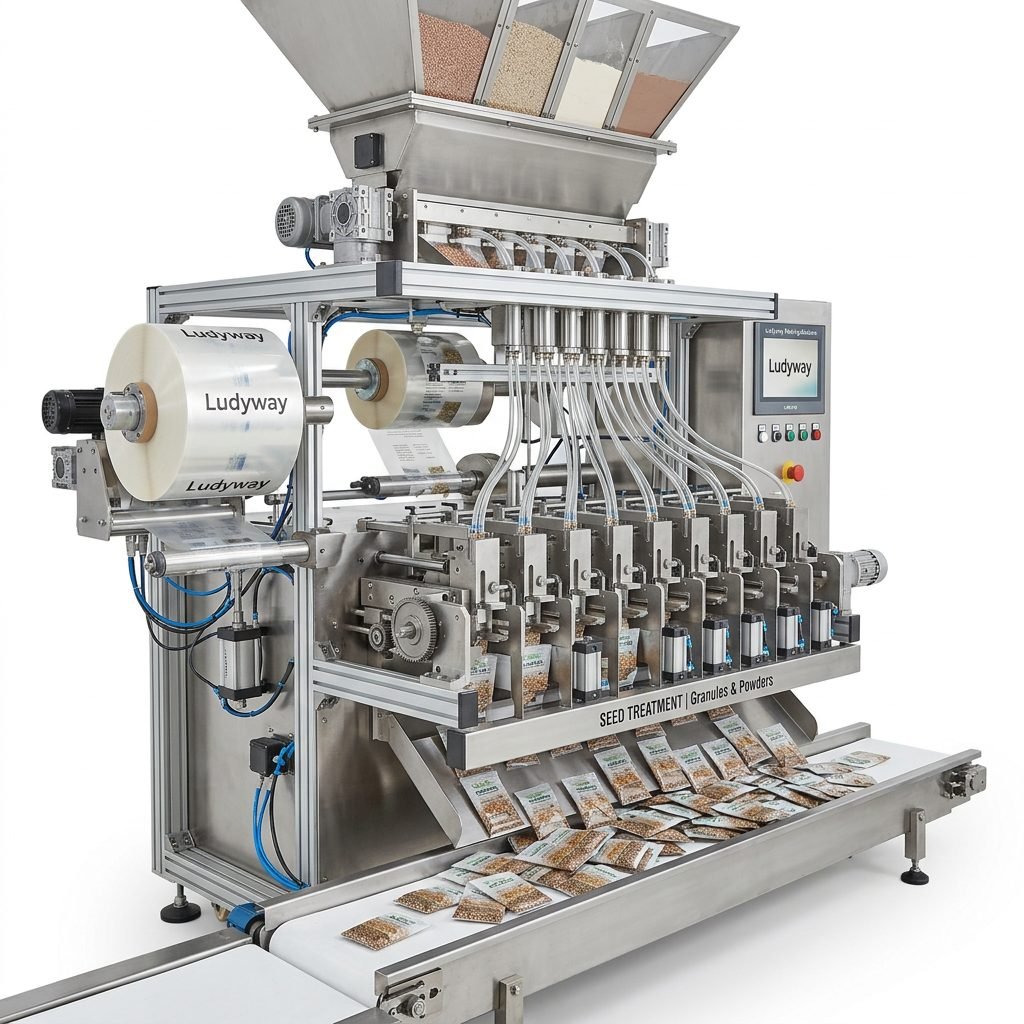
Selecting the right pharmaceutical packaging equipment manufacturer is a critical decision that impacts product safety, regulatory compliance, production efficiency, and ultimately, your bottom line. The market is filled with numerous suppliers, each claiming superiority. This guide will navigate you through the top considerations for identifying leading manufacturers and provide a framework for choosing the supplier that perfectly aligns with your operational, quality, and strategic needs.
Key Attributes of Top-Tier Pharmaceutical Packaging Equipment Manufacturers
Leading manufacturers distinguish themselves through a combination of technical excellence, industry-specific knowledge, and unwavering commitment to quality. Here are the core attributes to look for:
1. Stringent Compliance & Quality Certifications
Pharmaceutical packaging operates under the microscope of global regulatory bodies. Premier manufacturers design and build equipment with compliance as a foundational principle, not an afterthought. Essential certifications include:
- cGMP (Current Good Manufacturing Practice): Adherence to FDA and international cGMP standards for design, manufacturing, and documentation.
- CE Marking & ISO Standards: CE certification for the European market and ISO 9001 for quality management systems are baseline expectations. ISO 13485 is crucial for medical device packaging.
- Material & Hygienic Design: Use of FDA-approved, corrosion-resistant materials (e.g., 316L stainless steel) and designs that prevent contamination, facilitate cleaning, and allow for sterile processing where required.
2. Advanced Technological Capabilities & Innovation
Technology drives efficiency, precision, and flexibility. Top suppliers invest heavily in R&D to offer:
→ Industry 4.0 Integration: Equipment with IoT capabilities for real-time monitoring, predictive maintenance, and seamless integration into smart factory environments. Data integrity features are paramount for audit trails.
→ Precision & Versatility: High-accuracy dosing systems for powders, granules, and liquids. Machines should handle a range of packaging formats (blister packs, sachets, bottles, vials) with quick changeover capabilities to support low-volume, high-mix production.
→ Vision Inspection & Traceability: Integrated vision systems for 100% inspection of fill levels, label accuracy, and seal integrity. Serialization and aggregation functionalities to meet global track-and-trace regulations.
3. Proven Industry Experience & Project Support
Experience in the pharmaceutical sector is non-negotiable. It translates into an understanding of unique challenges like containment for potent compounds, aseptic handling, and validation protocols. Look for a manufacturer with:
- A long-standing history (e.g., decades of operation) serving pharmaceutical clients.
- A portfolio of successful case studies and references from reputable companies.
- The ability to provide complete turnkey solutions—from initial design and factory acceptance testing (FAT) to installation, qualification (IQ/OQ/PQ), and ongoing technical support.
How to Choose the Right Supplier: A Step-by-Step Framework
Identifying a list of potential manufacturers is the first step. The following framework will help you evaluate and select the optimal partner.
Step 1: Define Your Specific Requirements
Before engaging suppliers, crystallize your needs. Create a detailed User Requirements Specification (URS) document covering:
- Product type (tablets, powder, liquid, sterile).
- Required output speed (packs per minute/hour).
- Packaging materials and formats.
- Regulatory and validation needs (e.g., GAMP 5).
- Budget constraints and expected ROI timeline.
- Future scalability requirements.
Step 2: Conduct Thorough Market Research & Shortlisting
Use industry directories, trade shows (like Interpack or P-MEC), and professional networks to create a long list. Shortlist 3-5 manufacturers based on:
Reputation: Seek peer reviews and industry testimonials. A manufacturer like Ludyway Machinery, with over 30 years of industry experience, exemplifies a supplier built on long-term reliability.
Technical Match: Does their standard equipment range meet your URS, or can they customize effectively? A supplier with a broad portfolio, such as offering over 50 intelligent packaging machine models, indicates strong engineering capability.
Step 3: Evaluate Technical Proposals & Conduct Factory Audits
Request detailed proposals. The most critical step is a physical or virtual factory audit. Assess:
Manufacturing Infrastructure: Is the facility modern and organized? A 20,000㎡ modern production facility signals scalability and a serious commitment to manufacturing excellence.
Quality Control Processes: Inspect in-process quality checks and testing protocols.
Technical Expertise: Engage with their engineering team. Their depth of knowledge will be crucial during commissioning and troubleshooting.
Step 4: Analyze Total Cost of Ownership (TCO) & Support
Look beyond the initial purchase price. Calculate TCO, which includes:
- Installation and validation costs.
- Energy and consumable consumption.
- Preventive maintenance plans and spare parts pricing.
- Training and ongoing technical support availability. A global service network is vital for international operations.
Choose a partner who offers transparent support and views the sale as the start of a partnership, much like companies that emphasize long-term cooperation and innovation.
Step 5: Check References & Finalize Partnership Terms
Speak directly to existing clients, especially those with similar products or challenges. Finally, ensure all terms—warranty, performance guarantees, payment terms, and intellectual property—are clearly defined in the contract.
Why Specialized Expertise Matters: The Ludyway Example
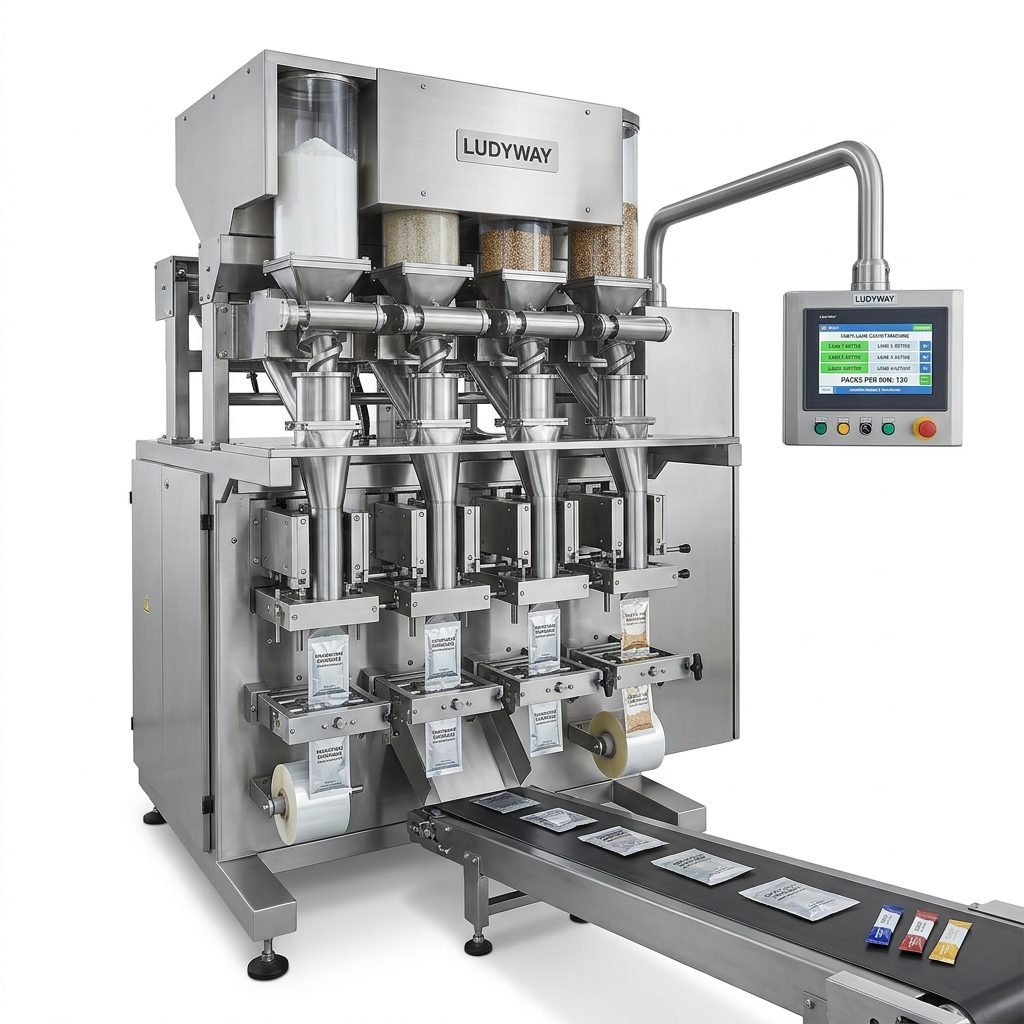
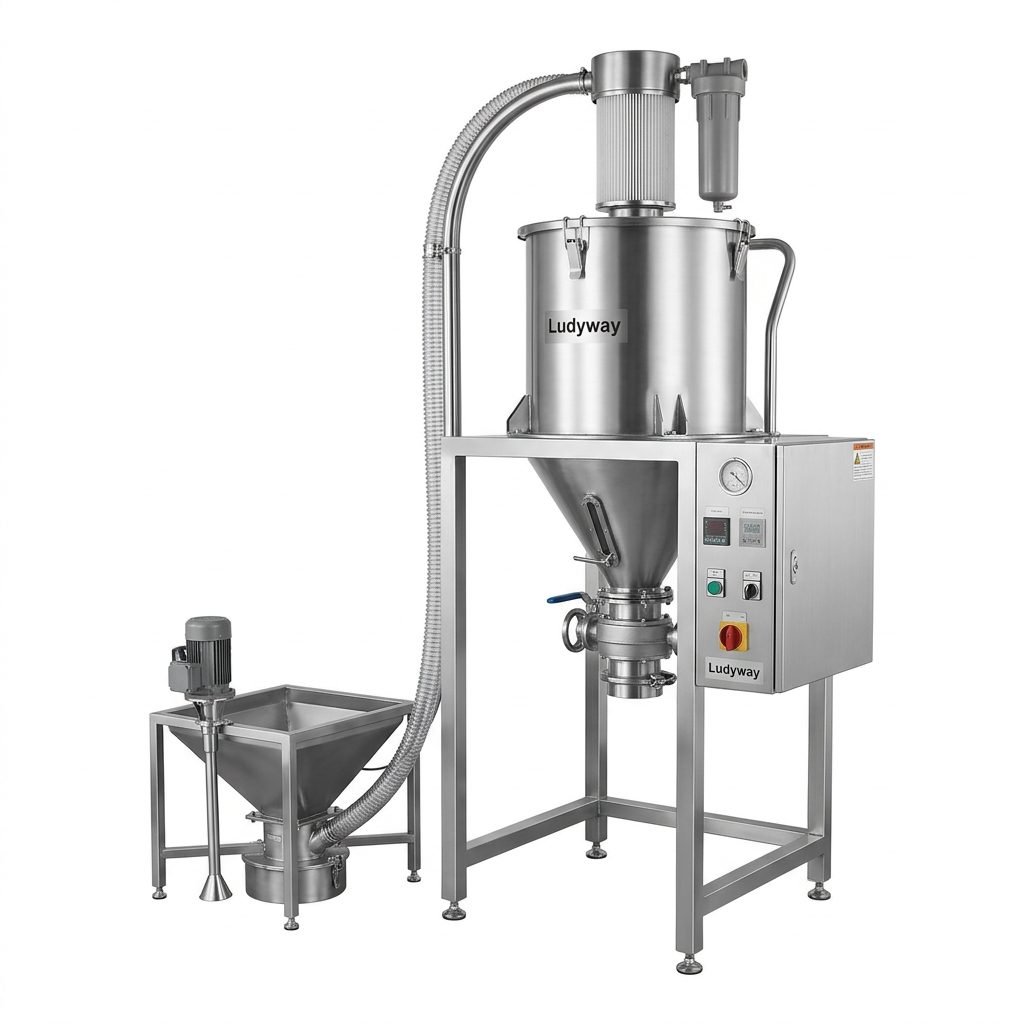
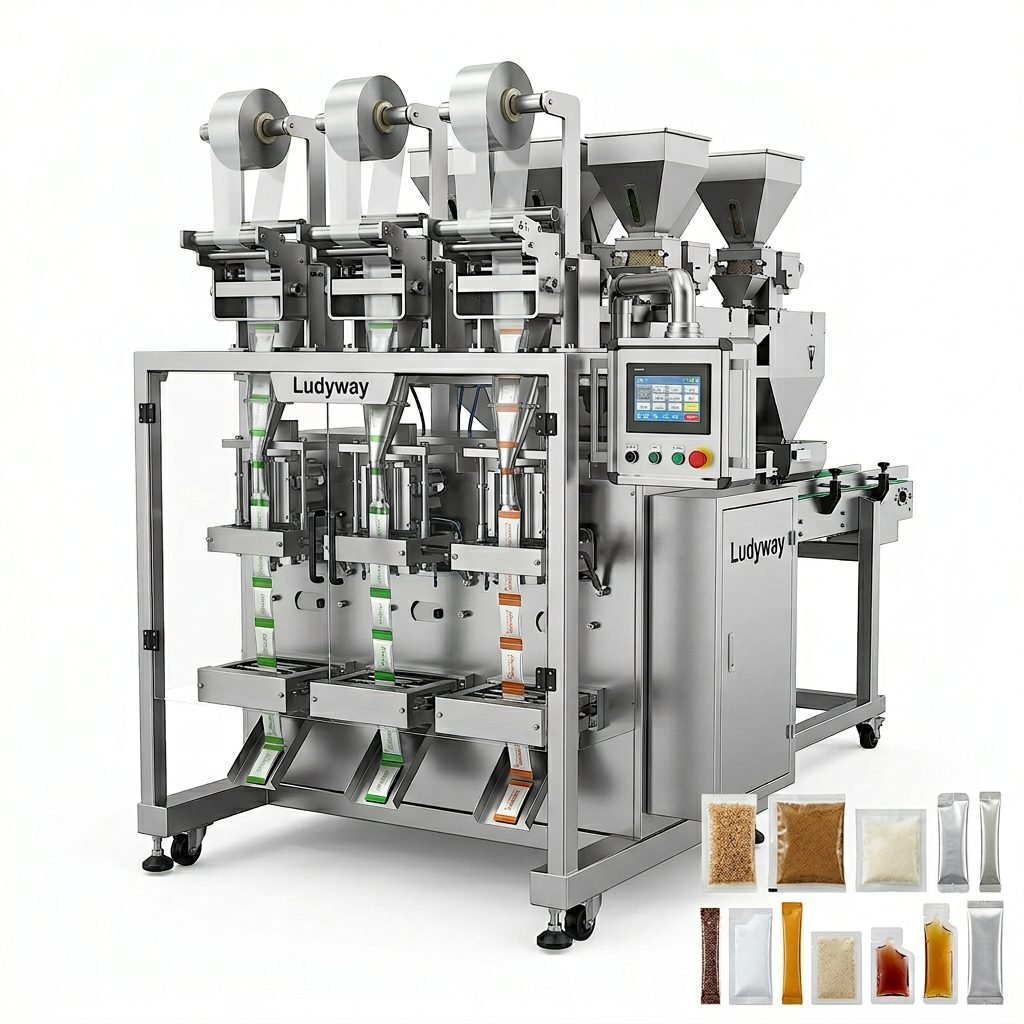
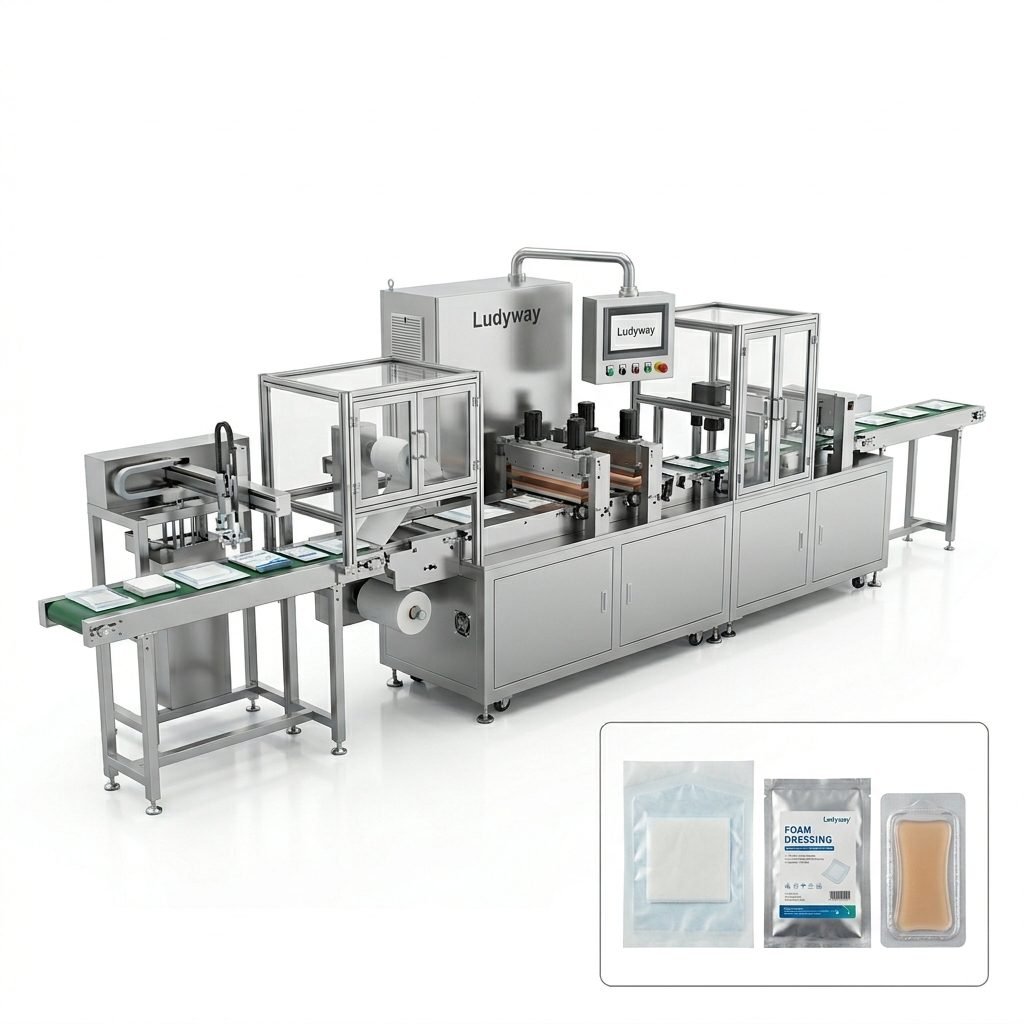
Focusing on specific industries allows manufacturers to develop deep expertise. For instance, a brand like Ludyway Machinery concentrates on packaging solutions for the pharmaceutical, food, and health industries. This focus means their equipment is designed with an innate understanding of sector-specific needs—from hygiene and accuracy to regulatory nuance—ensuring that clients receive more than just a machine, but a reliable solution tailored to their production ecosystem. Their evolution from a specialized engineering team to a provider of complete turnkey production line solutions demonstrates the value of focused growth and customer-centric development.
Conclusion
Selecting a pharmaceutical packaging equipment manufacturer is a strategic investment. By prioritizing regulatory compliance, technological innovation, proven experience, and robust support, you can partner with a supplier that ensures operational excellence, mitigates risk, and supports your growth. A meticulous, step-by-step evaluation process is your best tool for making a confident, informed decision that will pay dividends for years to come.
Frequently Asked Questions (FAQs)
1. What is the most important certification for pharmaceutical packaging equipment?
Adherence to cGMP (Current Good Manufacturing Practice) standards, as enforced by the FDA, EMA, and other global authorities, is paramount. This should be complemented by relevant ISO standards (e.g., ISO 9001, ISO 13485) and CE marking for the European market.
2. How crucial is a factory audit before purchasing?
It is highly recommended and often critical. An audit allows you to verify manufacturing quality controls, assess the company’s stability and expertise firsthand, and see equipment being built and tested. It reduces risk significantly.
3. Should I choose a standard machine or a customized solution?
This depends entirely on your URS. Standard machines are cost-effective and have shorter lead times if they meet your needs. For unique products, specialized processes, or high-speed integrated lines, a customized or turnkey solution from a capable manufacturer is the better long-term investment.
4. What does ‘Total Cost of Ownership’ include for packaging machinery?
TCO includes the purchase price, installation/validation, utilities, maintenance/repairs, spare parts, operator training, and potential downtime costs. A machine with a lower initial price may have a much higher TCO due to inefficiency or expensive support.
5. How can I ensure the supplier will support me after installation?
Evaluate their global service network, availability of spare parts, training programs, and responsiveness. Clear service level agreements (SLAs) in the contract and positive feedback from reference clients are strong indicators of reliable long-term technical support.